Are Acorns Toxic to Dogs? What Every Owner Should Know
Yes — acorns are toxic to dogs.
Acorns are toxic to dogs. They contain tannins, including gallotannin, that irritate the stomach and intestines and can damage the kidneys and liver. They can also choke a dog or block its intestines. Call your veterinarian if your dog eats acorns.
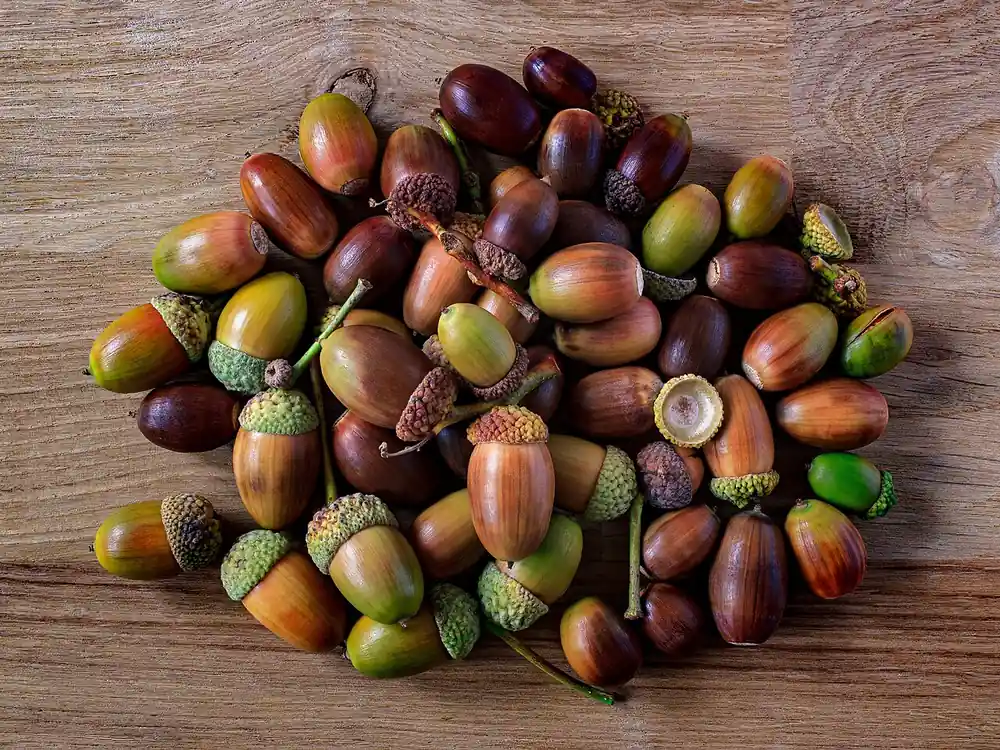

- Item
- Acorns
- Scientific name
- Quercus spp.
- Also called
- Acorns, Oak nuts
- Category
- Plants
- Verdict
- Toxic
- Symptoms start
- Stomach upset can appear within hours of eating acorns. More serious kidney and liver signs may take days to develop — the Merck Veterinary Manual notes clinical signs can occur 3 to 7 days after eating large quantities of oak leaves or acorns, although that timing comes from livestock data and the exact timing in dogs is not established.
Yes — acorns are toxic to dogs. Acorns are the nuts of oak trees (Quercus spp.), and they contain tannins, including gallotannin, that irritate the stomach and intestines and can damage the kidneys and liver. They are also hard and sharp, so a swallowed acorn can choke a dog or block the intestines.
Acorns are everywhere in autumn, when oaks drop them in large numbers, and many dogs pick them up on walks. One or two acorns will usually cause only a stomach upset, but a dog that eats a lot — or eats them again and again — can become seriously ill. This page explains the risks, the symptoms, and what to do.
If your dog ate it — what to do now
- Gently remove any acorn from your dog's mouth if you can do so safely, and stop your dog from eating more.
- Call your veterinarian or ASPCA Animal Poison Control Center at (888) 426-4435 (a consultation fee may apply) right away — do not wait for symptoms.
- Tell them how many acorns your dog ate, whether they were green or brown, when it happened, and your dog's weight.
- Follow your veterinarian's instructions. They may induce vomiting if the acorns were eaten within the past few hours, use an endoscope to remove them, and run bloodwork and imaging to check for a blockage and kidney or liver damage.
- Watch your dog closely for several days for vomiting, diarrhea, loss of appetite, lethargy, excessive thirst, or discolored urine, and report any of these signs to your veterinarian promptly.
Do not do this
- Do not induce vomiting unless a veterinarian tells you to.
- Do not wait to see if symptoms appear before calling for advice — kidney and liver damage can develop over days.
- Do not let your dog keep eating acorns, oak leaves, buds, or bark while you decide what to do.
- Do not use home remedies as a substitute for veterinary care.
What makes acorns toxic to dogs?
Acorns contain tannins, a group of bitter plant compounds, including gallotannin, which the ASPCA lists as the toxic principle of oak (Quercus species). In the gut, gallotannins break down into gallic acid and tannic acid. Tannic acid irritates the lining of the mouth, esophagus, stomach, and intestines, and in larger amounts can cause ulcers and damage the liver and kidneys. The Merck Veterinary Manual states that all species of oak should be considered potentially toxic.
Tannin levels are not the same in every acorn. The highest concentrations are in green, unripe acorns and in young oak leaves and buds that appear in spring. Ripe brown acorns contain less tannin but are still harmful in quantity. Tannins are very bitter, which puts many dogs off after a first bite — but a determined dog or a puppy may keep eating them anyway.
How many acorns are dangerous for dogs?
There is no known safe number, and no established toxic dose of acorns for dogs in the authoritative sources checked. Veterinarians quoted by Great Pet Care put it plainly: there is no known dose per dog. Risk rises with the amount eaten, with repeated eating, and with tannin content, which varies by species and ripeness. Small dogs face higher risk, because the dose is larger relative to body weight and one whole acorn is more likely to choke them or block the intestines.
One or two acorns will usually cause only mild stomach upset, and serious cases in dogs are uncommon — but they do happen. A case report in the Canadian Veterinary Journal describes a Labrador that ate around 10 to 15 acorns and developed lethargy, vomiting, and diarrhea; with supportive treatment, it recovered. Do not count acorns and decide the number is safe — call your veterinarian whenever your dog has eaten them.
What are the symptoms of acorn poisoning in dogs?
The first signs are usually digestive and appear within hours: vomiting, diarrhea, loss of appetite, and a dip in energy. The ASPCA's oak listing describes a similar pattern — abdominal pain, constipation then diarrhea (occasionally bloody), depression, frequent urination, discolored urine, and jaundice — and notes acorns can obstruct the digestive tract. Dogs that swallow acorns whole may also show signs of a blockage: repeated vomiting, straining to pass stool, and a swollen abdomen.
More serious signs take longer to develop. The Merck Veterinary Manual notes that clinical signs can occur 3 to 7 days after eating large quantities of young oak leaves or green acorns, although that timing comes from livestock data and the timing in dogs is not established. Kidney and liver damage may show as excessive thirst, frequent urination, discolored urine, jaundice, and dehydration. In severe cases, acorn poisoning can cause kidney failure and death.
- Vomiting.
- Diarrhea.
- Bloody diarrhea.
- Abdominal pain.
- Loss of appetite.
- Lethargy.
- Drooling.
- Constipation.
- Excessive thirst.
- Frequent urination.
- Discolored urine.
- Jaundice.
- Dehydration.
- Collapse.
What to do if your dog eats acorns
Do not wait to see if symptoms appear. If you catch your dog with an acorn, try to gently remove it from the mouth if you can do so safely, then call your veterinarian right away. Tell them how many your dog ate, when it happened, your dog's weight, and whether the acorns were green or brown. Your veterinarian may induce vomiting if the acorns were eaten recently, or use an endoscope to remove them. They may also run bloodwork and imaging to check for a blockage and organ damage.
There is no specific antidote — the Merck Veterinary Manual states that no specific treatment exists for oak toxicosis — so treatment is supportive: intravenous fluids, medication for vomiting and stomach pain, and monitoring of kidney and liver function, sometimes in hospital. Dogs with a blockage may need surgery. With prompt care, mild cases usually recover fully; severe cases carry a more guarded prognosis. If your dog is choking or struggling to breathe, get emergency veterinary care immediately.
How to keep your dog safe from acorns
Prevention is the best protection, because acorns cannot be removed from the landscape entirely. Rake up fallen acorns in your yard regularly, especially in autumn — and be ready for mast years, when oaks produce an exceptionally heavy crop roughly every two to five years. Walk your dog on a leash where acorns cover the ground, and watch puppies and known scavengers closely. Teach a reliable “leave it” and “drop it” command so you can stop your dog before it swallows an acorn.
Clear fallen oak leaves too, and trim low branches your dog can reach. If your dog keeps eating acorns despite training, fence off the area under the tree during autumn. Keep decorative acorns out of reach, and check the ground after storms, which can knock down large numbers of green acorns.
Other parts of the oak tree that are toxic
Acorns are the best-known danger, but not the only one. Every part of the oak contains tannins — bark, leaves, wood, and buds as well as acorns — and all are poisonous to dogs in quantity. Young spring leaves and buds carry the highest tannin concentration of all, so spring is a second risk season. Oak galls, the round growths sometimes found on oak leaves and twigs, also contain tannins.
Do not let your dog chew oak sticks, bark, or fallen branches — a stick is not safe just because your dog chewed one before without trouble. Mature leaves are less toxic than young ones, but they still contain tannins, and a dog that eats a large amount of fallen leaves can develop the same stomach upset as one that eats acorns. If your dog has been chewing any part of an oak tree, treat it like eating acorns and call your veterinarian.
Safe alternatives to acorns
Dogs that scavenge acorns usually want something to crunch. Carrots are a good swap: crunchy and low in calories. Apple slices are another simple option — just remove the seeds and core first. Blueberries work well as a small training reward for “leave it” around oak trees, and plain dog biscuits or chews give a chewer something safe to gnaw on.
Use the alternative as part of training, not just as a snack. When your dog turns away from an acorn on your cue, reward it at once, and over time it learns that ignoring acorns pays better than eating them. If your dog keeps eating acorns despite training, ask your veterinarian or a qualified trainer for help — some dogs need a muzzle on walks during acorn season.
- Carrots: a crunchy, low-calorie chew.
- Apple slices: remove the seeds and core first.
- Blueberries: easy to carry as a training reward.
- Plain dog biscuits or chews: a safe chew.
Symptoms to watch for
- Vomiting
- Diarrhea
- Bloody diarrhea (in more severe cases)
- Abdominal pain
- Loss of appetite
- Lethargy or weakness
- Drooling
- Constipation (sometimes followed by diarrhea)
- Excessive thirst
- Frequent urination
- Discolored or dark urine
- Jaundice (yellowing of the gums or eyes)
- Dehydration
- Collapse (in severe cases)
Stomach upset can appear within hours, while kidney and liver signs may take days to develop. Bloody diarrhea, discolored urine, jaundice, and collapse are signs of severe poisoning and need emergency veterinary care.
Safe alternatives
- Carrots — A low-calorie, crunchy chew most dogs enjoy, and a safe outlet for a dog that likes to pick things up on walks.
- Apple slices (seeds and core removed) — Crunchy, sweet, and safe for most dogs — remove the seeds and core first.
- Blueberries — Safe for dogs in moderation and easy to carry as a training reward for a “leave it” command.
- Plain dog biscuits or chews — A safe, purpose-made chew gives a scavenging dog something to crunch without the tannin or blockage risk.
What about cats? Oak tannins are not specific to dogs — cats that eat acorns or oak leaves can develop the same stomach upset, and severe cases carry the same kidney risk, although cats rarely eat acorns. Keep fallen acorns and oak trimmings away from cats as well as dogs.
Frequently asked questions
Are acorns toxic to dogs?
Yes. Acorns contain tannins, including gallotannin, which irritate the stomach and intestines and can damage the kidneys and liver in larger amounts. They are also hard and sharp, so a swallowed acorn can choke a dog or block its intestines. The ASPCA lists gallotannin as the toxic principle of oak (Quercus species).
How many acorns are dangerous for a dog?
There is no known safe number, and no established toxic dose for dogs in the authoritative sources checked. A dog that eats one or two acorns will usually only get a stomach upset, but a large amount at once, or eating acorns again and again over days or weeks, can cause serious kidney and liver damage. Small dogs face higher risk from the same amount. Call your veterinarian no matter how many your dog ate.
How soon do symptoms appear after a dog eats acorns?
Stomach upset — vomiting, diarrhea, loss of appetite, and lethargy — can appear within hours. More serious kidney and liver signs may take days to develop; the Merck Veterinary Manual notes that clinical signs can occur 3 to 7 days after eating large quantities of oak leaves or acorns, although that timing comes from livestock data and the exact timing in dogs is not established.
Can dogs eat acorns or oak leaves at all?
No. Do not let your dog eat acorns, leaves, buds, bark, or wood from an oak tree. Every part of the oak contains tannins. Rake up fallen acorns in autumn, walk your dog on a leash where acorns cover the ground, and teach a reliable “leave it” command.
Sources
- ASPCA Poison Control — Toxic and Non-toxic Plants: Oak
- Merck Veterinary Manual — Oak Toxicosis in Animals
- Vets Now — Are Acorns Poisonous to Dogs? Can Dogs Eat Acorns?
- Great Pet Care — Are Acorns Bad for Dogs?
- Blue Cross — Are Acorns Poisonous to Dogs?
Related guides
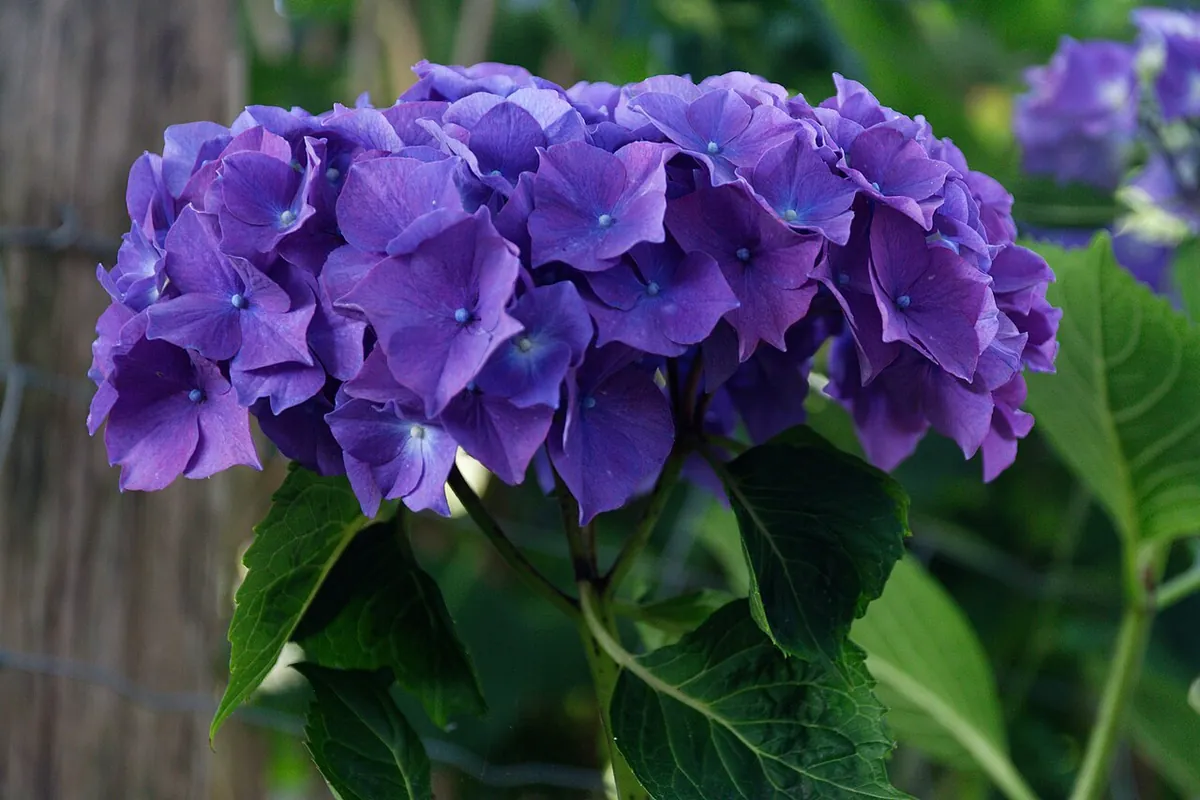
Hydrangeas are toxic to dogs. All parts contain amygdalin, a cyanogenic glycoside that can release cyanide in the body. Most dogs get vomiting, diarrhea, and lethargy; serious cyanide poisoning is rare but possible after a large ingestion. Call your vet if your dog eats any part of one.

Lilies can poison dogs, usually causing vomiting, diarrhea, and drooling. True lilies are far more dangerous to cats, where they can cause fatal kidney failure. If your dog eats any lily, call your vet.

The ASPCA lists azaleas (Rhododendron spp.) as toxic to dogs, cats, and horses. Every part of the plant contains grayanotoxins, and even a few leaves can cause vomiting, weakness, and dangerous heart effects.

Tulips are toxic to dogs. Every part of the plant contains tulipalin A and B, but the bulb holds the highest concentration, so a dog that digs up and eats bulbs faces the greatest risk.