Not everything in your home is a danger to your dog. The items below were rated Safe by our research, and the alternatives listed come from our guides to toxic items — safer swaps when you want the look or the treat without the risk. A “safe” rating still means sensible amounts: any new food should be introduced slowly, and any plant chewed in large amounts can upset a stomach.
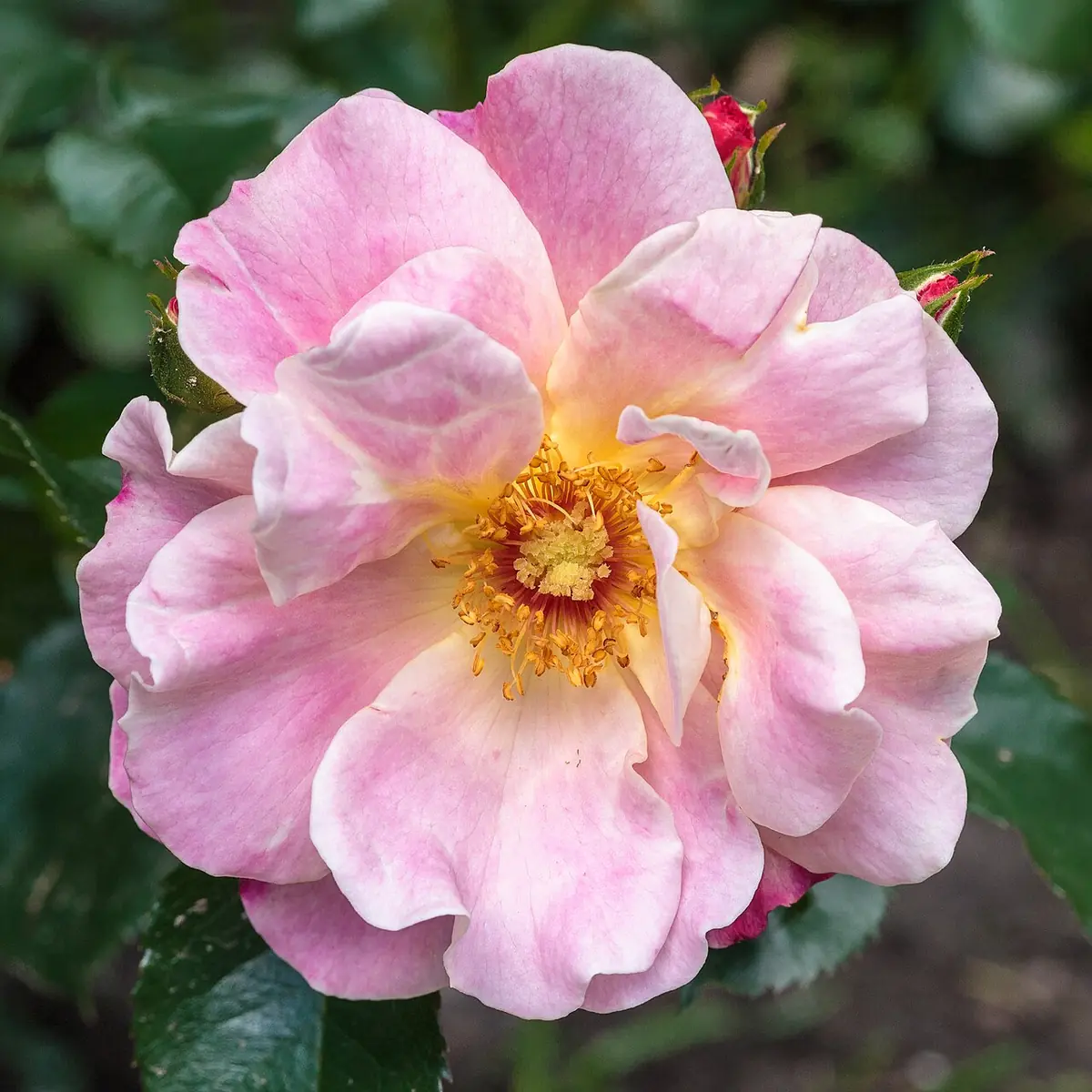
The ASPCA lists roses (Rosa species) as non-toxic to dogs, cats, and horses. The real risks are the thorns and any pesticides, fertilizers, or flower food on the plant.
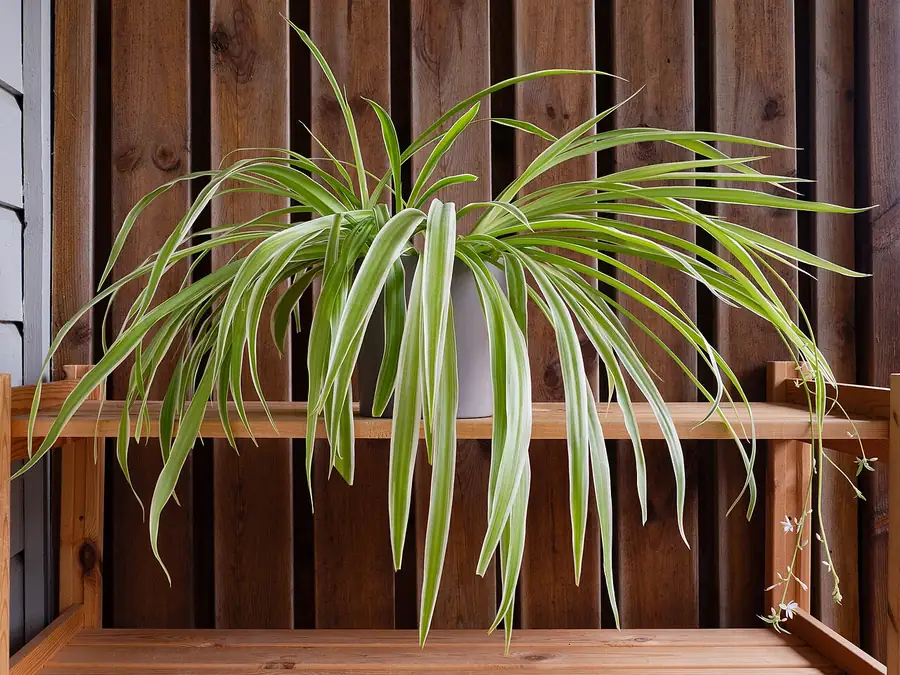
The ASPCA lists spider plants as non-toxic to dogs, cats, and horses, and PetMD includes them among the houseplants safe for dogs. A dog that eats a large amount may still get a mild stomach upset.
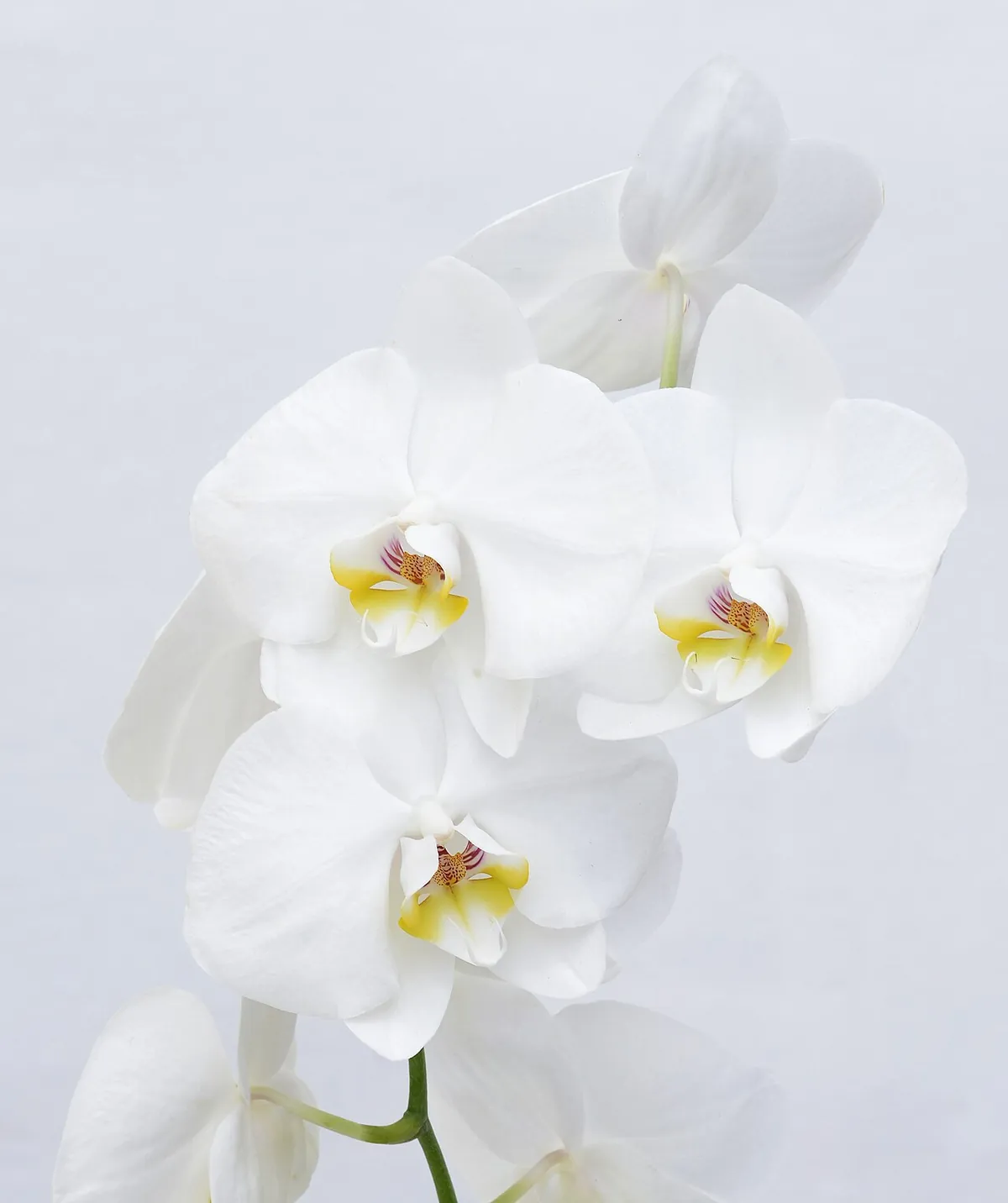
Orchids are not toxic to dogs. The ASPCA lists Phalaenopsis orchids as non-toxic to dogs, cats, and horses, and PetMD includes orchids among the flowers that are safe for dogs.
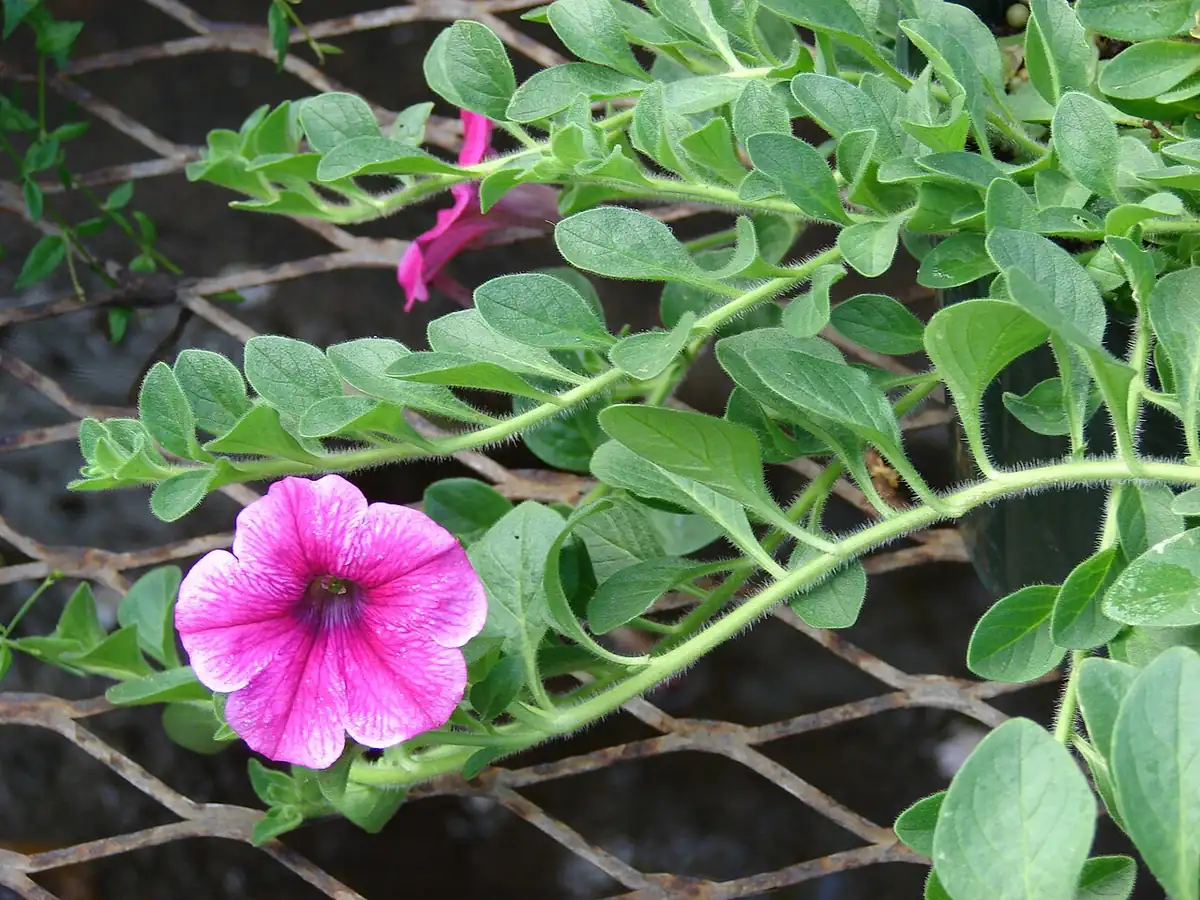
Petunias are not toxic to dogs. The ASPCA lists Petunia species as non-toxic to dogs, cats, and horses, with no toxic principle identified. A nibble needs no emergency action, though eating a lot of any plant can upset the stomach.
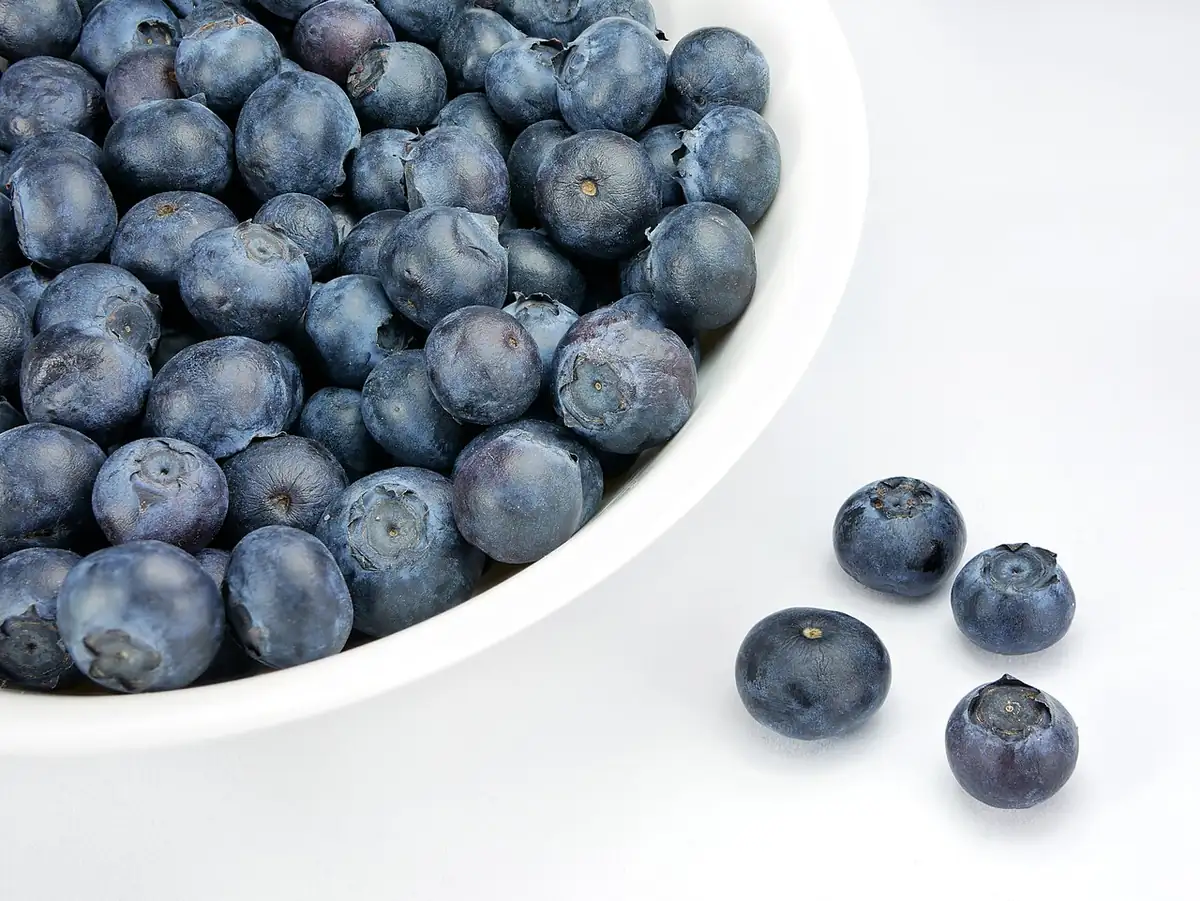
Blueberries are safe for most dogs when served plain and in moderation. They are rich in antioxidants, fiber, vitamins, and minerals. Avoid canned, sweetened, or syrup-packed blueberries, and keep portions small.
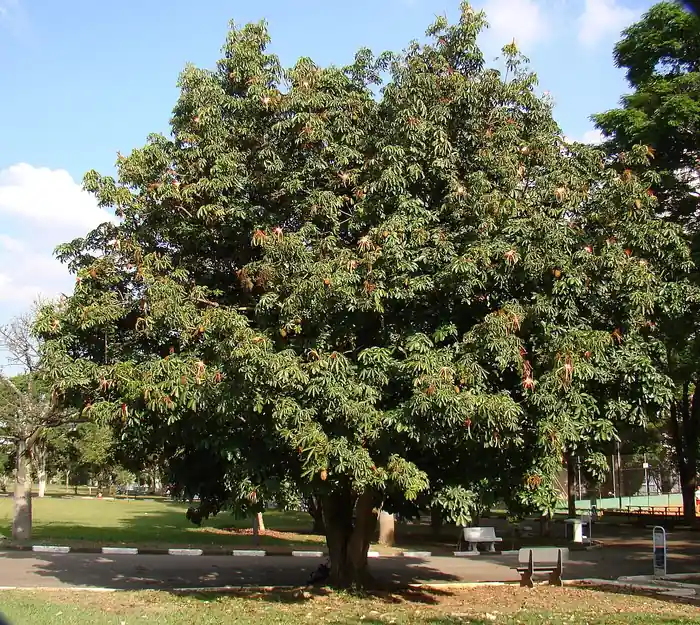
Money trees (Pachira aquatica) are listed as non-toxic to dogs by the ASPCA, with no toxic principle. A dog that chews a leaf may get mild stomach upset, but it is not a poisoning. Check the label — jade plants and pothos share the name and are toxic.
Sunflowers are not toxic to dogs. The ASPCA lists them as non-toxic, and the seeds are safe too — but only plain, shelled, and unsalted, in small amounts.
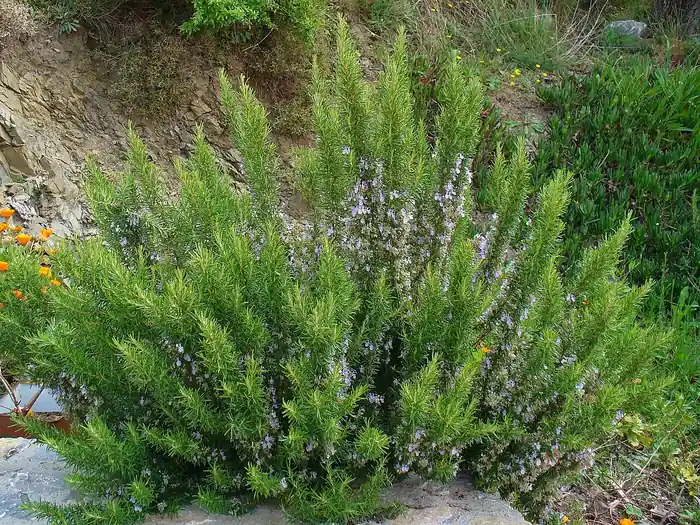
Rosemary, the fresh or dried herb, is listed as non-toxic to dogs by the ASPCA. Large amounts can still upset the stomach, and concentrated rosemary essential oil is a different matter — never apply it to your dog or let them swallow it.
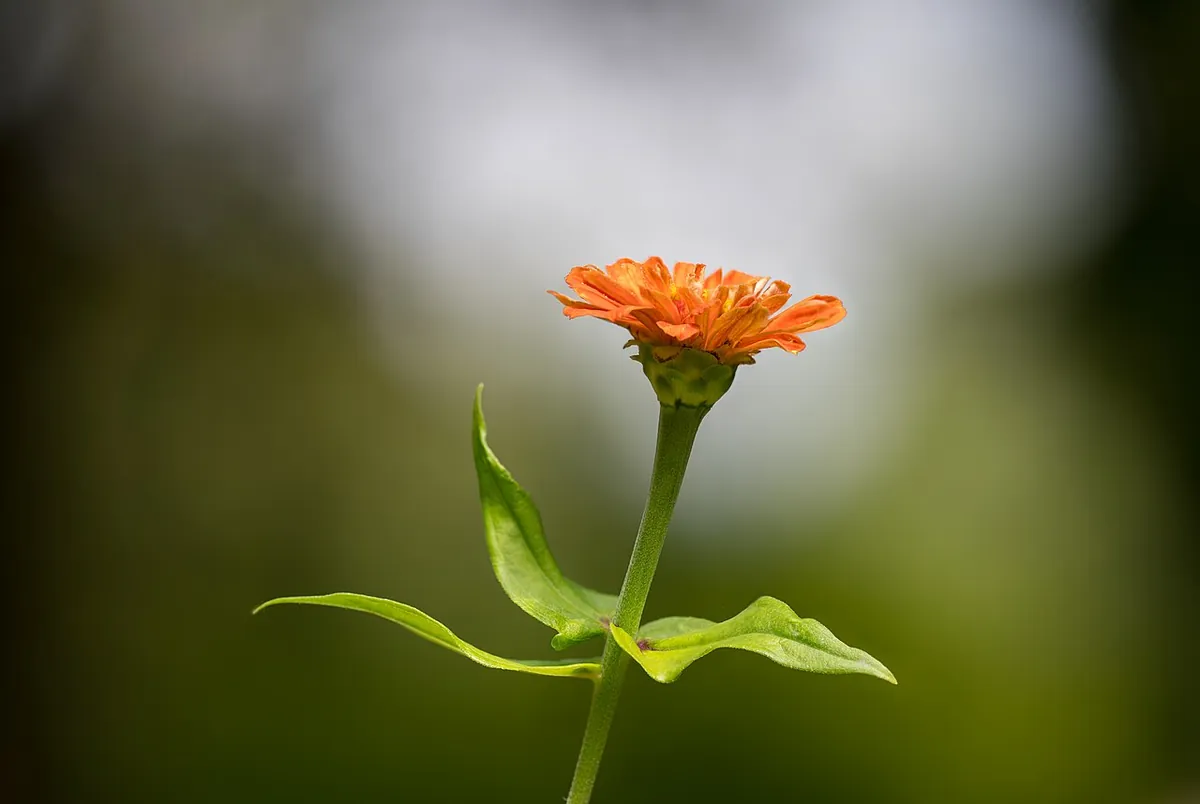
The ASPCA lists zinnias (Zinnia species) as non-toxic to dogs, cats, and horses. A dog that nibbles a zinnia is not expected to be poisoned, though eating a large amount of any plant material can still cause mild stomach upset.
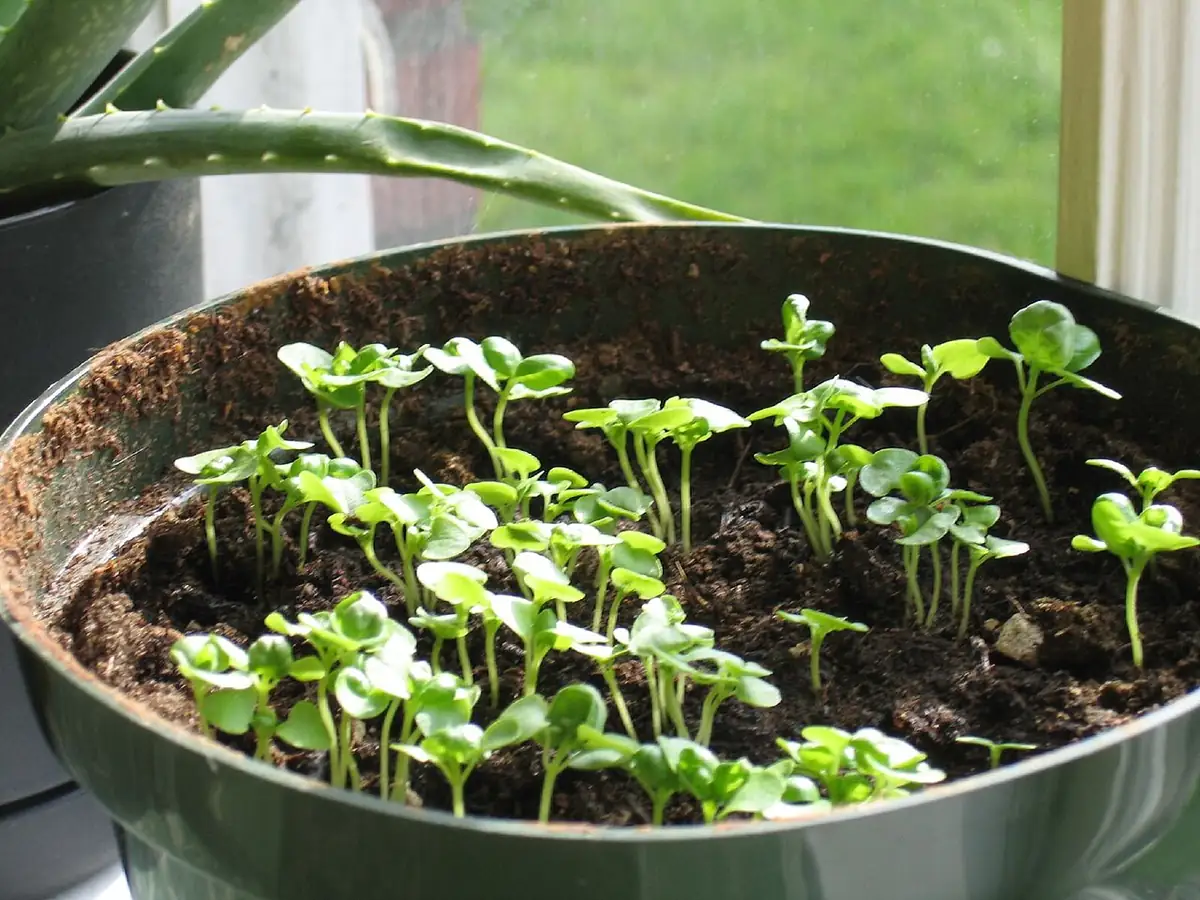
The ASPCA lists sweet basil (Ocimum basilicum) as non-toxic to dogs, and PetMD includes it among safe herbs. A few fresh leaves are fine; a large amount may cause mild stomach upset. Basil essential oil is a different product and should never be given to a dog.
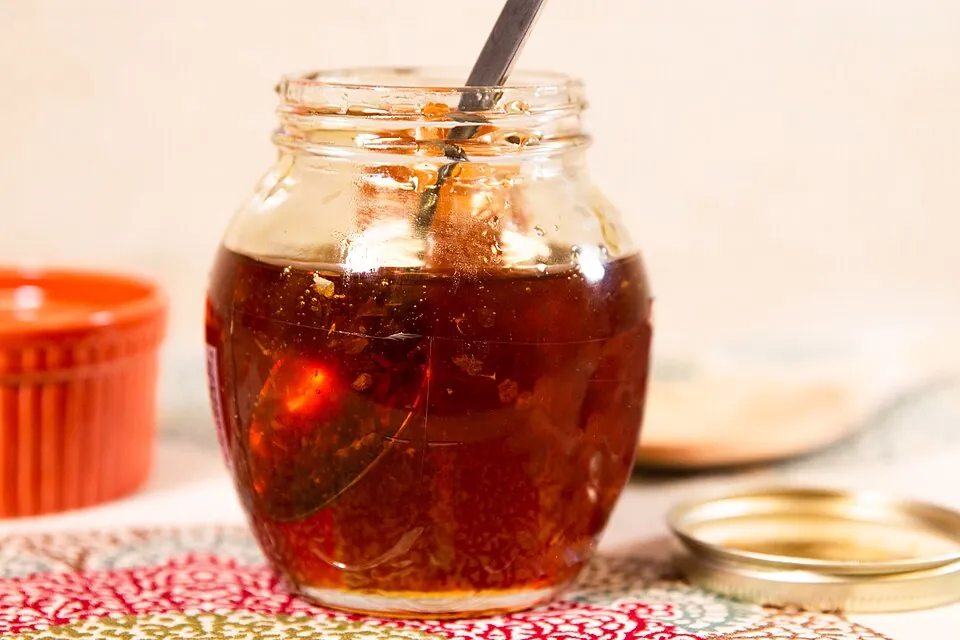
PetMD and the AKC agree that plain honey is not toxic and is safe for healthy adult dogs in small amounts as an occasional treat. Skip it for puppies, diabetic dogs, and dogs with weak immune systems, and never share a honey-flavored product that contains xylitol.
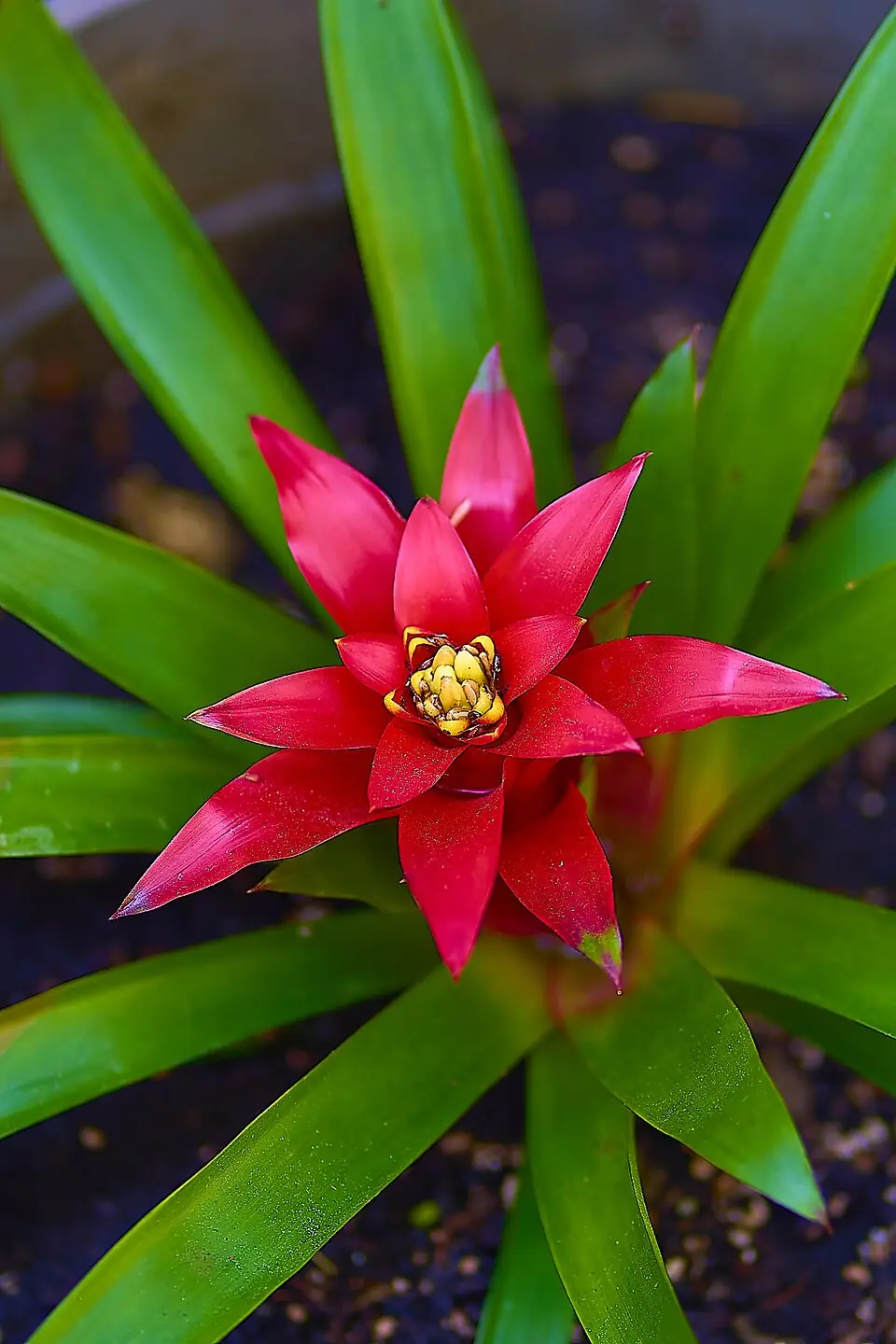
The ASPCA lists bromeliads, including blushing bromeliad, orange star, and earth star, as non-toxic to dogs and cats. The only expected problem is mild stomach upset if a dog eats a large amount of leaves.
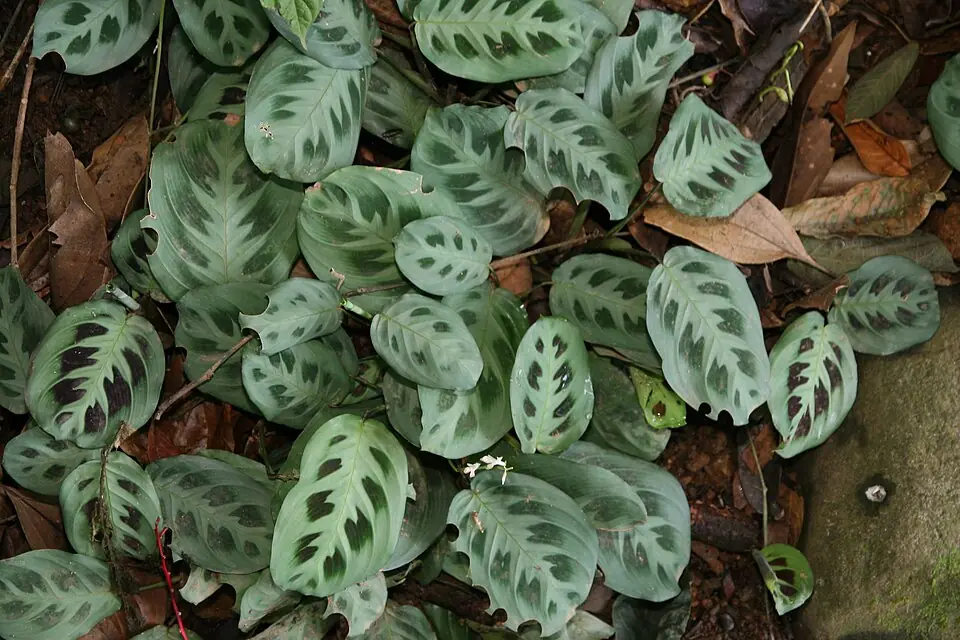
The ASPCA lists prayer plants as non-toxic to dogs, cats, and horses. A dog that eats a large amount of leaves may still get mild vomiting or diarrhea from the plant material, but the plant itself will not poison your dog.
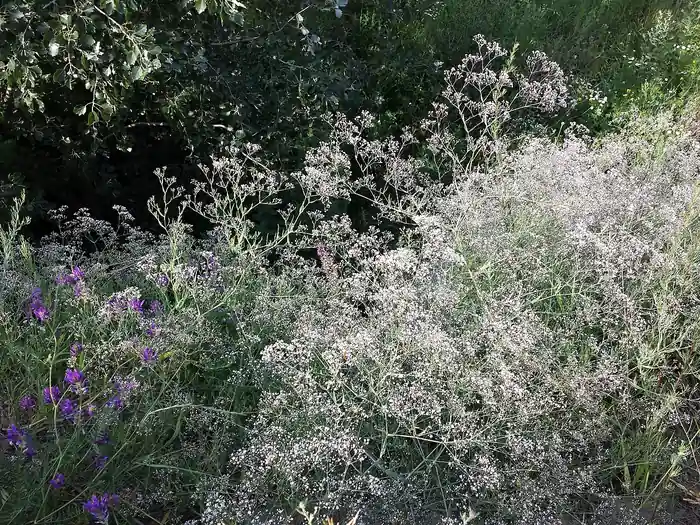
The ASPCA lists baby's breath (Gypsophila species) as non-toxic to dogs, cats, and horses. Eating it can cause mild vomiting or diarrhea, but it is not expected to poison a dog.
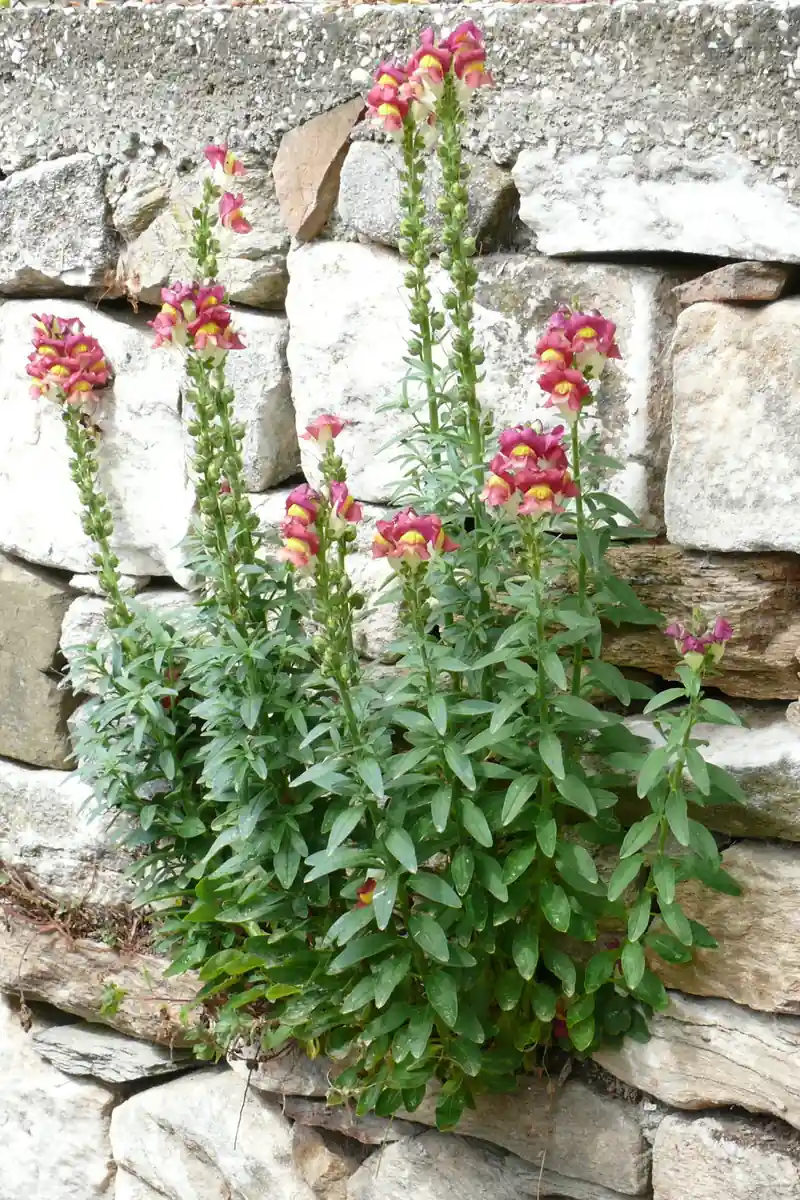
Snapdragons are non-toxic to dogs. The ASPCA lists common snapdragon as non-toxic to dogs, cats, and horses — there is no poison in the plant, though eating a lot of any plant can upset a stomach.
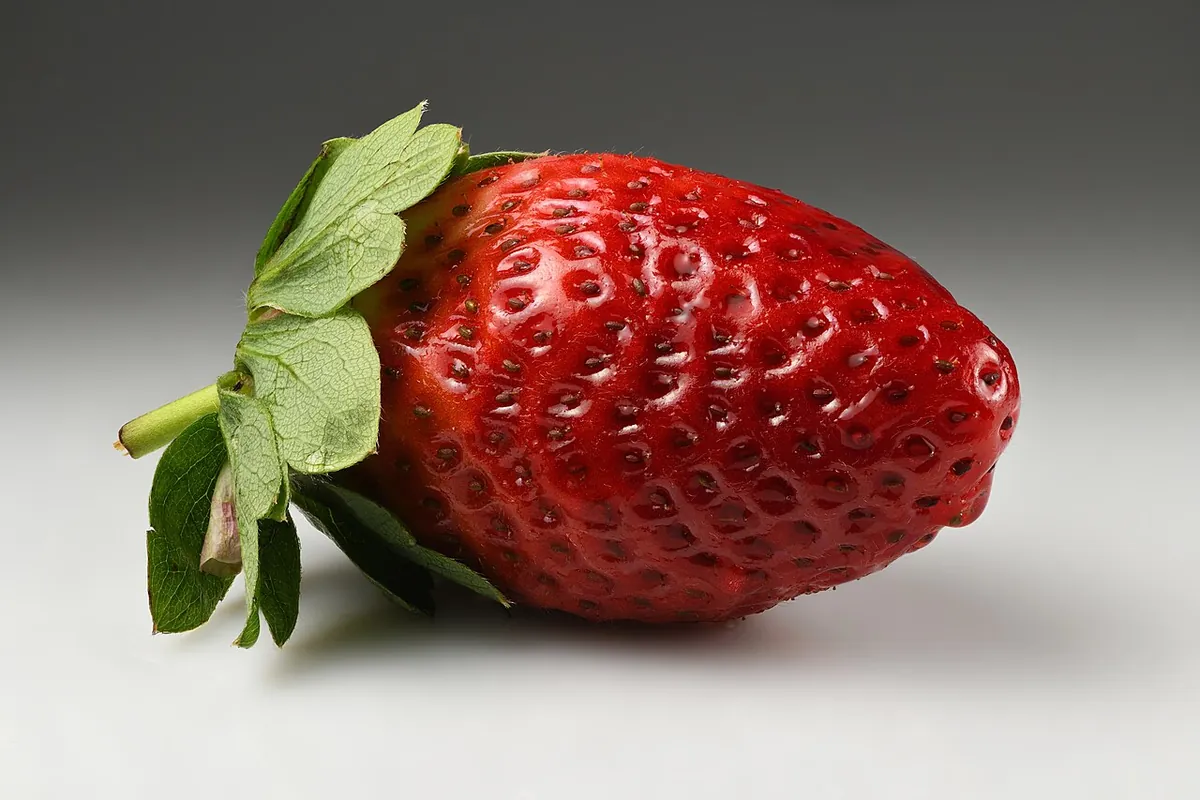
Strawberries are safe for most dogs when served plain and in moderation. They are high in fiber and vitamin C and low in calories. Avoid canned, syrup-packed, and sugar-free strawberry products, and keep portions small.
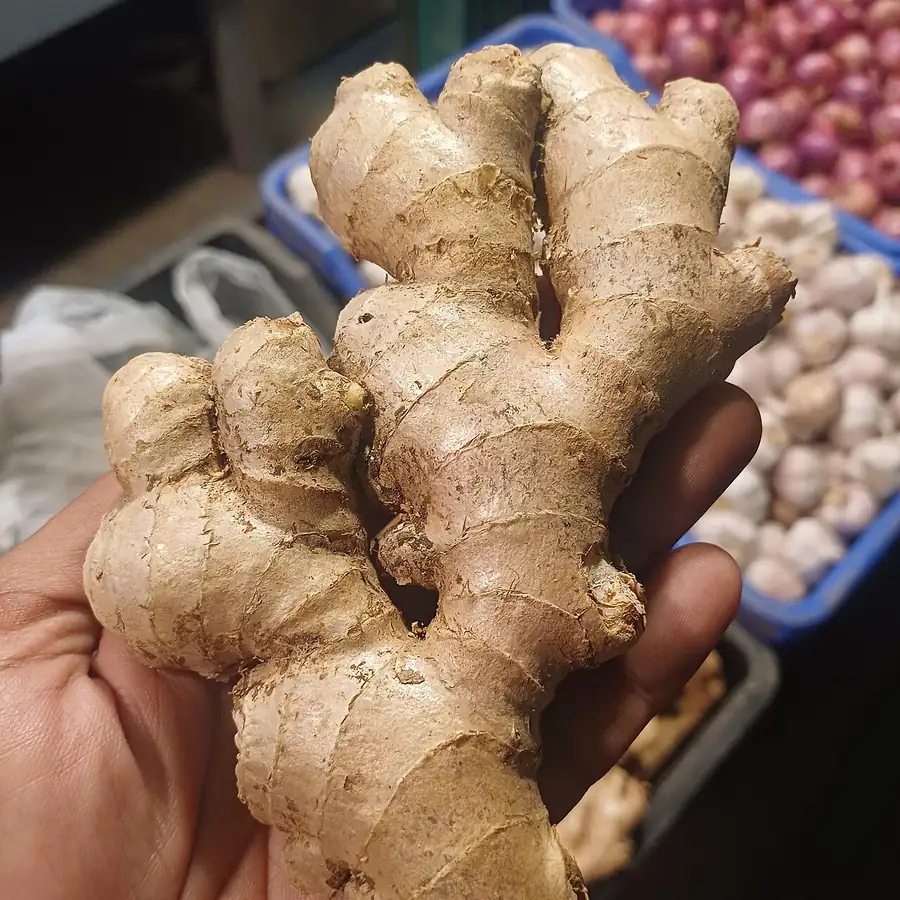
PetMD and the AKC agree that plain fresh or powdered ginger is safe for dogs in tiny amounts and may even help with nausea. Skip it for dogs with bleeding disorders, dogs due for surgery, and dogs on NSAIDs, and never share pickled ginger or gingerbread.
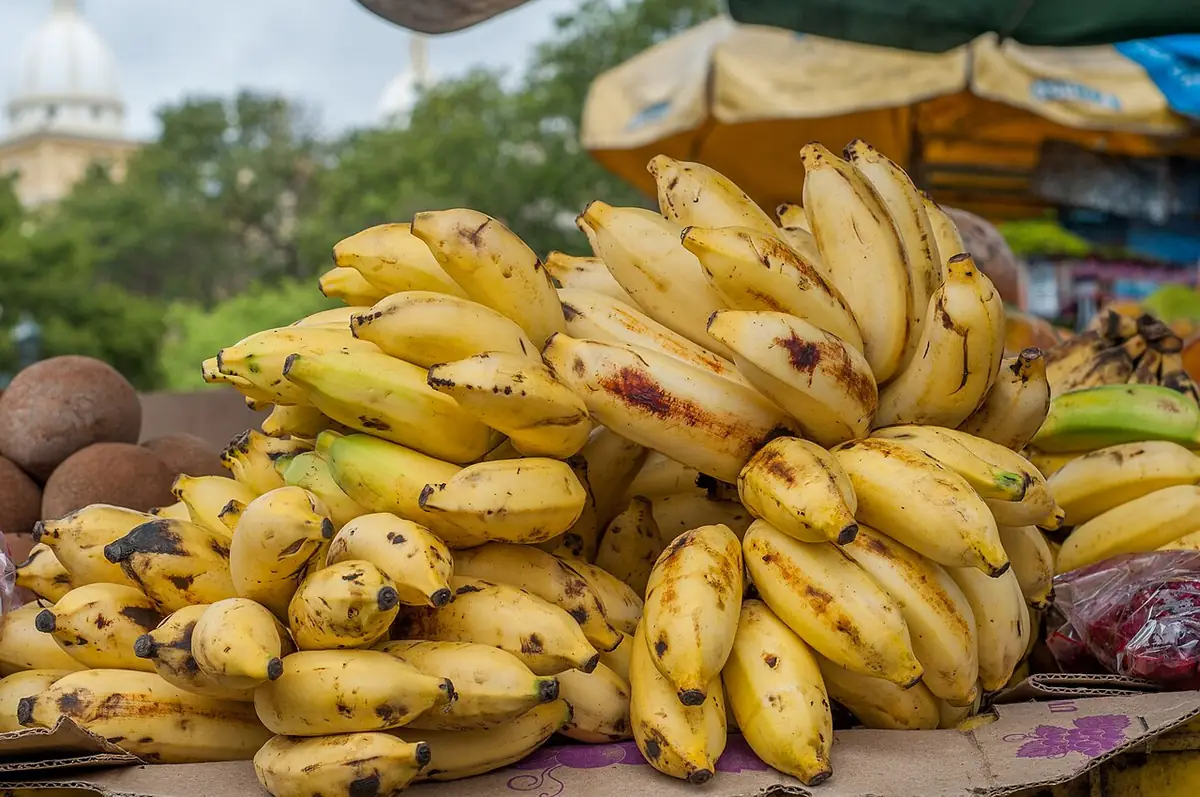
PetMD and the AKC agree that peeled banana is safe for most dogs in moderation as an occasional treat. Keep portions small, always remove the peel, and skip bananas for overweight or diabetic dogs unless your veterinarian approves.
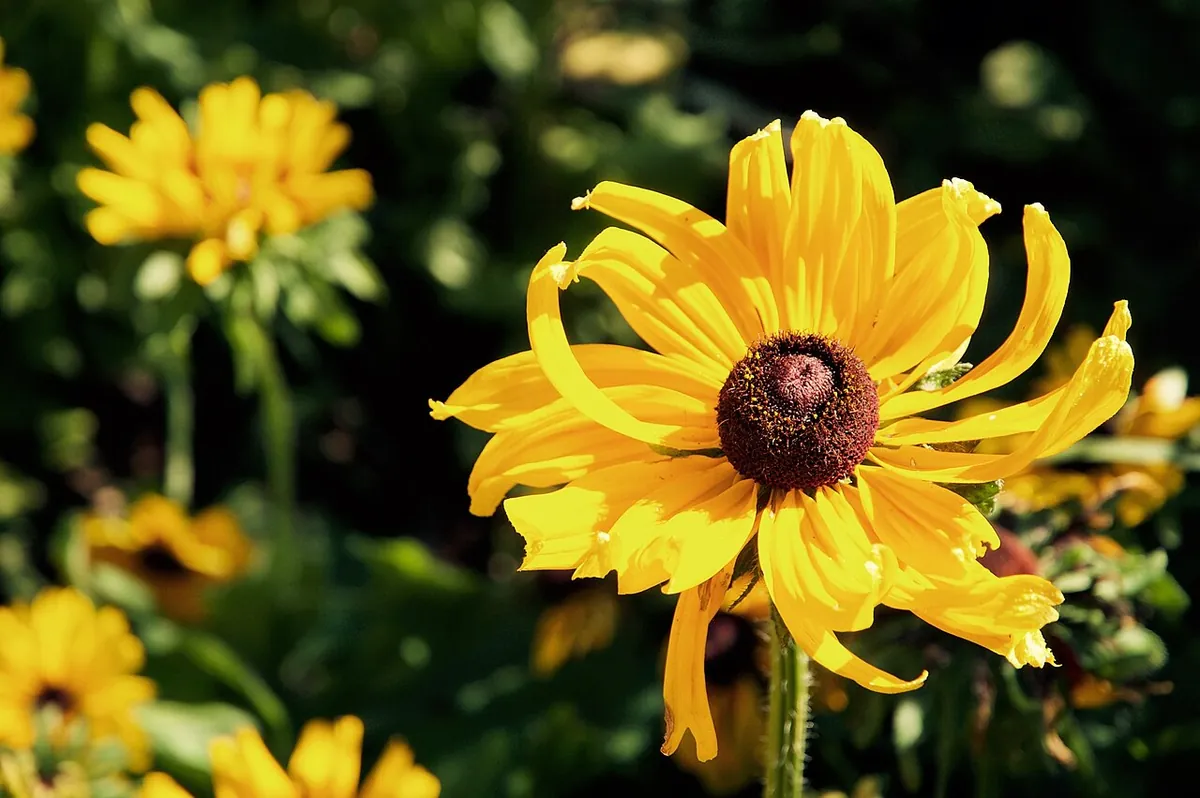
Black-eyed Susans are not toxic to dogs. Rudbeckia hirta is not on the ASPCA's toxic plant list, no toxic principle has been documented, and Pet Poison Helpline groups it with plants not likely to cause severe symptoms. A large eating may still cause stomach upset, and the bristly leaves can irritate the mouth and skin.
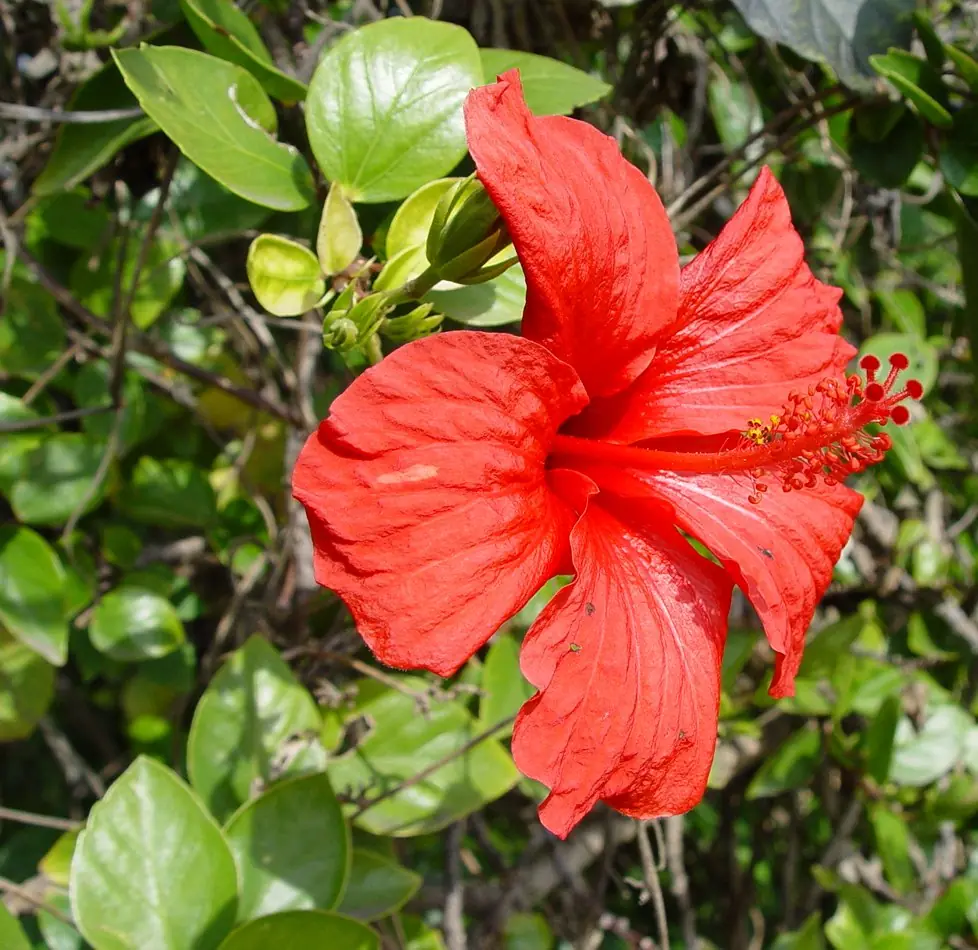
The ASPCA lists hibiscus (Hibiscus syriacus) as non-toxic to dogs, cats, and horses, and veterinary toxicology databases list tropical hibiscus (Hibiscus rosa-sinensis) the same way. A dog that nibbles a flower is not expected to be poisoned, though eating plant material can still cause mild stomach upset.
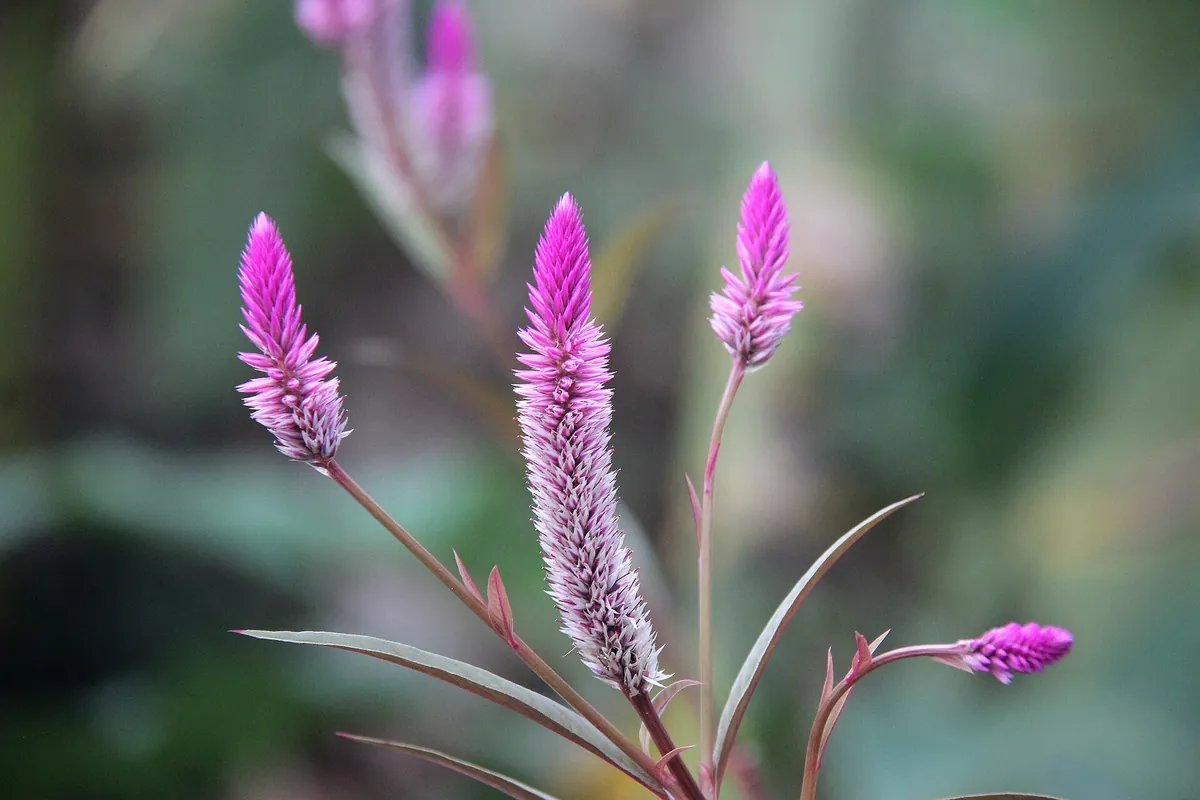
The ASPCA lists celosia as non-toxic to dogs, cats, and horses. A dog that nibbles the leaves or flowers is not being poisoned, though eating a large amount of any plant can still cause a mild stomach upset.
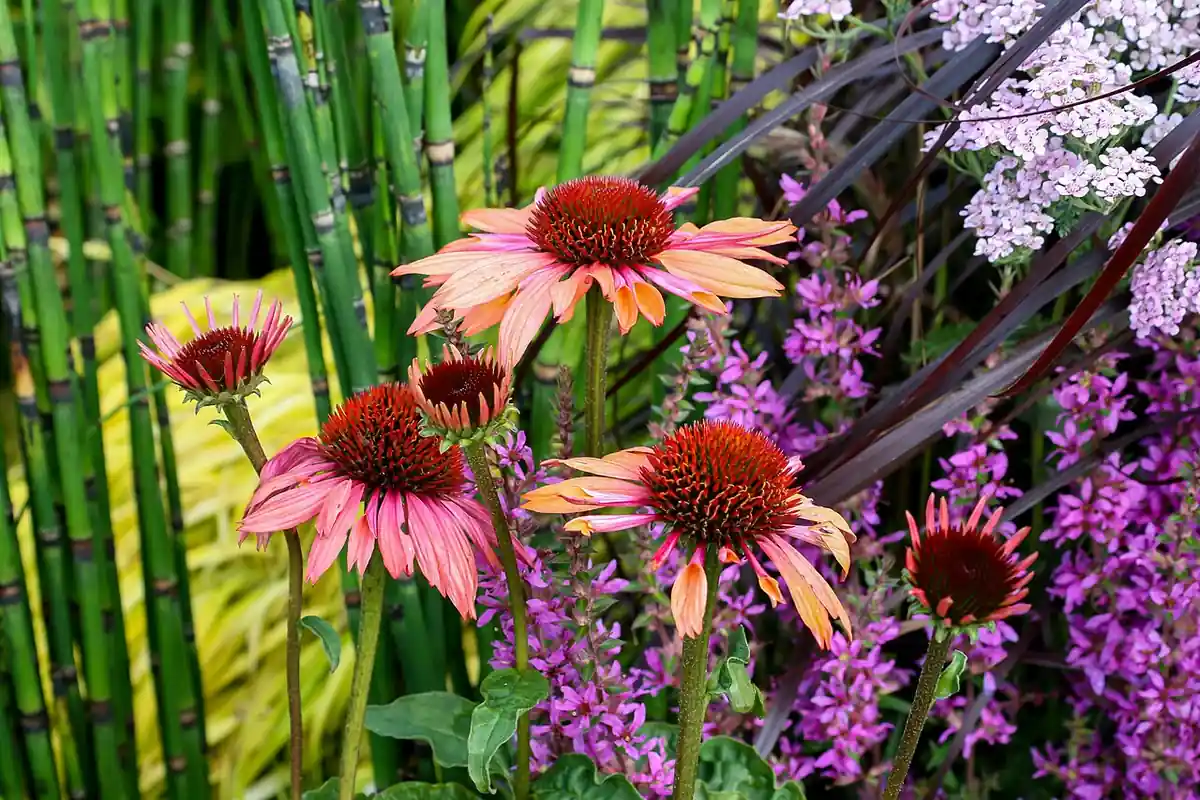
Coneflowers are not toxic to dogs. Purple coneflower (Echinacea purpurea) is not on the ASPCA toxic plant list, no toxic principle has been documented, and no dog has been reported falling severely ill from eating it. A large eating may still cause mild stomach upset, and the spiny seed heads can irritate the mouth. Echinacea supplements are a separate, vet-decision question.
Safe alternatives from our guides
African violet — A small flowering houseplant the ASPCA lists as non-toxic to dogs and cats. (from our guide)
African violets — Listed among the houseplants safe for dogs by PetMD. (from our guide)
Apple slices — Remove seeds and core; a sweet crunch with far less sugar than banana. (from our guide)
Apple slices (no seeds or core) — Crisp apple slices are a popular dog-safe fruit, as long as seeds and core are removed. (from our guide)
Apple slices (seeds and core removed) — Crunchy, sweet, and safe for most dogs — remove the seeds and core first. (from our guide)
Apples (flesh only) — Safe in small amounts with the core and seeds removed. (from our guide)
Areca palm — A tall, tropical-looking houseplant the ASPCA lists as non-toxic to dogs. (from our guide)
Areca palms — A larger houseplant listed as safe for dogs by PetMD. (from our guide)
Baby rubber plant (Peperomia obtusifolia) — Listed by the ASPCA as non-toxic to dogs and cats, with the same thick glossy leaves in miniature — but check the tag, because the name is the whole point. (from our guide)
Banana slices — A small piece of banana is a sweet, dog-safe fruit treat. (from our guide)
Bananas — Soft, easy to portion, and listed by PetMD as a dog-safe fruit. (from our guide)
Basil — Listed as non-toxic to dogs by the ASPCA; a small amount in food is fine for most dogs. (from our guide)
Blueberries — Safe for dogs in moderation and easy to carry as a training reward for a “leave it” command. (from our guide)
Borax-free all-purpose cleaner — A pet-safe cleaner that avoids borax entirely. (from our guide)
Borax-free slime recipe — Slime made with cornstarch and water, or a borax-free kit. (from our guide)
Boston fern — Listed as non-toxic to dogs by the ASPCA, and the safest fern choice. (from our guide)
Boston ferns — Lush green indoor foliage without the oxalate risk of begonias. (from our guide)
Calathea (prayer plants) — Bold patterned leaves like a monstera, without the calcium oxalate crystals. (from our guide)
Calming pheromone diffuser — A drug-free option that can help some anxious dogs settle, with no THC involved. (from our guide)
Carob treats made for dogs — Carob looks and tastes a little like chocolate but contains no theobromine. Choose treats made for dogs, not human carob products that may contain xylitol. (from our guide)
Carrot sticks — Crunchy, low-calorie snack that most dogs enjoy. (from our guide)
Carrots — A low-calorie, crunchy chew most dogs enjoy, and a safe outlet for a dog that likes to pick things up on walks. (from our guide)
Christmas cactus — Listed as non-toxic to dogs by the ASPCA and a good flowering houseplant for pet homes. (from our guide)
Cosmetic cover, such as hair fibres or a hat — A cosmetic option involves no drug at all, so there is nothing in the house that can poison a pet. (from our guide)
Cucumber slices — Cool, crunchy, and low in calories and salt. (from our guide)
Dahlias (with caution) — Not a safe swap — dahlias are mildly toxic to dogs. Included here only so you do not confuse the two tall summer flowers. (from our guide)
Dog pheromone diffuser or collar — Uses a synthetic version of a nursing pheromone to help calm dogs, with no essential oil involved — ask your vet first. (from our guide)
Dog toothpaste — Made for dogs, safe to swallow in small amounts, and a better choice than baking soda for brushing teeth. (from our guide)
Dog-formulated mint dental chews — PetMD calls mint treats made specifically for dogs the best way for a dog to enjoy peppermint. (from our guide)
Dog-safe chew toys — A chew toy gives a teething puppy or a bored dog something to gnaw on that is not a houseplant. (from our guide)
Dog-safe floor cleaner — A pet-safe cleaner from the store avoids the acid risk of vinegar sprays and the chemical risk of stronger cleaners. (from our guide)
Drug-free hair-loss options, such as low-level laser therapy devices — Non-drug treatments leave no chemical residue in the home. Ask your doctor whether one suits you. (from our guide)
Finasteride tablets, prescribed by a doctor — A prescription hair-loss tablet with no skin residue, so there is nothing for a pet to lick. It is for people only and must be stored securely. (from our guide)
Fresh air and plain water — Ventilating a room is the simplest way to freshen it without putting any scented product near your dog. (from our guide)
Fresh blueberries — Plain blueberries are a low-fat, dog-safe treat that many dogs enjoy. (from our guide)
Fresh water and a bland diet (on vet advice) — What a veterinarian may recommend after a mild stomach upset, rather than any home remedy. (from our guide)
Garden sage — Listed as non-toxic to dogs by the ASPCA; keep portions small, as with any herb. (from our guide)
Gerbera daisies — The safe daisy — listed as non-toxic to dogs by the ASPCA, and a colorful choice for bouquets. (from our guide)
Grape hyacinth (Muscari) — A different plant from garden hyacinth, and the ASPCA lists it as non-toxic to dogs and cats. (from our guide)
Grape ivy — A trailing vine often listed as non-toxic to dogs; check the ASPCA entry for your exact plant before buying. (from our guide)
Green beans — A plain, low-calorie vegetable treat that is safe for most dogs. (from our guide)
Haworthia (zebra plant) — A small succulent lookalike listed as non-toxic to dogs by the ASPCA. (from our guide)
Hibiscus — Listed as non-toxic to dogs by the ASPCA, despite many sites calling it toxic. (from our guide)
Marigolds — A hardy garden flower the ASPCA lists as non-toxic to dogs. (from our guide)
Mint — A kitchen herb, non-toxic to dogs in small amounts; keep essential oil away from dogs. (from our guide)
Money tree (Pachira aquatica) — A non-toxic tree-form plant that fills the same tall corner a rubber plant would. (from our guide)
Money trees — Listed as non-toxic to dogs by the ASPCA, and a popular large-leafed houseplant. (from our guide)
Oral minoxidil tablets, prescribed by a doctor — Tablets leave no residue on skin, pillows, or bedding. They are a prescription medicine for people only — never give them to a dog, and store them locked away. (from our guide)
Orchids — Moth orchids are listed as non-toxic to dogs by the ASPCA, and give you a long-lasting flowering houseplant for winter. (from our guide)
Orchids (Phalaenopsis) — A long-blooming indoor flower, safe for dogs. (from our guide)
Parlor palm — Listed among the houseplants safe for dogs by PetMD. (from our guide)
Parlor palms — A classic indoor palm the ASPCA lists as non-toxic to dogs. (from our guide)
Peruvian lilies — A lily lookalike PetMD lists as nontoxic to dogs, though it can still upset the stomach. (from our guide)
Pet-safe household cleaners — Products labeled safe for use around pets, used as directed, instead of homemade baking soda pastes your dog could lick. (from our guide)
Petunias — Bright bedding flowers that are a safer choice for garden beds and containers. (from our guide)
Phalaenopsis orchid — The common moth orchid is listed as non-toxic by the ASPCA and adds the same festive color. (from our guide)
Pitted apple slices — Apple flesh is dog-safe once the core and seeds are removed; serve in small pieces. (from our guide)
Plain canned pumpkin — Plain pumpkin (not pie filling) is a gentle, commonly used addition to a dog's food. (from our guide)
Plain cooked carrots — Crunchy, low-fat, and easy to chew in pieces sized for your dog. (from our guide)
Plain cooked carrots or green beans — Plain vegetables make a crunchy, low-sugar treat with none of the risks of a cherry pit. (from our guide)
Plain cooked chicken — Unseasoned lean meat is a simple, high-value treat for training. (from our guide)
Plain cooked chicken or turkey — Unseasoned lean meat is a simple, dog-safe treat with no theobromine or caffeine. (from our guide)
Plain cooked green beans — A low-calorie vegetable treat without the fat or choking shape of a whole nut. (from our guide)
Plain cooked sweet potato — Plain sweet potato is a mild, dog-safe side that adds flavor without any Allium. (from our guide)
Plain dog biscuits — A safe treat for a dog that begs in the kitchen, instead of anything from the baking cupboard. (from our guide)
Plain dog biscuits or chews — A safe, purpose-made chew gives a scavenging dog something to crunch without the tannin or blockage risk. (from our guide)
Plain fresh water — If your dog is chewing plants out of thirst or boredom, fresh water and a chew toy are safer outlets. (from our guide)
Plain ice cubes or frozen water treats — A few ice cubes make a fun, cooling treat with no caffeine and no calories. (from our guide)
Plain pumpkin puree — A safe, dog-friendly flavoring for homemade treats, with no cinnamon risks. Use plain canned pumpkin, not pumpkin pie filling. (from our guide)
Plain water — The safest thing to offer a thirsty dog, and the best rinse if vinegar gets on skin or fur. (from our guide)
Pot marigold (Calendula officinalis) — A different plant from Tagetes marigolds, listed as non-toxic to dogs by the ASPCA. (from our guide)
Prayer plants — Listed as non-toxic to dogs by the ASPCA, and their patterned leaves give a similar bold look. (from our guide)
Prescription anxiety medication — For anxious dogs, your vet can prescribe medication and a behavior plan instead of cannabis. (from our guide)
Puzzle toys and enrichment — Mental stimulation and chew toys can ease boredom and mild anxiety without any drug. (from our guide)
Raspberries — Safe for dogs in moderation, low in sugar and calories, and especially good for senior dogs. (from our guide)
Rosemary — A fragrant, dog-safe herb that works in pots and borders where a gardenia might have gone. (from our guide)
Rosemary plant — A fragrant, non-toxic herb the ASPCA lists as safe for dogs and cats, and it doubles as a kitchen herb. (from our guide)
Roses — Listed as non-toxic to dogs by the ASPCA, and a classic choice for winter bouquets and holiday arrangements. (from our guide)
Sealed bait stations placed out of reach — An enclosed station behind appliances or inside cabinets keeps bait away from your dog. (from our guide)
Seedless watermelon (no rind) — Seedless watermelon flesh is a hydrating, dog-safe fruit in small amounts. (from our guide)
Shrub roses — The ASPCA lists roses as non-toxic to dogs, and shrub roses give the same spring color. (from our guide)
Snapdragons — A colorful, thorn-free flower the ASPCA lists as non-toxic to dogs. (from our guide)
Spider plant — On the ASPCA non-toxic list, with glossy green foliage that works in a pot or hanging basket. (from our guide)
Spider plants — Listed as non-toxic to dogs by the ASPCA, and an easy, hardy plant for indoors. (from our guide)
Statice — A long-lasting bouquet filler PetMD lists as safe for dogs. (from our guide)
Strawberries — Safe for dogs in moderation, full of fiber and vitamin C, and another good small fruit treat. (from our guide)
Sunflowers — Non-toxic to dogs and easy to grow in a sunny spot. (from our guide)
Swedish ivy — Listed as non-toxic to dogs by the ASPCA, with a similar trailing look. (from our guide)
Thyme — Listed as non-toxic to dogs by the ASPCA and another kitchen herb that is fine in small amounts. (from our guide)
Unscented cleaning products — Clean without leaving essential oil residue on floors and surfaces your dog walks on and licks. (from our guide)
Vet-approved ear cleaner — Use a product made for dogs instead of vinegar in the ears, where vinegar can burn and worsen infection. (from our guide)
Vet-approved flea and tick prevention — A product your veterinarian recommends for your dog's size and age, instead of homemade eucalyptus flea remedies. (from our guide)
Vet-approved flea prevention — PetMD recommends proven flea and tick preventives instead of apple cider vinegar, which does not kill fleas. (from our guide)
Vet-recommended skin treatment — For itchy skin or hot spots, ask your vet for a medicated shampoo or treatment made for dogs instead of tea tree oil. (from our guide)
Veterinarian-prescribed pain relief — Tested, legal pain control your vet can dose correctly for your dog. (from our guide)
Veterinarian-recommended flea treatment — A proven, vet-approved flea product, unlike borax powder on carpets or fur. (from our guide)
Veterinary appetite support — If your dog will not eat, your vet can find the cause and offer safe appetite support. (from our guide)
Veterinary-prescribed carprofen — A dog-specific NSAID prescribed by a veterinarian, only at the dose and schedule the veterinarian chooses. (from our guide)
Veterinary-prescribed deracoxib — A dog-specific NSAID prescribed by a veterinarian, only after an exam. (from our guide)
Veterinary-prescribed grapiprant — A dog pain medicine prescribed by a veterinarian, used when the veterinarian judges it appropriate. (from our guide)
Veterinary-prescribed meloxicam — A dog-specific NSAID prescribed by a veterinarian for pain and inflammation. (from our guide)
Watermelon (seedless) — A hydrating fruit PetMD lists as safe, as long as seeds and rind are removed. (from our guide)
Xylitol-free peanut butter — A sticky, savoury treat for a lick mat — always check the label for xylitol first. (from our guide)
Xylitol-free peanut butter (check the label every time) — A plain peanut butter with no xylitol is a popular dog treat, but recipes change, so check the ingredients on every jar. (from our guide)
Zinnias — Listed as non-toxic to dogs by the ASPCA, and a bright, easy summer flower for beds and borders. (from our guide)
More items are added regularly. Every guide lists its sources — ASPCA Animal Poison Control, Merck Veterinary Manual, PetMD, and VCA Hospitals — at the bottom of the page.