Are Coneflowers Toxic to Dogs? What the ASPCA and Vets Say
No — coneflowers are not toxic to dogs.
Coneflowers are not toxic to dogs. Purple coneflower (Echinacea purpurea) is not on the ASPCA toxic plant list, no toxic principle has been documented, and no dog has been reported falling severely ill from eating it. A large eating may still cause mild stomach upset, and the spiny seed heads can irritate the mouth. Echinacea supplements are a separate, vet-decision question.


- Item
- Coneflowers
- Scientific name
- Echinacea purpurea
- Also called
- Purple coneflower, Echinacea
- Category
- Plants
- Verdict
- Safe
- Symptoms start
- There is no poisoning onset time for coneflowers because no toxic principle has been documented for them. If a dog eats a large amount, mild stomach upset may appear within a few hours, but no onset time is established in the authoritative sources checked.
No — coneflowers are not toxic to dogs. Purple coneflower (Echinacea purpurea), the daisy-like garden flower with drooping petals and a spiny orange-brown center cone, does not appear on the ASPCA toxic plant list for dogs, cats, or horses, and no toxic principle has been documented for it in dogs.
That good news comes with two honest limits. First, the ASPCA has no listing for coneflower at all — it appears on neither the toxic list nor the non-toxic list — so this verdict rests on the absence of any documented toxin, not on a confirmed ASPCA rating. Second, eating a large amount of any plant can upset a dog's stomach, and the spiny seed heads can irritate the mouth.
If your dog ate it — what to do now
- Take the plant away so your dog cannot keep eating it.
- Offer fresh water and rinse your dog's muzzle gently if it is pawing at its mouth or drooling from the spiny cone.
- Check whether the plants were recently sprayed or treated, and save the product label if they were.
- Call your veterinarian or the ASPCA Animal Poison Control Center at (888) 426-4435 (a consultation fee may apply) if symptoms last more than a day, your dog seems weak or in pain, or you suspect pesticide, slug bait, or fertilizer was involved.
Do not do this
- Do not induce vomiting — there is no poison to remove, and vomiting should only ever be induced if a veterinarian tells you to.
- Do not give milk, food, oil, or home remedies to "dilute" a toxin that is not there.
- Do not give your dog human echinacea pills, capsules, or tinctures without asking your veterinarian first.
- Do not assume the plant is the problem if your dog is sick — check whether pesticide, slug bait, or fertilizer was used nearby.
Why coneflowers are considered safe for dogs
Purple coneflower (Echinacea purpurea) is a North American wildflower, and no toxic principle has been documented for it in dogs. It does not appear in the ASPCA's toxic and non-toxic plant database, so the ASPCA has not rated it either way. That is not the same as a confirmed non-toxic rating — but the absence of any listing is why the plant is treated as low risk rather than dangerous.
WagWalking notes that the purple coneflower is not listed as toxic to canines, that there are no reports of a dog falling severely ill from eating it, and that mild stomach upset is the usual result of a large eating. The Pollinator Patch agrees.
- ASPCA rating: no listing — Echinacea purpurea is on neither the toxic list nor the non-toxic list.
- Toxic principles: none documented for dogs in the sources checked.
- WagWalking: no reports of a dog falling severely ill from eating it.
How much coneflower is too much for a dog?
There is no toxic dose for coneflowers, because there is no toxin to measure a dose of. No published dose in milligrams per kilogram of body weight exists, and no amount of coneflower has been shown to poison a dog. That does not mean unlimited coneflower is fine — the risk is volume and irritation, not poisoning.
Dogs are not built to digest large amounts of plant fiber, and the coneflower's central cone is firm and spiny, so most dogs do not eat much of it. A dog that eats a large quantity may vomit it back up or pass loose stool for a day.
- No toxic dose in mg/kg has been established, because no toxin has been identified.
- The firm, spiny seed heads deter most dogs from eating much.
- Roots reportedly hold higher concentrations of the plant's compounds than the flowers.
Symptoms if your dog eats coneflowers
Because coneflowers have no documented toxic principle, there are no poisoning symptoms to watch for. Most dogs that nibble a flower or a leaf show no symptoms at all. The symptoms that do occur come from eating too much plant material at once, or from the spiny cone. WagWalking lists nausea and vomiting after a large eating, and notes that the symptoms are generally mild.
Allergic reactions are possible with almost any plant, including echinacea, though they are not a poisoning. A dog that develops facial swelling, hives, or trouble breathing after eating any plant needs a veterinarian right away.
- Usually no symptoms after a nibble.
- Nausea or vomiting, after eating a large amount.
- Loose stool or diarrhea, after eating a large amount.
- Drooling or pawing at the mouth from the spiny seed heads.
What to do if your dog eats coneflowers
Stay calm. A coneflower nibble is not an emergency, and your dog does not need to be rushed to a clinic. Take the plant away so your dog cannot keep eating it, and check how much was eaten. Offer fresh water, and rinse your dog's muzzle gently if it is pawing at its mouth or drooling from the spiny cone. Then watch your dog for the rest of the day.
The important question is not how much coneflower your dog ate, but what else was on or near it. If the plants were recently sprayed, or if slug bait, fertilizer, or cocoa-shell mulch was used in the bed, tell your veterinarian — those products can be genuinely dangerous.
- Take the plant away so your dog cannot eat more.
- Offer fresh water and rinse your dog's muzzle if it is pawing at its mouth.
- Check whether the plants were recently sprayed or treated, and save the product label.
- Photograph the plant to confirm it really was a coneflower.
How to keep your dog safe around coneflowers
Coneflowers themselves need no fencing off, which is why they suit a dog household. They are a hardy native perennial that blooms most of the summer, draws bees and butterflies, and feeds goldfinches from its seed heads into fall.
The safety work is around the plant: systemic insecticides can move into the plant tissue, and granular fertilizers, slug bait, and cocoa-shell mulch can all harm a dog that eats them. Choose pet-safe products for the bed, store fertilizers and slug bait in closed containers out of reach, and avoid cocoa-shell mulch, which contains theobromine.
- No fencing needed: coneflowers are a dog-friendly garden plant.
- Use pet-safe sprays and fertilizers, and store slug bait and fertilizer out of reach.
- Avoid cocoa-shell mulch, which contains theobromine.
- Store echinacea supplements like medicine, out of your dog's reach.
Coneflower products: the garden plant, dried flowers, and echinacea supplements
The garden plant and the supplement are the same species, but very different exposures. The fresh plant is the lowest-risk form: a nibble is not a poisoning, and the spiny cone discourages dogs from eating much. Dried heads and petals are the same plant material, so treat them the same way.
Echinacea supplements are a different matter. Pills, capsules, tinctures, and extracts are concentrated, and a human product's dose is not a dog dose. Some veterinarians use echinacea in controlled doses for dogs, but that is a veterinary decision, not a home one. Never give your dog human echinacea products without asking your veterinarian first.
- Fresh plant: not on the ASPCA toxic list; a nibble is not a poisoning.
- Dried flowers: treat the same as the fresh plant.
- Supplements: a vet decision, never a home dose.
- If your dog swallows echinacea pills or tincture, call your veterinarian.
Safe alternatives to coneflowers
Coneflowers are already one of the safer garden flowers for a dog household, so an alternative is only needed for variety or a confirmed ASPCA non-toxic rating. Sunflowers are the closest match: tall, sunny, and listed as non-toxic to dogs by the ASPCA. Zinnias are another bright, easy summer flower with an ASPCA non-toxic rating, in pink and purple as well as yellow, red, and orange.
Black-eyed Susans are coneflower's classic garden companion and share the same low-risk profile — not on the ASPCA toxic list — so a bed mixing the two stays dog-friendly. Whichever you plant, the same garden rules apply: pet-safe sprays, no cocoa-shell mulch, and slug bait stored out of reach.
- Sunflowers: listed as non-toxic to dogs by the ASPCA.
- Zinnias: listed as non-toxic to dogs by the ASPCA.
- Roses: listed as non-toxic by the ASPCA.
Symptoms to watch for
- Usually no symptoms after a nibble
- Nausea (after eating a large amount)
- Vomiting (after eating a large amount)
- Loose stool or diarrhea (after eating a large amount)
- Drooling or pawing at the mouth (from the spiny seed heads)
- Short loss of appetite
Most dogs show no symptoms at all; only a large amount of plant material may cause mild vomiting or loose stool, or the spiny seed heads may irritate the mouth. Persistent vomiting, diarrhea, or lethargy needs a veterinarian.
Safe alternatives
- Sunflowers — Listed as non-toxic to dogs by the ASPCA, and a tall yellow flower with the same sunny, daisy-like look.
- Zinnias — Listed as non-toxic to dogs by the ASPCA, and a bright, easy summer flower for beds and borders.
- Roses — Listed as non-toxic to dogs by the ASPCA, and a classic choice for bouquets and garden beds.
What about cats? Coneflower is not on the ASPCA toxic plant list for cats either, and the same low-risk picture applies: a cat that nibbles a flower is not facing a known poisoning. A cat that eats a large amount may get mild stomach upset, and the spiny seed heads can irritate the mouth. Echinacea supplements for cats are a separate question and a decision for your veterinarian, not a garden-safety one.
Frequently asked questions
Are coneflowers toxic to dogs?
No. Purple coneflower (Echinacea purpurea) is not on the ASPCA toxic plant list for dogs, cats, or horses, and no toxic principle has been documented for it in dogs. A nibble is not a poisoning emergency, though eating a large amount can cause mild stomach upset.
Does the ASPCA list coneflowers as non-toxic?
The ASPCA has no listing for Echinacea purpurea at all — it appears on neither the toxic list nor the non-toxic list. That is different from a confirmed non-toxic rating. The low-risk verdict rests on the absence of any documented toxic principle and on the sources below, not on an ASPCA rating.
Are echinacea supplements safe for dogs?
As a garden plant, echinacea is not on the ASPCA toxic list, but giving any supplement to a dog is a dosing decision for your veterinarian, separate from the plant growing in your yard. Never give your dog human echinacea pills or extracts without veterinary guidance, and store supplements out of reach.
My dog ate some coneflower petals — what should I do?
Probably a mild stomach upset at most. A few petals or leaves are unlikely to cause more than a single bout of vomiting or loose stool, if anything at all. Offer water, take the plant away, and watch your dog for the rest of the day. Call your veterinarian if vomiting or diarrhea lasts more than a day, or if your dog seems weak or in pain.
Sources
- ASPCA Poison Control — Toxic and Non-Toxic Plant List — Dogs
- The Pollinator Patch — Is Coneflower Toxic to Dogs? No (Echinacea, ASPCA)
- WagWalking — Purple Coneflower (Echinacea) Poisoning in Dogs
Related guides
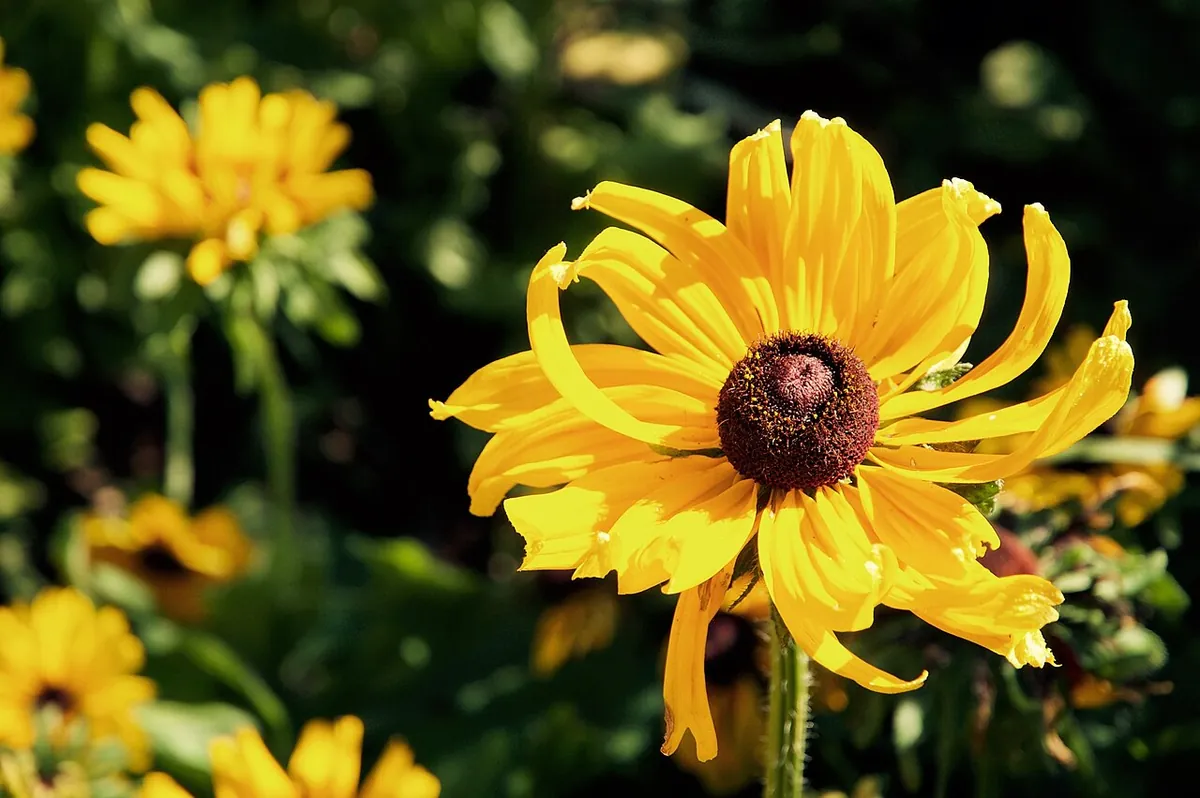
Black-eyed Susans are not toxic to dogs. Rudbeckia hirta is not on the ASPCA's toxic plant list, no toxic principle has been documented, and Pet Poison Helpline groups it with plants not likely to cause severe symptoms. A large eating may still cause stomach upset, and the bristly leaves can irritate the mouth and skin.

Sunflowers are not toxic to dogs. The ASPCA lists them as non-toxic, and the seeds are safe too — but only plain, shelled, and unsalted, in small amounts.
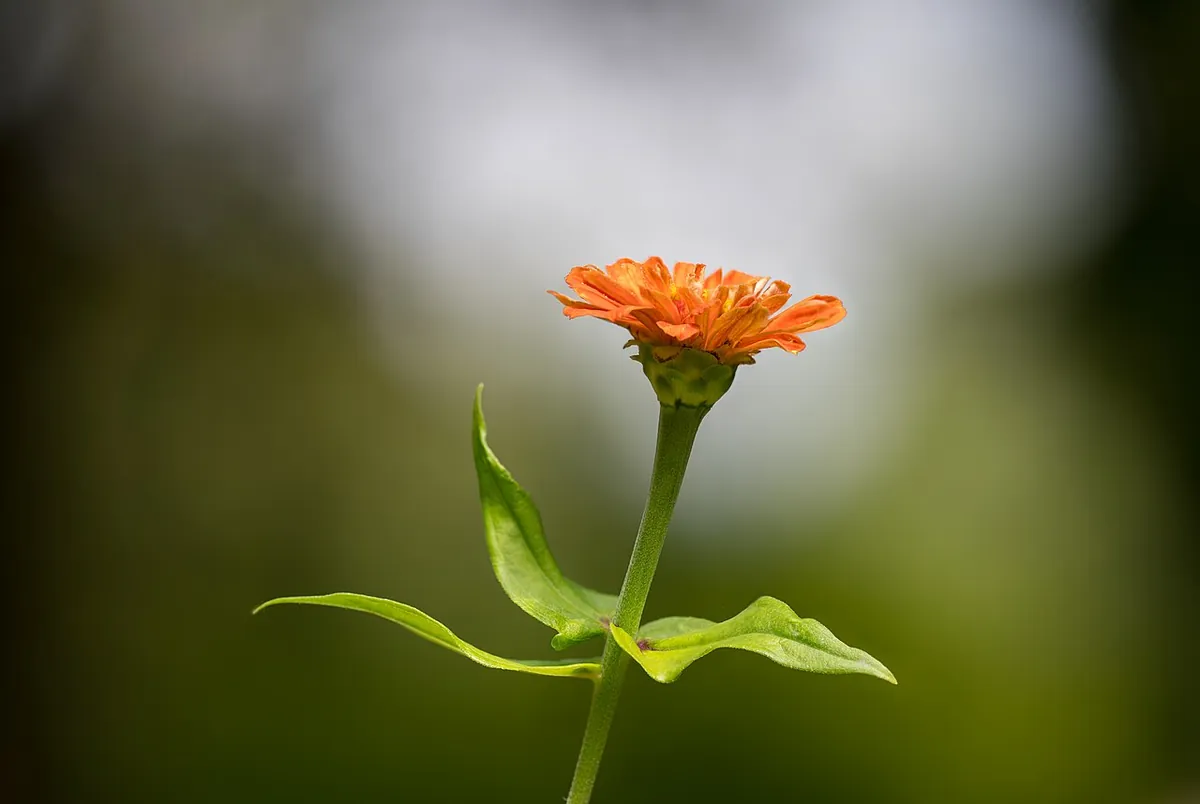
The ASPCA lists zinnias (Zinnia species) as non-toxic to dogs, cats, and horses. A dog that nibbles a zinnia is not expected to be poisoned, though eating a large amount of any plant material can still cause mild stomach upset.
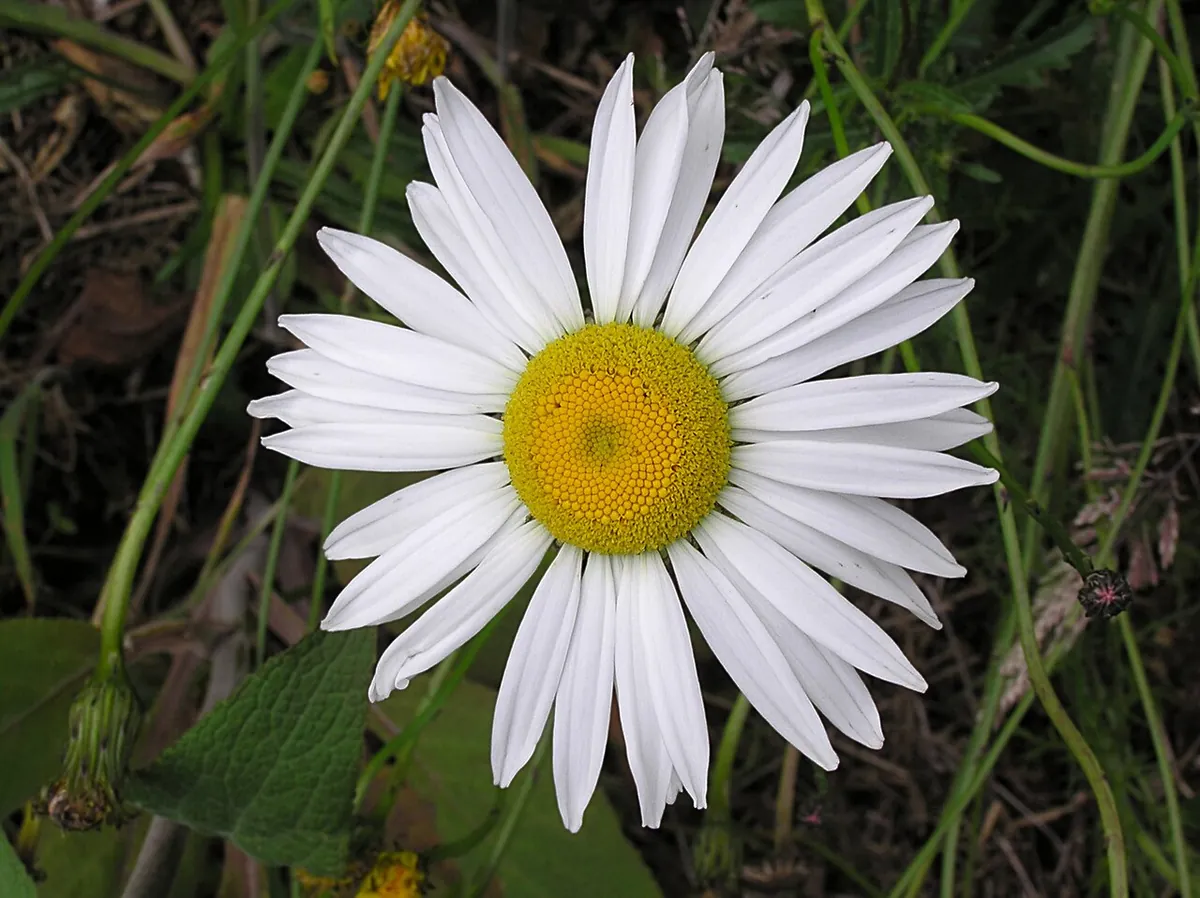
The ASPCA lists daisies (Chrysanthemum species) as toxic to dogs and cats, with vomiting, diarrhea, drooling, incoordination, and skin irritation as the expected signs. Gerbera daisies are the safe exception — the ASPCA lists them as non-toxic — while the evidence on Shasta daisies is thin and conflicting.