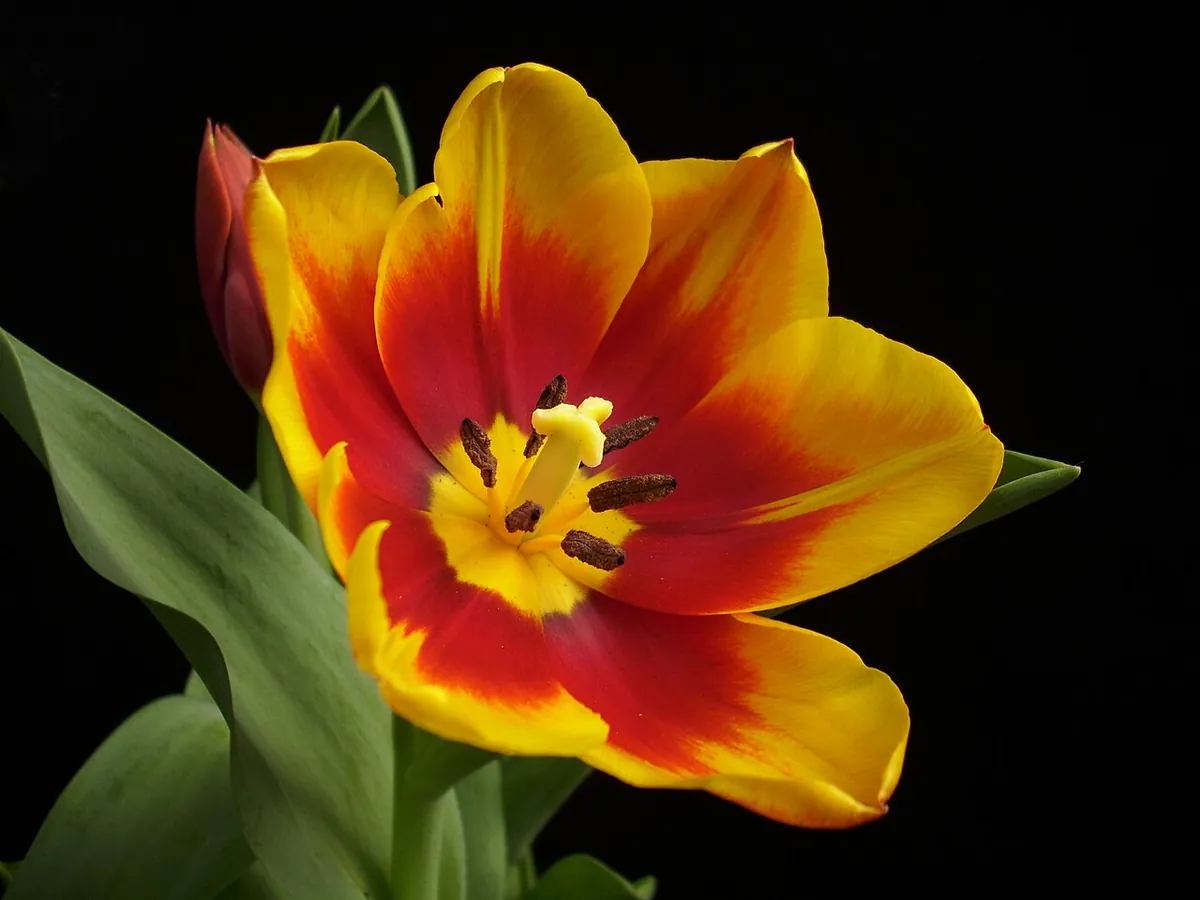
ToxicTulips
Tulips are toxic to dogs. Every part of the plant contains tulipalin A and B, but the bulb holds the highest concentration, so a dog that digs up and eats bulbs faces the greatest risk.
Houseplants and garden plants are one of the most common ways dogs get poisoned — often from a bouquet on the table or a plant chewed in the garden. Below are the plants we have covered so far, each with a clear verdict, the toxin involved, symptoms, and what to do if your dog eats it. New plants are added regularly.
Tulips are toxic to dogs. Every part of the plant contains tulipalin A and B, but the bulb holds the highest concentration, so a dog that digs up and eats bulbs faces the greatest risk.
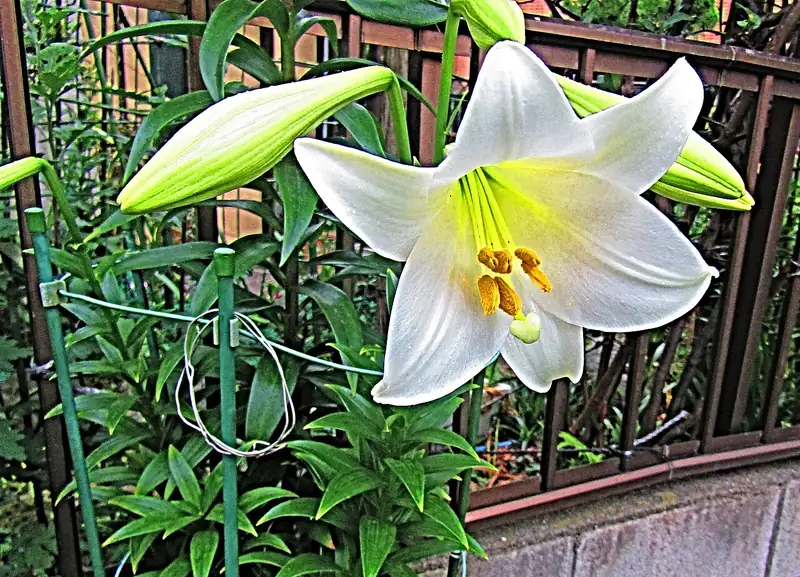
Lilies can poison dogs, usually causing vomiting, diarrhea, and drooling. True lilies are far more dangerous to cats, where they can cause fatal kidney failure. If your dog eats any lily, call your vet.
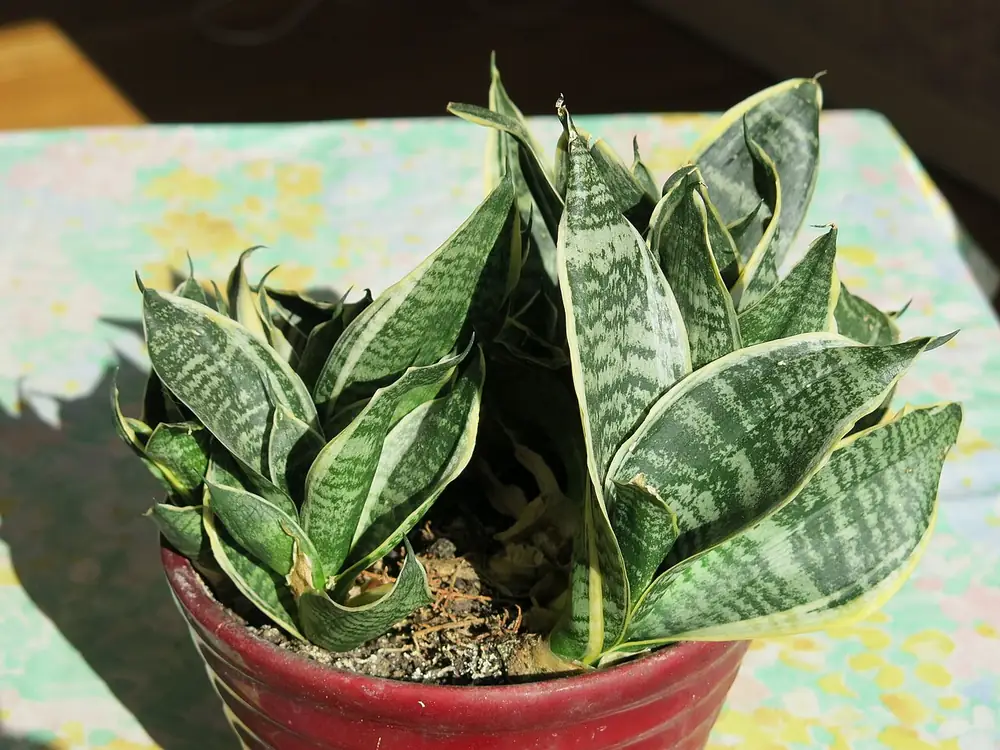
Snake plants are toxic to dogs. They contain saponins, which irritate the mouth and stomach and usually cause nausea, vomiting, and diarrhea.
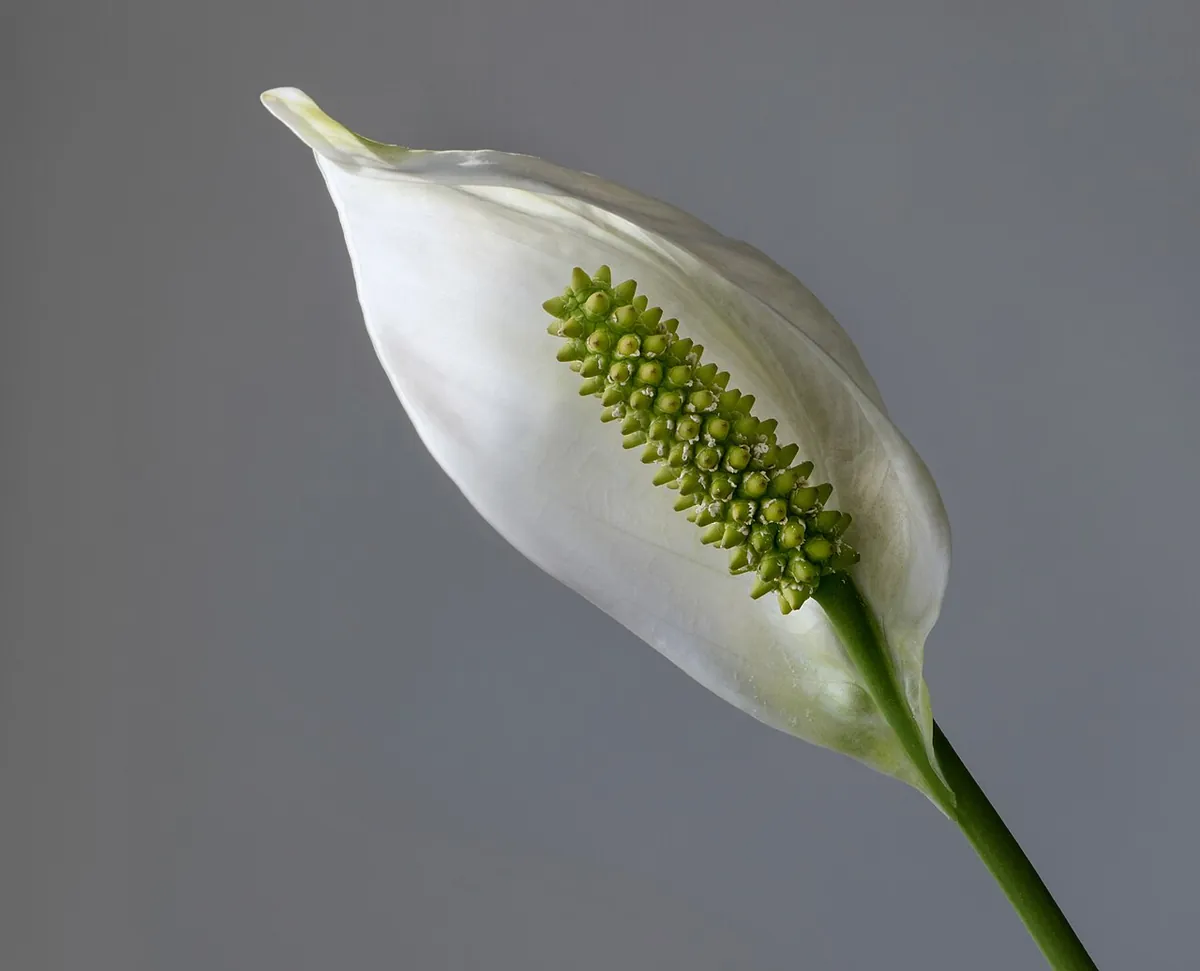
Peace lilies are toxic to dogs, but usually painful rather than life-threatening. Chewing releases calcium oxalate crystals that burn the mouth, cause drooling and vomiting, and can make swallowing difficult.
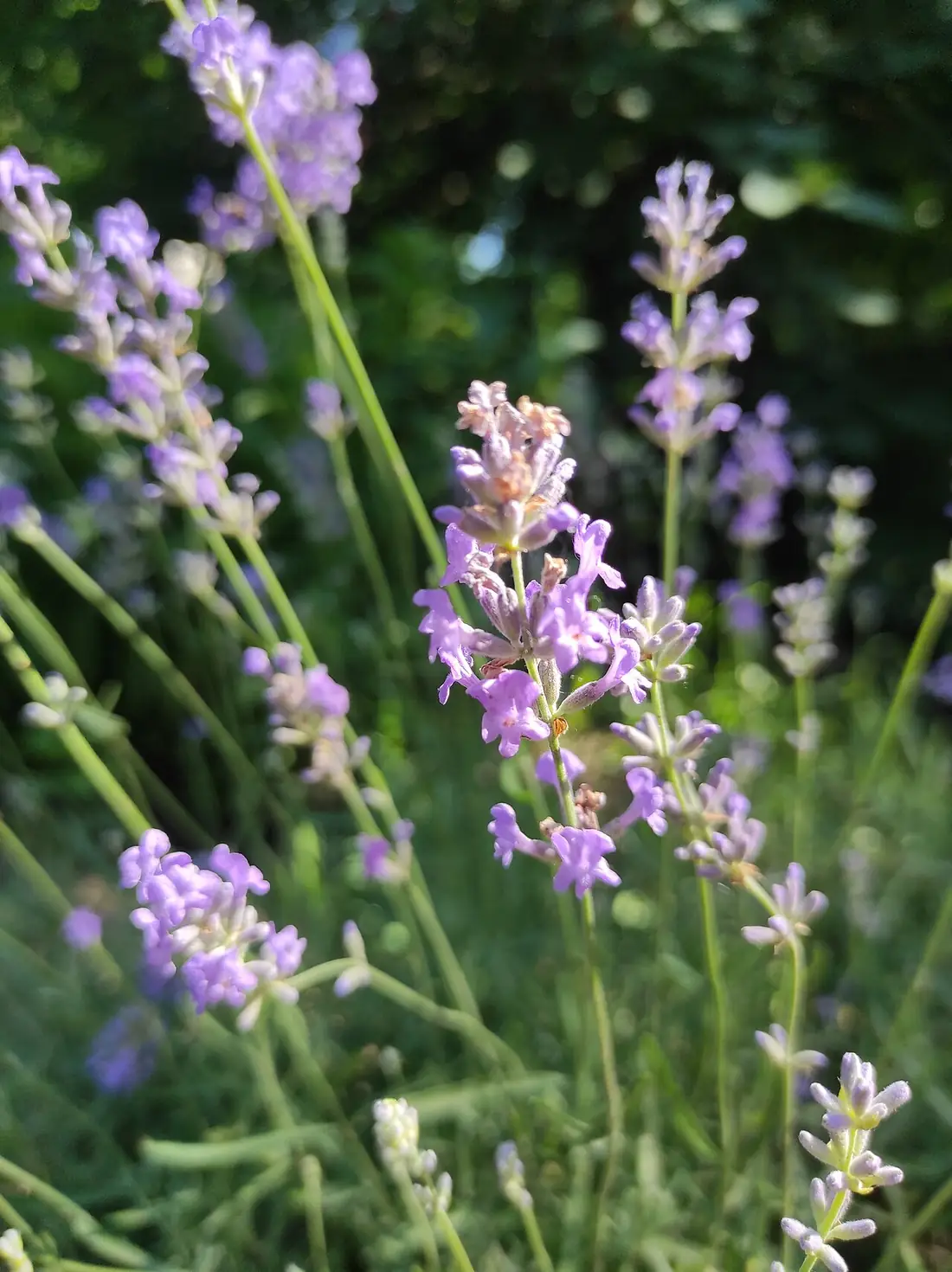
The ASPCA lists lavender as toxic to dogs. Eating the plant usually causes only mild stomach upset, but concentrated lavender essential oil is a much bigger risk and should never be swallowed or put on your dog.
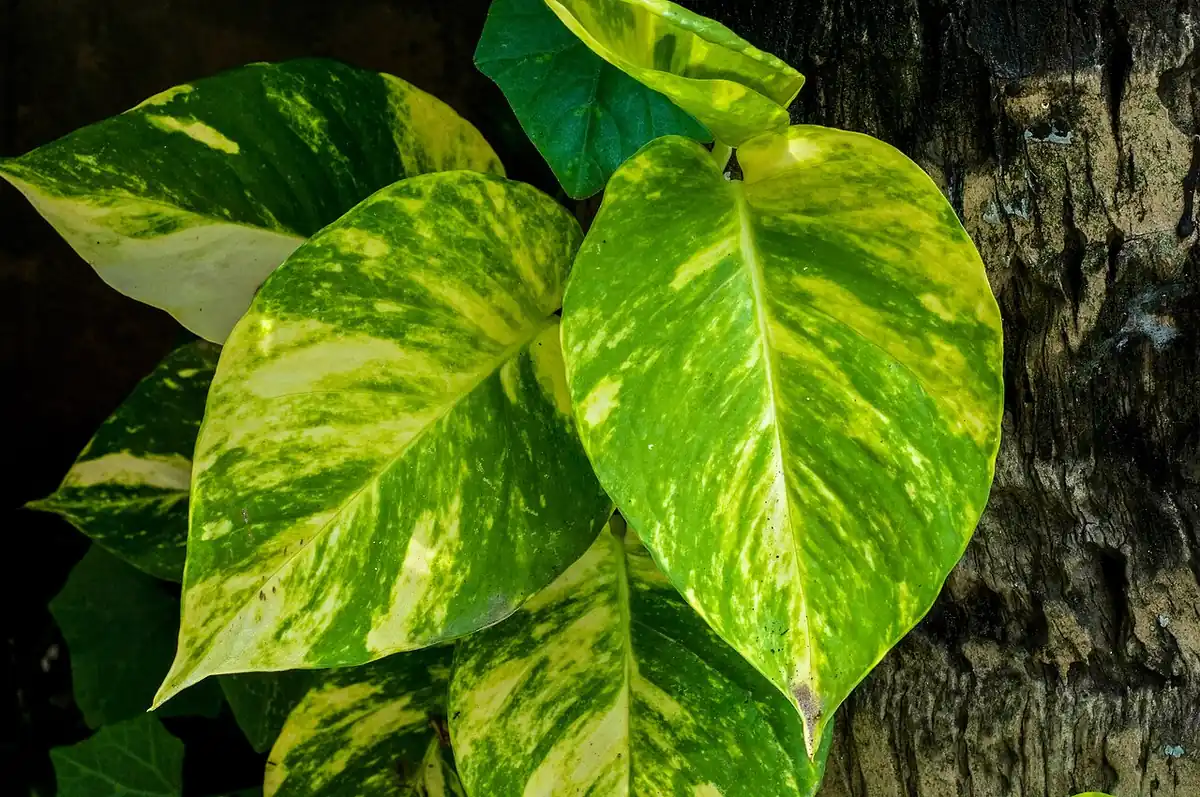
Pothos is toxic to dogs. Its leaves and stems contain insoluble calcium oxalate crystals that injure the mouth on contact, causing intense burning, drooling, and vomiting.
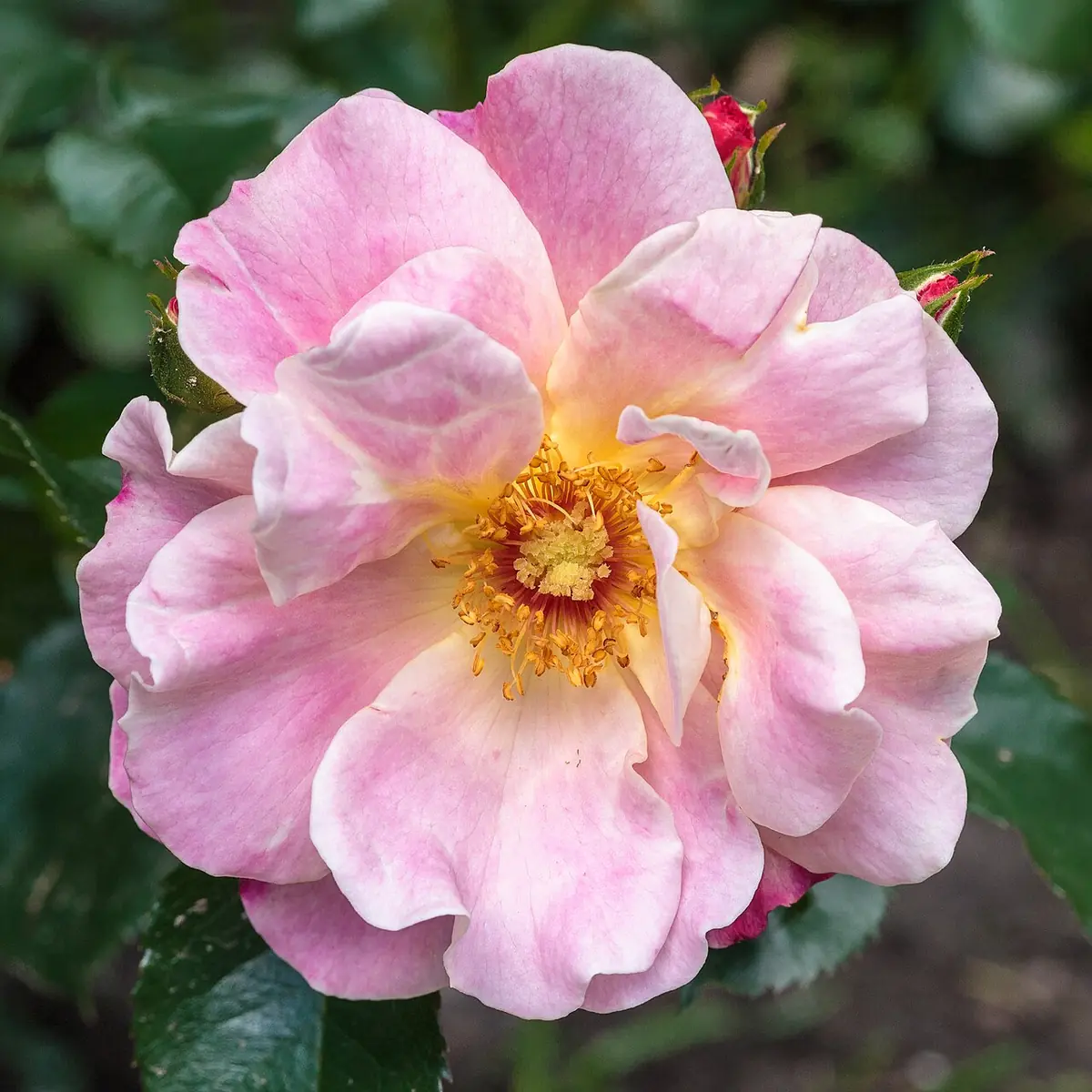
The ASPCA lists roses (Rosa species) as non-toxic to dogs, cats, and horses. The real risks are the thorns and any pesticides, fertilizers, or flower food on the plant.
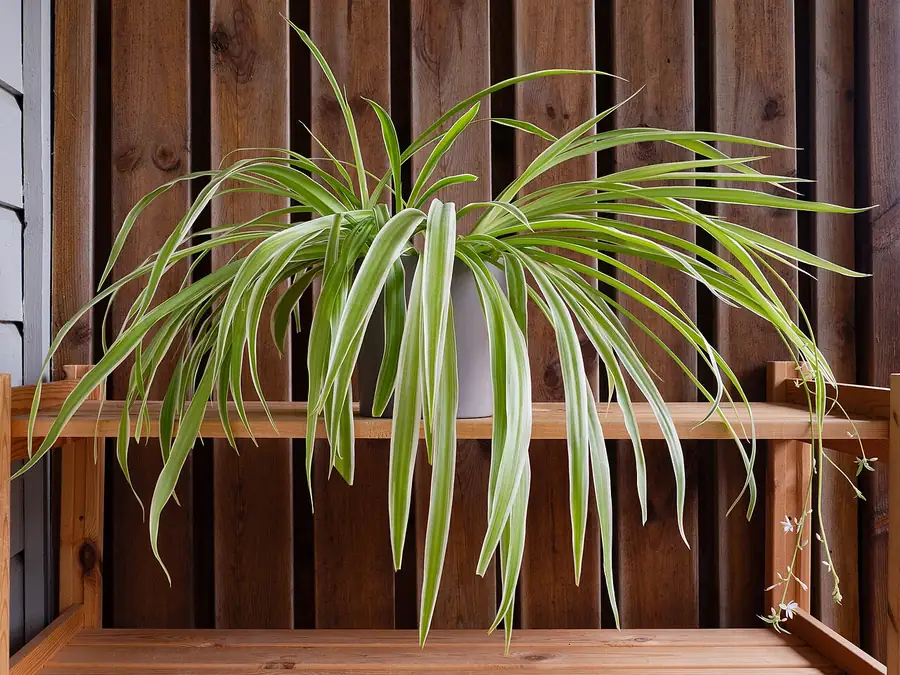
The ASPCA lists spider plants as non-toxic to dogs, cats, and horses, and PetMD includes them among the houseplants safe for dogs. A dog that eats a large amount may still get a mild stomach upset.
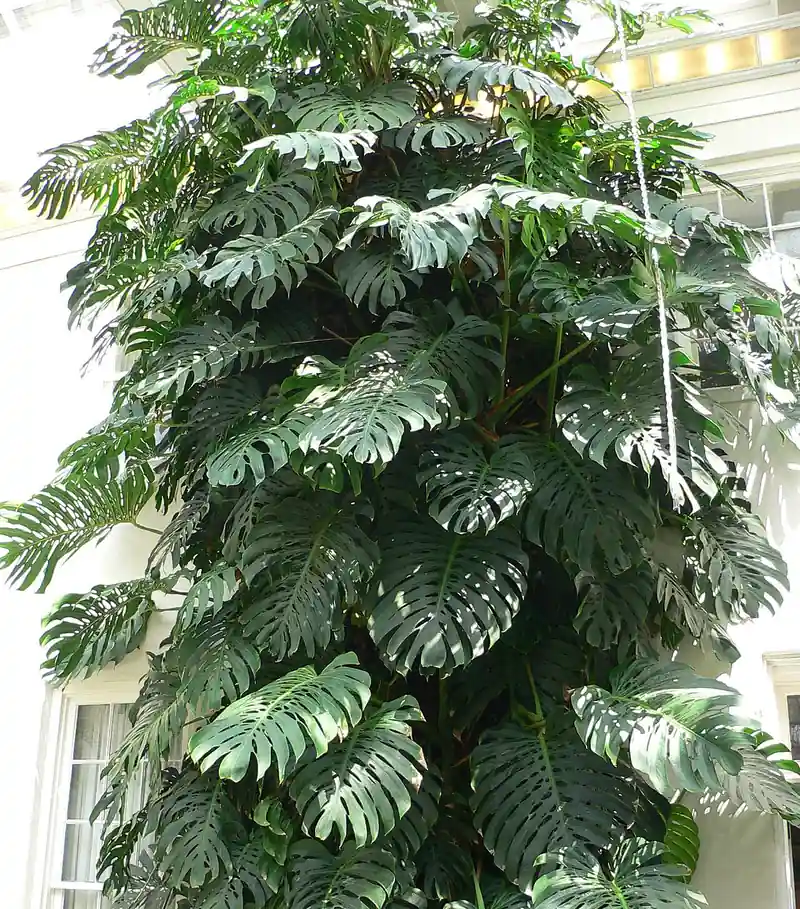
The ASPCA lists Monstera deliciosa as toxic to dogs and cats. Its insoluble calcium oxalate crystals burn the mouth, cause heavy drooling and vomiting, and can make swallowing difficult. Most dogs recover fully, but any dog that chews one should be watched closely.
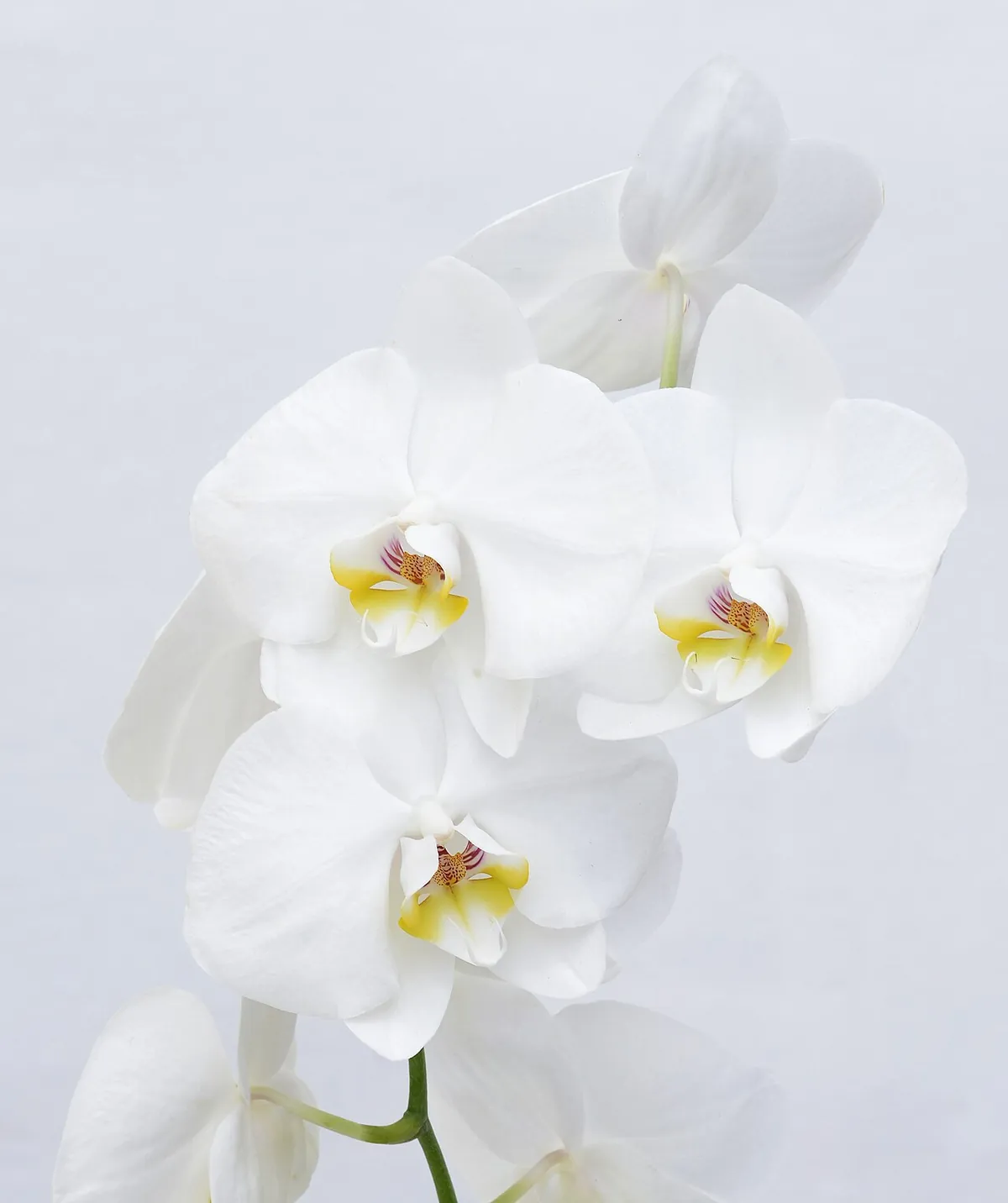
Orchids are not toxic to dogs. The ASPCA lists Phalaenopsis orchids as non-toxic to dogs, cats, and horses, and PetMD includes orchids among the flowers that are safe for dogs.
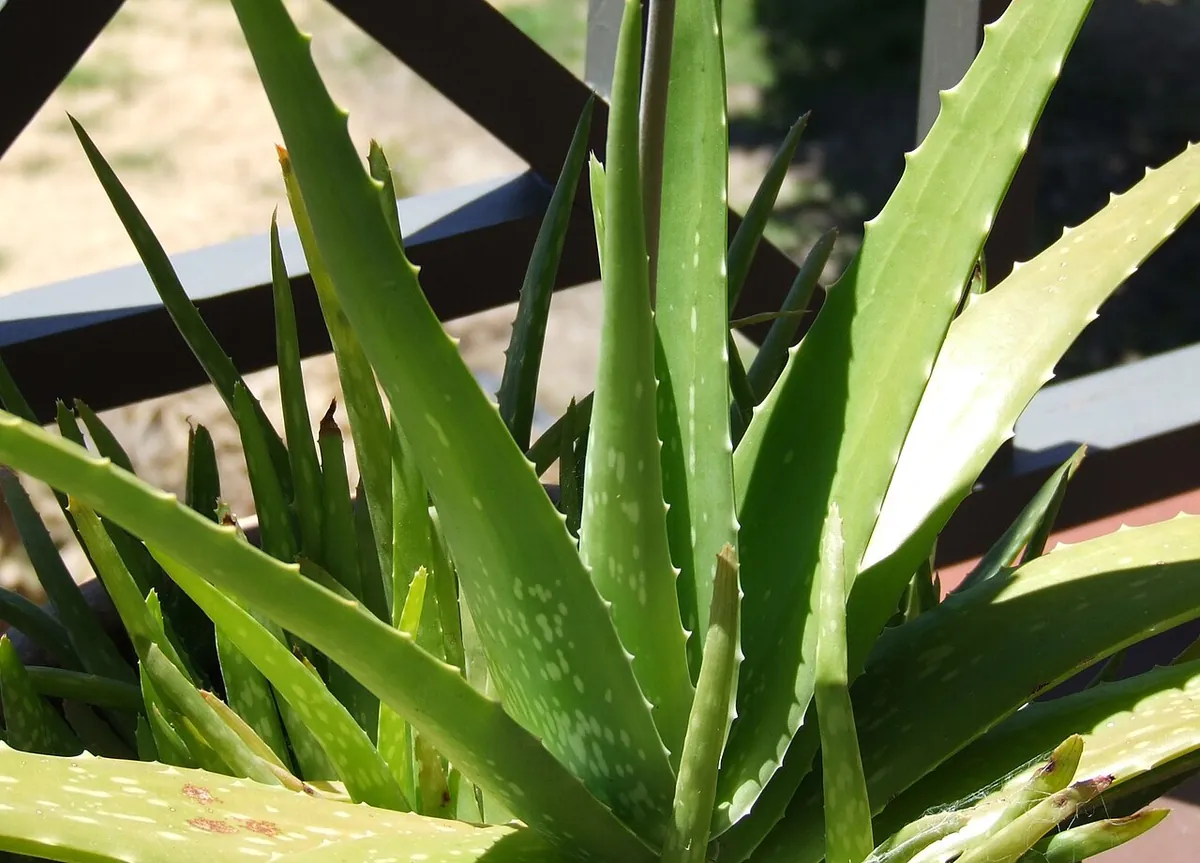
Aloe is toxic to dogs because the sap, or latex, inside its leaves contains saponins and anthraquinones. The clear gel is much less concerning, but a dog that chews a leaf swallows the toxic latex too. Most cases cause vomiting and diarrhea, and dehydration is the main risk.
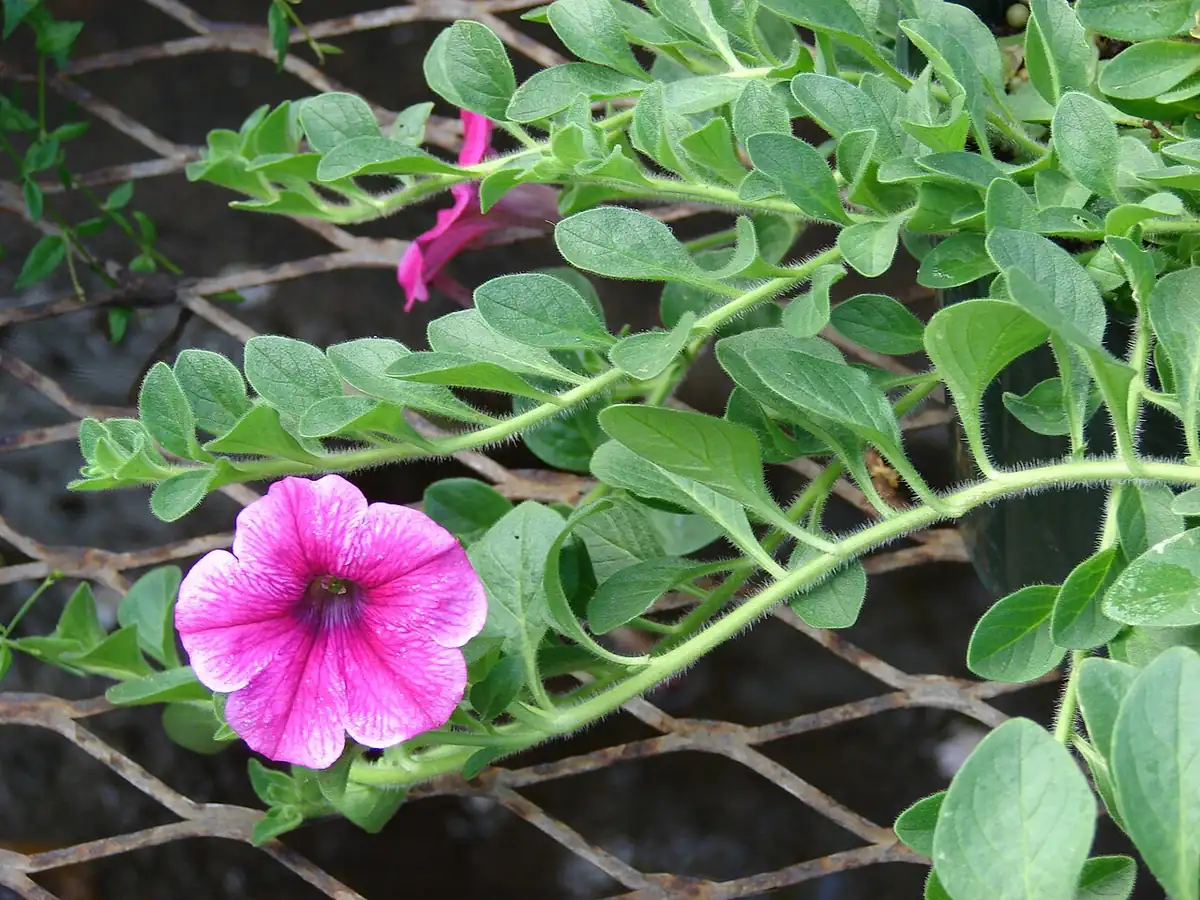
Petunias are not toxic to dogs. The ASPCA lists Petunia species as non-toxic to dogs, cats, and horses, with no toxic principle identified. A nibble needs no emergency action, though eating a lot of any plant can upset the stomach.
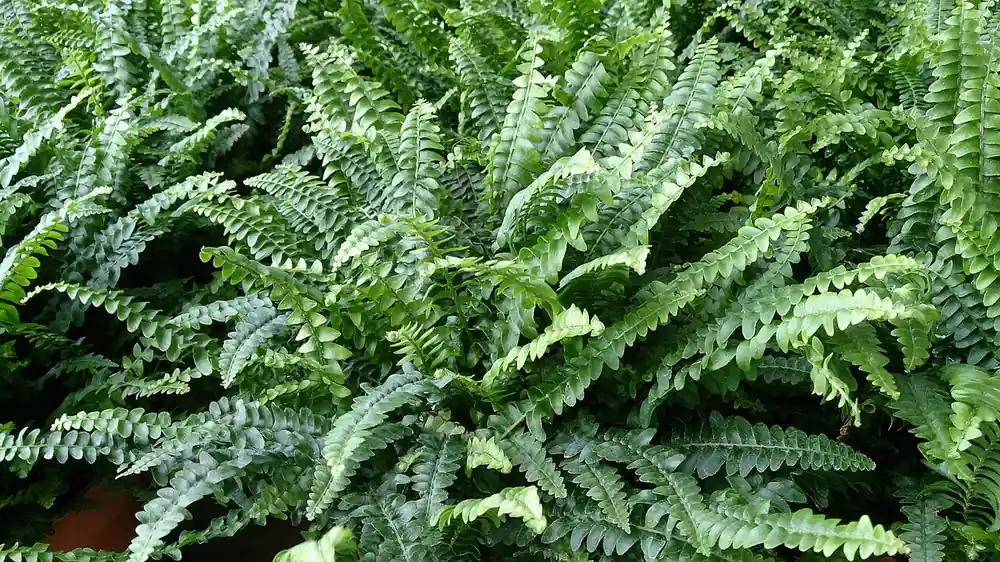
It depends on the type of fern. The Boston fern is listed as non-toxic to dogs by the ASPCA, but asparagus fern is listed as toxic, and bracken fern is toxic too. Identify the fern before you decide it is safe.
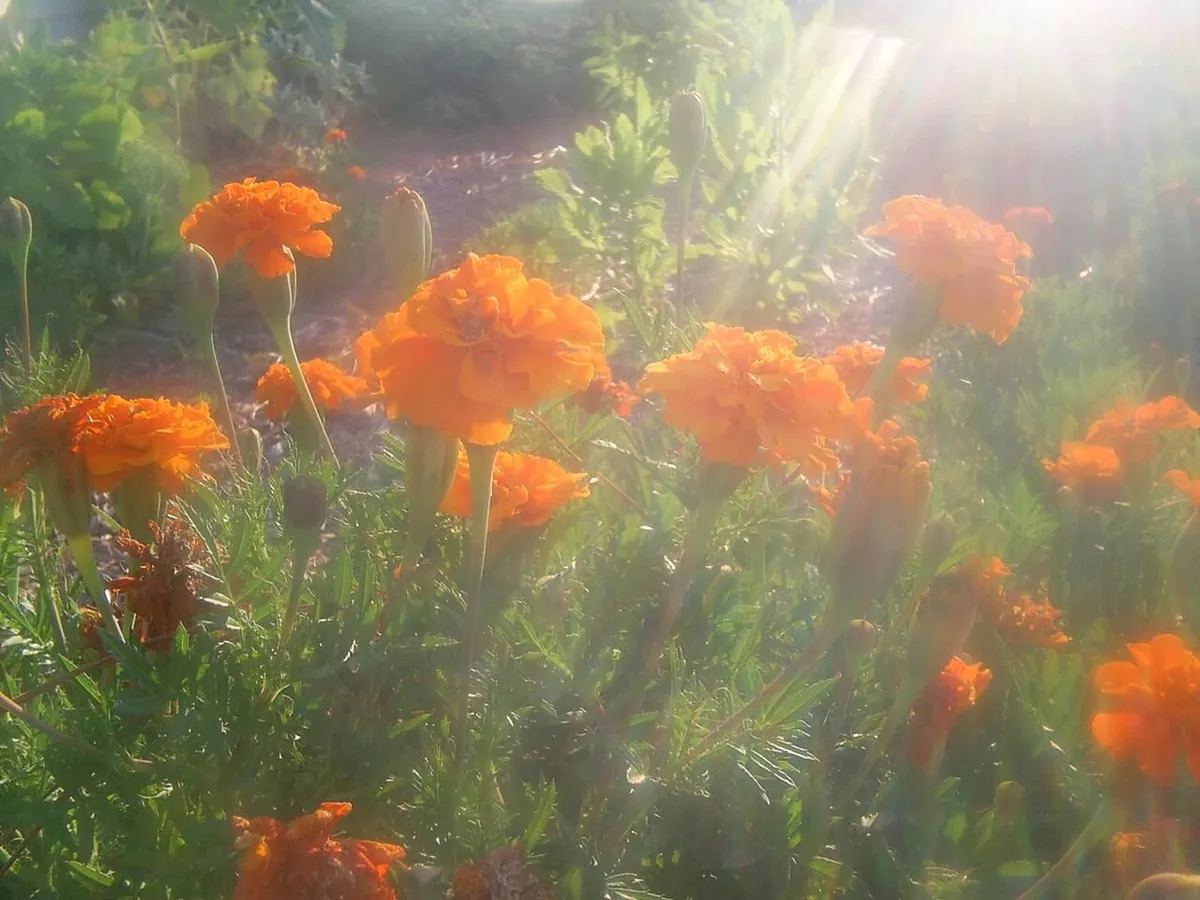
Yes — Tagetes marigolds (French and African marigolds) are mildly toxic to dogs, causing stomach upset and possible skin irritation. Pot marigold is a different plant and is listed as non-toxic.
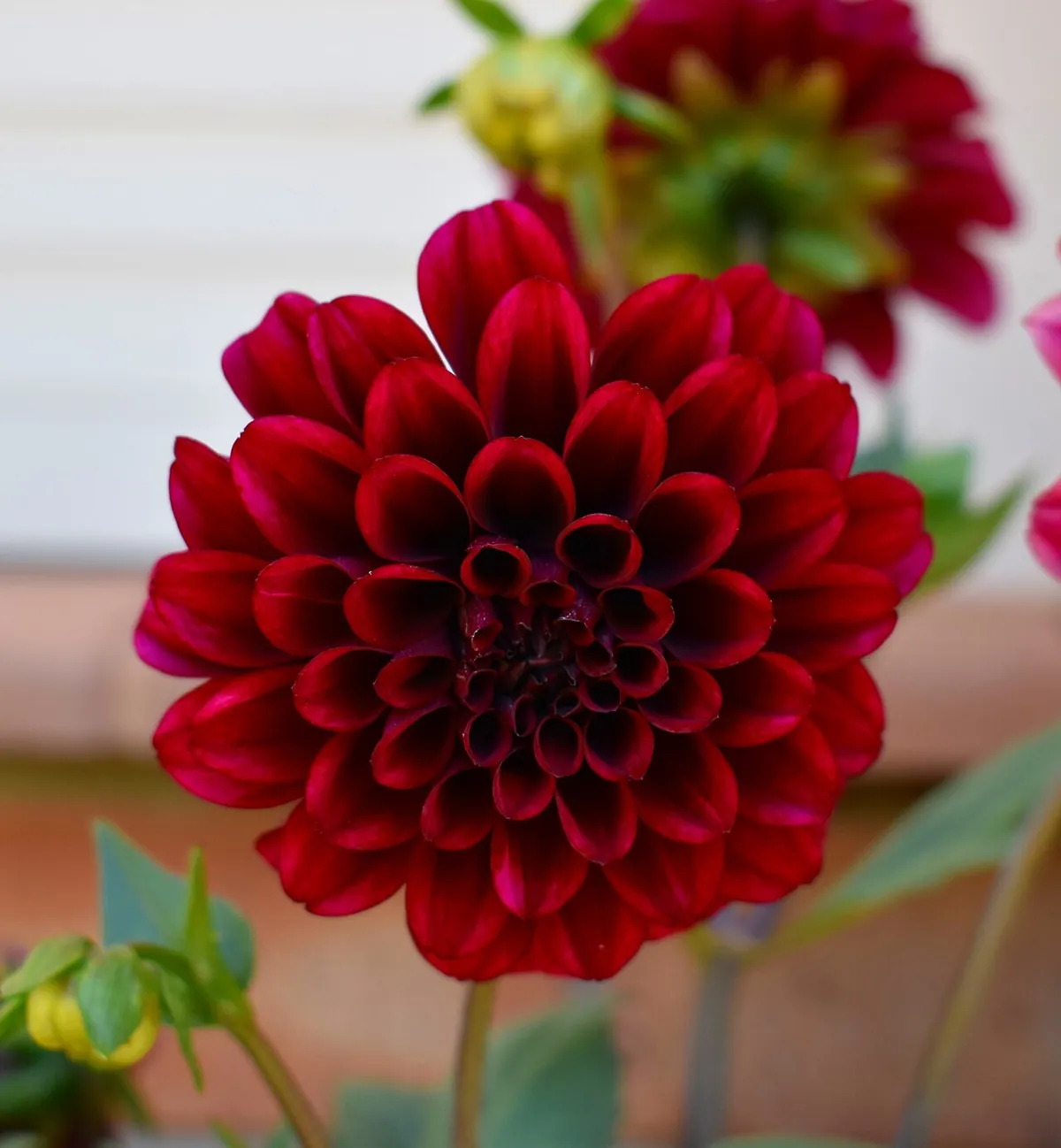
Dahlias are mildly toxic to dogs. The ASPCA lists Dahlia species as toxic, with mild stomach upset and mild skin irritation as the expected effects — not organ damage.
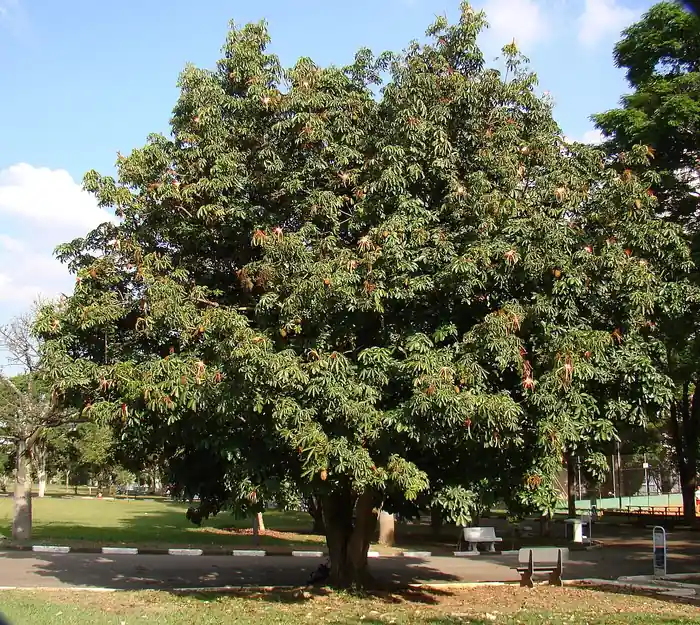
Money trees (Pachira aquatica) are listed as non-toxic to dogs by the ASPCA, with no toxic principle. A dog that chews a leaf may get mild stomach upset, but it is not a poisoning. Check the label — jade plants and pothos share the name and are toxic.

Sunflowers are not toxic to dogs. The ASPCA lists them as non-toxic, and the seeds are safe too — but only plain, shelled, and unsalted, in small amounts.
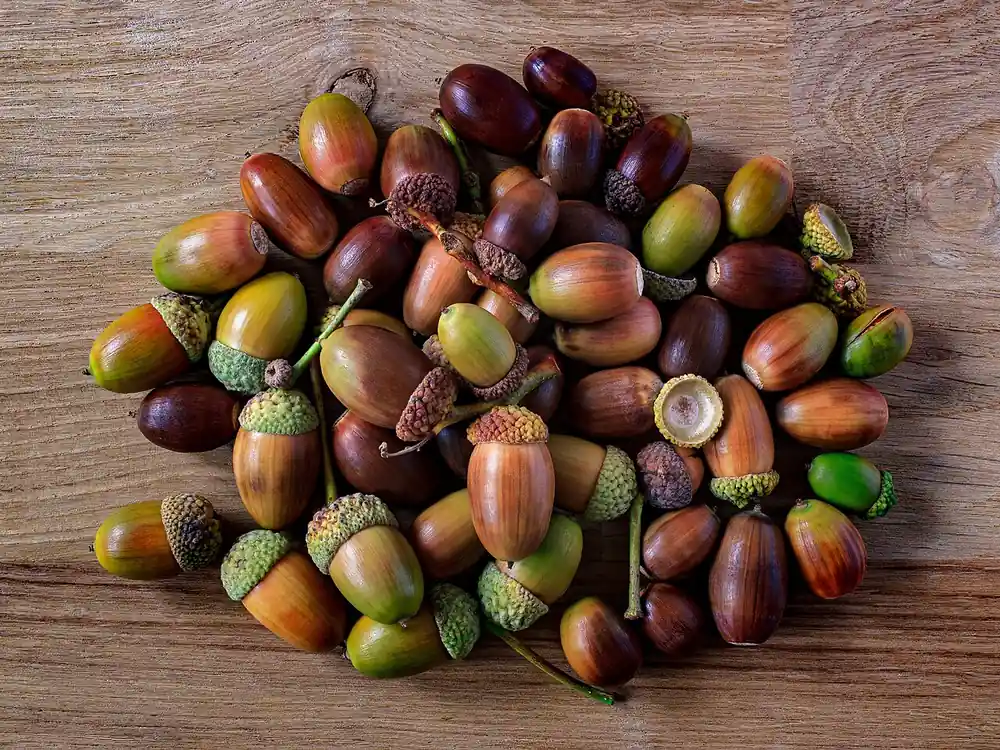
Acorns are toxic to dogs. They contain tannins, including gallotannin, that irritate the stomach and intestines and can damage the kidneys and liver. They can also choke a dog or block its intestines. Call your veterinarian if your dog eats acorns.
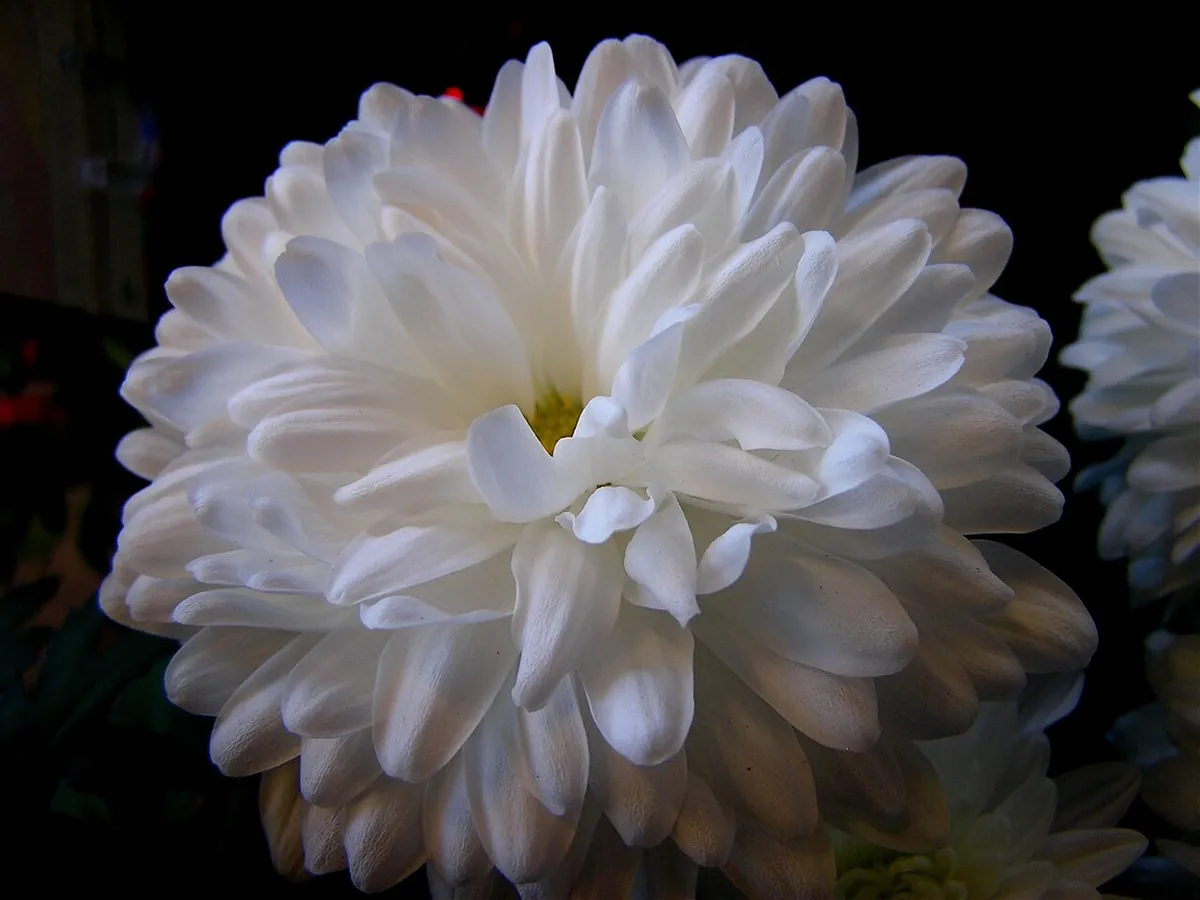
Mums are chrysanthemums, and the ASPCA lists Chrysanthemum species as toxic to dogs, cats, and horses. The plant contains sesquiterpene lactones, pyrethrins, and other irritants that cause vomiting, diarrhea, drooling, incoordination, and skin irritation.
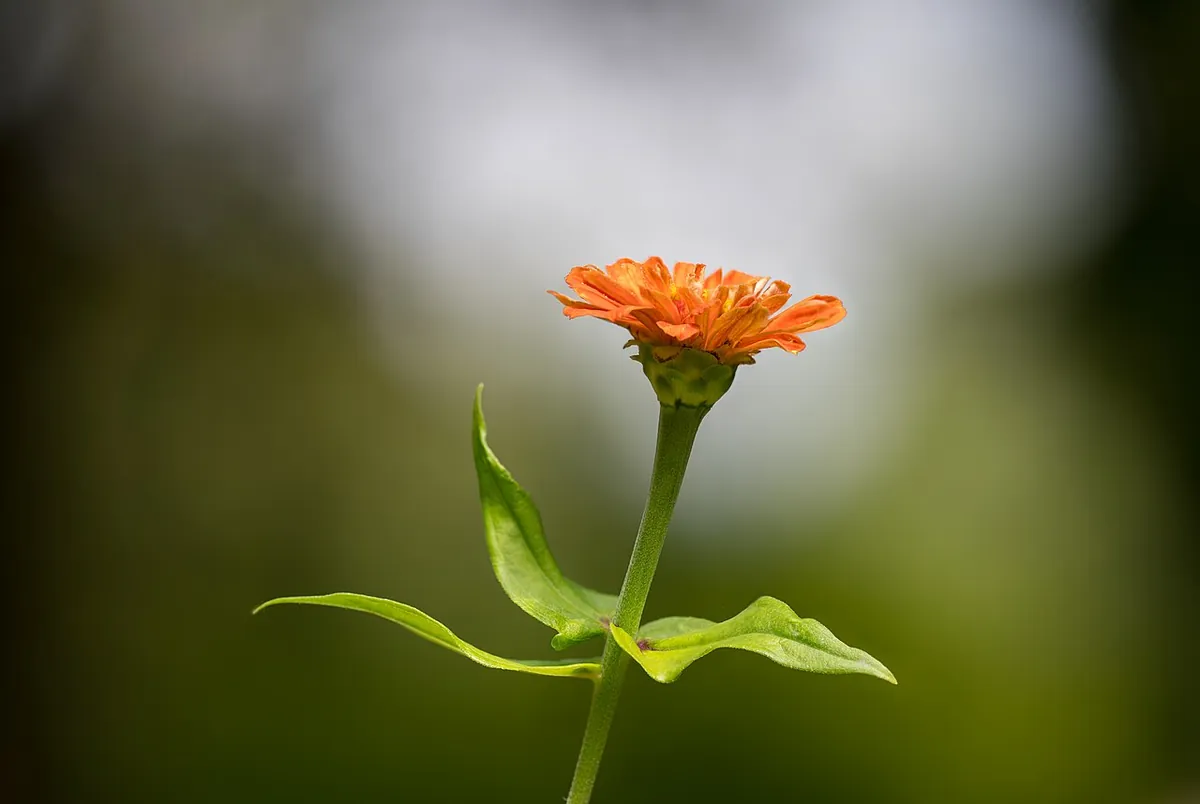
The ASPCA lists zinnias (Zinnia species) as non-toxic to dogs, cats, and horses. A dog that nibbles a zinnia is not expected to be poisoned, though eating a large amount of any plant material can still cause mild stomach upset.
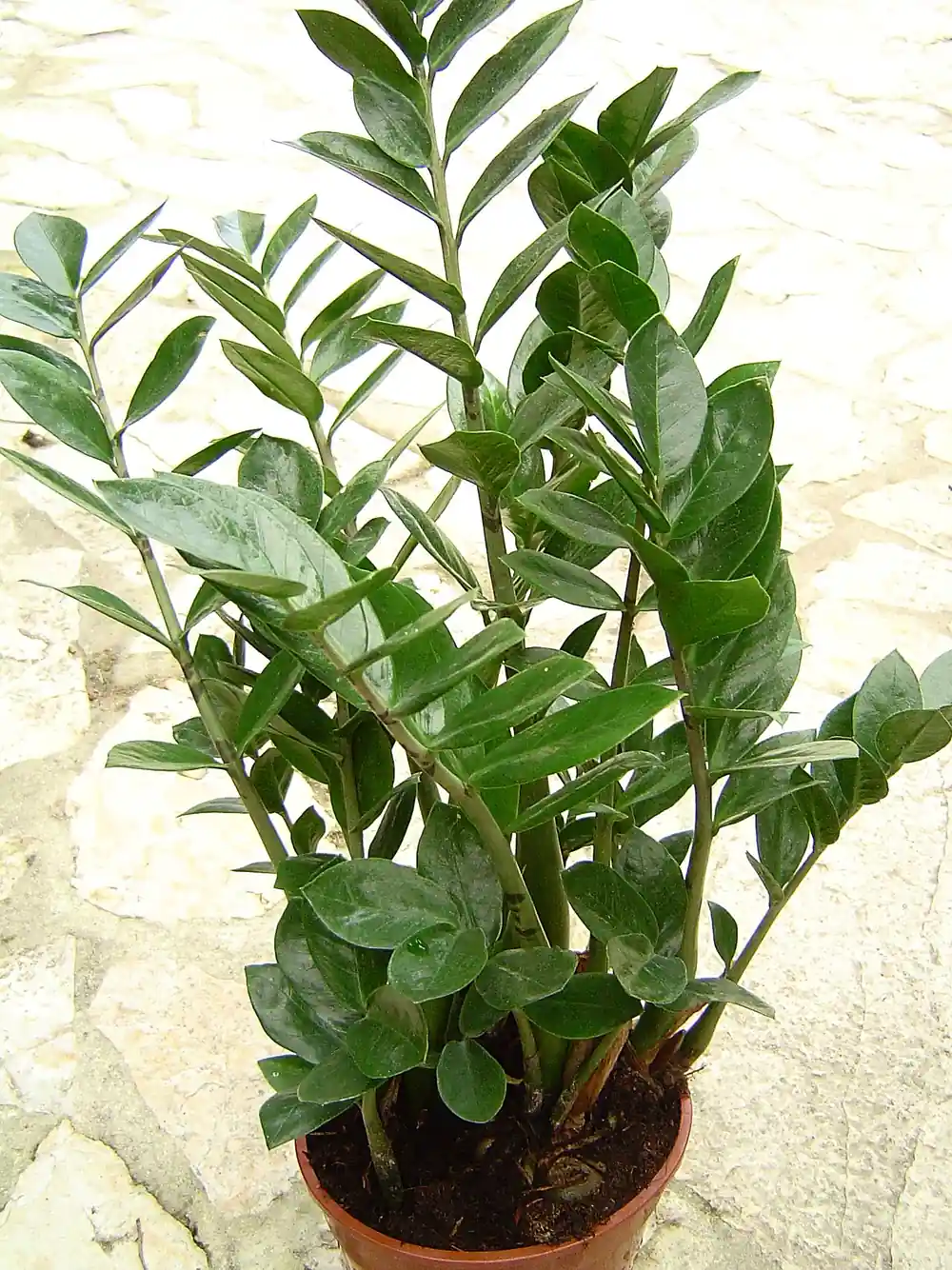
ZZ plants can poison dogs: chewing the leaves releases needle-like crystals that burn the mouth, causing drooling, pawing, and vomiting. Most exposures are mild and dogs recover fully, but throat swelling is possible, so call your vet.
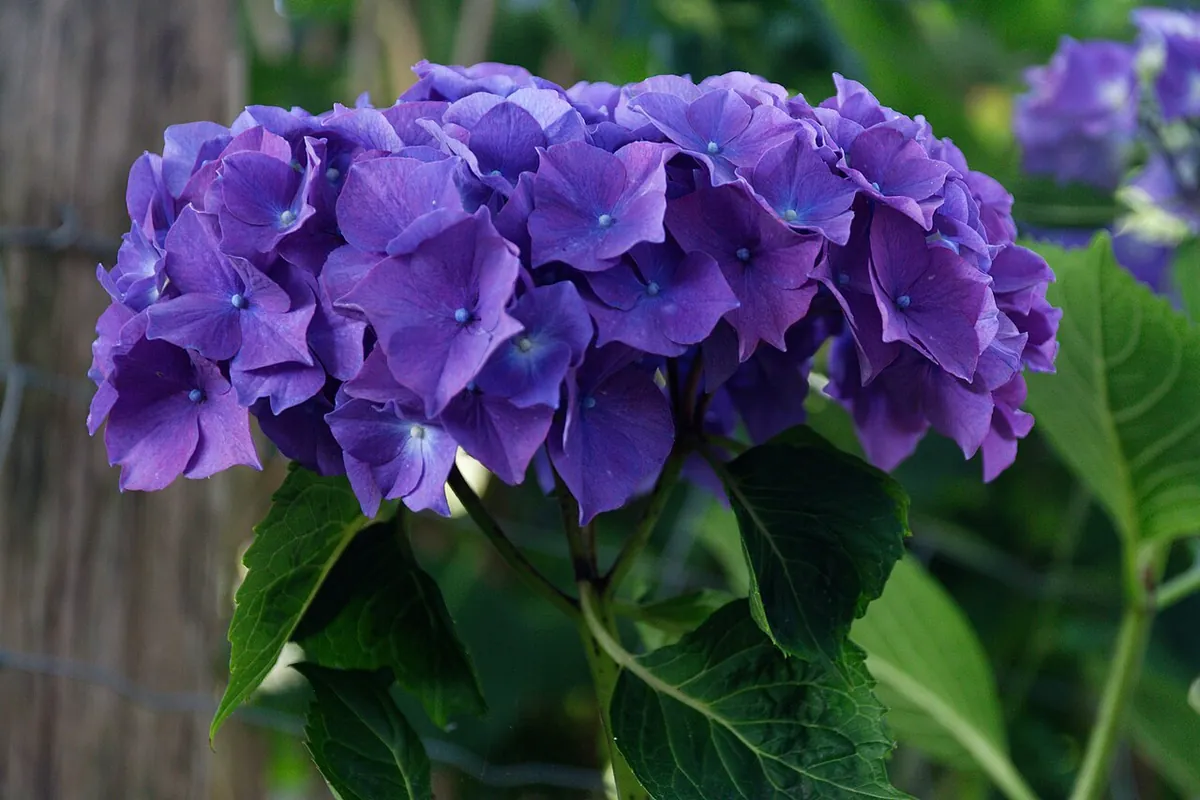
Hydrangeas are toxic to dogs. All parts contain amygdalin, a cyanogenic glycoside that can release cyanide in the body. Most dogs get vomiting, diarrhea, and lethargy; serious cyanide poisoning is rare but possible after a large ingestion. Call your vet if your dog eats any part of one.
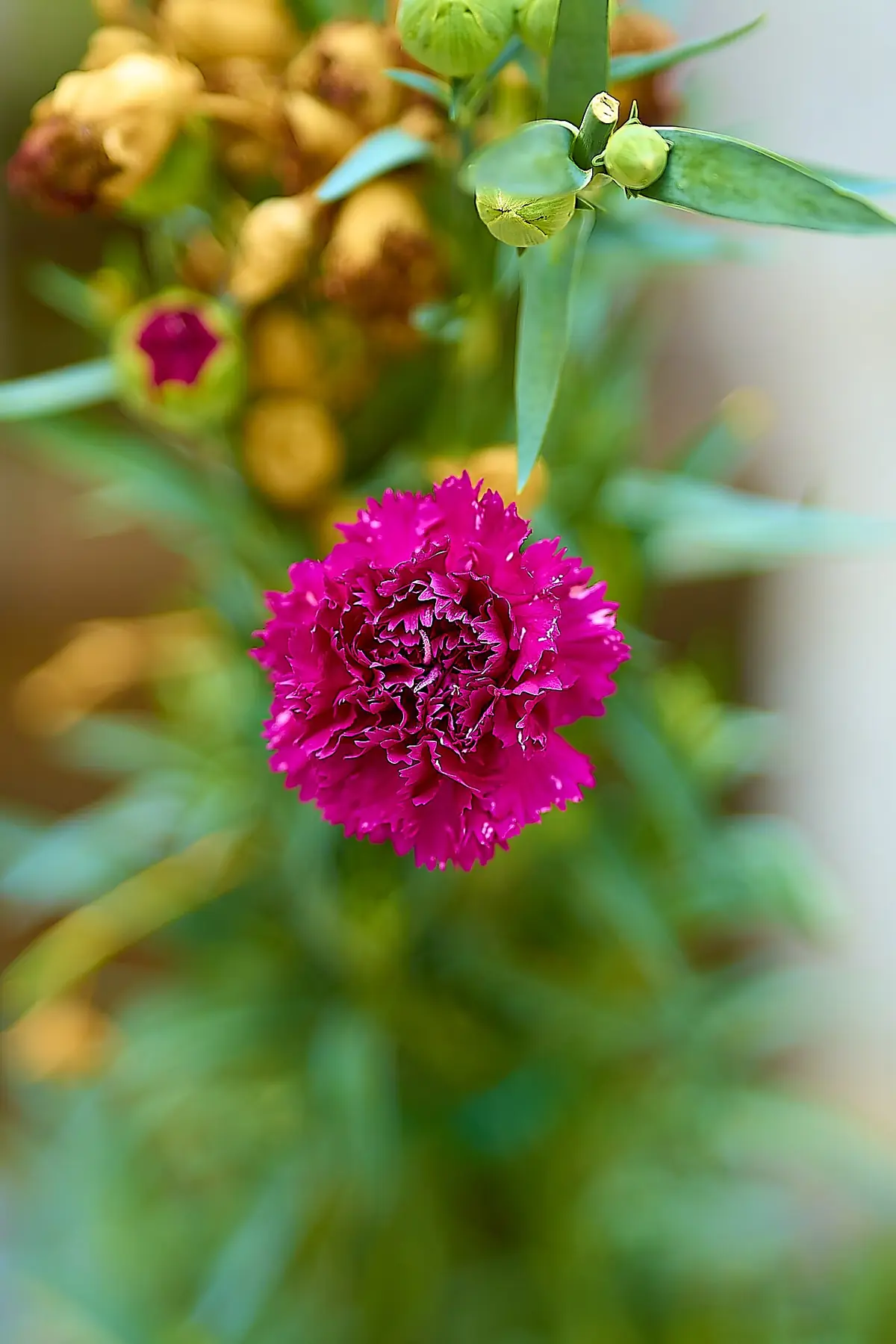
Carnations are mildly toxic to dogs. The ASPCA lists carnations as toxic, with mild stomach upset and mild skin irritation as the expected effects — not organ damage.
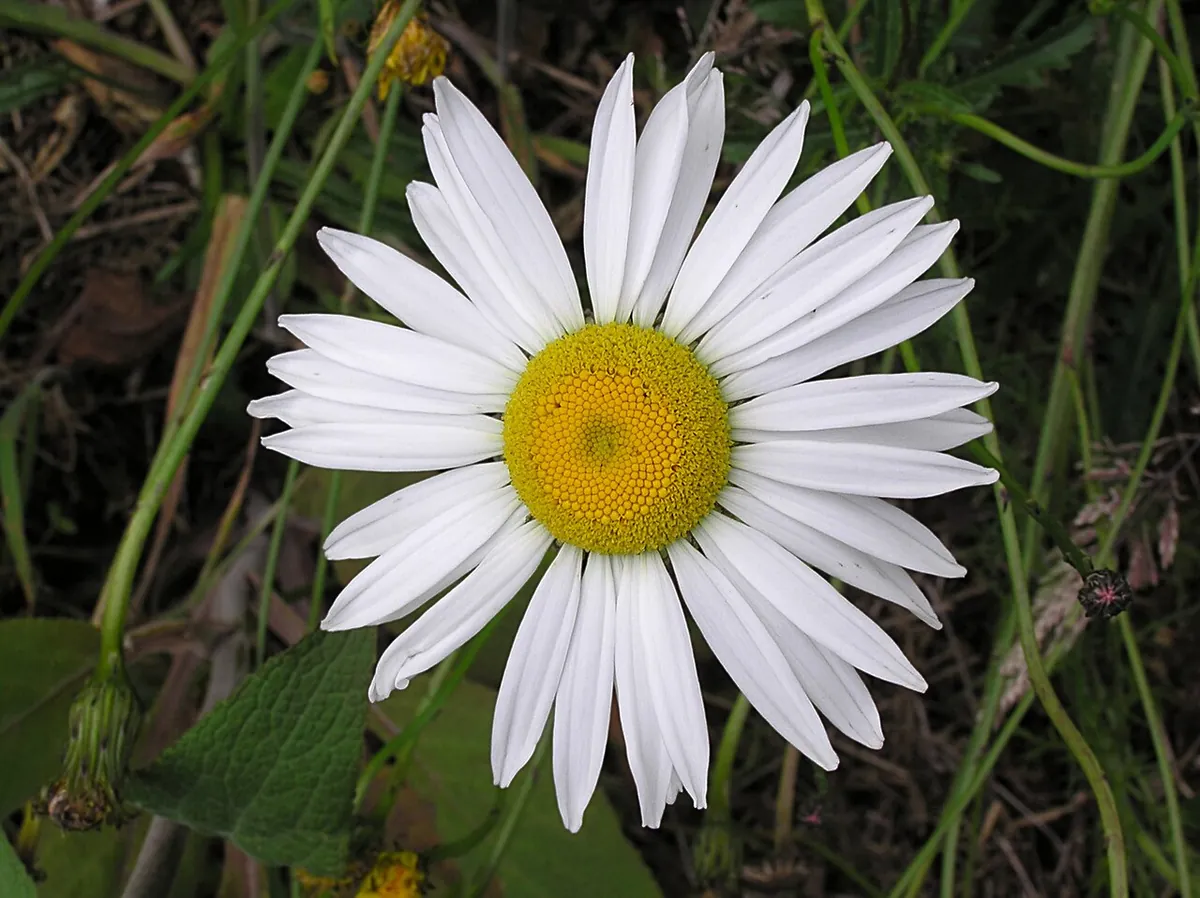
The ASPCA lists daisies (Chrysanthemum species) as toxic to dogs and cats, with vomiting, diarrhea, drooling, incoordination, and skin irritation as the expected signs. Gerbera daisies are the safe exception — the ASPCA lists them as non-toxic — while the evidence on Shasta daisies is thin and conflicting.
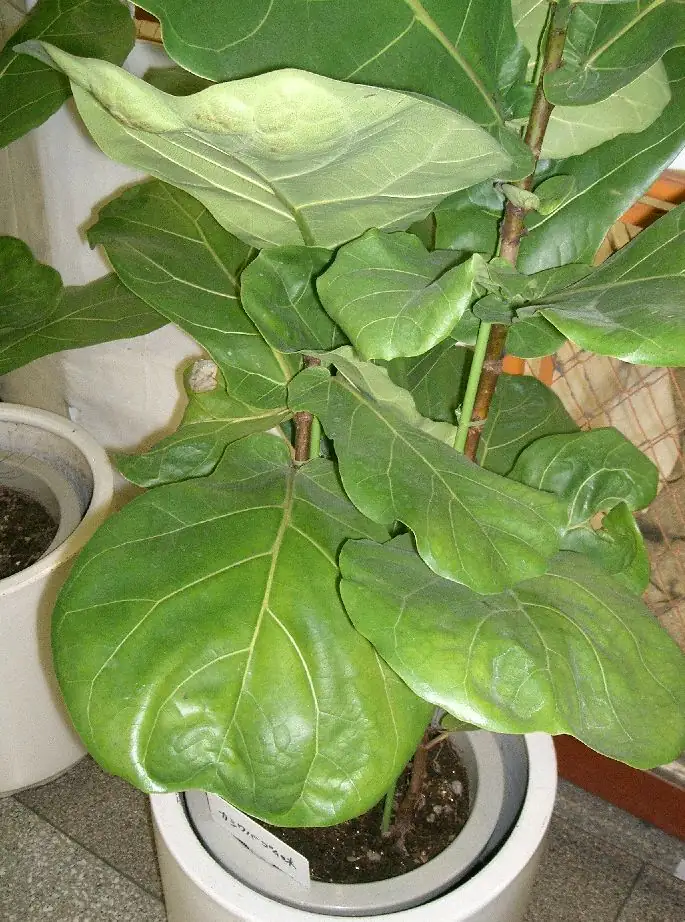
Fiddle leaf figs are mildly toxic to dogs. Chewing the leaves releases an irritating milky sap that causes mouth pain, drooling, vomiting, and diarrhea. Most cases are mild, but call your vet if your dog eats any part of the plant.
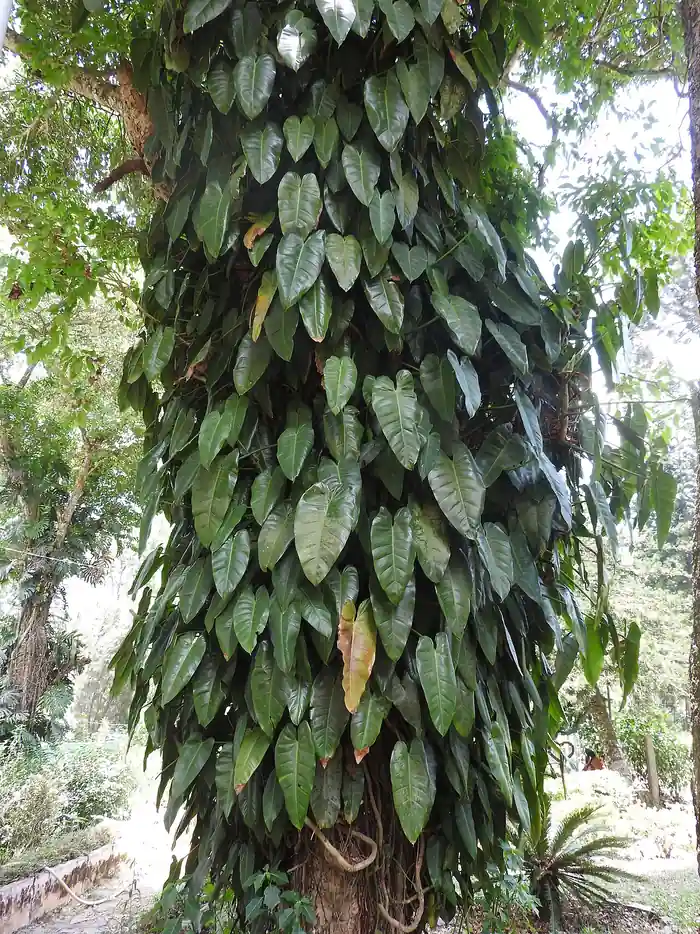
Philodendrons can poison dogs: chewing the leaves releases needle-like crystals that burn the mouth, causing drooling, swelling, and vomiting. Most exposures are mild and dogs recover fully, but throat swelling is possible, so call your vet.
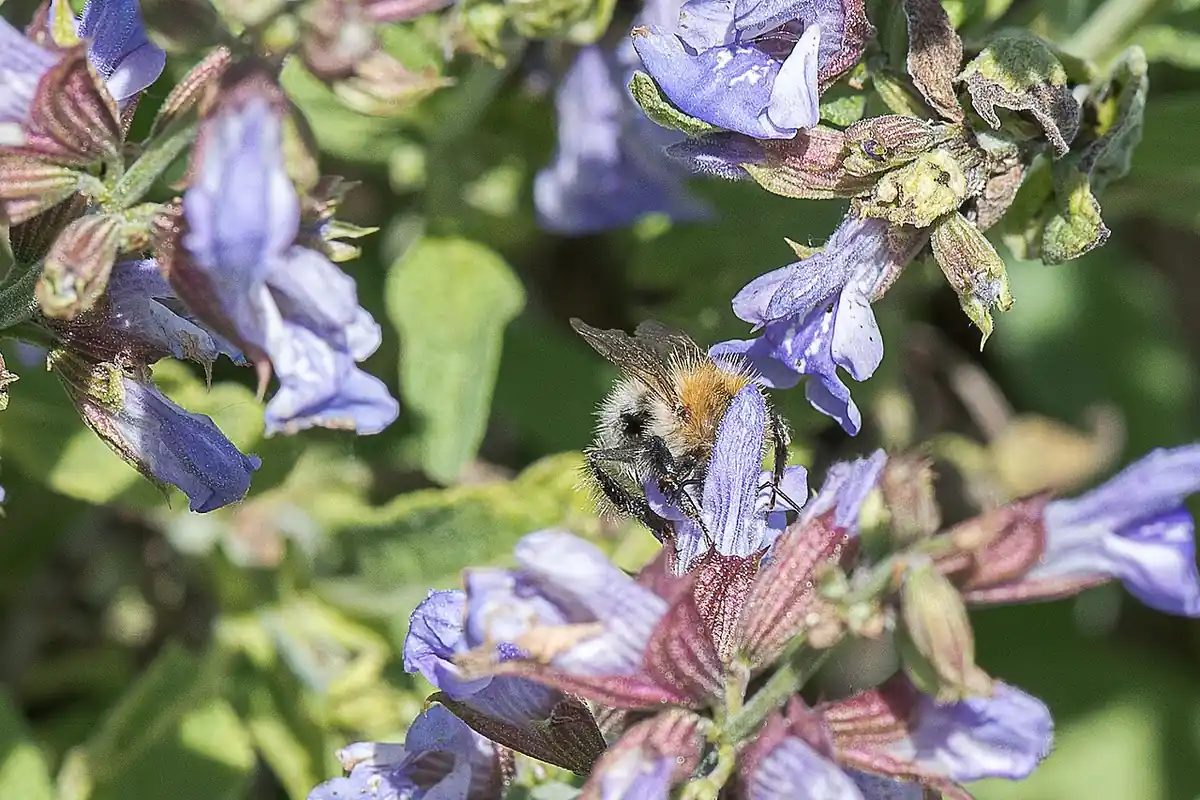
The ASPCA lists garden sage (Salvia officinalis) and scarlet sage (Salvia coccinea) as non-toxic to dogs. The caution is for the rest of the genus: not every species is listed, Salvia divinorum is psychoactive, lantana is sold as yellow or red sage and is toxic, and sage essential oil is concentrated and unsafe for dogs.
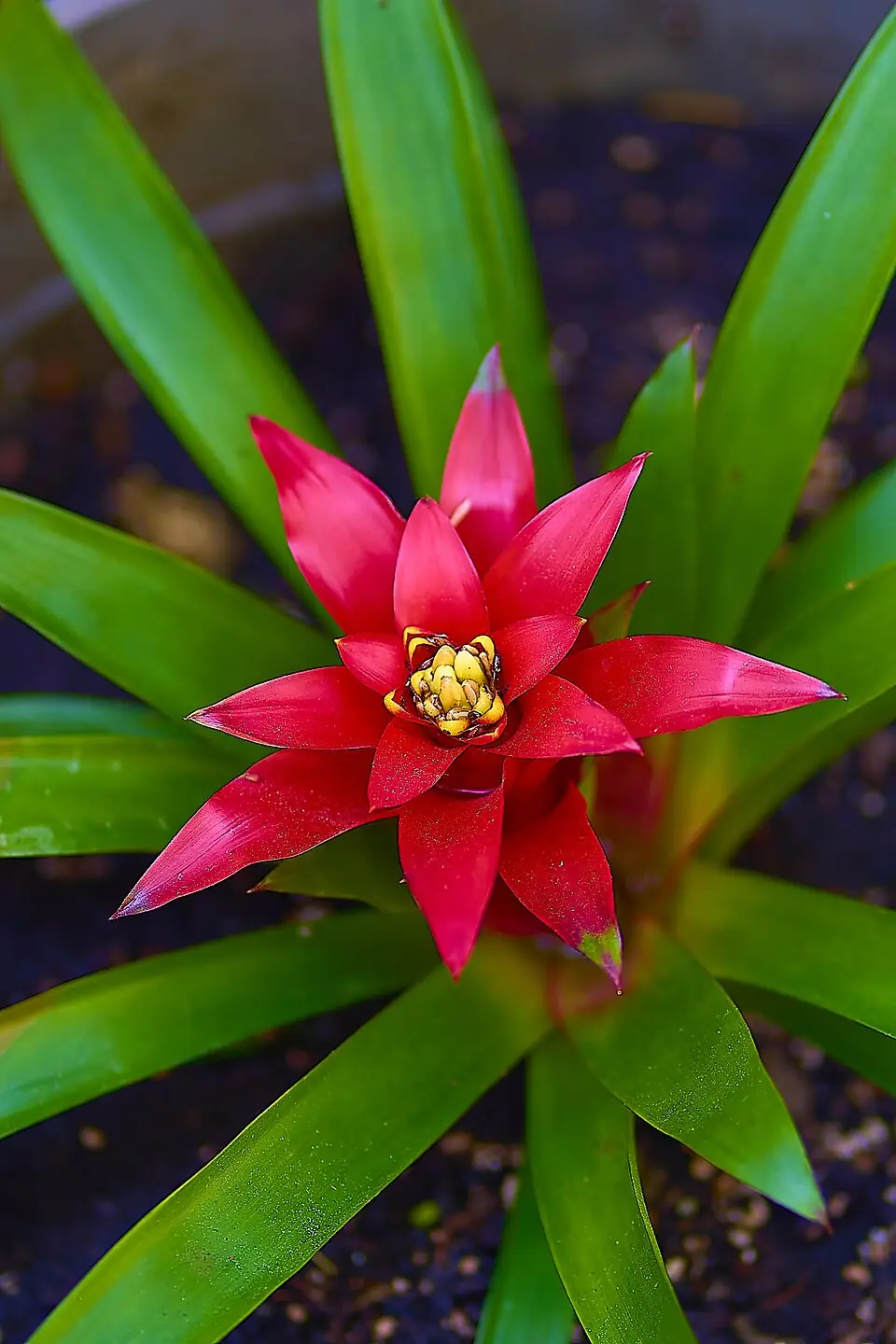
The ASPCA lists bromeliads, including blushing bromeliad, orange star, and earth star, as non-toxic to dogs and cats. The only expected problem is mild stomach upset if a dog eats a large amount of leaves.
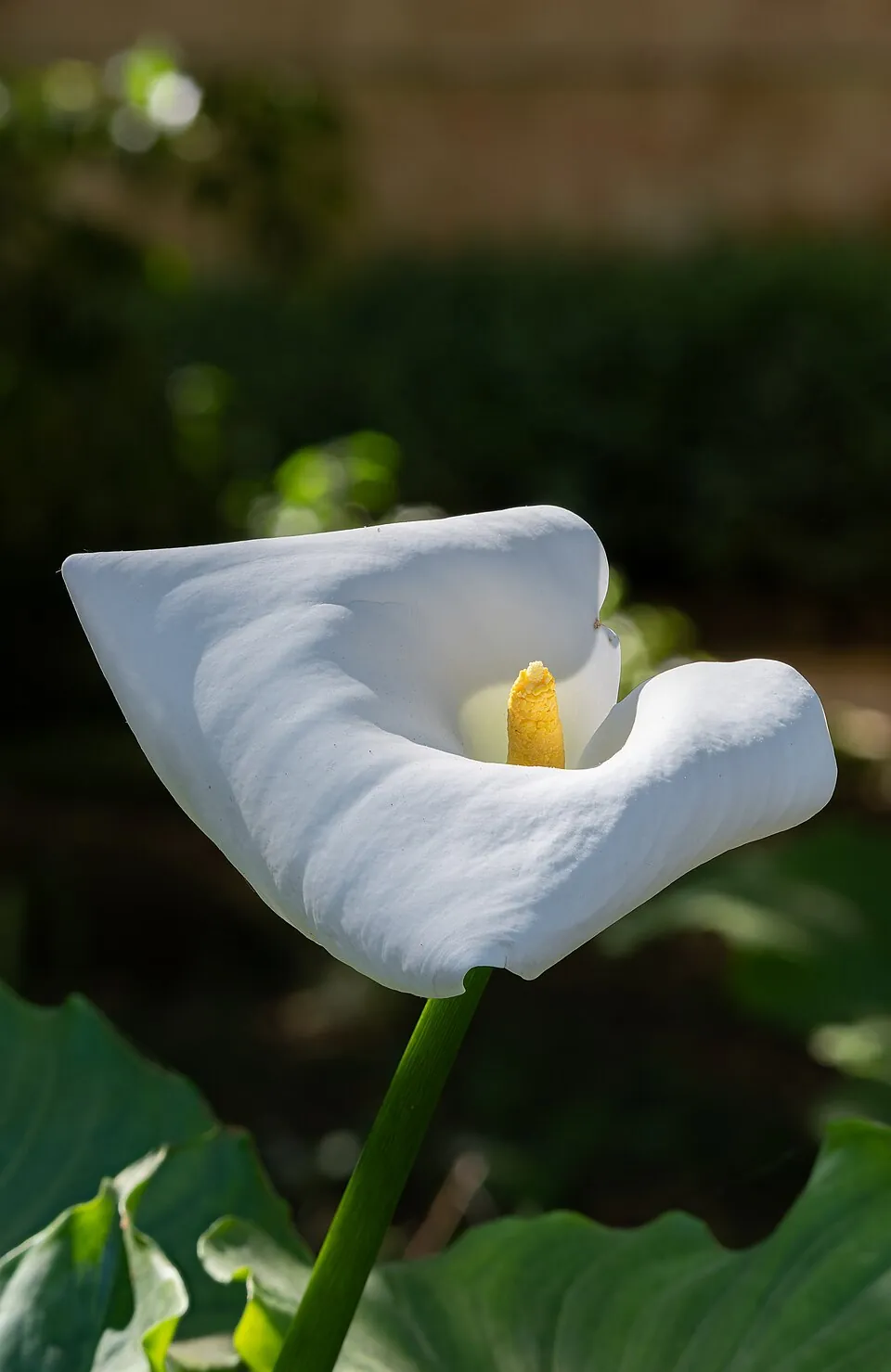
The ASPCA lists calla lilies as toxic to dogs. Their calcium oxalate crystals cause intense mouth pain, drooling, and vomiting, but the severity is usually low — call your vet, and get emergency help if your dog cannot swallow or breathe.
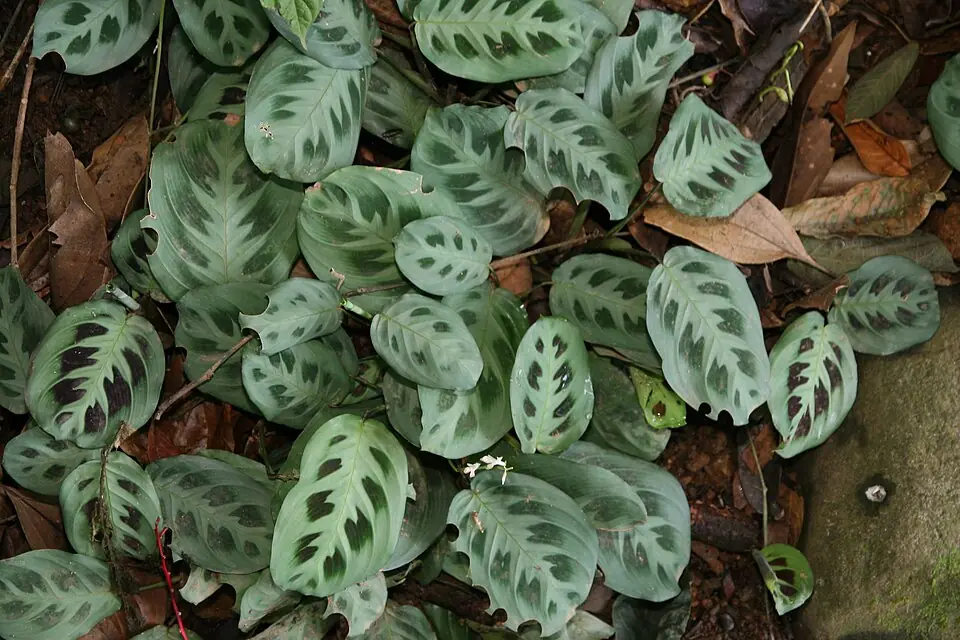
The ASPCA lists prayer plants as non-toxic to dogs, cats, and horses. A dog that eats a large amount of leaves may still get mild vomiting or diarrhea from the plant material, but the plant itself will not poison your dog.
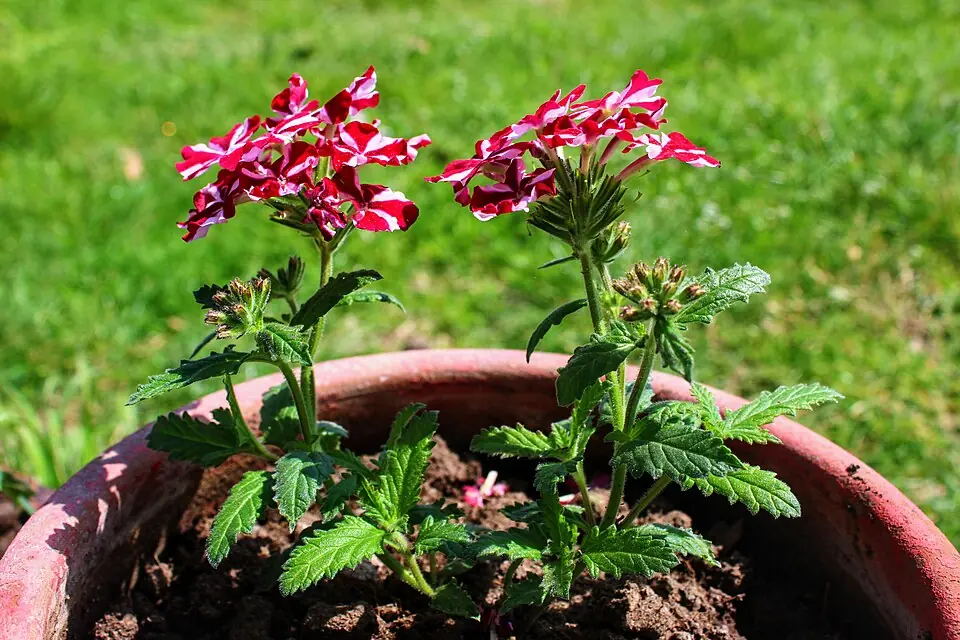
Garden verbena (Verbena x hybrida) is generally described as non-toxic to dogs, but the ASPCA has no entry for it, so its safety is unconfirmed. Lemon verbena and lantana (shrub verbena) are both listed as toxic by the ASPCA, so always check the scientific name first.
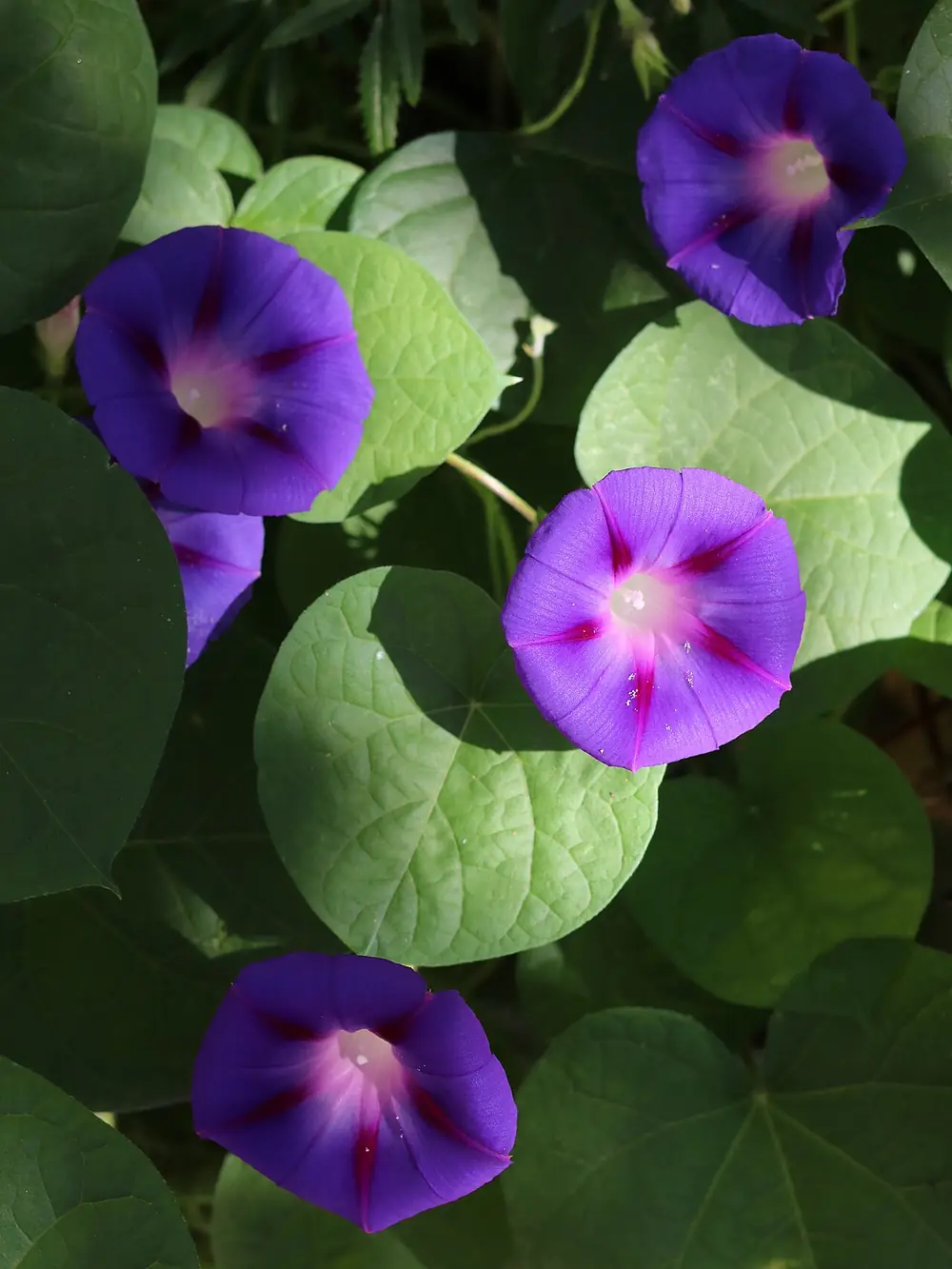
The ASPCA lists morning glory (Ipomoea spp.) as toxic to dogs. The seeds are the main risk: they contain indole alkaloids that can cause vomiting and, in large amounts, hallucinations. Leaves and flowers usually cause only stomach upset.
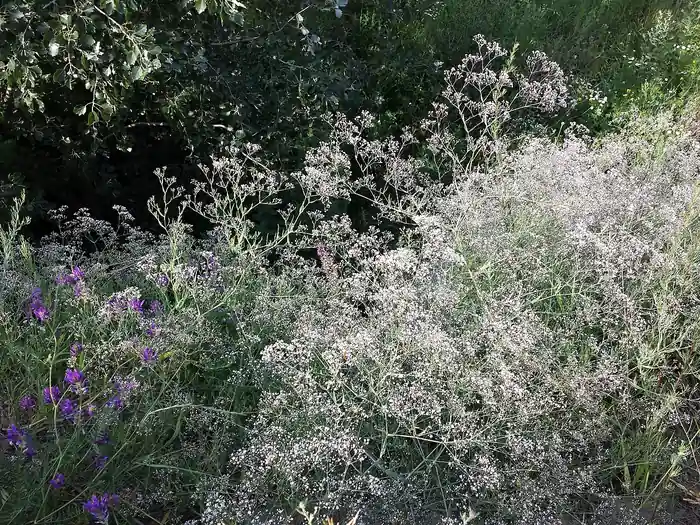
The ASPCA lists baby's breath (Gypsophila species) as non-toxic to dogs, cats, and horses. Eating it can cause mild vomiting or diarrhea, but it is not expected to poison a dog.
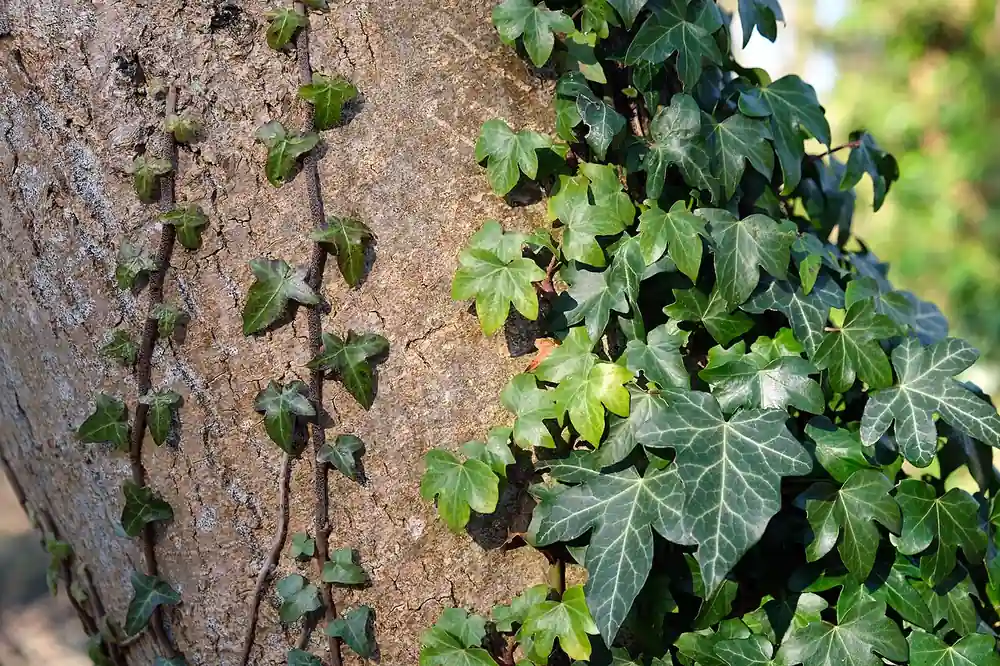
The ASPCA lists English ivy as toxic to dogs. Its leaves contain triterpenoid saponins that cause vomiting, abdominal pain, drooling, and diarrhea. Pet Poison Helpline rates the toxicity as mild, but any dog that eats it should be checked by a veterinarian.
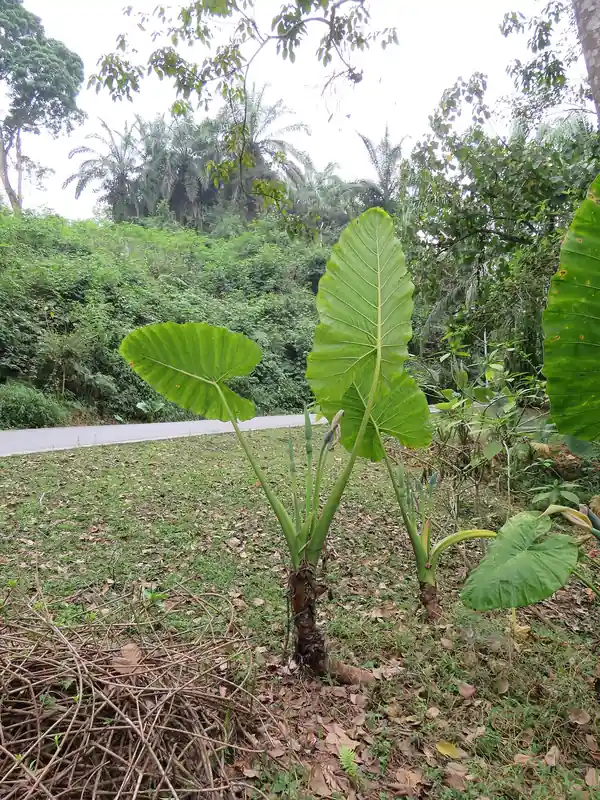
Elephant ears are toxic to dogs. They contain insoluble calcium oxalate crystals that cause intense mouth pain, heavy drooling, swelling, and difficulty swallowing — a more serious plant than the mild garden flowers.
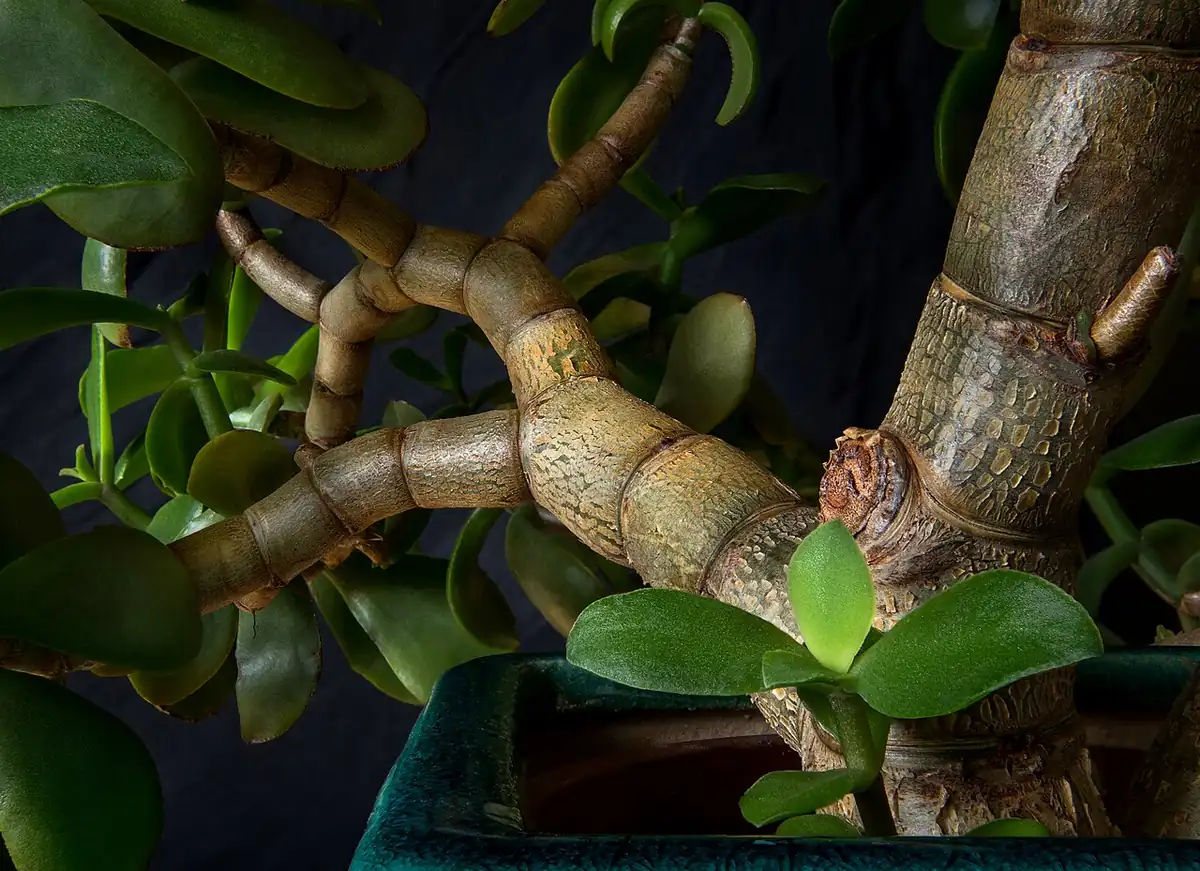
The ASPCA lists jade plants (Crassula ovata) as toxic to dogs, causing vomiting, depression, and incoordination. The exact toxin is unknown and most cases are mild, but any ingestion deserves a call to your vet.
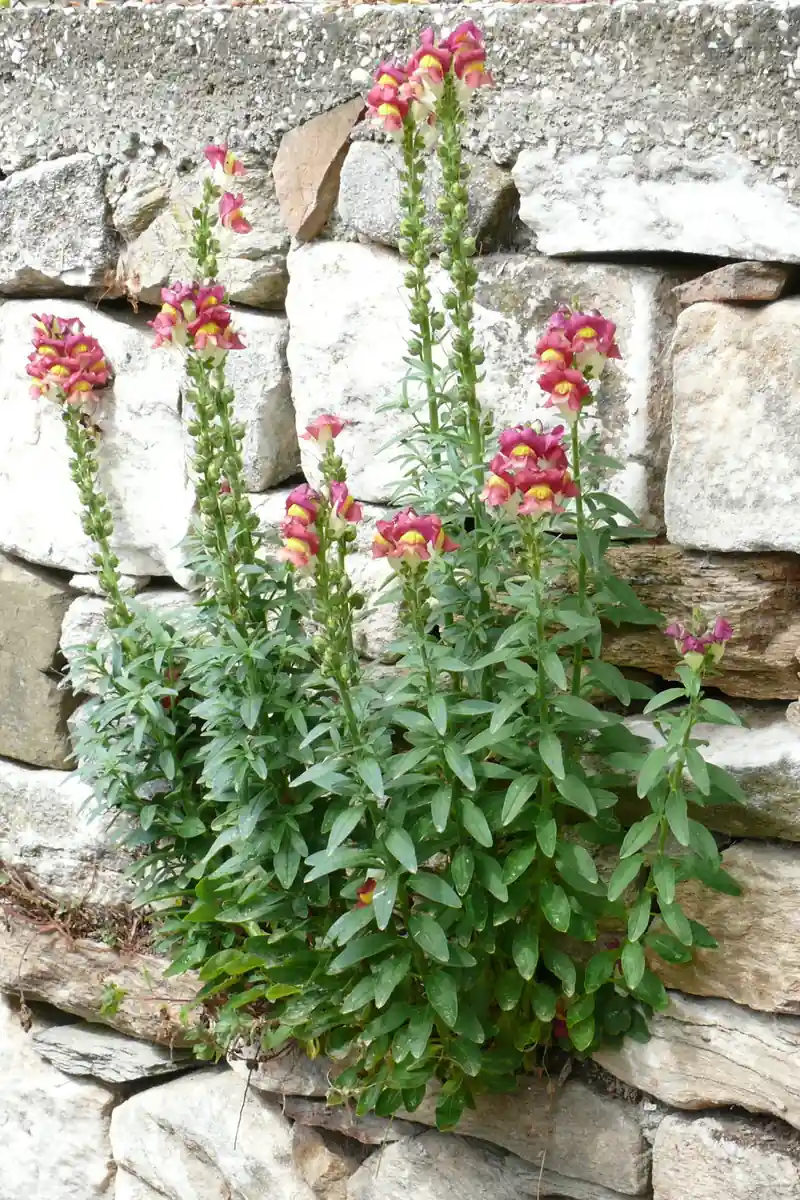
Snapdragons are non-toxic to dogs. The ASPCA lists common snapdragon as non-toxic to dogs, cats, and horses — there is no poison in the plant, though eating a lot of any plant can upset a stomach.
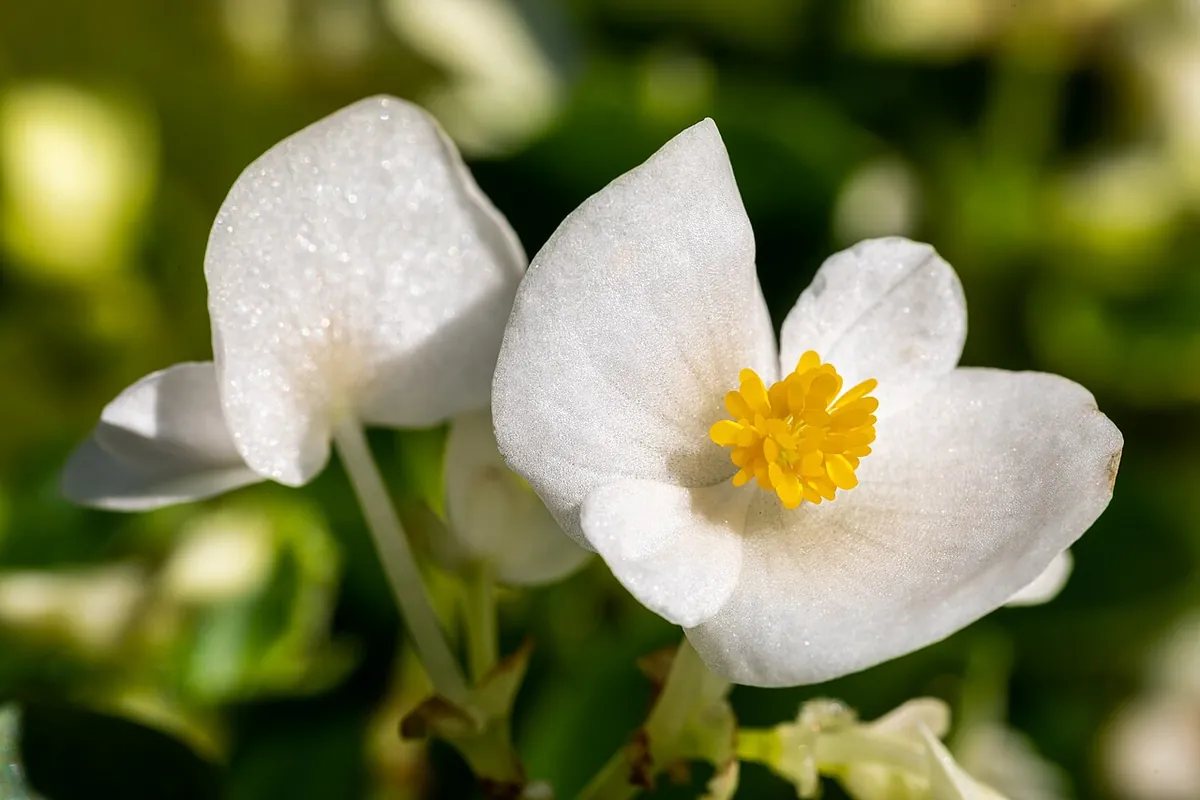
Begonias are toxic to dogs, usually causing vomiting and drooling. Most cases are mild, but the underground tubers and roots are the most toxic part. If your dog eats a begonia, especially a tuber, call your vet.
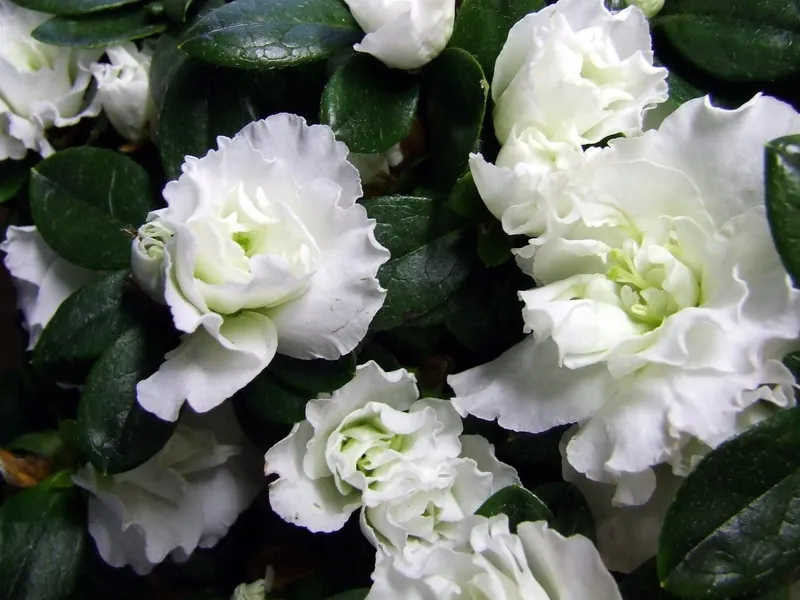
The ASPCA lists azaleas (Rhododendron spp.) as toxic to dogs, cats, and horses. Every part of the plant contains grayanotoxins, and even a few leaves can cause vomiting, weakness, and dangerous heart effects.
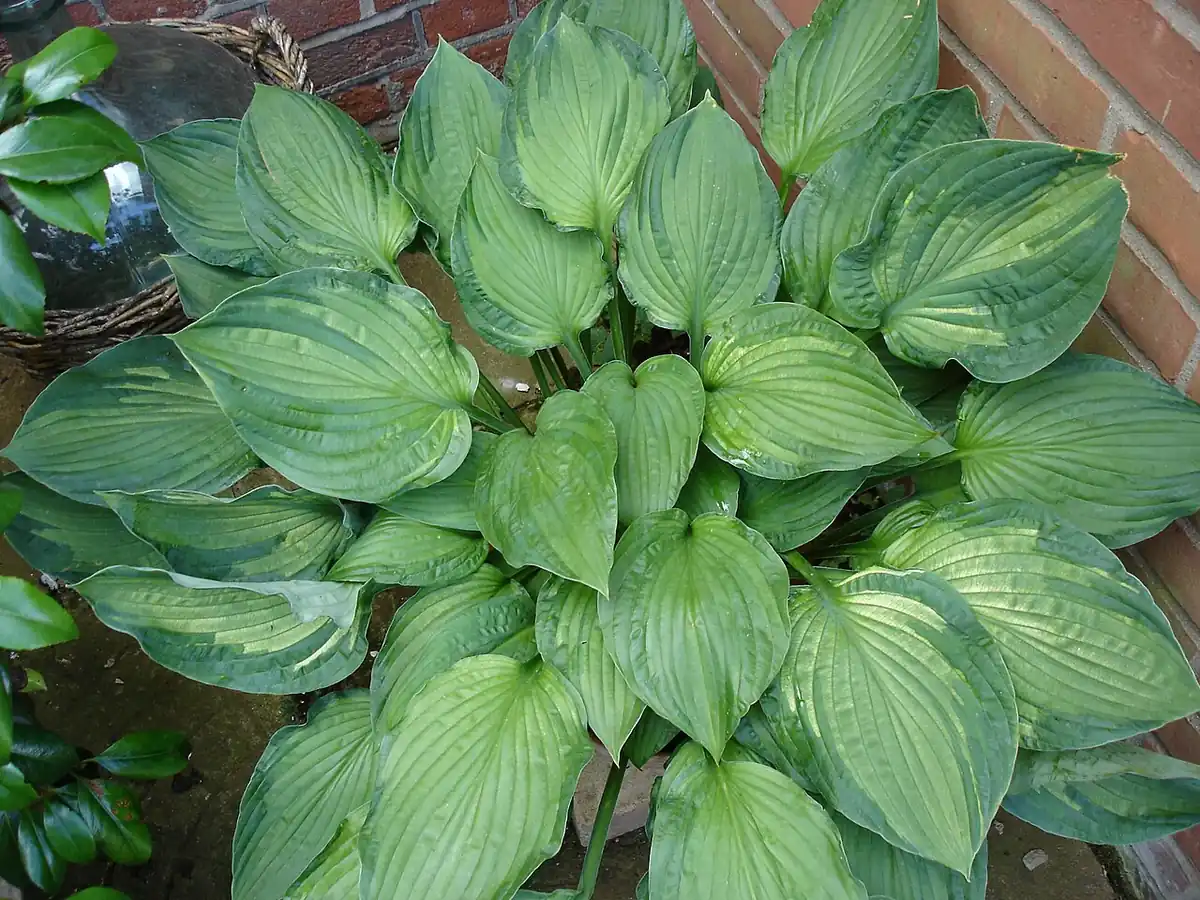
The ASPCA lists hosta as toxic to dogs, cats, and horses. Its saponins cause vomiting, diarrhea, and lethargy. Most cases are mild, but a dog that eats a large amount needs veterinary advice.
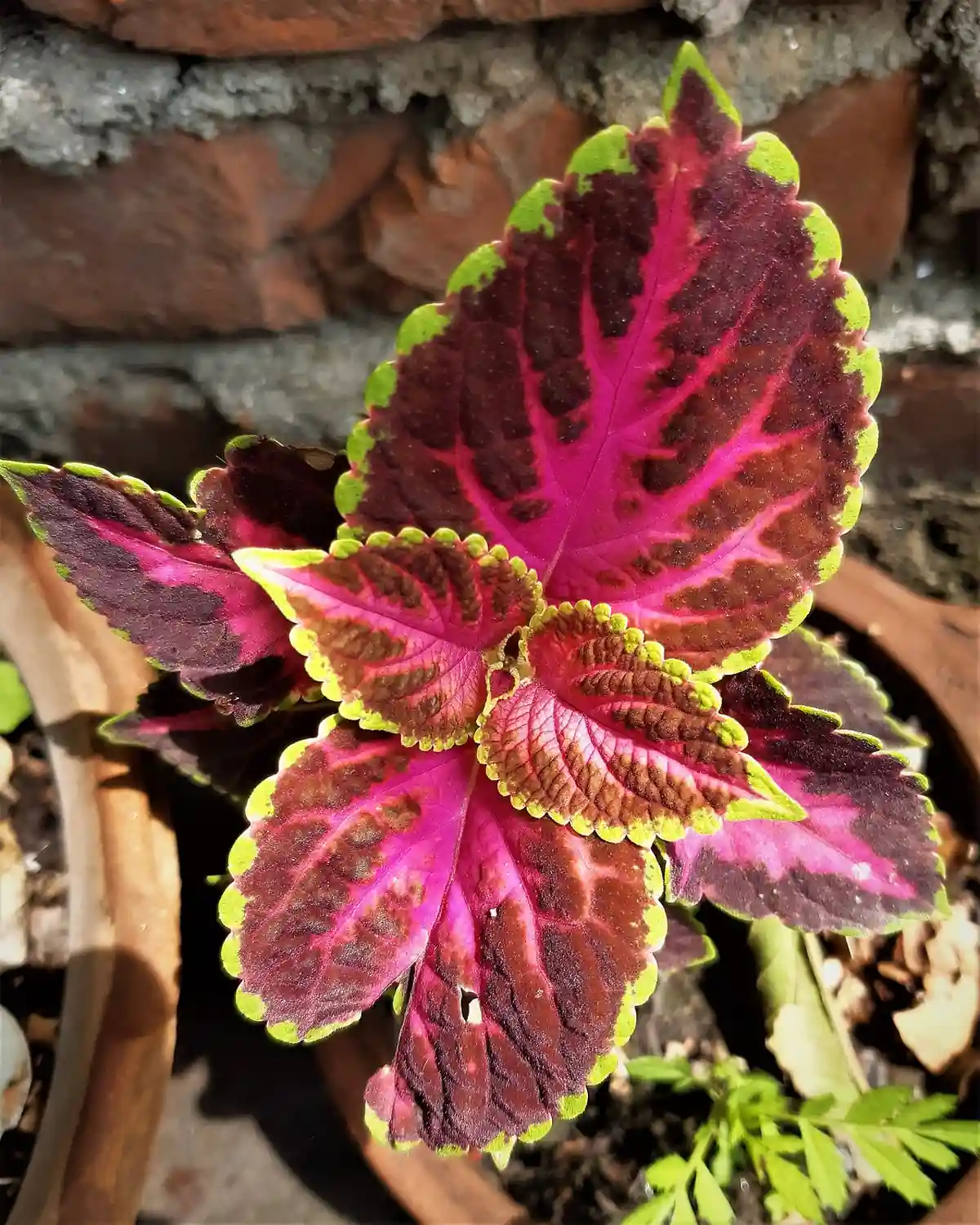
Coleus is toxic to dogs, usually causing vomiting, diarrhea, and loss of appetite. It is rarely fatal, but bloody diarrhea or vomiting can occasionally occur. If your dog eats coleus, call your vet.
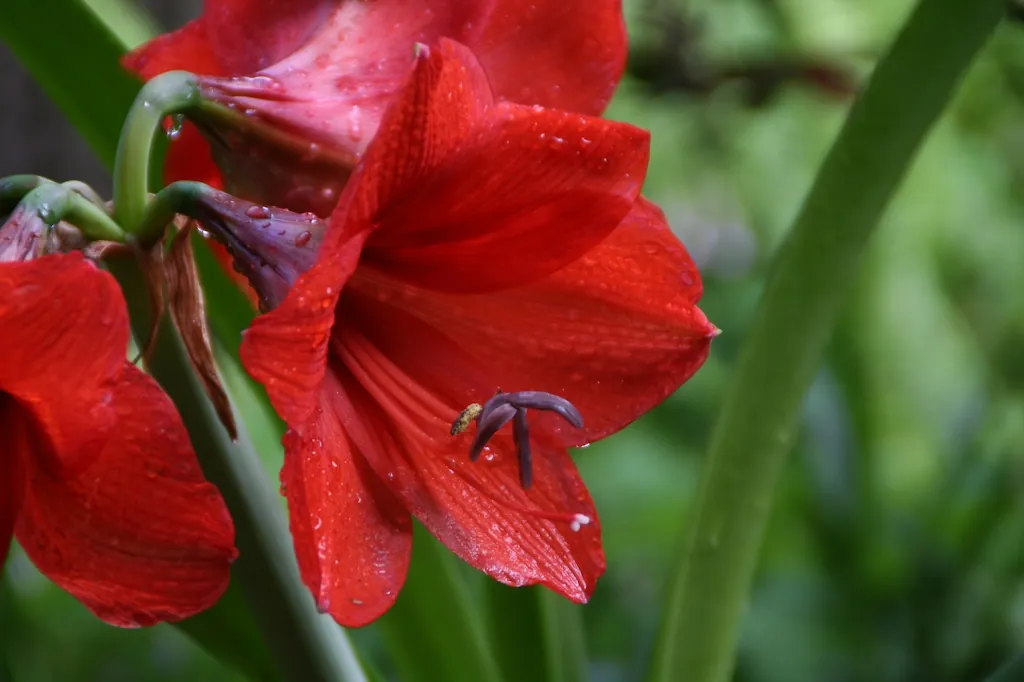
Amaryllis is toxic to dogs. The ASPCA lists it as toxic, with lycorine as the poison, and the bulb is the most dangerous part. A leaf nibble may cause only vomiting, but eating a bulb can cause tremors, low blood pressure, and breathing trouble.
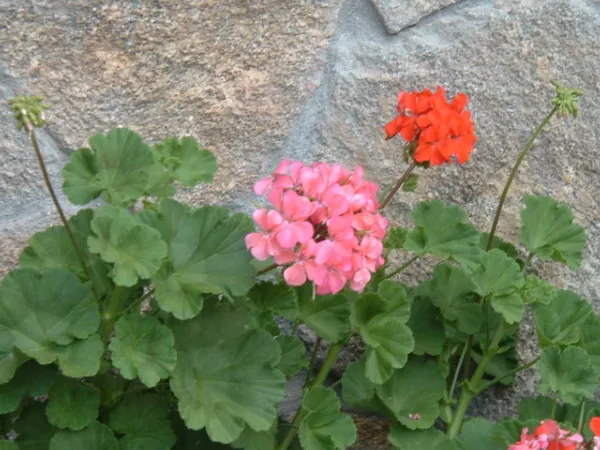
The ASPCA lists garden geraniums (Pelargonium species) as toxic to dogs. Most dogs get only mild stomach upset, but larger amounts can cause wobbliness, weakness, and low body temperature.
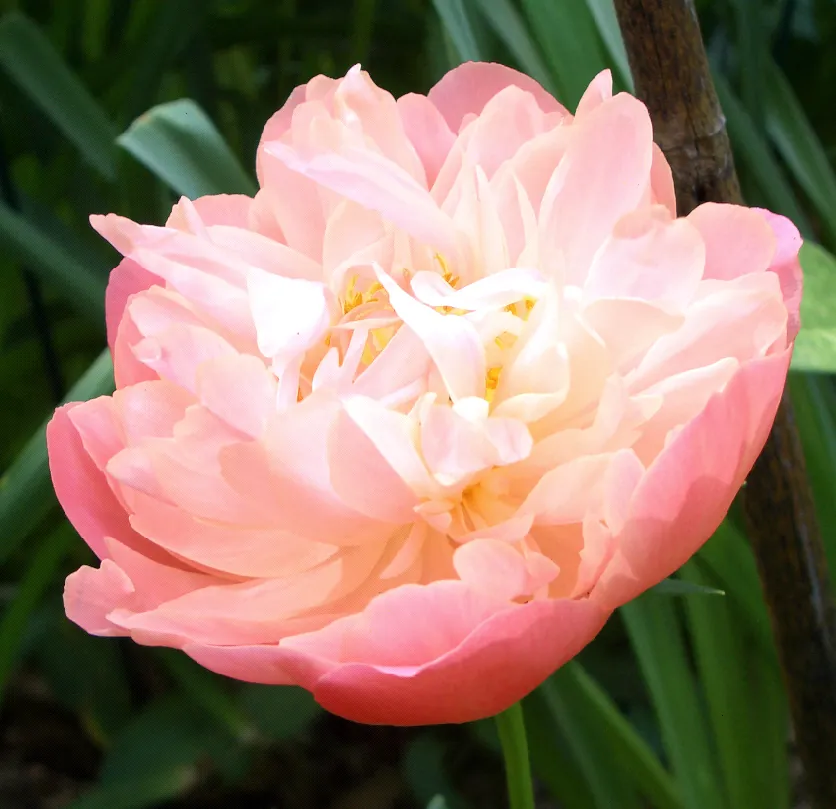
Peonies are mildly toxic to dogs. The ASPCA lists peony as toxic, with vomiting, diarrhea, and depression as the expected effects — not organ damage.
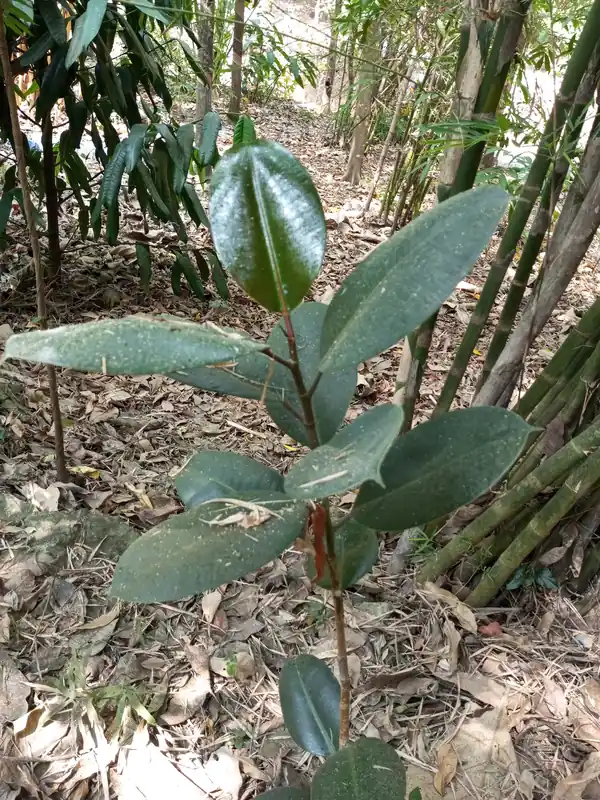
The rubber plant (Ficus elastica) is toxic to dogs and cats. Its milky white sap contains ficin and ficusin, which irritate the mouth, stomach, and skin. Chewing a leaf usually causes drooling and vomiting, and is rarely life-threatening, but it still needs a call to your veterinarian.
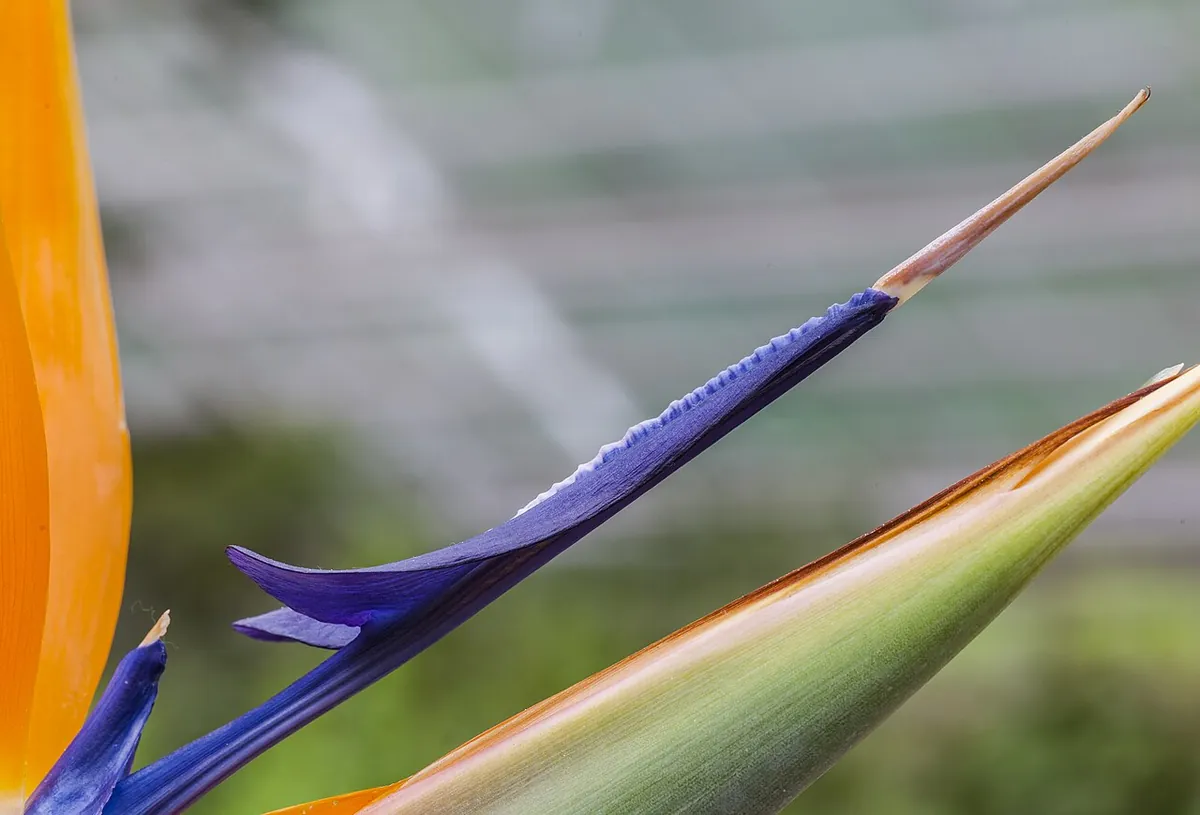
The ASPCA lists bird of paradise flower (Strelitzia reginae) as toxic to dogs, cats, and horses. The signs are usually mild — nausea, vomiting, and drowsiness, mainly from the fruit and seeds. The shrub sold under the same name is more toxic.
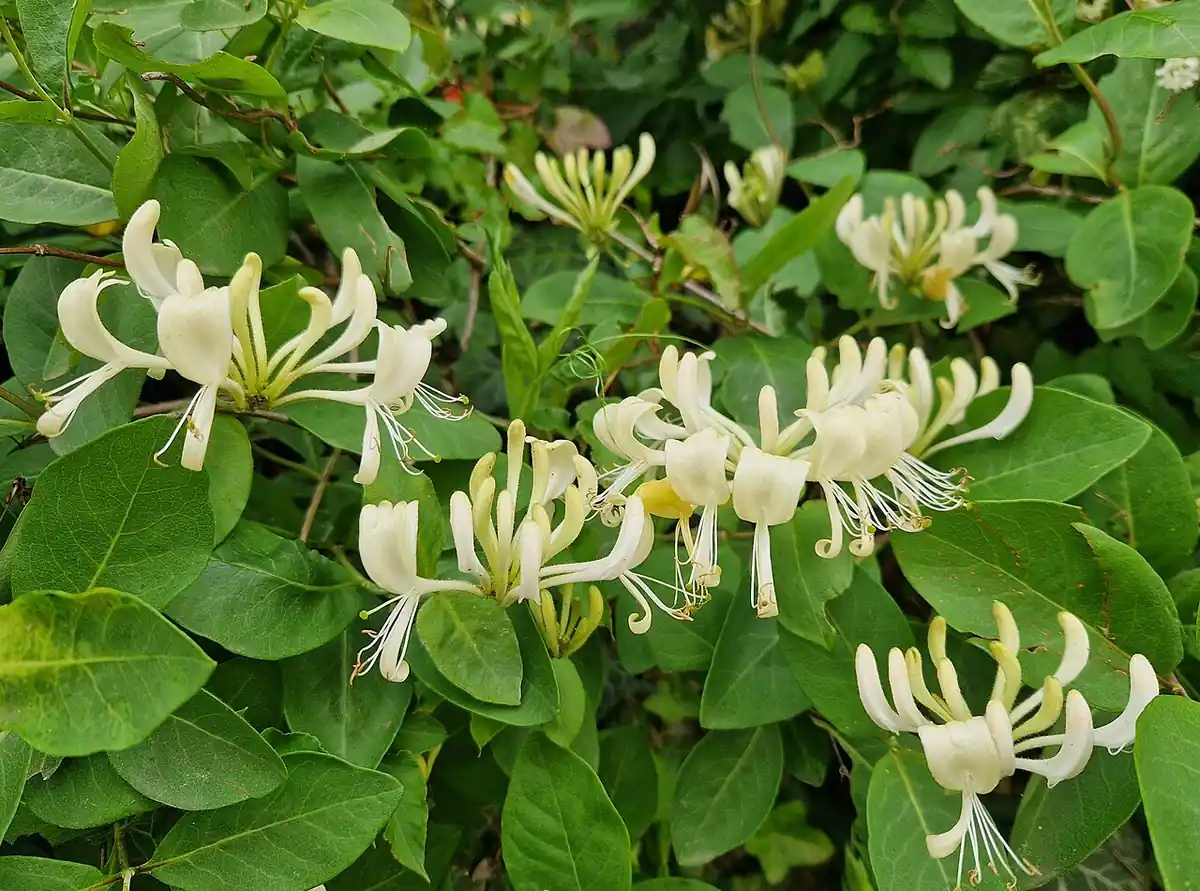
True honeysuckle is not on the ASPCA's toxic plant list, and coral honeysuckle is low-risk. But the berries of Japanese, European, and bush honeysuckles are mildly toxic and can cause vomiting and diarrhea in quantity, so keep your dog from eating the berries.
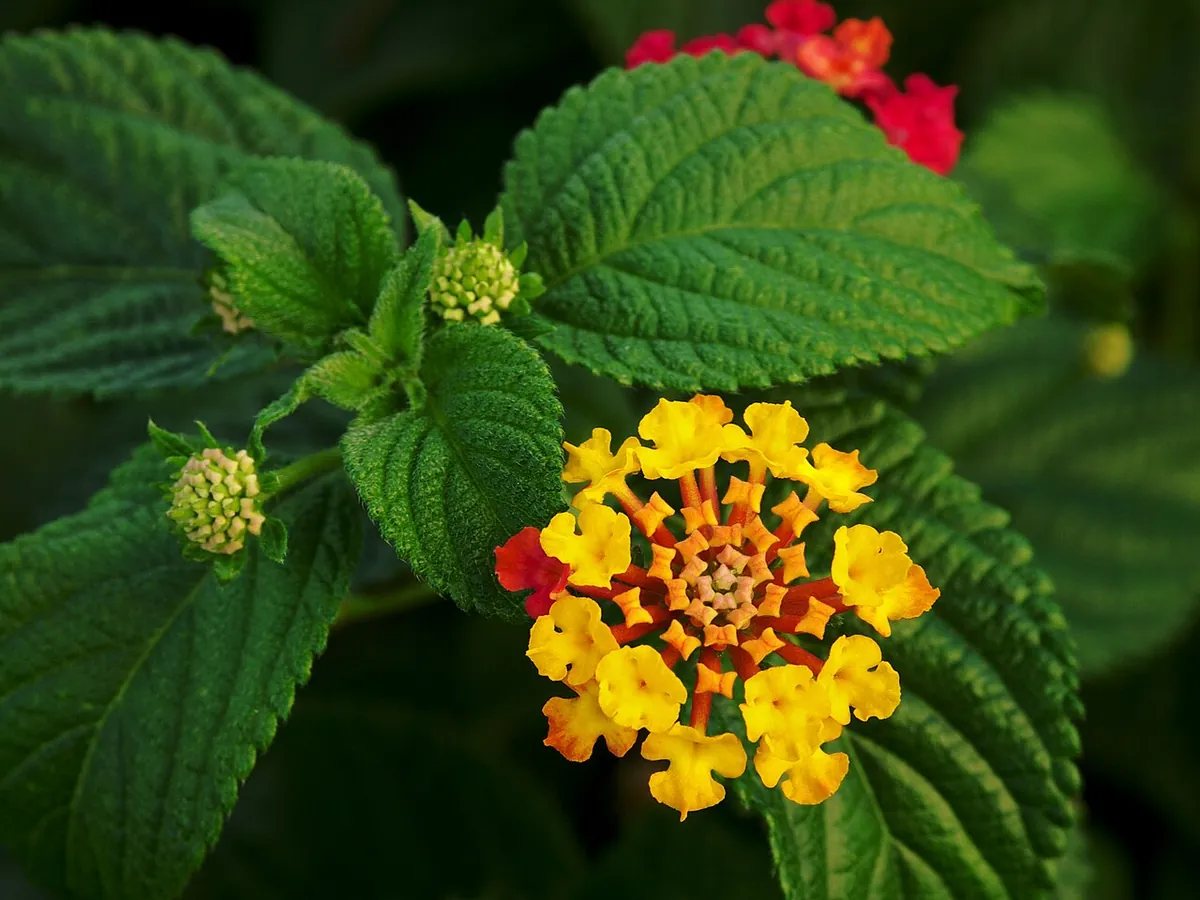
Lantana (Lantana camara) is toxic to dogs, cats, and horses, according to the ASPCA. Its lantadene compounds cause vomiting and diarrhea, and large amounts can damage the liver and make the skin painfully sensitive to sunlight. The berries are the most toxic part. If your dog eats any part of a lantana plant, call your vet.
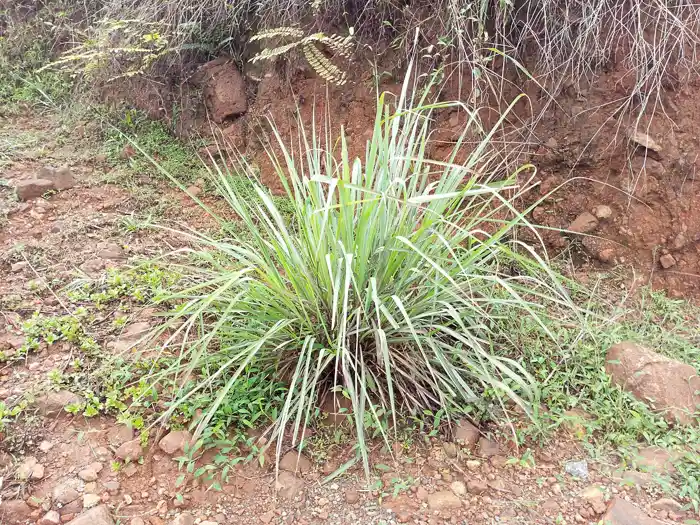
The ASPCA lists lemongrass as toxic to dogs. Eating the plant usually causes only mild stomach upset, but concentrated lemongrass essential oil is a much bigger risk — PetMD lists it among the oils dogs should avoid — and it should never be swallowed or put on your dog.
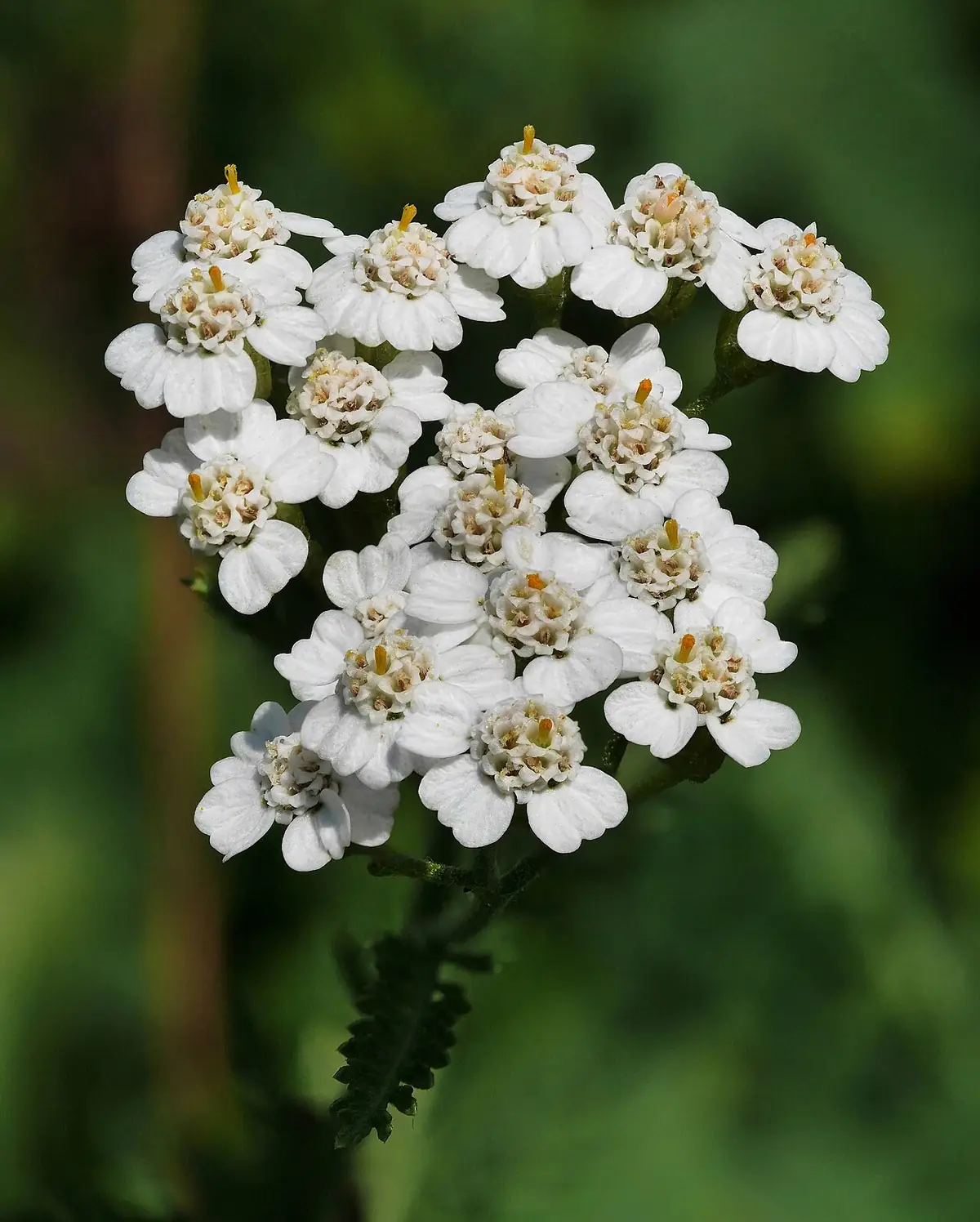
The ASPCA lists yarrow as toxic to dogs. Eating it usually causes vomiting, diarrhea, drooling, and loss of appetite, and there is no established safe amount, so keep yarrow out of your dog's reach.
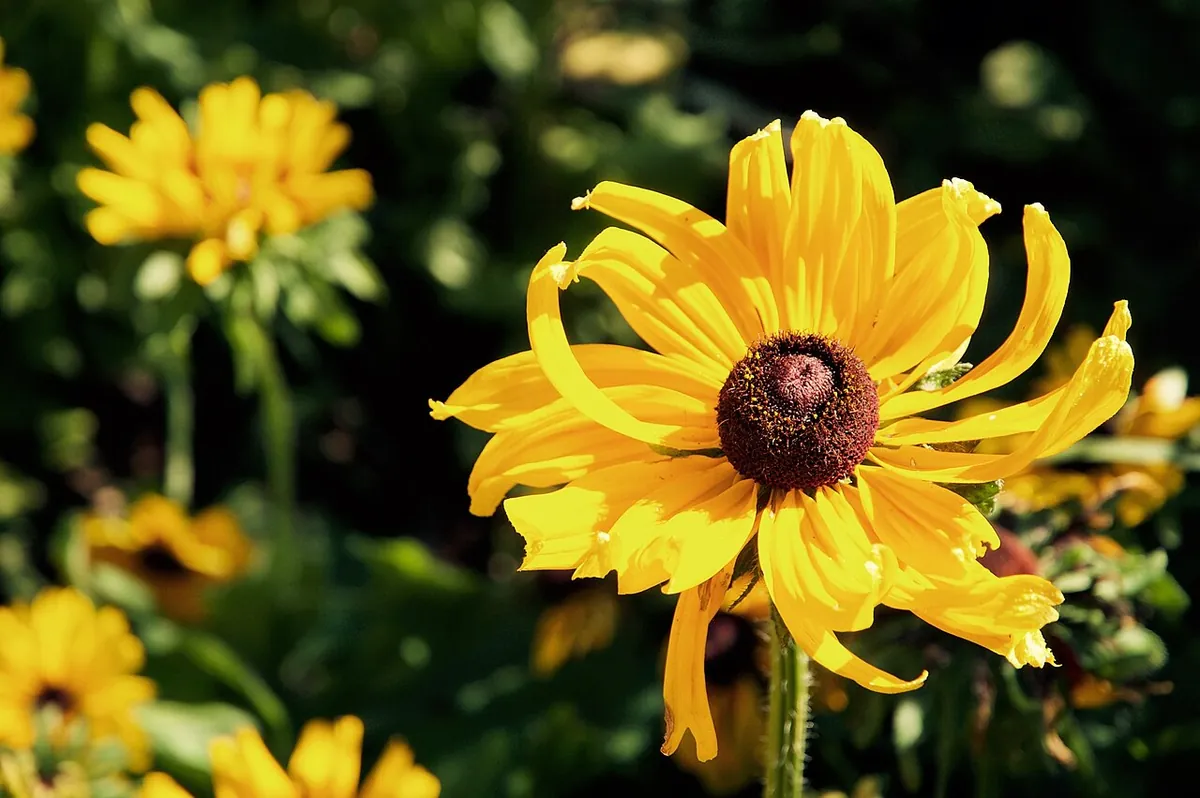
Black-eyed Susans are not toxic to dogs. Rudbeckia hirta is not on the ASPCA's toxic plant list, no toxic principle has been documented, and Pet Poison Helpline groups it with plants not likely to cause severe symptoms. A large eating may still cause stomach upset, and the bristly leaves can irritate the mouth and skin.
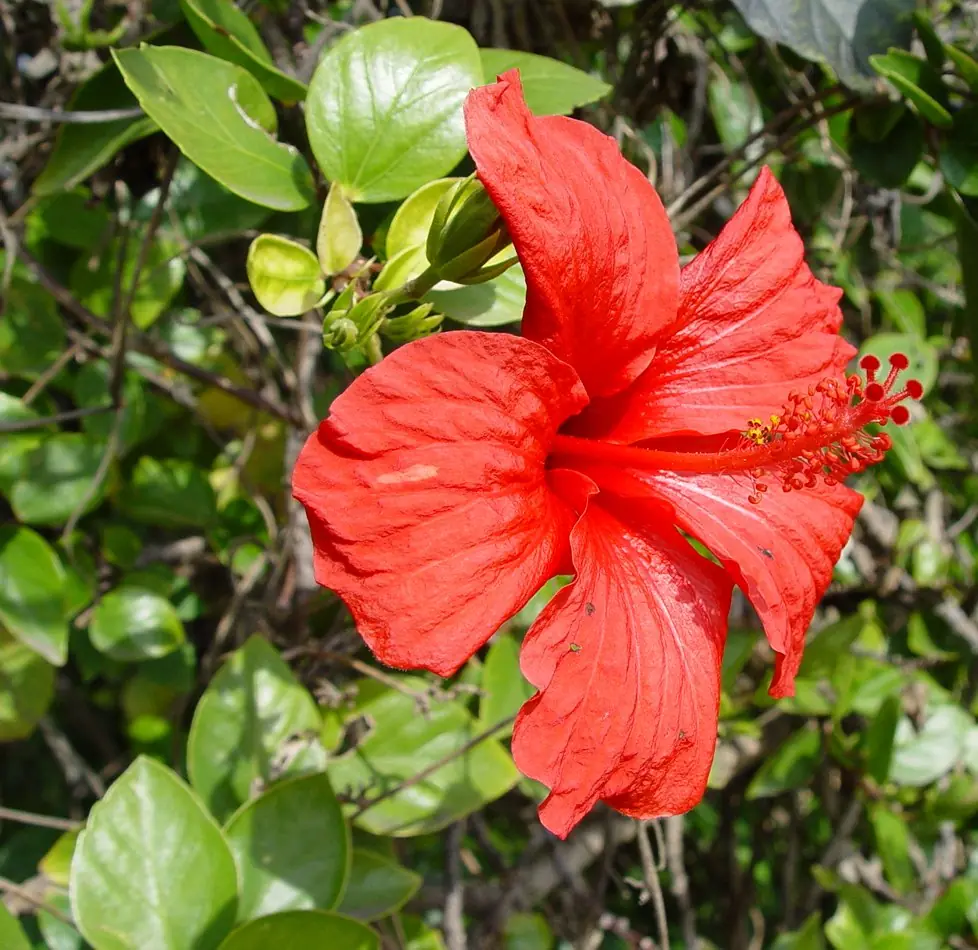
The ASPCA lists hibiscus (Hibiscus syriacus) as non-toxic to dogs, cats, and horses, and veterinary toxicology databases list tropical hibiscus (Hibiscus rosa-sinensis) the same way. A dog that nibbles a flower is not expected to be poisoned, though eating plant material can still cause mild stomach upset.
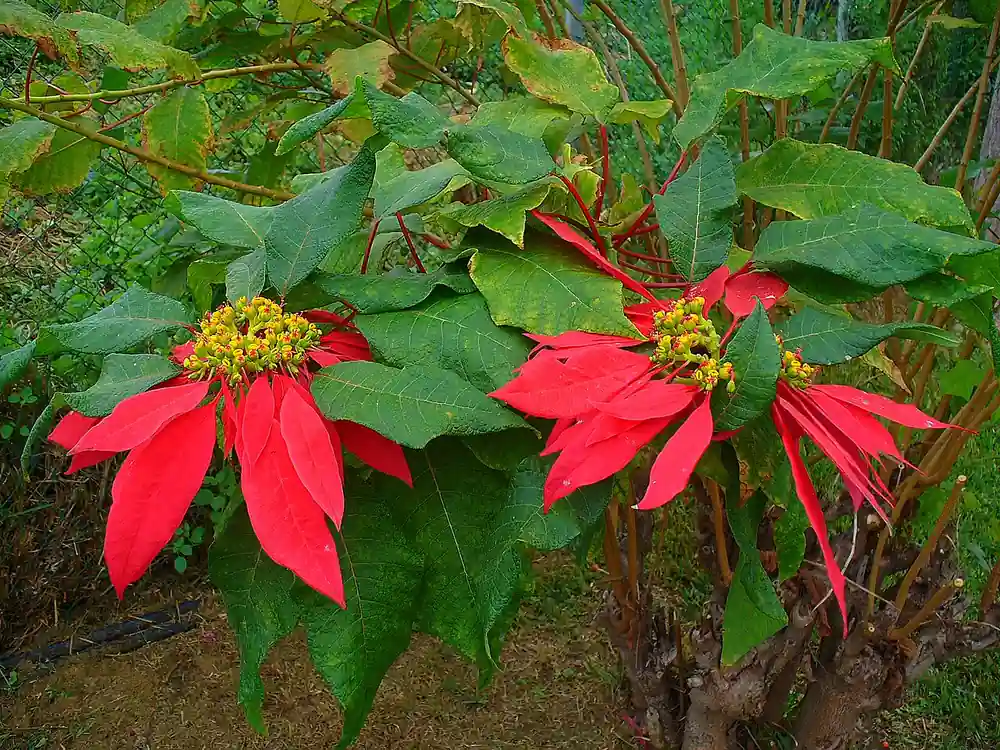
The ASPCA lists poinsettias as toxic to dogs, but calls them "generally over-rated in toxicity." The milky sap irritates the mouth and stomach and can cause drooling or vomiting, but serious poisoning is not expected.
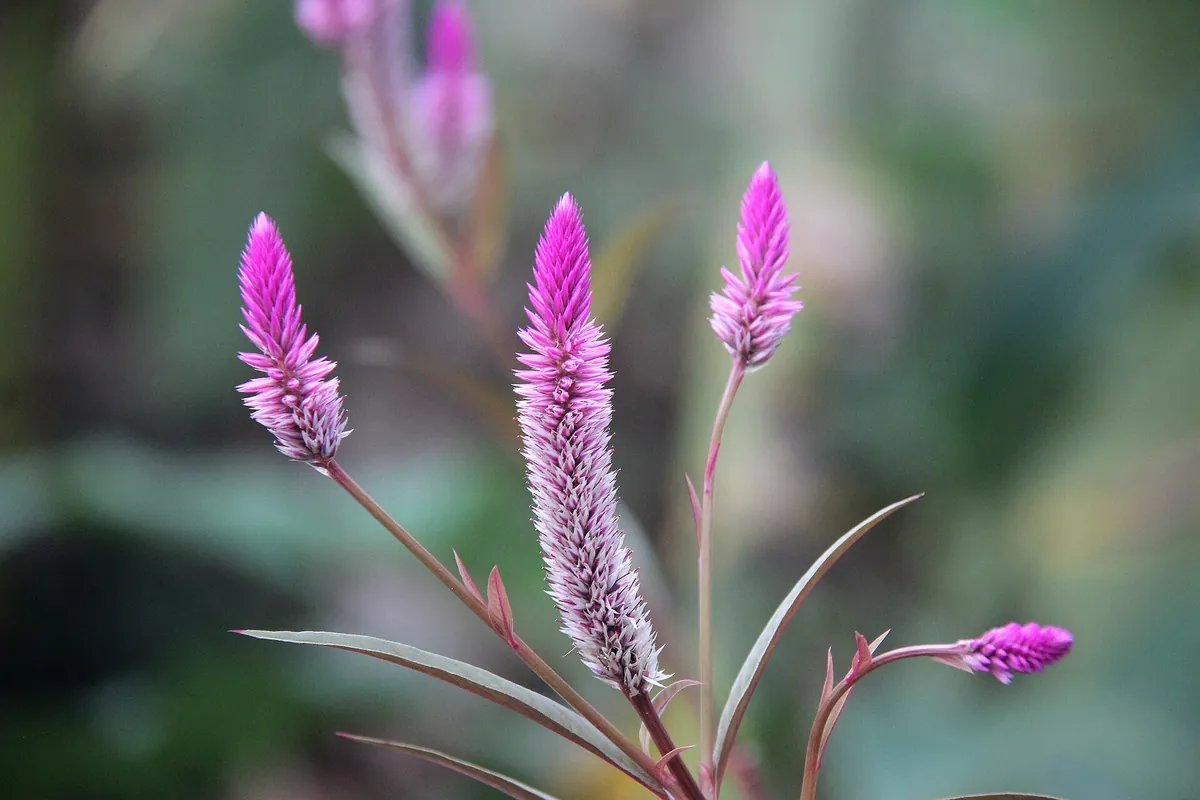
The ASPCA lists celosia as non-toxic to dogs, cats, and horses. A dog that nibbles the leaves or flowers is not being poisoned, though eating a large amount of any plant can still cause a mild stomach upset.
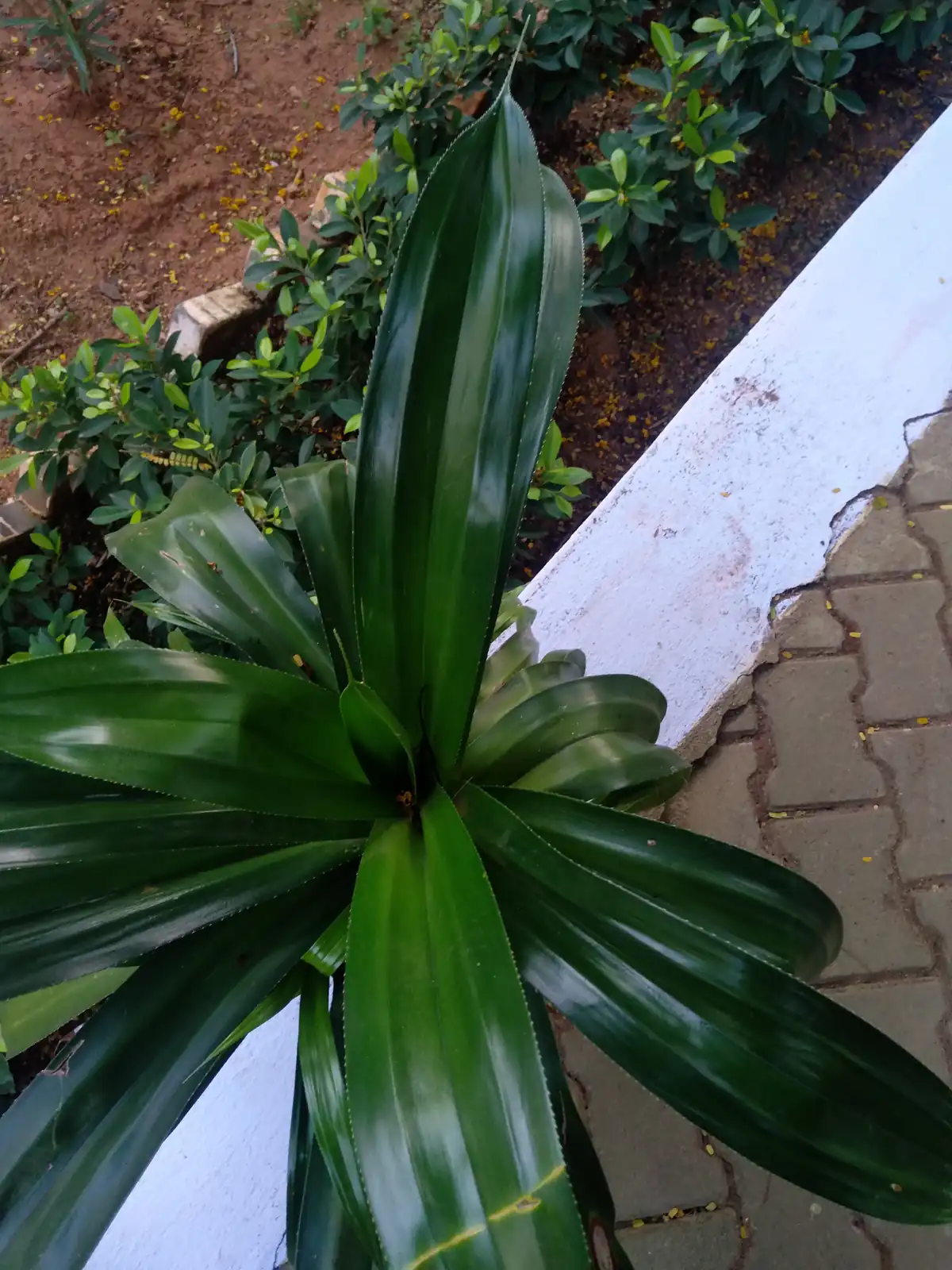
The ASPCA lists dracaena as toxic to dogs, cats, and horses, and names saponins as the toxic principle. Eating the leaves usually causes vomiting, drooling, and loss of appetite, and is rarely life-threatening, but it still needs a call to your veterinarian.
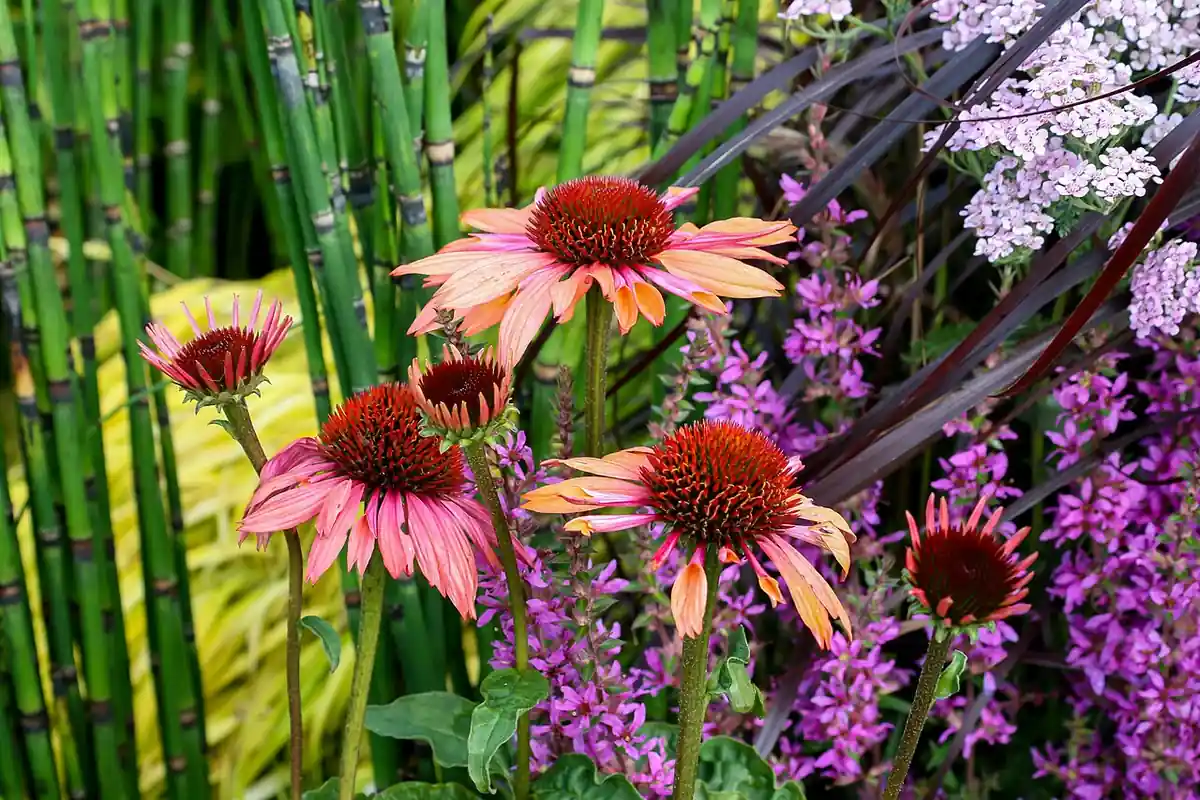
Coneflowers are not toxic to dogs. Purple coneflower (Echinacea purpurea) is not on the ASPCA toxic plant list, no toxic principle has been documented, and no dog has been reported falling severely ill from eating it. A large eating may still cause mild stomach upset, and the spiny seed heads can irritate the mouth. Echinacea supplements are a separate, vet-decision question.
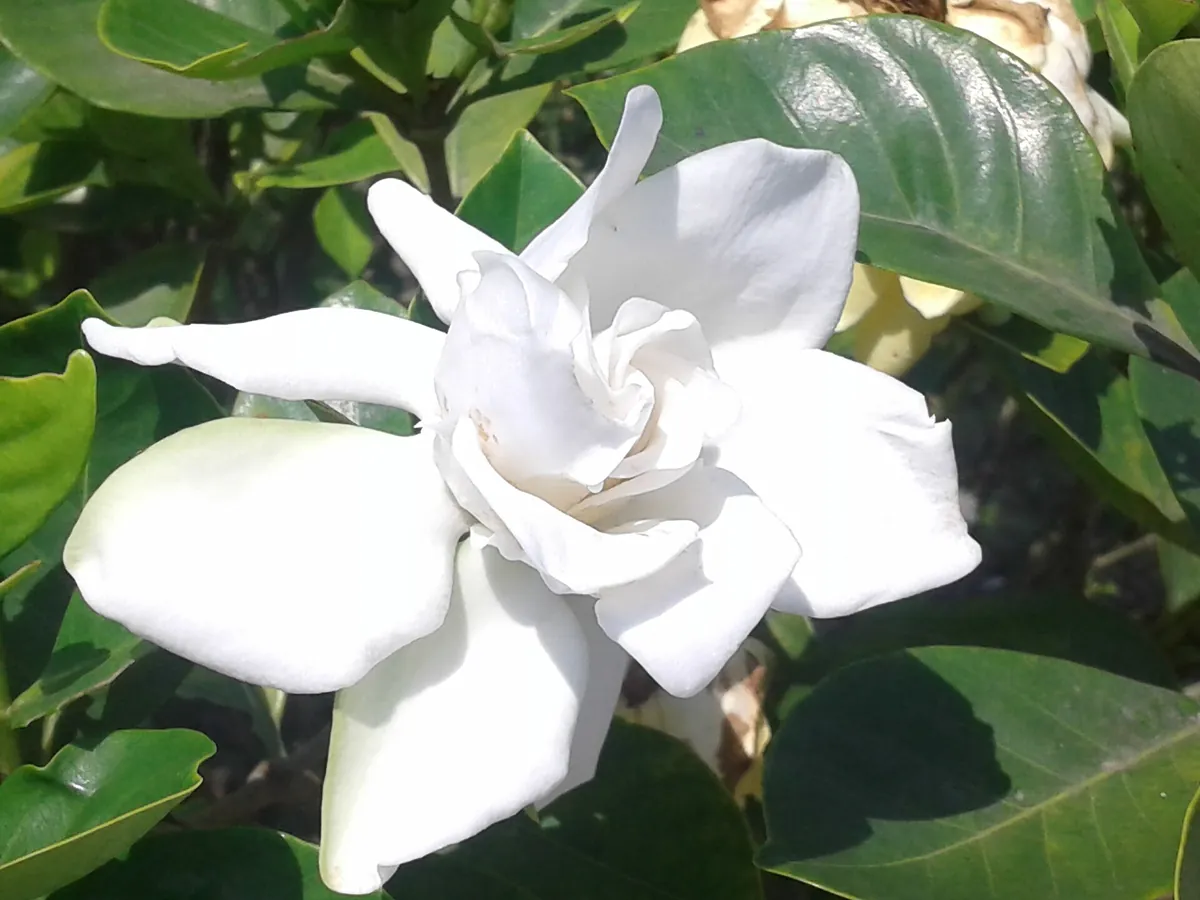
The ASPCA lists gardenia as toxic to dogs, cats, and horses. Its compounds, geniposide and gardenoside, usually cause only mild vomiting, diarrhea, and hives, but any dog that eats gardenia should be watched and your veterinarian called.
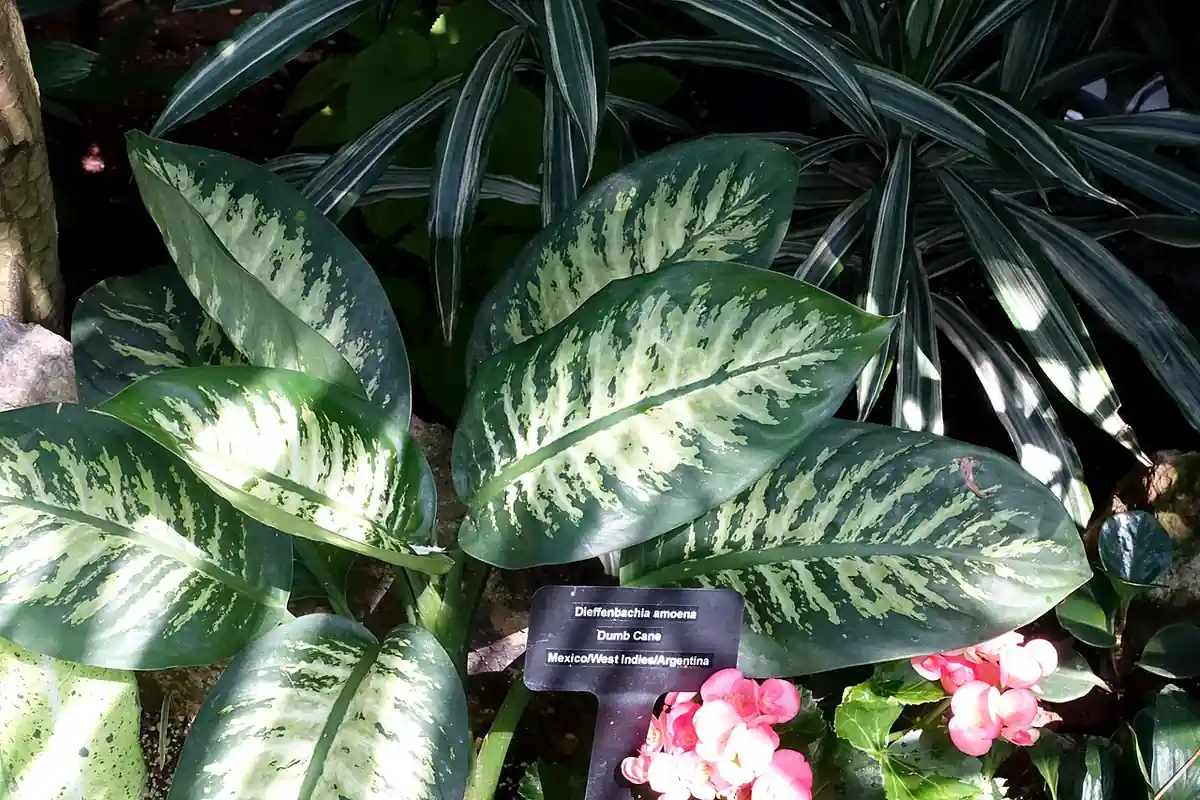
Dieffenbachia can poison dogs: chewing the leaves releases needle-like crystals and an enzyme that burn the mouth, causing drooling, swelling, and vomiting. Most exposures are mild and dogs recover fully, but throat swelling is possible, so call your vet.
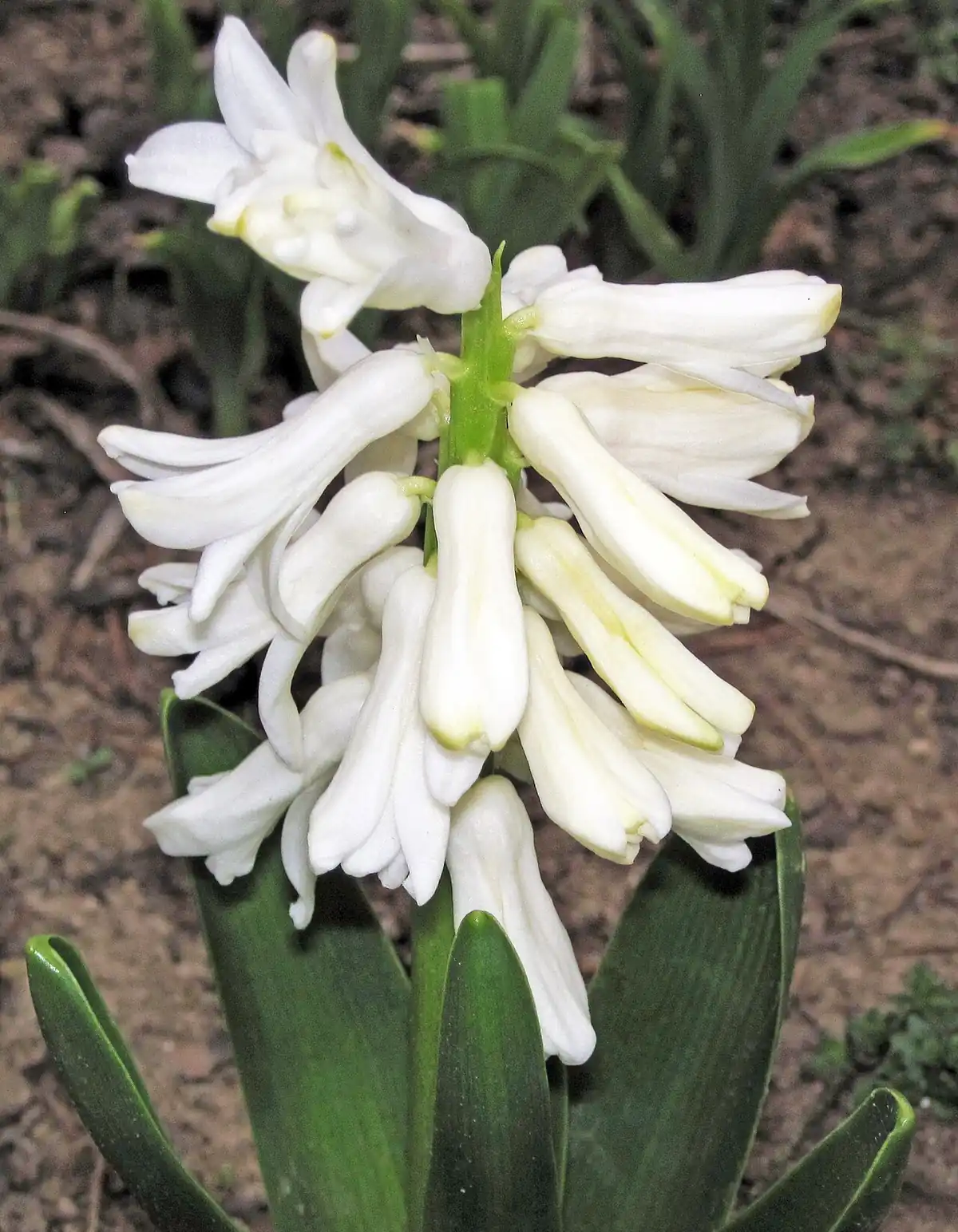
The ASPCA lists hyacinth as toxic to dogs, with possibly narcissus-like alkaloids as the toxic principle. Eating the leaves or flowers causes mild stomach upset, but eating the bulb can cause intense vomiting, diarrhea, depression, and tremors.
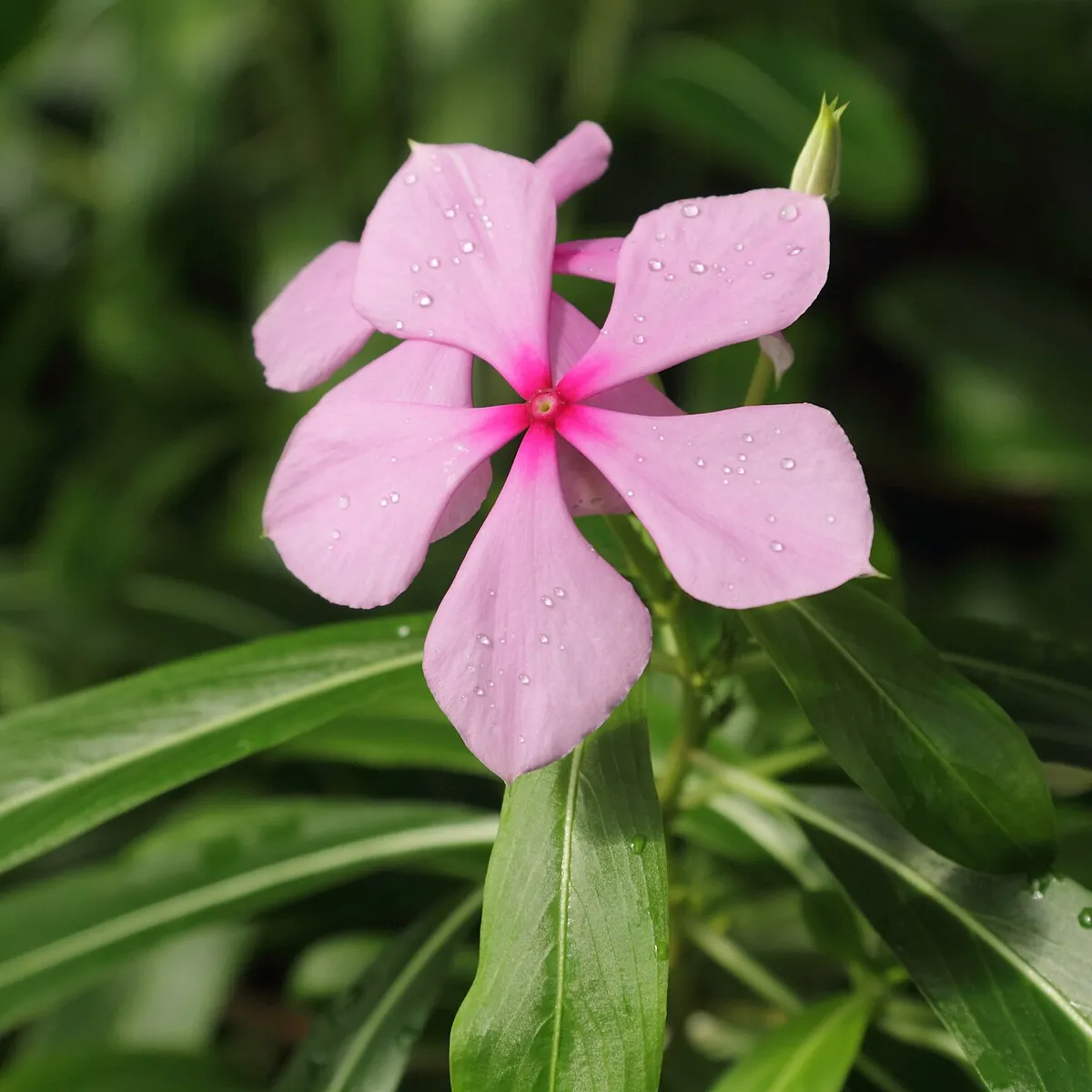
The ASPCA lists vinca as toxic to dogs. All parts of the plant contain vinca alkaloids, and eating a large amount can cause vomiting, diarrhea, low blood pressure, tremors, seizures, and in the worst cases coma or death. A single leaf of common periwinkle is unlikely to poison a dog, but no amount is known to be safe.
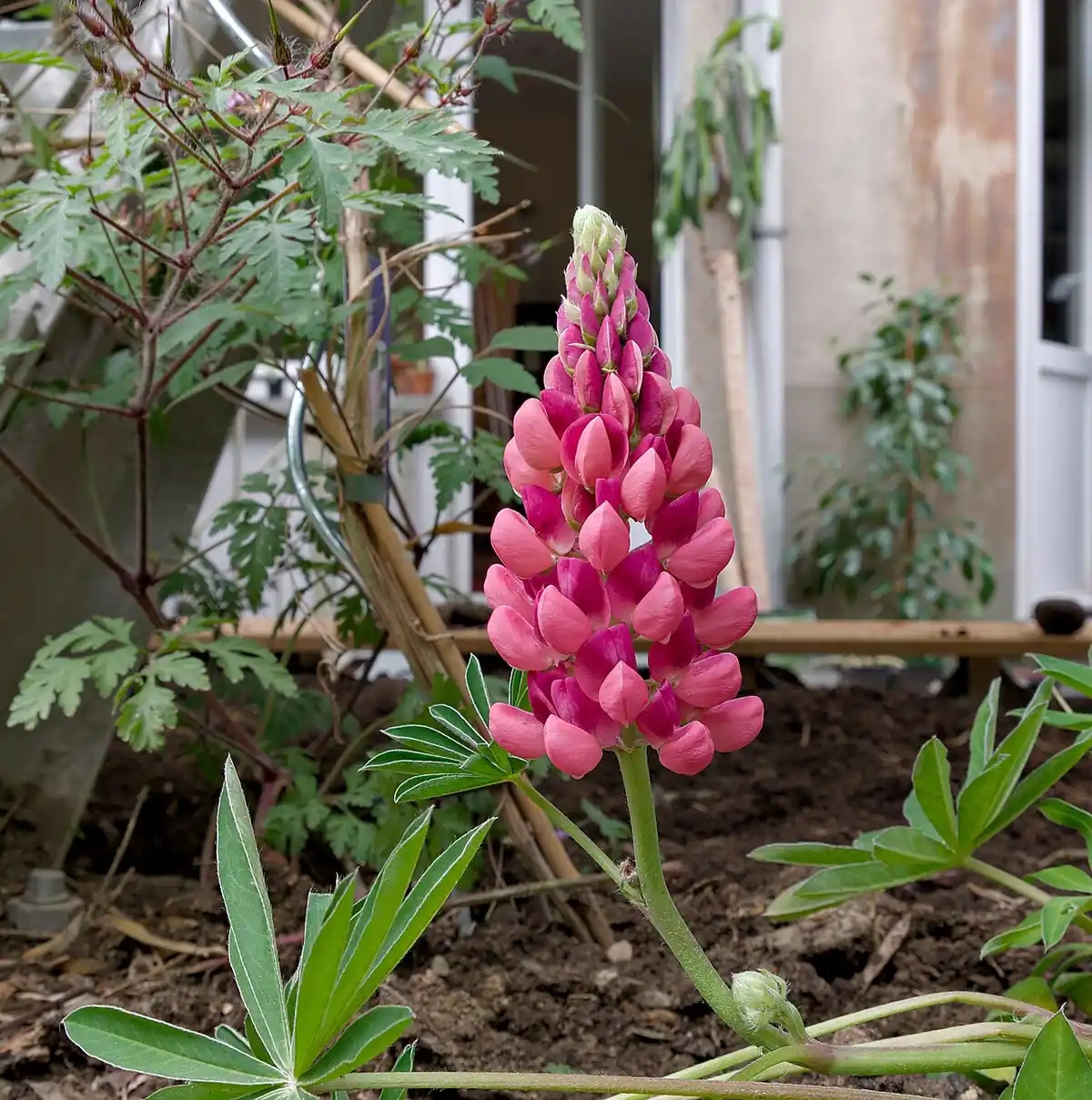
The ASPCA lists lupine as toxic to dogs. Lupines contain quinolizidine alkaloids, most concentrated in the seeds and pods. Dogs may develop mild stomach upset, while severe neurological signs are documented mainly in livestock — but there is no established safe amount for dogs and no antidote, so any dog that eats lupine should be checked by a veterinarian.
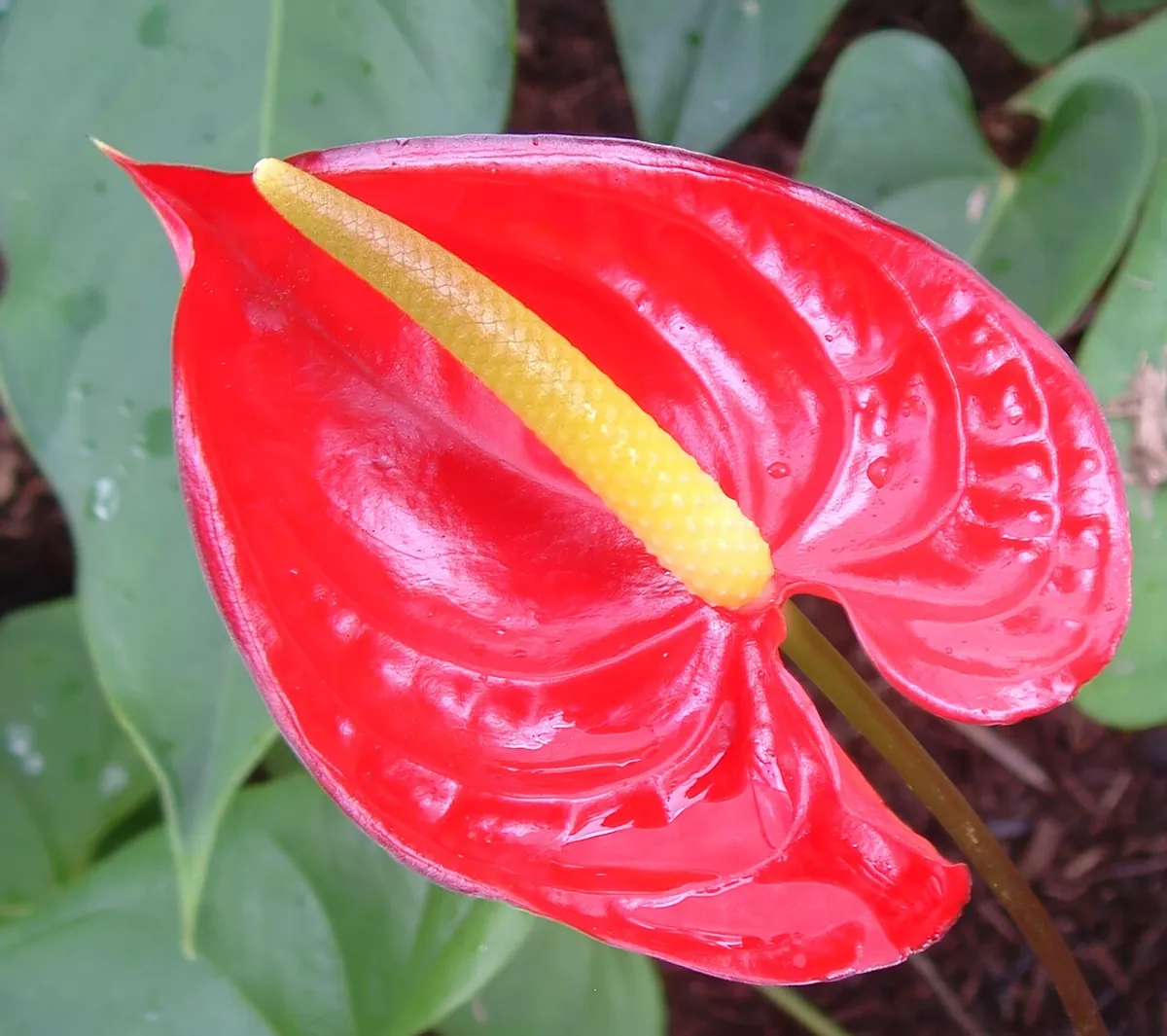
Anthurium can poison dogs: chewing the leaves or flowers releases needle-like crystals that burn the mouth, causing drooling, swelling, and vomiting. Most exposures are mild and dogs recover fully, but throat swelling is possible, so call your vet.
Not sure about something? Use the food checker for an instant verdict, or try the chocolate calculator and the onion & garlic calculator.
More items are added regularly. Every guide lists its sources — ASPCA Animal Poison Control, Merck Veterinary Manual, PetMD, and VCA Hospitals — at the bottom of the page.