Is Lavender Toxic to Dogs? What Every Owner Should Know
Yes — lavender is toxic to dogs.
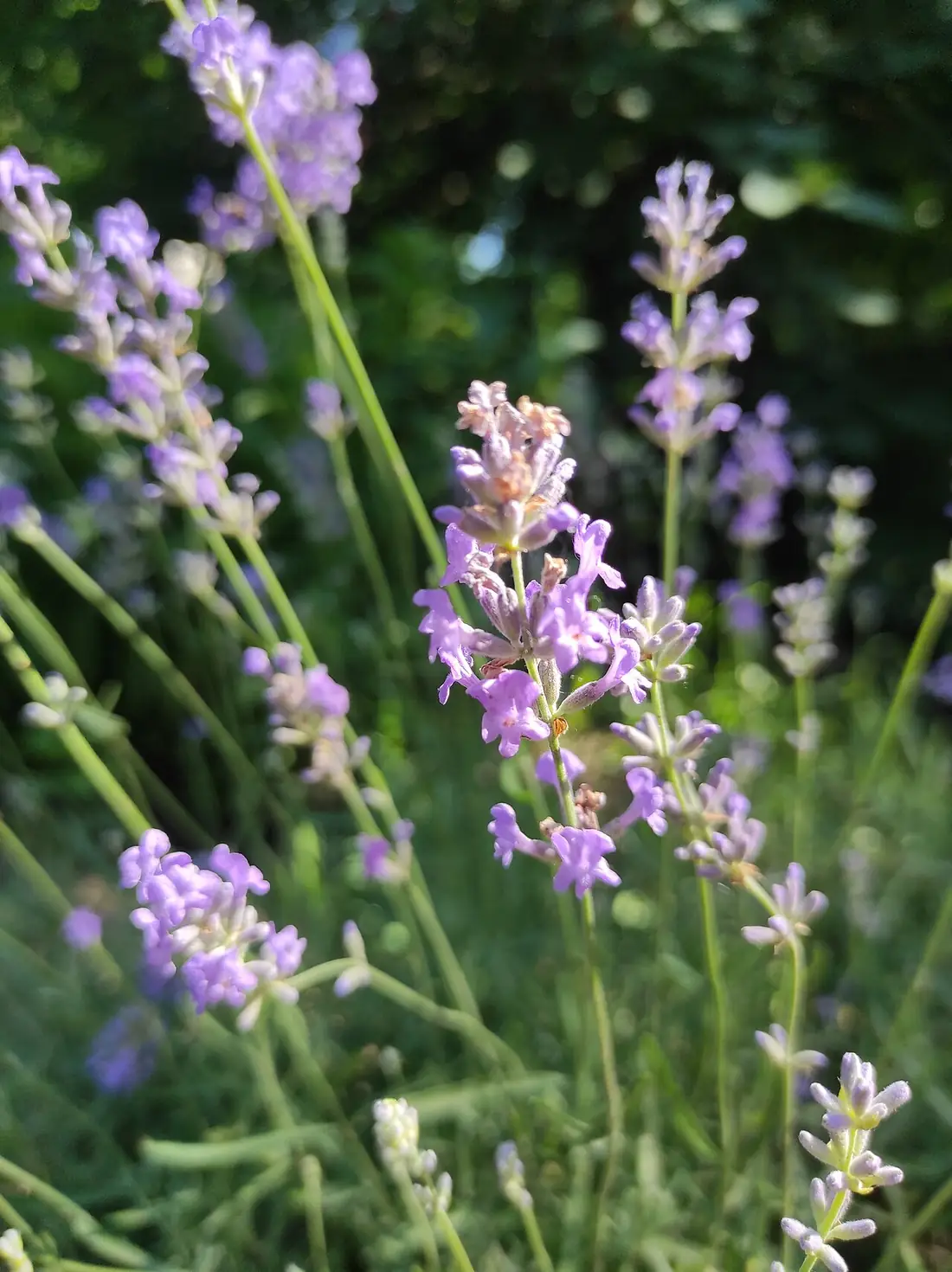
The ASPCA lists lavender as toxic to dogs. Eating the plant usually causes only mild stomach upset, but concentrated lavender essential oil is a much bigger risk and should never be swallowed or put on your dog.

- Item
- Lavender
- Scientific name
- Lavandula angustifolia
- Also called
- English lavender, Common lavender
- Category
- Plants
- Verdict
- Toxic
- Symptoms start
- Onset time is not well established — the ASPCA, PetMD, and VCA pages we checked do not give a time frame for lavender signs in dogs, so we do not state one here.
Yes, lavender is toxic to dogs. The ASPCA lists lavender (Lavandula angustifolia) as toxic to dogs, cats, and horses, and names two compounds in the plant, linalool and linalyl acetate, as the cause. The signs it lists for dogs are nausea, vomiting, and loss of appetite.
The risk depends on the form and the amount. A dog that nibbles a few leaves is in a very different situation from a dog that swallows concentrated lavender essential oil.
If your dog ate it — what to do now
- Move your dog away from the lavender and remove the plant, oil bottle, or product so your dog cannot eat more.
- If oil is on your dog's skin or fur, wash it off promptly with liquid dishwashing detergent.
- Call your veterinarian or ASPCA Animal Poison Control Center at (888) 426-4435 (a consultation fee may apply) and describe what your dog was exposed to, how much, and your dog's weight and age.
- Keep the product packaging or a photo of the label.
Do not do this
- Do not induce vomiting unless a veterinarian tells you to.
- Do not give activated charcoal unless a veterinarian tells you to.
- Do not apply lavender oil or any concentrated essential oil to your dog's skin, coat, mouth, or ears.
- Do not give milk, food, or home remedies to settle the stomach unless your veterinarian tells you to.
What makes lavender toxic to dogs?
Lavender contains linalool and linalyl acetate, the natural compounds that give the plant its scent. The ASPCA names these two as the toxic principles in lavender, and says eating enough of the plant causes nausea, vomiting, and loss of appetite. The same compounds are present in lavender essential oil in a far more concentrated form. VCA notes that essential oils are rapidly absorbed through the mouth or skin and processed by the liver, so the oil carries a much higher risk than the plant.
- Toxic compounds: linalool and linalyl acetate
- Plant: lower concentration, usually mild stomach upset
- Essential oil: highly concentrated, higher risk
How much lavender is dangerous for dogs?
There is no established toxic dose for lavender in dogs. The ASPCA does not publish an amount in milligrams per kilogram or a number of leaves, and we could not find one in any authoritative source we checked. So there is also no established safe dose. The form matters more than any single number: a small nibble of the fresh plant is the lowest-risk exposure, while swallowing undiluted essential oil is the highest. Puppies and dogs with liver disease are more sensitive to essential oils, according to VCA.
- No toxic dose in mg/kg has been established
- No safe dose has been established either
- Risk rises with concentration: plant, then dried lavender, then oil
Symptoms of lavender poisoning in dogs
For the plant itself, the ASPCA lists three signs in dogs: nausea, vomiting, and loss of appetite. These are stomach-upset signs, and they are the only signs the ASPCA lists for lavender. Essential oil exposure can look different and more serious. PetMD and VCA list the signs of essential oil poisoning in dogs generally, including difficulty breathing, trouble walking, drooling, lethargy, weakness, muscle tremors, and pawing at the mouth. Breathing trouble, tremors, weakness, or repeated vomiting after any lavender exposure is urgent.
- ASPCA signs for the plant: nausea, vomiting, loss of appetite
- Oil poisoning signs: drooling, lethargy, weakness, tremors, difficulty breathing, trouble walking
What to do if your dog eats lavender
Move your dog away from the lavender and take the plant, oil bottle, or product away so your dog cannot eat more. If oil is on your dog's skin or fur, wash it off promptly with liquid dishwashing detergent, as VCA recommends. Call your veterinarian or the ASPCA Animal Poison Control Center at (888) 426-4435; a consultation fee may apply. Tell them what your dog was exposed to, how much, and your dog's weight and age.
- Move your dog away from the lavender and remove the plant, oil, or product
- Wash oil off skin or fur with liquid dishwashing detergent
- Call your vet or ASPCA Animal Poison Control at (888) 426-4435 (a consultation fee may apply)
How to keep your dog safe around lavender
In the garden, keep lavender beds fenced off or plant lavender where your dog does not roam unsupervised, especially if your dog is a chewer. Inside the home, store essential oil bottles, diffusers, and liquid potpourri out of your dog's reach, and never leave open bottles or simmering potpourri unattended. Never apply lavender oil, or any concentrated essential oil, directly to your dog's skin, coat, mouth, or ears. Diffuse only in a well-ventilated room your dog can leave.
- Fence off lavender beds or plant lavender out of your dog's usual area
- Store oil bottles, diffusers, and liquid potpourri out of reach
- Never apply concentrated lavender oil to your dog
- Diffuse only in a ventilated room your dog can leave
Lavender products in the home: plant, dried lavender, oil, and treats
Fresh lavender plant and dried lavender are the same plant material. Treat dried bundles, sachets, and dried flowers the same way as the fresh plant: they are listed as toxic by the ASPCA, and no separate safety threshold was found. Lavender essential oil is the highest-risk form in the home, and swallowing it or getting it on the skin can cause poisoning, according to VCA. Lavender also appears in shampoos, sprays, candles, and dog treats, in smaller amounts, but strength varies.
- Fresh plant: ASPCA lists it as toxic; usual signs are nausea, vomiting, and loss of appetite
- Dried lavender: treat the same as the fresh plant; no separate safe amount is established
- Essential oil: highest risk; never swallow, and never apply undiluted to your dog
- Diffusers: keep out of reach; stop use if your dog coughs or breathes with difficulty
Safe alternatives to lavender
If you want the look of a flowering plant without the worry, several common plants are listed as safe for dogs. Roses, spider plants, and Boston ferns are all widely listed as safe for dogs by the ASPCA or PetMD, and they work well in gardens and in the home. For scent, skip essential oils and diffusers and ask your veterinarian about pet-specific calming products instead. PetMD notes that commercial calming products made for dogs, such as pheromone diffusers, collars, and sprays, may help with stress and anxiety with less risk than essential oils.
- Roses: listed as safe for dogs by PetMD
- Spider plants: listed as non-toxic to dogs by the ASPCA
- Boston ferns: listed among the houseplants safe for dogs by PetMD
Symptoms to watch for
- Nausea
- Vomiting
- Loss of appetite
- Drooling
- Lethargy
- Weakness
- Muscle tremors
- Difficulty breathing
- Difficulty walking or uncoordinated gait
- Pawing at the mouth
- Redness or burns on the lips, gums, tongue, or skin
The ASPCA lists only nausea, vomiting, and loss of appetite for the lavender plant; the more serious signs here are the general signs of essential oil poisoning reported by PetMD and VCA.
Safe alternatives
- Roses — Listed as safe for dogs by PetMD.
- Spider plants — Listed as non-toxic to dogs by the ASPCA.
- Boston ferns — Listed among the houseplants safe for dogs by PetMD.
What about cats? Lavender is also listed as toxic to cats by the ASPCA, and PetMD notes that cats are especially sensitive to essential oils, so households with cats should avoid using lavender oil products whenever possible.
Frequently asked questions
Can dogs eat lavender?
No. The ASPCA lists lavender as toxic to dogs, and eating it can cause nausea, vomiting, and loss of appetite. A small nibble may cause only mild stomach upset, but there is no established safe amount, so keep lavender out of your dog's reach.
Is lavender essential oil safe for dogs?
Lavender oil is riskier than the plant because it is highly concentrated. PetMD lists lavender among the oils that are often considered safer for dogs, but only when used appropriately and with veterinary guidance, and it should never be applied directly to your dog's skin or coat. Never let your dog swallow lavender oil.
Are lavender diffusers safe for dogs?
Some dogs may tolerate diffusers, but others develop respiratory irritation, according to PetMD. If you diffuse lavender, use it only in a well-ventilated room your dog can leave, and stop if your dog coughs, sneezes, or breathes with difficulty. Ask your veterinarian first.
Is dried lavender safe for dogs?
No. Dried lavender is the same plant as fresh lavender, so the ASPCA's toxic listing applies to it as well. No separate safe amount for dried lavender was found in the sources we checked, so keep dried bundles and sachets out of your dog's reach.
Sources
- ASPCA Poison Control — Lavender
- PetMD — Essential Oils Safe for Dogs: 7 To Use and 12 To Avoid
- VCA Animal Hospitals — Essential Oil and Liquid Potpourri Poisoning in Dogs
Related guides
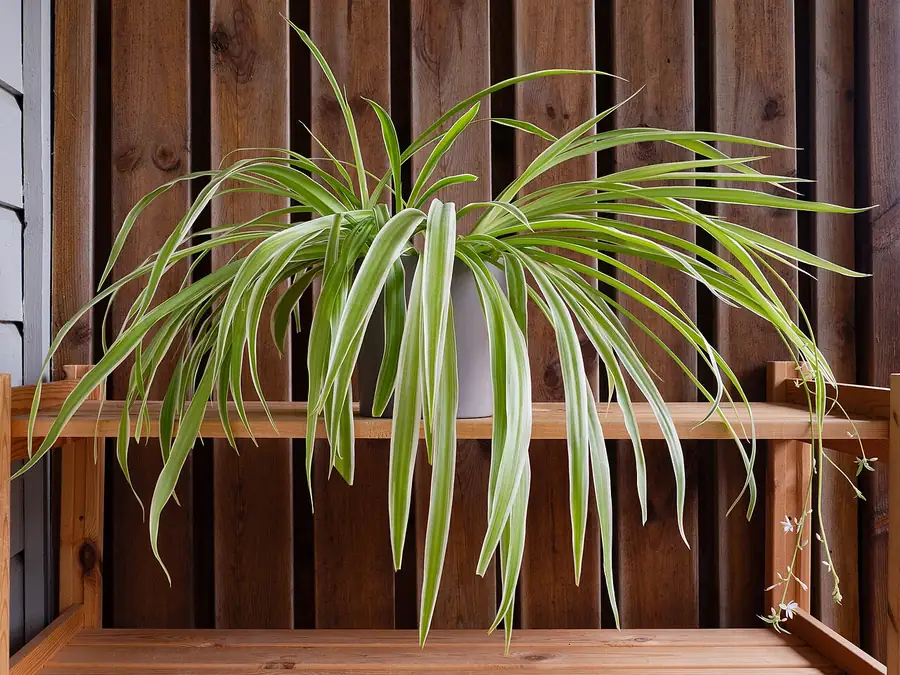
The ASPCA lists spider plants as non-toxic to dogs, cats, and horses, and PetMD includes them among the houseplants safe for dogs. A dog that eats a large amount may still get a mild stomach upset.

The ASPCA lists roses (Rosa species) as non-toxic to dogs, cats, and horses. The real risks are the thorns and any pesticides, fertilizers, or flower food on the plant.
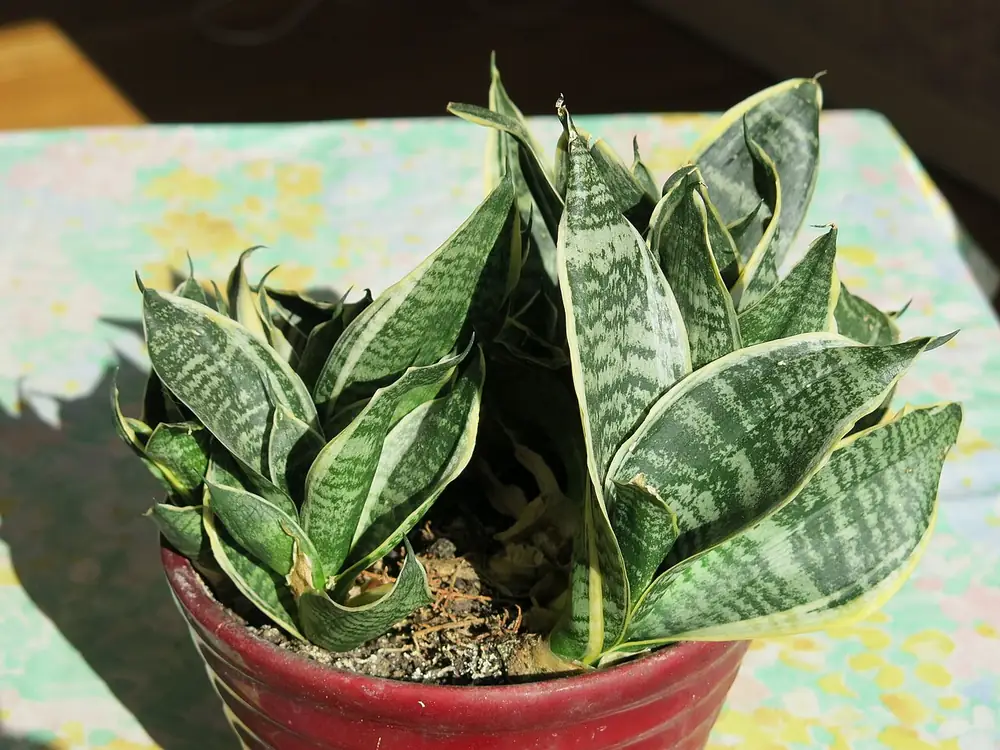
Snake plants are toxic to dogs. They contain saponins, which irritate the mouth and stomach and usually cause nausea, vomiting, and diarrhea.
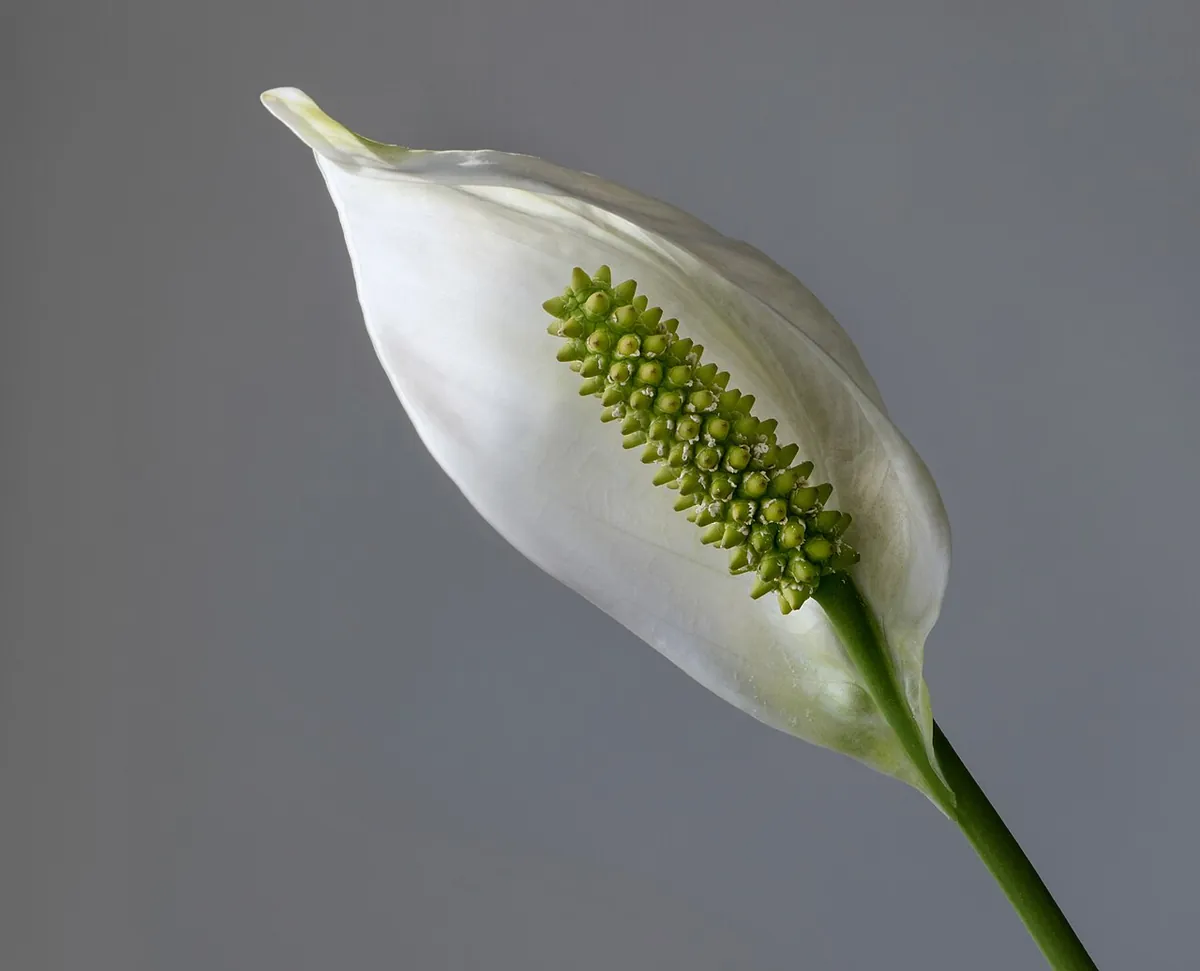
Peace lilies are toxic to dogs, but usually painful rather than life-threatening. Chewing releases calcium oxalate crystals that burn the mouth, cause drooling and vomiting, and can make swallowing difficult.