Are Spider Plants Toxic to Dogs? What Every Owner Should Know
No — spider plants are not toxic to dogs.
The ASPCA lists spider plants as non-toxic to dogs, cats, and horses, and PetMD includes them among the houseplants safe for dogs. A dog that eats a large amount may still get a mild stomach upset.
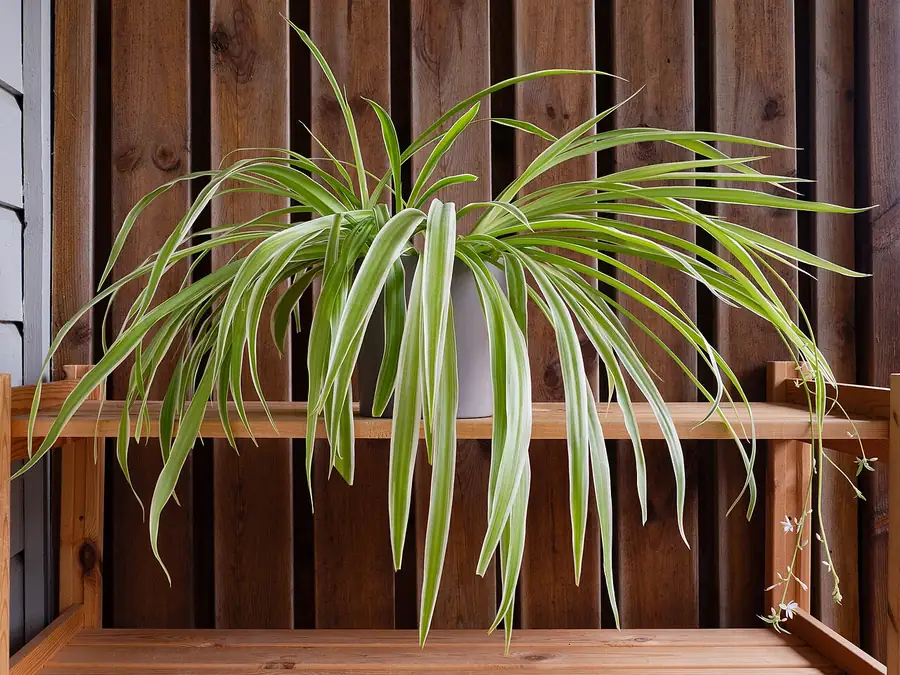

- Item
- Spider plants
- Scientific name
- Chlorophytum comosum
- Also called
- Spider plant, Ribbon plant, Spider ivy
- Category
- Plants
- Verdict
- Safe
- Symptoms start
- Onset time is not well established — the ASPCA and PetMD pages we checked give no time frame for stomach upset after eating a spider plant, so we do not state one here.
No — spider plants are not toxic to dogs. The ASPCA lists the spider plant (Chlorophytum comosum) as non-toxic to dogs, cats, and horses, and names no toxic principle for it. PetMD also includes spider plants among the houseplants that are safe for dogs.
That makes the spider plant one of the easiest choices for a home with a dog. It is still not dog food, and a dog that eats a large amount of any plant can get a mild stomach upset. This page explains what 'non-toxic' really means and what to expect if your dog chews the leaves.
If your dog ate it — what to do now
- Stay calm — spider plants are listed as non-toxic to dogs, so poisoning is not expected.
- Remove the plant so your dog cannot eat more, and check how much is missing.
- If your dog ate a large amount or seems unwell, call your veterinarian or ASPCA Animal Poison Control Center at (888) 426-4435 (a consultation fee may apply).
- Offer fresh water and let your dog rest; offer a small amount of plain food only once the stomach has settled.
- Call your veterinarian promptly if vomiting or diarrhea continues, or if your dog becomes lethargic or stops drinking.
Do not do this
- Do not induce vomiting unless a veterinarian tells you to.
- Do not give your dog medicine or home remedies for stomach upset unless your veterinarian tells you to.
- Do not assume every plant sold as a 'spider plant' is this species — check the scientific name first.
- Do not ignore vomiting or diarrhea that continues, or blood in vomit or stool — call your veterinarian.
Why spider plants are considered safe for dogs
Spider plants are safe for dogs because they contain no known toxic compound. The ASPCA's entry for the spider plant, listed under the name Anthericum comosum, gives its scientific name as Chlorophytum comosum and states that it is non-toxic to dogs, cats, and horses. Unlike entries for toxic plants, it names no toxic principle and lists no clinical signs of poisoning. A second ASPCA entry, under the name Chlorophytum, says the same thing. PetMD agrees, naming the spider plant among the perennials safe for dogs.
- ASPCA listing: non-toxic to dogs, cats, and horses
- Toxic principles: none listed
- Scientific name: Chlorophytum comosum
How much spider plant is dangerous for dogs?
No amount of spider plant is dangerous in the poisoning sense, because the plant has no toxic dose. The ASPCA names no toxic principle and lists no signs of poisoning, so no amount marks a danger line. There is also no published 'safe dose,' because the plant is not food. That does not mean a dog should be allowed to eat the plant freely. PetMD warns that even non-toxic plants can cause mild stomach upset if eaten, and may lead to vomiting or diarrhea if a dog eats a large amount.
- No toxic dose exists, because the plant is non-toxic
- No safe dose is published, because the plant is not a food
- A large amount of any plant material can upset a dog's stomach
Symptoms if your dog eats a spider plant
Most dogs that nibble a spider plant show no symptoms at all. Because the plant is non-toxic, there is no poisoning to watch for, and the ASPCA lists no clinical signs for spider plants. The only symptoms that may appear come from eating plant fiber, not from a toxin. PetMD notes that eating any plant material can cause mild stomach upset, and that non-toxic plants may lead to vomiting or diarrhea if a dog eats a large amount. A dog that has eaten a lot of leaves may vomit once or twice, have soft stools, or skip a meal.
- Most dogs: no symptoms at all
- Possible after a large amount: vomiting
- Possible after a large amount: diarrhea or loose stools
- Possible after a large amount: mild stomach upset or loss of appetite
What to do if your dog eats a spider plant
Stay calm. A spider plant is listed as non-toxic to dogs, so poisoning is not expected, and most dogs need no treatment at all. Take the plant away so your dog cannot keep eating it, and check how much is missing. Offer fresh water, let your dog rest, and offer a small amount of plain food once the stomach has settled. Call your veterinarian or the ASPCA Animal Poison Control Center at (888) 426-4435 if your dog ate a large amount, keeps vomiting, has diarrhea that does not stop, or becomes lethargic or stops drinking.
- Remove the plant so your dog cannot eat more
- Check how much is missing and how your dog is acting
- Offer fresh water and let your dog rest
- Call your vet or ASPCA Animal Poison Control at (888) 426-4435 (a consultation fee may apply) if your dog ate a lot or seems unwell
How to keep your dog safe around spider plants
Spider plants are safe, but the easiest way to protect both your dog and your plant is to put the plant where your dog cannot chew it. Spider plants look best in a hanging basket or on a high shelf. Before you buy, check the label for the scientific name Chlorophytum comosum, since several different plants are sold under the name 'spider plant.' Keep potting soil, fertilizer, and pesticide sprays stored away, and do not let your dog dig in the pot.
- Hang spider plants or place them on a high shelf out of chewing range
- Check the plant label for the scientific name Chlorophytum comosum before you buy
- Keep potting soil, fertilizer, and pesticides out of your dog's reach
- Check every new plant against the ASPCA list before bringing it home
Pet-safe houseplants to grow instead of toxic ones
Spider plants are one of the best answers to a common problem: a home full of houseplants that are not safe for dogs. If you are replacing a toxic plant, such as a snake plant or a peace lily, a spider plant is an easy swap. It fills the same role as a trailing or hanging plant, it is forgiving to grow, and it is listed as non-toxic to dogs by the ASPCA. PetMD also lists Boston ferns, parlor palms, African violets, and roses among the plants safe for dogs. The habit that matters most is checking before you buy: look up every new plant by its scientific name on the ASPCA list.
- Boston fern: listed among the houseplants safe for dogs by PetMD
- Parlor palm: listed among the houseplants safe for dogs by PetMD
- Roses: listed among the flowers safe for dogs by PetMD
Symptoms to watch for
- Vomiting (if a large amount is eaten)
- Diarrhea or loose stools (if a large amount is eaten)
- Mild stomach upset
- Loss of appetite
- Drooling
Most dogs show no symptoms; any signs are mild stomach upset from plant fiber, not poisoning.
Safe alternatives
- Boston fern — Listed among the houseplants safe for dogs by PetMD.
- Parlor palm — Listed among the houseplants safe for dogs by PetMD.
- Roses — Listed among the flowers safe for dogs by PetMD.
What about cats? Spider plants are also listed as non-toxic to cats by the ASPCA. Cats are often drawn to the long, grass-like leaves and may chew them, so hanging the plant can protect both the plant and the cat's stomach.
Frequently asked questions
Can dogs eat spider plant leaves?
Yes, dogs can eat a small amount of spider plant leaves without being poisoned, because the plant is listed as non-toxic to dogs by the ASPCA. It is still not dog food, and eating a large amount may cause mild vomiting or diarrhea, so discourage chewing.
Are spider plants poisonous to dogs?
No. A true spider plant, Chlorophytum comosum, is listed as non-toxic to dogs by the ASPCA. Check the scientific name on the plant label, because several different plants share the common name 'spider plant' and not all of them have been checked.
Why are spider plants so popular as houseplants?
Spider plants are one of the easiest and most forgiving houseplants, which is part of their appeal. They tolerate a range of indoor light, need only moderate watering, and produce baby plantlets on long stems that can be replanted. Their safety for pets is an added benefit, not the reason they are so popular.
My dog ate a spider plant — do I need to call the vet?
Usually, no vet visit is needed for a small nibble if your dog acts normally, but watch for vomiting, diarrhea, or loss of appetite. If your dog ate a large amount, keeps vomiting, or seems lethargic, call your veterinarian or the ASPCA Animal Poison Control Center at (888) 426-4435.
Sources
- ASPCA Poison Control — Toxic and Non-toxic Plants: Anthericum Comosum (Spider Plant)
- PetMD — 29 Flowers and Plants That Are Safe for Dogs
- ASPCA Poison Control — Toxic and Non-toxic Plants: Chlorophytum (Spider Plant)
Related guides
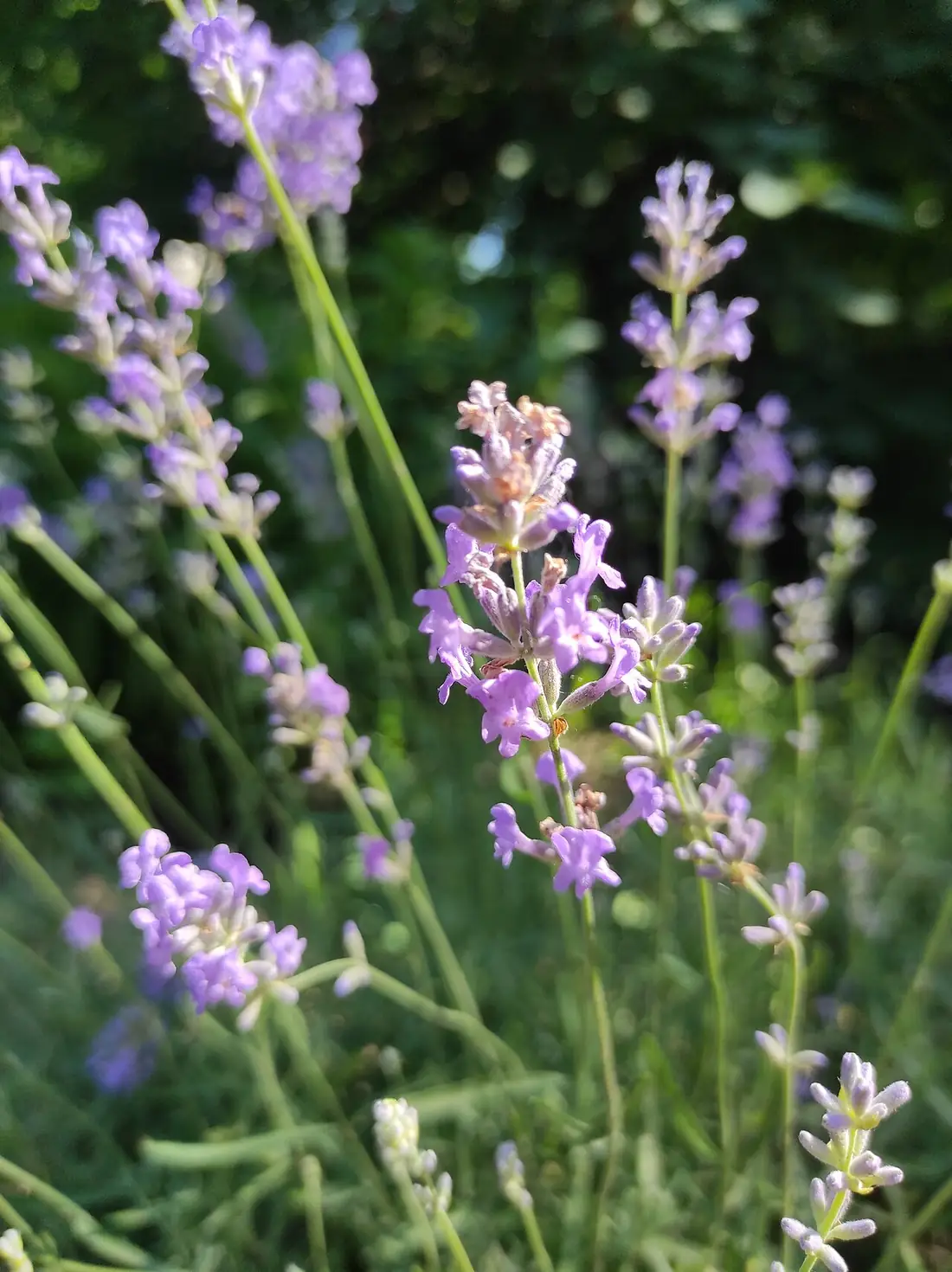
The ASPCA lists lavender as toxic to dogs. Eating the plant usually causes only mild stomach upset, but concentrated lavender essential oil is a much bigger risk and should never be swallowed or put on your dog.
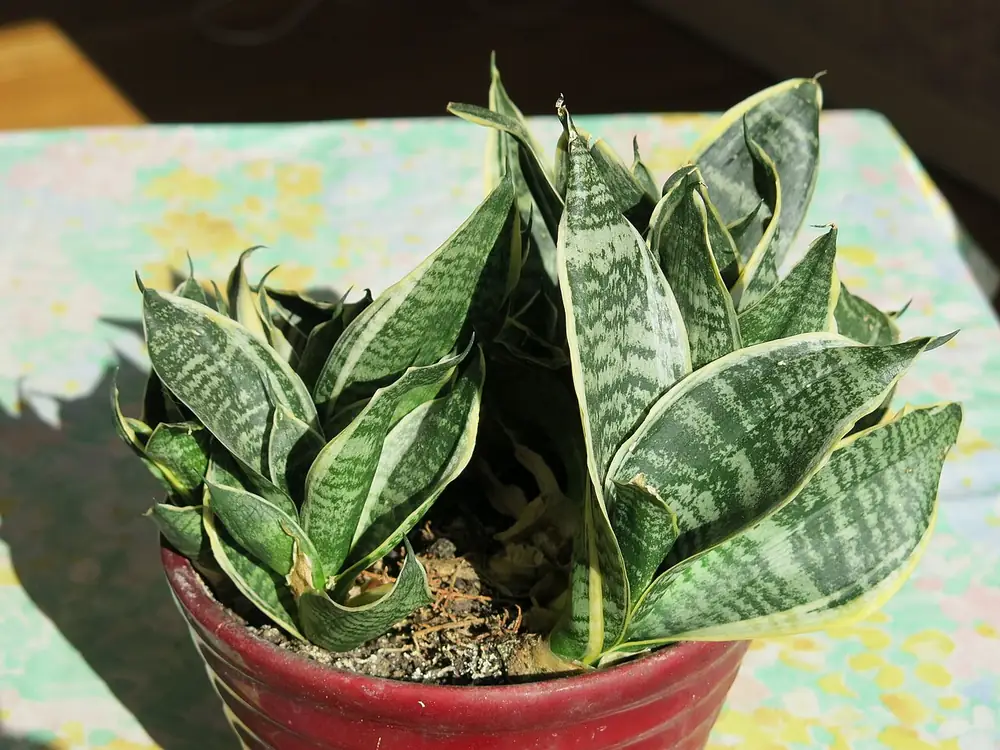
Snake plants are toxic to dogs. They contain saponins, which irritate the mouth and stomach and usually cause nausea, vomiting, and diarrhea.
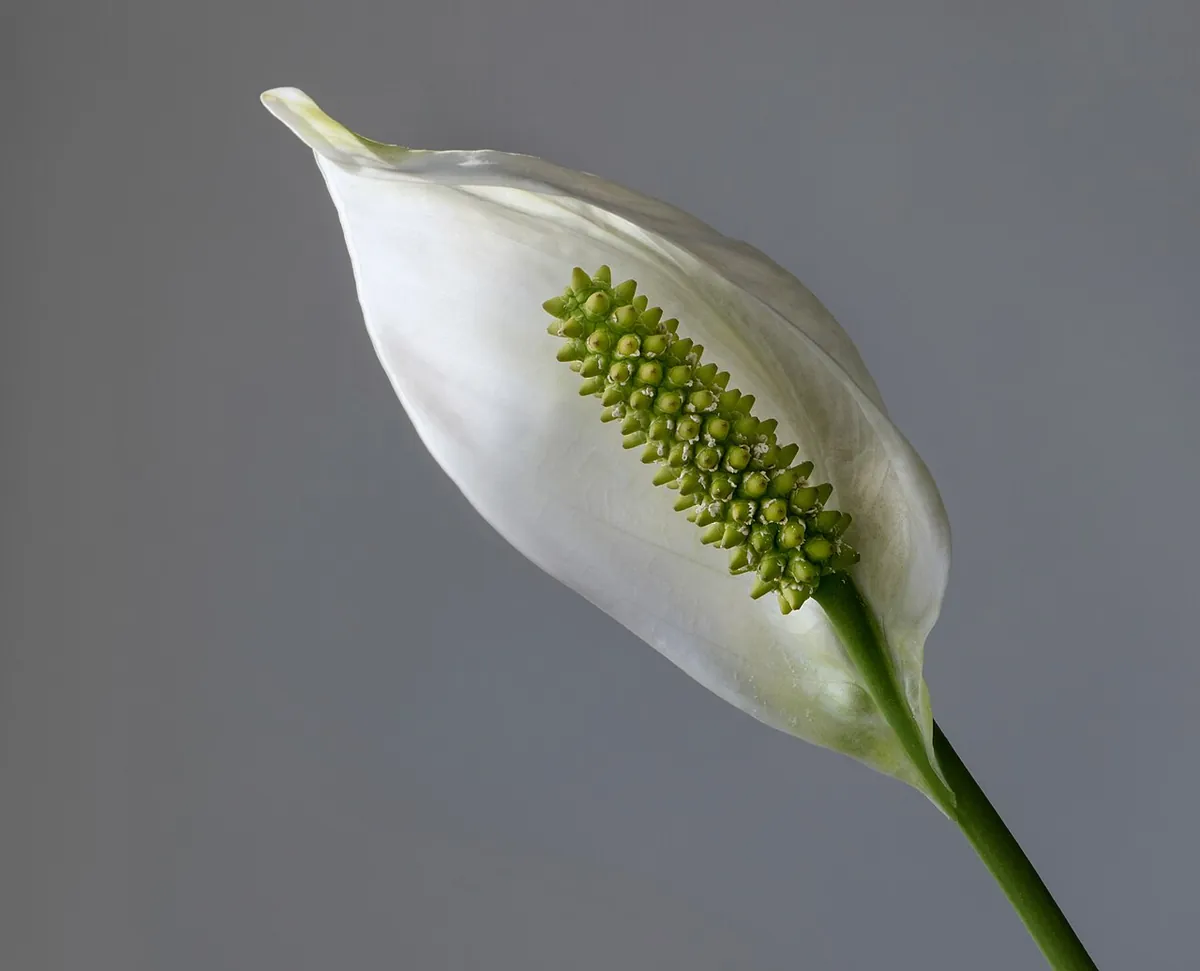
Peace lilies are toxic to dogs, but usually painful rather than life-threatening. Chewing releases calcium oxalate crystals that burn the mouth, cause drooling and vomiting, and can make swallowing difficult.
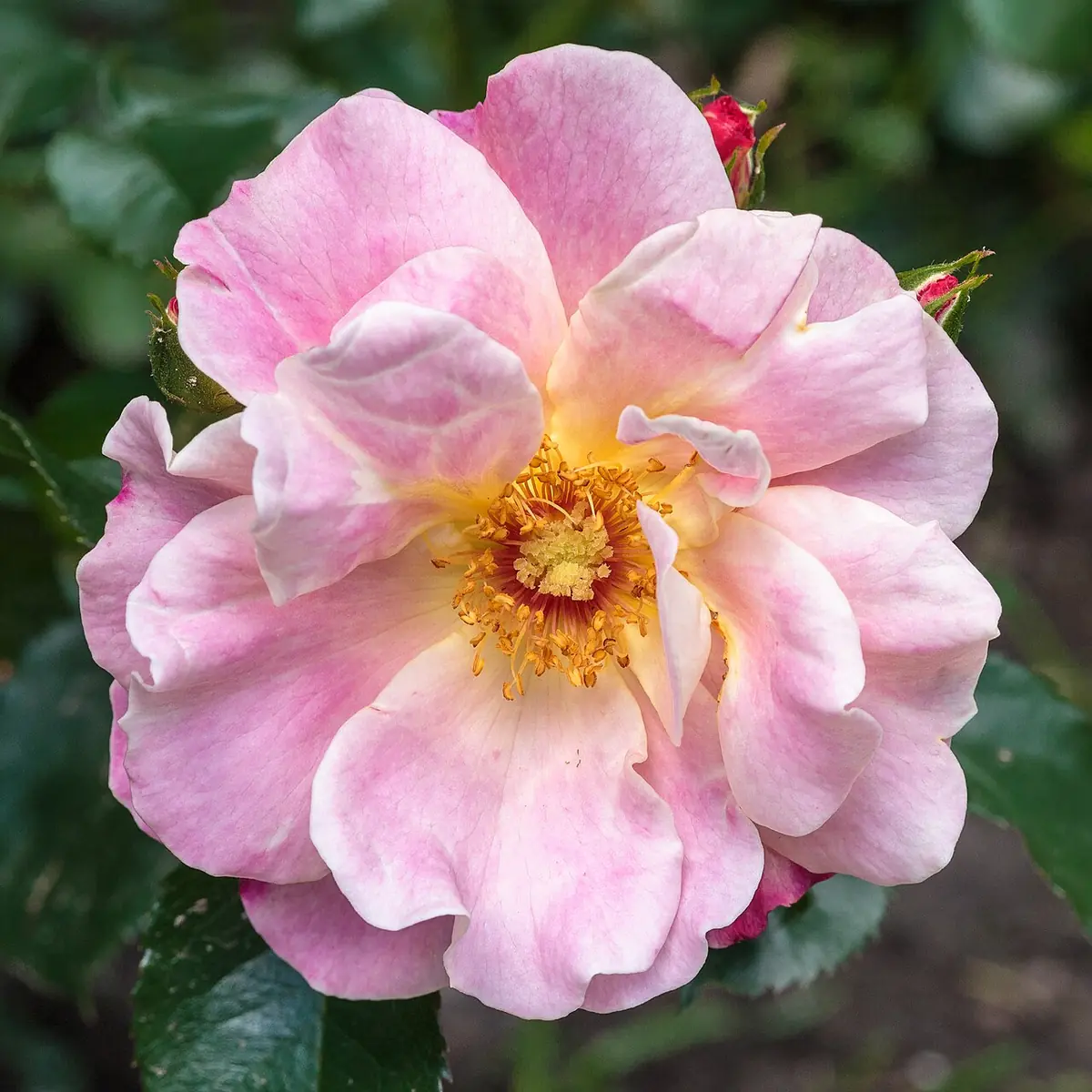
The ASPCA lists roses (Rosa species) as non-toxic to dogs, cats, and horses. The real risks are the thorns and any pesticides, fertilizers, or flower food on the plant.