Cleaning products, laundry supplies, and medicines are all within a curious dog's reach. Below are the household items we have covered so far, each with a clear verdict, symptoms, and what to do if your dog is exposed. New items are added regularly.
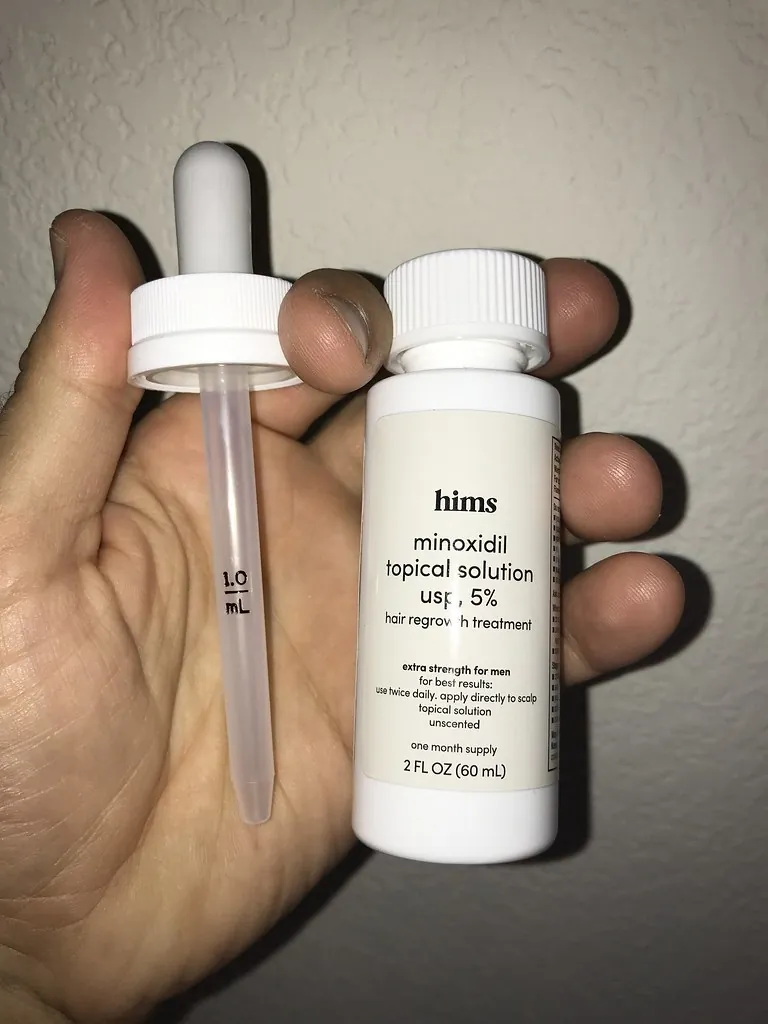
Minoxidil is toxic to dogs and can cause dangerously low blood pressure, a racing heart, and fluid build-up in the lungs. Even small exposures — a few drops or licks — have made dogs ill, and cats are far more sensitive. Call your vet immediately if your dog may have been exposed.
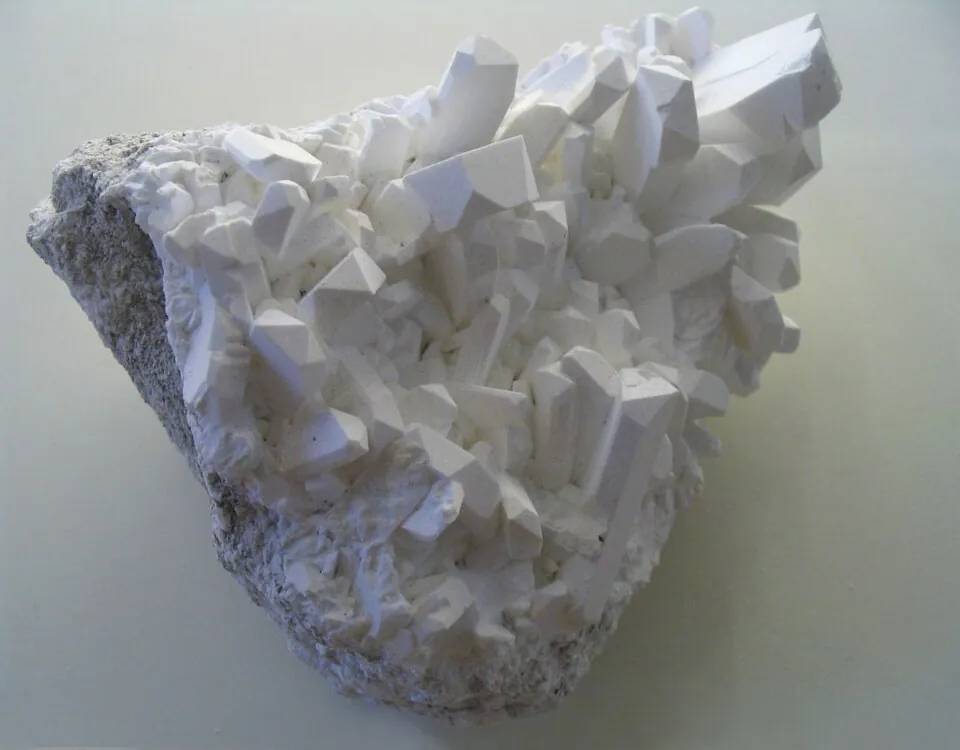
Borax is toxic to dogs. Small amounts usually cause only vomiting and stomach upset, but larger amounts can injure the kidneys and, rarely, cause seizures. Never use borax on or around your dog on purpose.
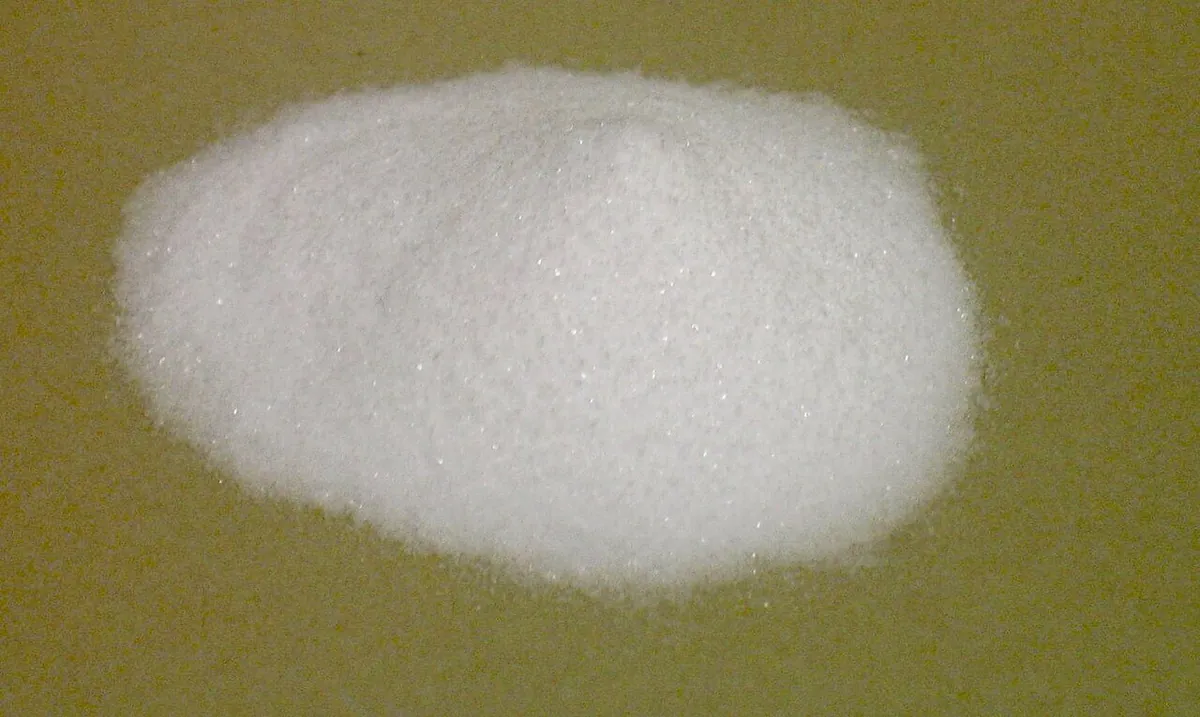
Baking soda (sodium bicarbonate) is toxic to dogs when eaten in large amounts. It disturbs the body's salt and acid balance and releases gas in the stomach. A lick or a baked treat is unlikely to harm, but a dog that eats from the box needs a veterinarian right away.
Food-grade vinegar in small, diluted amounts is not generally considered toxic to dogs, but vinegar is an acid. Undiluted vinegar, cleaning vinegar, or a large amount can cause vomiting, diarrhea, and mouth irritation, and there is no established safe dose.
VCA Animal Hospitals lists peppermint among the essential oils poisonous to dogs. Undiluted oil can harm your dog whether it is swallowed, put on the skin, or breathed in from a diffuser.
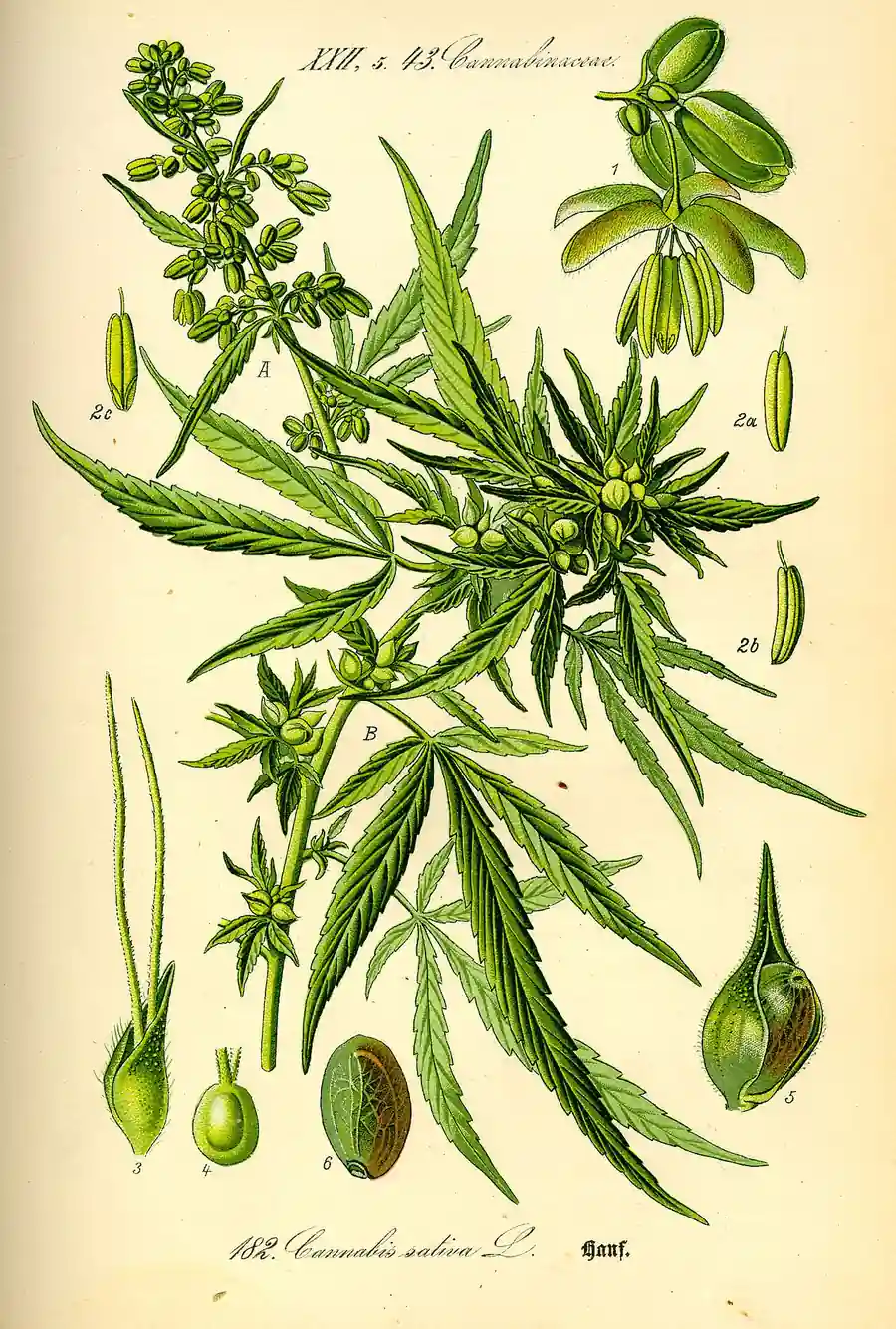
The ASPCA lists marijuana (Cannabis sativa) as toxic to dogs, and THC affects dogs far more strongly than people. Most dogs recover with prompt veterinary care, but edibles and concentrates can cause a serious emergency.
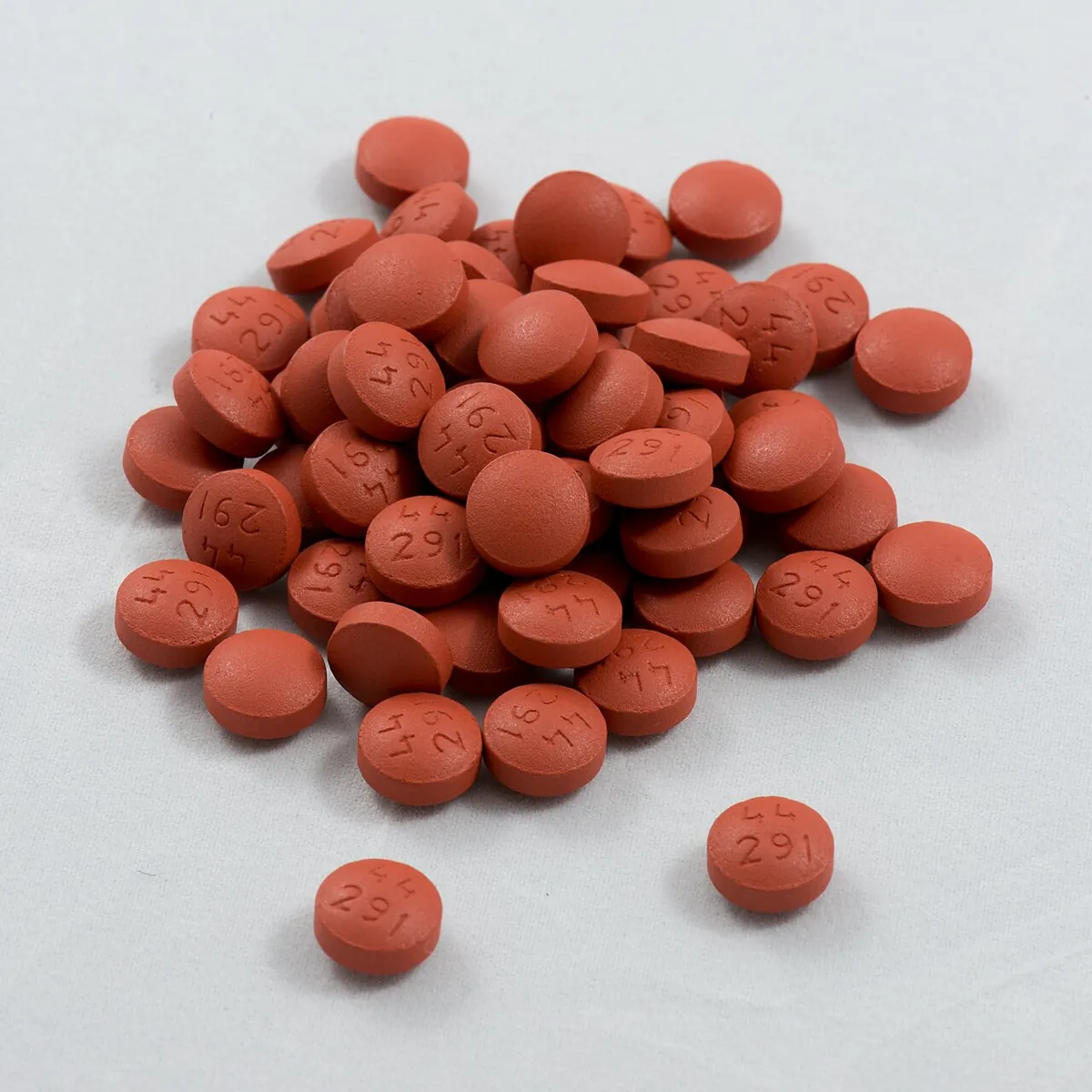
Ibuprofen is toxic to dogs at any dose an owner might give. Even one 200 mg tablet can be dangerous for a small or medium-sized dog, causing stomach ulcers, kidney failure, seizures, or death.
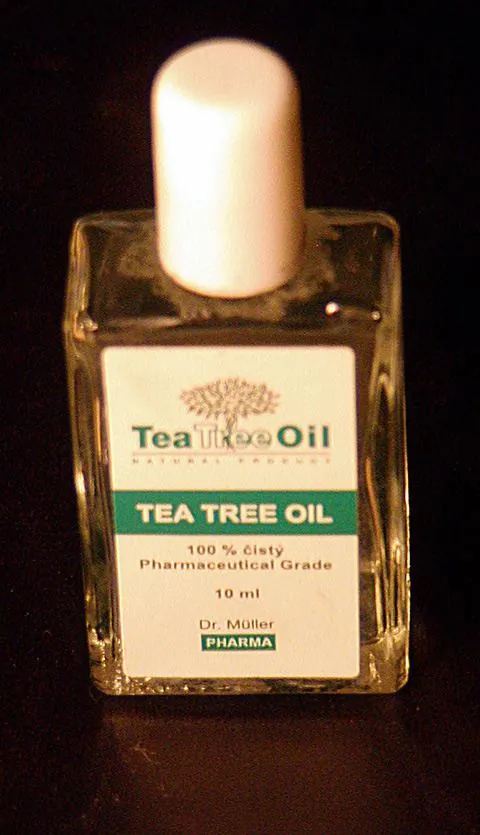
The ASPCA lists melaleuca oil as toxic to dogs, and as little as seven drops of 100% oil has caused poisoning. Never apply undiluted tea tree oil to a dog, and keep diffusers and flea sprays away from them.
The ASPCA lists eucalyptus as toxic to dogs, cats, and horses, and names eucalyptol as the toxic principle. The concentrated oil is the most dangerous form, but leaves, bark, and diffused oil are risky too.
More items are added regularly. Every guide lists its sources — ASPCA Animal Poison Control, Merck Veterinary Manual, PetMD, and VCA Hospitals — at the bottom of the page.