Is Baking Soda Toxic to Dogs? What Every Owner Should Know
Yes — baking soda is toxic to dogs in large amounts.
Baking soda (sodium bicarbonate) is toxic to dogs when eaten in large amounts. It disturbs the body's salt and acid balance and releases gas in the stomach. A lick or a baked treat is unlikely to harm, but a dog that eats from the box needs a veterinarian right away.
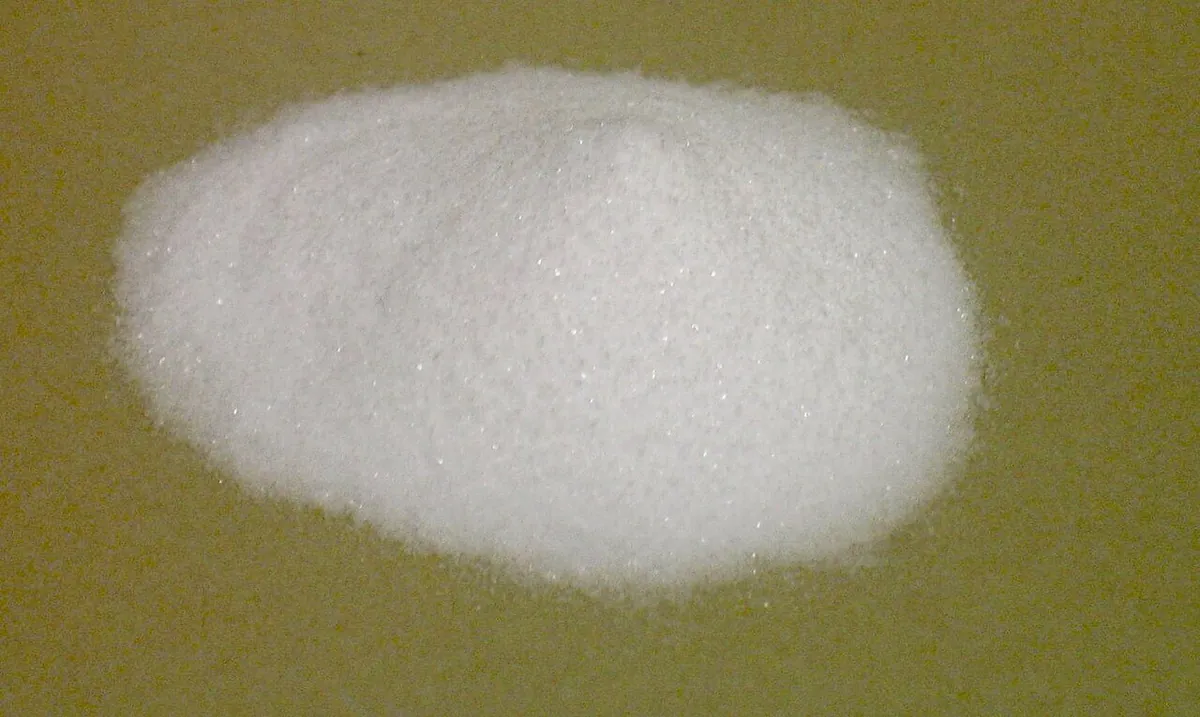

- Item
- Baking soda
- Scientific name
- Sodium bicarbonate
- Also called
- Sodium bicarbonate, Bicarbonate of soda, Baking soda, Bread soda
- Category
- Household
- Verdict
- Toxic
- Symptoms start
- Signs of baking soda toxicity have been reported within 3 hours of ingestion, according to the American College of Veterinary Pharmacists. Vomiting is most often the first sign.
Baking soda sits in almost every American kitchen, and most of the time it is harmless. The short answer is that baking soda is toxic to dogs when eaten in large amounts. A lick from a spill or a bite of a baked cookie is unlikely to matter, but a dog that gets into the box and eats a real quantity can become seriously ill.
The risk comes from the sodium and the chemistry. Baking soda is sodium bicarbonate, and in large amounts it throws off the body's salt and acid balance. Small dogs are at the greatest risk, because it takes far less to affect them. If your dog has eaten a large amount, do not wait for symptoms: call your veterinarian right away.
If your dog ate it — what to do now
- Move your dog away from the baking soda and clean up any spill so it cannot eat more.
- Work out how much is missing from the box and note the time your dog ate it.
- Call your veterinarian or ASPCA Animal Poison Control Center at (888) 426-4435 (a consultation fee may apply) right away if your dog ate a large amount for its size or shows any symptoms.
- Give your dog ready access to fresh water and keep it calm while you wait for advice.
- Seek emergency veterinary care at once if your dog has tremors, seizures, collapse, repeated vomiting, a swollen belly, or trouble breathing.
Do not do this
- Do not induce vomiting unless a veterinarian tells you to — never use baking soda, salt, or hydrogen peroxide to make your dog vomit on your own.
- Do not give your dog baking soda as a home remedy for an upset stomach.
- Do not use baking soda to brush your dog's teeth.
- Do not wait for symptoms to appear before calling for advice after a large ingestion.
- Do not use home remedies as a substitute for veterinary care.
What makes baking soda toxic to dogs?
Baking soda is sodium bicarbonate, a simple alkaline compound. The American College of Veterinary Pharmacists states that it can be harmful to pets if ingested in large quantities. The danger has two parts. First, it loads the body with sodium, which disturbs the balance of electrolytes that control nerves, muscles, and the heart. Second, it pushes the blood too far toward alkaline, a condition called metabolic alkalosis, which can lower potassium and calcium levels.
The second problem happens in the stomach. A dog's stomach is full of acid, and baking soda reacts with that acid to release carbon dioxide gas. That gas can stretch the stomach, cause pain, and contribute to bloat. In severe cases the effects go further: veterinary sources report muscle spasms, heart failure, and seizures after large ingestions.
How much baking soda is dangerous for dogs?
The American College of Veterinary Pharmacists gives a clear threshold: toxicosis may be seen with ingestion of 10 to 20 grams per kilogram of body weight, about 2 to 4 teaspoons per kilogram. The same source gives amounts by dog size. For an extra-small dog of 1 to 10 pounds, a toxic amount starts at just over 0.3 tablespoons; for a small dog of 11 to 25 pounds, just over 3 tablespoons; for a medium dog of 26 to 40 pounds, just over 7.5 tablespoons; and for a large dog of 41 to 70 pounds, just over 12 tablespoons.
A standard 16-ounce box holds about 454 grams, enough to reach a toxic amount for a dog of any size. Small dogs reach a dangerous amount with far less, sometimes only a few spoonfuls. There is no safe amount to feed a dog on purpose. The small amount in a baked treat is not a concern, because it has already reacted during cooking. Do not try to work out at home whether the amount your dog ate was safe; only a veterinarian or poison control can judge that.
Symptoms to watch for after a dog eats baking soda
Vomiting is most often the first sign of baking soda toxicity, according to the American College of Veterinary Pharmacists. Other signs include diarrhea, depression, lethargy, tremors, seizures, shortness of breath, and disorientation. These signs have been reported within 3 hours of ingestion.
A dog may also show abdominal pain, sometimes by adopting a prayer position with its chest and elbows on the floor and its hindquarters in the air. Foaming at the mouth or vomiting more than once is a reason to call a veterinarian even if the amount eaten seemed small. Watch for a swollen belly, unproductive retching, and restlessness, which can signal bloat. Tremors, seizures, collapse, or trouble breathing mean the dog needs emergency care at once.
What to do if your dog eats baking soda
First, stop your dog from eating any more. Move your dog to another room and clean up the spill or close the box. Work out how much your dog ate if you can: check how much is missing from the box and note the time it happened. That information helps the veterinarian judge the risk.
Call your veterinarian or the ASPCA Animal Poison Control Center at (888) 426-4435 (a consultation fee may apply) right away if your dog ate a large amount for its size, or if it is showing any symptoms at all. Do not wait for symptoms to appear before calling, because the internal chemistry can be badly affected before outward signs show. Give your dog ready access to fresh water and keep it calm. Take the box or a photo of its label with you if you go to the clinic.
How to keep your dog safe around baking soda
Keep baking soda in a high cupboard or a latched pantry, never on a low shelf or an open counter where a dog can knock it over. The same goes for baking powder, which also contains sodium bicarbonate. Put the box away as soon as you finish using it, and wipe up spills immediately.
Be careful with the other ways baking soda is used around the house. It is used to deodorize carpets and clean ovens, and a dog that licks a freshly treated carpet can swallow a large amount. Keep your dog out of the room while you clean with it, and vacuum or wipe it up fully before letting the dog back in. Do not use baking soda to brush your dog's teeth: it is abrasive and can upset the stomach's acid balance. Dog toothpaste is safer. Also keep baking soda out of reach during baking, and teach children to put the box away after a baking project or science experiment.
Baking soda vs. baking powder: what is the difference?
Baking soda and baking powder are not the same thing. Baking soda is pure sodium bicarbonate. Baking powder is sodium bicarbonate mixed with other ingredients, usually an acid such as cream of tartar. Both contain sodium bicarbonate, so both can cause the same kind of harm in large amounts.
A spoonful of baking powder holds less sodium bicarbonate than a spoonful of baking soda, but that does not make it safe. A dog that eats a large amount of baking powder can still develop the same electrolyte and acid-balance problems. Treat any large ingestion of either powder the same way: stop your dog from eating more, work out how much is missing, and call your veterinarian or poison control. Neither powder should ever be used to make a dog vomit.
Safe alternatives to baking soda
For the jobs baking soda does around the house, there are safer options when a dog shares the home. Use dog toothpaste instead of baking soda for brushing teeth, and pet-safe household cleaners instead of homemade baking soda pastes your dog could lick off a surface. If you use baking soda to deodorize a carpet, keep your dog out of the room until it has been vacuumed up completely.
In the kitchen, there is no need for a substitute: baking soda is fine to use in recipes, because the small amount in a baked treat has already reacted during cooking. The rule is simple: baking soda belongs in the recipe and in the cupboard, not in your dog's mouth. A plain dog biscuit is a far better treat for a dog that begs while you bake.
Symptoms to watch for
- Vomiting (often the first sign)
- Diarrhea
- Depression
- Lethargy
- Tremors
- Seizures
- Shortness of breath
- Disorientation
- Abdominal pain
- Foaming at the mouth
- Swollen belly or bloat
- Unproductive retching
- Collapse
Vomiting is most often the first sign, and signs have been reported within 3 hours of ingestion; tremors, seizures, or trouble breathing need emergency care at once.
Safe alternatives
- Dog toothpaste — Made for dogs, safe to swallow in small amounts, and a better choice than baking soda for brushing teeth.
- Pet-safe household cleaners — Products labeled safe for use around pets, used as directed, instead of homemade baking soda pastes your dog could lick.
- Plain dog biscuits — A safe treat for a dog that begs in the kitchen, instead of anything from the baking cupboard.
- Fresh water and a bland diet (on vet advice) — What a veterinarian may recommend after a mild stomach upset, rather than any home remedy.
What about cats? Baking soda is also harmful to cats in large quantities. The American College of Veterinary Pharmacists lists a toxic amount for cats as well, starting at just over 0.3 tablespoons for a cat weighing 1 to 10 pounds. Keep baking soda out of reach of cats too, and call your veterinarian if a cat eats a large amount.
Frequently asked questions
Is baking soda toxic to dogs?
Not in small amounts. A lick of spilled powder or a bite of a baked treat is unlikely to cause harm. A dog that eats a large amount of raw baking soda can become seriously ill and needs veterinary advice right away.
How much baking soda is toxic to a dog?
Toxicosis may be seen at 10 to 20 grams per kilogram of body weight, according to the American College of Veterinary Pharmacists, which is about 2 to 4 teaspoons per kilogram. A small dog reaches a dangerous amount with far less than a large dog, so do not try to judge safety by the size of the spill alone.
Can dogs eat baked goods made with baking soda?
No. The small amount of baking soda in a baked treat has already reacted during cooking, so it is not a concern. The danger comes from raw baking soda powder eaten straight from the box, a spill, or a container.
Can I use baking soda to make my dog vomit?
No. Never try to make your dog vomit with baking soda, salt, or anything else unless a veterinarian or poison control tells you to. Baking soda itself can cause serious harm in large amounts, and making a dog vomit the wrong way can cause more injury.
Sources
- American College of Veterinary Pharmacists — Baking Soda
- Hepper — My Dog Ate Baking Soda! Here's What to Do (Vet Answer)
- DogTime — Can Dogs Eat Baking Soda? Is Baking Soda Safe For Dogs?
Related guides
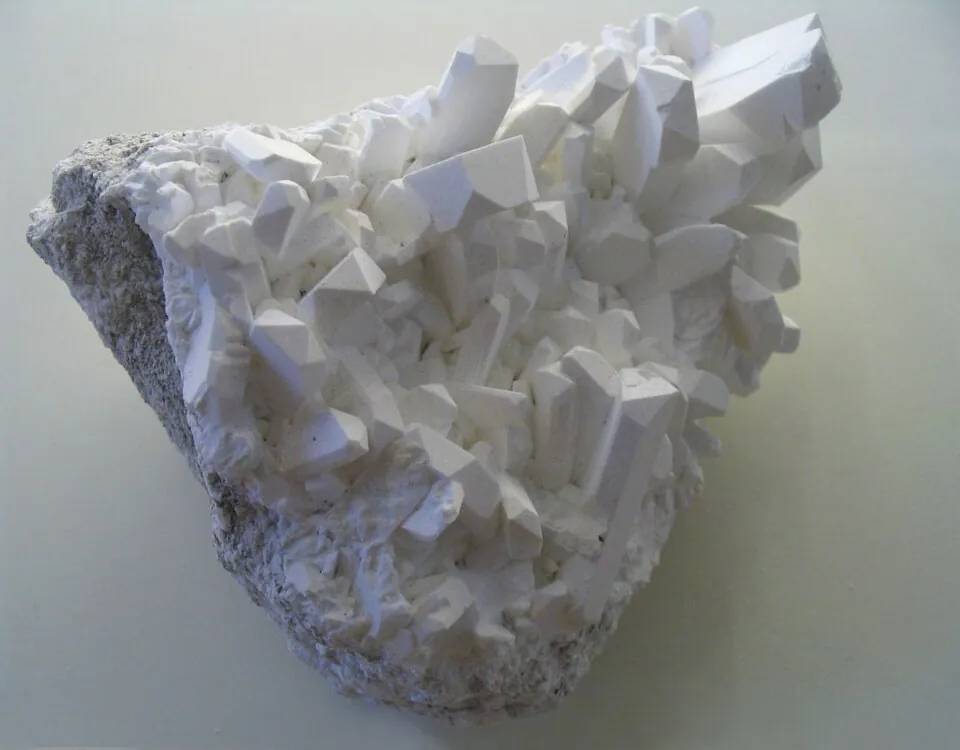
Borax is toxic to dogs. Small amounts usually cause only vomiting and stomach upset, but larger amounts can injure the kidneys and, rarely, cause seizures. Never use borax on or around your dog on purpose.
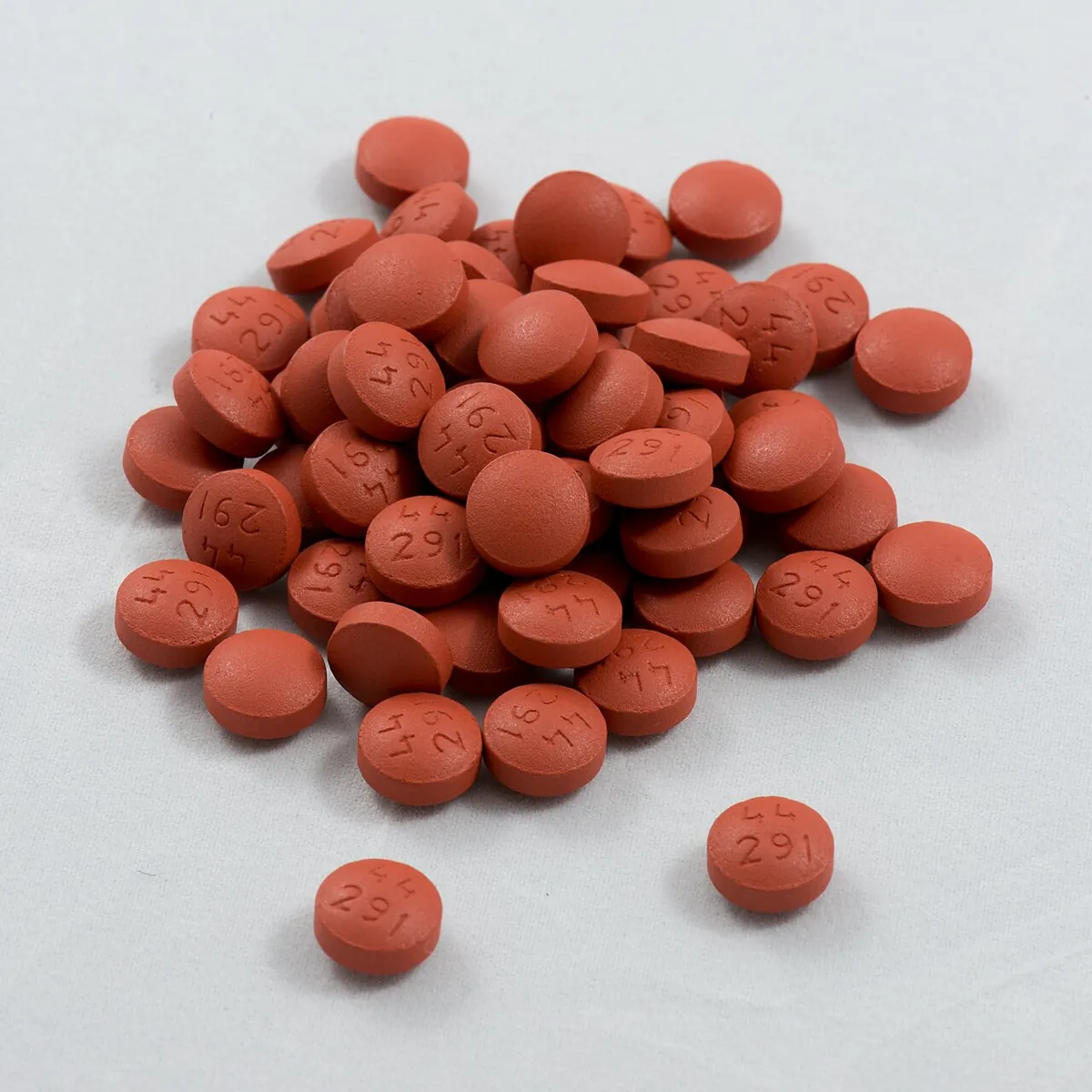
Ibuprofen is toxic to dogs at any dose an owner might give. Even one 200 mg tablet can be dangerous for a small or medium-sized dog, causing stomach ulcers, kidney failure, seizures, or death.
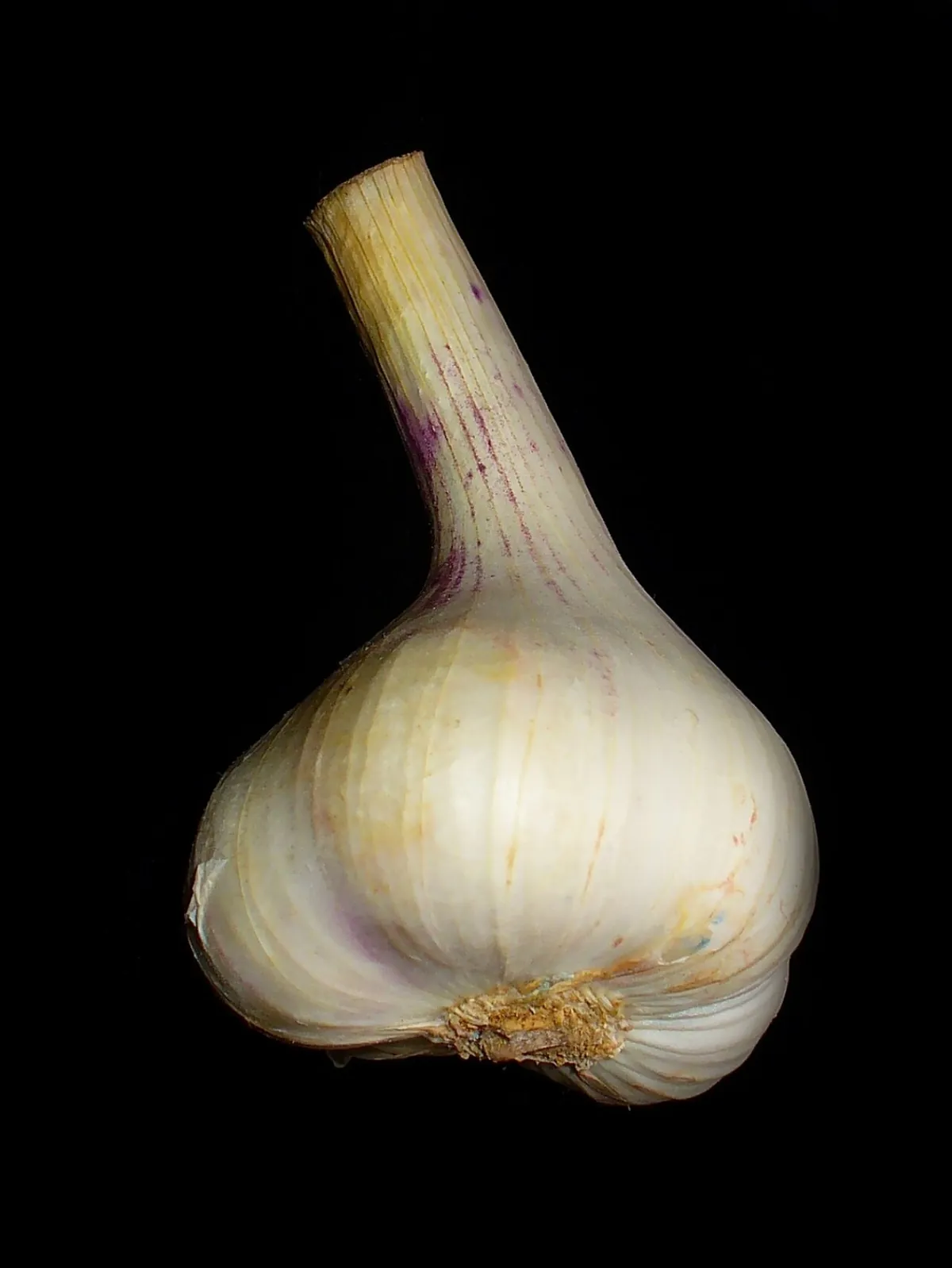
Garlic is toxic to dogs in every form, including raw, cooked, dried, and powdered. Do not feed it to your dog on purpose, and call your veterinarian if your dog eats a large amount.

Cinnamon is listed as non-toxic to dogs by the ASPCA, and a small amount of ground cinnamon is unlikely to harm a healthy dog. But more than a teaspoon of powder, cinnamon sticks, or any amount of cinnamon essential oil can cause serious illness.