Is Borax Toxic to Dogs? What Every Owner Should Know
Yes — borax is toxic to dogs.
Borax is toxic to dogs. Small amounts usually cause only vomiting and stomach upset, but larger amounts can injure the kidneys and, rarely, cause seizures. Never use borax on or around your dog on purpose.

- Item
- Borax
- Scientific name
- Sodium tetraborate (sodium borate)
- Also called
- Sodium tetraborate, Sodium borate, Borax powder
- Category
- Household
- Verdict
- Toxic
- Symptoms start
- Gastrointestinal signs most often appear within a few hours of ingestion. PetMD notes that signs of herbicide poisoning — borax is listed as an inorganic herbicide — can appear from 30 minutes to 24 hours after exposure.
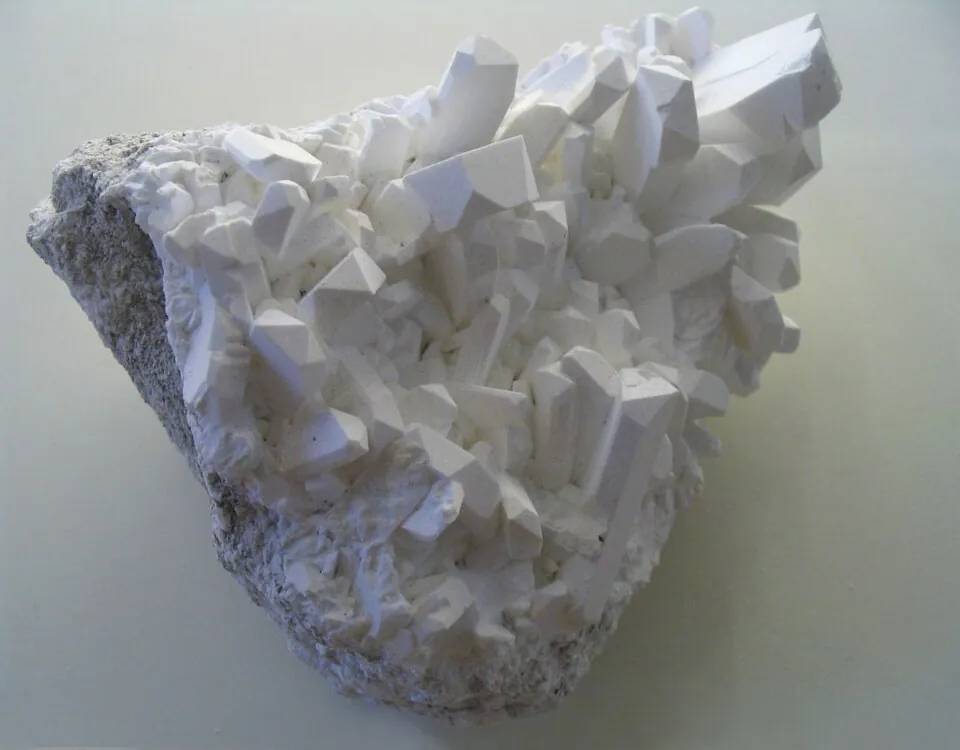
Borax is a white mineral powder found in many American homes, and it is toxic to dogs. Its chemical name is sodium tetraborate, also called sodium borate. You will find it in laundry boosters, all-purpose cleaners, ant and roach baits, and homemade slime. Natural on a label does not mean safe: borax is a natural mineral, and it can still poison a dog.
The most common outcome after a dog eats borax is vomiting and stomach upset. The risk rises with the amount eaten, and small dogs face a higher risk from the same amount. In larger amounts, borax can injure the kidneys and, rarely, cause seizures. This page explains where borax hides, what it does to dogs, and what to do if your dog eats it.
If your dog ate it — what to do now
- Call your veterinarian or ASPCA Animal Poison Control Center at (888) 426-4435 (a consultation fee may apply) right away — do not wait for symptoms.
- Tell them the product name, how much your dog may have eaten, and your dog's weight. Keep the packaging or photograph the label.
- If borax got on your dog's skin, eyes, or in its mouth, rinse the area gently with plain water, unless your veterinarian tells you otherwise.
- Follow your veterinarian's instructions. They may run blood and urine tests, give intravenous fluids and anti-nausea medication, and monitor your dog.
- Watch for repeated vomiting, diarrhea, lethargy, loss of appetite, or reduced urination, and seek emergency veterinary care if any of these appear.
Do not do this
- Do not induce vomiting unless a veterinarian tells you to.
- Do not wait to see if symptoms appear before calling for advice.
- Do not apply borax to your dog's skin or fur as a flea treatment.
- Do not give your dog milk or food to dilute the borax unless a veterinarian tells you to.
- Do not use home remedies as a substitute for veterinary care.
What makes borax toxic to dogs?
Borax is sodium tetraborate, a boron compound. Borates irritate mucous membranes, so they sting the mouth, stomach, and intestines when swallowed, and irritate the skin and eyes on contact. Veterinary reviews describe borates as toxic to cells, but the exact mechanism of their effects in the body is not fully understood.
Once swallowed, borates are absorbed through the gut and mucous membranes. The ASPCA warns that borax can cause stomach upset and irritation in pets, and that high doses can injure the kidneys. That kidney risk is why a large ingestion is treated far more seriously.
How much borax is dangerous for dogs?
There is no established safe dose of borax for dogs, and no amount should be given on purpose. Risk rises with the amount eaten and the concentration of the product. A small lick of borax slime or a nibble of low-concentration ant bait usually causes only vomiting, according to a Pet Poison Helpline veterinarian quoted by Daily Paws. A spoonful of pure borax powder carries a much higher risk.
Do not try to calculate a safe amount from your dog's weight. Published dose figures differ, and concentrations vary widely: a laundry booster is nearly pure borax, while a bait station holds only a fraction of a gram. Small dogs are at greater risk from the same amount. If your dog eats any borax, call your veterinarian with the product name, amount eaten, and your dog's weight.
What are the symptoms of borax poisoning in dogs?
Vomiting is the most common sign, and often the only sign after a small ingestion. It is usually self-limiting, meaning it stops on its own, but it can be more significant for smaller pets. Other early signs include diarrhea, drooling, loss of appetite, abdominal pain, and lethargy.
Skin or eye contact can cause redness and irritation, and breathing in borax dust can irritate the airways and cause coughing. After a large ingestion, the signs can be far more serious: kidney damage, seizures, and, rarely, death. A dog that keeps vomiting, refuses food, seems weak, or passes less urine needs emergency veterinary care.
What to do if your dog eats borax
Do not wait for symptoms to appear. Note the product name, how much your dog may have eaten, and your dog's weight, and call your veterinarian or the ASPCA Animal Poison Control Center at (888) 426-4435 (a consultation fee may apply) right away. Keep the packaging, or photograph the label, so the veterinarian can see the exact ingredients.
If borax got on your dog's skin, eyes, or in its mouth, rinse gently with plain water, unless your veterinarian tells you otherwise. Do not induce vomiting unless a veterinarian tells you to. Your veterinarian may run blood and urine tests to check kidney function, give intravenous fluids and anti-nausea medication, and monitor your dog.
Where borax is found in the home
Borax hides in more places than most owners realize. The best-known product is a laundry booster sold as a white powder in a box, but borax also appears in all-purpose cleaners, toilet bowl cleaners, laundry detergents, and some hand soaps. It is the active ingredient in many ant and roach baits, and a common ingredient in homemade slime and carpet powders sold for fleas.
Store every borax product in a sealed container on a high shelf, and never transfer it into a food jar or unmarked container. Keep your dog out of the room while you use borax powder, and clean up spills completely before letting your dog back in. Never sprinkle borax on carpets, bedding, or furniture where your dog walks or lies, and never apply it directly to your dog as a flea treatment.
Borax vs boric acid: what is the difference?
Borax and boric acid are often confused, but they are not the same chemical. Borax is sodium tetraborate, a mineral salt. Boric acid is a related boron compound made from borax, and the active ingredient in many ant and roach baits. Both are borates, and both can harm dogs if eaten in large amounts.
The distinction matters most when you read a label. A product that says boric acid is not borax-free in the safety sense: it carries similar risks, including vomiting, diarrhea, and kidney injury after large ingestions. Treat any product listing borax, sodium tetraborate, sodium borate, or boric acid as one to keep from your dog.
Safe alternatives to borax
You do not need borax to keep a clean home with a dog. Borax-free cleaners and laundry detergents are widely available, and plain soap and water handle most everyday cleaning.
For fleas, use a veterinarian-recommended treatment rather than borax powder on carpets or fur. For ants, seal entry points, clean up food and crumbs, and use enclosed bait stations where your dog cannot reach them, or ask a professional pest control service for pet-safe options. For slime, choose a borax-free cornstarch-and-water recipe.
Symptoms to watch for
- Vomiting
- Diarrhea
- Drooling
- Loss of appetite
- Abdominal pain
- Lethargy
- Excessive thirst
- Skin irritation and redness
- Eye irritation
- Coughing or breathing difficulty (inhaled dust)
- Reduced urination
- Kidney damage (large ingestions)
- Seizures (rare, large ingestions)
- Collapse (rare, large ingestions)
Vomiting is usually the first sign, often within a few hours; severe signs such as kidney damage follow larger ingestions.
Safe alternatives
- Borax-free all-purpose cleaner — A pet-safe cleaner that avoids borax entirely.
- Veterinarian-recommended flea treatment — A proven, vet-approved flea product, unlike borax powder on carpets or fur.
- Borax-free slime recipe — Slime made with cornstarch and water, or a borax-free kit.
- Sealed bait stations placed out of reach — An enclosed station behind appliances or inside cabinets keeps bait away from your dog.
What about cats? Borax is toxic to cats as well as dogs, and the same precautions apply. Because cats are usually smaller, even a small amount can matter more for them. Never use borax on a cat, in a cat's litter area, or on surfaces a cat walks and grooms from.
Frequently asked questions
Is borax toxic to dogs?
Yes. Borax is toxic to dogs. Small amounts usually cause only vomiting and stomach upset, but larger amounts can injure the kidneys and, rarely, cause seizures. Never use borax on your dog or let your dog eat it.
How much borax is toxic to a dog?
There is no established safe dose of borax for dogs. A small lick of slime or bait usually causes only vomiting, while larger amounts carry a higher risk of kidney injury. Published dose figures differ, so do not try to work out a safe amount from your dog's weight. Call your veterinarian with the product name, the amount eaten, and your dog's weight.
My dog licked slime made with borax — is that dangerous?
A small taste of borax slime is usually low risk. A Pet Poison Helpline veterinarian quoted by Daily Paws says self-limiting vomiting may occur, and that this can be more significant for smaller pets. Watch your dog closely, and call your veterinarian if vomiting continues or your dog seems lethargic or unwell. Consider using a borax-free slime recipe in future.
Is borax the same as boric acid?
No, they are related but not identical. Borax is sodium tetraborate, a mineral salt, while boric acid is a related boron compound made from borax. Both can harm dogs if eaten in large amounts. Boric acid is the active ingredient in many ant and roach baits. Always check the active ingredient on the product label rather than assuming one is safe because the other is labeled differently.
Sources
- ASPCA — Homemade Slime: It's Squishy, It's Stretchy, It's…Toxic?
- PetMD — What Is Herbicide Poisoning in Dogs?
- Daily Paws — Is Borax Toxic to Dogs and Cats?
- PubMed (Veterinary Clinics of North America) — Toxicology of selected pesticides, drugs, and chemicals. Boric acid
Related guides
Garlic is toxic to dogs in every form, including raw, cooked, dried, and powdered. Do not feed it to your dog on purpose, and call your veterinarian if your dog eats a large amount.

Lilies can poison dogs, usually causing vomiting, diarrhea, and drooling. True lilies are far more dangerous to cats, where they can cause fatal kidney failure. If your dog eats any lily, call your vet.

Tulips are toxic to dogs. Every part of the plant contains tulipalin A and B, but the bulb holds the highest concentration, so a dog that digs up and eats bulbs faces the greatest risk.

Sweet almonds are not acutely toxic to dogs, but they can choke a dog, block the gut, and trigger pancreatitis. Do not feed almonds to your dog on purpose.