Is it toxic to dogs?
Clear, vet-sourced answers about foods, plants, and household items — and what to do if your dog eats one.
Browse by category
Most searched right now
All guides →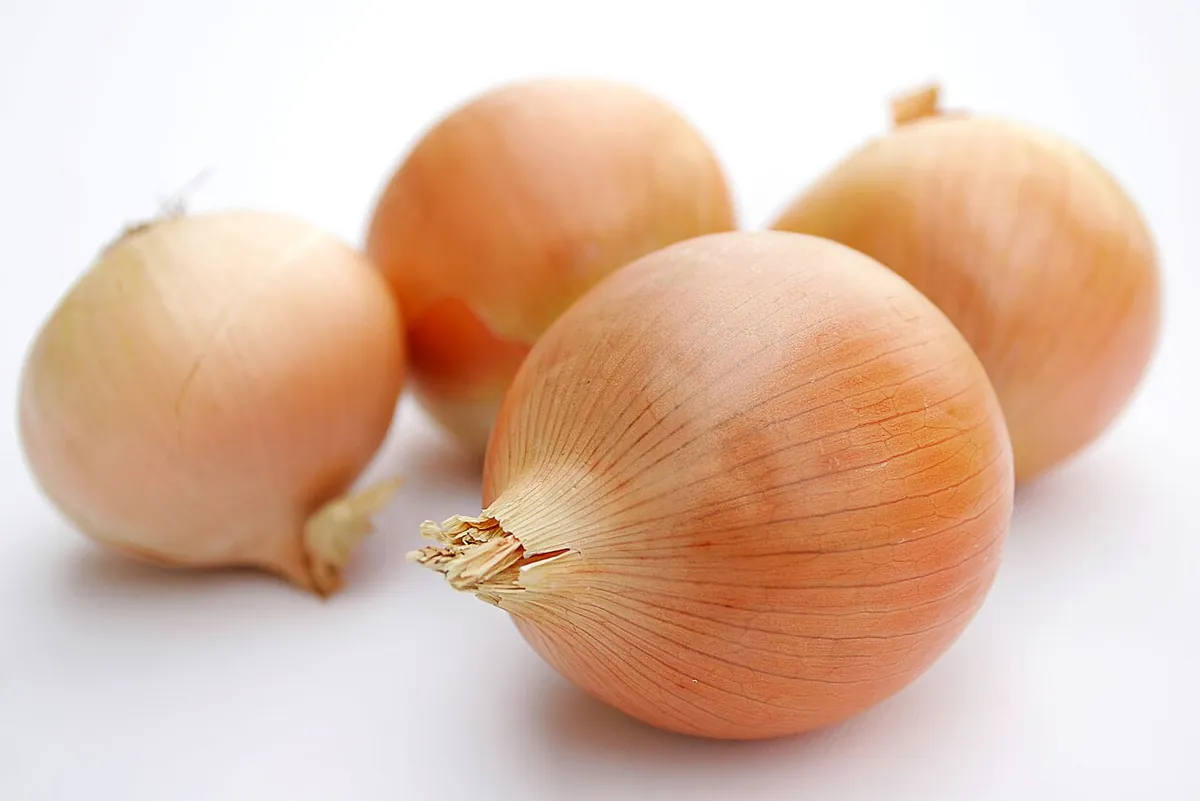
Onion is toxic to dogs in every form, including raw, cooked, dried, and powdered. Clinical signs have been reported at 15 to 30 grams of raw onion per kilogram of body weight, and ingestions above 0.5% of body weight (5 g/kg) warrant decontamination. There is no safe amount to feed on purpose, and anemia is often delayed by 3 to 5 days, so call your veterinarian about any amount.

Tulips are toxic to dogs. Every part of the plant contains tulipalin A and B, but the bulb holds the highest concentration, so a dog that digs up and eats bulbs faces the greatest risk.

Lilies can poison dogs, usually causing vomiting, diarrhea, and drooling. True lilies are far more dangerous to cats, where they can cause fatal kidney failure. If your dog eats any lily, call your vet.
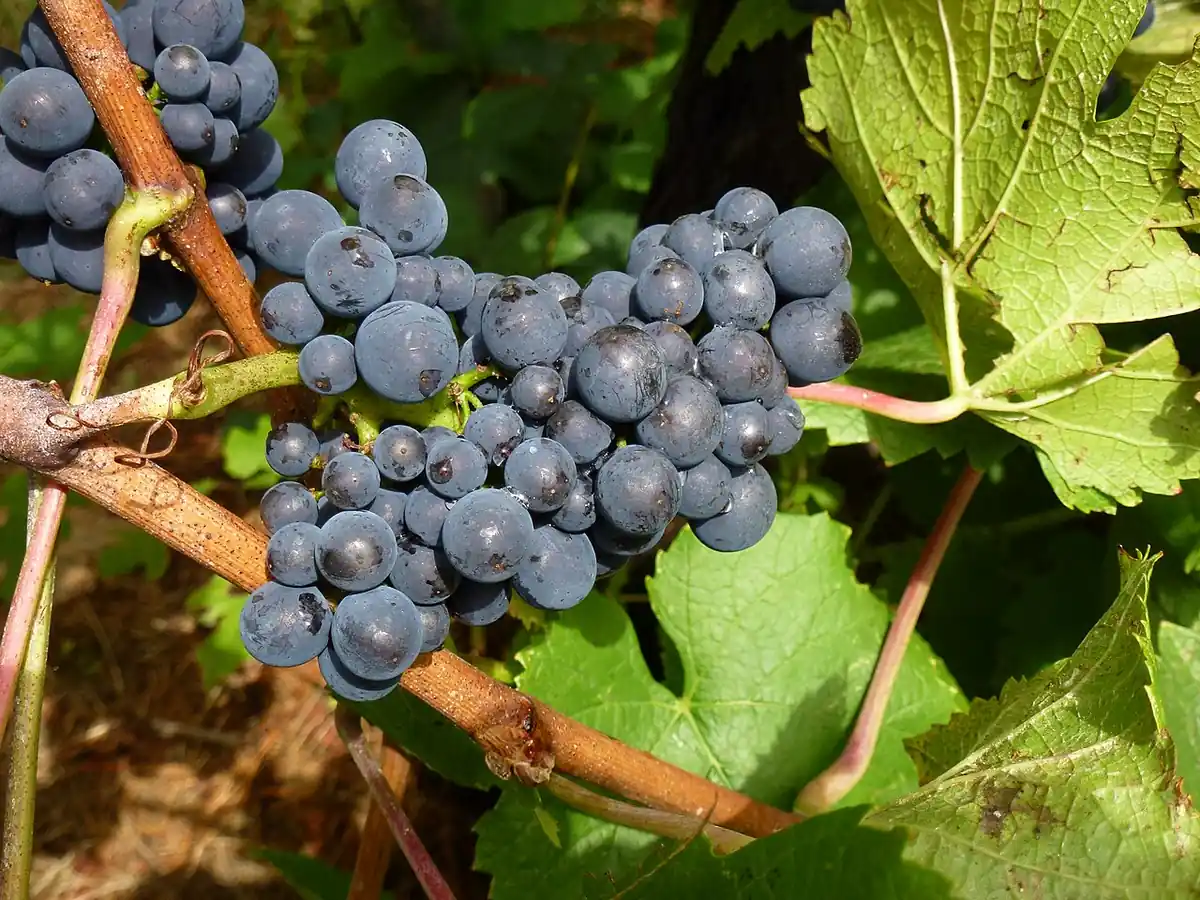
Grapes, raisins, currants, and sultanas are toxic to dogs and can cause sudden kidney failure. There is no established safe dose — even small amounts have caused illness in some dogs — and the exact toxin is still not firmly identified, though tartaric acid is the leading proposed cause. Treat any ingestion as an emergency and call your veterinarian right away.
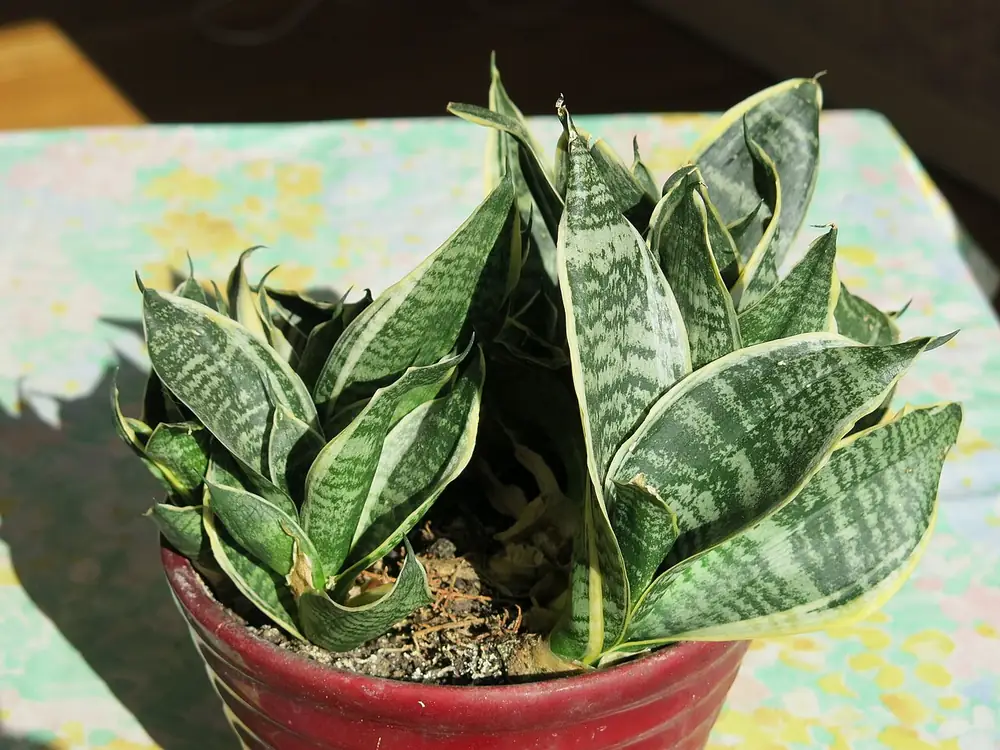
Snake plants are toxic to dogs. They contain saponins, which irritate the mouth and stomach and usually cause nausea, vomiting, and diarrhea.

Chocolate is toxic to dogs because of theobromine and caffeine. How dangerous it is depends on the type of chocolate, the amount eaten, and the dog's weight — dark chocolate, baking chocolate, and cocoa powder are dangerous in much smaller amounts than milk chocolate. Call your vet right away if your dog eats chocolate.
Free tools
Open the checker →Type any item for an instant verdict — safe, toxic, or caution.
Your dog's weight + chocolate type + amount = risk level in mg/kg.
How much onion or garlic is dangerous for your dog's weight?
How we research
Editorial policy →Every guide starts with the same sources — ASPCA Animal Poison Control, the Merck Veterinary Manual, PetMD, and VCA Animal Hospitals — and links to them at the bottom of the page. If a dose is not established, we say so instead of guessing. We never invent a veterinarian reviewer, and we never copy text or photos from other sites.