Are Grapes Toxic to Dogs? What Every Owner Should Know
Yes — grapes are toxic to dogs.
Grapes, raisins, currants, and sultanas are toxic to dogs and can cause sudden kidney failure. There is no established safe dose — even small amounts have caused illness in some dogs — and the exact toxin is still not firmly identified, though tartaric acid is the leading proposed cause. Treat any ingestion as an emergency and call your veterinarian right away.
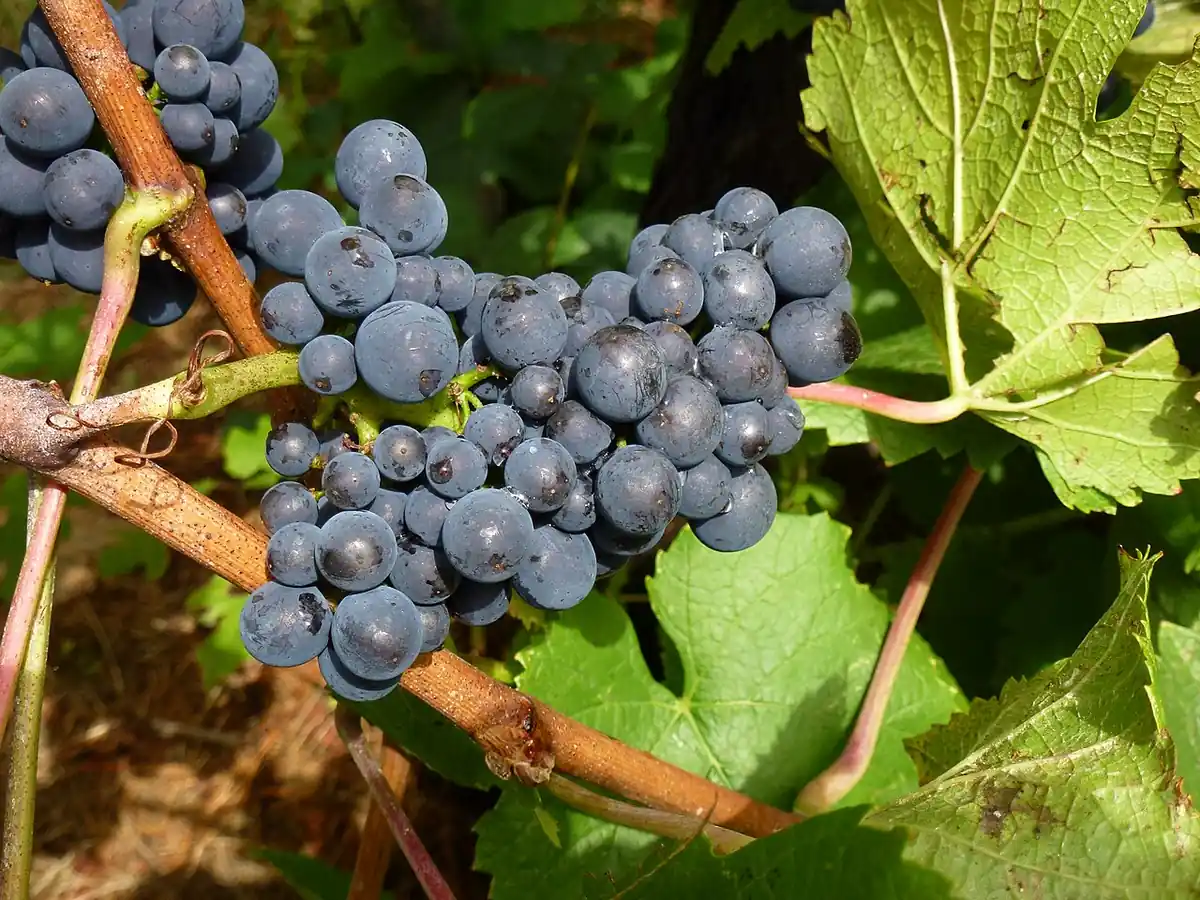

- Item
- Grapes
- Scientific name
- Vitis vinifera
- Also called
- Grapes, Raisins, Currants, Sultanas
- Category
- Foods
- Verdict
- Toxic
- Symptoms start
- Vomiting or diarrhea usually begins within 6 to 12 hours; signs of kidney injury typically appear within 24 to 72 hours.
Grapes look like a healthy snack, and for people they are. For dogs, they are one of the most dangerous foods in the kitchen. Grapes of every color — red, green, purple, and white — can cause sudden kidney failure in dogs, and so can raisins, sultanas, and Zante currants, which are all made from grapes.
What makes grapes especially frightening is how unpredictable they are. Some dogs eat a handful and stay perfectly well, while others develop kidney failure after just a few grapes. There is no way to tell in advance which kind your dog is, so veterinarians treat every grape ingestion as an emergency.
If your dog ate it — what to do now
- Call your veterinarian or ASPCA Animal Poison Control Center at (888) 426-4435 (a consultation fee may apply) right away — do not wait for symptoms.
- Tell them how many grapes or raisins your dog ate and when it happened, along with your dog's weight.
- If your dog ate grapes recently, seek veterinary care immediately, even if your dog looks fine, because kidney damage can develop over 24 to 72 hours.
- Follow your veterinarian's instructions. They may induce vomiting, give activated charcoal, start intravenous fluids to protect the kidneys, and run blood tests over the next 48 to 72 hours.
- Watch your dog closely for vomiting, diarrhea, lethargy, loss of appetite, excessive thirst, or little or no urination, and report any of these signs to your veterinarian promptly.
Do not do this
- Do not induce vomiting unless a veterinarian tells you to.
- Do not wait to see if symptoms appear before calling for advice — kidney damage can be underway while your dog still looks normal.
- Do not assume one grape is harmless, and do not feed grapes, raisins, or currants in any form.
- Do not use home remedies as a substitute for veterinary care.
What makes grapes toxic to dogs?
For more than twenty years, veterinarians knew grapes could shut down a dog's kidneys but did not know why. The breakthrough came when toxicologists at the ASPCA Animal Poison Control Center noticed that dogs developed the same kidney injury after eating cream of tartar or tamarinds. The common ingredient was tartaric acid, which the ASPCA now names as the likely toxic component in grapes and raisins.
Tartaric acid is an organic acid that grapes contain in widely varying amounts — the ASPCA reports anywhere from 0.35% to 2% — which helps explain why the effects are so inconsistent. Dogs have a limited ability to clear this kind of acid, so it can build up in the cells that line the kidney tubules and damage them. The Merck Veterinary Manual still calls tartaric acid one proposed toxic principle, not a proven one, so the exact cause is not yet firmly settled.
The toxin is in both the flesh and the skin of the grape, so peeled grapes are just as dangerous as whole ones. Raisins are more dangerous than fresh grapes because the toxin is more concentrated once the fruit is dried. Seedless, seeded, organic, homegrown, red, or green — every variety of grape and raisin carries the risk.
How many grapes are toxic to a dog?
There is no established safe dose of grapes or raisins for dogs, and no amount should be fed on purpose. The Merck Veterinary Manual notes that more than one grape or raisin per 4.5 kilograms (10 pounds) of body weight may contain enough tartaric acid to pose a risk to the kidneys — for a 20-pound dog, that is more than two grapes. But this is a warning level, not a safe limit: some dogs have developed kidney failure after eating less, and others have eaten far more without getting sick.
Because tartaric acid content varies so much from grape to grape, no calculator can tell you whether your dog will be fine. A single grape has caused serious illness in some dogs, and the ASPCA Animal Poison Control Center receives thousands of calls about grape and raisin ingestion every year. Treat any amount — even one grape — as a reason to call your veterinarian.
Raisins deserve extra caution. Because they are dried, the toxin is concentrated, and because they are small and sweet, a dog can swallow a dangerous quantity very quickly. A small box of raisins, a handful of trail mix, or a slice of raisin bread can be a genuine emergency.
What are the symptoms of grape poisoning in dogs?
Symptoms come in two stages. The most common early sign is vomiting or diarrhea, usually within 6 to 12 hours of eating grapes, according to the Merck Veterinary Manual. Loss of appetite, lethargy, and abdominal pain often follow. These early signs can look like an ordinary upset stomach, which is one reason grape poisoning is so easy to underestimate.
More severe signs appear as the kidneys begin to fail, usually 24 to 72 hours after ingestion. Watch for excessive thirst and urination at first, then little or no urination, dehydration, weakness, trembling, and breath that smells like ammonia. Once the kidneys stop producing urine, the prognosis is poor — which is why early treatment matters so much.
What to do if your dog eats grapes
Do not wait for symptoms to appear. Kidney damage can already be underway while a dog still looks and acts normal, and treatment works best before the kidneys are injured. Note how many grapes or raisins your dog ate and when it happened, then call for advice right away.
Your veterinarian may induce vomiting if the grapes were eaten recently, give activated charcoal to bind remaining toxins, and start intravenous fluids to protect the kidneys. Blood tests to check kidney values are usually repeated over the next 48 to 72 hours. Dogs treated promptly, before symptoms develop, generally have a good prognosis.
How to keep your dog safe from grapes
The simplest rule is to keep grapes, raisins, and currants out of your dog's reach entirely. Store fruit bowls, lunchboxes, and snack bags where your dog cannot reach them, and keep raisins and trail mix in sealed containers. Remember that dogs can knock items off counters and open low cabinets, and that grapes roll — a single grape dropped on the floor is easy to miss.
Keep trash and compost bins closed, and remove grape vines from areas your dog can reach. Around the holidays, watch for raisin bread, fruitcake, mince pies, and chocolates with raisins, and make sure treats left under a tree or on a low table are out of reach. Tell everyone in the household, including children and visitors, that grapes are toxic to dogs.
Foods and products that often contain grapes or raisins
Grapes and raisins hide in many foods, so check labels and recipes before sharing anything with your dog. Trail mix, granola bars, cereal, oatmeal cookies, raisin bread, fruitcake, mince pies, and some jams and chutneys all commonly contain raisins or currants. Stuffing and rice dishes sometimes include them too.
Grape pressings from wineries have also caused poisoning, according to VCA Hospitals. Grape juice, wine, jellies made from grape juice concentrate, grape seed extract, and grape vine leaves have not been linked to this poisoning — but none of these are suitable for dogs either, so do not offer them. Tamarind and homemade playdough made with cream of tartar carry the same tartaric acid risk, so keep those away from your dog too. When in doubt about a dish, do not share it.
Safe alternatives to grapes
If you want to give your dog fruit, choose options that are safe in small amounts. Blueberries, apple slices without seeds or core, banana slices, and watermelon without seeds or rind are all commonly given as dog treats. Wash fruit before serving it, cut it into small pieces, and introduce any new food in small amounts.
Keep treats to less than 10% of your dog's daily calories, and check with your veterinarian first if your dog has a health condition or is on a prescription diet. A dog that gets blueberries instead of grapes loses nothing — and you lose the worry.
Symptoms to watch for
- Vomiting
- Diarrhea
- Loss of appetite
- Lethargy
- Weakness
- Abdominal pain
- Excessive thirst
- Increased urination
- Dehydration
- Uremic (ammonia-smelling) breath
- Little or no urine
- Trembling
- Collapse
Vomiting or diarrhea usually begins within 6 to 12 hours; signs of kidney injury typically appear within 24 to 72 hours.
Safe alternatives
- Blueberries — Small, soft, and commonly given as a dog treat in small amounts.
- Apple slices (no seeds or core) — Crisp apple slices are a popular dog-safe fruit, as long as seeds and core are removed.
- Banana slices — A small piece of banana is a sweet, dog-safe fruit treat.
- Seedless watermelon (no rind) — Seedless watermelon flesh is a hydrating, dog-safe fruit in small amounts.
What about cats? There are anecdotal reports of kidney injury in cats after eating grapes or raisins, but no published case reports in cats, according to the Merck Veterinary Manual. VCA Hospitals recommends avoiding grapes, raisins, and currants for cats as a precaution. Keep grapes away from cats in the household too.
Frequently asked questions
Are grapes toxic to dogs?
Yes. Grapes of every color — red, green, purple, and white — are toxic to dogs, and so are raisins, sultanas, and Zante currants. They can cause sudden kidney failure, and there is no established safe dose. Never feed grapes to your dog on purpose.
How many grapes are toxic to a dog?
There is no established safe dose. The Merck Veterinary Manual notes that more than one grape or raisin per 4.5 kilograms (10 pounds) of body weight may contain enough tartaric acid to pose a risk to the kidneys — for a 20-pound dog, that is more than two grapes. But this is a warning level, not a safe limit: some dogs have developed kidney failure after eating less, and others have eaten far more without getting sick. Treat any amount as a reason to call your veterinarian.
Are raisins and currants toxic to dogs too?
Yes. Raisins are dried grapes, so they carry the same risk — and they are more dangerous because the toxin is more concentrated once the fruit is dried. Sultanas are also dried grapes. Zante currants are tiny dried grapes and count as toxic too. True currants from the Ribes genus (the currant bush) have not been linked to kidney injury, according to Merck, but they are easy to confuse with Zante currants, so it is safest to keep all currants away from your dog.
My dog ate one grape and seems fine — what should I do?
Call your veterinarian or ASPCA Animal Poison Control at (888) 426-4435 right away, even if your dog seems perfectly fine. Kidney damage can already be underway while a dog still looks normal, and treatment works best before the kidneys are injured. Do not wait for vomiting or other symptoms to appear.
Sources
- Merck Veterinary Manual — Grape, Raisin, and Tamarind (Vitis spp, Tamarindus spp) Toxicosis in Dogs
- PetMD — Can Dogs Eat Grapes?
- ASPCA Animal Poison Control Center — Toxic Component in Grapes and Raisins Identified
- ASPCA Poison Control — People Foods to Avoid Feeding Your Pets
Related guides
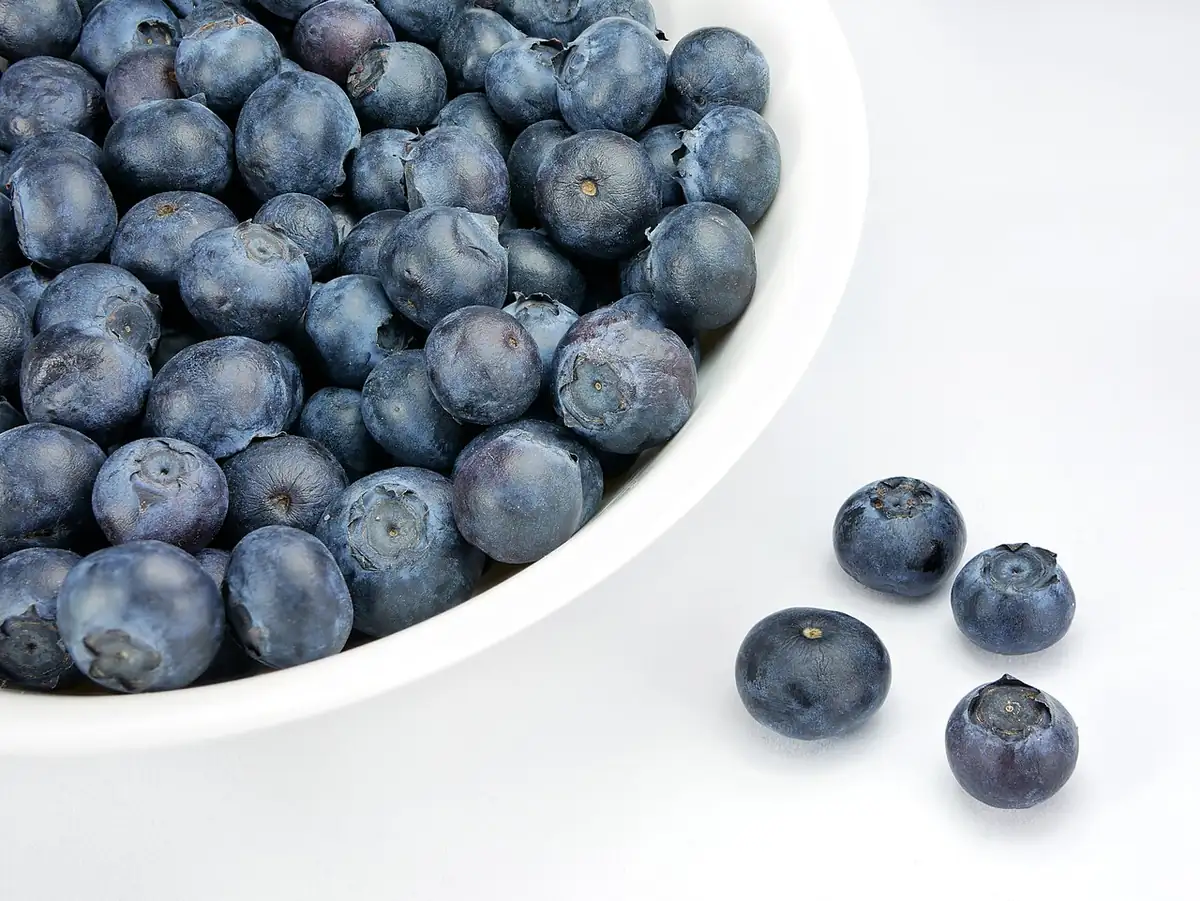
Blueberries are safe for most dogs when served plain and in moderation. They are rich in antioxidants, fiber, vitamins, and minerals. Avoid canned, sweetened, or syrup-packed blueberries, and keep portions small.
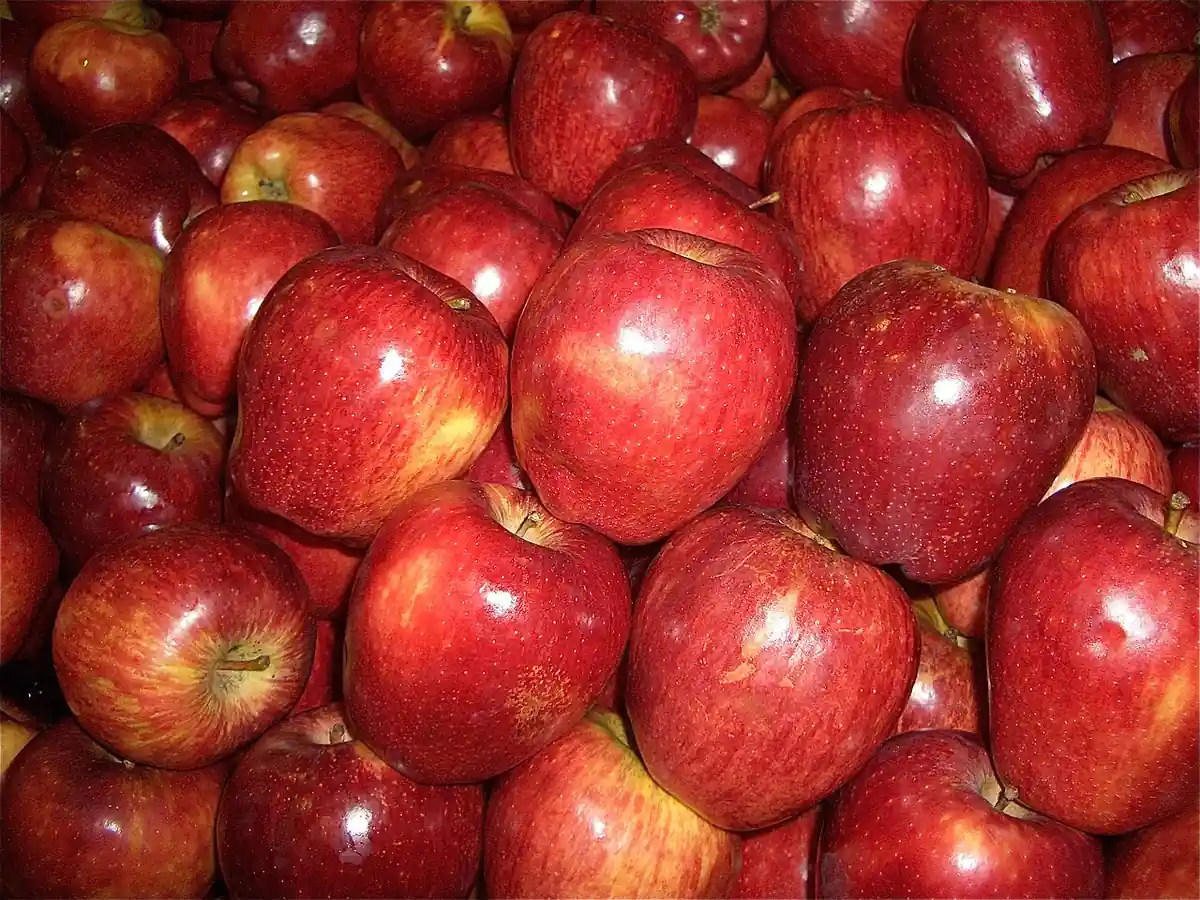
Apple flesh and skin are safe for dogs in moderation. The seeds contain amygdalin, which can release cyanide when chewed, and the core is a choking and blockage hazard — always remove both.
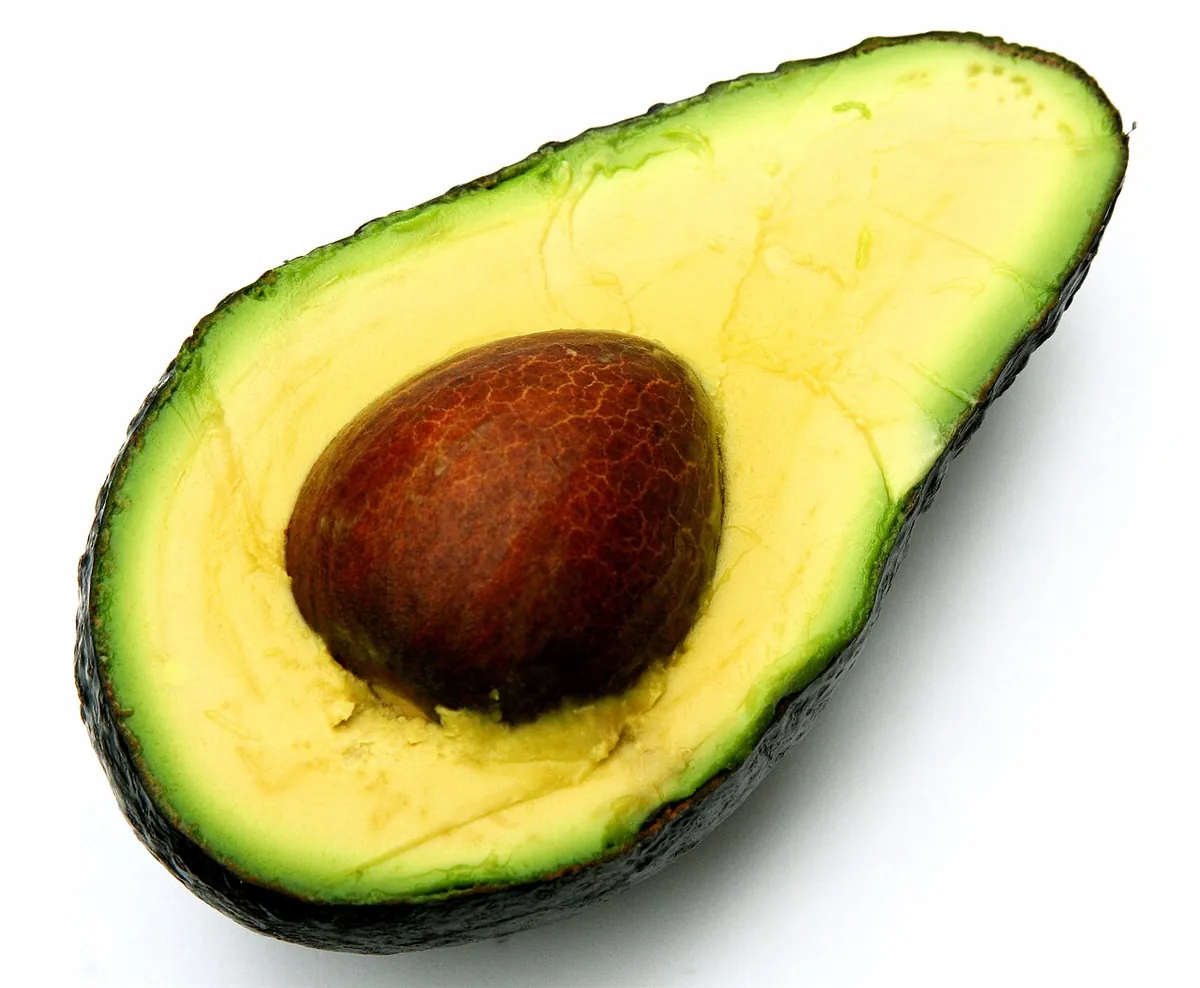
A small amount of plain avocado flesh is unlikely to poison a healthy dog, but the pit can choke or block the gut, the skin and leaves carry more persin, and the high fat can trigger pancreatitis. Best not to feed it on purpose — and call your vet if your dog swallows a pit or eats a lot.
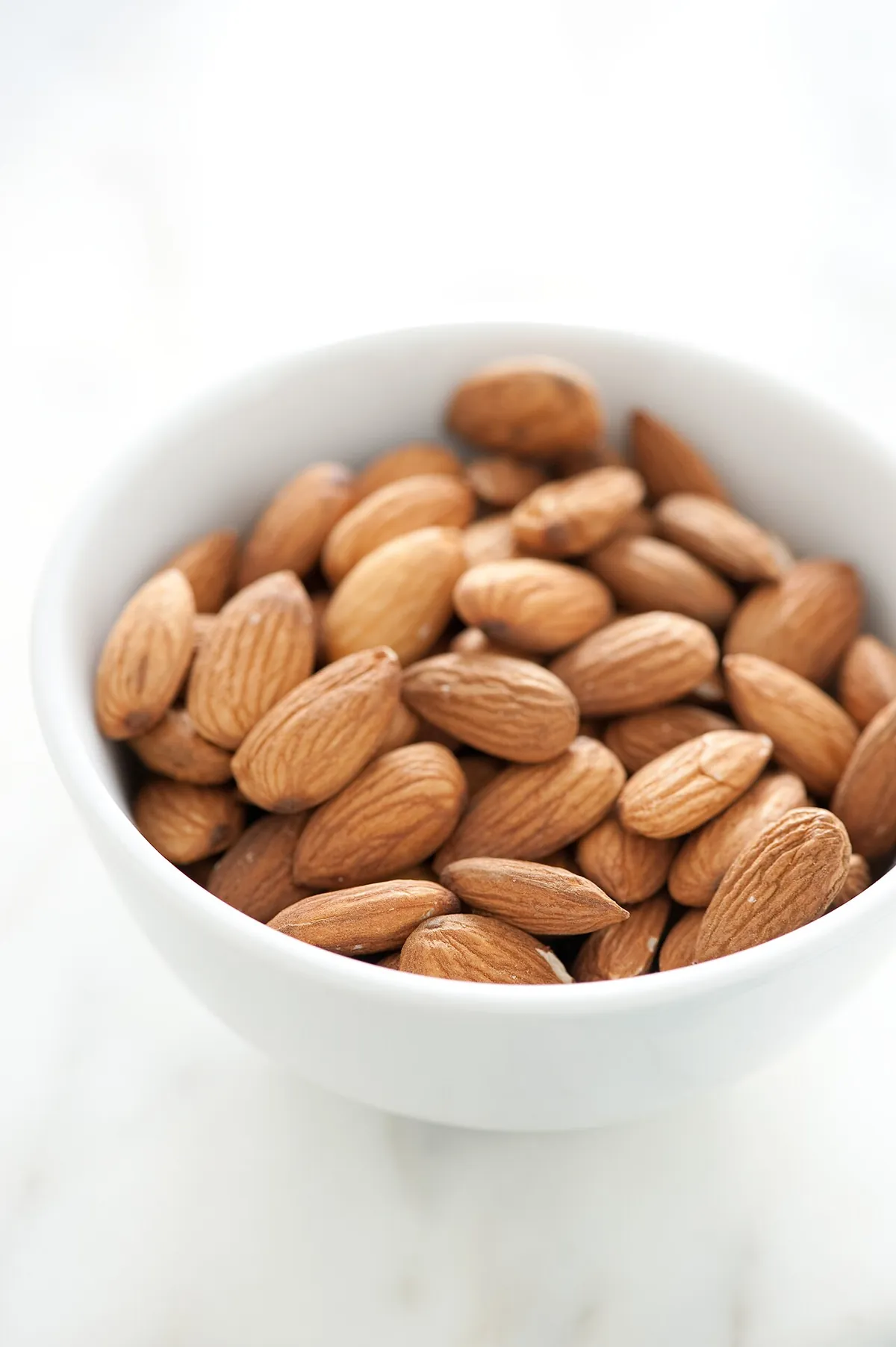
Sweet almonds are not acutely toxic to dogs, but they can choke a dog, block the gut, and trigger pancreatitis. Do not feed almonds to your dog on purpose.