Is Avocado Toxic to Dogs? What Every Owner Should Know
Not quite — avocado is a caution food, not a poison, for dogs.
A small amount of plain avocado flesh is unlikely to poison a healthy dog, but the pit can choke or block the gut, the skin and leaves carry more persin, and the high fat can trigger pancreatitis. Best not to feed it on purpose — and call your vet if your dog swallows a pit or eats a lot.
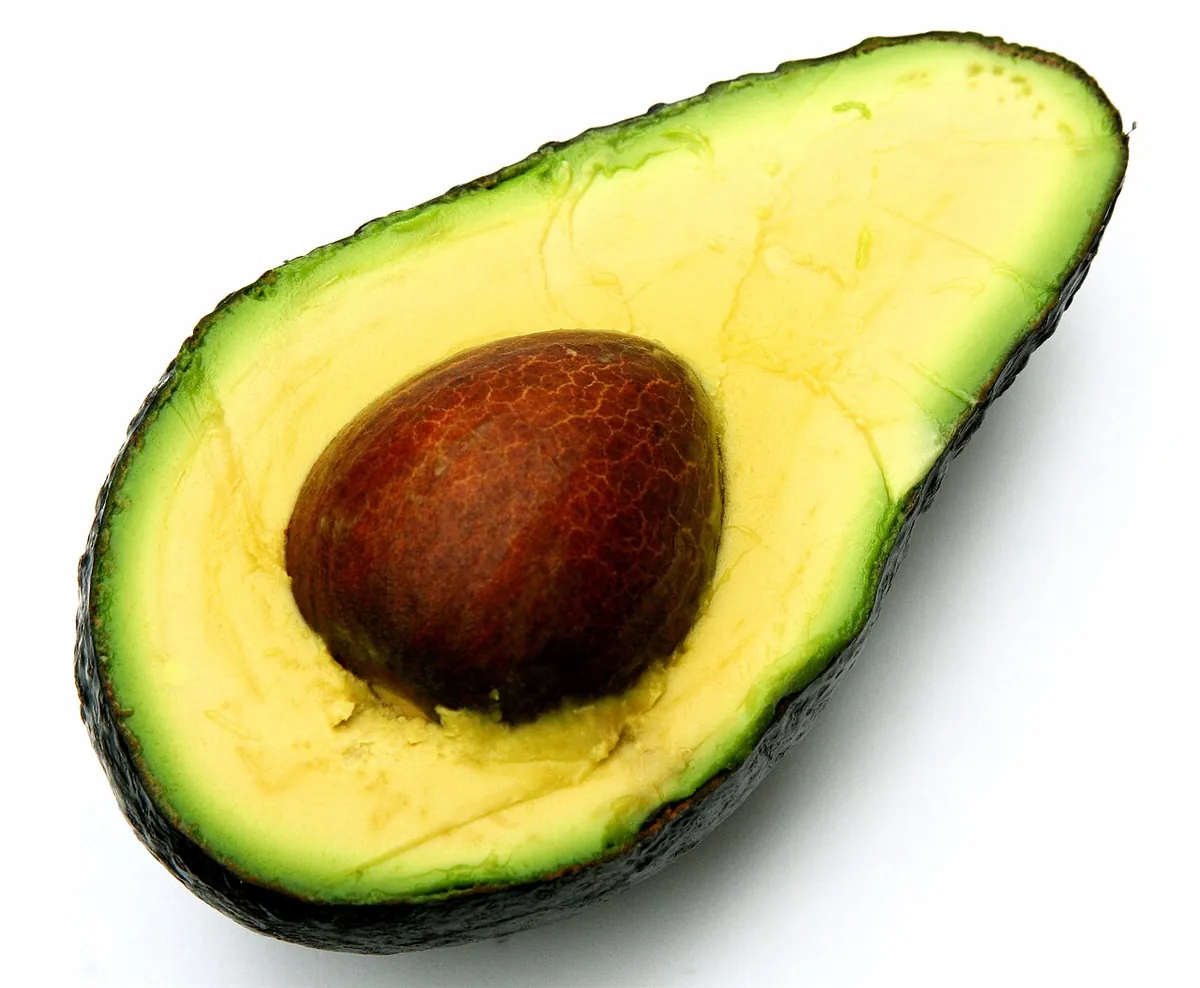

- Item
- Avocado
- Scientific name
- Persea americana
- Also called
- Avocado, Alligator pear, Hass avocado
- Category
- Foods
- Verdict
- Caution
- Symptoms start
- Stomach upset often appears within a few hours; PetMD advises watching your dog for 24–48 hours after a large amount.
Is avocado toxic to dogs? The honest answer is: not exactly, but treat it with caution. A small amount of plain, ripe avocado flesh is unlikely to poison a healthy dog. PetMD says the flesh is not toxic to dogs, and Pet Poison Helpline considers avocado non-toxic to dogs and cats.
The caution comes from everything around the flesh. The pit can choke a dog or block the gut, the skin and leaves carry far more of the toxin persin, and the flesh is so high in fat that it can upset the stomach or trigger pancreatitis. This page separates the parts, so you know what is a minor worry and what is an emergency.
If your dog ate it — what to do now
- Work out which part your dog ate — flesh, pit, skin, leaves, or guacamole — and how much.
- If it was a small piece of plain flesh, watch your dog for 24 to 48 hours for vomiting, diarrhea, or belly discomfort.
- If your dog ate the pit, the skin, or the leaves, or a large amount of flesh, call your veterinarian or the ASPCA Animal Poison Control Center at (888) 426-4435 right away (a consultation fee may apply).
- If your dog is choking, gagging, or struggling to breathe, go to a veterinary emergency clinic immediately.
- If your dog ate guacamole, tell your vet — the onion and garlic in it matter more than the avocado itself.
Do not do this
- Do not induce vomiting unless a veterinarian tells you to — a pit can injure the throat on the way back up.
- Do not give your dog guacamole, avocado skin, leaves, or the pit.
- Do not wait for a swallowed pit to pass on its own.
- Do not assume a small piece of flesh is harmless for a dog that is overweight or has had pancreatitis — skip avocado for those dogs.
What makes avocado risky for dogs?
The compound everyone worries about is persin, a natural fungicidal toxin the avocado plant makes to protect itself. Persin is found throughout the plant — in the leaves, bark, skin, pit, and flesh — but it is not spread evenly. The leaves carry the highest concentration, the skin and pit carry more than the flesh, and the ripe flesh carries the least.
Persin is genuinely dangerous to many animals. The ASPCA notes that birds, horses, and rodents are especially sensitive, and in birds persin can damage the heart and kill. Dogs are different: the Merck Veterinary Manual notes a single case report of two dogs with heart muscle damage after eating a large amount of avocado, but says dogs seem relatively resistant.
So for dogs, persin is usually not the main event. The ASPCA says it can cause vomiting and diarrhea, but a dog would have to eat a lot of leaves, bark, or peel to feel much of it. The risks that actually send dogs to the vet are the pit and the fat.
How much avocado is dangerous for a dog?
There is no established toxic dose of persin for dogs. PetMD's guidance is practical: if you share avocado at all, limit it to no more than 1 teaspoon of plain flesh per 10 pounds of your dog's weight, occasionally. That is a portion suggestion, not a safety threshold, and it applies only to plain flesh.
A larger amount of flesh raises the risk of stomach upset and, in a susceptible dog, pancreatitis. PetMD warns that some dogs can develop pancreatitis even from a small amount of pulp, and that it can be fatal. Overweight dogs, and dogs that have had pancreatitis, should not get avocado at all.
The pit is the exception to every portion rule. One swallowed pit is enough to cause a choking episode or an intestinal blockage, whatever the size of the dog. If your dog swallows a pit, the amount of flesh eaten no longer matters — call your vet immediately.
Symptoms of avocado trouble in dogs
After eating avocado flesh, the most common signs are digestive: vomiting, diarrhea, loss of appetite, and abdominal discomfort. PetMD advises watching your dog for 24 to 48 hours after a large amount. Most dogs that eat a small piece of flesh show no signs at all.
Pancreatitis looks more serious. It often starts with mild vomiting that gets worse, along with belly pain — your dog may hunch or refuse to lie down comfortably — lethargy, and a loss of appetite. Repeated vomiting after a fatty meal is a reason to call the vet the same day.
A swallowed pit causes a different set of signs: gagging, repeated vomiting, straining without producing stool, and a painful or swollen belly. A blockage can take hours to develop, so a dog that swallowed a pit can look fine at first and get worse later. Do not wait for the pit to pass on its own.
What to do if your dog eats avocado
What you do depends on which part your dog ate. If it was a small piece of plain flesh, stay calm and watch your dog for 24 to 48 hours for vomiting, diarrhea, or belly discomfort. Offer fresh water and feed normally. Most dogs in this situation will be fine.
If your dog ate the pit, the skin, or the leaves, or a large amount of flesh, call your veterinarian or the ASPCA Animal Poison Control Center at (888) 426-4435 right away (a consultation fee may apply). Tell them which part was eaten, how much, and when. Do not try to make your dog vomit unless a vet tells you to — a pit can injure the throat on the way back up.
If your dog is choking, gagging, or struggling to breathe, or ate guacamole, treat it as an emergency and go to a veterinary emergency clinic. Guacamole usually contains onion and garlic, which are toxic to dogs.
How to keep your dog safe from avocado
The simplest rule is not to feed avocado to your dog on purpose. It offers nothing a dog cannot get from safer foods, and the risks outweigh the benefits. If you enjoy avocado yourself, eat it where your dog cannot grab a dropped piece, and never leave a half-eaten avocado on a low table.
The pit deserves special care because it is almost the perfect size and shape to be swallowed: large, smooth, and slippery. Throw pits and skins straight into a closed bin or an outdoor trash can, not an open kitchen bin or a compost pile your dog can reach.
If you grow an avocado tree, keep your dog away from fallen fruit and leaves and pick them up promptly — the leaves carry the highest persin concentration. And if you keep pet birds, keep avocado completely away from them: persin can be fatal to birds.
Safe alternatives to avocado
Dogs do not need avocado, and several safer foods give them the same kind of treat without the risks. Blueberries are low in fat, rich in antioxidants, and easy to portion — a small handful is plenty. Serve them plain and fresh.
Green beans are another good swap: low in calories and fat, with a satisfying crunch. Serve them plain, cooked or raw, with no salt, butter, or seasoning. Carrots work the same way and are easy to cut into pieces for a small dog.
How to tell which part of the avocado your dog ate
Because the risk depends on the part, it helps to know what your dog actually swallowed. The flesh is the soft, pale green pulp you scoop out with a spoon. The pit is the large, hard, round seed in the middle, about the size of a golf ball. The skin is the tough peel, and the leaves are the glossy green leaves of the tree.
If you find a chewed avocado on the floor, look at what is missing. A missing pit is an emergency, even if your dog seems fine. Missing skin or leaves means a call to your vet. A few missing spoonfuls of flesh is the least worrying scenario, and monitoring for a day or two is usually enough.
Guacamole is a separate case. It is mashed avocado mixed with other ingredients, most often onion, garlic, salt, and lime or chili. If your dog ate guacamole, tell your vet — the onion and garlic matter more than the avocado.
Symptoms to watch for
- Vomiting
- Diarrhea
- Abdominal discomfort
- Loss of appetite
- Lethargy
- Repeated vomiting with no stools (possible blockage)
- Hunched posture or belly pain (possible pancreatitis)
- Gagging or choking (swallowed pit)
Stomach upset often appears within a few hours; PetMD advises watching your dog for 24 to 48 hours after a large amount, and a swallowed pit can take longer to cause a blockage.
Safe alternatives
- Blueberries — Low in fat and rich in antioxidants; serve plain and fresh, in small amounts.
- Green beans — Low in calories and fat; serve plain, cooked or raw, with no salt or seasoning.
- Carrots — Crunchy, low-fat, and easy to portion; cut large carrots into pieces for small dogs.
What about cats? Avocado is not just a dog question. Pet Poison Helpline considers avocado non-toxic to cats as well as dogs, but the same cautions apply: the pit is a choking and obstruction risk for cats, and the high fat content can upset a cat's stomach. Birds are a different story — persin can be fatal to pet birds, so never share avocado with a bird.
Frequently asked questions
Can dogs eat avocado?
A small amount of plain, ripe avocado flesh is unlikely to poison a healthy dog, but avocado is best treated with caution. The pit can block the gut, the skin and leaves carry more of the toxin persin, and the high fat content can trigger pancreatitis. Most vets suggest skipping avocado as a treat rather than testing the limits.
Why is avocado risky for dogs?
Avocado contains a natural fungicidal toxin called persin, found in the leaves, fruit, seeds, and bark. Dogs are much less sensitive to persin than birds, horses, and rabbits, and the flesh contains only low levels of it. The bigger risks for dogs are the pit, which can cause a gut blockage, and the fat, which can cause stomach upset or pancreatitis.
What should I do if my dog ate avocado?
Watch your dog for 24 to 48 hours for vomiting, diarrhea, or abdominal discomfort, and call your vet if you see any of those signs. If your dog ate the pit, the skin, or a large amount of flesh, or ate guacamole, call your vet right away instead of waiting. A swallowed pit is an emergency.
Can dogs eat guacamole?
No. Guacamole should stay off limits for dogs. It usually contains onion and garlic, which are toxic to dogs, along with salt and sometimes chili or lime. Even plain guacamole is very high in fat. If your dog eats guacamole, call your vet.
Sources
- ASPCA Poison Control — The Scoop on Avocado and Your Pets
- PetMD — Can Dogs Eat Avocado?
- Pet Poison Helpline — Can Dogs Eat Avocado? Safety, Risks & What To Do
Related guides
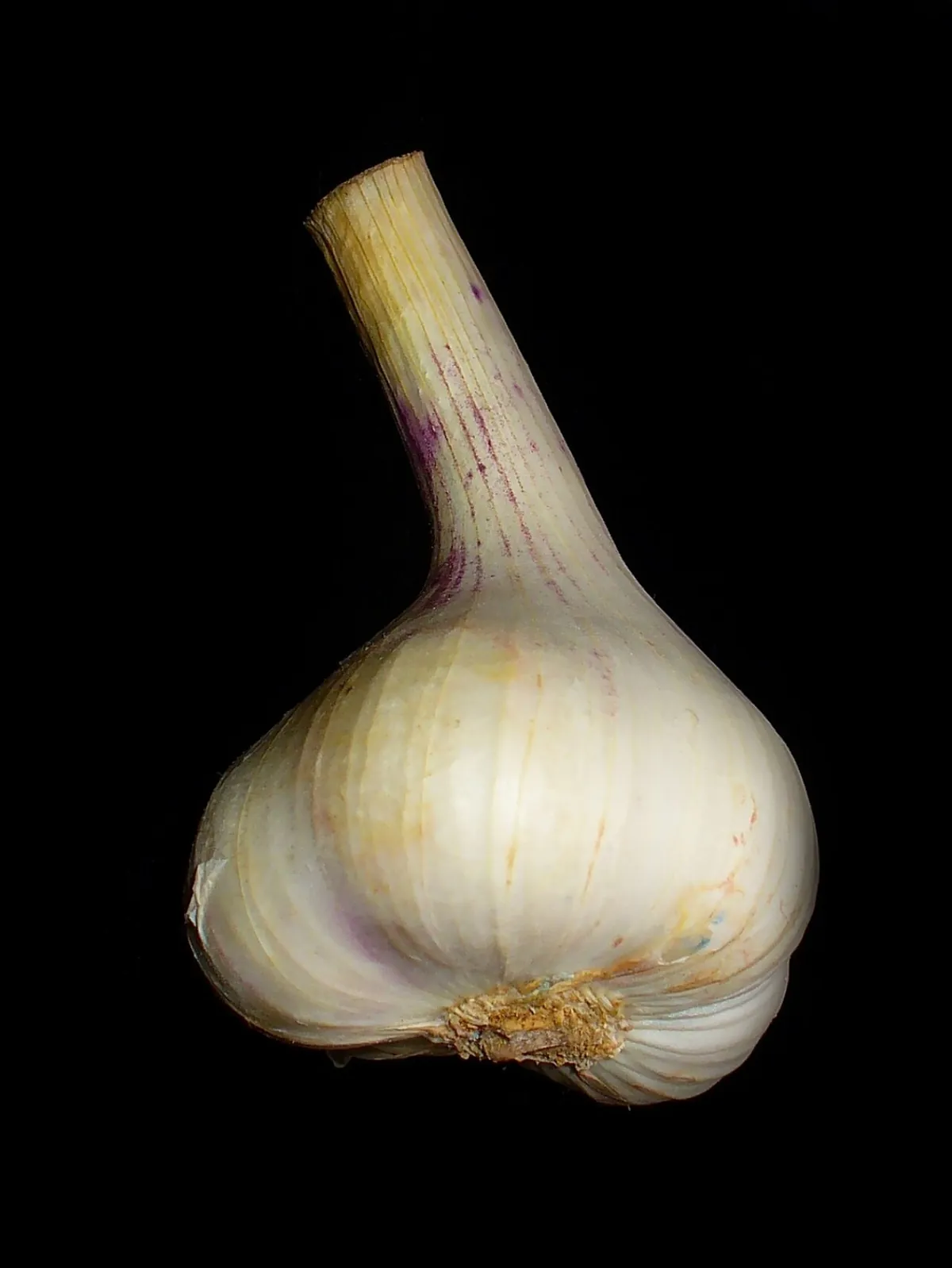
Garlic is toxic to dogs in every form, including raw, cooked, dried, and powdered. Do not feed it to your dog on purpose, and call your veterinarian if your dog eats a large amount.
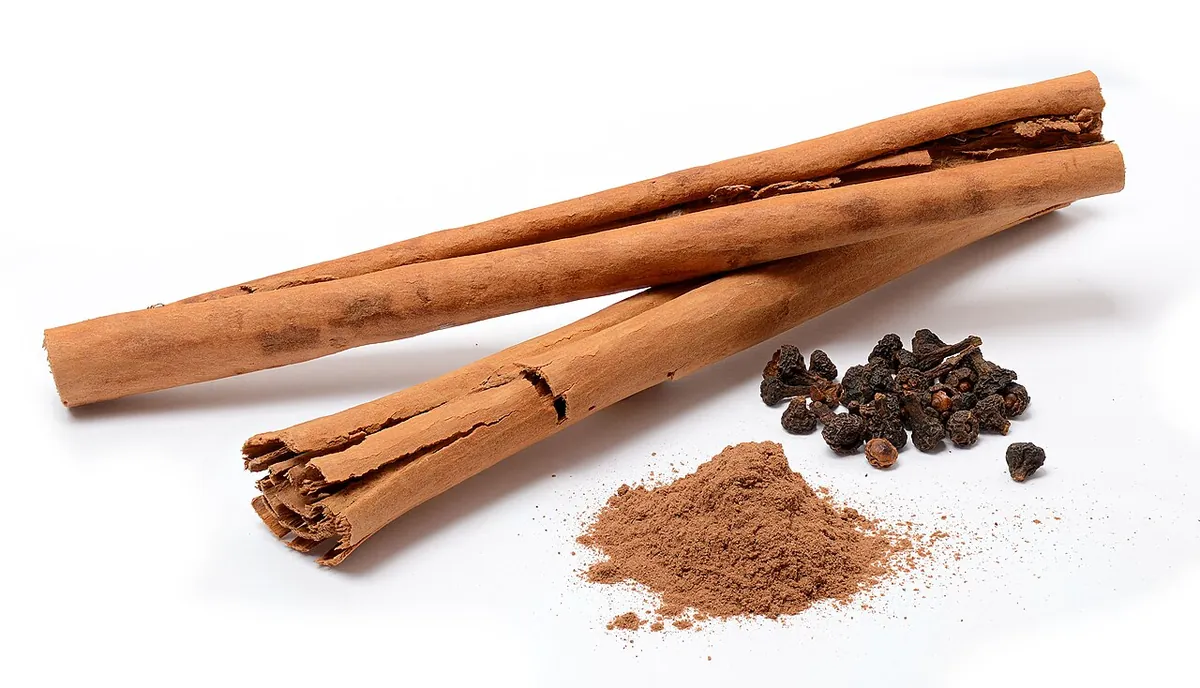
Cinnamon is listed as non-toxic to dogs by the ASPCA, and a small amount of ground cinnamon is unlikely to harm a healthy dog. But more than a teaspoon of powder, cinnamon sticks, or any amount of cinnamon essential oil can cause serious illness.

Lilies can poison dogs, usually causing vomiting, diarrhea, and drooling. True lilies are far more dangerous to cats, where they can cause fatal kidney failure. If your dog eats any lily, call your vet.

The ASPCA lists spider plants as non-toxic to dogs, cats, and horses, and PetMD includes them among the houseplants safe for dogs. A dog that eats a large amount may still get a mild stomach upset.