Are Lilies Toxic to Dogs? What Every Owner Should Know
Yes — lilies are toxic to dogs.
Lilies can poison dogs, usually causing vomiting, diarrhea, and drooling. True lilies are far more dangerous to cats, where they can cause fatal kidney failure. If your dog eats any lily, call your vet.


- Item
- Lilies
- Scientific name
- Lilium spp.
- Also called
- Easter lily, Tiger lily, Asiatic lily, Stargazer lily, Oriental lily
- Category
- Plants
- Verdict
- Toxic
- Symptoms start
- Often within 2 hours of ingestion.
Yes — lilies are toxic to dogs, and the word “lily” covers several very different plants. PetMD warns lilies can poison dogs; ASPCA sources disagree — its plant database lists Easter lilies as non-toxic to dogs, while its guidance article says lilies can be toxic, although the danger is usually stomach upset rather than the kidney failure these plants cause in cats. Because the sources disagree on true lilies for dogs, this page takes the cautious view.
True lilies, daylilies, peace lilies, calla lilies, and lily of the valley all share the name “lily,” but they carry different toxins and different risks. Knowing which plant your dog ate matters more than the name on the tag.
If your dog ate it — what to do now
- Remove any lily from your dog's mouth if you can do so safely, and keep the plant or take a photo of it for identification.
- Call your veterinarian or the ASPCA Animal Poison Control Center at (888) 426-4435 right away (a consultation fee may apply).
- Tell them the type of lily if you know it, how much your dog ate, when it happened, and your dog's weight.
- Follow your vet's instructions exactly, and take your dog to the vet or an emergency clinic if they tell you to.
- If your dog may have eaten lily of the valley, or if a cat in your home was also exposed, treat it as an emergency.
Do not do this
- Do not induce vomiting unless a veterinarian tells you to.
- Do not give home remedies, milk, or activated charcoal on your own.
- Do not wait to see if the symptoms pass on their own.
- Do not assume a lily is safe just because one source lists it as non-toxic — call your vet and check.
What makes lilies toxic to dogs?
True lilies belong to the genus Lilium. Common types include Easter lilies, tiger lilies, Asiatic lilies, stargazer lilies, and Oriental lilies. Daylilies (Hemerocallis spp.) are close relatives with the same reputation. In cats, these plants can cause severe, often fatal kidney injury, and the ASPCA notes that all parts of the plant are toxic, including the pollen and the water in a vase.
The exact toxin in true lilies has not been identified. In dogs, the same plants are mainly linked to stomach upset. The ASPCA's plant database lists Easter lilies as non-toxic to dogs, while its own guidance article says lilies can be toxic to both dogs and cats, with much more severe effects in cats. PetMD also calls lilies poisonous to dogs, while noting that lethal poisonings in dogs are rare. Because the sources disagree, this page uses the more cautious verdict.
Other plants called lilies carry different toxins. Lily of the valley (Convallaria spp.) contains cardiac glycosides, which can disturb the heart rhythm. Peace lilies and calla lilies are not true lilies at all; they contain insoluble calcium oxalate crystals that burn the mouth. Prairie lily bulbs can cause stomach upset, and Peruvian lilies (Alstroemeria spp.) may cause stomach upset but are not expected to cause life-threatening organ injury.
How much lily is dangerous for a dog?
There is no established safe dose of lily for a dog, and no toxic dose in milligrams per kilogram has been published in the sources we reviewed. Do not assume a small nibble is harmless. The right response is the same whatever the amount: call your veterinarian or poison control and describe exactly what your dog ate.
In cats, the picture is far more serious. The ASPCA and VCA both report that even small ingestions of true lily petals or leaves, and even pollen or vase water, can cause severe and potentially irreversible kidney failure in cats. Treatment delayed longer than 18 hours is often fatal.
Lily of the valley is the one lily that is a genuine emergency for dogs as well. PetMD warns that eating its leaves, flowers, or roots can cause a slowed heart rate, severe heart rhythm problems, seizures, and in severe cases death. If your dog may have eaten lily of the valley, get veterinary help right away.
Symptoms of lily poisoning in dogs
Symptoms depend on which lily your dog ate. For most lilies, the signs are digestive: vomiting, diarrhea, loss of appetite, and drooling. Dogs that chew peace or calla lilies may also paw at their face because of mouth irritation. Lily of the valley can add weakness, a slow or irregular heartbeat, and seizures.
PetMD reports that symptoms often start within two hours of eating the plant. If your dog starts vomiting or drooling after being near lilies, call your veterinarian rather than waiting.
What to do if your dog eats a lily
Stay calm and act quickly. Remove any plant material from your dog's mouth if you can do so safely, and keep the plant or take a photo of it so the vet can identify it. Note the time your dog ate it and roughly how much.
Call your veterinarian or the ASPCA Animal Poison Control Center at (888) 426-4435 right away (a consultation fee may apply). Tell them the type of lily if you know it, how much your dog ate, and your dog's weight. Follow their instructions exactly.
Treatment depends on the type of lily, the time since ingestion, and your dog's symptoms. Your vet may induce vomiting, give activated charcoal, or provide IV fluids and stomach-protecting medicines. Most dogs do not need hospital care, but lily of the valley is the most likely exception.
How to keep your dog safe from lilies
The simplest rule is to keep lilies out of your home and garden if you have pets, especially cats. Before bringing any lily home, find out exactly which type it is: the ASPCA advises avoiding Lilium, Hemerocallis, and Convallaria species in the home.
Lilies show up in places you might not expect: Easter and spring bouquets and garden beds. As true lilies age, they drop leaves and pollen, which can put a plant that was originally out of reach back within your pet's reach. Check bouquets before you bring them inside, ask florists to leave lilies out, and keep vase water out of reach too.
Safe alternatives to lilies
You do not have to give up flowers to keep your dog safe. Roses are listed as non-toxic to dogs by the ASPCA, although their thorns can injure a mouth or paw. Spider plants are also non-toxic to dogs and make good hanging houseplants. Peruvian lilies (Alstroemeria) are a lily lookalike that PetMD lists as nontoxic to dogs, although they can still cause some stomach upset.
How to tell a true lily from a lookalike
True lilies have large, trumpet-shaped or star-shaped flowers with six petals and prominent pollen-covered stamens, growing from a tall stem with narrow leaves. Daylilies look similar, but each flower lasts only about a day. Peace lilies have broad, dark green leaves and a single white, hood-shaped flower. Lily of the valley has small, bell-shaped white flowers on a thin stem.
If you are not sure which plant you have, do not guess. Photograph the flowers, leaves, and plant tag for your veterinarian or poison control.
Symptoms to watch for
- Vomiting
- Diarrhea
- Decreased appetite
- Excessive drooling
- Lethargy
- Pawing at the face (peace or calla lilies)
- Weakness
- Slow or irregular heartbeat (lily of the valley)
- Seizures (lily of the valley)
Symptoms usually start within two hours of eating the plant, and the exact signs depend on which type of lily your dog ate.
Safe alternatives
- Roses — Listed as non-toxic to dogs by the ASPCA; thorns can injure a mouth or paw.
- Spider plants — Listed as non-toxic to dogs by the ASPCA and easy to hang out of reach.
- Peruvian lilies — A lily lookalike PetMD lists as nontoxic to dogs, though it can still upset the stomach.
What about cats? Lilies are far more dangerous to cats than to dogs. In cats, true lilies and daylilies can cause severe, often fatal kidney failure from even a small amount of petals or leaves, and even pollen or vase water can be enough. The ASPCA warns that kidney injury can often be prevented with aggressive hospital treatment, but it is often fatal if treatment is delayed longer than 18 hours. If you have a cat, do not bring true lilies or daylilies into your home at all.
Frequently asked questions
Can dogs eat lilies?
No. Lilies are toxic to dogs, and most types cause vomiting, diarrhea, and drooling. Some, like lily of the valley, can affect the heart. Keep lilies out of your dog's reach and call your vet if your dog eats any part of one.
Why are lilies toxic to dogs?
It depends on the type. True lilies contain a toxin that has not yet been identified, which causes kidney failure in cats and stomach upset in dogs. Lily of the valley contains cardiac glycosides that can disturb the heart rhythm, and peace and calla lilies contain calcium oxalate crystals that burn the mouth. The word "lily" covers several different plants with different toxins.
Are Easter lilies toxic to dogs?
The sources disagree, which is why this page takes the cautious view. The ASPCA's plant database lists Easter lilies as non-toxic to dogs, but the ASPCA's own guidance article and PetMD describe lilies as toxic or poisonous to dogs, causing stomach upset. Easter lilies are definitely dangerous to cats, so in a home with a cat, keep them out entirely. If your dog eats one, call your vet.
What should I do if my dog ate a lily?
Call your veterinarian or the ASPCA Animal Poison Control Center at (888) 426-4435 right away (a consultation fee may apply). Tell them what kind of lily it was, how much your dog ate, and when. Do not induce vomiting or give home remedies unless a vet tells you to.
Sources
- ASPCA Poison Control — Which Lilies Are Toxic to Pets?
- PetMD — Are Lilies Poisonous to Dogs?
- VCA Animal Hospitals — Household Hazards — Toxic Hazards for Cats
Related guides
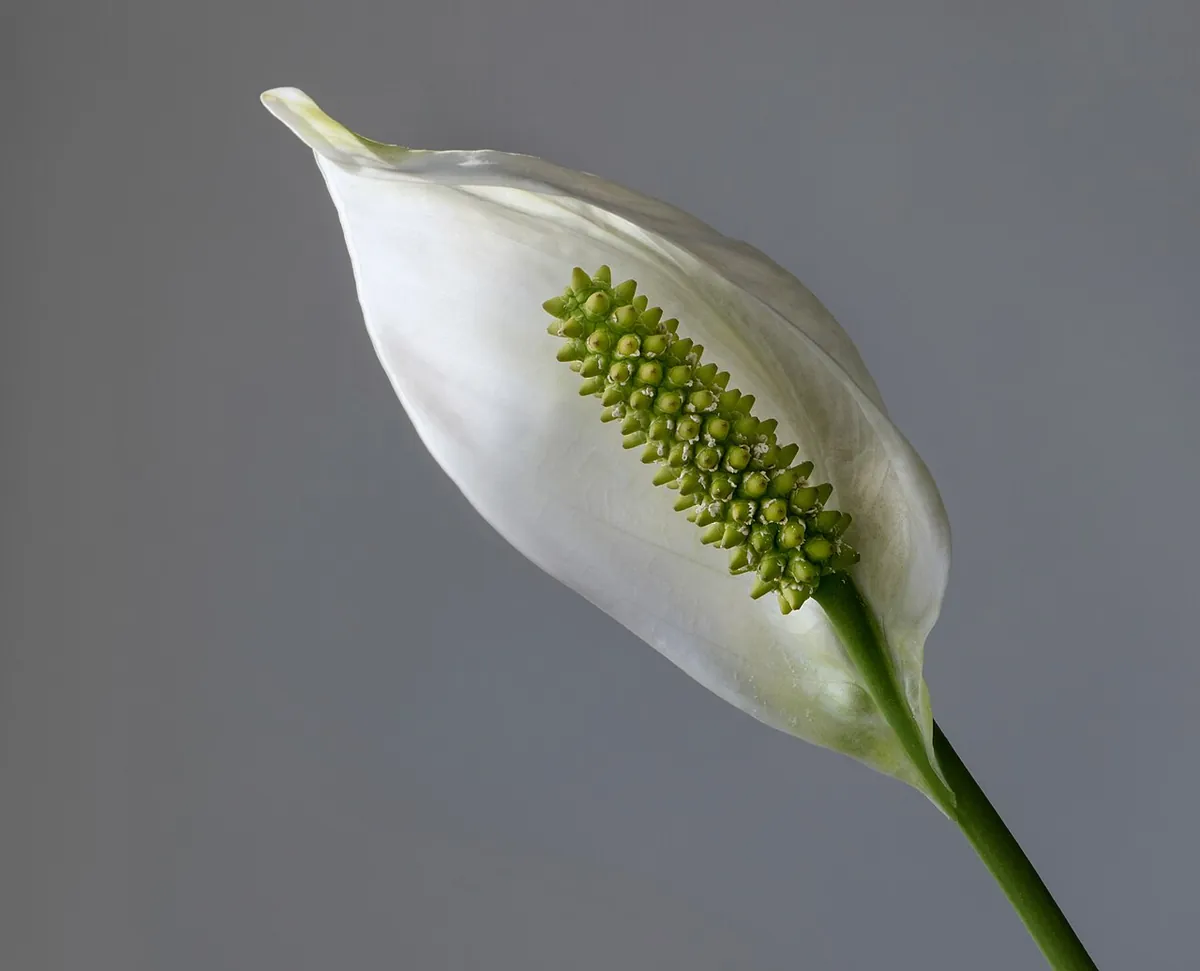
Peace lilies are toxic to dogs, but usually painful rather than life-threatening. Chewing releases calcium oxalate crystals that burn the mouth, cause drooling and vomiting, and can make swallowing difficult.

Tulips are toxic to dogs. Every part of the plant contains tulipalin A and B, but the bulb holds the highest concentration, so a dog that digs up and eats bulbs faces the greatest risk.
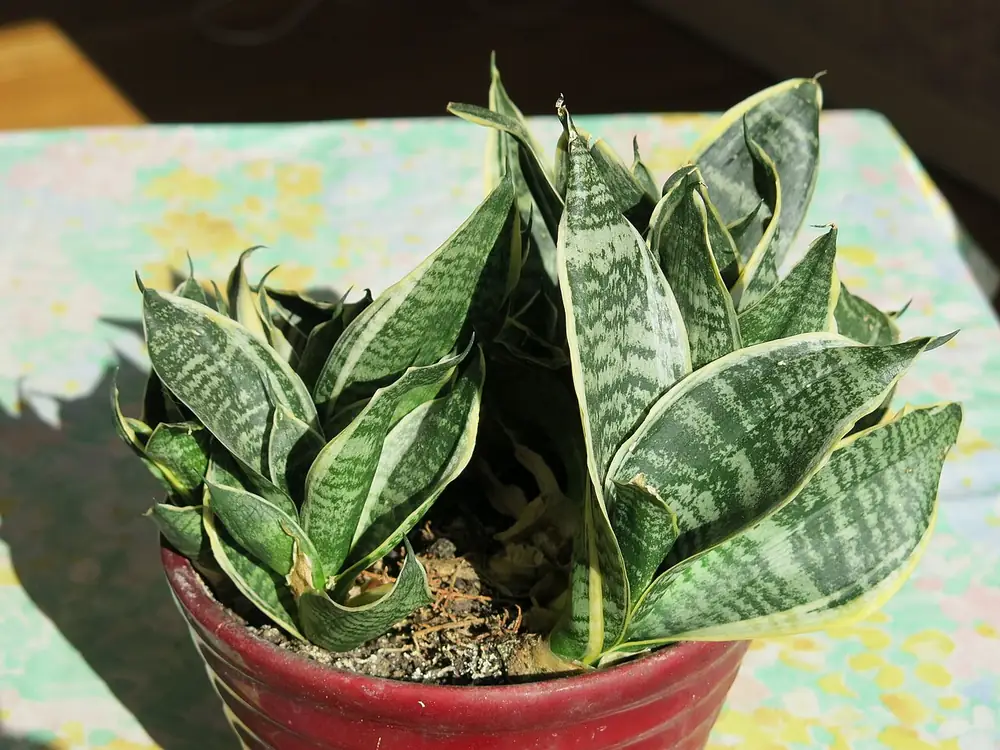
Snake plants are toxic to dogs. They contain saponins, which irritate the mouth and stomach and usually cause nausea, vomiting, and diarrhea.
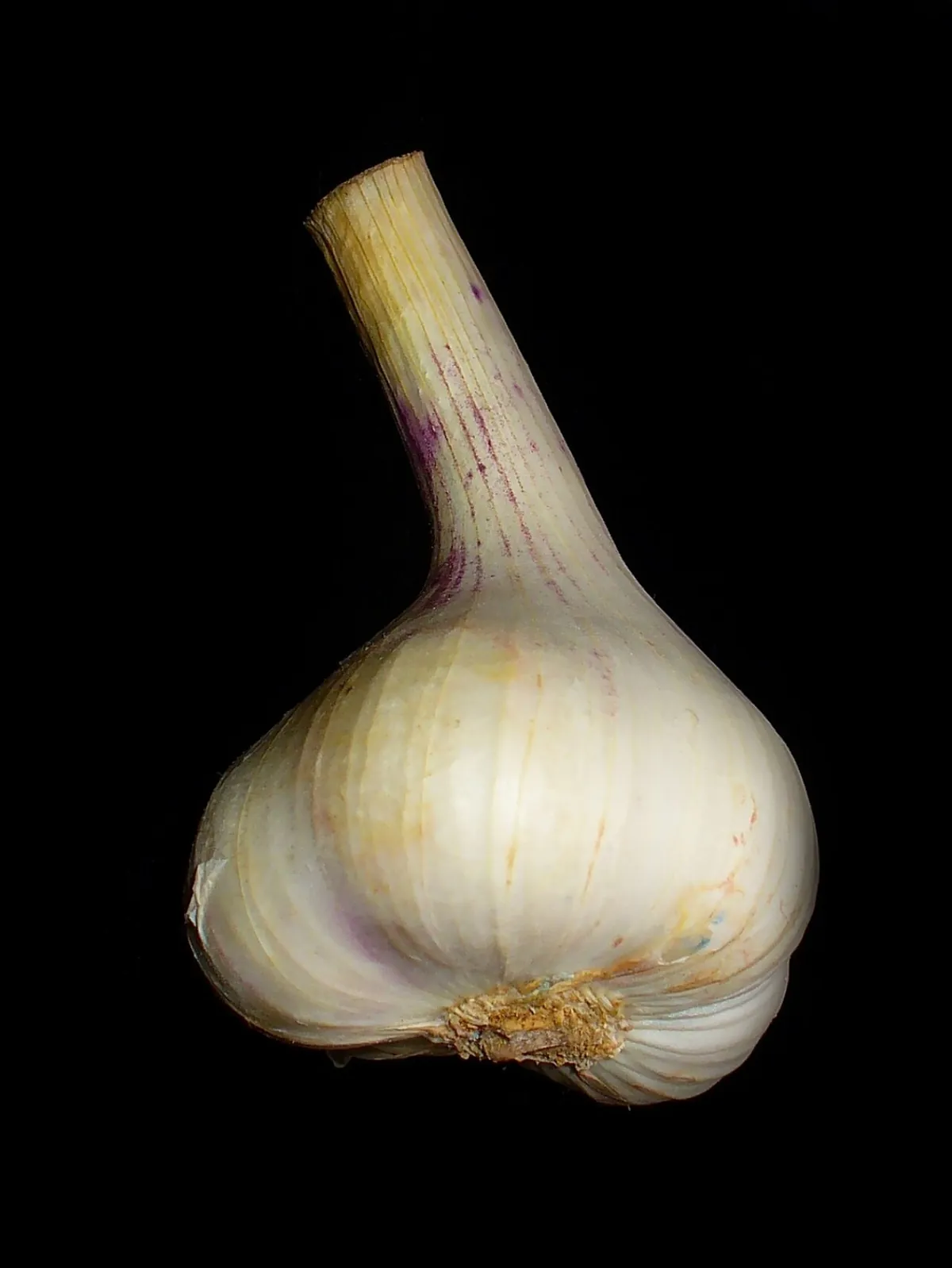
Garlic is toxic to dogs in every form, including raw, cooked, dried, and powdered. Do not feed it to your dog on purpose, and call your veterinarian if your dog eats a large amount.