Are Peace Lilies Toxic to Dogs? Symptoms and What to Do
Yes — peace lilies are toxic to dogs.
Peace lilies are toxic to dogs, but usually painful rather than life-threatening. Chewing releases calcium oxalate crystals that burn the mouth, cause drooling and vomiting, and can make swallowing difficult.

- Item
- Peace lilies
- Scientific name
- Spathiphyllum spp.
- Also called
- Peace lily, Mauna Loa peace lily, Spathiphyllum
- Category
- Plants
- Verdict
- Toxic
- Symptoms start
- Often within 2 hours of chewing; mouth irritation can begin as soon as the plant is chewed.
Yes — peace lilies are toxic to dogs. The ASPCA lists Spathiphyllum as toxic to both dogs and cats. The good news is that peace lilies are usually painful rather than life-threatening: the ASPCA describes the severity as low, and says many exposures can be managed at home once a vet or poison control has been consulted.
A peace lily is not a true lily. True lilies (Lilium spp.) can cause fatal kidney failure in cats, but peace lilies work in a completely different way. They contain needle-shaped crystals that irritate the mouth, and they do not cause kidney failure.
If your dog ate it — what to do now
- Remove the plant from your dog's reach and gently clear any plant material from its mouth if you can do so safely.
- Call your veterinarian or the ASPCA Animal Poison Control Center at (888) 426-4435 (a consultation fee may apply).
- Ask your vet or poison control before offering anything by mouth; the ASPCA notes a small amount of milk, yogurt, or vanilla ice cream can help soothe mouth irritation — check it contains no xylitol.
- Watch for heavy drooling, trouble swallowing, repeated vomiting, or difficulty breathing, and take your dog to a veterinary hospital right away if any of these occur.
- Keep the plant or a photo of it so the vet can confirm it is a peace lily.
Do not do this
- Do not induce vomiting unless a veterinarian tells you to.
- Do not give home remedies or medicines on your own.
- Do not offer any dairy product that contains xylitol — xylitol is toxic to dogs.
- Do not assume the problem is over once the drooling stops; watch for vomiting or trouble swallowing.
What makes peace lilies toxic to dogs?
Peace lilies (Spathiphyllum spp.) belong to the arum family, Araceae, not the lily family. Their toxic principle is insoluble calcium oxalate, in the form of tiny needle-like crystals called raphides, found in the leaves, stems, and stalks.
When a dog chews the plant, the crystals are released into the mouth, where they poke into the lips, tongue, and gums. The ASPCA describes this as irritation and pain rather than a chemical poisoning: the crystals cause intense burning, often leading to drooling, retching, nausea, loss of appetite, vomiting, and diarrhea.
Because the effect is mostly mechanical, the damage is usually limited to the mouth and stomach. Peace lilies do not contain the kidney-damaging toxin found in true lilies, and the ASPCA states that long-term effects are not expected after a peace lily exposure.
How much peace lily is dangerous for a dog?
There is no established safe dose of peace lily for a dog, and no toxic dose in milligrams per kilogram has been published in the sources we reviewed. Even a single nibble can cause mouth pain and drooling, because the crystals are released the moment the plant is chewed.
The amount eaten affects how bad the symptoms are. A quick chew usually causes brief mouth pain and drooling. The ASPCA notes that with large exposures, there can rarely be significant stomach pain or swelling in the back of the throat, which can lead to difficulty breathing. A large exposure should always be checked by a vet.
The ASPCA describes the overall severity as low and says many exposures can be managed at home. Still, always check with your veterinarian or poison control first, especially if your dog is drooling heavily, cannot swallow, or has trouble breathing.
Symptoms of peace lily poisoning in dogs
The first signs usually appear in the mouth. Your dog may drool heavily, paw at its mouth, shake its head, or refuse food because chewing hurts. The ASPCA lists oral irritation, intense burning of the mouth, tongue, and lips, excessive drooling, vomiting, and difficulty swallowing as the main clinical signs.
Stomach upset can follow: nausea, vomiting, loss of appetite, and diarrhea. PetMD reports that symptoms of lily poisoning in dogs often start within two hours. Rarely, swelling at the back of the throat can make breathing difficult — if you see that, get to a veterinary hospital immediately.
What to do if your dog eats a peace lily
Remove the plant from your dog's reach so it cannot keep chewing, and gently clear any plant material from its mouth if you can do so safely. Keep the plant or take a photo of it so the vet can confirm the identification.
Call your veterinarian or the ASPCA Animal Poison Control Center at (888) 426-4435 (a consultation fee may apply). Describe how much your dog ate and the symptoms you see. The ASPCA notes that a small amount of milk, yogurt, or vanilla ice cream shortly after exposure can help decrease mouth irritation — check first that the product does not contain xylitol, which is toxic to dogs.
Your vet may advise monitoring at home if the exposure was small and your dog is otherwise well, or may want to see your dog if there is heavy drooling, trouble swallowing, repeated vomiting, or breathing difficulty. Take your dog to a veterinary hospital right away if it has trouble swallowing or breathing.
How to keep your dog safe from peace lilies
Peace lilies are one of the most common houseplants in the United States. They are popular as gifts and office plants, and they thrive in low light, so they often sit on floors, coffee tables, and low shelves — exactly where a curious dog can reach them.
The safest option is to keep peace lilies out of rooms your dog can access, or to place them well out of reach, for example on a high shelf or in a hanging planter. A puppy or a dog that likes to chew plants can reach further than you expect, and fallen leaves on the floor are still a risk.
If you receive a peace lily as a gift and you have a dog, consider giving it to a pet-free home or swapping it for a dog-safe plant. When you buy plants, check the tag for the scientific name, Spathiphyllum, and look it up in the ASPCA's toxic plant list first.
Safe alternatives to peace lilies
Spider plants are listed as non-toxic to dogs by the ASPCA and have a similar trailing, leafy look, especially in a hanging basket. Roses are also non-toxic to dogs, although their thorns can injure a mouth or paw. Both give you greenery or flowers without the calcium oxalate crystals that make peace lilies painful to chew.
How to identify a peace lily
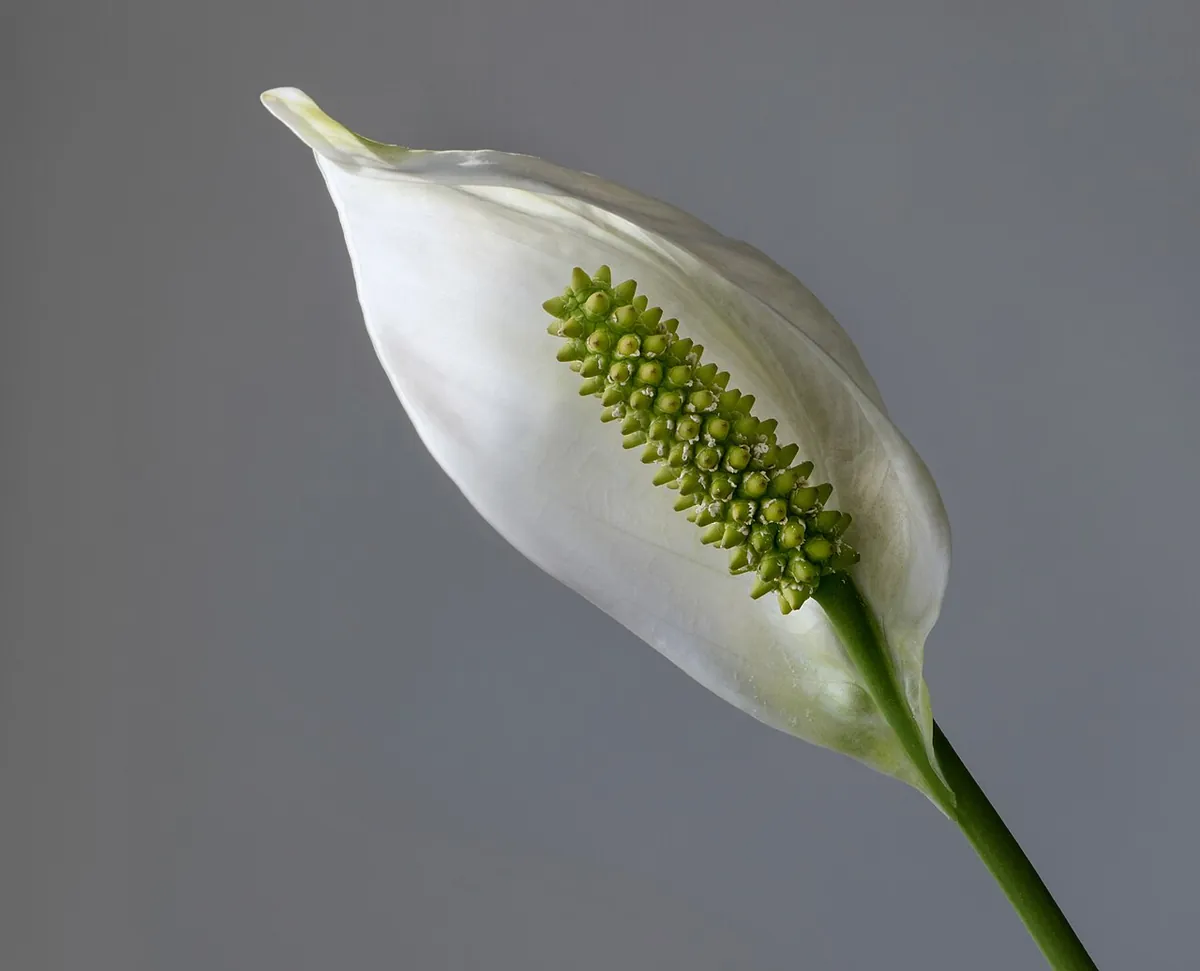
A peace lily has broad, dark green, glossy leaves that grow in a clump from the base of the plant, with no visible stem. Its flower is unmistakable: a single white, hood-shaped leaf called a spathe, with a pale yellow or cream spike, the spadix, in the center. The flowers may also be green or yellow.
Do not confuse it with a true lily, which has large, open, trumpet-shaped flowers on a tall stem, or with a calla lily, which has a similar white spathe but grows from a bulb. If you are unsure, photograph the plant and its tag and ask your veterinarian or poison control to confirm.
Symptoms to watch for
- Intense burning and irritation of the mouth, tongue, and lips
- Excessive drooling
- Pawing at the mouth
- Head shaking
- Vomiting
- Diarrhea
- Loss of appetite
- Difficulty swallowing
- Difficulty breathing (rare, with large exposures)
Mouth pain and drooling usually start soon after chewing, and stomach upset can follow within a couple of hours.
Safe alternatives
- Spider plants — Listed as non-toxic to dogs by the ASPCA, with a similar leafy look in a hanging basket.
- Roses — Listed as non-toxic to dogs by the ASPCA; thorns can injure a mouth or paw.
What about cats? Peace lilies are toxic to cats as well as dogs, and the symptoms are the same: mouth pain, drooling, vomiting, and difficulty swallowing. Unlike true lilies, peace lilies do not cause kidney failure in cats. The ASPCA and VCA both make this distinction, and it matters in an emergency: a cat that has chewed a peace lily needs a vet call, but a cat that has touched a true lily needs emergency hospital care.
Frequently asked questions
Are peace lilies toxic to dogs?
Yes. The ASPCA lists peace lilies (Spathiphyllum) as toxic to dogs and cats. Chewing the plant releases calcium oxalate crystals that cause intense burning in the mouth, drooling, vomiting, and difficulty swallowing. The severity is usually low, but always call your vet or poison control.
Are peace lilies as dangerous as true lilies?
No, and the difference matters. True lilies (Lilium spp.) can cause fatal kidney failure in cats. Peace lilies do not cause kidney failure in either dogs or cats. They cause painful mouth irritation from calcium oxalate crystals, and serious problems are rare. Both still deserve a call to your vet.
What happens if my dog eats a peace lily?
Your dog may start drooling and pawing at its mouth soon after chewing, because the crystals irritate the mouth as soon as the plant is chewed. Vomiting, loss of appetite, and diarrhea can follow. The ASPCA says many exposures can be managed at home after a vet or poison control has been consulted, but get emergency help if your dog has trouble swallowing or breathing.
Can I keep a peace lily if I have a dog?
It is safer not to. Peace lilies are common houseplants, but any dog that chews plants can reach them. If you keep one, put it well out of reach, for example on a high shelf or in a hanging planter, and pick up fallen leaves promptly. Spider plants and roses are dog-safe alternatives.
Sources
- ASPCA Poison Control — Toxic and Non-toxic Plants: Peace Lily
- ASPCA Poison Control — These Houseplants Can Cause Trouble for Your Pets
- PetMD — Are Lilies Poisonous to Dogs?
Related guides

Lilies can poison dogs, usually causing vomiting, diarrhea, and drooling. True lilies are far more dangerous to cats, where they can cause fatal kidney failure. If your dog eats any lily, call your vet.
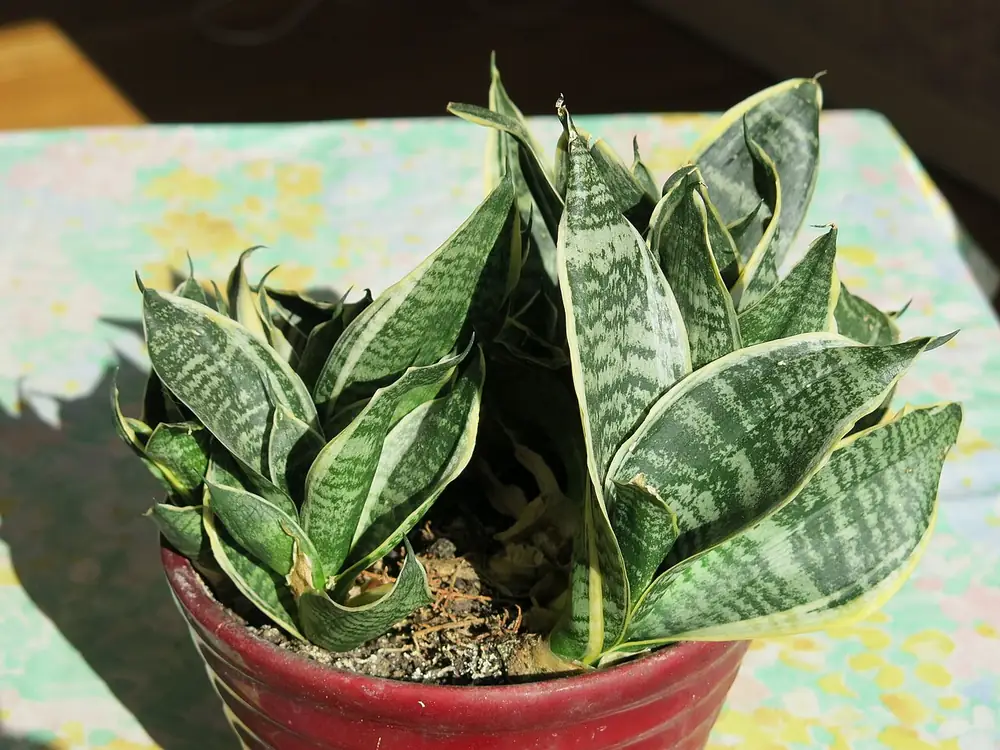
Snake plants are toxic to dogs. They contain saponins, which irritate the mouth and stomach and usually cause nausea, vomiting, and diarrhea.
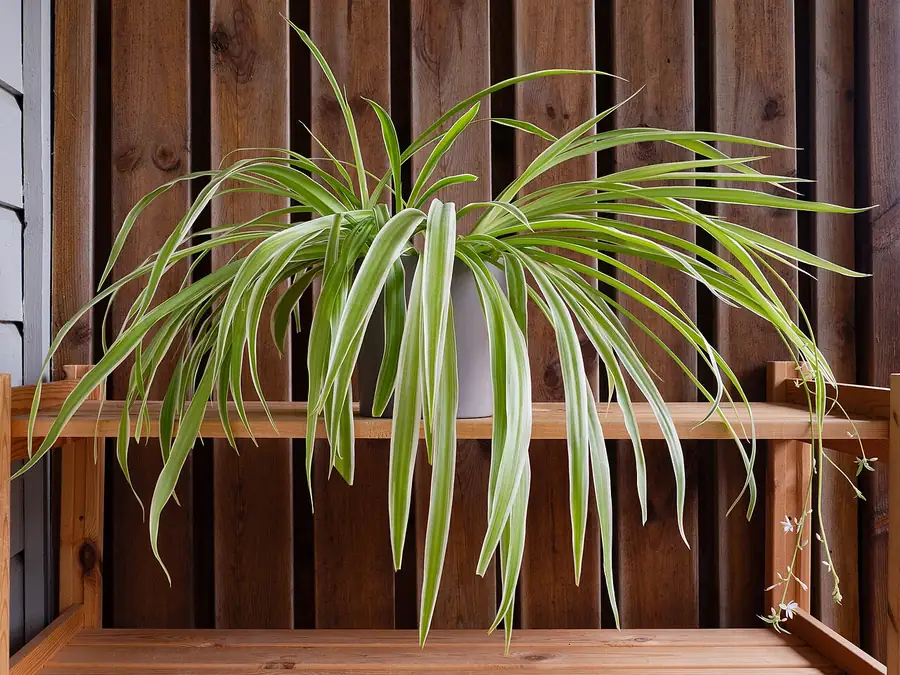
The ASPCA lists spider plants as non-toxic to dogs, cats, and horses, and PetMD includes them among the houseplants safe for dogs. A dog that eats a large amount may still get a mild stomach upset.

The ASPCA lists lavender as toxic to dogs. Eating the plant usually causes only mild stomach upset, but concentrated lavender essential oil is a much bigger risk and should never be swallowed or put on your dog.