Dogs eat what we drop — and some everyday foods are dangerous for them. Below are the foods we have covered so far, each with a clear verdict, how much is dangerous, symptoms, and what to do if your dog eats it. New foods are added regularly.
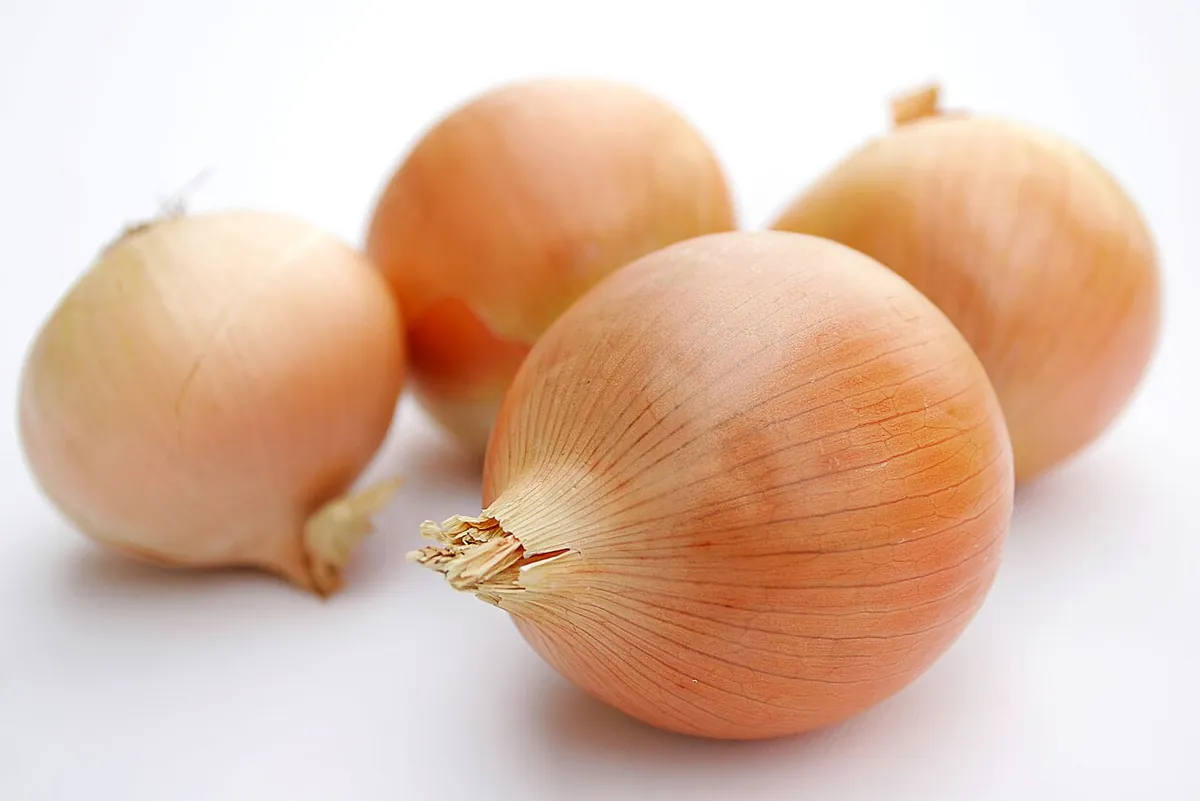
Onion is toxic to dogs in every form, including raw, cooked, dried, and powdered. Clinical signs have been reported at 15 to 30 grams of raw onion per kilogram of body weight, and ingestions above 0.5% of body weight (5 g/kg) warrant decontamination. There is no safe amount to feed on purpose, and anemia is often delayed by 3 to 5 days, so call your veterinarian about any amount.
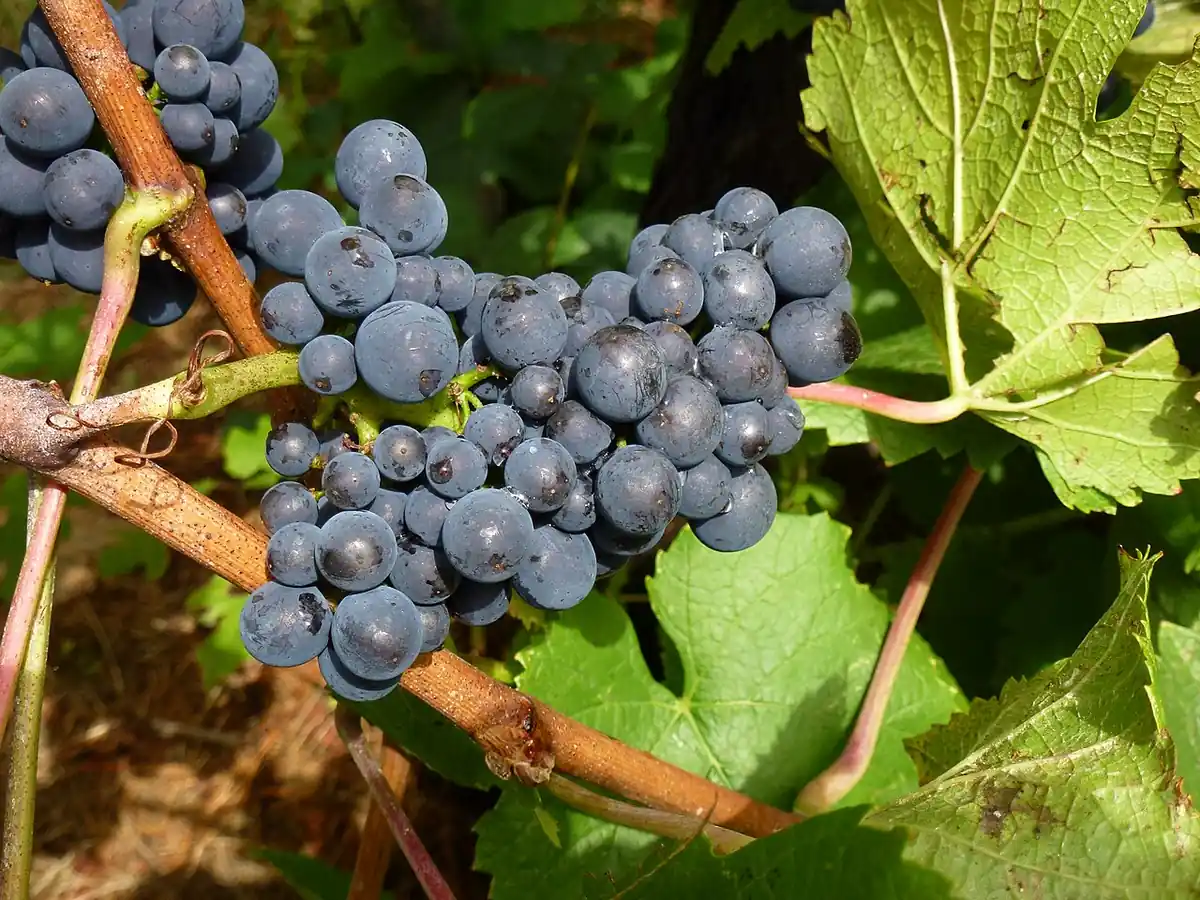
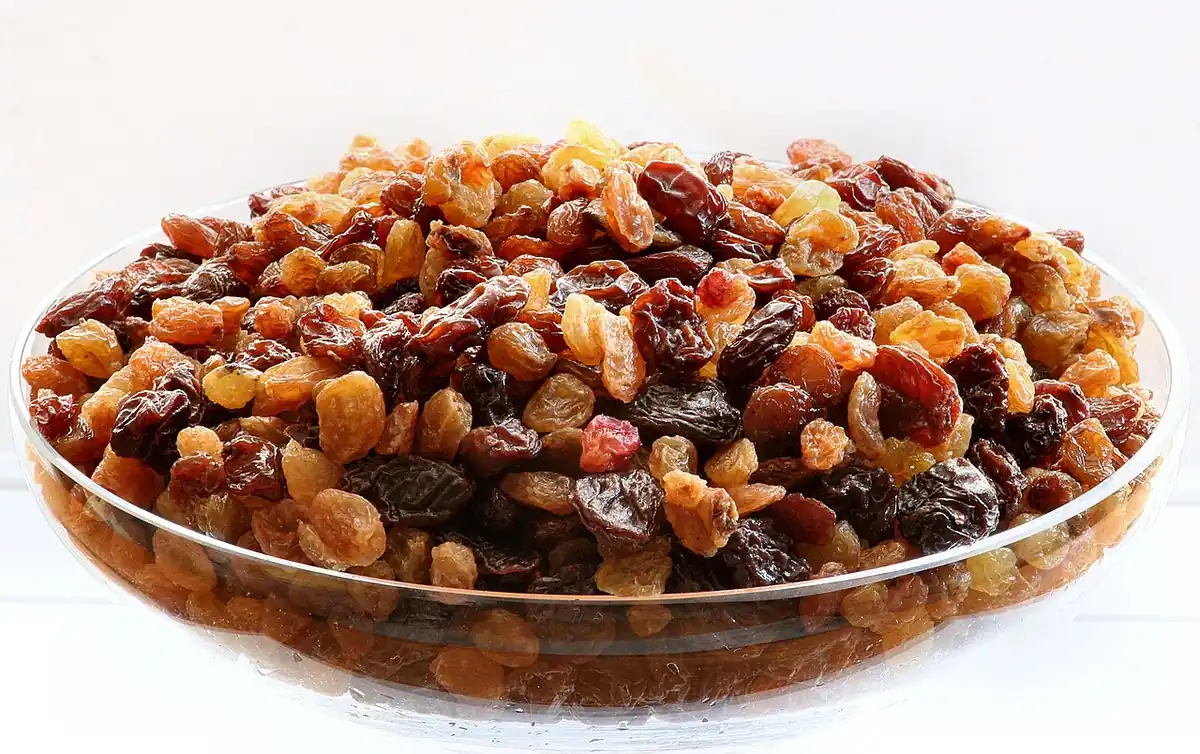
Grapes, raisins, currants, and sultanas are toxic to dogs and can cause sudden kidney failure. There is no established safe dose — even small amounts have caused illness in some dogs — and the exact toxin is still not firmly identified, though tartaric acid is the leading proposed cause. Treat any ingestion as an emergency and call your veterinarian right away.
Chocolate is toxic to dogs because of theobromine and caffeine. How dangerous it is depends on the type of chocolate, the amount eaten, and the dog's weight — dark chocolate, baking chocolate, and cocoa powder are dangerous in much smaller amounts than milk chocolate. Call your vet right away if your dog eats chocolate.
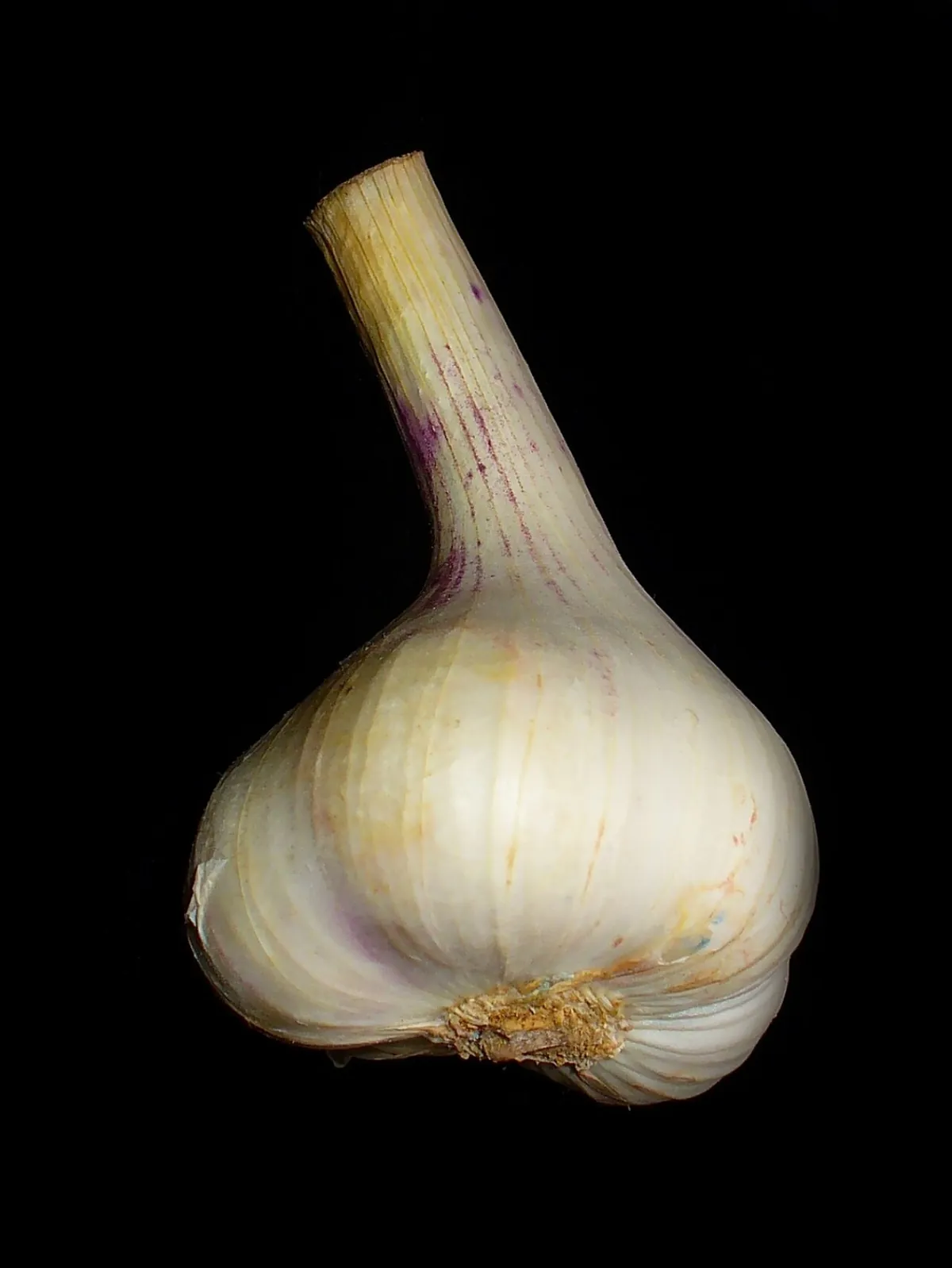
Garlic is toxic to dogs in every form, including raw, cooked, dried, and powdered. Do not feed it to your dog on purpose, and call your veterinarian if your dog eats a large amount.
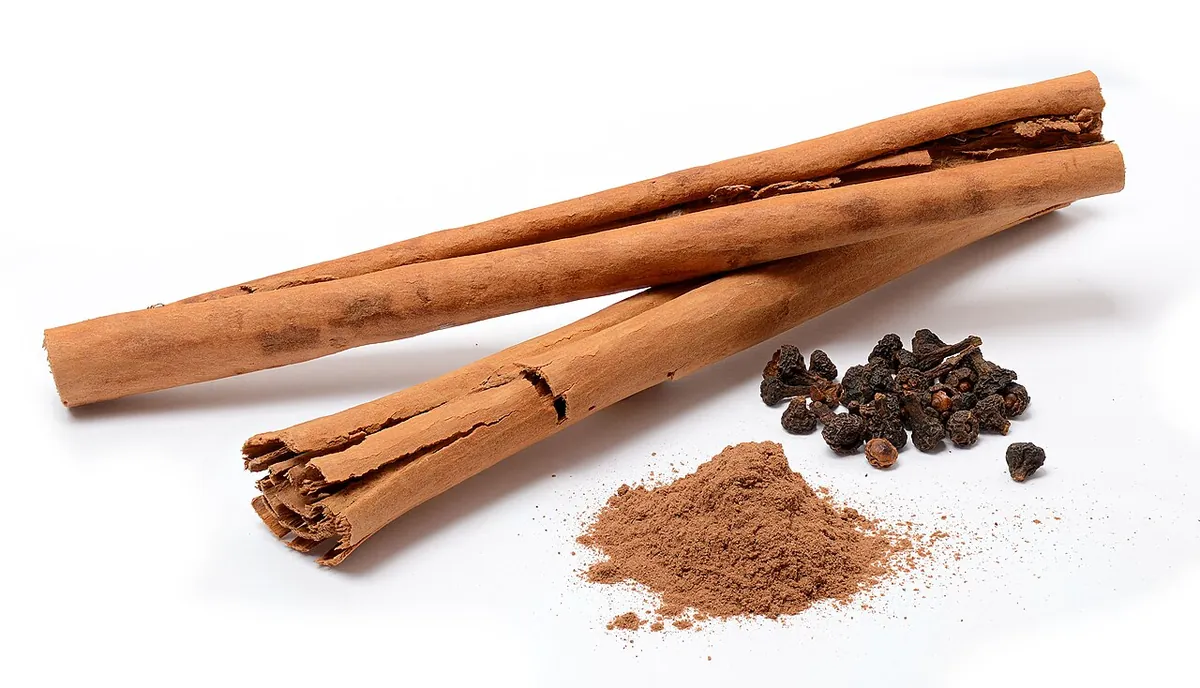
Cinnamon is listed as non-toxic to dogs by the ASPCA, and a small amount of ground cinnamon is unlikely to harm a healthy dog. But more than a teaspoon of powder, cinnamon sticks, or any amount of cinnamon essential oil can cause serious illness.
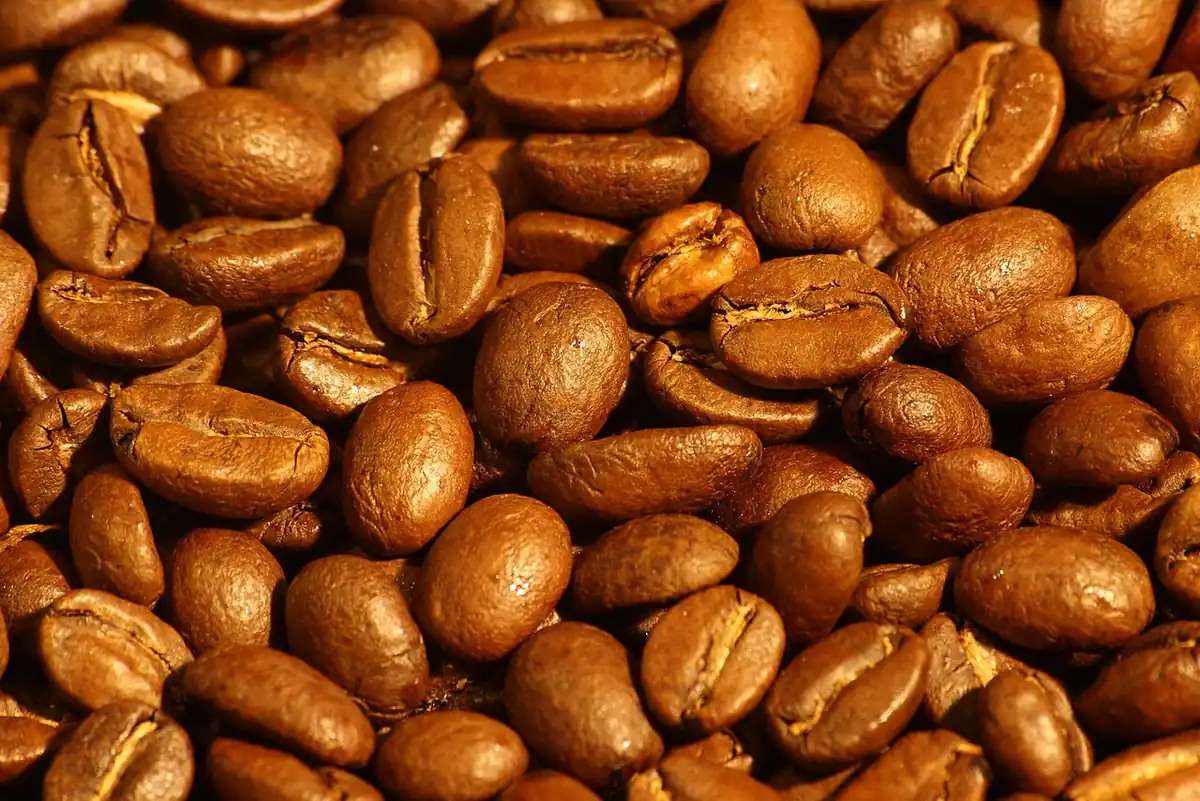
Coffee is toxic to dogs because it contains caffeine, a methylxanthine stimulant. Even one cup can be enough to cause signs in a small dog, and grounds, beans, and caffeine pills are more concentrated still. Call your veterinarian if your dog drinks coffee or eats grounds or beans.
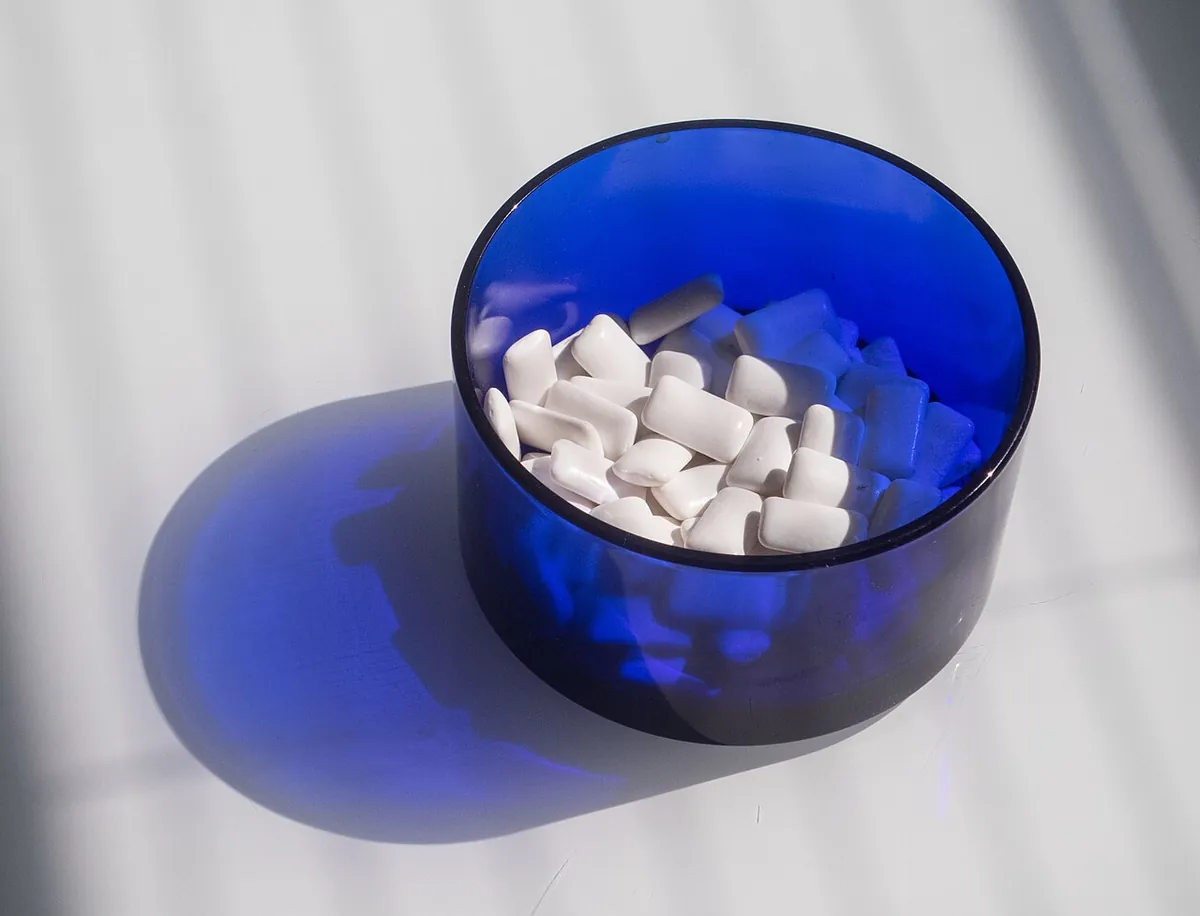
Xylitol is extremely toxic to dogs. Doses above about 0.1 grams per kilogram of body weight can crash blood sugar within minutes, and doses above about 0.5 grams per kilogram can cause liver failure. There is no safe dose — if your dog may have eaten xylitol, call your veterinarian right away.
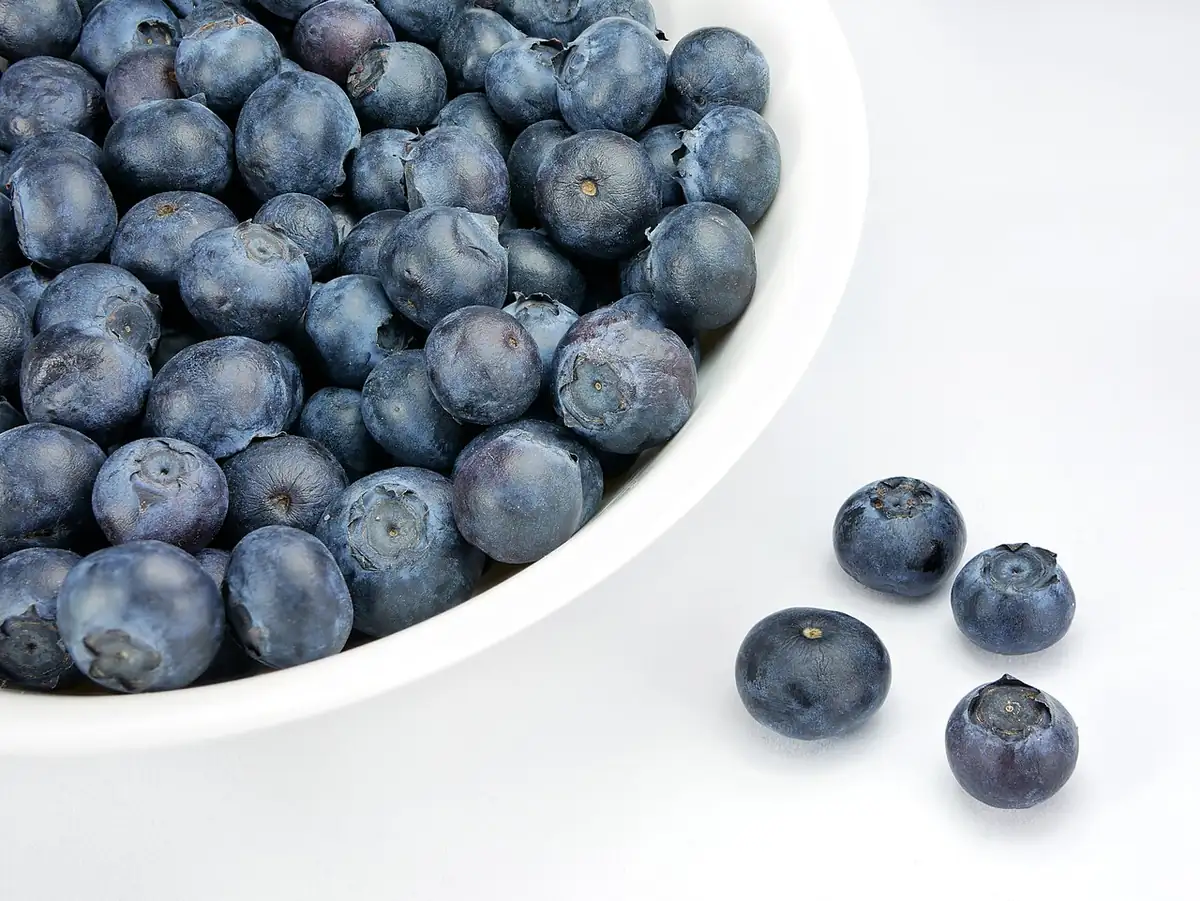
Blueberries are safe for most dogs when served plain and in moderation. They are rich in antioxidants, fiber, vitamins, and minerals. Avoid canned, sweetened, or syrup-packed blueberries, and keep portions small.
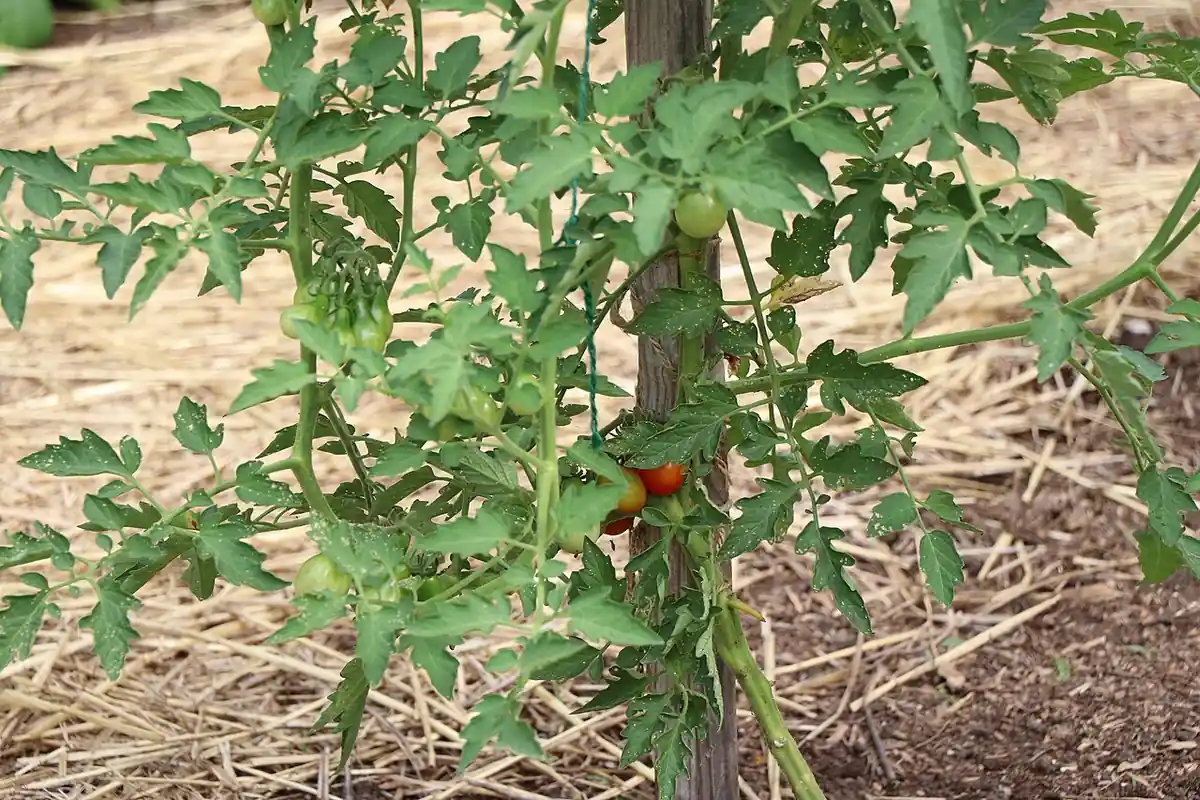
Ripe, red tomato flesh is safe for dogs in small amounts, but the leaves, stems, vines, and unripe green tomatoes are toxic. They contain tomatine and solanine, which can cause vomiting, weakness, and heart problems in large amounts.
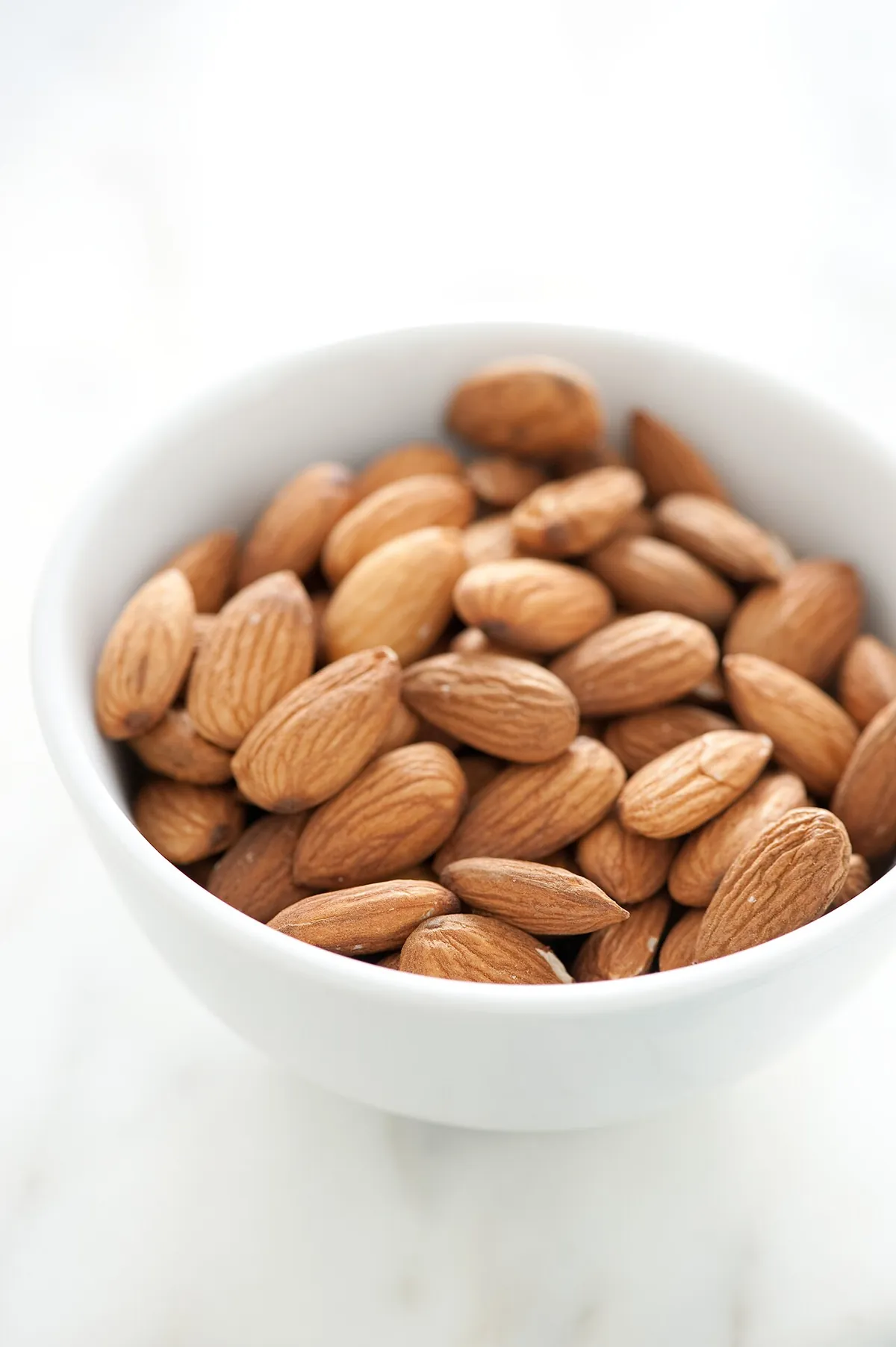
Sweet almonds are not acutely toxic to dogs, but they can choke a dog, block the gut, and trigger pancreatitis. Do not feed almonds to your dog on purpose.
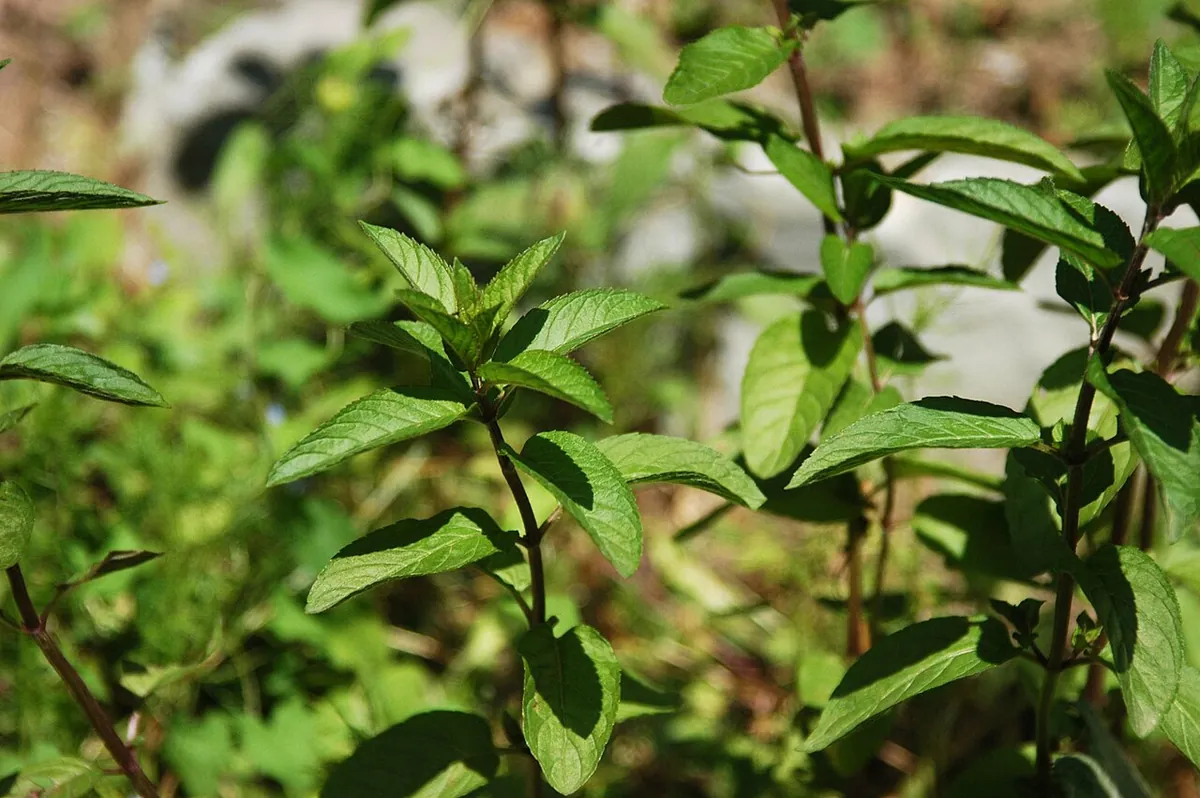
A few plain peppermint or spearmint leaves are unlikely to harm most healthy dogs, but the ASPCA lists mint as toxic because of its essential oils, and large amounts cause vomiting and diarrhea. Pennyroyal, concentrated mint oil, and xylitol-sweetened mint products are genuinely dangerous. When in doubt, call your vet.
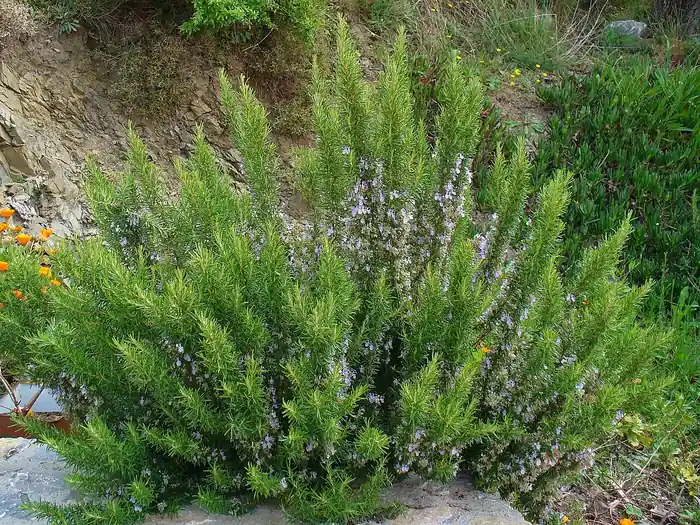
Rosemary, the fresh or dried herb, is listed as non-toxic to dogs by the ASPCA. Large amounts can still upset the stomach, and concentrated rosemary essential oil is a different matter — never apply it to your dog or let them swallow it.
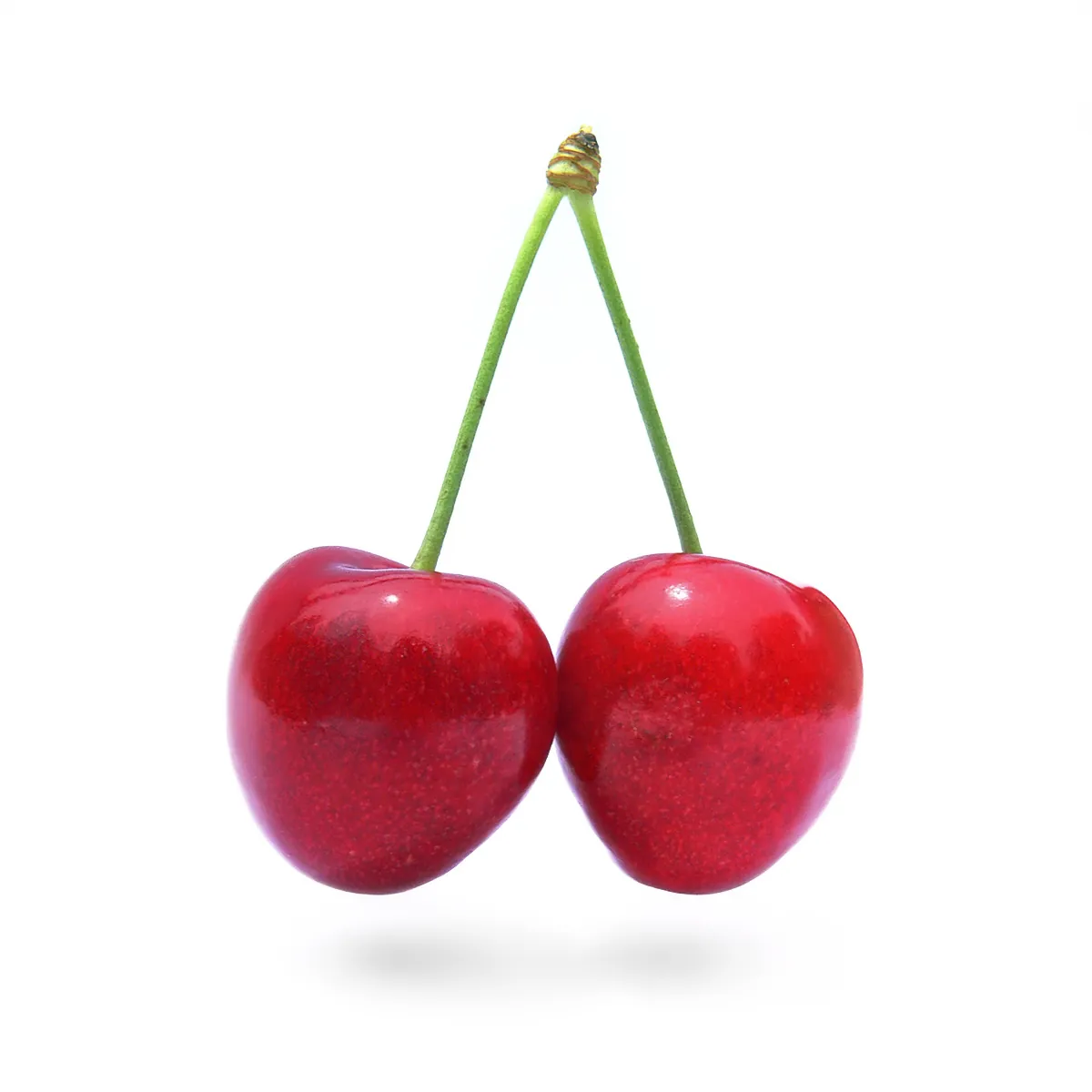
The flesh of a fresh, pitted cherry is generally considered safe for dogs in small amounts. The pits, stems, and leaves contain amygdalin, which can release cyanide, and whole pits are also a choking and intestinal-blockage risk, especially for small dogs.
Plain, store-bought mushrooms such as white button, cremini, and portobello are not considered toxic to dogs. Wild mushrooms are a different story: some can cause liver failure and death, and no one can reliably tell a safe wild mushroom from a deadly one by looking. Treat any wild mushroom your dog eats as an emergency and call your vet right away.
Raisins are dried grapes, so they carry the same risk as grapes — only more concentrated. They can cause sudden kidney failure, and there is no established safe dose. Treat any ingestion as an emergency and call your veterinarian right away.
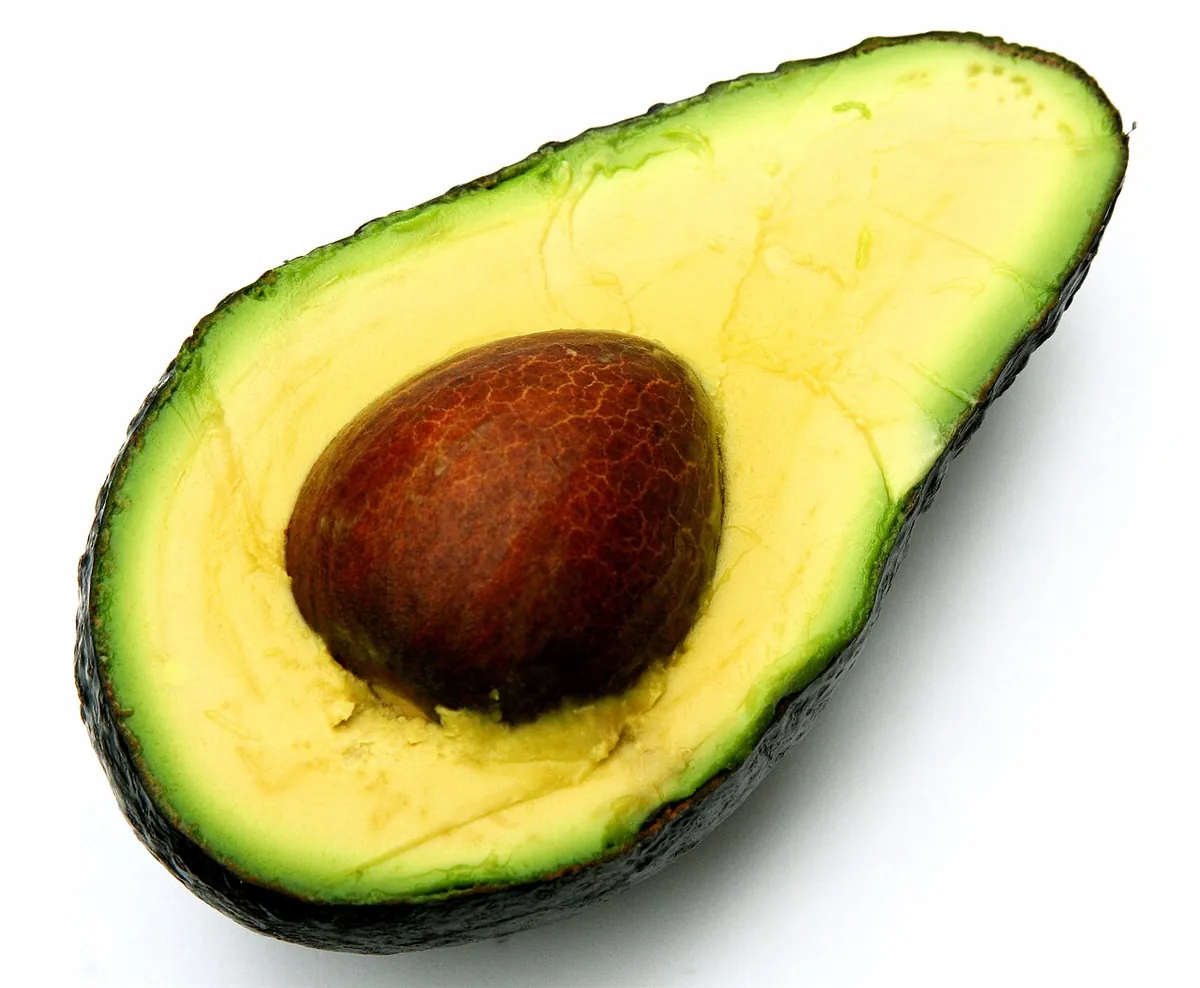
A small amount of plain avocado flesh is unlikely to poison a healthy dog, but the pit can choke or block the gut, the skin and leaves carry more persin, and the high fat can trigger pancreatitis. Best not to feed it on purpose — and call your vet if your dog swallows a pit or eats a lot.
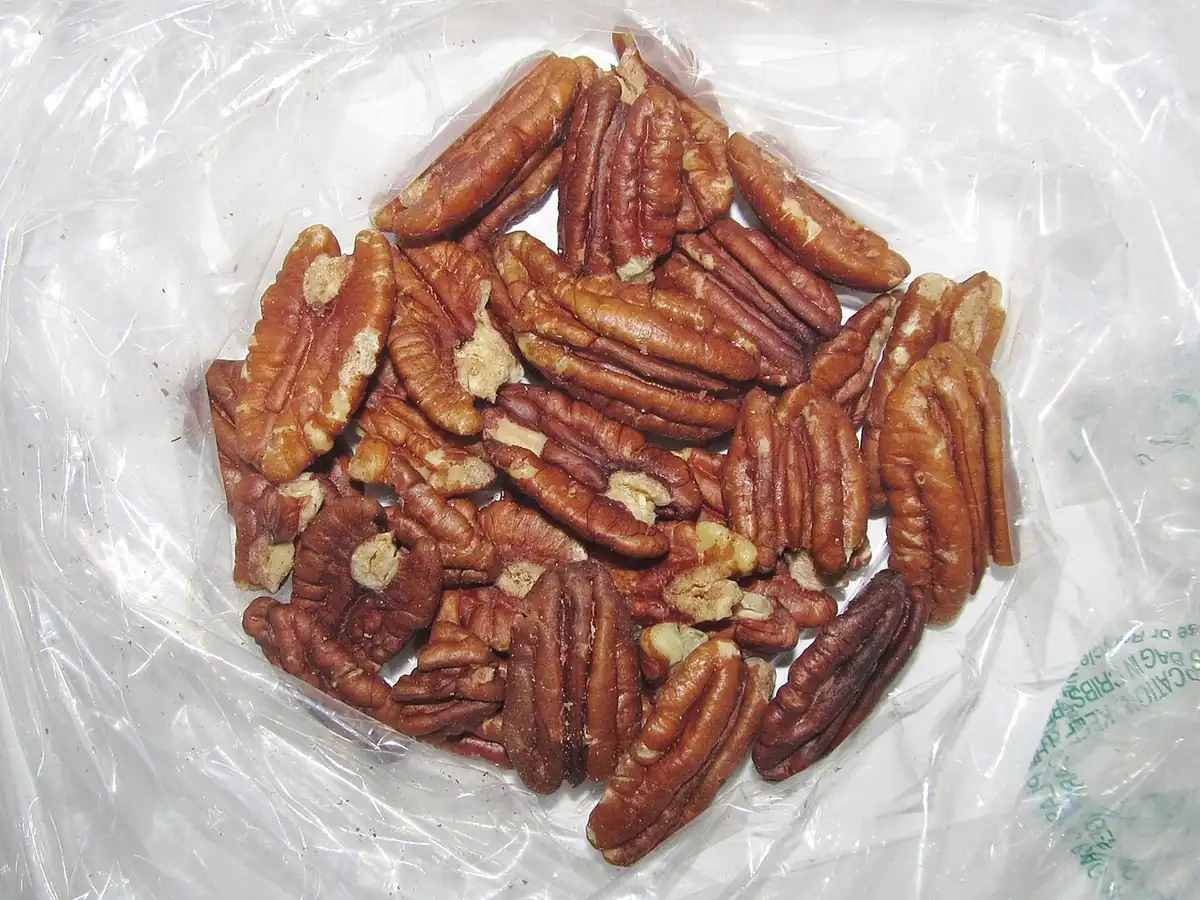
Pecans are not classed as toxic to dogs, but they are very high in fat, a choking hazard, and moldy pecans can cause tremors, seizures, and liver damage — so do not feed them to your dog.
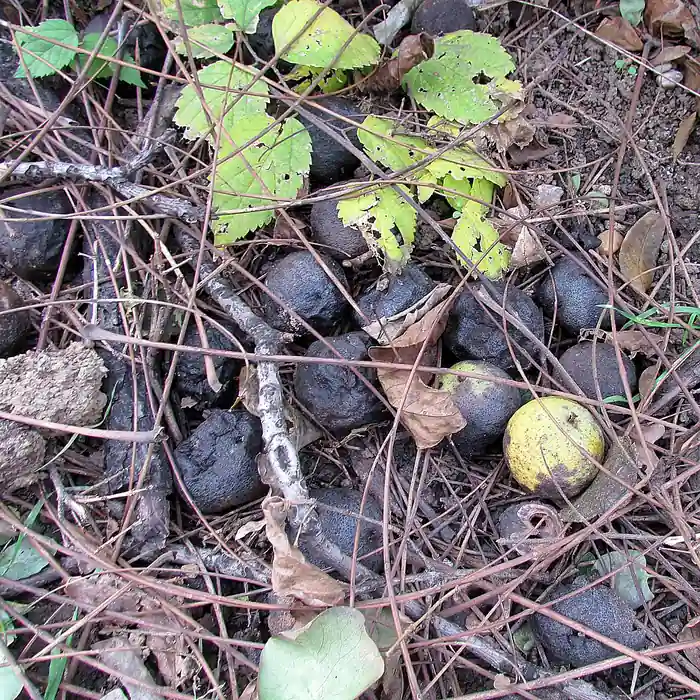
Black walnuts are toxic to dogs, and moldy walnuts of any kind can cause tremors and seizures. Fresh English walnuts are not acutely toxic, but they are fatty, a choking hazard, and prone to mold — so do not feed walnuts to your dog.
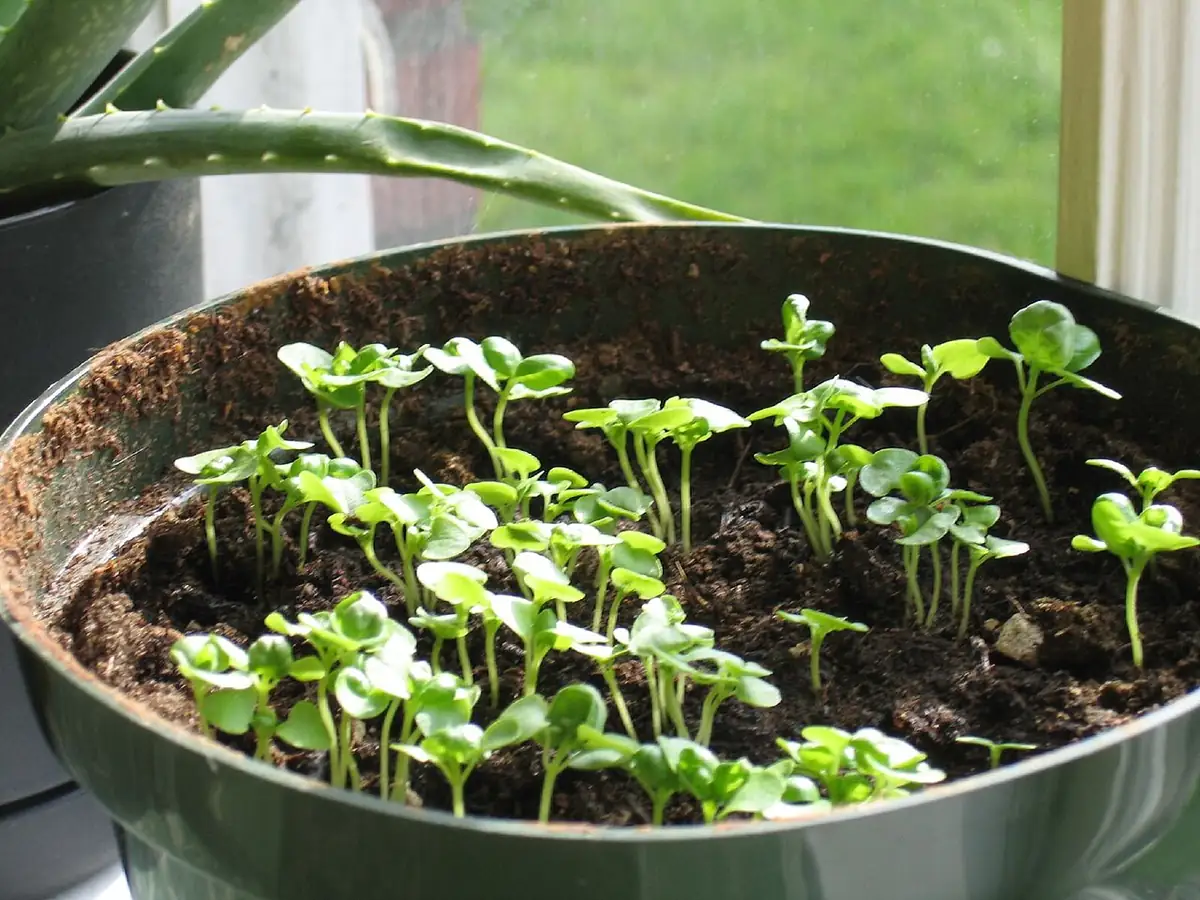
The ASPCA lists sweet basil (Ocimum basilicum) as non-toxic to dogs, and PetMD includes it among safe herbs. A few fresh leaves are fine; a large amount may cause mild stomach upset. Basil essential oil is a different product and should never be given to a dog.
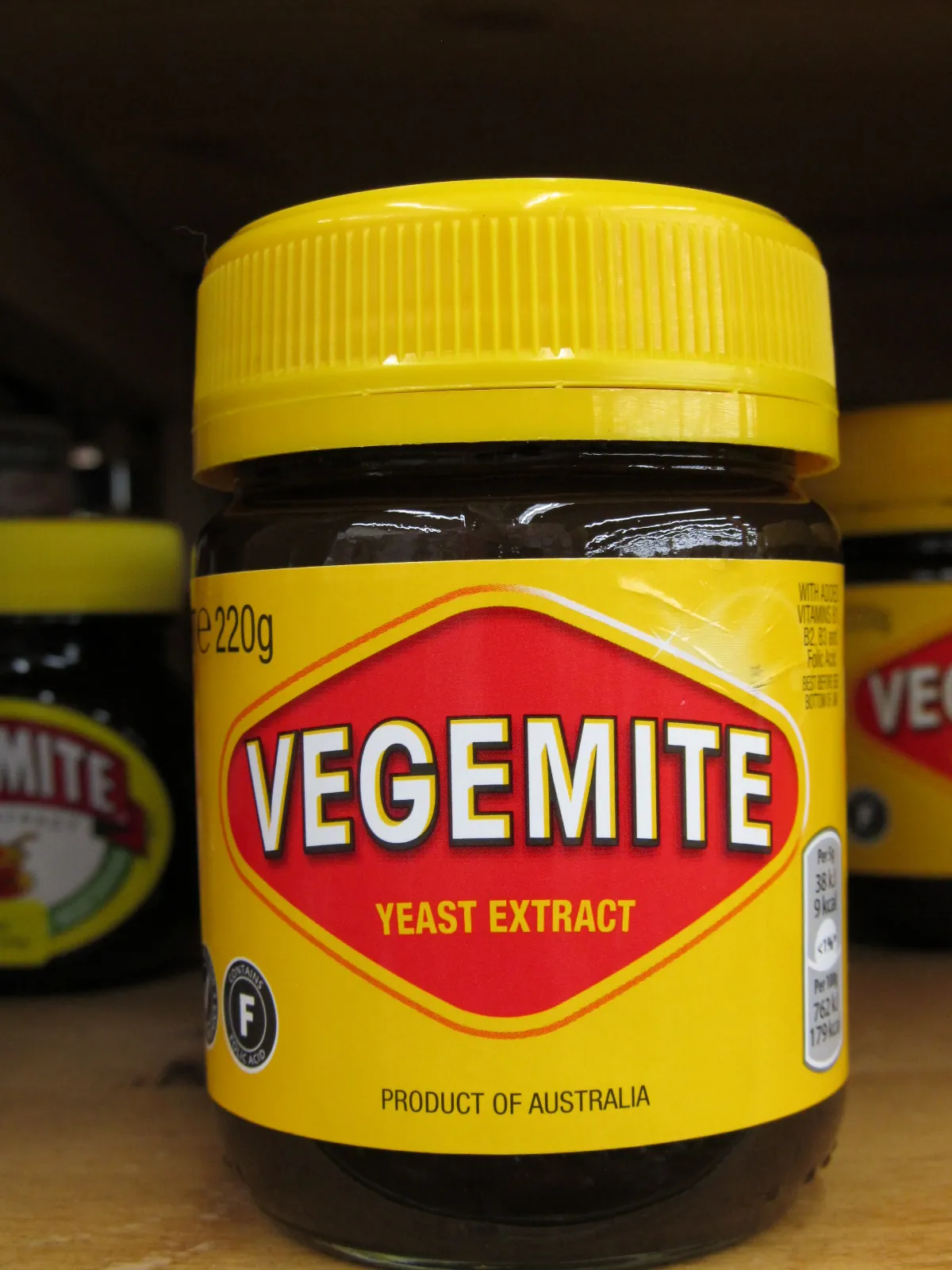
Vegemite contains no poison, and a tiny accidental lick is unlikely to harm a healthy adult dog. The problem is salt: a 5 g serve contains 165 mg of sodium, and a dog that eats a large amount can develop salt poisoning, which can cause vomiting, tremors, and seizures.
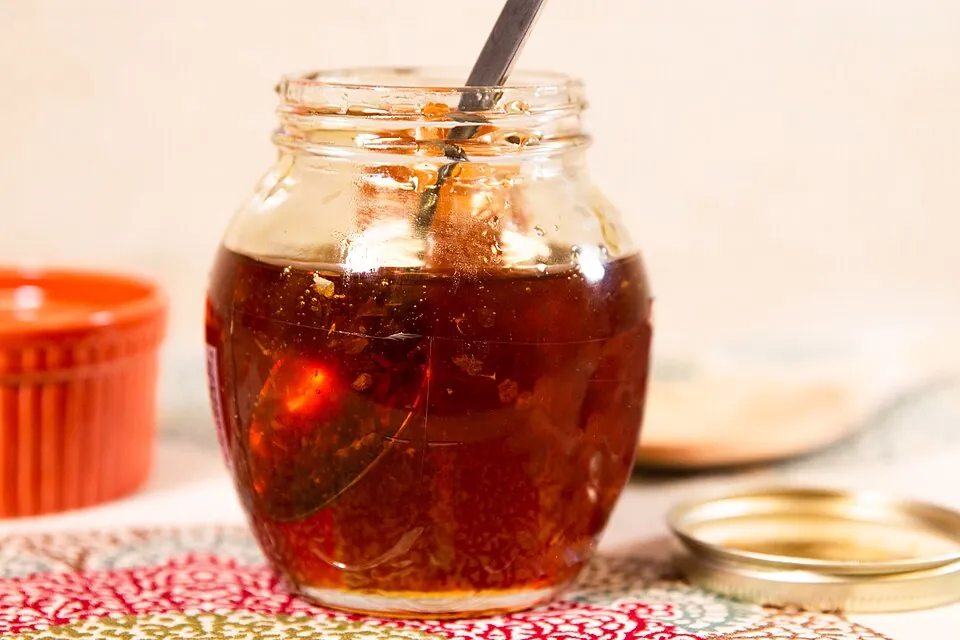
PetMD and the AKC agree that plain honey is not toxic and is safe for healthy adult dogs in small amounts as an occasional treat. Skip it for puppies, diabetic dogs, and dogs with weak immune systems, and never share a honey-flavored product that contains xylitol.
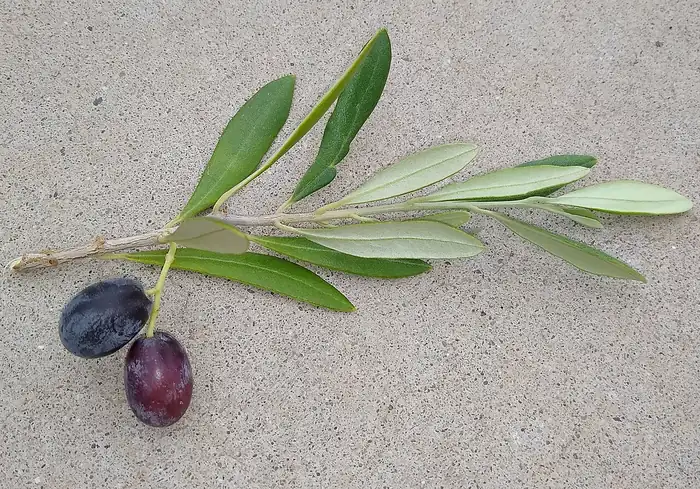
Olives are not toxic to dogs, but plain, pitted olives should only be given rarely and in tiny amounts. The real risks are the pits, which can choke or block the gut, the salt in brine, and garlic or blue cheese stuffings.
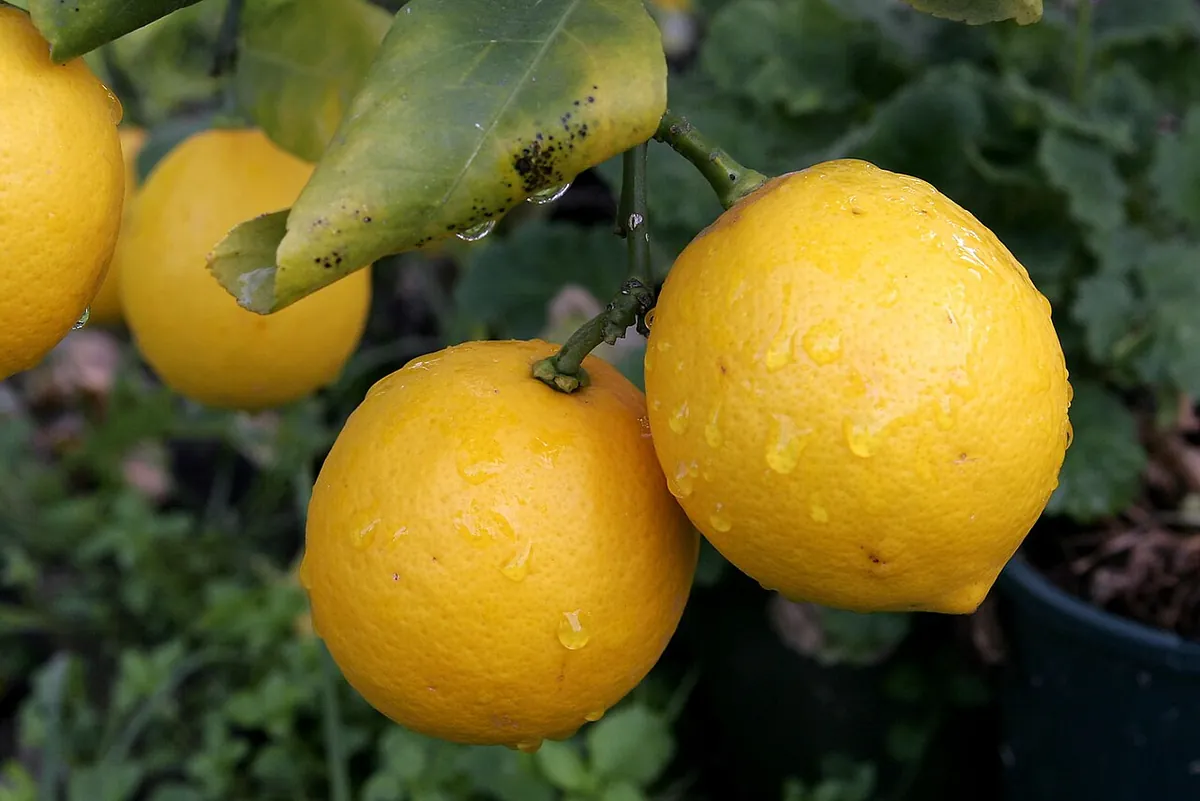
The ASPCA lists the lemon plant as toxic to dogs, because of the essential oils (limonene and linalool) and psoralens in the peel, seeds, and leaves. The flesh is less of a concern, and the usual result of eating lemon is vomiting, diarrhea, and drooling — but large amounts, whole lemons with peel, and concentrated lemon products are more serious.
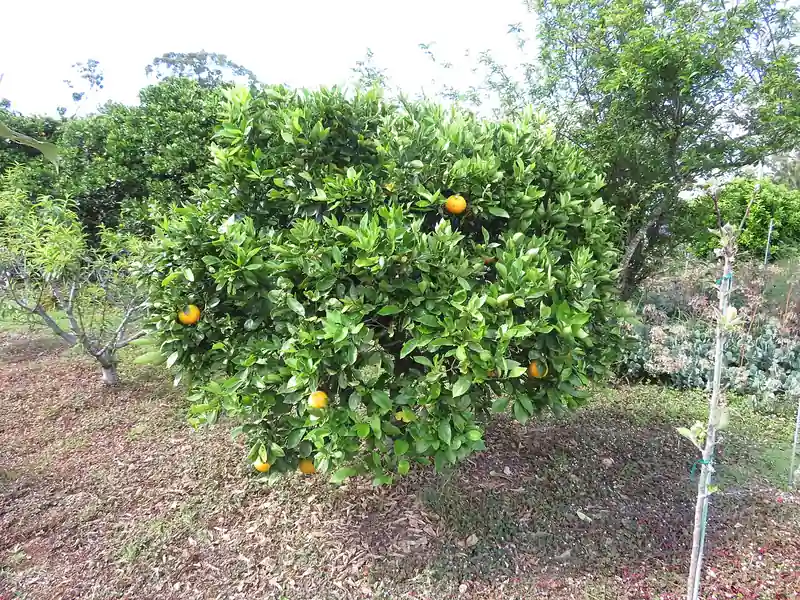
The ASPCA lists the orange plant as toxic to dogs because of essential oils and psoralens in its peel and plant material, while PetMD and the AKC say the peeled, seedless flesh is safe in small amounts. Serve flesh only, peeled and seedless, and never the peel, seeds, or plant.
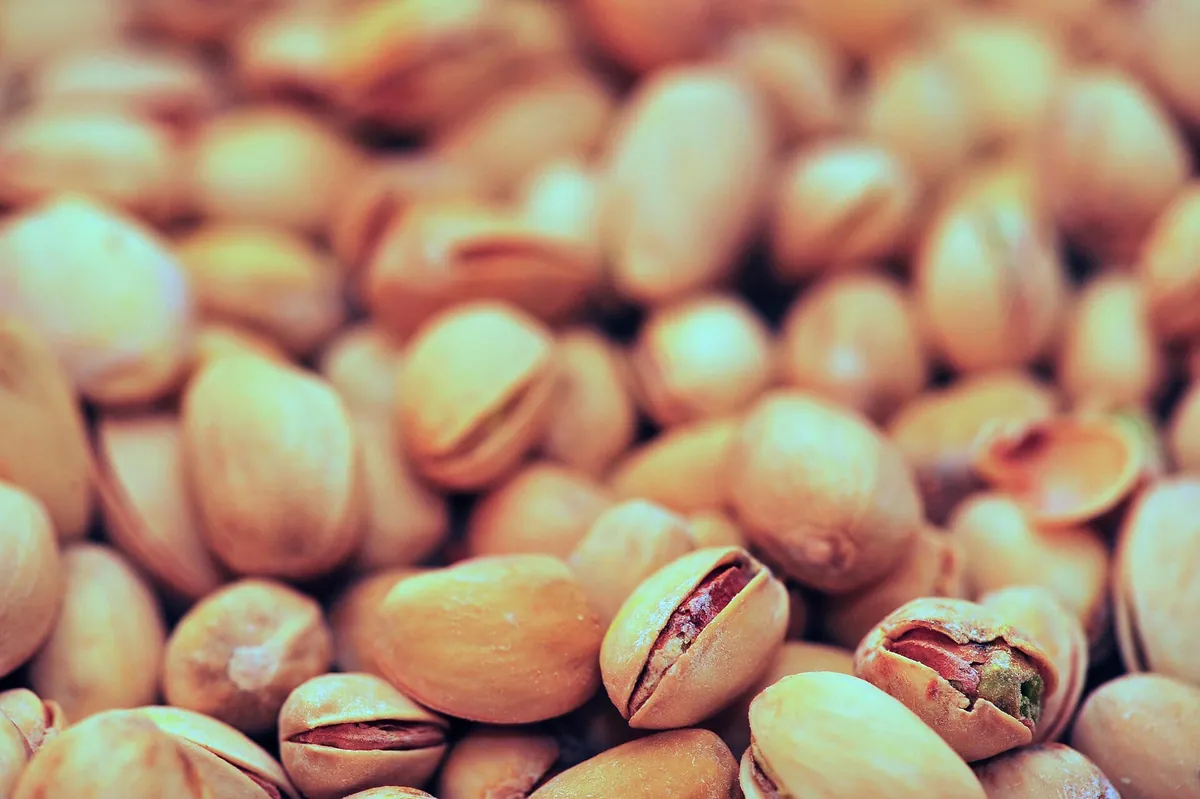
PetMD and the American Kennel Club agree pistachios are not acutely toxic to dogs. But their high fat can trigger pancreatitis, salted nuts and shells add further risk, and mold on pistachios can produce liver-damaging aflatoxin, so dogs are best kept away from them.
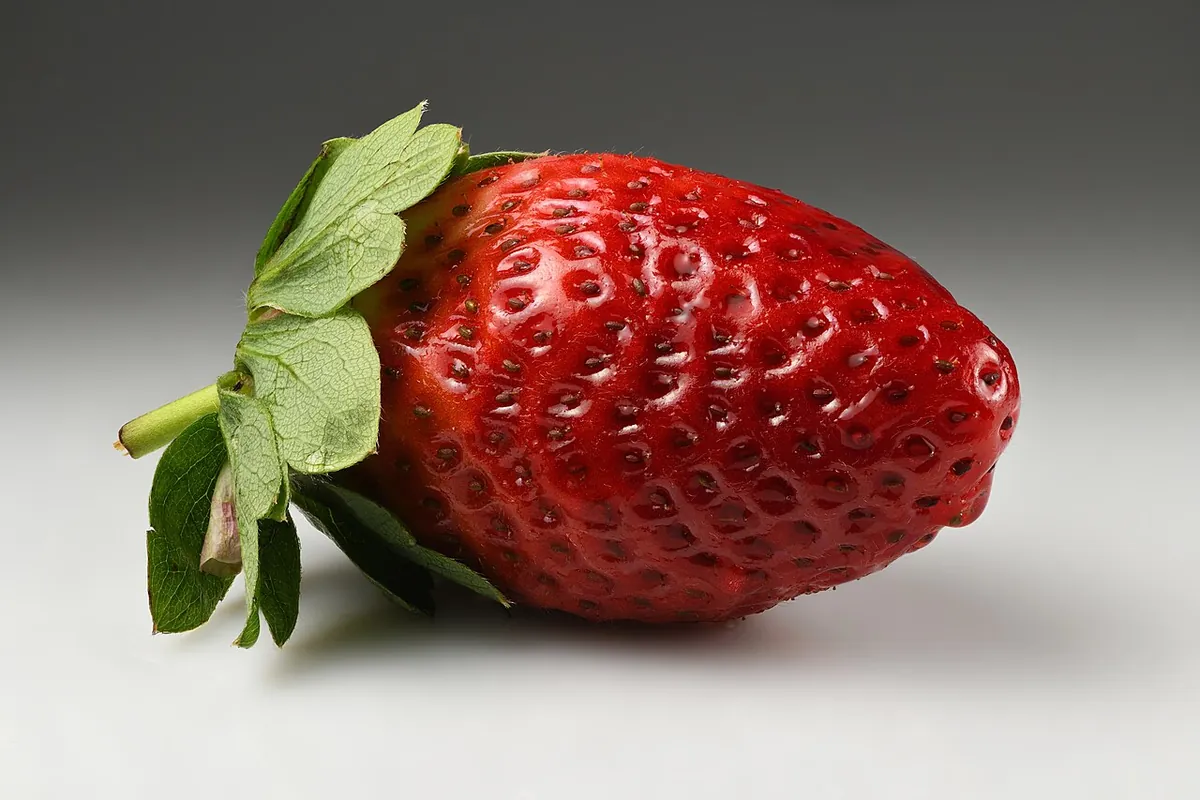
Strawberries are safe for most dogs when served plain and in moderation. They are high in fiber and vitamin C and low in calories. Avoid canned, syrup-packed, and sugar-free strawberry products, and keep portions small.
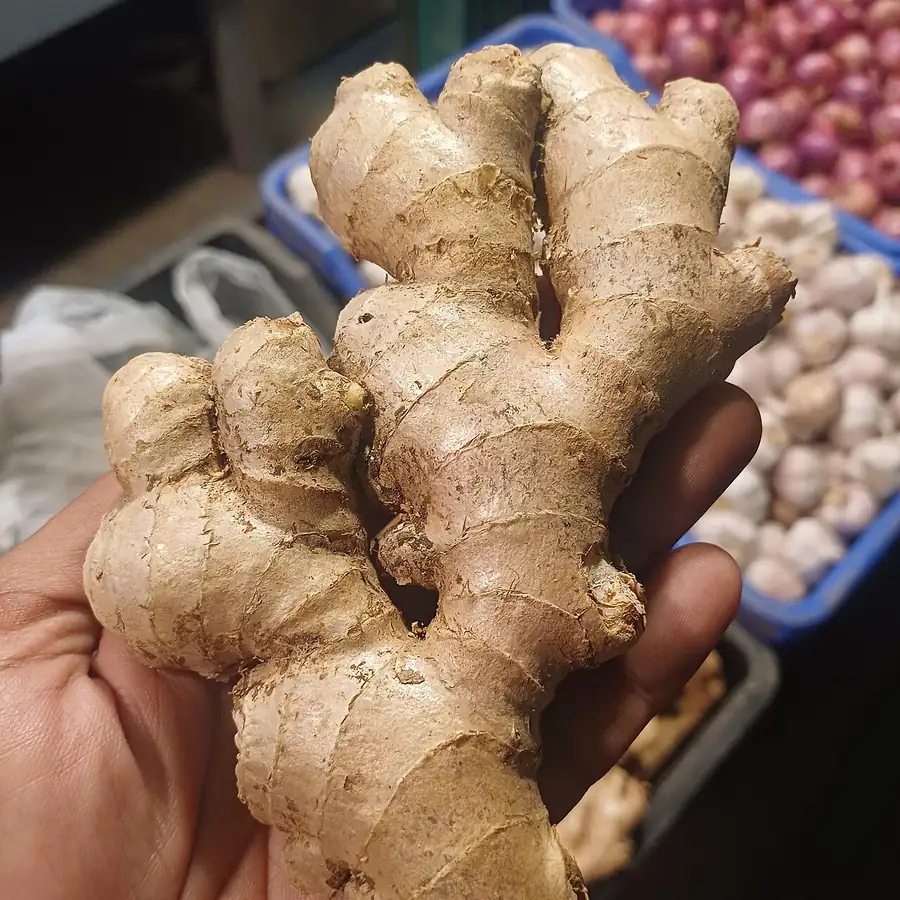
PetMD and the AKC agree that plain fresh or powdered ginger is safe for dogs in tiny amounts and may even help with nausea. Skip it for dogs with bleeding disorders, dogs due for surgery, and dogs on NSAIDs, and never share pickled ginger or gingerbread.
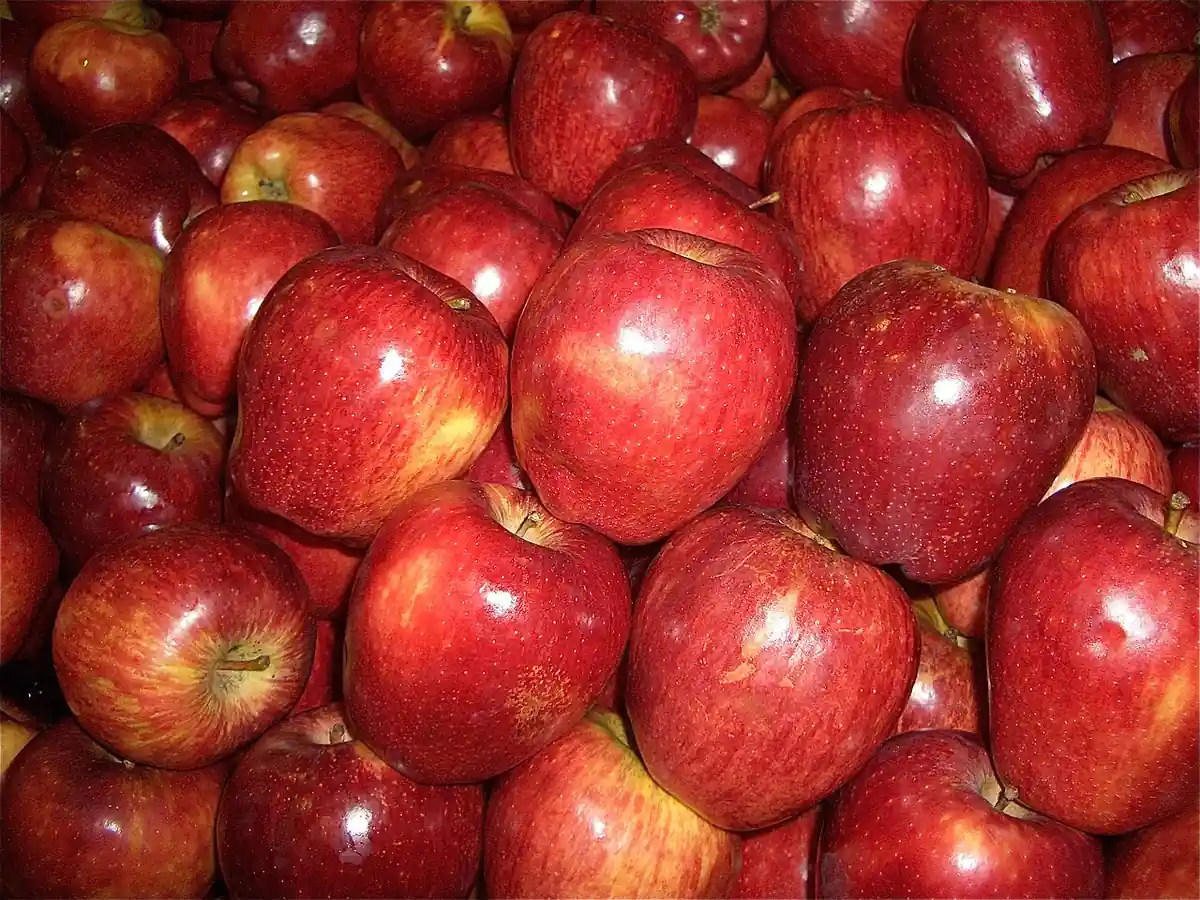
Apple flesh and skin are safe for dogs in moderation. The seeds contain amygdalin, which can release cyanide when chewed, and the core is a choking and blockage hazard — always remove both.
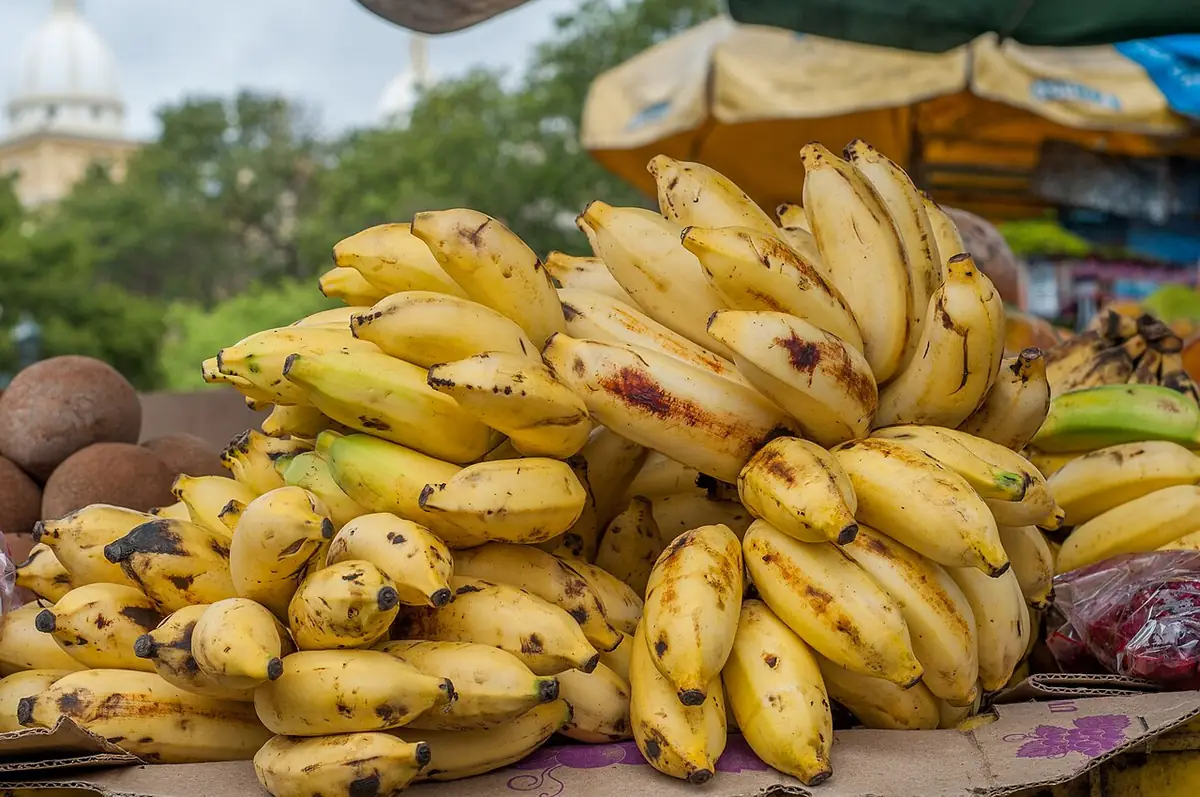
PetMD and the AKC agree that peeled banana is safe for most dogs in moderation as an occasional treat. Keep portions small, always remove the peel, and skip bananas for overweight or diabetic dogs unless your veterinarian approves.
More items are added regularly. Every guide lists its sources — ASPCA Animal Poison Control, Merck Veterinary Manual, PetMD, and VCA Hospitals — at the bottom of the page.