Is Rosemary Toxic to Dogs? The Herb, the Oil, and the Difference
No — rosemary is not toxic to dogs.
Rosemary, the fresh or dried herb, is listed as non-toxic to dogs by the ASPCA. Large amounts can still upset the stomach, and concentrated rosemary essential oil is a different matter — never apply it to your dog or let them swallow it.


- Item
- Rosemary
- Scientific name
- Salvia rosmarinus
- Also called
- Rosemary, Anthos, Garden rosemary
- Category
- Foods
- Verdict
- Safe
- Symptoms start
- There is no poisoning onset time for culinary rosemary because it contains no toxin. Mild stomach upset from eating a large amount of the herb, if it happens, usually appears within a few hours.
No — rosemary is not toxic to dogs. The ASPCA lists rosemary as non-toxic to dogs, cats, and horses, and a dog that nibbles a sprig from the garden or eats food seasoned with a little fresh or dried rosemary is very unlikely to be poisoned.
The confusion comes from the bottle, not the plant. Concentrated rosemary essential oil is far stronger than the herb, and veterinary sources treat essential oils as a separate and riskier exposure. This page covers both: the herb your dog can usually eat, and the oil you should keep away from them.
If your dog ate it — what to do now
- If your dog ate a little fresh or dried rosemary, take the plant away, offer fresh water, and watch for vomiting or diarrhea for a few hours.
- If your dog licked or swallowed rosemary essential oil, or had oil put on their coat, wash it off the skin or fur with liquid dish soap.
- Call your veterinarian or the ASPCA Animal Poison Control Center at (888) 426-4435 right away (a consultation fee may apply).
- Tell them which form of rosemary your dog was exposed to, roughly how much, when it happened, and whether your dog has a seizure history.
- Follow your vet's instructions exactly, and take your dog to the vet or an emergency clinic if they tell you to.
Do not do this
- Do not apply undiluted rosemary essential oil to your dog's skin or coat.
- Do not add rosemary essential oil to your dog's food or water.
- Do not run a rosemary oil diffuser in a small, closed room your dog cannot leave.
- Do not induce vomiting unless a veterinarian tells you to.
- Do not give milk, food, or home remedies to dilute swallowed oil.
What makes rosemary safe — and where the risk actually is?
Rosemary is a woody Mediterranean herb in the mint family, Lamiaceae. Its current scientific name is Salvia rosmarinus, although the ASPCA still lists it under its older name, Rosmarinus officinalis. The ASPCA's entry lists no toxic principle for rosemary and marks it non-toxic to dogs, cats, and horses.
That verdict applies to the plant itself: fresh leaves, dried leaves, and the small amounts used in cooking. Rosemary extract is also used in many commercial dog foods as a natural antioxidant, at low levels in tested foods.
The risk sits with concentrated forms. Rosemary essential oil is steam-distilled from the plant, so a few drops carry far more of its volatile compounds — including camphor and 1,8-cineole — than a dog would ever meet by chewing a sprig. PetMD lists rosemary among the essential oils sometimes considered lower risk for dogs, but only with veterinary guidance, and never applied directly to the skin or coat. VCA Animal Hospitals warns more broadly that many essential oils are toxic to dogs and cats, and that concentrated oils should never be applied to a pet.
How much rosemary can a dog have?
There is no established safe dose of rosemary for a dog, and no toxic dose in milligrams per kilogram has been published in the sources we reviewed. In practice, the amounts that matter are the ones in normal cooking: a pinch of chopped fresh leaves or a light sprinkle of dried rosemary over food. A dog that steals a bite of food seasoned this way is not in danger.
A large amount of the plant is a different story, not because rosemary is poisonous, but because eating a lot of any plant material can irritate a dog's stomach. The ASPCA makes the same point about all non-toxic plants: eating plant material may cause vomiting and stomach upset, and non-toxic plants are not expected to be life-threatening. A dog that strips a whole potted rosemary plant may vomit or have diarrhea, and should be watched and kept from eating more.
Rosemary essential oil has no safe amount you can work out at home. Do not add drops of oil to your dog's food or water, rub it on their coat, or use it in a diffuser in a small, closed room with your dog. Store any rosemary oil where your dog cannot reach it, and ask your veterinarian before using any essential oil product around your dog.
Symptoms to watch for after rosemary
For most dogs, eating a little fresh or dried rosemary causes no symptoms at all. If a dog eats a large amount of the herb, the signs are the usual ones for stomach irritation: vomiting, diarrhea, drooling, or a reduced appetite. These signs usually settle on their own once the dog stops eating the plant, but call your vet if vomiting or diarrhea keeps going, or if your dog seems weak or will not drink.
Exposure to concentrated rosemary essential oil can cause stronger signs. Veterinary sources describe vomiting, diarrhea, lethargy, drooling, and skin irritation after essential oil exposure, and in rare cases, after a large dose, tremors or seizures. Dogs with a history of seizures deserve extra caution: some veterinary sources note that compounds in rosemary oil may lower the seizure threshold, although this has not been firmly established in dogs.
What to do if your dog eats rosemary or gets into rosemary oil
If your dog ate a little fresh or dried rosemary, there is usually nothing urgent to do. Take the plant away so they cannot eat more, offer fresh water, and watch them for a few hours for vomiting or diarrhea. Most dogs need no treatment at all, but call your vet if you are unsure or if symptoms appear.
If your dog licked or swallowed rosemary essential oil, or had undiluted oil put on their skin or coat, act right away. VCA Animal Hospitals advises washing any essential oil product off your pet's skin or fur with dishwashing detergent, then heading straight to a veterinary hospital. Do not try to wash oil out of your dog's mouth, and do not give milk, food, or home remedies to dilute it.
Call your veterinarian or the ASPCA Animal Poison Control Center at (888) 426-4435 right away (a consultation fee may apply). Tell them which form of rosemary your dog was exposed to, roughly how much, when it happened, and whether your dog has a seizure history or any other health condition. Follow their instructions exactly.
How to keep rosemary safe around your dog
A potted rosemary plant on a sunny windowsill or in the garden is one of the safer herbs to keep in a home with a dog. It is listed as non-toxic, and most dogs are put off by its strong scent and woody stems anyway. If your dog is a determined plant chewer, keep the pot where they cannot strip it bare, and pick up fallen sprigs before they are eaten in bulk.
Keep the concentrated products separate from the plant. Store essential oil bottles, diffuser blends, and strongly scented rosemary products in a closed cupboard, and never run a diffuser in a small room your dog cannot leave. The same goes for rosemary-scented cleaning products and coat sprays that list rosemary oil: check the label first.
Safe alternatives to rosemary
If you want a savory herb flavour for your dog's food or a safe plant for the kitchen garden, basil and thyme are good swaps. Both are listed as non-toxic to dogs by the ASPCA, and both are used in the same kind of cooking as rosemary. Use either one in small culinary amounts, as you would rosemary, and skip the essential oil versions of both.
If your dog has a seizure history and your vet has advised avoiding rosemary altogether, plain pumpkin puree is a simple alternative flavour addition. It adds taste and fiber to food without any herb or oil, and it is widely used for dogs with sensitive stomachs. As with any new food, introduce a small amount first and watch for stomach upset.
How to tell rosemary from other herbs
Rosemary is easy to recognize once you know it: a woody shrub with narrow, needle-like dark green leaves that are pale underneath, and small pale blue, white, or pink flowers. The leaves smell strongly piney and resinous when crushed. It grows upright or trails, depending on the variety, and survives as an evergreen in warm climates.
Do not confuse it with other herbs in the same garden bed. Mint and oregano look nothing like rosemary, but both are listed as toxic to dogs by the ASPCA, so check each herb by name before planting it at dog level. If you are not sure which herb your dog ate, photograph the plant and its tag for your veterinarian.
Symptoms to watch for
- Usually no symptoms (small amount of fresh or dried herb)
- Vomiting (large amount of herb, or essential oil)
- Diarrhea (large amount of herb, or essential oil)
- Reduced appetite
- Excessive drooling
- Lethargy (essential oil exposure)
- Skin irritation (undiluted essential oil on skin or coat)
- Tremors (rare, large essential oil dose)
- Seizures (rare, large essential oil dose or dogs with epilepsy)
A small amount of the herb usually causes no symptoms. Stomach upset from a large amount of herb, if it happens, usually appears within a few hours. Signs after essential oil exposure can be stronger and need a vet call.
Safe alternatives
- Basil — Listed as non-toxic to dogs by the ASPCA, and a familiar seasoning herb for home cooking.
- Thyme — Listed as non-toxic to dogs by the ASPCA, with a similar savory, Mediterranean flavour.
- Plain pumpkin puree — Plain pumpkin (not pie filling) is a gentle, commonly used addition to a dog's food when you want flavour without herbs or oils.
What about cats? Rosemary is also listed as non-toxic to cats by the ASPCA, so the fresh or dried herb is not a poisoning risk for a cat that nibbles a sprig. Cats are more sensitive than dogs to concentrated essential oils in general, because they cannot break down many oil compounds as well as dogs can, and they swallow oil when they groom it off their fur. Keep rosemary essential oil, diffusers, and scented products away from cats as well as dogs.
Frequently asked questions
Can dogs eat rosemary?
Yes, in small culinary amounts. The ASPCA lists rosemary as non-toxic to dogs, and fresh or dried leaves used as a seasoning are not a poisoning risk for most healthy dogs. Large amounts can still upset the stomach, and concentrated rosemary essential oil is a different matter entirely.
Is rosemary essential oil safe for dogs?
No, not in the same way as the herb. Rosemary essential oil is highly concentrated, and veterinary sources warn never to apply concentrated essential oils directly to a dog or let a dog swallow them. PetMD lists rosemary among the oils sometimes considered lower risk when used carefully, but only with veterinary guidance, never undiluted and never by mouth.
Can dogs with epilepsy have rosemary?
Be extra careful. Some veterinary sources note that compounds in rosemary oil may lower the seizure threshold, and several guides advise avoiding rosemary products in dogs with epilepsy. This link is not firmly established in dogs, so ask your veterinarian before giving rosemary to a dog with a seizure history, and keep essential oil away from them.
What should I do if my dog licks rosemary essential oil?
Take the oil or diffuser away, and wash any oil off your dog's skin or fur with liquid dish soap, as VCA Animal Hospitals advises for essential oil exposure. Then call your veterinarian or the ASPCA Animal Poison Control Center at (888) 426-4435 right away (a consultation fee may apply). Tell them how much oil your dog may have swallowed or been exposed to, and when it happened.
Sources
- ASPCA Poison Control — Toxic and Non-toxic Plants: Rosemary
- PetMD — Essential Oils Safe for Dogs: 7 To Use and 12 To Avoid
- VCA Animal Hospitals — Steer Clear of Essential Oils
Related guides
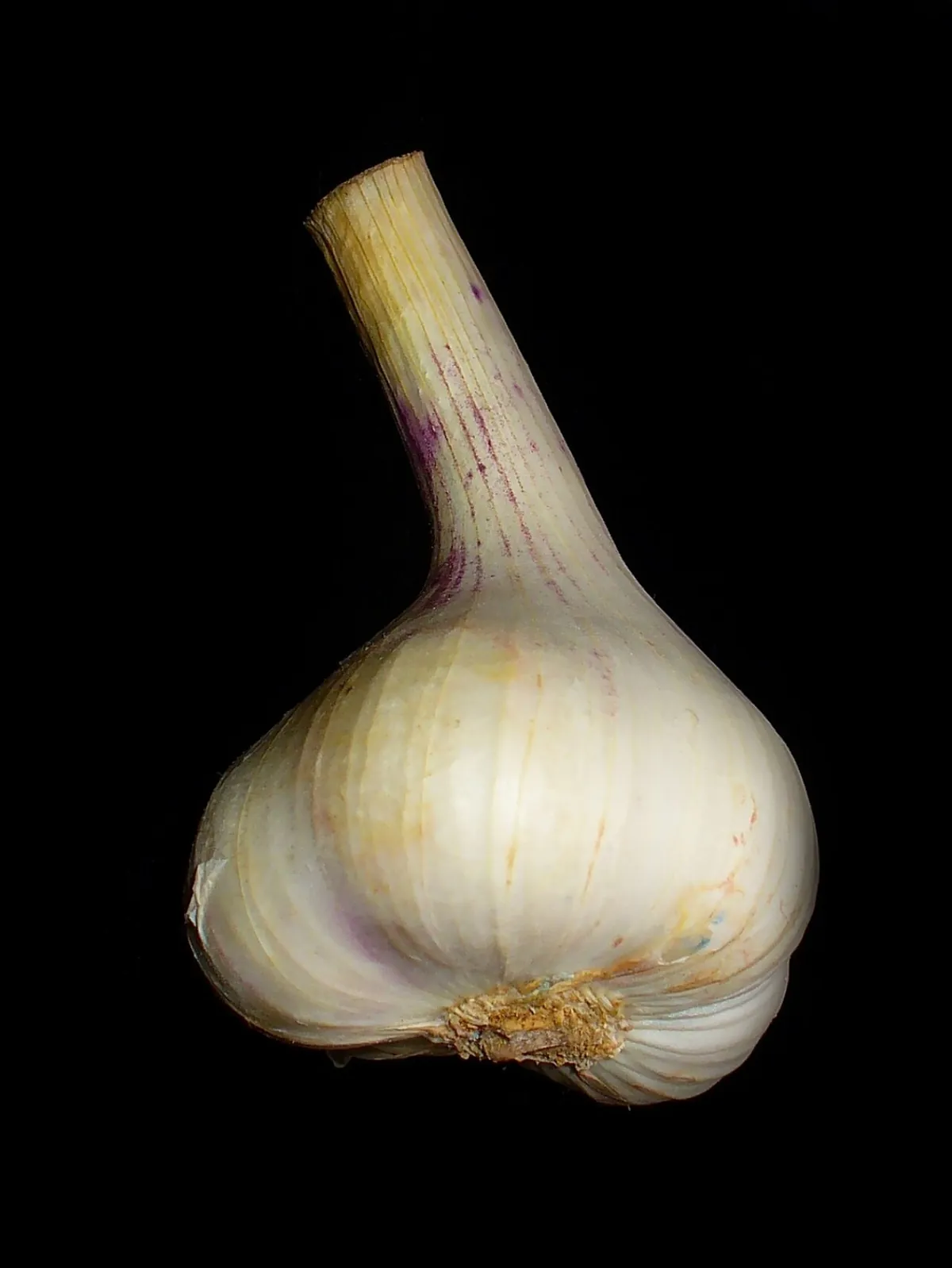
Garlic is toxic to dogs in every form, including raw, cooked, dried, and powdered. Do not feed it to your dog on purpose, and call your veterinarian if your dog eats a large amount.

The ASPCA lists lavender as toxic to dogs. Eating the plant usually causes only mild stomach upset, but concentrated lavender essential oil is a much bigger risk and should never be swallowed or put on your dog.

Cinnamon is listed as non-toxic to dogs by the ASPCA, and a small amount of ground cinnamon is unlikely to harm a healthy dog. But more than a teaspoon of powder, cinnamon sticks, or any amount of cinnamon essential oil can cause serious illness.

The ASPCA lists roses (Rosa species) as non-toxic to dogs, cats, and horses. The real risks are the thorns and any pesticides, fertilizers, or flower food on the plant.