Are Roses Toxic to Dogs? What Every Owner Should Know
No — roses are not toxic to dogs.
The ASPCA lists roses (Rosa species) as non-toxic to dogs, cats, and horses. The real risks are the thorns and any pesticides, fertilizers, or flower food on the plant.


- Item
- Roses
- Scientific name
- Rosa spp.
- Also called
- Garden rose, Tea rose, Climbing rose, Shrub rose
- Category
- Plants
- Verdict
- Safe
- Symptoms start
- There is no poisoning onset time for true roses because they contain no toxin. Signs of a thorn injury or stomach upset, if they occur, usually appear soon after chewing or eating the plant.
Roses are one of the most popular flowers in American homes and gardens, and one of the safest for dog owners. The ASPCA Animal Poison Control Center lists roses, Rosa species, as non-toxic to dogs, cats, and horses, with no toxic principle. A dog that nibbles a rose petal is not expected to be poisoned.
Non-toxic does not mean risk-free, though. Rose thorns can cut a dog's mouth or paws, and eating a large amount of stems can cause stomach upset or a blockage. Sprays, fertilizers, and vase water can also be harmful, even when the rose itself is safe.
If your dog ate it — what to do now
- Check your dog's mouth and paws for thorns or cuts, and remove any loose plant material you can see.
- Find out whether the rose was sprayed or the vase water contains flower food, and keep the product label if you have it.
- Call your veterinarian or ASPCA Animal Poison Control Center at (888) 426-4435 (a consultation fee may apply) if your dog is drooling, pawing at its mouth, refusing to eat, bleeding, or vomiting repeatedly.
- If the plant may be a desert rose or Christmas rose rather than a true rose, call your veterinarian or ASPCA Animal Poison Control Center at (888) 426-4435 (a consultation fee may apply) right away, even if your dog looks fine.
- Watch your dog for the next day for vomiting, diarrhea, swelling, or pain, and seek veterinary care if any of these appear or get worse.
Do not do this
- Do not induce vomiting unless a veterinarian tells you to.
- Do not try to pull out a deeply embedded thorn — let a veterinarian remove it.
- Do not assume a plant is a true rose just because rose is in its name — check the scientific name first.
- Do not let your dog drink vase water from a bouquet, which may contain flower food or bacteria.
- Do not use home remedies as a substitute for veterinary care.
Why roses are considered safe for dogs
Roses contain no known toxin that affects dogs. The ASPCA entry for Rosa species lists the toxic principle as non-toxic, so no poisoning symptoms are listed for the plant. PetMD also includes roses on its list of flowers safe for dogs, along with sunflowers, snapdragons, and orchids.
That does not mean a dog should eat roses as a snack. PetMD notes that even non-toxic plants can cause mild vomiting or diarrhea if a dog eats a large amount. The plant is safe in the sense that it will not poison your dog, not in the sense that it is food.
How much rose is dangerous for dogs?
There is no established toxic dose for roses, because there is no toxin to measure a dose against. A few nibbled petals are not expected to cause more than mild stomach upset.
Amount still matters for a different reason. The ASPCA warns that eating large amounts of flower stems can cause a foreign body obstruction, where plant material blocks the gut. A dog that chews up a whole bouquet or a large section of a rose bush should be watched closely.
Symptoms to watch for after a dog eats roses
Most dogs show no symptoms at all after nibbling a true rose. When symptoms do appear, they usually come from the thorns or from eating too much plant material, not from poisoning. Mild vomiting or diarrhea can follow eating a large amount of leaves.
Thorn injuries look different. A dog with a thorn in its mouth may drool, paw at its face, or refuse to eat, and a thorn in a paw can cause limping, swelling, or bleeding. A swallowed thorn can scratch the throat or gut, and a large amount of swallowed stems can cause repeated vomiting or a painful belly. Those signs need a veterinarian promptly.
What to do if your dog eats roses
Stay calm and check what your dog actually ate. Look inside its mouth and at its paws for thorns, cuts, or bleeding, and remove any loose plant material you can see. Find out whether the rose was sprayed with pesticide or fertilizer, or whether the vase water contains flower food.
Most of the time, no treatment is needed beyond watching your dog. Call your veterinarian if your dog is drooling, pawing at its mouth, refusing food, bleeding, or vomiting more than once. If the plant might be a desert rose or Christmas rose instead of a true rose, call your veterinarian or poison control right away.
How to keep your dog safe around roses
Roses and dogs can share a home or garden with a little planning. Keep bouquets on high surfaces or behind closed doors, and do not let your dog chew on rose bushes. Prune low branches, clear fallen stems from paths, and consider thornless varieties if your dog runs through the beds.
Indoors, strip the thorns from the lower stems and keep the vase where your dog cannot reach it or drink from it. Teach your dog to leave plants alone, and offer a chew toy instead.
Rose care products to watch for
The chemicals used on roses deserve more caution than the roses themselves. Garden roses are often treated with insecticides, fungicides, and fertilizers, and cut roses may be sprayed before shipping. Flower food packets added to vase water can also upset a dog's stomach.
Ask your florist or garden center whether the roses were treated, and read the label on any spray or fertilizer you use at home. Store these products where your dog cannot reach them, and keep your dog away from freshly sprayed plants until they are dry. If your dog eats a treated rose, tell your veterinarian which product was used.
Plants called rose that are not safe
The word rose in a plant's name does not guarantee it is a true rose. Desert rose (Adenium obesum) and Christmas rose (Helleborus niger) are not Rosa species, and the ASPCA lists both as toxic to dogs. Desert rose contains cardiac glycosides, which can affect the heart; Christmas rose contains cardiac glycosides, saponins, and protoanemonin.
Always check the scientific name on the plant tag before deciding a plant is safe. If the name includes rose but the scientific name is not Rosa, look it up in the ASPCA plant database first. If your dog has eaten one of these look-alikes, treat it as a poisoning emergency and call your veterinarian or poison control immediately.
Safe alternatives to roses
Roses are already a safe choice, but if you want flowers without thorns, several other options are equally safe. Sunflowers, snapdragons, gerbera daisies, and orchids are all listed as non-toxic to dogs by the ASPCA, and spider plants are another thorn-free option for the home.
Whatever you choose, keep the same habits: keep bouquets out of reach, check for sprays or flower food, and do not let your dog eat plant material.
Symptoms to watch for
- Mild vomiting
- Diarrhea
- Drooling
- Pawing at the mouth
- Bleeding from the mouth or paws
- Swelling around the mouth or paw
- Refusal to eat
- Limping
- Gagging or coughing
- Repeated vomiting or straining (possible blockage)
Most dogs show no symptoms after nibbling a true rose; any signs usually come from a thorn injury or eating too much plant material.
Safe alternatives
- Sunflowers — Non-toxic to dogs, with no thorns to worry about.
- Snapdragons — A thorn-free flower the ASPCA lists as non-toxic to dogs.
- Gerbera daisies — A colorful bouquet flower, non-toxic to dogs.
- Orchids (Phalaenopsis) — A thorn-free indoor flower, safe for dogs.
- Spider plants — A thorn-free houseplant, non-toxic to dogs.
What about cats? Roses are also listed as non-toxic to cats by the ASPCA, and PetMD notes the same thorn warning applies to cats. Keep bouquets out of reach of cats as well, and remember that lilies — often mixed into bouquets with roses — are extremely dangerous to cats.
Frequently asked questions
Are roses toxic to dogs?
No. The ASPCA Animal Poison Control Center lists roses (Rosa species) as non-toxic to dogs, cats, and horses. The real risks are the thorns and any pesticides, fertilizers, or flower food on the plant.
Can dogs eat rose petals?
Rose petals are not toxic, but they are not food either. A few nibbled petals are not expected to cause harm, but eating a large amount of any plant material can cause mild vomiting or diarrhea. Make sure the petals have not been sprayed with pesticides before your dog eats them.
Are rose thorns dangerous for dogs?
Yes, thorns are the main danger. They can cut or puncture a dog's mouth, paws, or digestive tract, and a thorn stuck in the mouth can cause drooling, pawing at the face, or refusal to eat. A thorn wound can also become infected, so check your dog's mouth and paws and call your veterinarian if you see bleeding, swelling, or ongoing pain.
Are rose hips safe for dogs?
Rose hips are the fruit of the rose plant, so they fall under the same Rosa genus listing that the ASPCA marks as non-toxic. We could not find a source that tested rose hips separately from the rest of the plant, so treat them the same way: a small nibble is not expected to poison a dog, but do not feed them to your dog on purpose, and keep hips from a sprayed garden rose away from your dog.
Sources
- ASPCA Poison Control — Rose
- ASPCA — Mother's Day Bouquets: What's Safe for Pets?
- PetMD — 29 Flowers and Plants That Are Safe for Dogs
Related guides
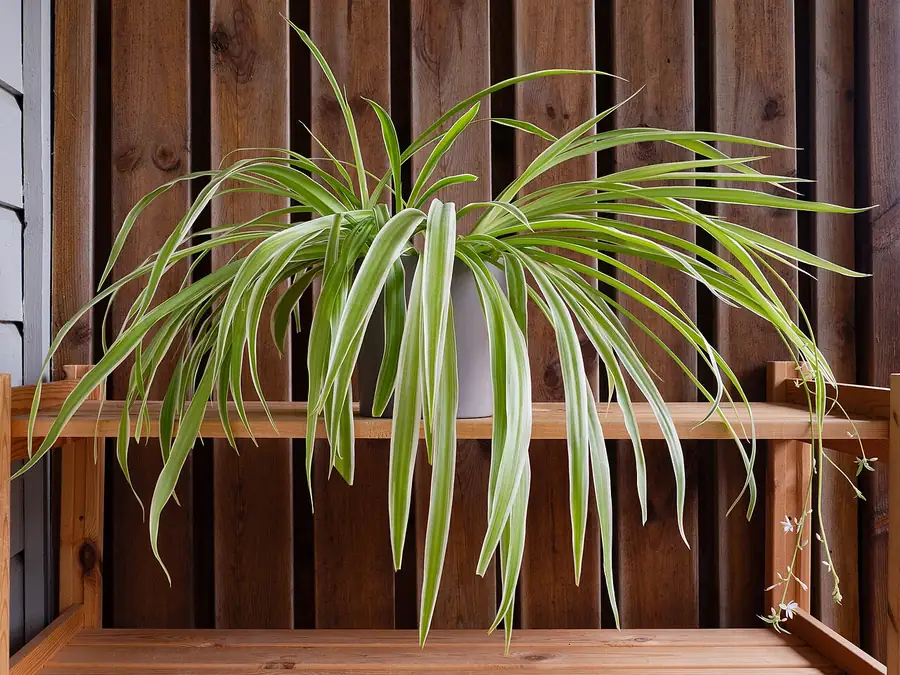
The ASPCA lists spider plants as non-toxic to dogs, cats, and horses, and PetMD includes them among the houseplants safe for dogs. A dog that eats a large amount may still get a mild stomach upset.

Lilies can poison dogs, usually causing vomiting, diarrhea, and drooling. True lilies are far more dangerous to cats, where they can cause fatal kidney failure. If your dog eats any lily, call your vet.

Tulips are toxic to dogs. Every part of the plant contains tulipalin A and B, but the bulb holds the highest concentration, so a dog that digs up and eats bulbs faces the greatest risk.
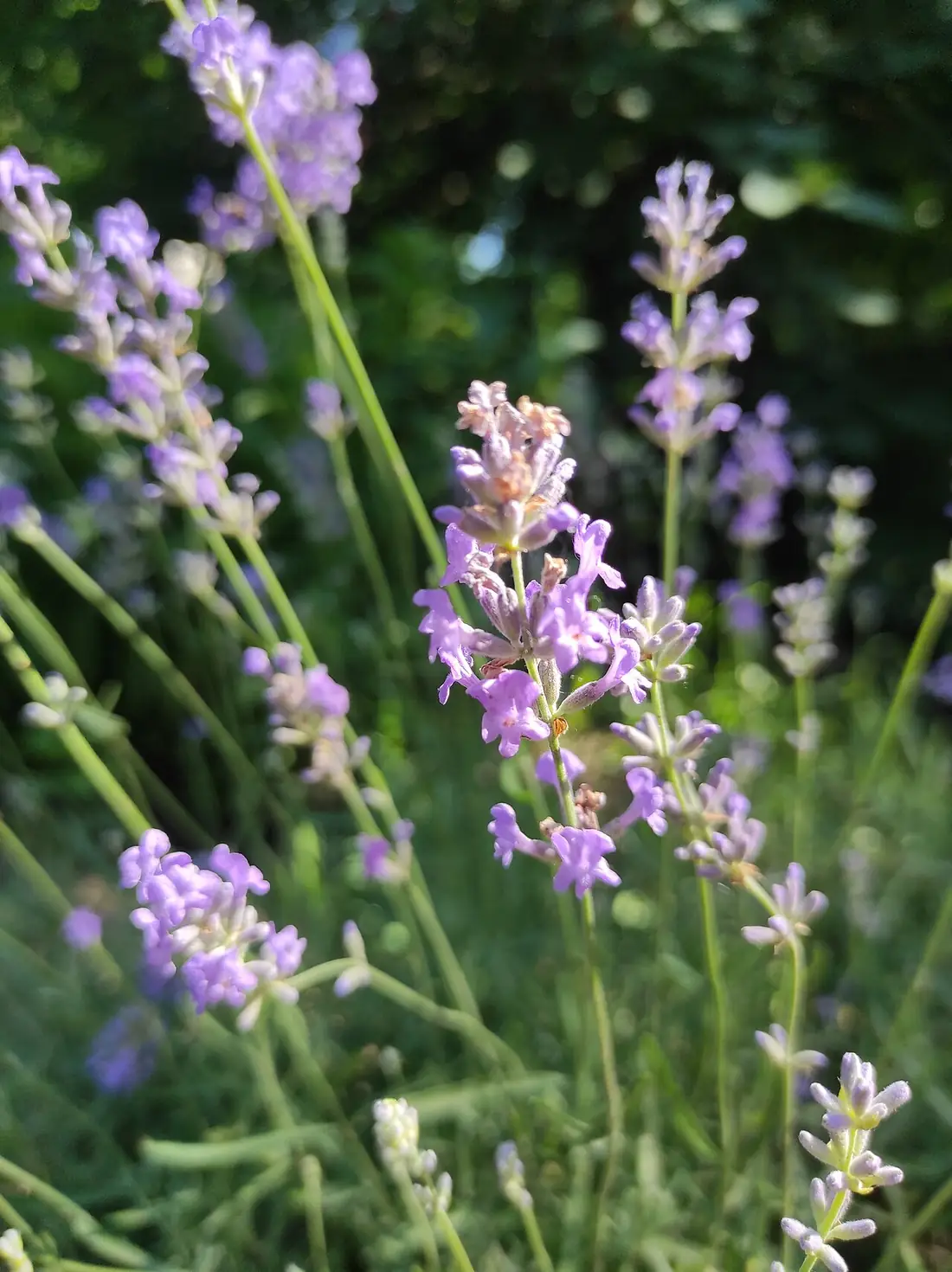
The ASPCA lists lavender as toxic to dogs. Eating the plant usually causes only mild stomach upset, but concentrated lavender essential oil is a much bigger risk and should never be swallowed or put on your dog.