Are Cherries Toxic to Dogs? Pits, Flesh & What to Know
Mostly the pits are the problem — cherry flesh is different from the pit.
The flesh of a fresh, pitted cherry is generally considered safe for dogs in small amounts. The pits, stems, and leaves contain amygdalin, which can release cyanide, and whole pits are also a choking and intestinal-blockage risk, especially for small dogs.


- Item
- Cherries
- Scientific name
- Prunus avium
- Also called
- Cherries, Sweet cherries, Cherry pits
- Category
- Foods
- Verdict
- Caution
- Symptoms start
- Cyanide poisoning signs can appear within minutes to a couple of hours after a dog chews cherry pits, stems, or leaves. Signs of an intestinal blockage from a swallowed pit usually take longer, about 12 to 72 hours.
Cherries show up everywhere in summer, and it is natural to wonder whether your dog can share one. The short answer is that the flesh of a fresh cherry is not the problem. The danger sits in the pit, the stem, and the leaves, which contain a compound that can release cyanide.
That split makes cherries different from foods that are simply toxic through and through. A few pitted cherries are generally considered safe for dogs, but a whole cherry is a gamble: the pit can poison a dog that chews it, and it can also choke a dog or block its intestines. Here is what matters.
If your dog ate it — what to do now
- Call your veterinarian or ASPCA Animal Poison Control Center at (888) 426-4435 (a consultation fee may apply) right away if your dog chewed cherry pits, stems, or leaves, or shows any symptoms.
- Tell them how many cherries your dog ate, whether the pits were chewed or swallowed whole, and when it happened, along with your dog's weight.
- If your dog shows signs of cyanide poisoning — bright red gums, dilated pupils, difficulty breathing, or collapse — seek emergency veterinary care immediately.
- Follow your veterinarian's instructions. They may induce vomiting if the cherries were eaten very recently, monitor breathing and blood oxygen, or take X-rays to check for a blockage.
- Watch your dog closely for at least 48 hours for vomiting, belly pain, loss of appetite, or straining to pass stool, and report any of these signs to your veterinarian promptly.
Do not do this
- Do not give your dog whole cherries with the pit still in them.
- Do not induce vomiting unless a veterinarian tells you to.
- Do not wait to see if symptoms appear if your dog chewed pits, stems, or leaves — call for advice right away.
- Do not give your dog maraschino cherries or cherry products sweetened with xylitol.
What makes cherries dangerous for dogs?
Cherry pits, stems, and leaves contain amygdalin, a cyanogenic glycoside — a plant compound that the body can break down into hydrogen cyanide. Cyanide stops the body's cells from using oxygen, even though the blood still carries it. The ASPCA lists the cherry plant (Prunus species) as toxic to dogs, cats, and horses, naming the stems, leaves, and seeds as the parts that contain cyanide — particularly while wilting.
The flesh is a different story. PetMD states that the fruit itself is safe for dogs in small amounts once the pits, stems, and leaves are removed, and the American Kennel Club says much the same: dogs can eat small amounts of cherry flesh, but cherries are not recommended as a regular treat. The cyanide stays locked inside the pit unless it is cracked or chewed open: the poison is in the kernel, the true seed inside the hard shell.
How many cherry pits are dangerous for a dog?
There is no established number of cherry pits that is safe or dangerous for a dog, because it depends on the size of the dog, whether the pits were chewed, and how many were eaten. A pit swallowed whole usually passes through without releasing much cyanide — Pet Poison Helpline notes pits need to be broken open for the cyanide to be released. The American Kennel Club calls a single pit unlikely to cause poisoning in a medium or large dog. But a small dog that chews several pits faces a much larger dose relative to its body.
The physical risk does not depend on chewing at all. A cherry pit is hard, smooth, and just the wrong size: big enough to lodge in a small dog's throat or intestines, and small enough to be swallowed without chewing. The AKC and Purina both warn that pits can cause an intestinal blockage, especially in smaller dogs, which can require emergency surgery. PetMD suggests about one pitted cherry for a dog up to 10 pounds, two up to 20, three up to 50, and four or five for larger dogs, two or three times a week. Even then, cherries are a high-sugar fruit, and too many can upset a dog's stomach.
What are the symptoms of cherry poisoning in dogs?
There are two different sets of symptoms to watch for, and they appear on different timelines. Cyanide poisoning acts fast: signs usually show up within minutes to a couple of hours and include bright red gums, dilated pupils, difficulty breathing or rapid panting, drooling, vomiting, weakness, trembling, and dizziness. In severe cases a dog may have seizures, collapse, or go into shock. Bright red gums are a classic warning sign.
A blockage works more slowly. If a swallowed pit lodges in the intestines, signs usually appear 12 to 72 hours later: repeated vomiting, loss of appetite, belly pain, straining to pass stool, and lethargy. A dog that stops eating or cannot pass stool after eating whole cherries needs veterinary care right away.
What to do if your dog eats cherries
First, work out what your dog ate. A few pitted cherries are not an emergency, but chewed pits, stems, or leaves are a reason to call for advice right away — and so is any sign of breathing trouble, bright red gums, or collapse. Do not wait to see whether symptoms appear, because cyanide poisoning can move fast.
Note how many cherries your dog ate, whether the pits were chewed or swallowed whole, and when, along with your dog's weight. Your veterinarian may want to see the dog immediately, induce vomiting if the cherries were eaten very recently, or monitor blood oxygen and breathing. If a pit may be blocking the intestines, the vet may take X-rays and, in serious cases, surgery may be needed to remove it. Watch your dog for at least 48 hours, and call the vet promptly if vomiting, belly pain, or loss of appetite shows up.
Maraschino cherries and cherry-flavored products
Maraschino cherries are a different product from fresh cherries, and the risks are different too. The pits have been removed, so the cyanide risk is gone, but the fruit is preserved in sugar syrup with artificial colors and flavorings. PetMD advises against canned, maraschino, and flavored cherries because of the added sugars and artificial ingredients. They will not poison your dog the way a pit can, but they are very sugary and offer your dog nothing.
Sugar-free maraschino cherries deserve extra caution, because some sugar-free products are sweetened with xylitol, which is highly toxic to dogs even in small amounts. Check the label before assuming any cherry product is safe. Cherry pie filling, yogurt, jam, and cherry-flavored candy or cough syrup are also poor choices: high in sugar, and some contain xylitol or other sweeteners. If your dog gets into any of these, check the ingredients and call your veterinarian if xylitol is listed.
How to keep your dog safe from cherries
The simplest rule is never to offer your dog a whole cherry. If you do share cherries, remove the pit, stem, and leaves first, cut the flesh into small pieces for a small dog, and keep the amount modest. Do not let your dog eat fallen cherries: you cannot tell whether the pit is still inside, and fallen fruit may be fermenting or moldy.
If you have a cherry tree, fence it off or rake up fallen fruit and leaves regularly, and keep your dog away from pruned branches. Cherry leaves are particularly toxic while wilting, the ASPCA notes, so a pile of pruned or storm-damaged branches is a real hazard. Store cherries, pits, and cherry-flavored foods out of reach, and keep trash and compost bins closed so your dog cannot dig out pits or stems.
Safe alternatives to cherries
If you want to share fruit with your dog, there are simpler options that carry none of the pit risk. Blueberries are small, soft, and easy to serve whole, and they are one of the most commonly recommended dog-safe fruits. Pitted apple slices are another good choice — remove the core and seeds first, since apple seeds contain the same cyanide compound in much smaller amounts. Fresh strawberries are also dog-safe in moderation, though their natural sugar means a small portion is enough.
Plain vegetables work well too: cooked carrots or green beans are crunchy, low in sugar, and carry no pit or cyanide risk. Introduce any new food in small amounts, keep treats under 10 percent of daily food, and check with your veterinarian first if your dog has a health condition or is on a prescription diet.
Symptoms to watch for
- Bright red gums
- Dilated pupils
- Difficulty breathing
- Panting or rapid breathing
- Drooling
- Vomiting
- Diarrhea
- Weakness
- Trembling
- Dizziness
- Seizures
- Collapse
- Loss of appetite
Cyanide signs appear within minutes to a couple of hours; blockage signs from a swallowed pit usually appear 12 to 72 hours later.
Safe alternatives
- Blueberries — Small, soft, and easy to serve whole, blueberries are a commonly recommended dog-safe fruit.
- Pitted apple slices — Apple flesh is dog-safe once the core and seeds are removed; serve in small pieces.
- Strawberries — Fresh strawberries are a sweet, dog-safe fruit, but serve them in moderation because of their natural sugar.
- Plain cooked carrots or green beans — Plain vegetables make a crunchy, low-sugar treat with none of the risks of a cherry pit.
What about cats? The ASPCA lists the cherry plant as toxic to cats as well as dogs, and a swallowed pit is a choking and blockage hazard for a cat too. Keep cherries and cherry pits away from cats in the household.
Frequently asked questions
Can dogs eat cherries?
The flesh of a fresh, pitted cherry is generally considered safe for dogs in small amounts. The danger is in the pit, stem, and leaves, which contain amygdalin, a compound that can release cyanide. Never give your dog a whole cherry with the pit still in it.
How many cherry pits are toxic to a dog?
It depends on the size of the dog and whether the pits were chewed. A pit swallowed whole usually passes without releasing much cyanide, because the cyanide is only released when the pit is cracked open. Chewed pits are more dangerous, and small dogs face the highest risk. There is no established safe number of pits, so treat any pit ingestion as a reason to call your veterinarian.
Can dogs eat maraschino cherries?
No. Maraschino cherries are preserved in sugar syrup and often contain artificial colors and flavorings. They are not toxic in the same way a pit is, but they are very sugary and offer your dog nothing useful. Sugar-free varieties may contain xylitol, which is highly toxic to dogs, so check the label and keep them away from your dog.
How quickly do symptoms appear after a dog eats cherry pits?
Cyanide signs can appear within minutes to a couple of hours and include bright red gums, dilated pupils, difficulty breathing, and collapse. Signs of a blockage take longer, usually 12 to 72 hours, and include repeated vomiting, loss of appetite, belly pain, and straining to pass stool. If you see either set of signs, get veterinary help right away.
Sources
- PetMD — Can Dogs Eat Cherries?
- ASPCA Poison Control — People Foods to Avoid Feeding Your Pets
- ASPCA Poison Control — Toxic and Non-Toxic Plant List — Cats
Related guides
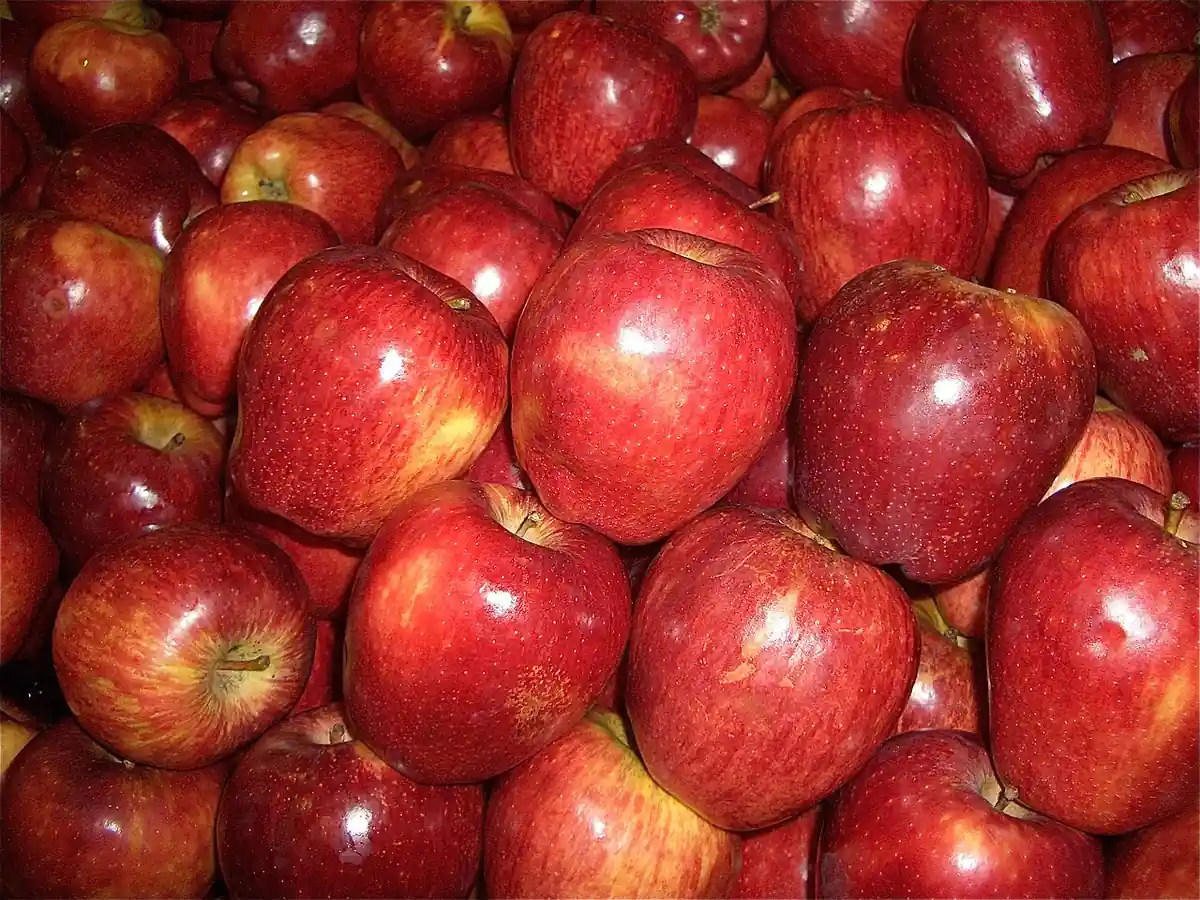
Apple flesh and skin are safe for dogs in moderation. The seeds contain amygdalin, which can release cyanide when chewed, and the core is a choking and blockage hazard — always remove both.
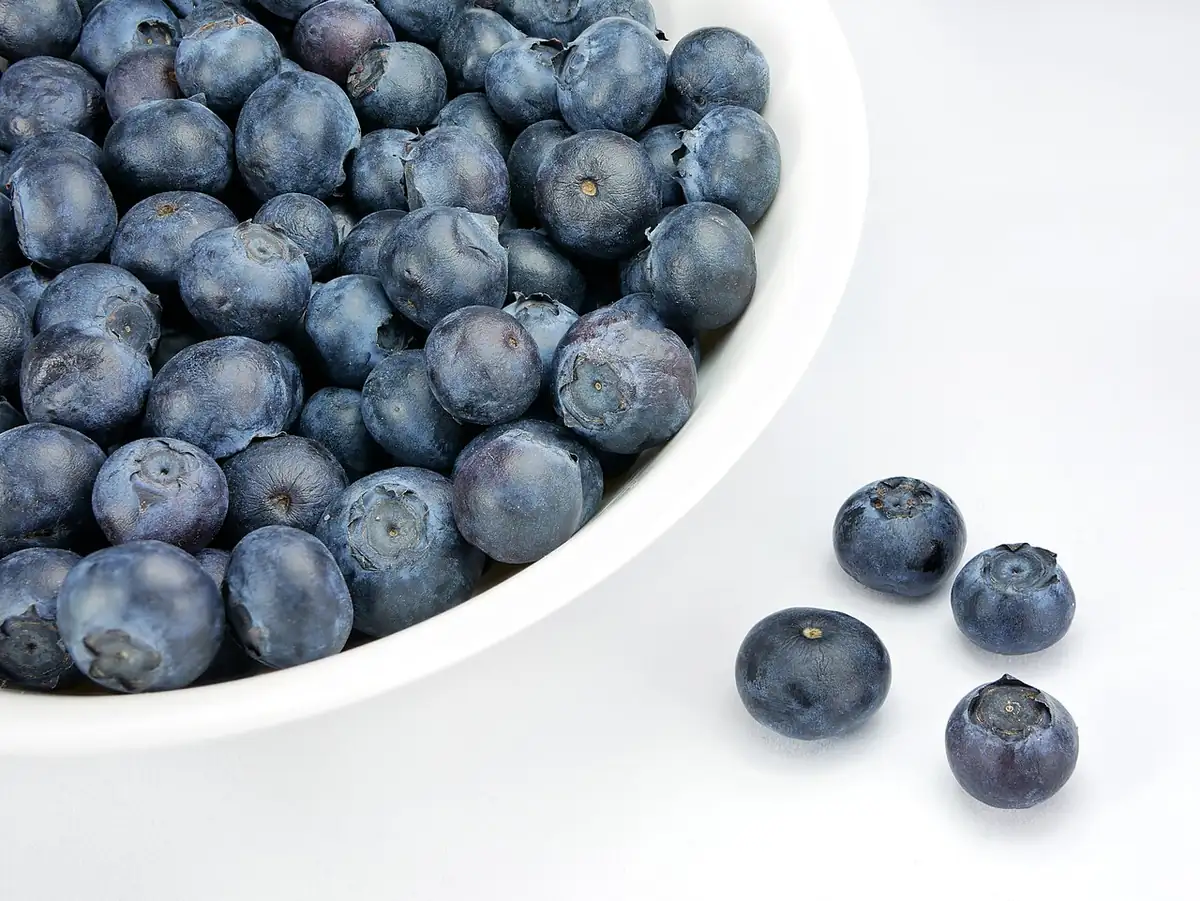
Blueberries are safe for most dogs when served plain and in moderation. They are rich in antioxidants, fiber, vitamins, and minerals. Avoid canned, sweetened, or syrup-packed blueberries, and keep portions small.

The ASPCA lists the orange plant as toxic to dogs because of essential oils and psoralens in its peel and plant material, while PetMD and the AKC say the peeled, seedless flesh is safe in small amounts. Serve flesh only, peeled and seedless, and never the peel, seeds, or plant.
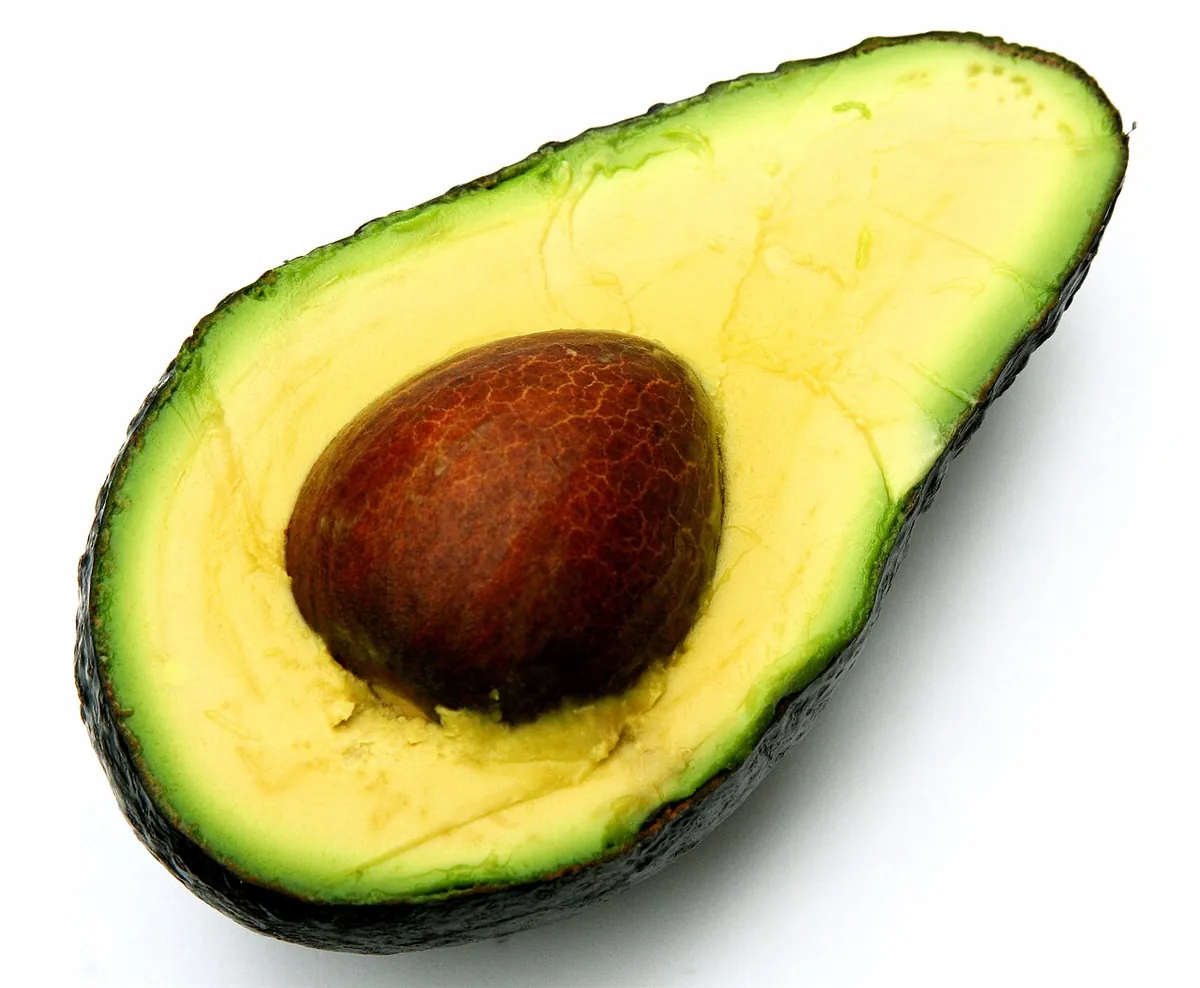
A small amount of plain avocado flesh is unlikely to poison a healthy dog, but the pit can choke or block the gut, the skin and leaves carry more persin, and the high fat can trigger pancreatitis. Best not to feed it on purpose — and call your vet if your dog swallows a pit or eats a lot.