Are Oranges Toxic to Dogs? What Every Owner Should Know
Oranges are safe in small amounts — but the peel and plant are not.
The ASPCA lists the orange plant as toxic to dogs because of essential oils and psoralens in its peel and plant material, while PetMD and the AKC say the peeled, seedless flesh is safe in small amounts. Serve flesh only, peeled and seedless, and never the peel, seeds, or plant.
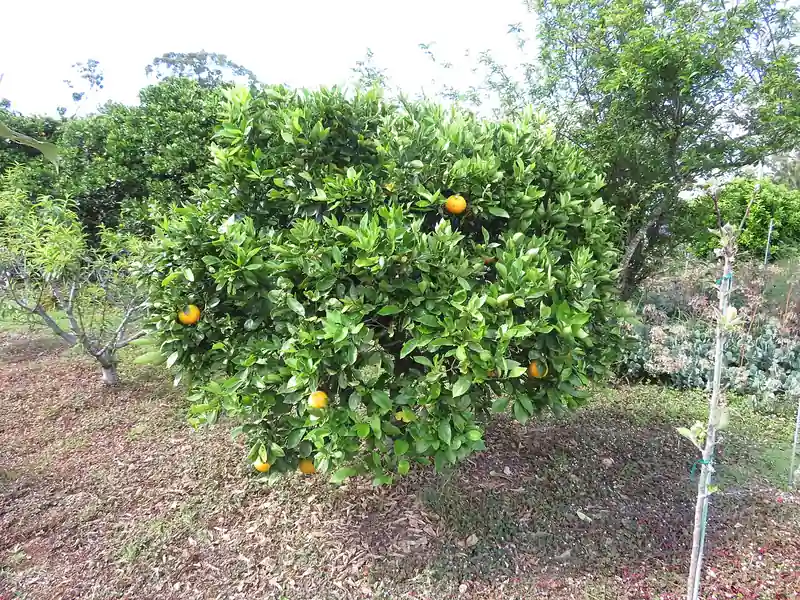

- Item
- Oranges
- Scientific name
- Citrus sinensis
- Also called
- Sweet orange, Navel orange, Valencia orange, Blood orange, Cara Cara orange
- Category
- Foods
- Verdict
- Caution
- Symptoms start
- Onset time is not well established — no source reviewed gives a time frame for symptoms after a dog eats orange peel or plant material. Stomach upset from eating too much flesh usually shows up within hours, but do not wait for symptoms before calling a veterinarian after a large ingestion.
Oranges are a confusing case, because the answer depends on which part of the orange your dog eats. The peeled flesh is safe for most dogs in small amounts as an occasional treat. The peel, seeds, and plant are a different story: the ASPCA lists the orange plant, Citrus sinensis, as toxic to dogs.
That split is why this page gives a caution verdict rather than a simple yes or no. PetMD and the American Kennel Club both say dogs can eat orange flesh in moderation, while the ASPCA lists the plant as toxic because of the essential oils and psoralens in its skins and plant material. The safe rule is simple: flesh only, peeled and seedless, in small amounts, and never the peel or the plant.
If your dog ate it — what to do now
- Work out which part of the orange your dog ate and how much, and remove any remaining peel or plant material from reach.
- Call your veterinarian or ASPCA Animal Poison Control Center at (888) 426-4435 (a consultation fee may apply) if your dog ate peel, seeds, or plant material, ate a large amount, or is vomiting repeatedly, weak, or has a swollen belly.
- Offer fresh water and watch your dog for the rest of the day.
- Seek veterinary care promptly if vomiting or diarrhea continues, your dog cannot pass stool, its belly becomes swollen or painful, or it becomes lethargic or refuses food and water.
- Keep the orange or plant tag if you have it, so you can tell the veterinarian exactly what your dog ate.
Do not do this
- Do not feed your dog a whole unpeeled orange, orange peels, seeds, or leaves from an orange tree.
- Do not give orange juice, canned mandarins in syrup, or orange-flavored candy or drinks.
- Do not induce vomiting unless a veterinarian tells you to.
- Do not feed oranges to a dog with diabetes, weight problems, or a sensitive stomach.
- Do not use home remedies as a substitute for veterinary care.
Why oranges are listed as toxic — and why the flesh is different
The ASPCA entry for orange lists the plant as toxic to dogs, cats, and horses. The toxic principles are essential oils and psoralens, and the signs are vomiting, diarrhea, depression, and potential dermatitis. The same entry adds the key detail: the fruit is edible, while skins and plant material can cause problems. The compounds that cause trouble are concentrated in the peel, leaves, stems, and seeds, not in the flesh.
That is why PetMD and the American Kennel Club reach a different-sounding conclusion about the fruit itself. PetMD says dogs can eat oranges in moderation if prepared correctly, and that the fleshy part is safe while the peel, pith, and seeds are not. The AKC says the same, adding that peels are not considered toxic but are tough, fibrous, and difficult to digest. The two views agree in practice: the flesh is food, and everything around it is not.
How much orange is dangerous for dogs?
There is no established toxic dose for orange peel or plant material in dogs. The ASPCA gives no weight-based threshold, and no source we reviewed says how many peels or leaves it takes to cause serious harm. What is clear is that problems show up when a pet eats a significant quantity of peel, seeds, or plant parts, and a dog that eats a whole unpeeled orange, a pile of peels, or leaves from an orange tree should be treated as a real exposure.
For the flesh, the limit is about sugar and calories rather than poison. PetMD says treats should make up no more than 10 percent of a dog's daily calories. Its guide is half a segment, one to two times a week, for extra-small dogs of 2 to 10 pounds; one segment for small dogs; one and a half for medium dogs; two for large dogs; and two and a half for extra-large dogs. The AKC gives a similar limit of one or two small segments per day. Dogs with diabetes, weight problems, or sensitive stomachs should not eat oranges at all.
Symptoms to watch for after a dog eats oranges
A dog that eats too much orange flesh usually shows only mild stomach upset: vomiting, diarrhea, and gas from the fruit's sugar and acidity. These signs are uncomfortable but usually pass once the fruit is out of the dog's system. Offer fresh water and skip the next treat, and call your veterinarian if vomiting or diarrhea continues.
A dog that eats peel, seeds, or plant material can show more serious signs. The ASPCA lists vomiting, diarrhea, and depression for the orange plant, and notes potential dermatitis from skin contact with the plant's oils. A dog that has swallowed peel may strain, retch, or show a painful, swollen belly if a piece is blocking the gut. A blockage is an emergency: a dog that keeps vomiting, cannot pass stool, or has a swollen and painful abdomen needs veterinary care at once.
What to do if your dog eats oranges
First, work out what your dog actually ate. A few segments of peeled, seedless flesh are not an emergency: watch your dog for stomach upset and offer fresh water. A whole unpeeled orange, a pile of peels, seeds, or leaves from an orange tree is different. Remove any remaining peel or plant material from your dog's reach and note how much is missing and when it happened.
Call your veterinarian or the ASPCA Animal Poison Control Center at (888) 426-4435 (a consultation fee may apply) if your dog ate peel, seeds, or plant material, ate a large amount of flesh, or is vomiting repeatedly, seems depressed or weak, or has a swollen or painful belly. Watch your dog for the rest of the day, and seek care promptly if vomiting or diarrhea continues, your dog cannot pass stool, or it becomes lethargic or refuses food and water.
How to keep your dog safe around oranges
Treat oranges as a prepared treat, never as a fruit to toss to your dog whole. Wash the orange, peel it fully, pull off the white pith, remove every seed, and cut the flesh into small pieces. That is the only form to serve. Keep peels in a closed trash can, not on a counter or in an open compost pile, and never let your dog chew on an orange tree, its leaves, or fallen fruit.
Be careful with processed citrus products too. PetMD advises choosing plain fresh slices rather than processed citrus products, which often contain added sugar or artificial ingredients. Orange juice is not a good substitute: it has concentrated sugar, no fiber, and is much more likely to upset the stomach. If you grow citrus, fence off the tree, clean up fallen fruit regularly, and keep pruned branches out of reach, since rotting fruit can cause a worse stomach upset than a fresh orange.
Which citrus fruits are safe, and which are not
Not all citrus is the same. Ripe oranges, tangerines, clementines, and mandarins are safe for dogs in moderation when peeled and seedless, according to PetMD. These are the sweet, low-acid members of the citrus family, and they can be served the same way as oranges: a segment or two as an occasional treat.
Lemons, limes, and grapefruit are different. PetMD advises avoiding them because they are too acidic and can irritate your dog's stomach. Most dogs will refuse them anyway, and there is no benefit to offering them. If your dog eats a lemon or lime, watch for the same stomach upset as with too much orange, and call your veterinarian if vomiting or diarrhea continues. The rule for every citrus fruit is the same: flesh only, peeled and seedless, in small amounts, and never the peel, seeds, or plant.
Safe alternatives to oranges
If you want to share fruit with your dog, several options are simpler and safer than oranges. Blueberries are a low-sugar treat that PetMD lists among safe fruits, and most dogs love them. Apple flesh, with the core and seeds removed, is safe in small amounts, as are bananas, strawberries, and seedless watermelon with the rind removed.
All of these still follow the same rules as oranges: small amounts, as an occasional treat, making up no more than 10 percent of your dog's daily calories. A balanced commercial dog food already gives your dog the nutrients it needs, so fruit is a bonus, not a requirement. If your dog has diabetes, weight problems, or a sensitive stomach, ask your veterinarian before offering any fruit at all.
Symptoms to watch for
- Vomiting
- Diarrhea
- Gas
- Depression or unusual tiredness
- Skin irritation or rash (from peel or plant contact)
- Straining or retching
- Swollen or painful belly (possible blockage)
- Inability to pass stool
- Refusal to eat
- Dehydration
Mild stomach upset from too much flesh usually passes on its own, while signs from eating peel or plant material, or a swollen painful belly, need a veterinarian promptly.
Safe alternatives
- Blueberries — A low-sugar fruit treat that PetMD lists among safe fruits for dogs.
- Apples (flesh only) — Safe in small amounts with the core and seeds removed.
- Bananas — A sweet, soft fruit dogs can eat in small amounts as an occasional treat.
- Strawberries — A safe fruit for most dogs, served plain and in small amounts.
- Watermelon (seedless) — A hydrating fruit treat with the rind and seeds removed.
What about cats? Oranges are more dangerous for cats than for dogs. The ASPCA lists the orange plant as toxic to cats, and cats should not eat oranges at all. The essential oils and psoralens in the peel and plant can cause vomiting, diarrhea, and depression in cats. Keep oranges, peels, and citrus plants away from cats.
Frequently asked questions
Are oranges toxic to dogs?
Yes, in small amounts. Dogs can eat the peeled, seedless flesh of an orange as an occasional treat. Always remove the peel, white pith, and seeds first, and skip oranges for dogs with diabetes, weight problems, or a sensitive stomach.
Can dogs eat orange peels?
No. Orange peels are not considered toxic, but they are tough and hard to digest and can cause a blockage in the intestines. The peel also holds most of the fruit's essential oils, which can upset the stomach. Always peel the orange before offering any to your dog.
Can dogs drink orange juice?
No. Orange juice is not toxic, but it is not recommended. It has concentrated natural sugar, is very acidic, and lacks the fiber of the whole fruit, so it is much more likely to upset your dog's stomach.
Can dogs eat other citrus fruits like lemons and limes?
No. Lemons, limes, and grapefruit are too acidic and can irritate your dog's stomach. PetMD advises avoiding them. Tangerines, clementines, and mandarins are like oranges and can be given in small amounts, peeled and seedless.
Sources
- ASPCA Poison Control — Orange
- PetMD — Can Dogs Eat Oranges?
- American Kennel Club — Can Dogs Eat Oranges?
Related guides
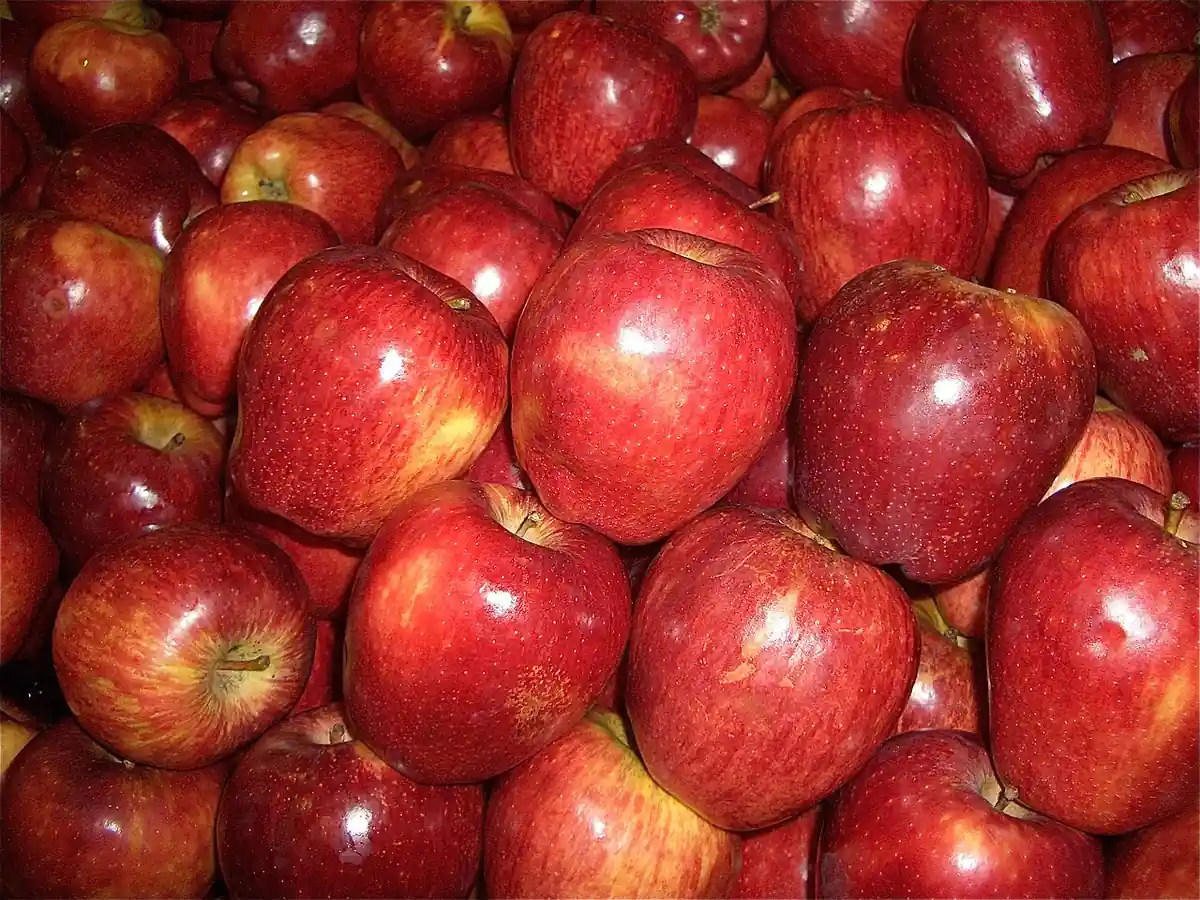
Apple flesh and skin are safe for dogs in moderation. The seeds contain amygdalin, which can release cyanide when chewed, and the core is a choking and blockage hazard — always remove both.
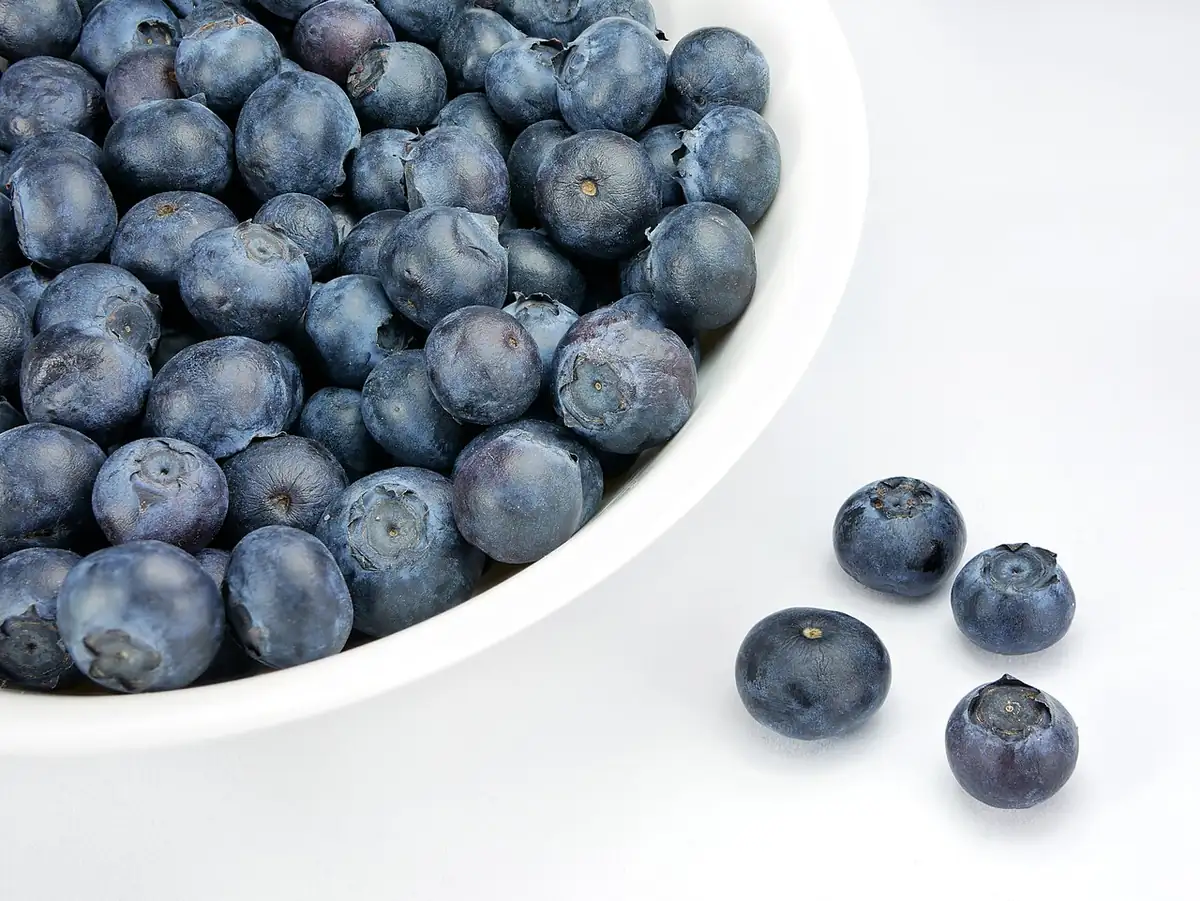
Blueberries are safe for most dogs when served plain and in moderation. They are rich in antioxidants, fiber, vitamins, and minerals. Avoid canned, sweetened, or syrup-packed blueberries, and keep portions small.
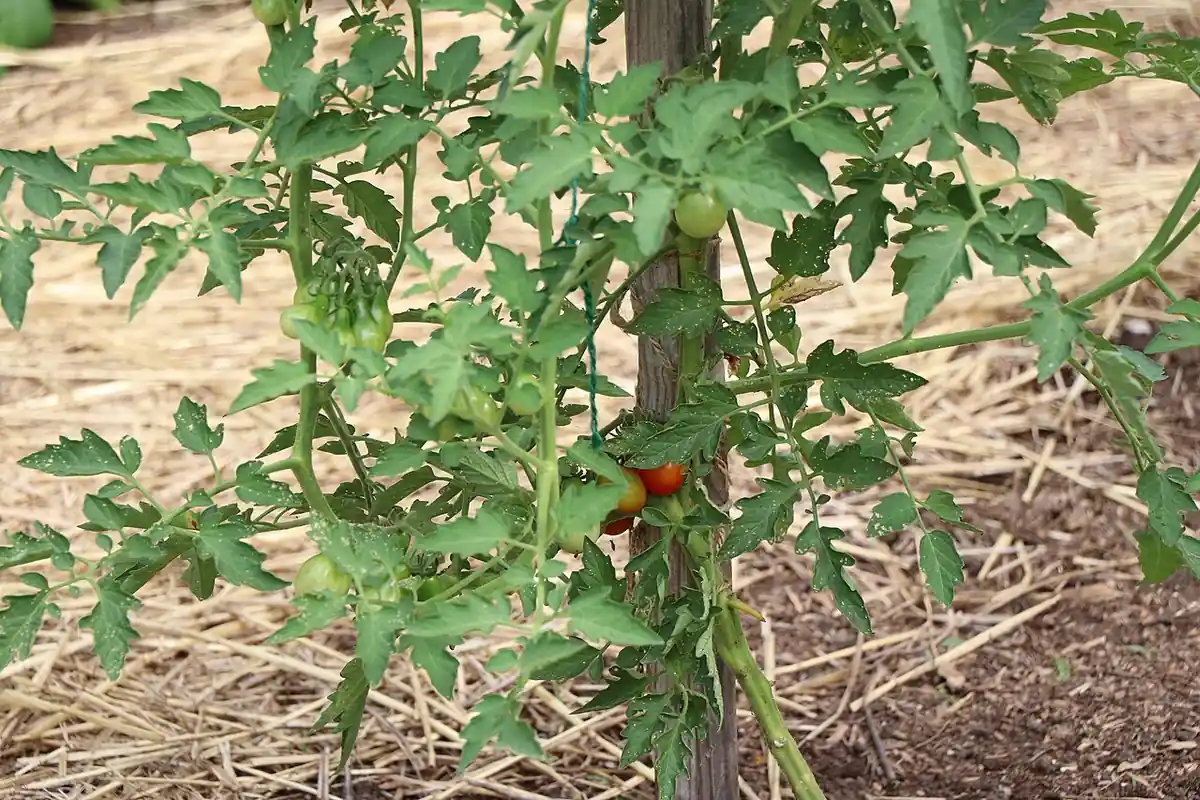
Ripe, red tomato flesh is safe for dogs in small amounts, but the leaves, stems, vines, and unripe green tomatoes are toxic. They contain tomatine and solanine, which can cause vomiting, weakness, and heart problems in large amounts.
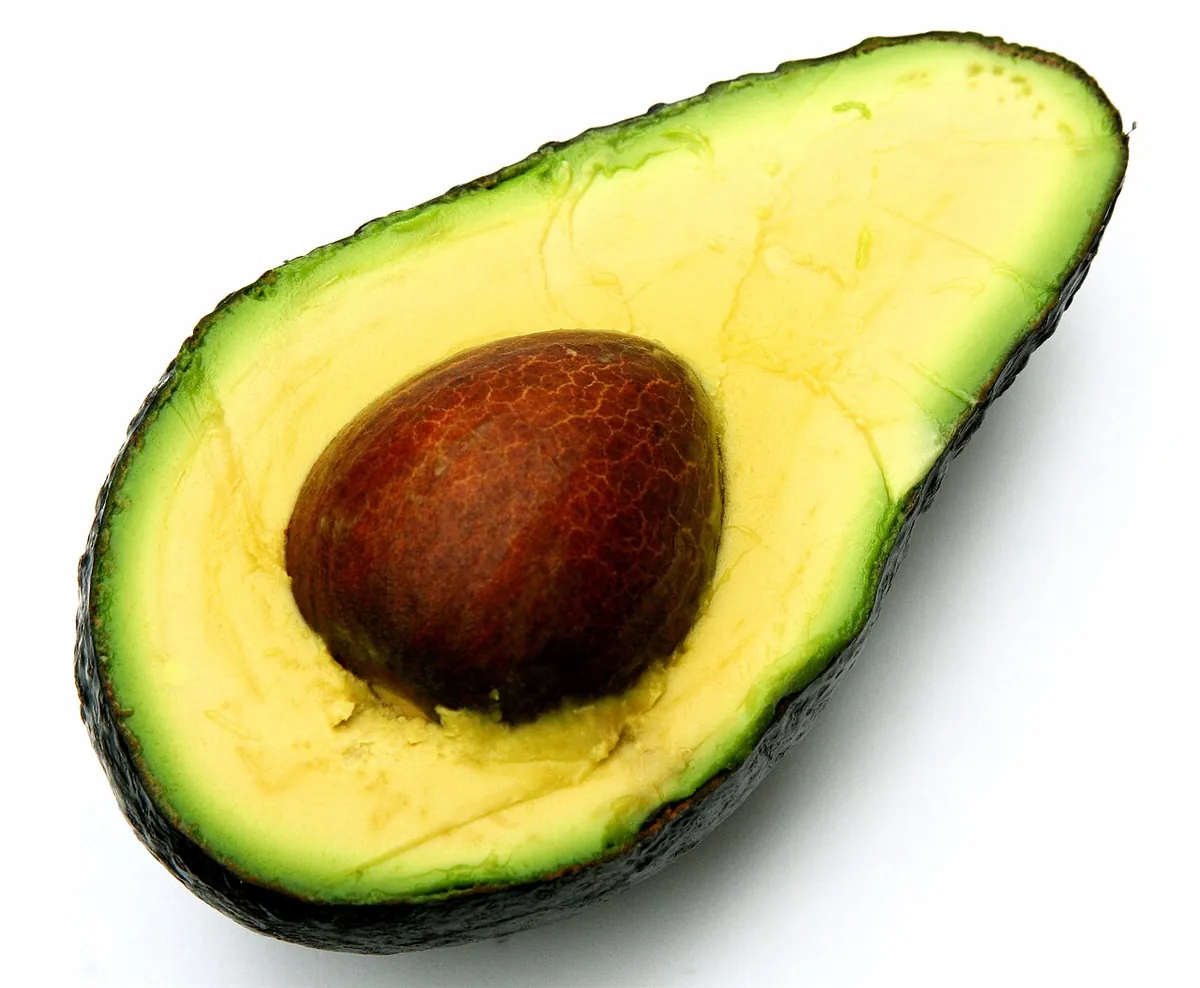
A small amount of plain avocado flesh is unlikely to poison a healthy dog, but the pit can choke or block the gut, the skin and leaves carry more persin, and the high fat can trigger pancreatitis. Best not to feed it on purpose — and call your vet if your dog swallows a pit or eats a lot.