Are Apples Toxic to Dogs? What Every Owner Should Know
Yes and no — apple flesh is safe, but the seeds, core, and stem are not.
Apple flesh and skin are safe for dogs in moderation. The seeds contain amygdalin, which can release cyanide when chewed, and the core is a choking and blockage hazard — always remove both.
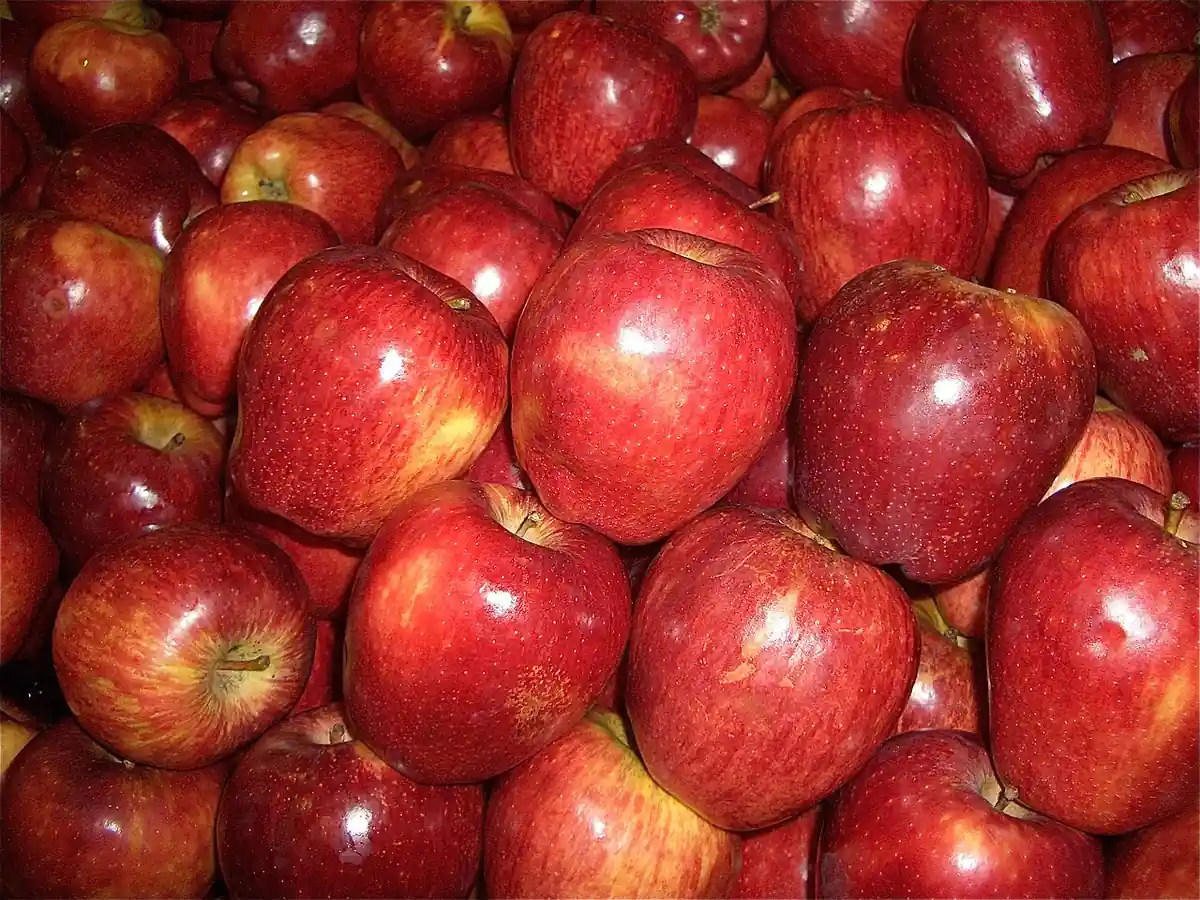

- Item
- Apples
- Scientific name
- Malus domestica
- Also called
- Apple, Crab apple
- Category
- Foods
- Verdict
- Caution
- Symptoms start
- Stomach upset from eating too much apple usually appears within a few hours. After a large amount of crushed apple seeds, signs of cyanide poisoning can start within 15 to 20 minutes, according to Petful.
Apples are one of the healthiest treats you can share with your dog, and one of the most misunderstood. The flesh of an apple is safe, low in fat, and full of fiber and vitamin C. But the seeds, core, and stem are a different story. So are apples toxic to dogs? The answer is both yes and no, and it depends entirely on which part of the apple your dog eats.
PetMD says dogs can safely eat apples when the core, seeds, and stem have been removed and the apple is served in moderation. The ASPCA lists the seeds, stems, and leaves of the apple tree as toxic to dogs because they contain compounds that can release cyanide. A dog would need to eat an enormous number of seeds to be poisoned; the core is the more common danger.
If your dog ate it — what to do now
- Remove any apple pieces still in reach and check that your dog is breathing normally and not gagging or pawing at its mouth.
- Call your veterinarian or ASPCA Animal Poison Control Center at (888) 426-4435 (a consultation fee may apply) if your dog ate a large number of seeds, many cores, or shows any sign of illness.
- Tell the veterinarian your dog's size, how many apples or seeds it may have eaten, and whether the seeds were chewed.
- Watch your dog for the next few hours for vomiting, diarrhea, a painful or swollen belly, or trouble breathing, and seek emergency care if any of these appear.
- If your dog is choking or struggling to breathe, get to a veterinarian immediately.
Do not do this
- Do not feed your dog a whole apple, an apple core, or apple seeds.
- Do not induce vomiting unless a veterinarian tells you to.
- Do not give applesauce that contains added sugar, spices, or xylitol.
- Do not let your dog eat fallen or windfall apples, cores and all, in an orchard or yard.
- Do not use home remedies as a substitute for veterinary care.
Why apple flesh is safe but the seeds are not
An apple is really two foods in one. The flesh and skin are safe and nutritious. PetMD says apples provide fiber and vitamin C, are low in calories and fat, and make a healthy snack or training treat for most dogs when fed in moderation.
The danger sits in the middle of the fruit. Apple seeds contain amygdalin, a cyanogenic glycoside. On its own, amygdalin does little harm. But when a seed is chewed or crushed, digestive enzymes break the amygdalin down and release hydrogen cyanide. Cyanide stops the body's cells from using oxygen, which is why a large dose is dangerous. The ASPCA lists the seeds, stems, and leaves of the apple tree as toxic to dogs for this reason, while the flesh and skin are not listed.
How many apple seeds are dangerous for dogs?
A few apple seeds are very unlikely to harm a dog. Seeds that are swallowed whole usually pass through the digestive tract without releasing much cyanide, because the amygdalin is only released when the seed is chewed or crushed. PetMD puts it plainly: a dog would need to eat a significant number of seeds to experience poisoning, and a small number of seeds is unlikely to harm most dogs.
A figure often attributed to the ASPCA is that a medium-sized dog would need to chew up and swallow about 85 grams of apple seeds to reach a toxic dose, which is roughly the seeds from 200 apples. We could not verify that number on the ASPCA's own apple page, which lists the apple plant as toxic but gives no dose figure. Other guides also note there is no reliable fixed number, because amygdalin content varies by variety. A dog that eats one whole apple is not expected to be poisoned by the seeds. The real risk in that situation is the core, not the cyanide. There is no established safe number of seeds to feed a dog on purpose, so the rule is simple: always remove them.
Symptoms to watch for after a dog eats apples
Most dogs that eat properly prepared apple show no symptoms at all. Problems usually come from eating too much apple, eating the core, or eating a large number of chewed seeds. Too much apple can cause diarrhea, gas, and stomach discomfort, especially if apples are new to your dog or introduced too quickly. A swallowed core can cause gagging, repeated vomiting, a painful belly, and refusal to eat.
Cyanide poisoning from apple seeds is extremely rare, but it is important to know what it looks like. The signs include dilated pupils, heavy drooling, bright red gums, rapid or difficult breathing, weakness, staggering, and collapse, and they can start within 15 to 20 minutes of eating a large amount of crushed seeds. These signs mean the body's cells cannot get enough oxygen, and they are a veterinary emergency.
What to do if your dog eats apple seeds or a whole apple
Stay calm and work out what your dog actually ate. If your dog swallowed a few seeds from a dropped slice, or ate one apple core, that is usually not an emergency, but remove any apple pieces still in reach and watch your dog closely for the next few hours. Check that your dog is breathing normally.
Call your veterinarian or ASPCA Animal Poison Control Center at (888) 426-4435 (a consultation fee may apply) if your dog ate a large number of seeds, chewed up many cores, ate windfall apples in quantity, or shows any sign of illness. Tell them your dog's size, how many apples or seeds it may have eaten, and whether the seeds were chewed. If your dog is choking, gagging, or struggling to breathe, get to a veterinarian immediately. Do not induce vomiting unless a veterinarian tells you to, and do not give any home remedy.
How to feed apples to your dog safely
Safe apple feeding takes about a minute of preparation. Wash the apple thoroughly to remove dirt and pesticide residue. Cut out the core, seeds, and stem completely, then cut the flesh into bite-sized pieces about an inch wide and a quarter inch thick. Offer a few pieces as a treat, not as a meal.
PetMD gives serving sizes as a guide: 1 to 2 pieces for extra-small dogs, up to 5 to 6 pieces for extra-large dogs, scaled by weight. If your dog has never had apple before, start with one small piece and watch for diarrhea or stomach discomfort. Dogs with diabetes or other conditions that need strict dietary management should only be given apples with veterinary approval, because apples contain natural sugars.
Apple products and crab apples to watch for
Fresh apple slices are the safest way to share apples, and most apple products are not. Avoid applesauce with added sugar, spices, preservatives, or artificial sweeteners. Xylitol, a sweetener found in some sugar-free applesauce and other products, is toxic to dogs and must be avoided completely. Plain, unsweetened applesauce in small amounts is fine, according to PetMD. Skip apple pie filling, caramel apples, and dried apples with added sugar, which are too sweet and too rich for dogs.
Crab apples deserve extra care. The flesh is not toxic, but crab apples are small enough that dogs eat them whole, seeds and stems included, and the ASPCA lists crab apple seeds, stems, and leaves as toxic like other apple trees. A dog that snacks on fallen crab apples in a yard can eat many seeds at once, and the small hard fruit can also be a choking hazard. Clear fallen fruit regularly.
Safe alternatives to apples
Apples are a good treat, but they are not the only fruit your dog can enjoy. Blueberries, bananas, raspberries, strawberries, cranberries, mango, peaches, and watermelon are all listed by PetMD as fruits dogs can eat safely in moderation, as long as pits, seeds, stems, and rinds are removed first.
For a crunch without any pitting or coring, carrots and green beans are simple, low-calorie options that most dogs enjoy. Whatever fruit or vegetable you choose, the same rules apply: wash it, remove anything inedible, cut it into bite-sized pieces, keep the portion small, and introduce it gradually.
Symptoms to watch for
- Diarrhea
- Gas
- Stomach discomfort
- Gagging or coughing (core stuck)
- Drooling
- Repeated vomiting
- Painful or swollen belly
- Straining or refusal to eat (possible blockage)
- Dilated pupils (cyanide poisoning, rare)
- Heavy drooling (cyanide poisoning, rare)
- Difficulty breathing (cyanide poisoning, rare)
- Bright red gums (cyanide poisoning, rare)
- Weakness or staggering (cyanide poisoning, rare)
- Collapse (cyanide poisoning, rare)
Most dogs show no symptoms from properly prepared apple; stomach upset from too much apple or a swallowed core usually appears within a few hours.
Safe alternatives
- Blueberries — A small, seed-free fruit that PetMD lists as safe for dogs in moderation.
- Bananas — Soft, easy to portion, and listed by PetMD as a dog-safe fruit.
- Carrots — A crunchy, low-calorie treat with no pits, seeds, or core to remove.
- Green beans — A plain, low-calorie vegetable treat that is safe for most dogs.
- Watermelon (seedless) — A hydrating fruit PetMD lists as safe, as long as seeds and rind are removed.
What about cats? Apples follow the same rule for cats as for dogs: the flesh is not toxic, but the seeds, stems, and leaves are listed as toxic by the ASPCA because of their cyanogenic glycosides. Most cats show little interest in apples, so this is rarely a problem, but do not feed a cat apple cores or seeds.
Frequently asked questions
Are apples toxic to dogs?
Yes, dogs can eat apple flesh safely when the core, seeds, and stem are removed and the apple is served in moderation. The flesh provides fiber and vitamin C and is low in fat. Never feed a whole apple or an apple core to your dog.
Are apple seeds poisonous to dogs?
Apple seeds contain amygdalin, which releases hydrogen cyanide when the seeds are chewed. A few seeds swallowed whole are unlikely to harm most dogs, but a dog would need to chew a very large number of seeds to reach a toxic dose. Remove the seeds every time as a habit, and call your veterinarian if your dog chewed a large quantity of seeds.
Can dogs eat apple cores?
No. Apple cores are tough and hard to chew, and PetMD warns they can be a choking hazard, especially for small dogs, and may contribute to an intestinal blockage. Always cut the core out before giving your dog apple.
Can dogs eat green apples?
Yes, green apples such as Granny Smith are just as safe as red varieties, as long as you remove the core, seeds, and stem and serve them in moderation. Their tart flavor may make them less appealing to some dogs.
Sources
- PetMD — Can Dogs Eat Apples?
- American Kennel Club — Can Dogs Eat Apples?
- Petful — Can Dogs Eat Apples? Seeds, Core & Safe Amounts
- ASPCA Poison Control — Apple
Related guides
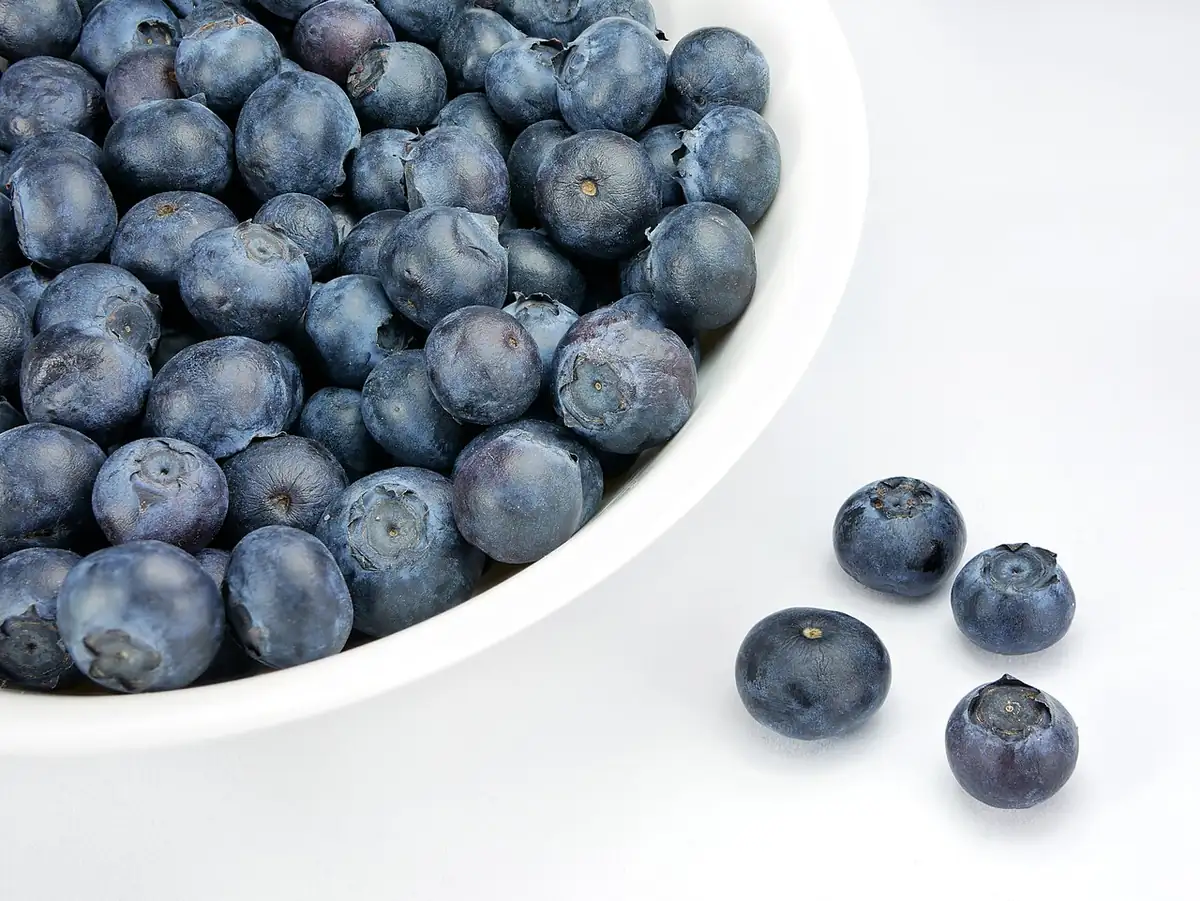
Blueberries are safe for most dogs when served plain and in moderation. They are rich in antioxidants, fiber, vitamins, and minerals. Avoid canned, sweetened, or syrup-packed blueberries, and keep portions small.
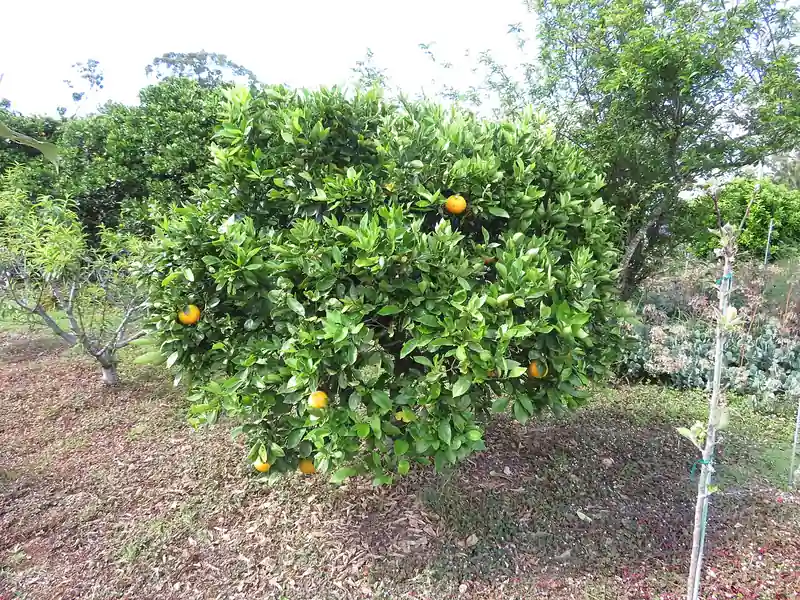
The ASPCA lists the orange plant as toxic to dogs because of essential oils and psoralens in its peel and plant material, while PetMD and the AKC say the peeled, seedless flesh is safe in small amounts. Serve flesh only, peeled and seedless, and never the peel, seeds, or plant.
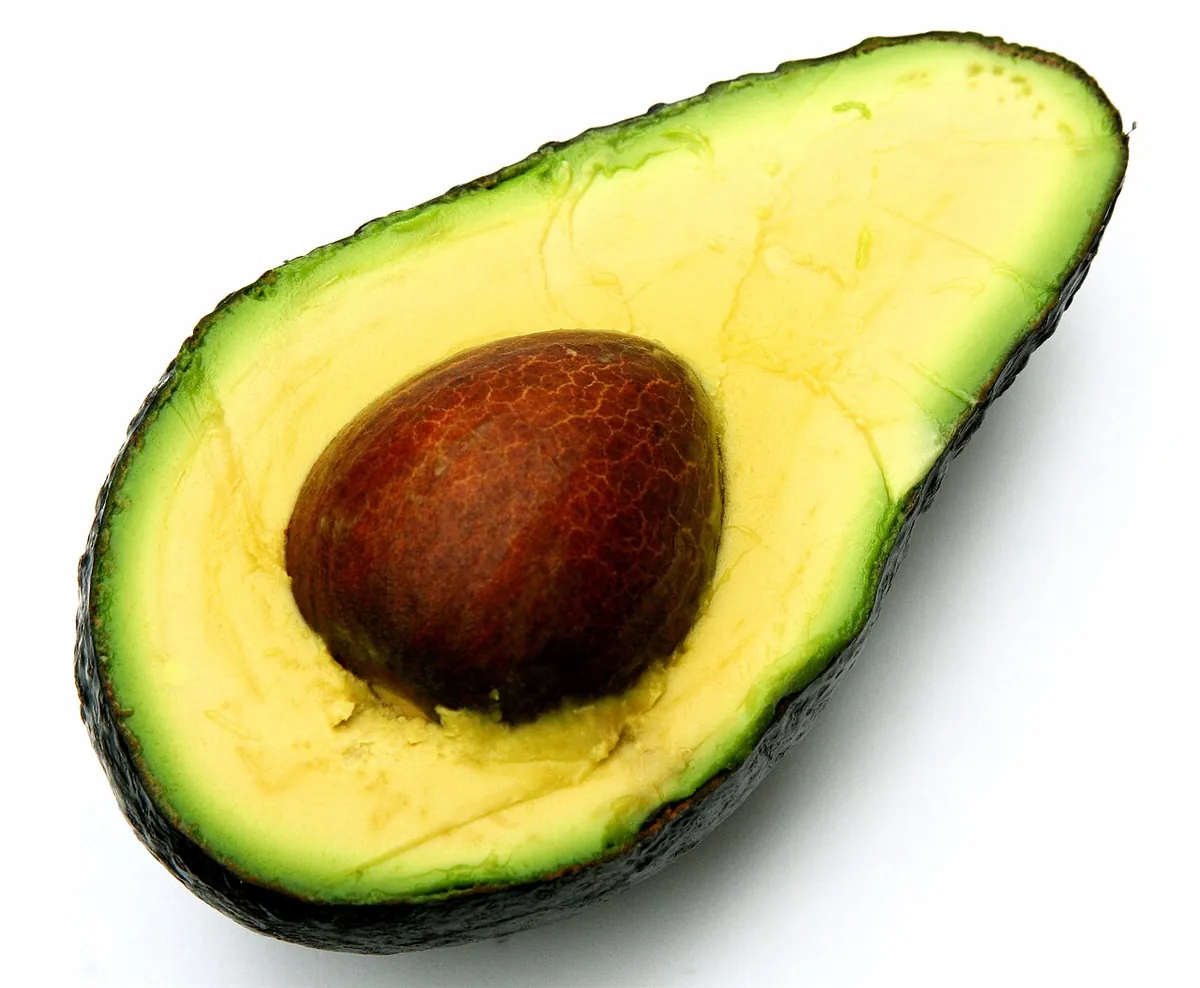
A small amount of plain avocado flesh is unlikely to poison a healthy dog, but the pit can choke or block the gut, the skin and leaves carry more persin, and the high fat can trigger pancreatitis. Best not to feed it on purpose — and call your vet if your dog swallows a pit or eats a lot.
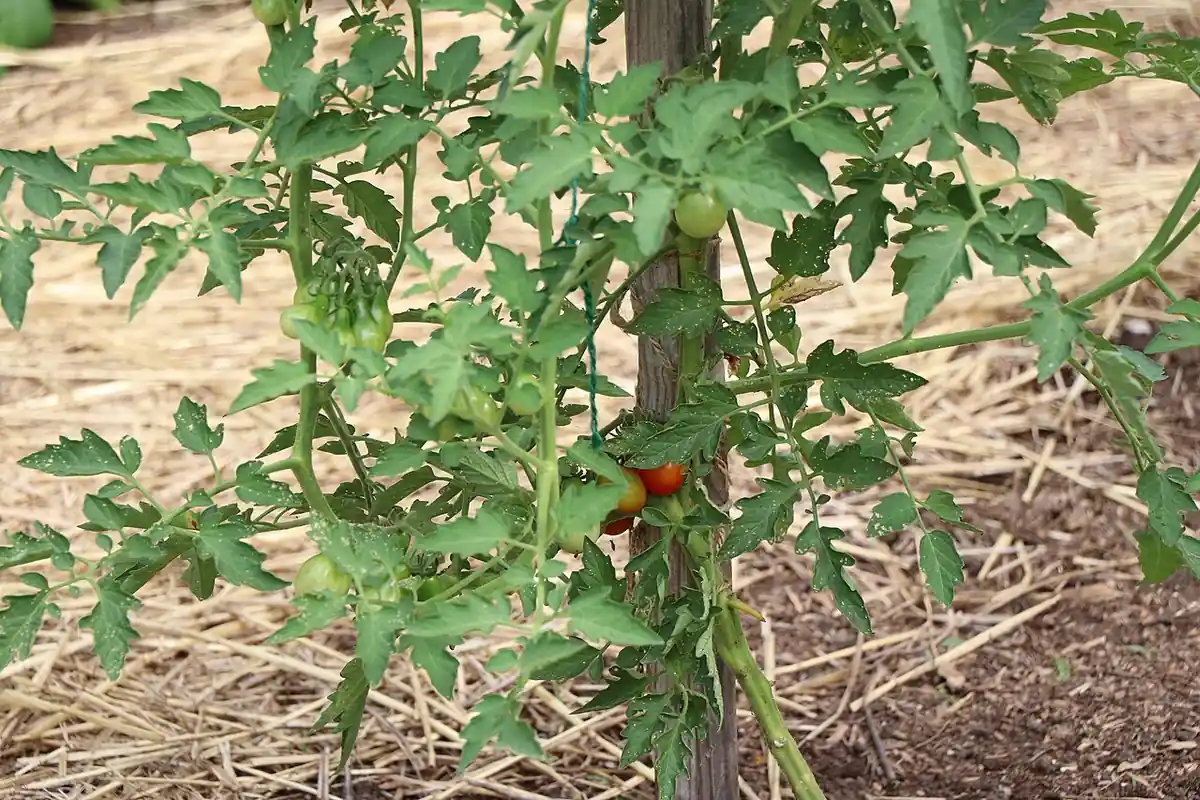
Ripe, red tomato flesh is safe for dogs in small amounts, but the leaves, stems, vines, and unripe green tomatoes are toxic. They contain tomatine and solanine, which can cause vomiting, weakness, and heart problems in large amounts.