Are Tomatoes Toxic to Dogs? Ripe vs. Green, Symptoms, and What to Do
It depends — ripe tomatoes are safe in moderation, but green tomatoes and the plant are toxic.
Ripe, red tomato flesh is safe for dogs in small amounts, but the leaves, stems, vines, and unripe green tomatoes are toxic. They contain tomatine and solanine, which can cause vomiting, weakness, and heart problems in large amounts.

- Item
- Tomatoes
- Scientific name
- Solanum lycopersicum
- Also called
- Tomato, Garden tomato
- Category
- Foods
- Verdict
- Caution
- Symptoms start
- Onset time is not well established for tomato plant poisoning in dogs. The sources checked do not give a specific time window, so do not wait for symptoms to appear before calling for advice.
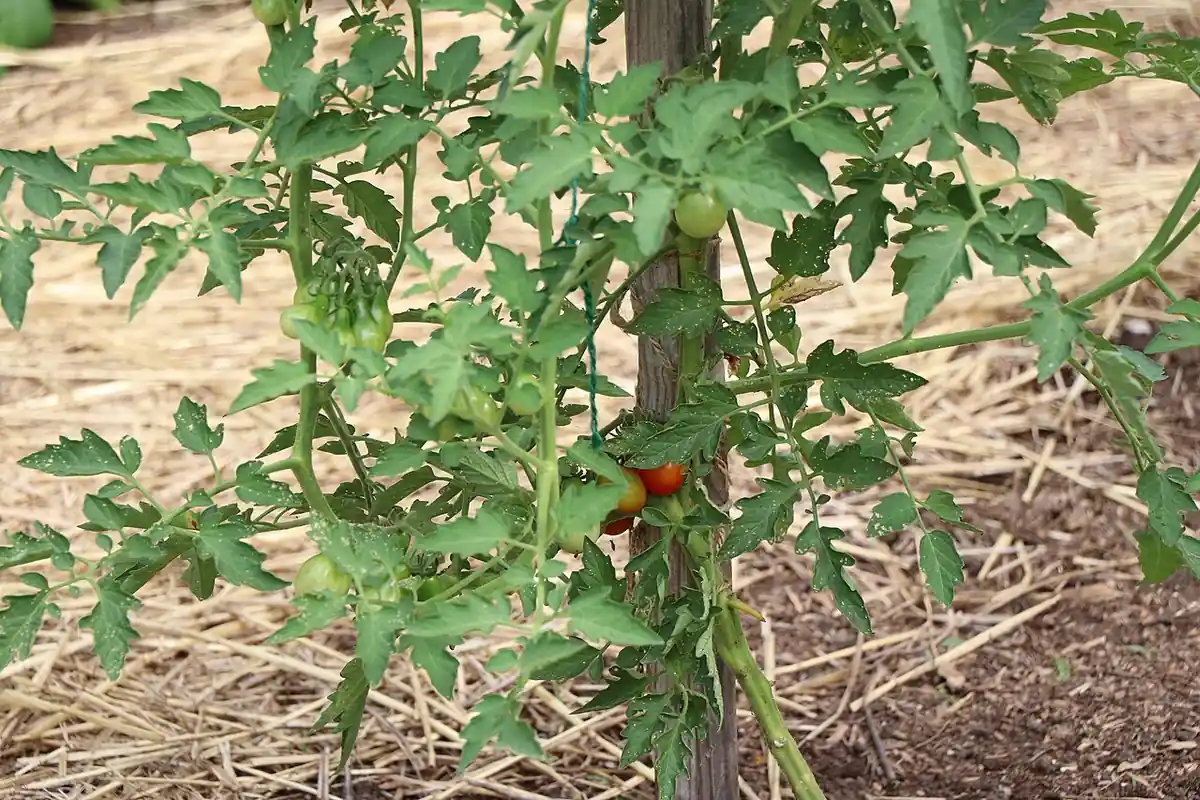
Tomatoes are a split answer, and the split is the whole point. Ripe, red tomato flesh is safe for dogs in small amounts — the ASPCA notes that ripe fruit is non-toxic, and PetMD says dogs can eat ripe tomatoes safely when fed in moderation. But the green parts of the plant are toxic: the leaves, stems, vines, and unripe green tomatoes contain the compounds tomatine and solanine, and a dog that eats a large amount of them can become seriously ill.
That means the question is never just "tomatoes" — it is always which part, and how ripe. A slice of ripe tomato dropped in the kitchen is a different event from a dog stripping a tomato plant in the garden. This page explains the difference, how much is dangerous, the symptoms to watch for, and exactly what to do if your dog eats the wrong part.
If your dog ate it — what to do now
- Take the tomato plant or green tomato away so your dog cannot eat more.
- Note which part your dog ate and how much — ripe fruit, green fruit, leaves, or stems — and your dog's size.
- Call your veterinarian or the ASPCA Animal Poison Control Center at (888) 426-4435 right away (a consultation fee may apply). Do not wait for symptoms to appear.
- Follow the veterinarian's advice, which may include bringing your dog in for examination and supportive care.
- Watch for vomiting, diarrhea, drooling, weakness, or lethargy, and report them to the veterinarian.
- If your dog ate only a small piece of ripe tomato, watch for stomach upset and call your veterinarian if it lasts.
Do not do this
- Do not induce vomiting unless a veterinarian tells you to.
- Do not give milk, food, oil, or home remedies to “dilute” the toxin.
- Do not wait to see if symptoms develop before calling for advice if your dog ate green tomatoes or plant parts.
- Do not feed tomato sauce, soup, salsa, or ketchup — they often contain garlic, onion, salt, or xylitol.
- Do not assume a small nibble on a leaf is harmless if your dog is small or a puppy.
What makes tomatoes toxic — and what makes ripe ones safe
Tomatoes (Solanum lycopersicum) belong to the nightshade family, Solanaceae. Like other nightshades, the plant defends itself with natural compounds called glycoalkaloids. In tomatoes the two that matter are tomatine and solanine. The ASPCA lists solanine as the toxic principle of the tomato plant, PetMD names tomatine as the main concern, and the AKC names both, calling tomatine a cousin of solanine. The sources differ on the name, but they agree on where the compounds are: mostly in the green parts of the plant.
Tomatine and solanine are concentrated in the leaves, stems, vines, flowers, and unripe green fruit, and they fall sharply as the fruit ripens. PetMD explains that tomatine levels drop significantly as tomatoes ripen, and the ASPCA states plainly that ripe fruit is non-toxic. Pet Poison Helpline puts it the same way: immature fruit holds the highest concentrations of the toxins, while ripe fruit is typically non-toxic.
- Ripe red fruit: non-toxic, safe in small amounts.
- Green, unripe tomatoes: toxic — higher tomatine and solanine.
- Leaves, stems, and vines: toxic — the highest concentrations.
- Tomato sauce, soup, salsa, and ketchup: usually unsafe, because of added garlic, onion, salt, and sugar.
How much tomato is dangerous for a dog?
There is no established toxic dose for tomatoes in milligrams per kilogram of body weight, and no published amount known to be safe or dangerous for a dog of a given size. The pattern is consistent: a small nibble on a green part is unlikely to cause serious harm, while a large amount of leaves, stems, or green tomatoes can cause tomatine poisoning. The AKC says a dog would need to eat a large amount of the plant to become sick, and small breeds and puppies can be affected by smaller amounts.
For ripe fruit, the limit is a treat limit, not a poison limit. PetMD says treats of any kind, including tomatoes, should make up no more than 10 percent of a dog's daily calories, and that too many ripe tomatoes can cause stomach upset, diarrhea, or gas. A slice or two of ripe, raw tomato served occasionally is the amount PetMD and other sources describe as fine.
Symptoms of tomato plant poisoning in dogs
The ASPCA lists hypersalivation, loss of appetite, severe gastrointestinal upset, depression, weakness, dilated pupils, and a slow heart rate as the clinical signs of tomato plant poisoning in dogs. Pet Poison Helpline describes the same pattern in plainer terms: a small ingestion usually brings only gastrointestinal irritation, while larger ingestions can add vomiting, diarrhea, dilated pupils, depression, and an increase in heart rate. Note the disagreement on heart rate — the ASPCA lists a slow heart rate, while Pet Poison Helpline lists an increased heart rate after larger ingestions. The sources do not explain the difference, so this page reports both rather than choosing one.
Mild cases may show only drooling and a single bout of vomiting or loose stool. A dog that ate a large amount of leaves, stems, or green tomatoes may become weak, lethargic, confused, or unsteady, and in severe cases may develop tremors. The AKC adds that tomatine poisoning is rare in dogs, usually is not fatal, and most dogs that have had it recover fully — but rare is not the same as harmless, and a small dog or puppy can be affected by a smaller amount.
- Vomiting
- Diarrhea
- Excessive drooling (hypersalivation)
- Loss of appetite
- Weakness
- Lethargy or depression
- Dilated pupils
- Slow heart rate (ASPCA) or increased heart rate (Pet Poison Helpline, after larger ingestions)
What to do if your dog eats tomato leaves or green tomatoes
Stay calm and act quickly. Take the plant or green tomato away so your dog cannot eat more, and note which part was eaten and roughly how much — leaves, stems, green fruit, or ripe fruit — along with your dog's size and age. Take a photo of the plant if you can. Do not wait for symptoms to appear before calling for advice, because the risk depends on the part and the amount, and only a veterinarian or poison control can judge it for your dog.
Call your veterinarian or the ASPCA Animal Poison Control Center at (888) 426-4435 right away. Your veterinarian may ask you to bring your dog in, or may advise monitoring at home, depending on what and how much was eaten. Do not try to make your dog vomit, and do not give milk, food, or oil to dilute the toxin. If your dog ate only a small piece of ripe tomato, the risk is much lower — watch for stomach upset and call your veterinarian if it lasts.
How to keep your dog safe from tomato plants
The garden is where the risk lives. A tomato plant in a vegetable bed puts leaves, stems, and unripe fruit at nose height for a dog, and dogs that dig or graze can strip a plant quickly. Pet Poison Helpline's advice is simple: fencing in the garden and keeping your dog out is the best course of action. Put a low fence around the vegetable garden, and keep your dog out of it while tomatoes are green and ripening.
Pick up fallen green tomatoes promptly, and put pruned leaves and stems in a closed bin your dog cannot reach.
Safe alternatives to tomatoes
If you want a garden treat for your dog without the split answer, choose fruits and vegetables with no toxic green parts. Blueberries are safe for most dogs in moderation and are rich in antioxidants and fiber, and PetMD gives clear serving sizes by dog size. Carrots are a low-calorie, crunchy treat most dogs enjoy, and plain green beans are a simple, safe garden alternative.
- Blueberries: safe in moderation, a better small treat.
- Carrots: low-calorie and crunchy, no nightshade risk.
- Green beans: plain and safe in moderation.
How to serve ripe tomatoes safely
Choose a fully ripe, red tomato with no green shoulders and no green parts attached. Wash it thoroughly to remove dirt and pesticides, then remove the stem, leaves, and any green skin. Cut the flesh into small, bite-size pieces — about half-inch cubes — to reduce the choking risk, which PetMD notes is a real concern with cherry tomatoes and large chunks, especially for small dogs. Offer only a slice or two, occasionally, and introduce tomatoes slowly the first time, watching for diarrhea, vomiting, itching, or swelling.
Symptoms to watch for
- Vomiting
- Diarrhea
- Excessive drooling (hypersalivation)
- Loss of appetite
- Severe gastrointestinal upset
- Weakness
- Lethargy or depression
- Dilated pupils
- Slow heart rate (ASPCA) or increased heart rate (Pet Poison Helpline, after larger ingestions)
- Confusion, stumbling, or disorientation (after larger ingestions)
- Tremors (rare, after large ingestions)
Small ingestions usually cause only stomach upset, while larger ingestions of green parts can bring weakness, lethargy, dilated pupils, and changes in heart rate. Sources differ on whether heart rate slows or rises.
Safe alternatives
- Blueberries — Safe for most dogs in moderation, rich in antioxidants and fiber, and a better small treat than tomato.
- Carrots — A low-calorie, crunchy treat most dogs enjoy, with no nightshade risk.
- Green beans — Plain green beans are safe for dogs in moderation and a simple garden alternative.
What about cats? Tomato plants are toxic to cats as well as dogs, and the ASPCA lists the same toxic principle, solanine, for cats. Ripe tomato fruit is non-toxic to cats too. Keep cats out of the vegetable garden and away from green tomatoes, leaves, and stems, and call your veterinarian if a cat has eaten a large amount of the plant.
Frequently asked questions
Can dogs eat ripe tomatoes?
Yes, in small amounts. Ripe, red tomato flesh is considered non-toxic by the ASPCA, and PetMD says dogs can eat ripe tomatoes safely when fed in moderation. Remove all stems, leaves, and green parts first, and keep the portion small.
Can dogs eat green tomatoes?
Yes, they should be avoided. Green, unripe tomatoes contain much higher levels of tomatine and solanine than ripe ones. PetMD says young, green tomatoes can be harmful to dogs, and the AKC advises skipping them.
Are tomato plants poisonous to dogs?
Yes. The ASPCA lists the tomato plant as toxic to dogs, with solanine as the toxic principle. The leaves, stems, and vines are the dangerous parts, while the ripe fruit is non-toxic.
My dog ate tomato leaves or green tomatoes — what should I do?
Take the plant away, note what part and how much was eaten, and call your veterinarian or the ASPCA Animal Poison Control Center at (888) 426-4435 right away. Do not wait for symptoms, and do not try to make your dog vomit unless a veterinarian tells you to.
Sources
- ASPCA Poison Control — Tomato Plant
- PetMD — Can Dogs Eat Tomatoes?
- ASPCA — Pets and Produce: Top Tips on Vegetable Garden Safety
- Pet Poison Helpline — Tomatoes Poisonous to Dogs
- American Kennel Club — Fruits and Vegetables Dogs Can or Can't Eat
Related guides
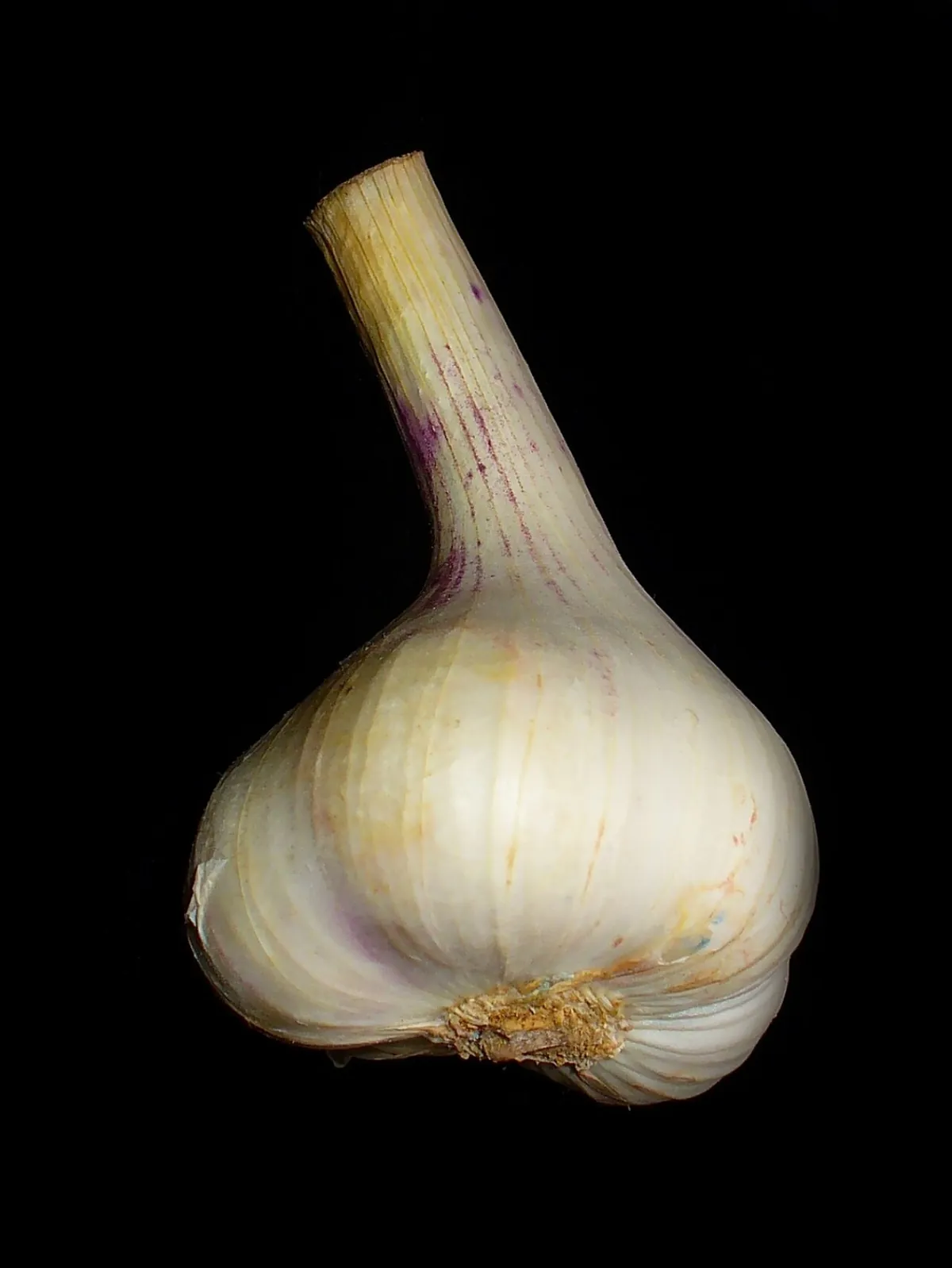
Garlic is toxic to dogs in every form, including raw, cooked, dried, and powdered. Do not feed it to your dog on purpose, and call your veterinarian if your dog eats a large amount.
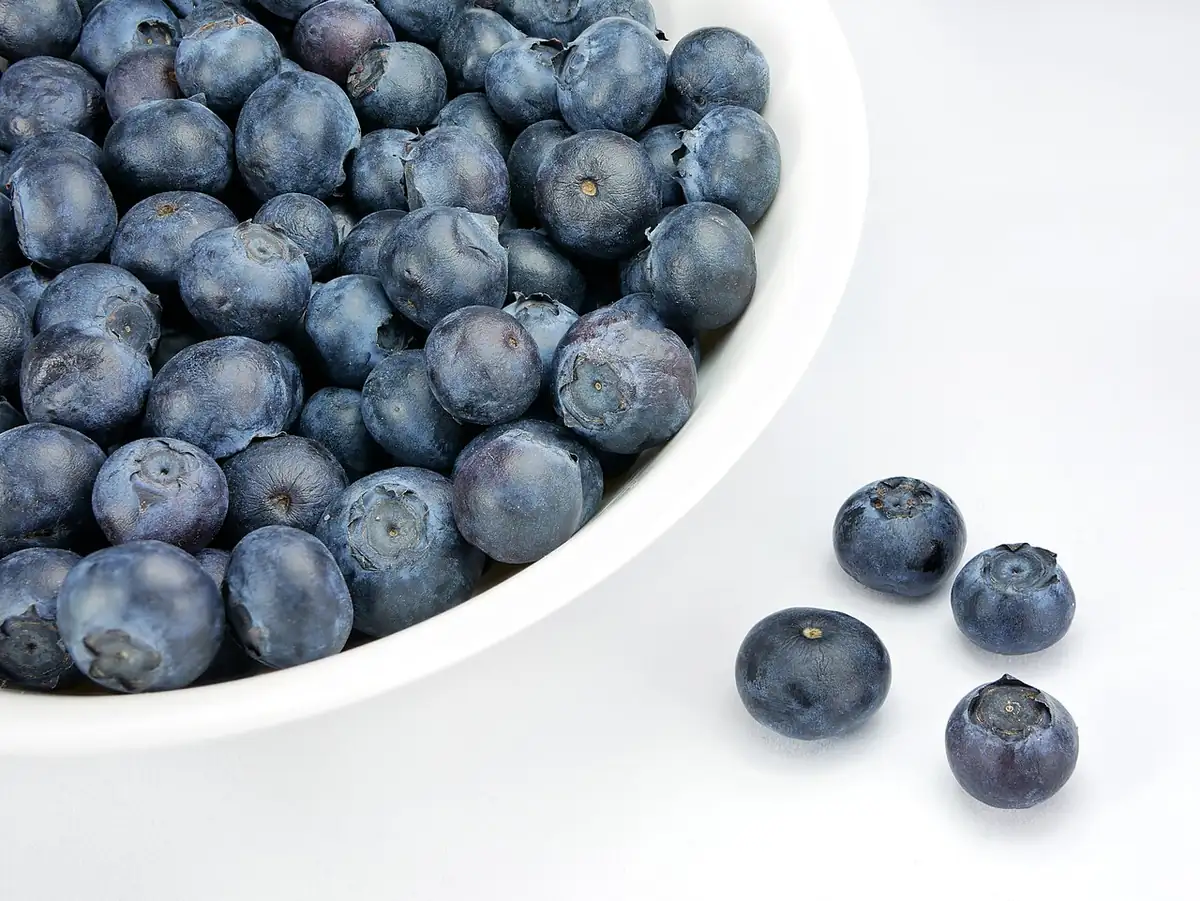
Blueberries are safe for most dogs when served plain and in moderation. They are rich in antioxidants, fiber, vitamins, and minerals. Avoid canned, sweetened, or syrup-packed blueberries, and keep portions small.
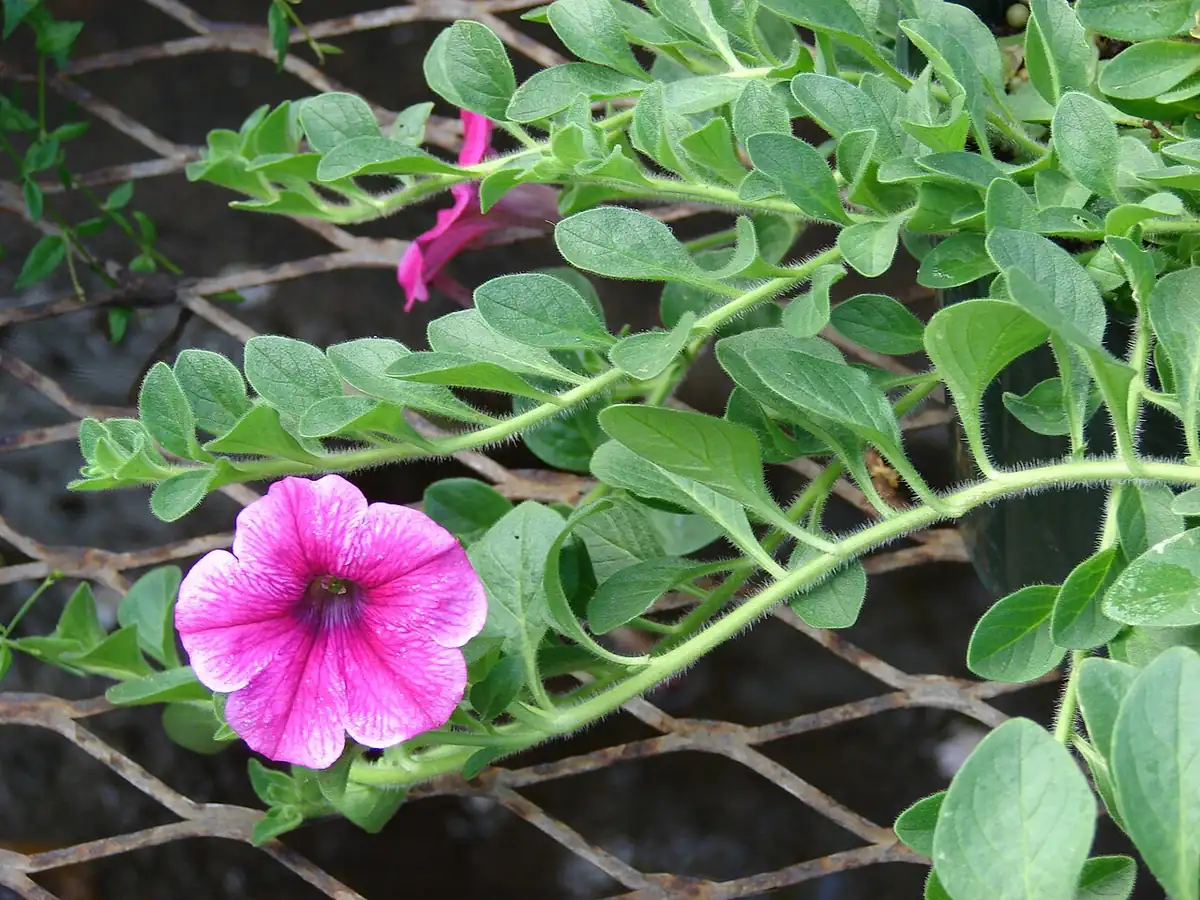
Petunias are not toxic to dogs. The ASPCA lists Petunia species as non-toxic to dogs, cats, and horses, with no toxic principle identified. A nibble needs no emergency action, though eating a lot of any plant can upset the stomach.

Tulips are toxic to dogs. Every part of the plant contains tulipalin A and B, but the bulb holds the highest concentration, so a dog that digs up and eats bulbs faces the greatest risk.