Are Blueberries Toxic to Dogs? What Every Owner Should Know
No — blueberries are not toxic to dogs.
Blueberries are safe for most dogs when served plain and in moderation. They are rich in antioxidants, fiber, vitamins, and minerals. Avoid canned, sweetened, or syrup-packed blueberries, and keep portions small.
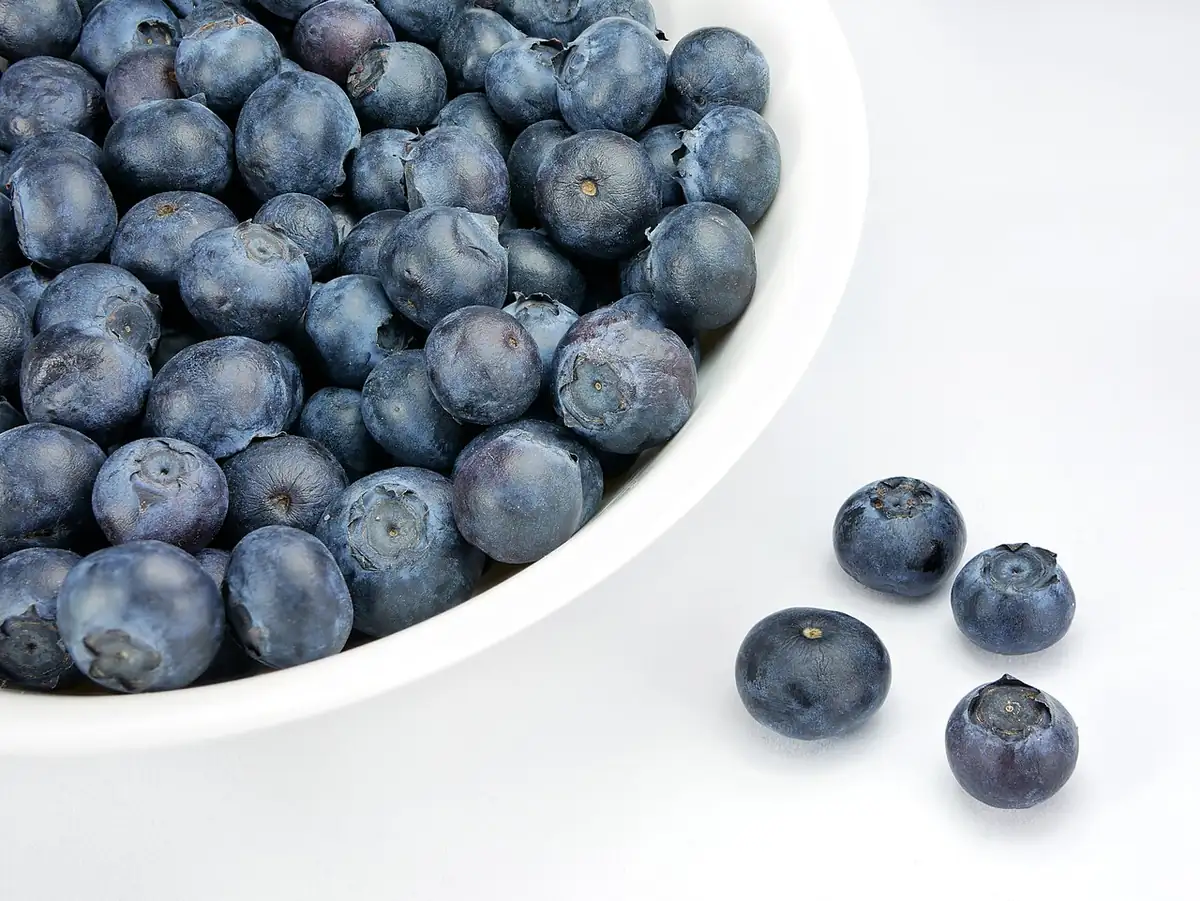

- Item
- Blueberries
- Scientific name
- Vaccinium spp.
- Also called
- Blueberry, Highbush blueberry, Wild blueberry
- Category
- Foods
- Verdict
- Safe
- Symptoms start
- There is no poisoning onset time for blueberries because they are not toxic. If a dog eats too many, stomach upset such as gas or diarrhea may appear within a few hours, but no onset time is established in the authoritative sources checked.
Yes — blueberries are safe for most dogs, and they are one of the better treats you can offer. PetMD says most dogs can safely eat blueberries in moderation and may even benefit from their antioxidants, fiber, vitamins, and minerals. The AKC calls blueberries a superfood rich in antioxidants, and lists them among the fruits dogs can eat.
Safe does not mean unlimited. Blueberries contain natural sugar, they are small and round enough to be a choking risk for small dogs, and the sweetened products made with them — muffins, pie filling, canned berries in syrup — are a different story entirely. This page explains why blueberries are considered safe, how many to feed, what can still go wrong, and how to serve them safely.
If your dog ate it — what to do now
- Stop offering blueberries and offer fresh water.
- Watch for vomiting, diarrhea, or loss of appetite for the rest of the day.
- Call your veterinarian or the ASPCA Animal Poison Control Center at (888) 426-4435 (a consultation fee may apply) if symptoms last more than a day, your dog seems unwell, or you are unsure what your dog actually ate.
- If your dog is choking, seek emergency veterinary care immediately.
- If your dog ate only a normal portion of plain blueberries, no action is needed.
Do not do this
- Do not induce vomiting — there is no poison to remove, and vomiting should only ever be induced if a veterinarian tells you to.
- Do not give milk, food, oil, or home remedies as a substitute for veterinary advice.
- Do not feed canned, sweetened, or syrup-packed blueberries, muffins, pie filling, or blueberry yogurt.
- Do not offer wild berries unless you are certain they are blueberries.
- Do not ignore choking signs — coughing, gagging, or trouble breathing needs emergency care at once.
Why blueberries are considered safe for dogs
Blueberries (Vaccinium spp.) are safe for most dogs when served plain and in moderation. PetMD states this directly: most dogs can safely eat blueberries, and fresh and frozen blueberries are generally the best options because they do not contain added sugars or artificial ingredients. The AKC agrees, calling blueberries a superfood rich in antioxidants, which prevent cell damage in humans and canines alike, and noting that they are packed with fiber and phytochemicals. Blueberries do not appear on the ASPCA's lists of toxic foods, and no toxin has been identified in them.
Part of what makes blueberries a good treat is what they contain. PetMD lists antioxidants and plant compounds called phytochemicals, which help protect cells from damage and may support long-term health, along with fiber that supports digestive health. Blueberries also contain vitamin C, vitamin A, vitamin K, calcium, phosphorus, potassium, and magnesium, which contribute to immune function, bone health, and overall wellness. They are naturally low in calories and about 85 percent water, which helps with hydration. None of that makes them a required food — a dog on a complete and balanced diet already gets everything it needs — but it does make a few blueberries a sensible extra.
- No toxin: blueberries contain no compound known to poison dogs.
- Nutrients: antioxidants, fiber, vitamins C, K, and A, calcium, phosphorus, potassium, and magnesium.
- Low calorie: a small, portion-friendly treat when fed in moderation.
How many blueberries can a dog eat?
There is no toxic dose for blueberries, because there is no toxin to measure a dose of. The limit is a treat limit, not a poison limit. PetMD says treats of any kind should account for no more than 10 percent of a dog's total daily calories, with the remaining 90 percent coming from a complete and balanced dog food diet. The right serving depends on your dog's size, age, activity level, and overall health, and your veterinarian can help set a portion for your dog.
PetMD gives these general daily guidelines as a starting point: extra-small dogs (2-10 pounds) 1-2 blueberries, small dogs (11-20 pounds) 2-3, medium dogs (21-50 pounds) 3-5, large dogs (51-90 pounds) 5-6, and extra-large dogs (91 pounds and up) 6-10. Chewy gives the same table. Start with a few berries and see how your dog handles them before making them a regular treat, and always follow your veterinarian's advice over a general table if the two differ. Dogs with diabetes or on prescription diets should ask a veterinarian first, because blueberries still contain natural sugar.
Symptoms if your dog eats too many blueberries
Because blueberries are not toxic, there are no poisoning symptoms to watch for. A normal portion causes no symptoms at all in most dogs. The symptoms that do occur come from eating too many at once, and they are mild stomach signs: stomach discomfort, gas, and diarrhea, according to PetMD. Chewy adds vomiting, decreased appetite, discomfort, and excessive lip licking as signs that a dog has eaten too many.
- Usually no symptoms at all in normal portions.
- Stomach discomfort or gas, after eating too many.
- Diarrhea, after eating too many.
- Vomiting, after eating too many.
- Decreased appetite or discomfort.
- Choking or gagging, especially in small dogs or dogs that gulp food.
What to do if your dog eats too many blueberries
Stay calm. Too many blueberries is not a poisoning emergency. Stop offering blueberries, take the rest away, and offer fresh water. Watch your dog for the rest of the day for vomiting, diarrhea, or a loss of appetite. Most dogs feel fine again within a day, and no special treatment is needed beyond resting the stomach — do not offer more treats while it settles.
Call your veterinarian if vomiting or diarrhea lasts more than a day, if your dog refuses food and water, seems weak or in pain, or if you are unsure what your dog actually ate. That last point matters: if the berries came from a wild bush you did not identify, or from a muffin, pie, or canned product, tell your veterinarian, because the risk may come from a different berry or an added ingredient such as xylitol, which is toxic to dogs. If your dog is choking, do not wait — seek emergency veterinary care immediately.
How to keep your dog safe with blueberries
Blueberries need little safety work, because the fruit itself is safe. The work is in choosing the right berries and the right form. Buy fresh or unsweetened frozen blueberries, and wash them thoroughly under cool running water to remove dirt, pesticides, and residue. Chewy notes that conventionally grown blueberries can carry pesticide or chemical residues that may irritate a dog's stomach, and suggests choosing organic when possible and always washing fruit carefully. Remove any stems before serving, especially for small dogs.
- Wash all berries before serving, to remove dirt and pesticide residue.
- Buy organic when possible, and always wash thoroughly.
- Keep wild berry bushes out of reach unless the berries are identified.
- Store canned and sweetened blueberry products where your dog cannot reach them.
Safe alternatives to blueberries
Blueberries are already one of the safest fruit treats for dogs, so an alternative is only needed for variety or for a dog that does not like them. Strawberries are safe for dogs in moderation and are full of fiber and vitamin C, and the AKC lists them among the fruits dogs can eat. Raspberries are also safe in moderation, are low in sugar and calories, and are especially good for senior dogs because of their anti-inflammatory properties. Carrots are a good non-fruit option: low in calories, high in fiber and beta-carotene, and easy to portion for any size of dog.
- Strawberries: safe in moderation, high in fiber and vitamin C.
- Raspberries: safe in moderation, low in sugar, good for seniors.
- Carrots: low-calorie, crunchy, and easy to portion.
How to serve blueberries safely
Serve blueberries plain, washed, and in portions sized for your dog. Before offering them, wash them thoroughly under cool running water, remove any stems, and cut or mash them for small dogs or dogs that tend to eat quickly, to reduce the choking risk. Fresh blueberries are the simplest choice, and unsweetened frozen blueberries make a refreshing snack in warm weather. You can serve them on their own, sprinkled into regular food, one by one as training treats, or stuffed into a treat toy.
Symptoms to watch for
- Usually no symptoms in normal portions
- Stomach discomfort or gas (after eating too many)
- Diarrhea (after eating too many)
- Vomiting (after eating too many)
- Decreased appetite
- Choking or gagging (especially in small dogs)
Normal portions cause no symptoms in most dogs; only eating too many brings mild stomach upset that usually settles within a day, and whole berries can be a choking risk for small dogs.
Safe alternatives
- Strawberries — Safe for dogs in moderation, full of fiber and vitamin C, and another good small fruit treat.
- Carrots — A low-calorie, crunchy treat most dogs enjoy, with no sugar concerns.
- Raspberries — Safe for dogs in moderation, low in sugar and calories, and especially good for senior dogs.
What about cats? Blueberries are safe for cats in small amounts too, though cats do not need fruit in their diet and may not be interested. A cat that eats a few plain blueberries is not at risk of poisoning, but do not offer sweetened or canned blueberries, and keep blueberry muffins and desserts away from cats as well as dogs.
Frequently asked questions
Can dogs eat blueberries?
Yes. Most dogs can safely eat blueberries in moderation, according to PetMD and the AKC. They are rich in antioxidants, fiber, vitamins, and minerals. Serve them plain, fresh or frozen, in small amounts.
How many blueberries can a dog eat per day?
It depends on size. PetMD gives these daily guidelines: extra-small dogs (2-10 pounds) 1-2 berries, small dogs (11-20 pounds) 2-3, medium dogs (21-50 pounds) 3-5, large dogs (51-90 pounds) 5-6, and extra-large dogs (91 pounds and up) 6-10. Treats of any kind should make up no more than 10 percent of daily calories.
Can dogs eat frozen blueberries?
Yes, frozen blueberries are safe for most dogs and make a refreshing treat in warm weather, according to PetMD. Serve them plain and unsweetened, and cut or mash them for small dogs that gulp their food.
Can dogs eat blueberry muffins?
No. Blueberry muffins are not recommended because they often contain added sugar, fats, and ingredients that may be toxic to dogs, including xylitol in sugar-free versions. Offer plain berries instead, and skip blueberry pie filling, canned blueberries, and blueberries packed in syrup.
Sources
- PetMD — Can Dogs Eat Blueberries?
- American Kennel Club — Fruits and Vegetables Dogs Can or Can't Eat
- Chewy — Can Dogs Eat Blueberries?
Related guides
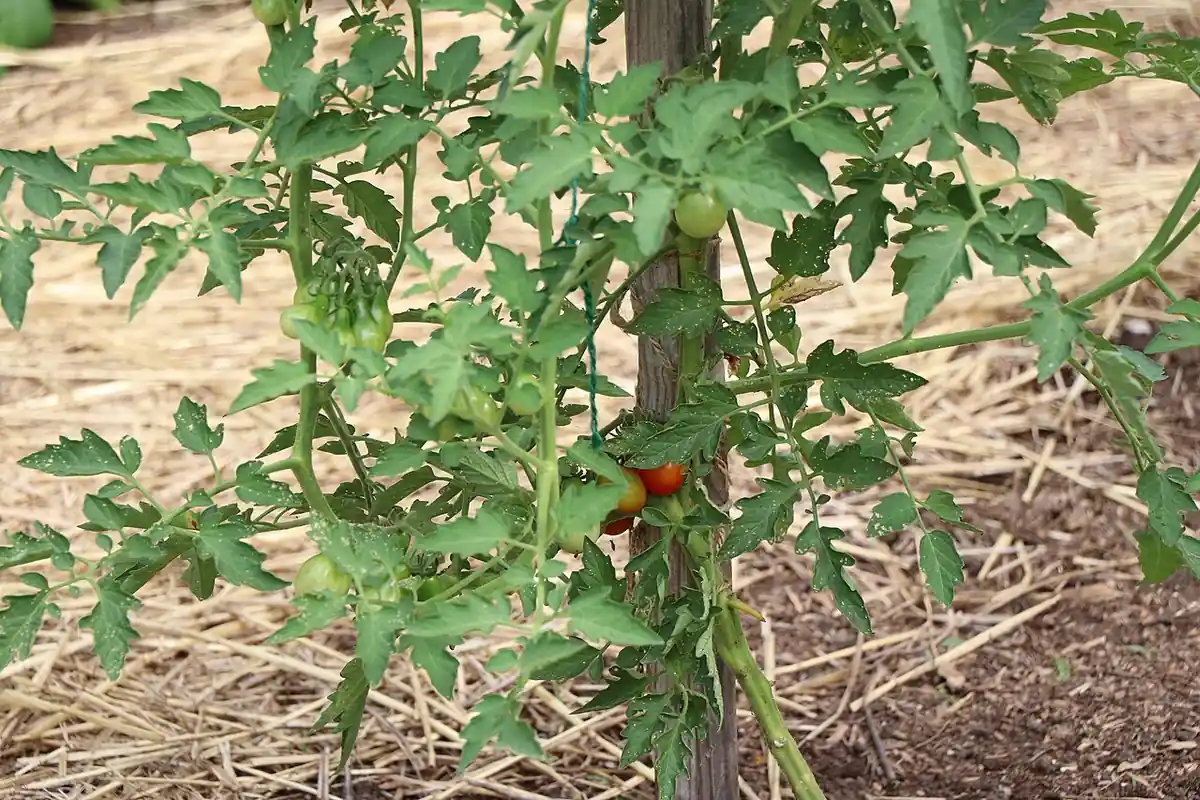
Ripe, red tomato flesh is safe for dogs in small amounts, but the leaves, stems, vines, and unripe green tomatoes are toxic. They contain tomatine and solanine, which can cause vomiting, weakness, and heart problems in large amounts.

Petunias are not toxic to dogs. The ASPCA lists Petunia species as non-toxic to dogs, cats, and horses, with no toxic principle identified. A nibble needs no emergency action, though eating a lot of any plant can upset the stomach.

Sweet almonds are not acutely toxic to dogs, but they can choke a dog, block the gut, and trigger pancreatitis. Do not feed almonds to your dog on purpose.

The ASPCA lists roses (Rosa species) as non-toxic to dogs, cats, and horses. The real risks are the thorns and any pesticides, fertilizers, or flower food on the plant.