Are Petunias Toxic to Dogs? What Every Owner Should Know
No — petunias are not toxic to dogs.
Petunias are not toxic to dogs. The ASPCA lists Petunia species as non-toxic to dogs, cats, and horses, with no toxic principle identified. A nibble needs no emergency action, though eating a lot of any plant can upset the stomach.

- Item
- Petunias
- Scientific name
- Petunia spp.
- Also called
- Garden petunia, Common petunia, Wave petunia
- Category
- Plants
- Verdict
- Safe
- Symptoms start
- There is no poisoning onset time for petunias because they are not toxic. If a dog eats a large amount, mild stomach upset may appear within a few hours, but no onset time is established in the authoritative sources checked.
No — petunias are not toxic to dogs. The ASPCA lists Petunia species as non-toxic to dogs, cats, and horses, with no toxic principle identified. A dog that bites the head off a petunia bloom is not being poisoned, and there is no emergency treatment needed for the plant itself.
That good news comes with one honest limit. Non-toxic does not mean a dog can eat a whole flat of petunias with no consequences. Eating a large amount of any plant can upset a dog's stomach, and the chemicals sometimes sprayed on garden petunias can be far more dangerous than the flower. This page explains why petunias are considered safe, what can still go wrong, and how to keep the bed around them safe too.
If your dog ate it — what to do now
- Take the plant away so your dog cannot keep eating it.
- Offer fresh water and watch for vomiting or loose stool for the rest of the day.
- Check whether the petunias were recently sprayed or treated, and save the product label if they were.
- Call your veterinarian or the ASPCA Animal Poison Control Center at (888) 426-4435 (a consultation fee may apply) if symptoms last more than a day, your dog seems weak or in pain, or you suspect pesticide, slug bait, or fertilizer was involved.
- If your dog ate only a small amount and seems fine, no emergency visit is needed for the petunia itself.
Do not do this
- Do not induce vomiting — there is no poison to remove, and vomiting should only ever be induced if a veterinarian tells you to.
- Do not give milk, food, oil, or home remedies to “dilute” a toxin that is not there.
- Do not assume the plant is the problem if your dog is sick — check whether pesticide, slug bait, or fertilizer was used nearby.
- Do not ignore ongoing vomiting or diarrhea that lasts more than a day.
Why petunias are considered safe for dogs
Petunias (Petunia spp.) are listed as non-toxic to dogs by the ASPCA Animal Poison Control Center. The ASPCA entry gives the scientific name as Petunia species, the family as Solanaceae, and the toxic principles as non-toxic, with a non-toxic rating for dogs, cats, and horses. The ASPCA's full plant list for dogs places petunias on the non-toxic side as well. That is the strongest signal a worried owner can get: the reference most emergency veterinarians work from has this plant in the clear column.
Petunias belong to the nightshade family, Solanaceae, which understandably worries owners. The same family includes tomatoes, potatoes, and deadly nightshade, and some of those relatives are genuinely toxic. But toxicity follows the individual species, not the family name. Petunias did not inherit the glycoalkaloids that make green tomato plants or deadly nightshade dangerous. No compound in petunias has been identified as a poison for dogs, and there are no documented cases of petunia poisoning in the sources checked.
- ASPCA rating: non-toxic to dogs, cats, and horses.
- Toxic principles: none identified.
- Family: Solanaceae (nightshade), but the species itself is not toxic.
How much petunia is dangerous for a dog?
There is no toxic dose for petunias, because there is no toxin to measure a dose of. No published dose in milligrams per kilogram of body weight exists, and no amount of petunia has been shown to poison a dog. That does not mean a dog should eat unlimited petunias. It means the risk is not poisoning, but volume.
Dogs are not built to digest large amounts of plant fiber. Petunia tissue is mostly cellulose and other fibers a dog's gut cannot break down well. A nibble or a flower passes without trouble for most dogs. A dog that eats a large quantity — a whole hanging basket, for example — may vomit it back up or pass loose stool for a day, simply because the stomach is overloaded with indigestible material. That reaction is digestive irritation, not poisoning, and it usually settles on its own.
Symptoms if your dog eats petunias
Because petunias are non-toxic, there are no poisoning symptoms to watch for. Most dogs that nibble a petunia show no symptoms at all. The only symptoms that occur come from eating too much plant material at once, and they are the same mild stomach signs any non-toxic plant can cause.
- Usually no symptoms at all after a nibble.
- Vomiting, after eating a large amount.
- Loose stool or diarrhea, after eating a large amount.
- Mild stomach discomfort or gas.
- Loss of appetite for a short time.
What to do if your dog eats petunias
Stay calm. A petunia nibble is not an emergency, and your dog does not need to be rushed to a clinic because of the plant itself. Take the plant away so your dog cannot keep eating it, and check how much was eaten. Offer fresh water. Then watch your dog for the rest of the day for vomiting or loose stool.
The important question is not how much petunia your dog ate, but what else was on or near it. If the petunias were recently sprayed with insecticide or fungicide, or if slug bait, fertilizer, or cocoa-shell mulch was used in the bed, tell your veterinarian, because those products can be genuinely dangerous. Save the product label or take a photo of it. If your dog shows ongoing vomiting or diarrhea, weakness, trembling, or unusual behavior, call for advice right away rather than waiting it out.
How to keep your dog safe around petunias
Petunias themselves need no fencing off, and that is exactly why they are a good choice for a dog household. The safety work is around the plant, not the plant itself. The most common dangers in a petunia bed are things people add to it. Systemic insecticides can move into the plant tissue itself, and granular fertilizers, slug bait, and cocoa-shell mulch can all harm a dog that eats them. Metaldehyde slug bait in particular can cause tremors and seizures quickly, so it should never be used where a dog can reach it.
Buy petunias from a garden center and ask whether they were treated, and keep your dog away from newly planted or sprayed petunias until any product has dried or reached the re-entry time on its label. Choose pet-safe products for the bed, store fertilizers and slug bait in closed containers out of reach, and avoid cocoa-shell mulch, which contains theobromine. Wash your hands after handling treated plants, and teach a reliable leave it cue so your dog does not graze the flower beds as a habit.
Safe alternatives to petunias
Petunias are already one of the safest flowering choices for a dog household, so an alternative is only needed if you want variety. Roses are the classic swap for bouquets and garden beds and are listed as non-toxic to dogs by the ASPCA. Spider plants give you greenery indoors without any poisoning risk, and moth orchids offer flowers inside the house with the same non-toxic rating.
- Roses: non-toxic, good for bouquets and beds.
- Spider plants: non-toxic, hardy indoors.
- Orchids: non-toxic, good indoor flowers.
How to identify petunias — and the nightshade confusion
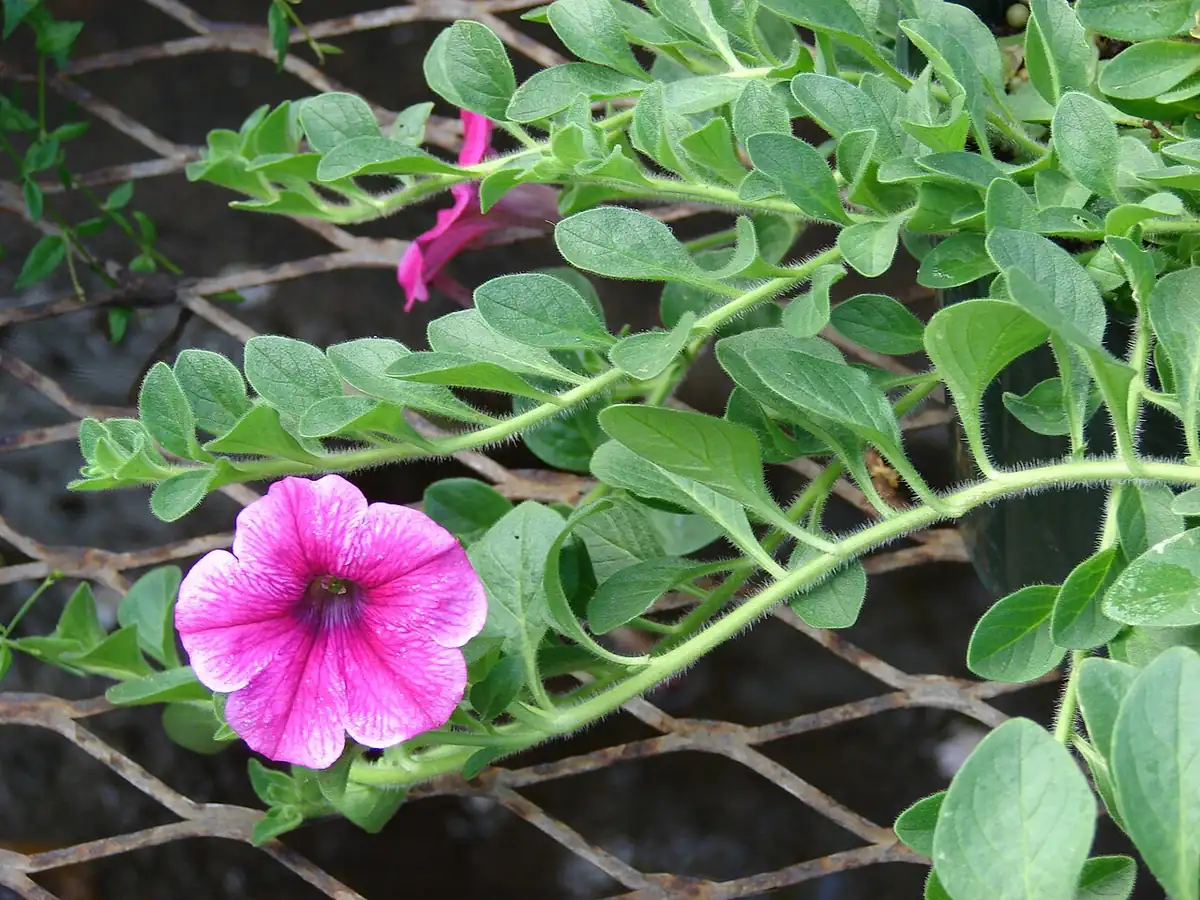
Petunias are easy to recognize: trumpet-shaped flowers in pink, purple, white, red, or yellow, on low, spreading plants with soft, slightly sticky green leaves. The most common garden kind is the hybrid Petunia x hybrida, sold as Wave, Supertunia, and other spreading or trailing varieties. They grow in beds, pots, window boxes, and hanging baskets, and bloom from spring until frost.
Symptoms to watch for
- Usually no symptoms after a nibble
- Vomiting (after eating a large amount)
- Loose stool or diarrhea (after eating a large amount)
- Mild stomach discomfort or gas
- Short loss of appetite
Most dogs show no symptoms at all; only a large amount of plant material may cause mild vomiting or loose stool that usually settles within a day.
Safe alternatives
- Roses — Listed as non-toxic to dogs by the ASPCA, and a classic choice for bouquets and garden beds.
- Spider plants — Listed as non-toxic to dogs by the ASPCA, and an easy, hardy houseplant.
- Orchids — Moth orchids are listed as non-toxic to dogs by the ASPCA, and a good indoor flowering choice.
What about cats? Petunias are also listed as non-toxic to cats by the ASPCA, with the same non-toxic rating as for dogs. A cat that chews a petunia may still get mild stomach upset from the plant fiber, but it is not a poisoning risk. Keep cats away from the pesticides and slug bait used around petunias, which are a real danger to them.
Frequently asked questions
Are petunias toxic to dogs?
No. Petunias are listed as non-toxic to dogs by the ASPCA. A dog that nibbles a flower or leaf is not being poisoned, though eating a large amount of any plant can cause temporary vomiting or loose stool.
Are petunia leaves and stems safe if my dog eats them?
No. The ASPCA lists the whole plant as non-toxic, so flowers, leaves, stems, and roots are all in the same category. The real risk in a petunia bed is usually what was sprayed or scattered on it, such as pesticide or slug bait, not the plant itself.
Petunias are nightshades — does that mean they are poisonous?
Petunias are in the nightshade family, Solanaceae, along with tomatoes, potatoes, and deadly nightshade. But toxicity follows the individual species, not the family name. Petunias have no toxic principle identified by the ASPCA, while their relatives do. Do not judge a plant by its family alone.
My dog ate a petunia — what should I do?
Usually nothing more than watching your dog for a day. If your dog ate a large amount, expect possible vomiting or loose stool, offer water, and keep the plant away. Call your veterinarian or the ASPCA Animal Poison Control Center at (888) 426-4435 if vomiting or diarrhea lasts more than a day, or if your dog seems weak, refuses food, or you suspect the plant was treated with pesticide.
Sources
- ASPCA Poison Control — Petunia
- ASPCA Poison Control — Toxic and Non-Toxic Plant List — Dogs
- The Pet Times — Are Petunias Toxic to Dogs? A Pup-Friendly Garden Pick
Related guides
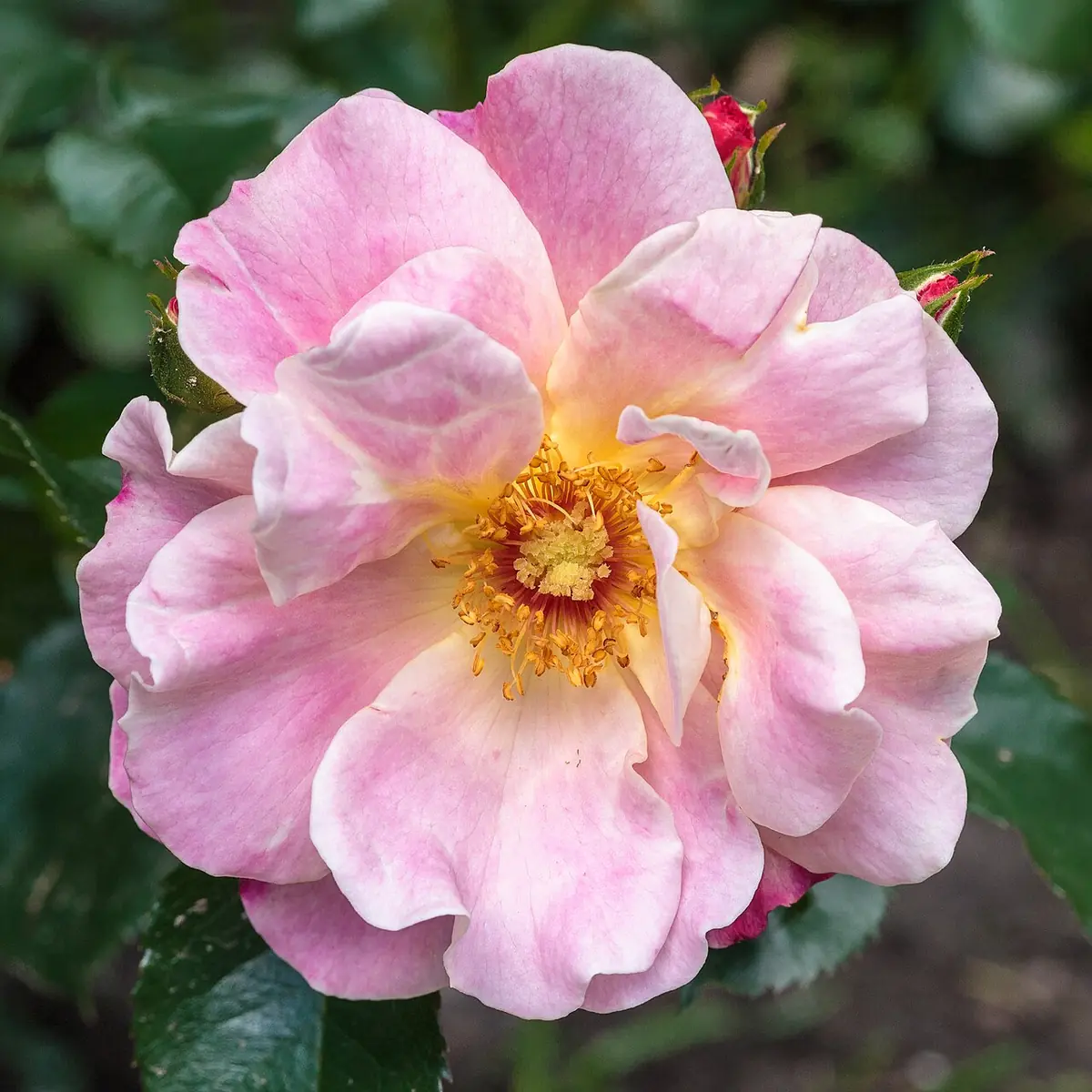
The ASPCA lists roses (Rosa species) as non-toxic to dogs, cats, and horses. The real risks are the thorns and any pesticides, fertilizers, or flower food on the plant.
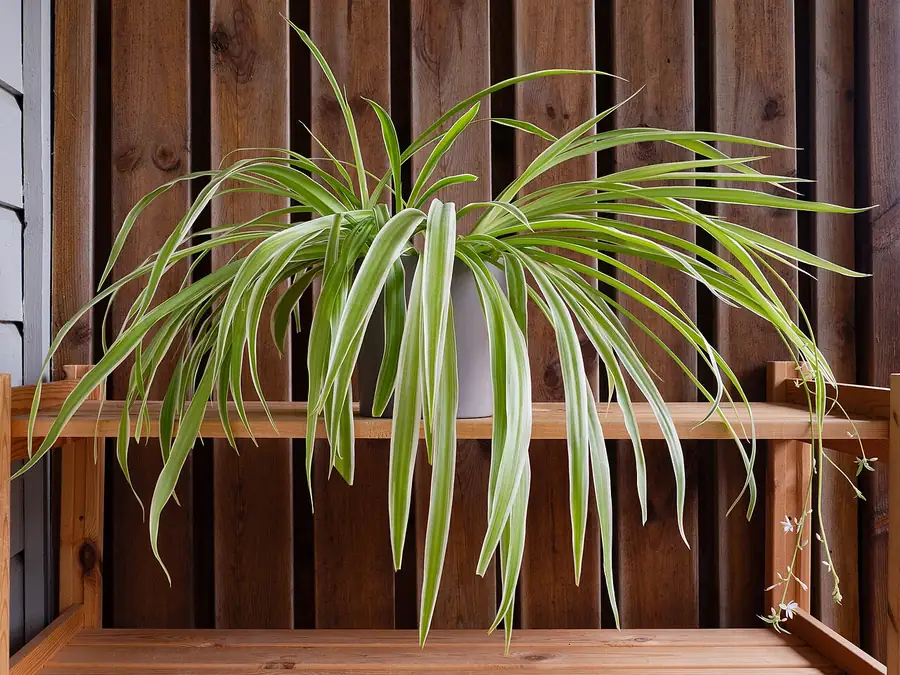
The ASPCA lists spider plants as non-toxic to dogs, cats, and horses, and PetMD includes them among the houseplants safe for dogs. A dog that eats a large amount may still get a mild stomach upset.
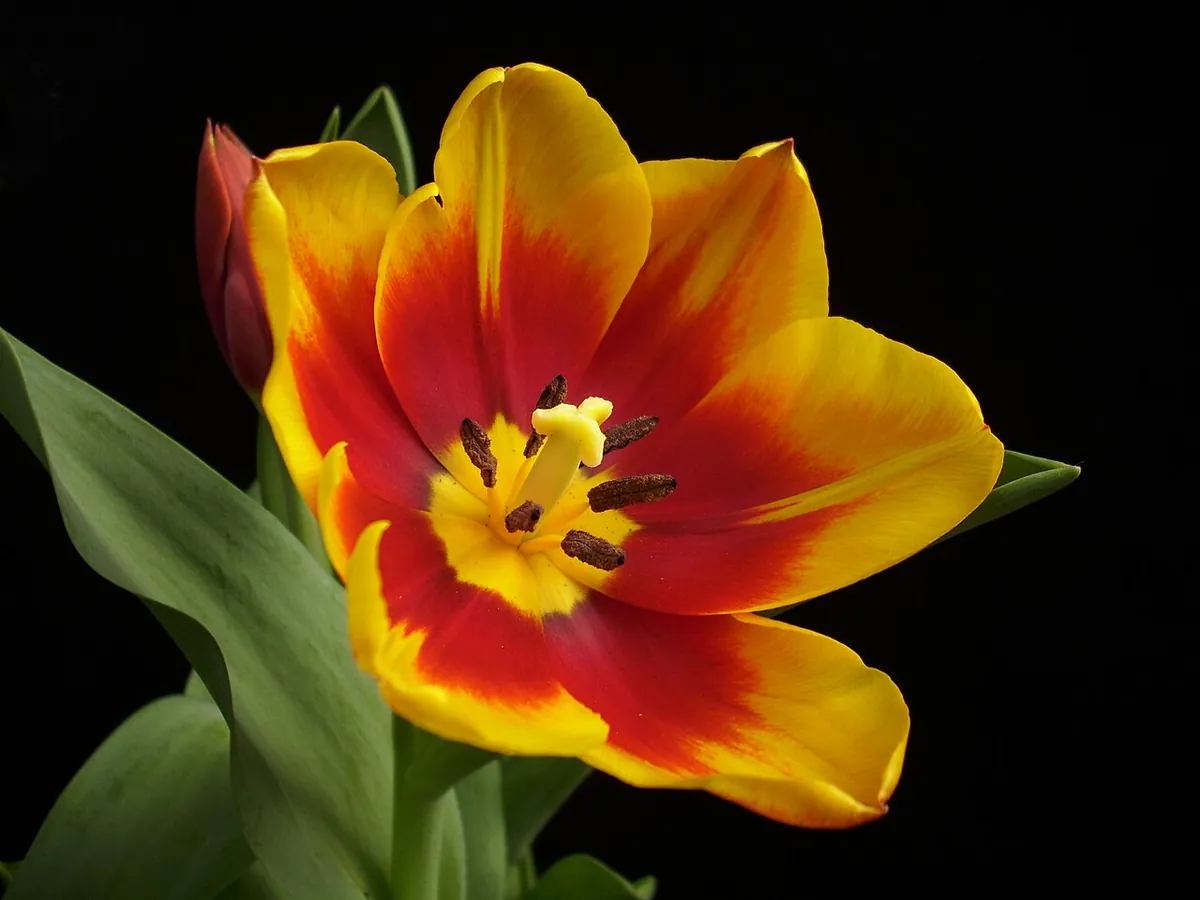
Tulips are toxic to dogs. Every part of the plant contains tulipalin A and B, but the bulb holds the highest concentration, so a dog that digs up and eats bulbs faces the greatest risk.
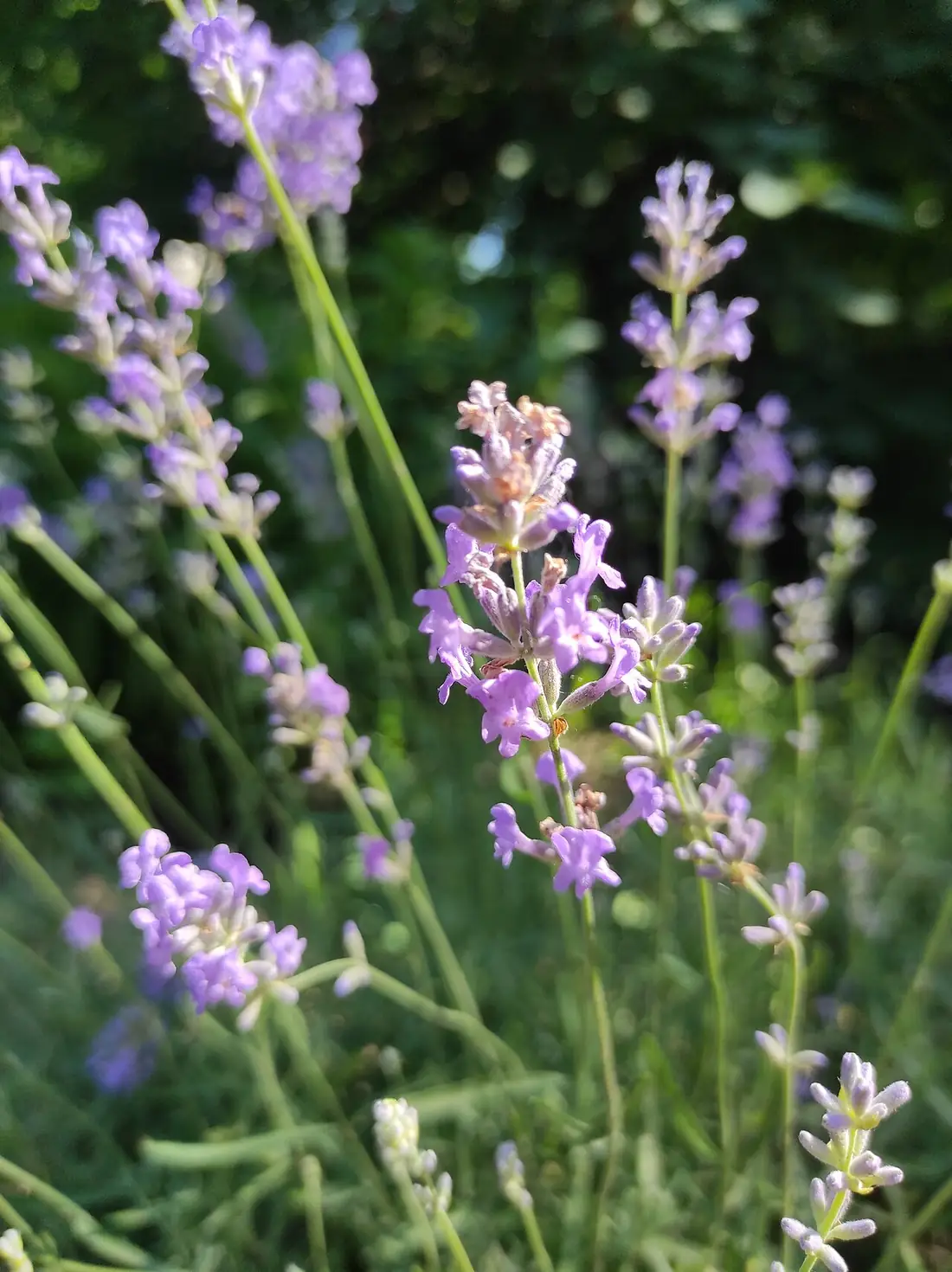
The ASPCA lists lavender as toxic to dogs. Eating the plant usually causes only mild stomach upset, but concentrated lavender essential oil is a much bigger risk and should never be swallowed or put on your dog.