Are Almonds Toxic to Dogs? What Every Owner Should Know
Not acutely toxic — but not safe to feed.
Sweet almonds are not acutely toxic to dogs, but they can choke a dog, block the gut, and trigger pancreatitis. Do not feed almonds to your dog on purpose.
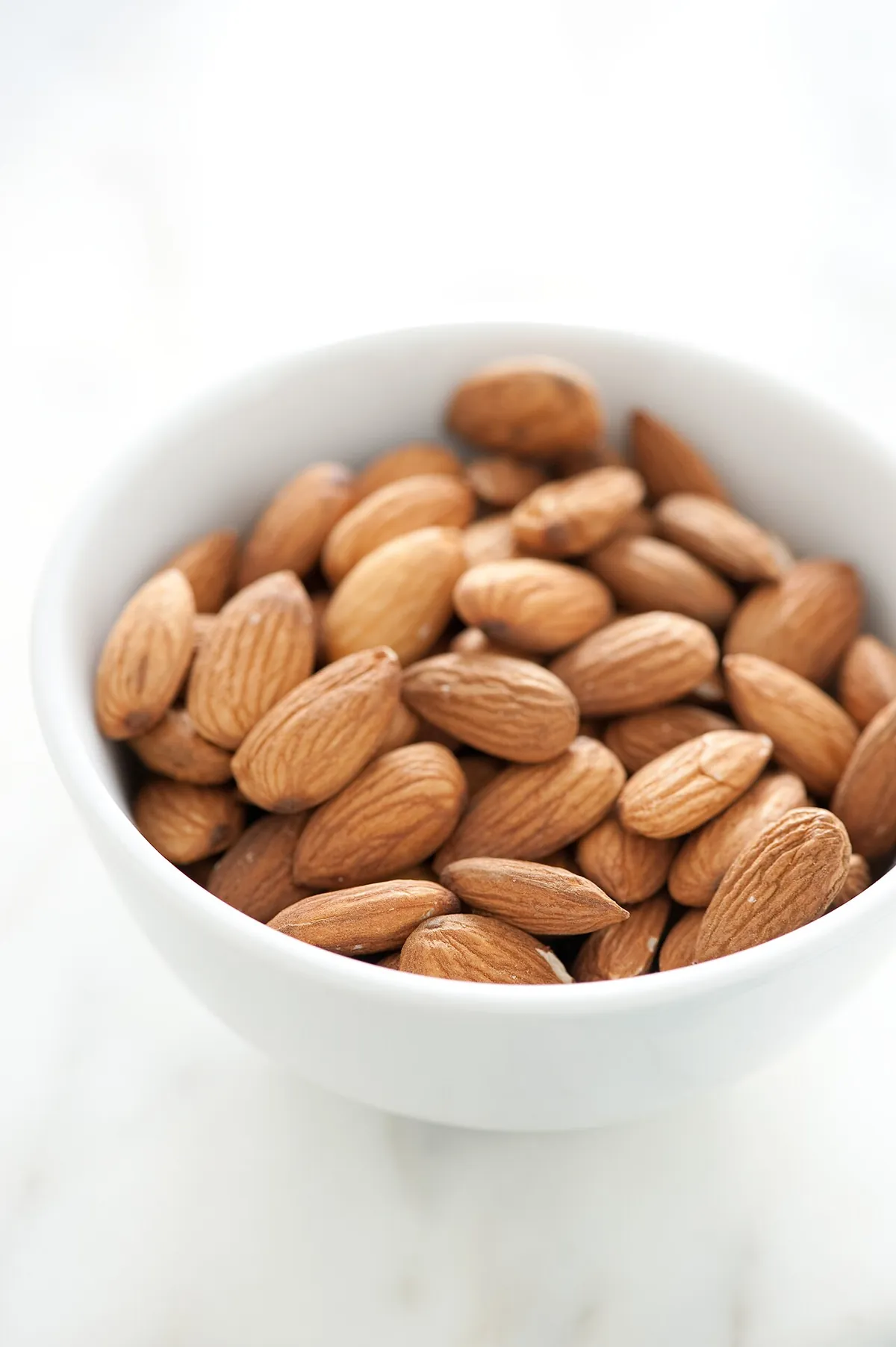

- Item
- Almonds
- Scientific name
- Prunus dulcis
- Also called
- Almond, Sweet almond
- Category
- Foods
- Verdict
- Caution
- Symptoms start
- Choking or gagging can happen immediately. Stomach upset usually appears within hours; pancreatitis signs can develop over hours to a day or more after eating a large fatty amount. No single onset time is established for almonds — watch your dog closely after any ingestion.
Almonds sit in a confusing middle ground. They are not acutely toxic to dogs the way grapes, chocolate, or macadamia nuts are, yet veterinarians still advise against feeding them. The confusion comes from the word “toxic”: a food can be non-toxic and still be unsafe.
The ASPCA Animal Poison Control Center calls the claim “almonds are toxic to my pet” a myth — for sweet almonds, the kind sold for eating in the United States. The same guidance warns that sweet almonds can cause stomach upset, vomiting, diarrhea, and possibly pancreatitis. Add in the choking and blockage risk, and the practical answer is simple: do not offer almonds as a treat.
If your dog ate it — what to do now
- Check whether your dog is choking, gagging, or struggling to breathe — if so, seek emergency veterinary care immediately.
- Call your veterinarian or ASPCA Animal Poison Control Center at (888) 426-4435 (a consultation fee may apply) for advice, especially if your dog is small, ate a large amount, or the almonds were salted or flavored.
- Tell them how many almonds your dog ate, what kind they were, and when it happened, along with your dog's weight and any history of pancreatitis.
- If your dog ate only a few plain almonds and shows no signs of distress, your veterinarian may advise watching at home — follow their instructions.
- Watch for choking, bloating, gagging, vomiting, diarrhea, loss of appetite, or discomfort, and call your veterinarian promptly if any of these appear.
Do not do this
- Do not induce vomiting at home — only a veterinarian should do this, and only soon after a large ingestion.
- Do not feed almonds as a treat, even if your dog begs for them.
- Do not offer salted, smoked, or flavored almonds, or almond products containing xylitol.
- Do not assume a dog is fine just because almonds are not listed as toxic — watch for choking, vomiting, and abdominal pain.
Why almonds are risky for dogs
Sweet almonds are not classified as a poison for dogs. The ASPCA states plainly that sweet almonds — the kind sold for consumption in the United States — are not toxic to pets. PetMD agrees: almonds are not toxic to dogs, but they can pose health problems and should be avoided.
The risks are physical and digestive rather than chemical. Almonds are hard, dense, and the wrong size and shape for a dog that swallows food with little chewing. A whole almond can lodge in the esophagus, stomach, small intestine, or windpipe, and a blockage can be life-threatening and may need surgery. Small breeds face the highest risk because their airways and digestive tracts are narrower.
Almonds are also very high in fat. The ASPCA lists almonds, pecans, and walnuts among nuts whose oils and fats can cause vomiting and diarrhea, and potentially pancreatitis in some pets. Pancreatitis is a painful inflammation of the pancreas that can become severe. PetMD notes signs include vomiting, diarrhea, loss of appetite, and lethargy, and that it can become a serious, even fatal, disorder.
How much is dangerous for dogs?
No toxic dose is established for sweet almonds, because they are not an acute poison with a dose-response curve like garlic or grapes. That does not mean any amount is safe to feed. The risk depends on the size of the dog, the number of almonds, and whether the dog has a history of pancreatitis or a sensitive stomach.
PetMD gives a useful comparison: if a Saint Bernard eats a couple of almonds and shows no signs of choking or obstruction, there is little cause for concern, but the same amount in a small dog such as a Yorkie is a different story. A dog that eats a whole bag is at much higher risk of vomiting, blockage, or pancreatitis.
Salted, smoked, or flavored almonds add further risk. PetMD notes that heavily salted almonds can cause increased water retention, which is particularly dangerous for dogs with heart disease. Seasonings can also irritate the stomach, and flavored varieties may contain garlic or onion powder.
What are the symptoms to watch for after a dog eats almonds?
Watch first for signs of choking or blockage: gagging, choking, difficulty swallowing, coughing, retching, or pawing at the mouth. A dog that cannot breathe, or that is struggling to swallow, needs emergency care right away. Later signs of a gut blockage can include bloating, repeated vomiting, abdominal discomfort, loss of appetite, and no bowel movements.
Signs of stomach upset and pancreatitis overlap: vomiting, diarrhea, loss of appetite, lethargy, and abdominal pain. Pancreatitis should be properly diagnosed and aggressively treated by a veterinarian. If your dog becomes ill at any point after eating almonds, call your veterinarian and make an appointment immediately.
What to do if your dog eats almonds
Stay calm and work out what happened. Note how many almonds your dog ate, whether they were plain, salted, or flavored, and when it happened. Check whether your dog is choking, gagging, or struggling to breathe. If your dog is choking or cannot breathe, seek emergency veterinary care immediately.
If your dog ate a large amount, call your veterinarian or ASPCA Animal Poison Control Center at (888) 426-4435 (a consultation fee may apply) for advice. PetMD notes that the most effective treatment for a large ingestion is to induce vomiting if it happened within the previous 30 minutes, but this must be done by a veterinarian — do not try to make your dog vomit at home. If you do not know when the nuts were eaten, the only option is to monitor your pet and call your veterinarian promptly if your dog becomes ill.
How to keep your dog safe from almonds
The simplest rule is to not offer almonds as treats. Keep bowls of mixed nuts, snack bags, and trail mix out of your dog's reach, and be careful with nuts dropped on the floor — a dog can swallow a whole almond before you notice. Keep purses, backpacks, and lunch boxes where a curious dog cannot get into them.
Be extra careful with dogs that have had pancreatitis, are overweight, or eat a low-fat or prescription diet. For these dogs, even a small fatty snack can cause trouble. Children and guests should know not to share nuts with the dog. If you bake or cook with almonds, clean up spills promptly and store almond flour, almond extract, and almond butter where your dog cannot reach them.
Almond products to watch for
Almond butter is not toxic to dogs, according to PetMD, but it is high in fat and can contain salt, sugar, or xylitol. Xylitol is extremely toxic to dogs, even in small amounts, so always read the label before letting your dog lick almond butter, and never offer a product that lists xylitol. Even plain almond butter should only be used in very small amounts, for example as a vehicle for giving a pill, if your veterinarian agrees.
Almond milk is also high in fat, and PetMD notes it can lead to diarrhea, pancreatitis, and obesity if given as a treat. A small amount lapped up after a spill is usually fine, but do not offer it as a drink. Almond flour, almond extract, marzipan, and baked goods made with almonds carry the same fat load, and some contain added sugar, salt, or chocolate.
Safe alternatives to almonds
If you want a crunchy treat, offer plain cooked carrots or green beans cut to a size your dog can chew safely. Blueberries and small pieces of plain cooked chicken or turkey are also popular, low-risk options for most dogs. Introduce any new food in small amounts, and check with your veterinarian first if your dog has a health condition, a sensitive stomach, or a prescription diet.
For training, use treats made for dogs rather than nuts from the pantry. They are sized for dogs, their fat content is controlled, and they do not carry the choking or pancreatitis risk of a whole almond. If your dog loves nut butter, ask your veterinarian whether a small amount of plain, xylitol-free peanut butter is a better option — and always read the label first.
Symptoms to watch for
- Choking
- Gagging
- Difficulty swallowing
- Bloating
- Vomiting
- Diarrhea
- Abdominal pain or discomfort
- Loss of appetite
- Lethargy
Choking can happen immediately; stomach upset and pancreatitis signs usually develop within hours to a day after eating a large amount.
Safe alternatives
- Plain cooked carrots — Crunchy, low-fat, and easy to chew in pieces sized for your dog.
- Plain cooked green beans — A low-calorie vegetable treat without the fat or choking shape of a whole nut.
- Blueberries — Small, soft fruit that many dogs enjoy as a treat in moderation.
- Plain cooked chicken — Unseasoned lean meat is a simple, high-value treat for training.
What about cats? The ASPCA's almond guidance is written for pets generally, not dogs only. Sweet almonds are not listed as toxic to pets, but they can still cause stomach upset in cats as well as dogs, so keep almonds away from cats too.
Frequently asked questions
Are almonds toxic to dogs?
No, sweet almonds — the kind sold for eating in the United States — are not toxic to dogs in the way grapes or macadamia nuts are, according to the ASPCA Animal Poison Control Center. But they are not a safe treat: they can choke a dog, block the gut, and their high fat can cause stomach upset or pancreatitis. Do not feed them on purpose.
My dog ate a few almonds — should I worry?
A large dog that swallows a couple of plain almonds and shows no signs of choking or distress is usually fine to watch at home, according to PetMD. A small dog, or a dog that ate a large amount, is at higher risk. Call your veterinarian or ASPCA Animal Poison Control Center at (888) 426-4435 for advice about your dog.
Are bitter almonds toxic to dogs?
Yes, and they are more dangerous than sweet almonds. Bitter almonds contain a cyanide compound and are considered toxic by the ASPCA. They are typically not sold in the United States, but they may be found in some natural food stores, where they should be clearly marked as bitter.
Can dogs eat almond butter or almond milk?
Almond butter itself is not toxic to dogs, according to PetMD, but it is high in fat and may contain salt, sugar, or xylitol, which is extremely toxic to dogs. Almond milk is also high in fat and can lead to diarrhea, pancreatitis, and obesity. Check the label carefully and ask your veterinarian before offering either.
Sources
- ASPCA Poison Control — Internet Myths and Rumors: Pet Toxin Edition
- PetMD — Can Dogs Eat Almonds?
- ASPCA Poison Control — People Foods to Avoid Feeding Your Pets
Related guides
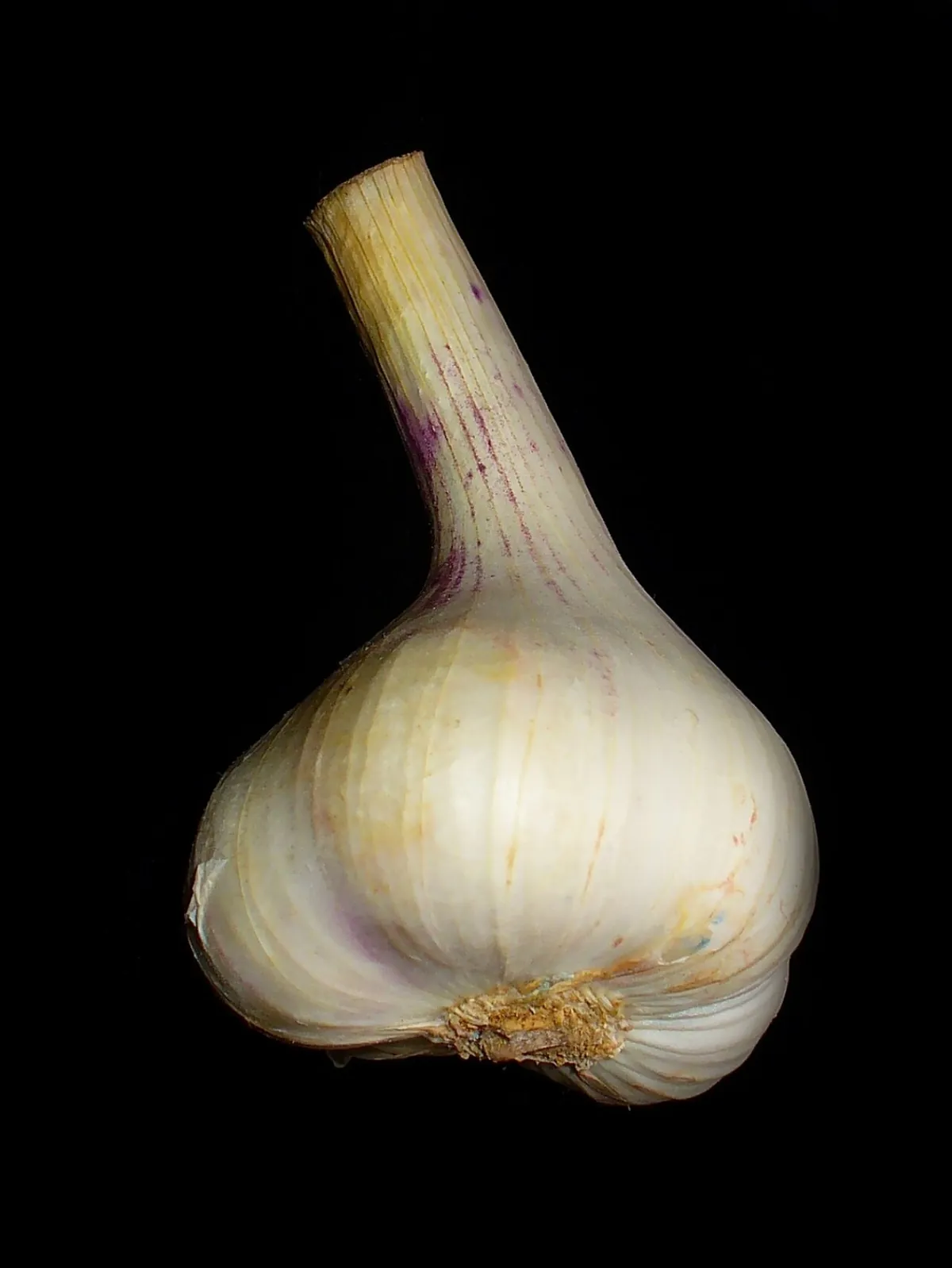
Garlic is toxic to dogs in every form, including raw, cooked, dried, and powdered. Do not feed it to your dog on purpose, and call your veterinarian if your dog eats a large amount.

Lilies can poison dogs, usually causing vomiting, diarrhea, and drooling. True lilies are far more dangerous to cats, where they can cause fatal kidney failure. If your dog eats any lily, call your vet.
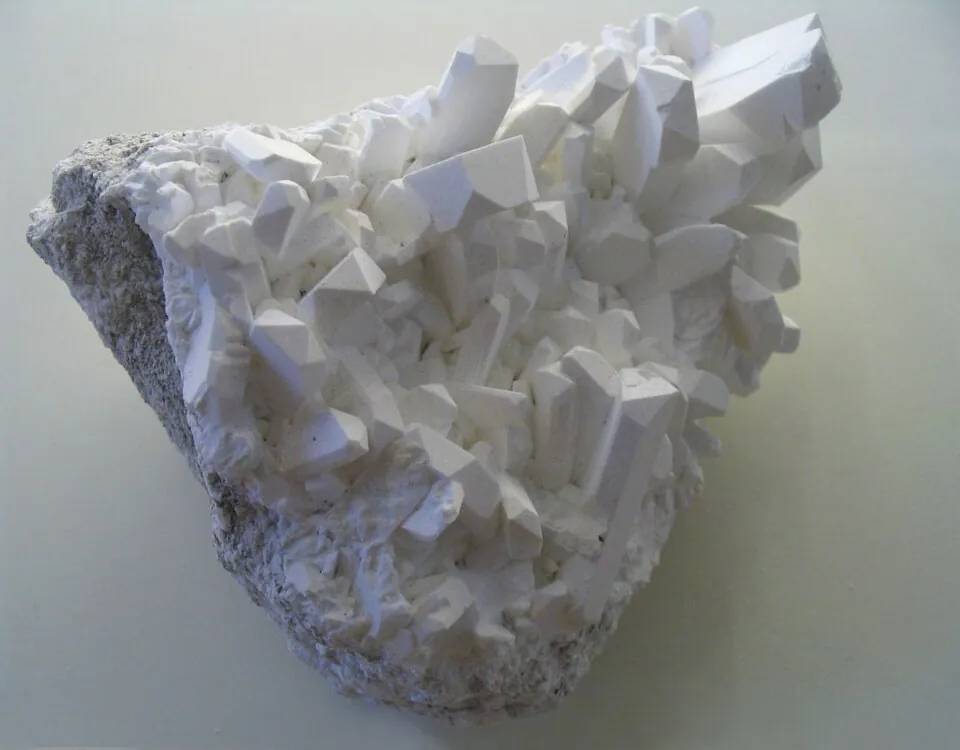
Borax is toxic to dogs. Small amounts usually cause only vomiting and stomach upset, but larger amounts can injure the kidneys and, rarely, cause seizures. Never use borax on or around your dog on purpose.

Tulips are toxic to dogs. Every part of the plant contains tulipalin A and B, but the bulb holds the highest concentration, so a dog that digs up and eats bulbs faces the greatest risk.