Are Bananas Toxic to Dogs? What Every Owner Should Know
No — bananas are not toxic to dogs.
PetMD and the AKC agree that peeled banana is safe for most dogs in moderation as an occasional treat. Keep portions small, always remove the peel, and skip bananas for overweight or diabetic dogs unless your veterinarian approves.
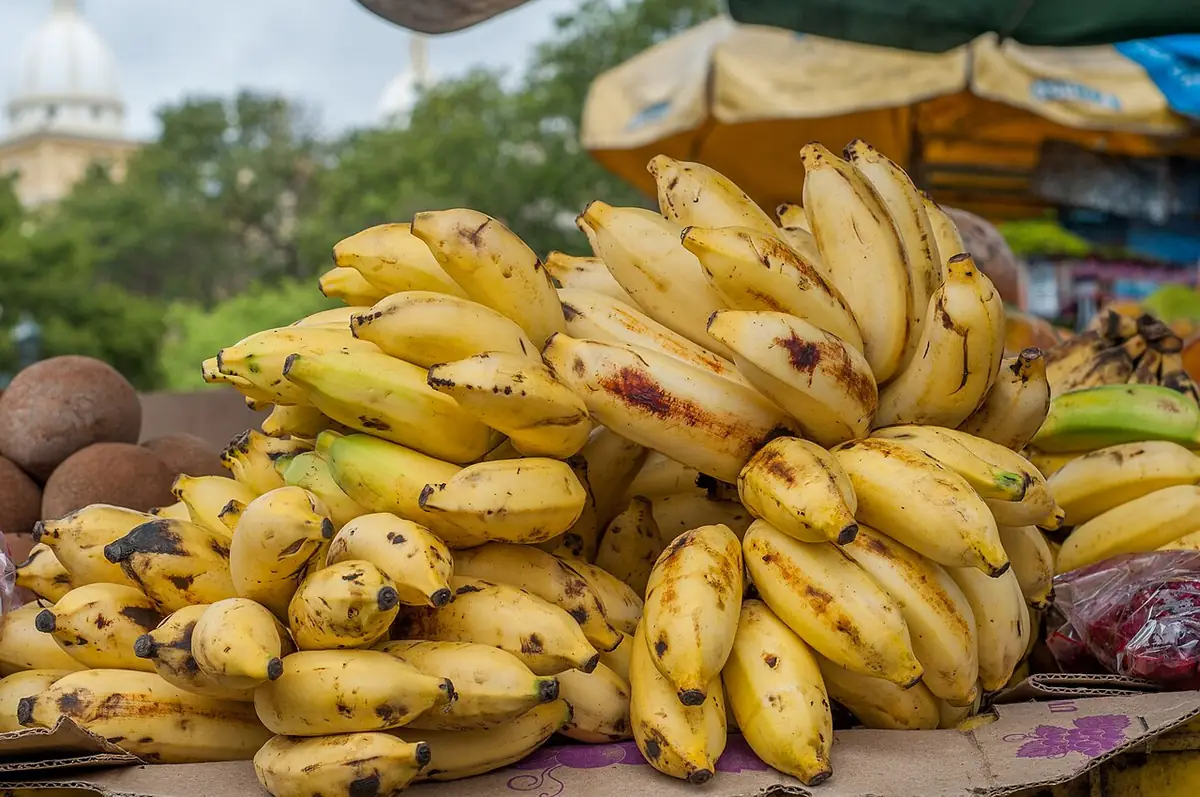

- Item
- Bananas
- Scientific name
- Musa acuminata
- Also called
- Banana, Cavendish banana, Plantain (a different, starchy cooking banana)
- Category
- Foods
- Verdict
- Safe
- Symptoms start
- Signs of eating too much banana, such as vomiting or diarrhea, usually appear within hours, although no exact time frame is given by the sources we checked. Signs of an intestinal blockage from a swallowed peel can develop over hours to days; if your dog shows vomiting, loss of appetite, or belly pain after eating a peel, seek emergency veterinary care immediately.
No, bananas are not toxic to dogs. PetMD says bananas are safe for most dogs when fed in moderation, and the American Kennel Club (AKC) agrees that bananas can be a nutritious treat, as long as they are served in moderation rather than as an everyday snack. A peeled banana, cut into small pieces, is a safe occasional treat for most healthy dogs.
The catch is sugar and portion size. Bananas are naturally high in sugar, so too much can add extra calories and upset your dog's stomach. The peel is the one risky part: it is not toxic, but it is hard to digest and can cause a blockage.
If your dog ate it — what to do now
- Check what your dog ate: a few slices of peeled banana, a large amount, or a peel.
- If it was a few slices of peeled banana and your dog is a healthy adult, watch for vomiting or diarrhea and offer fresh water.
- Call your veterinarian right away if your dog swallowed a peel and shows vomiting, loss of appetite, or belly pain.
- If your dog is vomiting repeatedly, weak, or has collapsed, go to a veterinarian or emergency clinic immediately.
- Tell the veterinarian how much was eaten, whether it was peel or flesh, and your dog's weight, age, and health conditions.
Do not do this
- Do not induce vomiting unless a veterinarian tells you to.
- Do not let your dog eat banana peels — they are hard to digest and can cause a blockage.
- Do not give banana bread, banana pudding, or banana chips to your dog.
- Do not use banana as a home treatment for diarrhea — contact your veterinarian instead.
Why bananas are considered safe for dogs
Bananas contain no toxin that affects dogs. PetMD lists bananas as safe for most dogs when they are properly prepared and served in appropriate portions, and the AKC calls them a nutritious treat. Bananas contain fiber and several vitamins and minerals, including vitamin C, vitamin B6, potassium, magnesium, and biotin, according to PetMD. The AKC adds that some veterinarians recommend bananas as a healthier alternative to treats that are high in fat or salt. Because dogs are only ever given small portions, bananas should complement a balanced diet rather than serve as a significant source of nutrition.
- No toxic principle: PetMD and the AKC list bananas as safe for most dogs
- Nutrients: fiber, potassium, vitamin C, vitamin B6, magnesium, biotin
- A treat, not a food: bananas complement a balanced diet, they do not replace part of it
How much banana is safe for dogs?
There is no toxic dose for bananas, because bananas are not toxic. The question is how much sugar your dog can handle as a treat. PetMD gives serving sizes by dog size, with each slice about a quarter of an inch thick: extra-small dogs of 2 to 10 pounds, 1 to 2 slices; small dogs of 11 to 20 pounds, 2 to 3 slices; medium dogs of 21 to 50 pounds, 3 to 6 slices; large dogs of 51 to 90 pounds, a handful of slices; and extra-large dogs of 91 pounds and up, up to half a banana. Like all treats, bananas should make up no more than 10 percent of your dog's daily calories, and a whole banana is generally too much for most dogs, especially puppies and small breeds.
- No toxic dose: bananas are nontoxic, so there is no poisoning threshold
- PetMD servings: 1-2 slices for extra-small dogs up to half a banana for extra-large dogs
- Treats overall: no more than 10% of daily calories
Symptoms to watch for after a dog eats banana
A healthy dog that eats a few slices of peeled banana usually shows no symptoms at all. Problems start when a dog eats too much at once or gets banana often. PetMD lists the signs of eating too much banana as decreased appetite, fatigue, drinking less water, gulping, and licking the lips, the air, or surrounding objects, and says to contact your veterinarian if you notice these signs. The emergency signs belong to a swallowed peel: PetMD lists vomiting, loss of appetite, abdominal pain, weakness or lethargy, diarrhea, constipation, and weight loss as signs of a possible intestinal blockage, and says to seek emergency veterinary care immediately if you suspect one.
- Too much banana: decreased appetite, fatigue, drinking less, gulping, lip licking
- Peel blockage signs: vomiting, loss of appetite, belly pain, weakness, diarrhea or constipation
- Seek emergency care immediately if you suspect a blockage
What to do if your dog eats banana
First, check what your dog actually ate. If it was a few slices of peeled banana and your dog is a healthy adult, there is usually nothing to do except watch your dog for vomiting or diarrhea over the next day. If your dog ate a large amount, skip the next treat, offer fresh water, and watch for repeated vomiting or diarrhea. If your dog swallowed a peel, especially a large piece, watch closely for vomiting, loss of appetite, or belly pain, and call your veterinarian or an emergency clinic right away if any of those signs appear. Keep the peel or packaging if you can, so you can tell the vet how much was eaten.
- A few slices of peeled banana: usually nothing to do except watch for vomiting or diarrhea
- A large amount: skip the next treat, offer fresh water, and watch your dog
- A swallowed peel: watch for vomiting, loss of appetite, or belly pain and call a vet right away if they appear
How to keep your dog safe around bananas
Always peel the banana before offering it, and cut it into small pieces about a quarter of an inch thick, as PetMD recommends. Store bananas and banana peels where your dog cannot reach them, and throw peels straight into a closed bin, because a dog that counter-surfs can swallow a whole peel quickly. Introduce banana slowly the first time, with a small amount, and watch for vomiting, diarrhea, belly pain, or lethargy, since PetMD notes that true banana allergies are uncommon but can happen. Skip bananas for dogs that are overweight, diabetic, or managing other medical conditions unless your veterinarian specifically approves them.
- Always remove the peel completely and cut the banana into small pieces
- Throw peels straight into a closed bin so your dog cannot grab one
- Introduce banana slowly the first time and watch for any reaction
- Skip bananas for overweight or diabetic dogs unless your vet approves
Banana products to watch for
Plain banana and banana-flavored foods are not the same thing. PetMD says banana bread should generally be avoided because it often contains raisins, xylitol, or nutmeg, all of which are harmful or toxic to dogs, and it is typically high in sugar and fat. Banana pudding is not recommended either, because most puddings contain large amounts of sugar, preservatives, and other ingredients that may be unhealthy or potentially toxic. Banana chips and dried bananas are also not recommended: if they are not chewed thoroughly they can absorb water, swell, and potentially contribute to an intestinal obstruction, and store-bought chips often contain added sugar, salt, or preservatives. Frozen banana is fine in small amounts, but PetMD advises mashing a small amount and freezing it rather than giving a whole frozen banana.
- Banana bread: often contains raisins, xylitol, or nutmeg — avoid it
- Banana pudding: high in sugar and preservatives — not recommended
- Banana chips and dried bananas: can swell and may contribute to a blockage — not recommended
- Frozen banana: fine in small amounts; mash and freeze a small portion rather than giving a whole frozen banana
Safe alternatives to bananas
If you want to give your dog a sweet treat without the sugar load of banana, several everyday foods work better. Blueberries are sweet, low in calories, and widely fed to dogs as treats. Apple slices give a sweet crunch with far less sugar than banana; remove the seeds and the core first. Carrot pieces give a satisfying crunch with very little sugar, and they are a good chew for dogs that like to gnaw. As with banana, keep treats within 10 percent of daily calories and check with your veterinarian first if your dog has a health condition.
- Blueberries: sweet and low in calories, a safer everyday treat than banana
- Apple slices: remove seeds and core; a sweet crunch with far less sugar
- Carrots: a crunchy, low-sugar chew most dogs enjoy
Symptoms to watch for
- Decreased appetite
- Fatigue
- Drinking less water
- Gulping
- Licking lips, air, or surrounding objects
- Vomiting
- Diarrhea
- Abdominal pain
- Weakness or lethargy
- Constipation
- Weight loss
- Blood in vomit or stool (seek emergency care)
A few slices of peeled banana usually cause no symptoms; the serious signs listed here are from eating too much banana or from a swallowed peel causing a blockage.
Safe alternatives
- Blueberries — Sweet and low in calories; a safer everyday treat than banana.
- Apple slices — Remove seeds and core; a sweet crunch with far less sugar than banana.
- Carrots — A crunchy, low-sugar chew most dogs enjoy.
What about cats? We could not find an ASPCA listing for bananas and cats in the sources we checked, so we do not state that bananas are safe for cats. Cats do not need fruit, and banana is high in sugar, so there is no reason to offer it to a cat. Ask your veterinarian before giving banana to any cat.
Frequently asked questions
Can dogs eat bananas?
Yes. PetMD and the AKC both say bananas are safe for most dogs when fed in moderation, peeled, and cut into small pieces. Keep portions small, count them as treats, and skip bananas for overweight or diabetic dogs unless your veterinarian approves.
Can dogs eat banana peels?
No. Banana peels are not considered toxic, but the AKC and PetMD both say they are hard to digest and can cause stomach upset or, in some cases, an intestinal blockage. PetMD also notes peels may carry pesticide residue. Always remove the peel completely.
Can puppies eat bananas?
Yes, puppies can eat bananas in moderation, but PetMD advises introducing them slowly and in smaller portions than for adult dogs, and offering only one new food at a time so you can spot any digestive upset. If your puppy vomits or has diarrhea after eating banana, stop feeding it and contact your veterinarian.
Can dogs eat banana bread or banana chips?
No, both are best avoided. PetMD says banana bread often contains ingredients that can be harmful or toxic to dogs, including raisins, xylitol, and nutmeg, and it is typically high in sugar and fat. Banana chips and dried bananas are also not recommended: they can swell after being swallowed and may contribute to a blockage, and store-bought chips often contain added sugar, salt, or preservatives.
Sources
- PetMD — Can Dogs Eat Bananas?
- American Kennel Club — Can Dogs Eat Bananas?
- PetMD — What Can Dogs NOT Eat?
Related guides
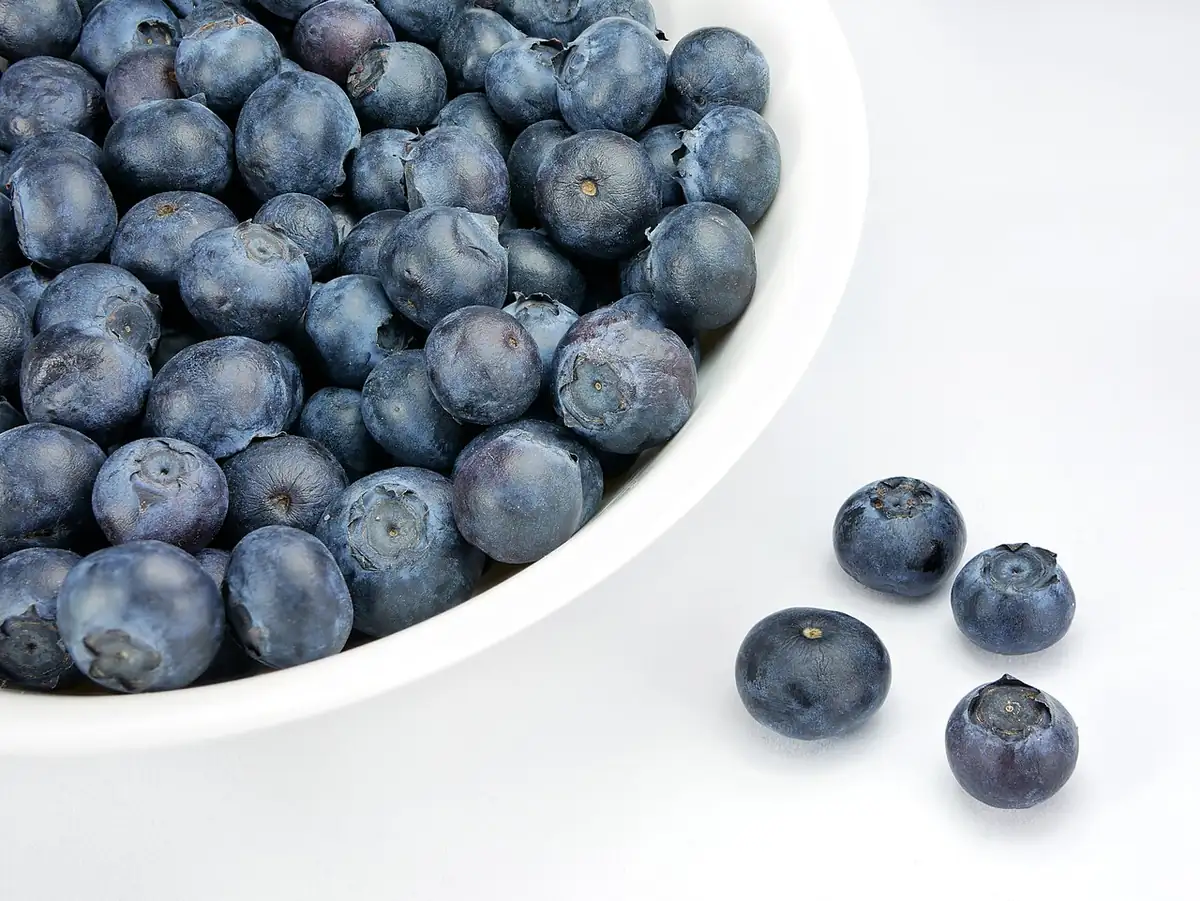
Blueberries are safe for most dogs when served plain and in moderation. They are rich in antioxidants, fiber, vitamins, and minerals. Avoid canned, sweetened, or syrup-packed blueberries, and keep portions small.
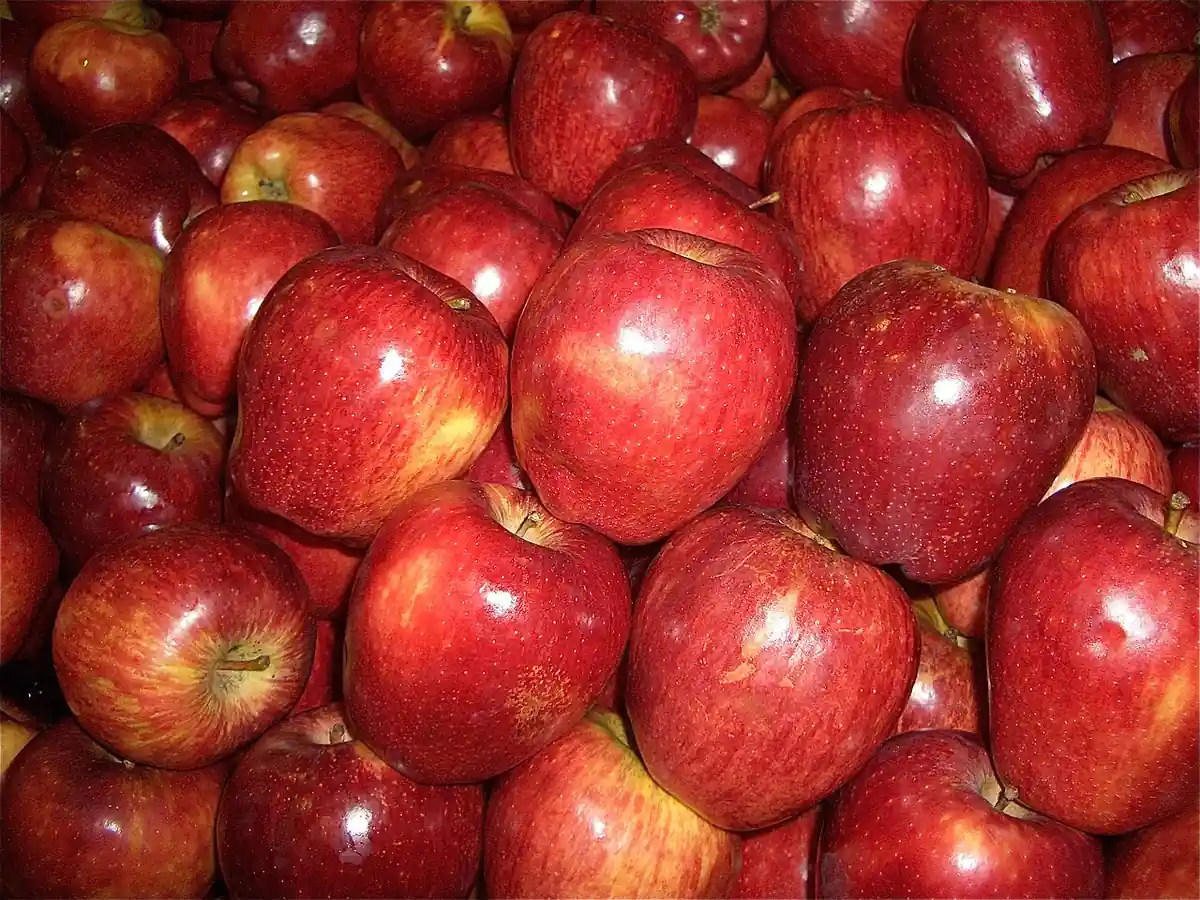
Apple flesh and skin are safe for dogs in moderation. The seeds contain amygdalin, which can release cyanide when chewed, and the core is a choking and blockage hazard — always remove both.
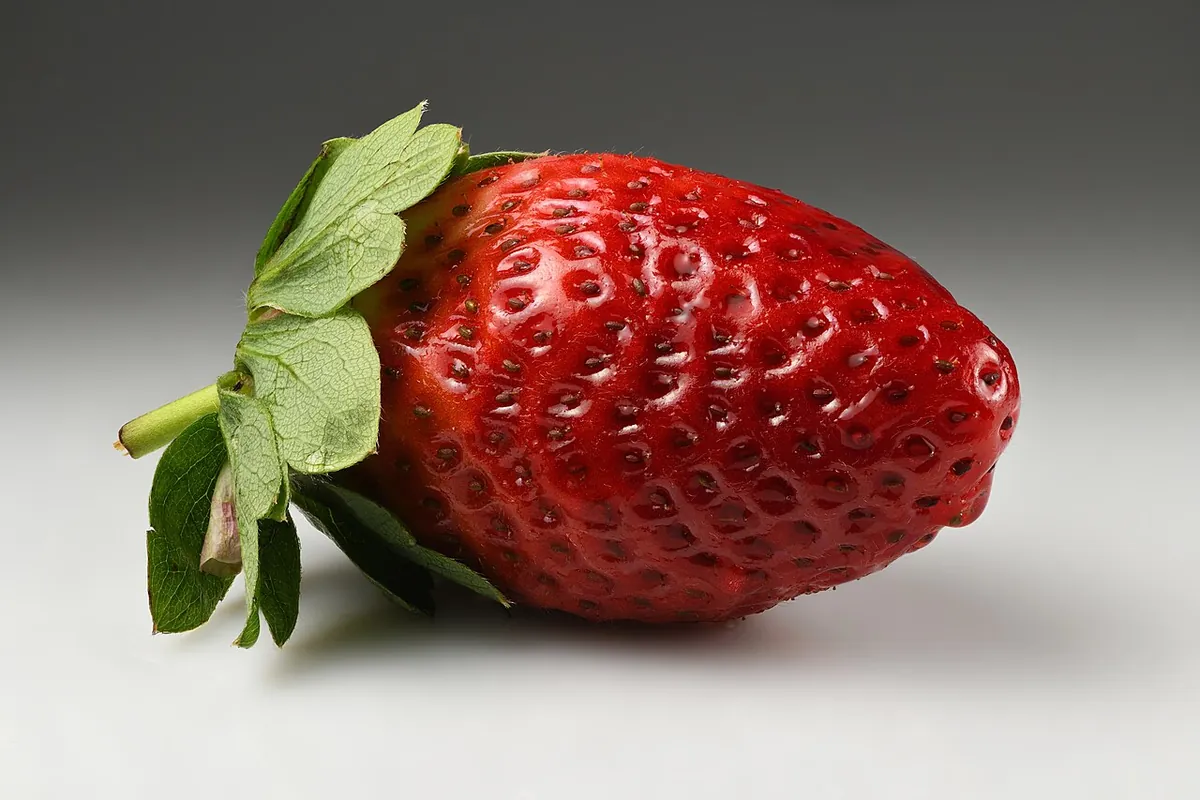
Strawberries are safe for most dogs when served plain and in moderation. They are high in fiber and vitamin C and low in calories. Avoid canned, syrup-packed, and sugar-free strawberry products, and keep portions small.

The ASPCA lists the orange plant as toxic to dogs because of essential oils and psoralens in its peel and plant material, while PetMD and the AKC say the peeled, seedless flesh is safe in small amounts. Serve flesh only, peeled and seedless, and never the peel, seeds, or plant.