Are Strawberries Toxic to Dogs? What Every Owner Should Know
No — strawberries are safe for dogs in moderation.
Strawberries are safe for most dogs when served plain and in moderation. They are high in fiber and vitamin C and low in calories. Avoid canned, syrup-packed, and sugar-free strawberry products, and keep portions small.
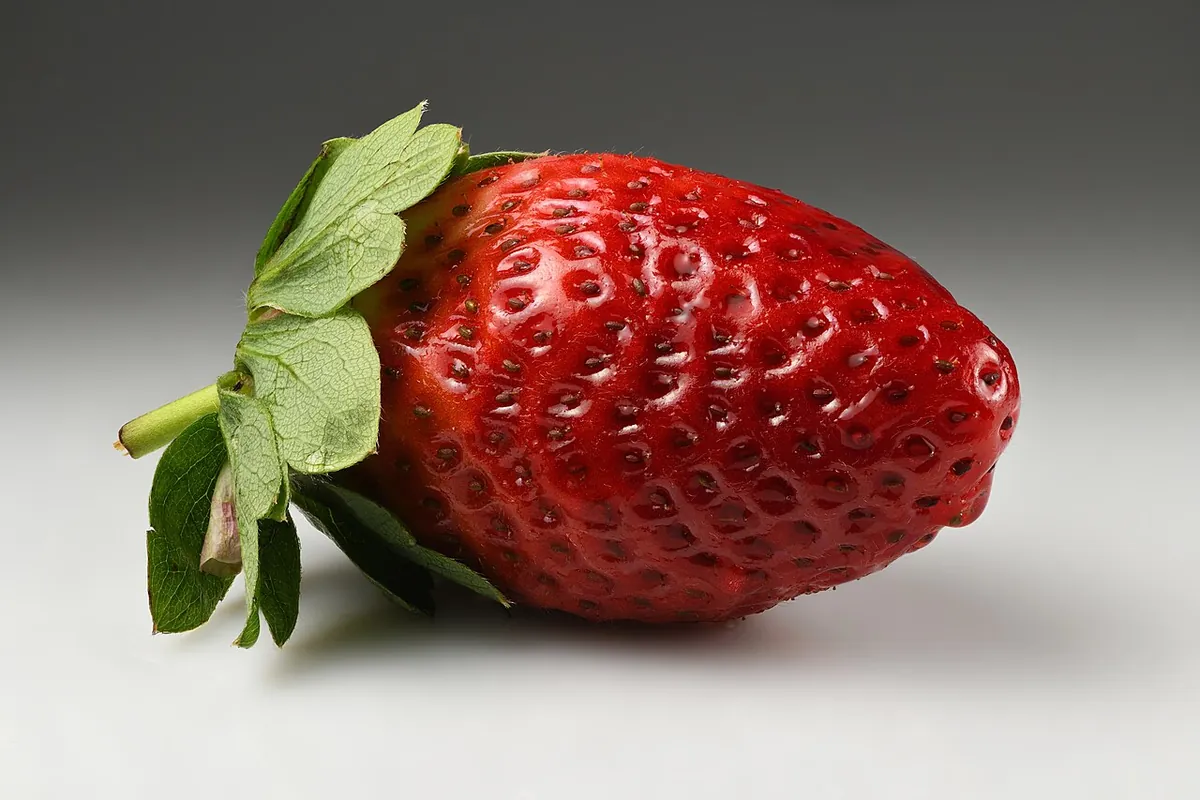

- Item
- Strawberries
- Scientific name
- Fragaria × ananassa
- Also called
- Strawberries, Garden strawberries
- Category
- Foods
- Verdict
- Safe
- Symptoms start
- There is no poisoning onset time for strawberries because they are not toxic. If a dog eats too many, mild stomach upset such as loose stools or diarrhea may appear within a few hours, but no exact onset time is established in the authoritative sources checked.
Strawberries are safe for most dogs when served plain and in moderation. The ASPCA lists the strawberry plant (Fragaria spp.) as non-toxic to dogs, cats, and horses, and both the American Kennel Club (AKC) and PetMD describe fresh strawberries as a healthy, low-calorie treat. They are high in fiber and vitamin C and contain antioxidants that support overall health.
Safe does not mean unlimited, though. Strawberries contain natural sugar, whole berries can choke a small dog, and the sweetened products made with them — canned berries, jam, syrup, and sugar-free treats — are a different story. This page explains why strawberries are considered safe, how many to feed, and how to serve them.
If your dog ate it — what to do now
- Wash the strawberries thoroughly, remove the stems, leaves, and green tops, and cut the berries into small pieces (mash them for small dogs).
- Start with a single small piece the first time, and watch for digestive upset or signs of allergy before offering more.
- Keep portions small — the AKC suggests one to three strawberries per day as a starting point — and keep all treats under 10 percent of daily calories.
- If your dog eats too many and develops vomiting or diarrhea, stop offering strawberries, offer fresh water, and watch your dog for the rest of the day.
- Call your veterinarian or the ASPCA Animal Poison Control Center at (888) 426-4435 (a consultation fee may apply) if symptoms last more than a day, your dog seems unwell, or your dog ate a strawberry product containing xylitol.
Do not do this
- Do not feed canned strawberries, strawberries in syrup, jam, jelly, or sugar-free strawberry products that may contain xylitol.
- Do not give your dog a whole strawberry without cutting it first, especially a small dog.
- Do not offer strawberries to a diabetic or overweight dog without checking with your veterinarian first.
- Do not ignore signs of an allergic reaction — itching, swelling, or digestive changes after the first serving mean you should stop and call your veterinarian.
Why strawberries are considered safe for dogs
Strawberries (Fragaria × ananassa) are safe for most dogs when served plain and in moderation. The ASPCA lists the strawberry plant as non-toxic to dogs, cats, and horses. The AKC calls strawberries a healthy, low-calorie treat, full of antioxidants and high in fiber and vitamin C. PetMD agrees, saying most dogs can safely eat strawberries in moderation when properly prepared.
Per USDA data, 100 grams of fresh strawberries provide about 32 calories, 2 grams of fiber, 4.9 grams of natural sugar, and 58.8 milligrams of vitamin C. Fiber supports digestion, vitamin C supports the immune system, and antioxidants help protect cells. The AKC notes they may also help with weight management. None of this makes strawberries a required food, but it does make a few plain berries a sensible extra.
- No toxin: the ASPCA lists strawberries as non-toxic to dogs, cats, and horses.
- Nutrients: fiber, vitamin C, and antioxidants, with about 32 calories per 100 grams of fresh berries.
- Low calorie: a small, portion-friendly treat when fed in moderation.
How many strawberries can a dog eat?
There is no toxic dose for strawberries, because there is no toxin to measure. The limit is a treat limit, not a poison limit. Like all treats, strawberries should account for no more than 10 percent of your dog's total daily calories. The AKC suggests one to three strawberries per day as a reasonable starting point for most dogs, with fewer for small dogs. PetMD gives a slice guide (each slice about a quarter of an inch thick): extra-small dogs (2-20 pounds) 1-2 slices, small dogs 2-3, medium dogs 5-6, and large dogs a handful.
Start with a small piece and see how your dog handles it before making strawberries a regular treat. For dogs with diabetes, obesity, or sugar sensitivities, PetMD says they may need to avoid strawberries altogether, and the AKC advises checking with your veterinarian first if your dog has diabetes, is overweight, or has a sensitive stomach. Keep strawberries as an occasional treat a few times a week, not a daily staple.
Symptoms if your dog eats too many strawberries
Because strawberries are not toxic, there are no poisoning symptoms. A normal portion causes no symptoms at all in most dogs. The symptoms that do occur come from eating too many at once: the natural sugar can cause stomach upset, and the AKC notes that too many strawberries at once can cause loose stools or diarrhea. Whole berries are also a choking risk, especially for small dogs, so slice or mash them before serving.
A small number of dogs may have a genuine allergic reaction. The AKC advises watching for itching, swelling, or digestive changes after the first serving, and stopping strawberries and checking with your veterinarian if anything looks different.
- Loose stools, after eating too many.
- Diarrhea, after eating too many.
- Vomiting, after eating too many.
- Gas or bloating, after eating too many.
- Stomach discomfort.
- Decreased appetite.
- Choking or gagging, especially in small dogs.
- Itching, a rare allergic reaction.
- Facial swelling, a rare allergic reaction.
- Hives or red skin, a rare allergic reaction.
- Digestive changes, a rare allergic reaction.
What to do if your dog eats too many strawberries
Stay calm. Too many plain strawberries is not a poisoning emergency. Stop offering strawberries, take the rest away, and offer fresh water. Watch your dog for the rest of the day for vomiting, diarrhea, or a loss of appetite. Most dogs feel fine again within a day — do not offer more treats while the stomach settles.
Call your veterinarian if vomiting or diarrhea lasts more than a day, if your dog refuses food and water, or seems weak or in pain. If they came from a jam, syrup, yogurt, or sugar-free product, tell your veterinarian — the risk may come from an added ingredient. If your dog ate a product containing xylitol, call your veterinarian or the ASPCA Animal Poison Control Center at (888) 426-4435 right away — xylitol can drop a dog's blood sugar quickly. If your dog is choking, seek emergency veterinary care immediately.
Strawberry products that are not safe
Plain fresh strawberries are safe, but most strawberry products are not. Canned strawberries and strawberries packed in syrup contain large amounts of added sugar and should be avoided, according to the AKC. Jam, jelly, and preserves are the same, with added sugar and sometimes artificial sweeteners. Strawberry yogurt, ice cream, and chocolate-covered berries add sugar, fat, and dairy — and the chocolate is toxic to dogs on its own.
Sugar-free strawberry products are the most dangerous of all: they may contain xylitol, an artificial sweetener that is toxic to dogs and can cause a rapid drop in blood sugar. Check labels before sharing any strawberry-flavored food — xylitol is sometimes listed as birch sugar, and it appears in sugar-free jams, yogurts, and baked goods. Dog treats made with strawberries by a reputable pet brand are a different matter. When in doubt, do not share it.
Safe alternatives to strawberries
Strawberries are already one of the safer fruit treats, so an alternative is only needed for variety or for a dog that does not like them. Blueberries are safe for dogs in moderation and are rich in antioxidants and fiber. Raspberries are also safe in moderation and are low in sugar and calories. Carrots are a good non-fruit option: low in calories and easy to portion for any size of dog.
Apple slices are another simple swap — just remove the seeds and core first. Whichever fruit you choose, serve it plain, wash it first, cut it to a safe size, and keep all treats under 10 percent of daily calories.
- Blueberries: safe in moderation, rich in antioxidants and fiber.
- Raspberries: safe in moderation, low in sugar, good for seniors.
- Carrots: low-calorie, crunchy, and easy to portion.
- Apple slices: remove the seeds and core first.
How to serve strawberries safely
Serve strawberries plain, washed, and cut into pieces sized for your dog. Wash the berries under cool running water, then remove the green tops, stems, and leaves. The stems and leaves are not toxic, but the AKC notes they can cause stomach upset because they are hard to digest. Cut the fruit into small pieces to prevent choking, and mash or puree the berries for small dogs. Plain frozen strawberries, cut into pieces, make a cool treat in warm weather.
Introduce strawberries gradually. Offer a single small piece the first time and watch for digestive upset or signs of an allergic reaction before offering more. If you notice itching, swelling, vomiting, or diarrhea, stop giving strawberries and check with your veterinarian. Keep strawberries as an occasional treat, and store punnets and sweetened strawberry products where your dog cannot reach them.
Symptoms to watch for
- Loose stools (after eating too many)
- Diarrhea (after eating too many)
- Vomiting (after eating too many)
- Gas or bloating (after eating too many)
- Stomach discomfort
- Decreased appetite
- Choking or gagging (especially in small dogs)
- Itching (rare allergic reaction)
- Swelling of the face or muzzle (rare allergic reaction)
- Hives or red skin (rare allergic reaction)
- Digestive changes after the first serving (rare allergic reaction)
Normal portions cause no symptoms in most dogs; only eating too many brings mild stomach upset that usually settles within a day, whole berries can be a choking risk for small dogs, and a rare allergic reaction may cause itching or swelling.
Safe alternatives
- Blueberries — Safe for dogs in moderation, rich in antioxidants and fiber, and another good small fruit treat.
- Raspberries — Safe for dogs in moderation, low in sugar and calories, and a good choice for senior dogs.
- Carrots — A low-calorie, crunchy treat most dogs enjoy, with no sugar concerns at all.
- Apple slices (seeds and core removed) — Crunchy, sweet, and safe for most dogs — just remove the seeds and core first.
What about cats? Strawberries are also generally safe for cats in small amounts. The ASPCA lists strawberries as non-toxic to cats as well as dogs, so a cat that eats a small piece of plain strawberry is not at risk of poisoning — but cats do not need fruit in their diet, and sweetened strawberry products should be kept away from them too.
Frequently asked questions
Are strawberries toxic to dogs?
No. The ASPCA lists strawberries (Fragaria spp.) as non-toxic to dogs, and both the AKC and PetMD describe fresh strawberries as a safe, healthy treat when fed in moderation. The risk comes from how many are eaten and from sweetened strawberry products, not from the plain fruit itself.
How many strawberries can a dog eat?
The AKC suggests one to three strawberries per day as a reasonable starting point for most dogs, with fewer for small dogs. PetMD gives a slice guide: extra-small dogs (2-20 pounds) 1-2 thin slices, small dogs 2-3 slices, medium dogs 5-6 slices, and large dogs a handful. All treats together should stay under 10 percent of your dog's daily calories.
Can dogs eat canned strawberries or strawberry jam?
No. Avoid canned strawberries, strawberries in syrup, jam, jelly, and strawberry-flavored products. They contain added sugar and may contain artificial sweeteners such as xylitol, which is toxic to dogs. The AKC specifically warns against canned strawberries and berries packed in syrup.
Can dogs eat frozen strawberries?
Yes. Frozen strawberries are safe for most dogs when cut into appropriately sized pieces, according to the AKC, and they make a refreshing treat in warm weather. Serve them plain and unsweetened, and cut or mash them for small dogs.
Sources
- ASPCA Poison Control — Toxic and Non-toxic Plants: Strawberry
- American Kennel Club — Can Dogs Eat Strawberries?
- PetMD — Can Dogs Eat Strawberries?
- ASPCA Poison Control — People Foods to Avoid Feeding Your Pets
Related guides
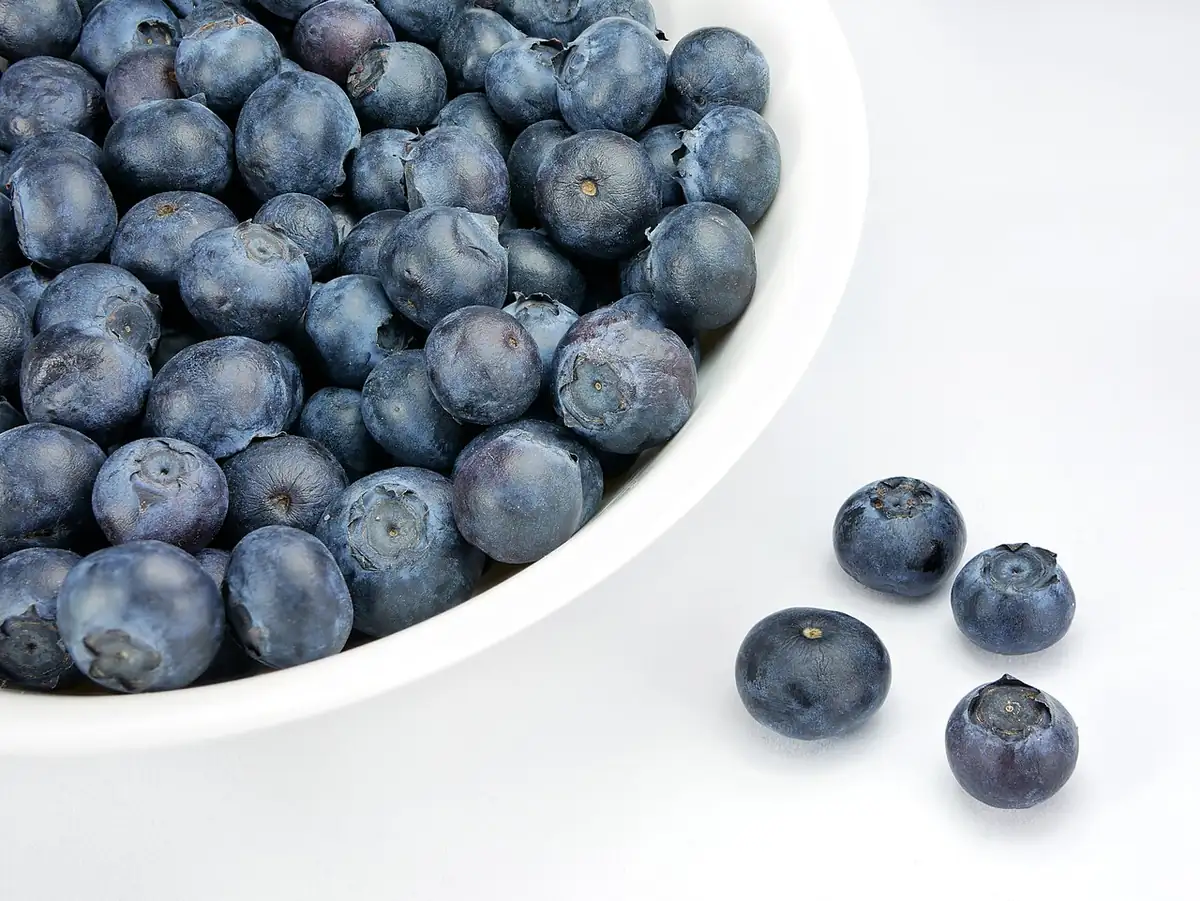
Blueberries are safe for most dogs when served plain and in moderation. They are rich in antioxidants, fiber, vitamins, and minerals. Avoid canned, sweetened, or syrup-packed blueberries, and keep portions small.
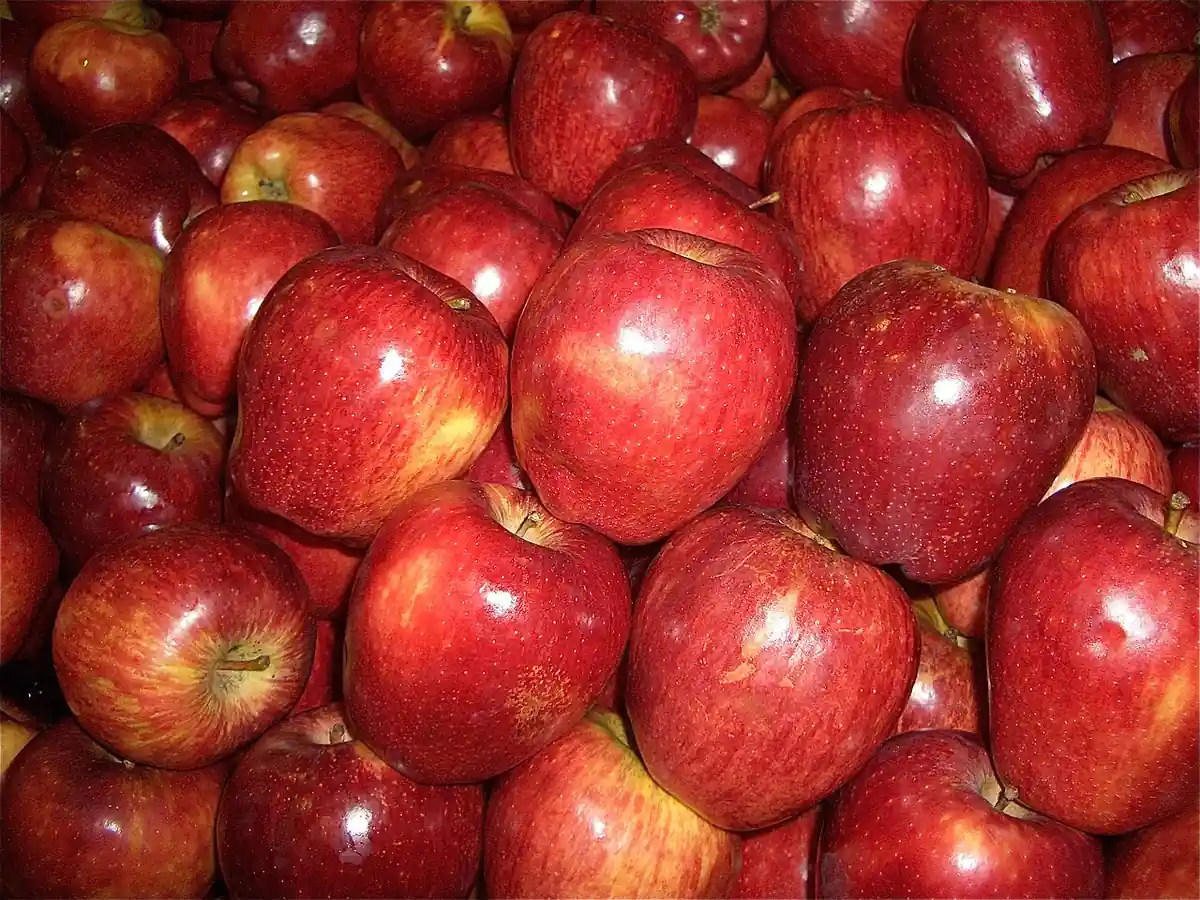
Apple flesh and skin are safe for dogs in moderation. The seeds contain amygdalin, which can release cyanide when chewed, and the core is a choking and blockage hazard — always remove both.

The ASPCA lists the orange plant as toxic to dogs because of essential oils and psoralens in its peel and plant material, while PetMD and the AKC say the peeled, seedless flesh is safe in small amounts. Serve flesh only, peeled and seedless, and never the peel, seeds, or plant.
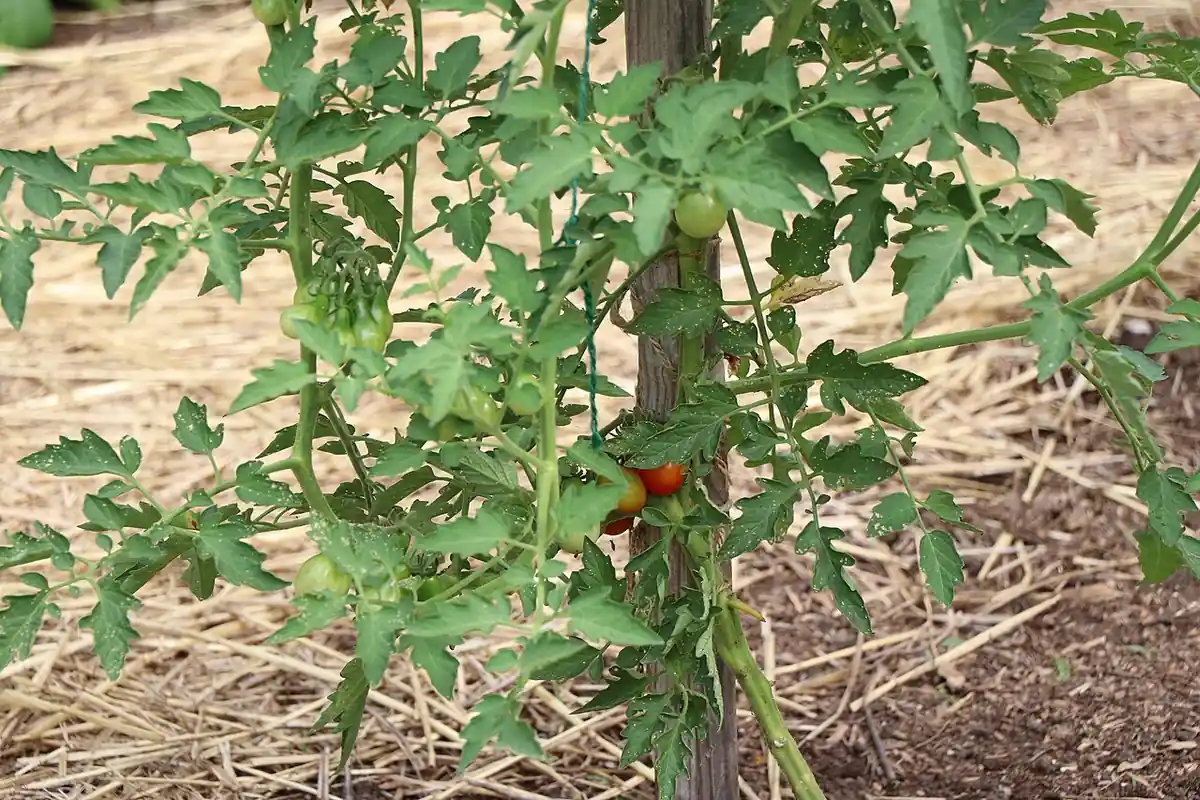
Ripe, red tomato flesh is safe for dogs in small amounts, but the leaves, stems, vines, and unripe green tomatoes are toxic. They contain tomatine and solanine, which can cause vomiting, weakness, and heart problems in large amounts.