Is Mint Toxic to Dogs? What Every Owner Should Know
Mint is not clearly safe for dogs — use caution.
A few plain peppermint or spearmint leaves are unlikely to harm most healthy dogs, but the ASPCA lists mint as toxic because of its essential oils, and large amounts cause vomiting and diarrhea. Pennyroyal, concentrated mint oil, and xylitol-sweetened mint products are genuinely dangerous. When in doubt, call your vet.
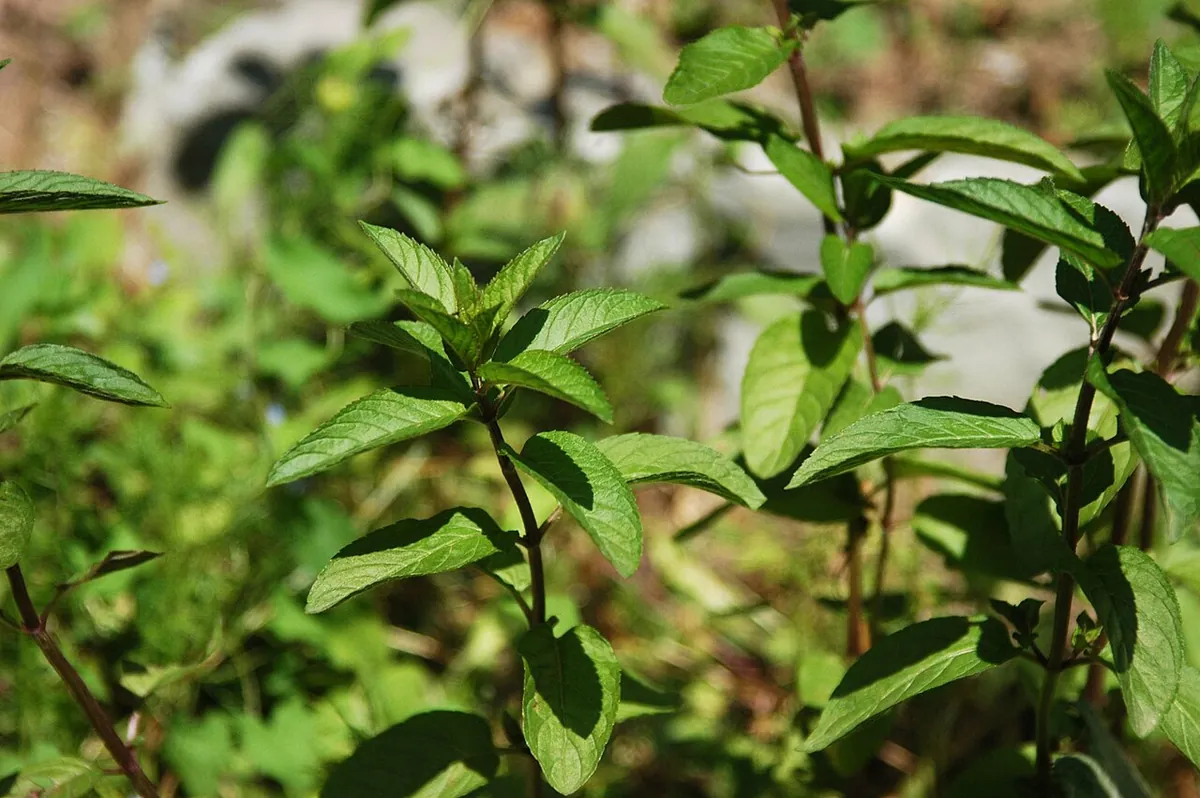

- Item
- Mint
- Scientific name
- Mentha spp.
- Also called
- Peppermint, Spearmint, Garden mint, Wild mint, Apple mint
- Category
- Foods
- Verdict
- Caution
- Symptoms start
- Stomach upset usually appears within a few hours of eating a large amount; xylitol symptoms can begin within an hour or two.
Is mint toxic to dogs? The honest answer is: it depends on the form. The ASPCA lists mint (Mentha spp.) as toxic to dogs, cats, and horses, because its essential oils can cause vomiting and diarrhea when a dog eats a large amount. But PetMD notes a small amount of plain, fresh or dried peppermint leaves is unlikely to harm most healthy dogs.
The word “mint” itself causes the confusion. It covers peppermint, spearmint, garden mint, and wild mint, plus lookalikes like pennyroyal that are far more dangerous. What matters is which mint your dog ate, how much, and in what form.
If your dog ate it — what to do now
- Work out what your dog ate — plain leaves, essential oil, pennyroyal, or a mint candy or gum — and keep the plant, bottle, or wrapper for identification.
- If oil is on the fur or skin, wash it off quickly with liquid dishwashing detergent.
- Call your veterinarian or the ASPCA Animal Poison Control Center at (888) 426-4435 right away (a consultation fee may apply).
- Tell them the form of mint, how much your dog ate, when it happened, and your dog's weight.
- If the product contained xylitol, or your dog swallowed essential oil, treat it as an emergency and call immediately.
Do not do this
- Do not give your dog peppermint essential oil, sprays, extracts, or potpourri, and do not diffuse mint oil around them.
- Do not give your dog mint candy, gum, or breath mints — check the label for xylitol first.
- Do not offer pennyroyal, or any mint you cannot identify with confidence.
- Do not induce vomiting unless a veterinarian tells you to.
- Do not wait to see if symptoms pass if your dog ate a xylitol product or essential oil — call for help right away.
What makes mint risky for dogs?
The ASPCA lists garden mint (Mentha sp.) as toxic to dogs, cats, and horses, and names essential oils as the toxic principle. The oils — mainly menthol and related compounds — irritate the mouth, stomach, and intestines. The ASPCA's listed signs are vomiting and diarrhea with large ingestions: a leaf or two is a different event from a dog stripping a whole plant.
PetMD adds nuance the ASPCA entry leaves out: a small amount of plain, fresh or dried peppermint leaves is unlikely to harm most healthy dogs, and dog-specific mint treats are the safest way to give a dog a minty flavor. The danger rises sharply with concentrated forms: peppermint essential oil, sprays, extracts, and potpourri can irritate the skin, mouth, and stomach, and at high doses cause tremors or seizures.
Then there is pennyroyal (Mentha pulegium), a mint relative in a different league. It contains pulegone, a compound that can damage the liver and nervous system, and VCA Animal Hospitals lists pennyroyal oil among the essential oils poisonous to dogs. Never grow pennyroyal where a dog can reach it, or use its oil on or near a pet.
How much mint is dangerous for a dog?
No source we reviewed gives a toxic dose for mint in milligrams per kilogram, or a safe number of leaves per day. Several websites publish tables of “safe amounts” — one or two leaves for a medium dog — but those numbers are not backed by the veterinary sources we checked. Treat them as guesses, not guidance.
The sources do support a clear pattern: a few plain peppermint or spearmint leaves are unlikely to cause more than mild stomach upset. A large amount — a dog grazing a whole mint patch, or eating a pile of dried leaves — is much more likely to cause vomiting and diarrhea. Small dogs and puppies are at greater risk from the same amount, because the dose is larger relative to their body weight.
Concentrated products do not follow the same scale. A few licks of undiluted peppermint oil or a mouthful of pennyroyal can be dangerous, and any product sweetened with xylitol is an emergency at any amount — the form matters more than the quantity.
Symptoms of mint poisoning in dogs
After eating too many plain mint leaves, the usual signs are digestive: vomiting, diarrhea, drooling, a loss of appetite, and tiredness. They normally show up within a few hours and settle once the leaves pass through. If your dog only ate a leaf or two and seems fine, watch them for the rest of the day — but call your vet if vomiting or diarrhea lasts more than a day or your dog cannot keep water down.
Essential oil exposure looks different. VCA lists difficulty breathing, wobbliness, drooling, lethargy, muscle tremors, and burns on the skin, mouth, or paws, and PetMD adds that high doses of peppermint oil have been linked to tremors and seizures. If your dog has been near a diffuser, a spill, or a bottle of oil and shows any of these signs, call your vet right away.
Xylitol poisoning has its own warning signs, and they can appear fast: PetMD lists vomiting, weakness, tremors, seizures, lethargy, and collapse, and warns xylitol can cause a dangerous drop in blood sugar or liver failure within hours. A dog that ate sugar-free mint gum or candy needs emergency care even if it still looks fine.
What to do if your dog eats mint
First, work out what your dog actually ate. Take the plant, bottle, or candy wrapper away, and keep it — or photograph the label — so you can tell the vet exactly what it was. Note how much was eaten and when. If oil got on the fur or skin, VCA advises washing it off quickly with liquid dishwashing detergent.
Then call your veterinarian or the ASPCA Animal Poison Control Center at (888) 426-4435 (a consultation fee may apply). Tell them the form of mint, the amount, the time, and your dog's weight, and they will tell you whether to watch at home or come in. If the product contained xylitol, or your dog swallowed essential oil, treat it as an emergency.
Treatment depends on what was eaten and how your dog is doing. Your vet may run bloodwork to check the liver and give fluids and medicine for nausea. VCA notes there is no antidote for essential oil poisoning, but with early treatment most dogs survive. Follow your vet's instructions exactly.
How to keep your dog safe from mint
Mint is one of the easiest herbs to grow — and one of the hardest to contain. It spreads fast through underground runners, so a patch planted for cooking can become a whole bed your dog grazes. Grow it in a pot or fenced-off area, out of reach if your dog likes to chew plants.
Store essential oils, diffusers, potpourri, and herbal remedies in closed cupboards, and never leave simmering potpourri or an open bottle unattended. Ask your vet before using any essential oil on or around your pet, and never apply a concentrated oil to your dog's skin or fur.
Read the label on anything mint-flavored before it reaches your dog. Sugar-free gum, breath mints, candy canes, toothpaste, and some baked goods can contain xylitol, also sold as birch sugar or wood sugar. Keep handbags, pockets, and counters clear of gum and mints, and teach children not to share candy with the dog.
Safe alternatives to mint
You do not need mint to freshen your dog's breath or flavor a homemade treat. Basil and rosemary are both listed as non-toxic to dogs by the ASPCA, and a small amount in food is fine for most dogs. Ask your vet first if your dog has health problems or takes medication.
If it is the minty flavor your dog likes, the safest option is a dental chew or treat made specifically for dogs — PetMD calls these the best way for a dog to enjoy peppermint, because they take the guesswork out of dose and form.
How to tell peppermint and spearmint from pennyroyal
Peppermint (Mentha × piperita) and spearmint (Mentha spicata) are the two mints most people grow. Both have square stems, opposite leaves with toothed edges, and a strong minty smell when crushed. Peppermint leaves are darker, often tinged purple, with a sharper scent; spearmint leaves are brighter green, sweeter-smelling, with small pink or lilac flower spikes.
Pennyroyal (Mentha pulegium) is smaller and lower-growing, with tiny oval leaves and a harsh, pungent smell. It is sometimes sold as a ground cover or a “natural” flea repellent — both uses to avoid in a home with dogs. If you cannot identify a mint plant with confidence, treat it as pennyroyal and keep your dog away from it.
Symptoms to watch for
- Vomiting
- Diarrhea
- Drooling
- Loss of appetite
- Lethargy
- Mouth or skin irritation (essential oil)
- Difficulty breathing (essential oil)
- Wobbliness or lack of coordination (essential oil)
- Muscle tremors or seizures (high-dose essential oil or xylitol)
- Weakness or collapse (xylitol)
Most dogs that eat a few plain mint leaves show no symptoms at all. Stomach upset usually appears within a few hours of a large amount; xylitol symptoms can begin within an hour or two.
Safe alternatives
- Basil — Listed as non-toxic to dogs by the ASPCA; a small amount in food is fine for most dogs.
- Rosemary — Listed as non-toxic to dogs by the ASPCA and easy to grow in a pot beside mint.
- Dog-formulated mint dental chews — PetMD calls mint treats made specifically for dogs the best way for a dog to enjoy peppermint.
What about cats? The ASPCA also lists mint as toxic to cats, for the same reason — its essential oils. Keep mint plants, and especially mint essential oils, diffusers, and liquid potpourri, away from cats as well as dogs.
Frequently asked questions
Can dogs eat mint leaves?
A small amount of plain, fresh or dried peppermint or spearmint leaves is unlikely to harm most healthy dogs, according to PetMD. But the ASPCA lists mint as toxic to dogs because of its essential oils, and large amounts cause vomiting and diarrhea. Do not offer mint on purpose without asking your vet first.
Is peppermint oil safe for dogs?
No. Peppermint essential oil is highly concentrated and can irritate a dog's skin, mouth, and stomach. VCA Animal Hospitals lists peppermint oil among the essential oils poisonous to dogs, and PetMD notes that high doses have been linked to tremors and seizures. Never give it by mouth, apply it to the skin, or diffuse it around your dog.
Can dogs eat mint candy or gum?
No. Mint candy, gum, and breath mints are often sugar-free and may contain xylitol, a sweetener that can cause a life-threatening drop in blood sugar and liver failure in dogs, sometimes within an hour or two. If your dog eats a mint product that contains xylitol, call your vet or the Pet Poison Helpline at (855) 764-7661 right away.
What should I do if my dog ate mint?
It depends on the form. If it was a few plain leaves, remove the plant, watch your dog for vomiting or diarrhea for the rest of the day, and call your vet if symptoms appear or last. If it was essential oil, pennyroyal, or a product containing xylitol, call your veterinarian or the ASPCA Animal Poison Control Center at (888) 426-4435 immediately.
Sources
- ASPCA Poison Control — Toxic and Non-toxic Plants: Mint
- PetMD — Can Dogs Have Peppermint?
- VCA Animal Hospitals — Essential Oil and Liquid Potpourri Poisoning in Dogs
Related guides
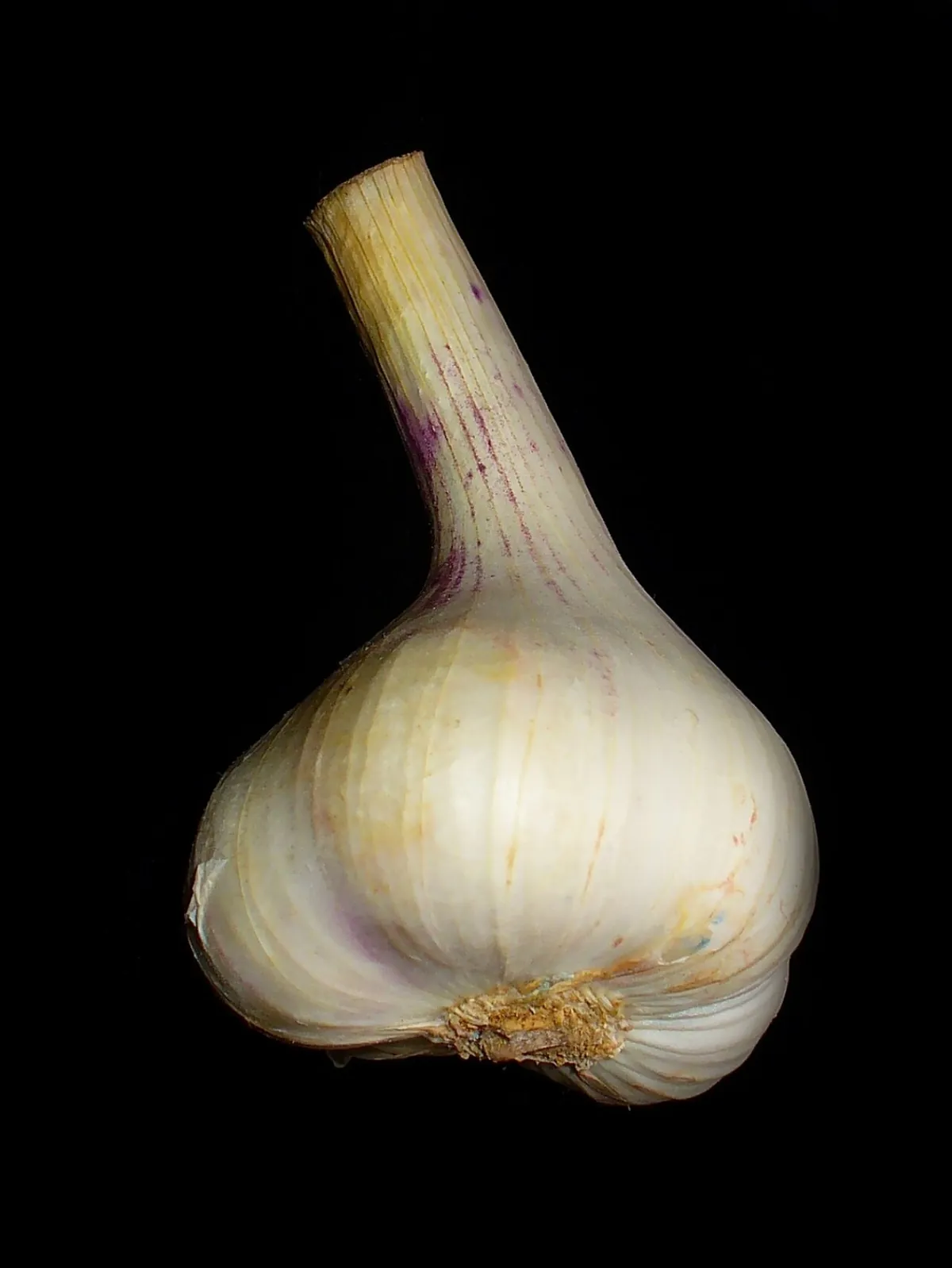
Garlic is toxic to dogs in every form, including raw, cooked, dried, and powdered. Do not feed it to your dog on purpose, and call your veterinarian if your dog eats a large amount.
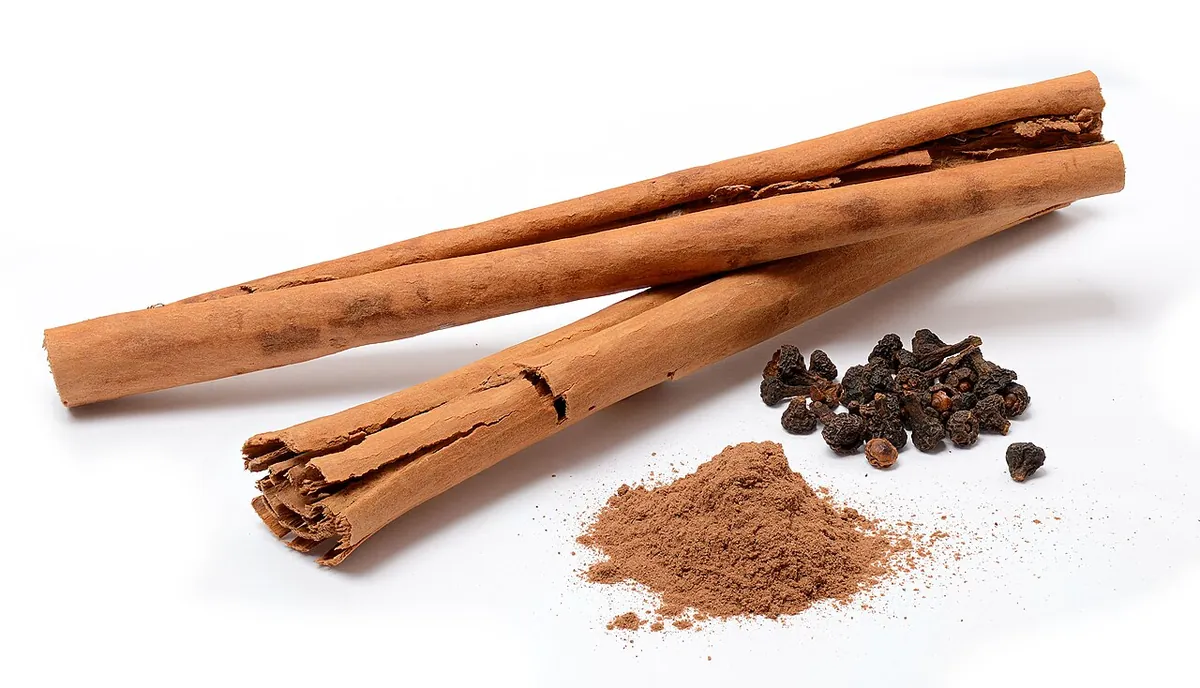
Cinnamon is listed as non-toxic to dogs by the ASPCA, and a small amount of ground cinnamon is unlikely to harm a healthy dog. But more than a teaspoon of powder, cinnamon sticks, or any amount of cinnamon essential oil can cause serious illness.
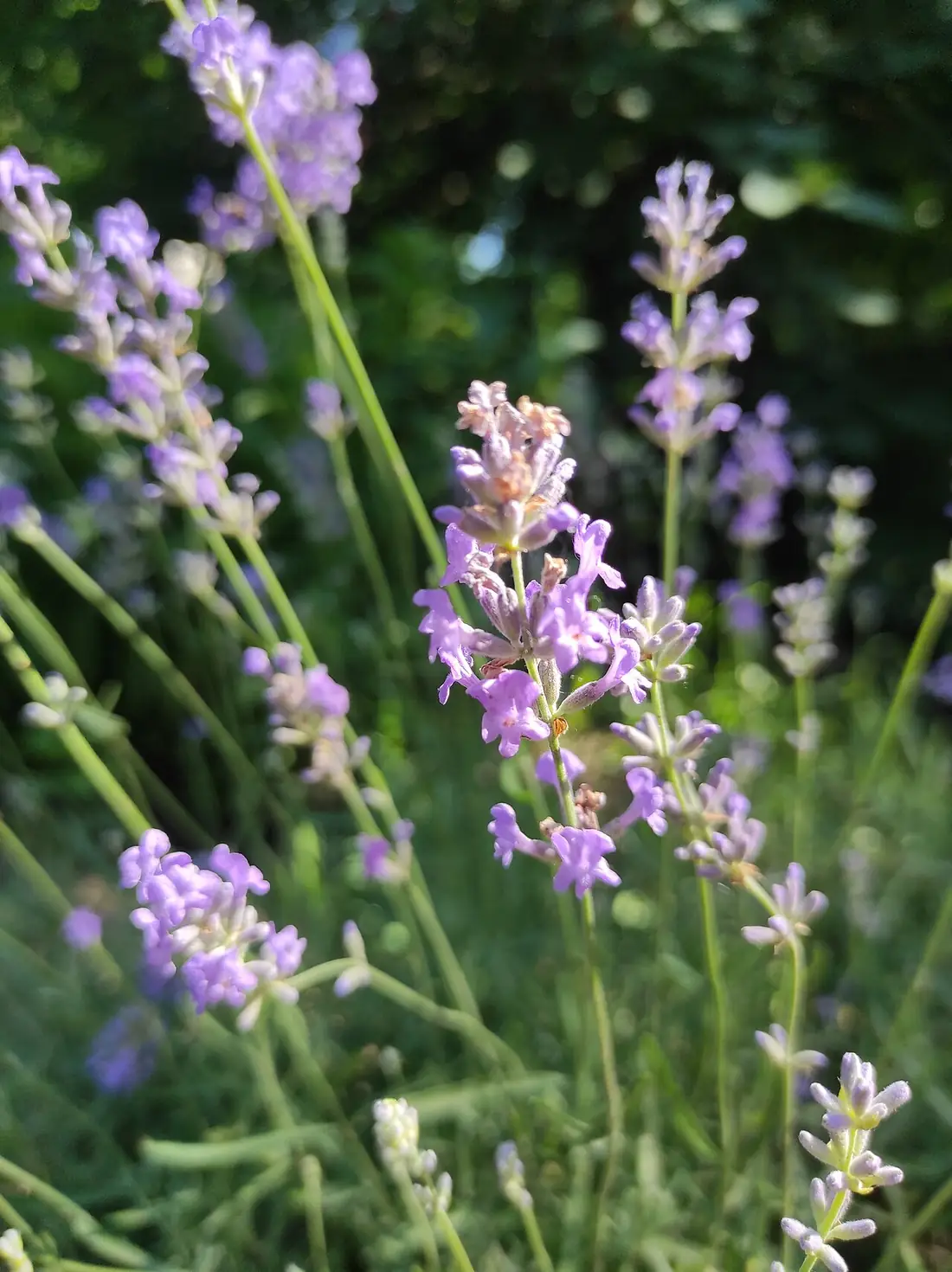
The ASPCA lists lavender as toxic to dogs. Eating the plant usually causes only mild stomach upset, but concentrated lavender essential oil is a much bigger risk and should never be swallowed or put on your dog.
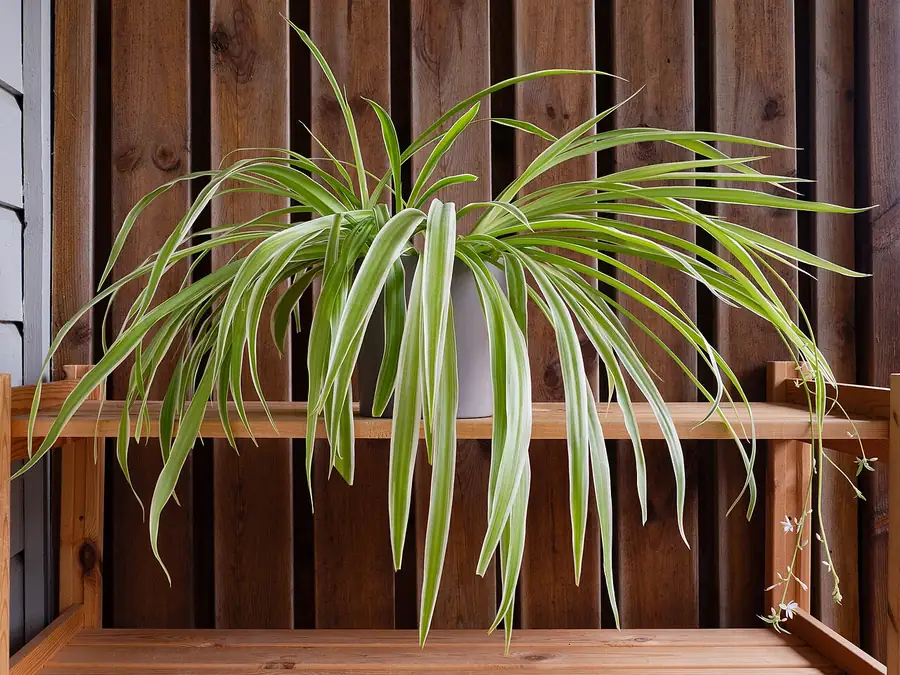
The ASPCA lists spider plants as non-toxic to dogs, cats, and horses, and PetMD includes them among the houseplants safe for dogs. A dog that eats a large amount may still get a mild stomach upset.