Is Vegemite Toxic to Dogs? What Every Owner Should Know
Vegemite is not toxic to dogs, but it is far too salty to feed them.
Vegemite contains no poison, and a tiny accidental lick is unlikely to harm a healthy adult dog. The problem is salt: a 5 g serve contains 165 mg of sodium, and a dog that eats a large amount can develop salt poisoning, which can cause vomiting, tremors, and seizures.


- Item
- Vegemite
- Scientific name
- Saccharomyces cerevisiae (brewer's yeast extract)
- Also called
- Vegemite, Yeast extract spread
- Category
- Foods
- Verdict
- Use caution
- Symptoms start
- Vomiting usually starts within several hours of eating a large amount of salt, and signs can progress to tremors and seizures over the following hours.
Vegemite is an Australian icon: a dark, salty yeast extract spread that most Australians grow up eating on toast. If your dog has licked a knife or stolen a corner of your toast, you may be wondering whether Vegemite is toxic to dogs. The plain answer is no, not in the way chocolate, grapes, or xylitol are toxic. Vegemite contains no poison. The problem is something much more ordinary, and much more concentrated: salt.
A tiny accidental lick is unlikely to harm most healthy adult dogs, according to RSPCA Pet Insurance. But Vegemite is one of the saltiest foods in the pantry, and a dog that eats a large amount — a whole jar, or a thick smear eaten again and again — can develop salt poisoning, also called sodium ion poisoning. That is why Vegemite should never be a regular treat, and should never be used to hide medication.
If your dog ate it — what to do now
- Take the jar away so your dog cannot eat more, and work out roughly how much is missing and how much your dog weighs.
- Offer fresh water in small amounts at frequent intervals — do not let your dog gulp a whole bowl at once, because rapid water intake can worsen salt poisoning.
- Call your veterinarian or the ASPCA Animal Poison Control Center at (888) 426-4435 (a consultation fee may apply) right away if your dog ate a large amount or you are not sure how much it got.
- Watch your dog closely for the next few hours for vomiting, diarrhea, excessive thirst, lethargy, tremors, or unusual wobbliness.
- Seek emergency veterinary care if your dog vomits repeatedly, has tremors or seizures, or collapses.
Do not do this
- Do not induce vomiting unless a veterinarian tells you to.
- Do not use salt as a way to induce vomiting — that can itself cause salt poisoning.
- Do not let your dog gulp large amounts of water at once after eating a lot of salt.
- Do not use Vegemite as a regular treat or to hide medication.
- Do not give Vegemite to puppies, or to dogs with kidney disease or heart problems.
Is Vegemite toxic to dogs?
Vegemite is not toxic to dogs. It contains no toxin of the kind found in chocolate, onions, grapes, or products containing xylitol, and RSPCA Pet Insurance says so plainly. Original Vegemite contains yeast extract, salt, mineral salt, malt extract, colour, flavours, and B vitamins including niacin, thiamine, riboflavin, and folate. None of those is a poison on its own.
That does not make Vegemite safe to feed your dog. A food can be free of toxins and still be harmful, and Vegemite is the clearest example: the danger is the dose of salt, not a poison. RSPCA Pet Insurance does not recommend it as a regular treat, and says it should not be given in large amounts.
How much salt is in Vegemite?
A lot, packed into a very small amount. According to Vegemite's nutrition information, a 5 g serve — about a thin smear on toast — contains 165 mg of sodium, or around 3,300 mg per 100 g. That is a lot of salt for a food that is eaten by the spoonful, and it is why RSPCA Pet Insurance calls salt the ingredient worth paying the most attention to.
Dogs need far less salt than humans, and a complete commercial dog food already gives them all the sodium they need. Because Vegemite is so concentrated, the difference between a harmless lick and a dangerous amount is smaller than it looks: a teaspoon weighs about 5 to 6 g, and a dog that licks a whole jar has eaten a very large dose of salt.
How much Vegemite is dangerous for dogs?
Salt poisoning is dose-dependent, and veterinary references do give numbers for salt itself. The Merck Veterinary Manual says signs of toxicosis can appear after a dog ingests 2 to 3 g of salt per kilogram of body weight, and that the acute oral lethal dose in dogs is about 4 g per kilogram. A 10 kg dog would therefore need roughly 20 g of salt before signs are expected, and about 40 g before the dose becomes potentially lethal.
Working backwards from those two numbers gives a rough sense of scale. Vegemite contains about 3,300 mg of sodium per 100 g, which works out to roughly 8 g of salt per 100 g, so a 10 kg dog would need to eat around 240 g of Vegemite — close to a whole jar — to reach the 20 g threshold. That is an estimate, not a safe limit, and it is not a reason to feed your dog Vegemite. RSPCA Pet Insurance says it is not possible to determine a safe amount of Vegemite for dogs at home, because the risk varies between individual dogs, and dogs with kidney disease or heart problems are more vulnerable. Puppies have even lower salt tolerance and should not be given Vegemite at all.
Symptoms of salt poisoning in dogs
The Merck Veterinary Manual says excess salt intake in dogs results in vomiting within several hours of ingestion, and that signs can progress to weakness, diarrhea, muscle tremors, and seizures. RSPCA Pet Insurance lists the same pattern for Vegemite: vomiting, excessive thirst, diarrhea, and lethargy, with tremors or seizures possible in severe cases.
Watch also for increased urination, loss of appetite, lack of coordination, and a swollen tongue. The extra sodium draws water out of the body's cells, which can cause the brain to swell — that is why the severe signs, tremors, seizures, and collapse, are neurological, not just stomach upset. Any dog showing these signs needs emergency veterinary care.
What to do if your dog eats Vegemite
First, take the jar away so your dog cannot eat more, and work out roughly how much is missing and how much your dog weighs. If it was only a lick or a thin smear, watch your dog for the next few hours and make sure it has fresh water available. If your dog ate a large amount, or you are not sure how much it got, call your veterinarian or the ASPCA Animal Poison Control Center at (888) 426-4435 (a consultation fee may apply) right away.
Offer fresh water in small amounts at frequent intervals. The Merck Veterinary Manual warns that drinking large amounts of water at once can worsen the neurological signs of salt poisoning, because fluid can build up in the brain, so do not let your dog gulp a whole bowl. Do not try to make your dog vomit unless a veterinarian tells you to, and never use salt to induce vomiting — that can itself cause salt poisoning. At the clinic, treatment brings sodium levels down slowly over two to three days with controlled fluids, because lowering sodium too fast is dangerous too.
What about the yeast in Vegemite?
Many owners worry about the yeast, because live yeast is dangerous for dogs: raw bread dough can keep fermenting inside a dog's stomach, producing gas and alcohol. But Vegemite does not contain live yeast. It is made from yeast extract, the leftover brewers' yeast from beer production, and RSPCA Pet Insurance says it does not carry the same fermentation risk as unbaked dough.
Yeast extract itself is generally safe for dogs in small amounts, and brewers' yeast is used in some pet supplements, but it can cause stomach upset, gas, and bloating. With Vegemite, the yeast is not the problem — the salt is. And the B vitamins are not a reason to feed it: a complete dog food already provides all the B vitamins a dog needs, without the salt.
Safe alternatives to Vegemite
If your dog loves the strong savoury taste of Vegemite, there are safer ways to give it a treat. Plain cooked chicken, torn into small pieces, is a high-value treat most dogs love, and it has no added salt. Carrot sticks are crunchy, low in calories, and safe for most dogs, and a smear of xylitol-free peanut butter on a lick mat gives the same kind of sticky, savoury experience without the salt load.
Blueberries are another safe option. Whatever you choose, check the label first: many human spreads and sauces are high in salt, and some contain onion or garlic, which are toxic to dogs. And never use Vegemite to hide medication — RSPCA Pet Insurance advises against it, because the salt load makes it a poor choice for a dog that needs medicine regularly.
Symptoms to watch for
- Vomiting
- Diarrhea
- Excessive thirst
- Increased urination
- Lethargy
- Loss of appetite
- Lack of coordination
- Muscle tremors
- Seizures
- Collapse
Vomiting usually starts within several hours of eating a large amount of salt. Tremors, seizures, and collapse are severe signs that need emergency veterinary care.
Safe alternatives
- Plain cooked chicken — A high-value, low-salt treat most dogs love, with no added sodium.
- Carrot sticks — Crunchy, low-calorie, and safe for most dogs as an everyday treat.
- Xylitol-free peanut butter — A sticky, savoury treat for a lick mat — always check the label for xylitol first.
- Blueberries — Safe for dogs, low in calories, and easy to use as a training reward.
What about cats? Salt poisoning affects cats as well as dogs, and the Merck Veterinary Manual's salt toxicosis guidance covers both species. Vegemite is not recommended for cats either: it is far too salty for a cat's small body, and cats have no need for the B vitamins it contains.
Frequently asked questions
Is Vegemite toxic to dogs?
No, Vegemite is not toxic to dogs — it contains no poison. But it is extremely high in salt, so it is not recommended as a regular treat and should not be given in large amounts. A dog that eats a large amount can develop salt poisoning.
My dog licked some Vegemite — will it be okay?
A tiny accidental lick is unlikely to cause harm to most healthy adult dogs, according to RSPCA Pet Insurance. Make sure your dog has fresh water, watch it for a few hours for vomiting or unusual thirst, and call your veterinarian if you are worried or if it ate more than a lick.
How much Vegemite can a dog eat?
There is no safe amount that can be set at home. RSPCA Pet Insurance says the risk varies between individual dogs, and salt poisoning signs can appear after about 2 to 3 g of salt per kilogram of body weight. Vegemite is so salty that a whole jar is a serious dose for a dog, so the safest rule is not to feed it at all.
Can I use Vegemite to hide my dog's medication?
No. RSPCA Pet Insurance advises against using Vegemite to give dogs medication, because it is high in salt. Ask your veterinarian for a dog-safe way to give the medicine instead, such as a pill pocket or a small piece of plain cooked chicken.
Sources
- RSPCA Pet Insurance — Can Dogs Eat Vegemite?
- Merck Veterinary Manual — Salt Poisoning
- Dial A Vet — Can Dogs Eat Vegemite? Risks, Benefits & Safe Alternatives
- Hero Pet Health — Can Dogs Eat Vegemite?
Related guides
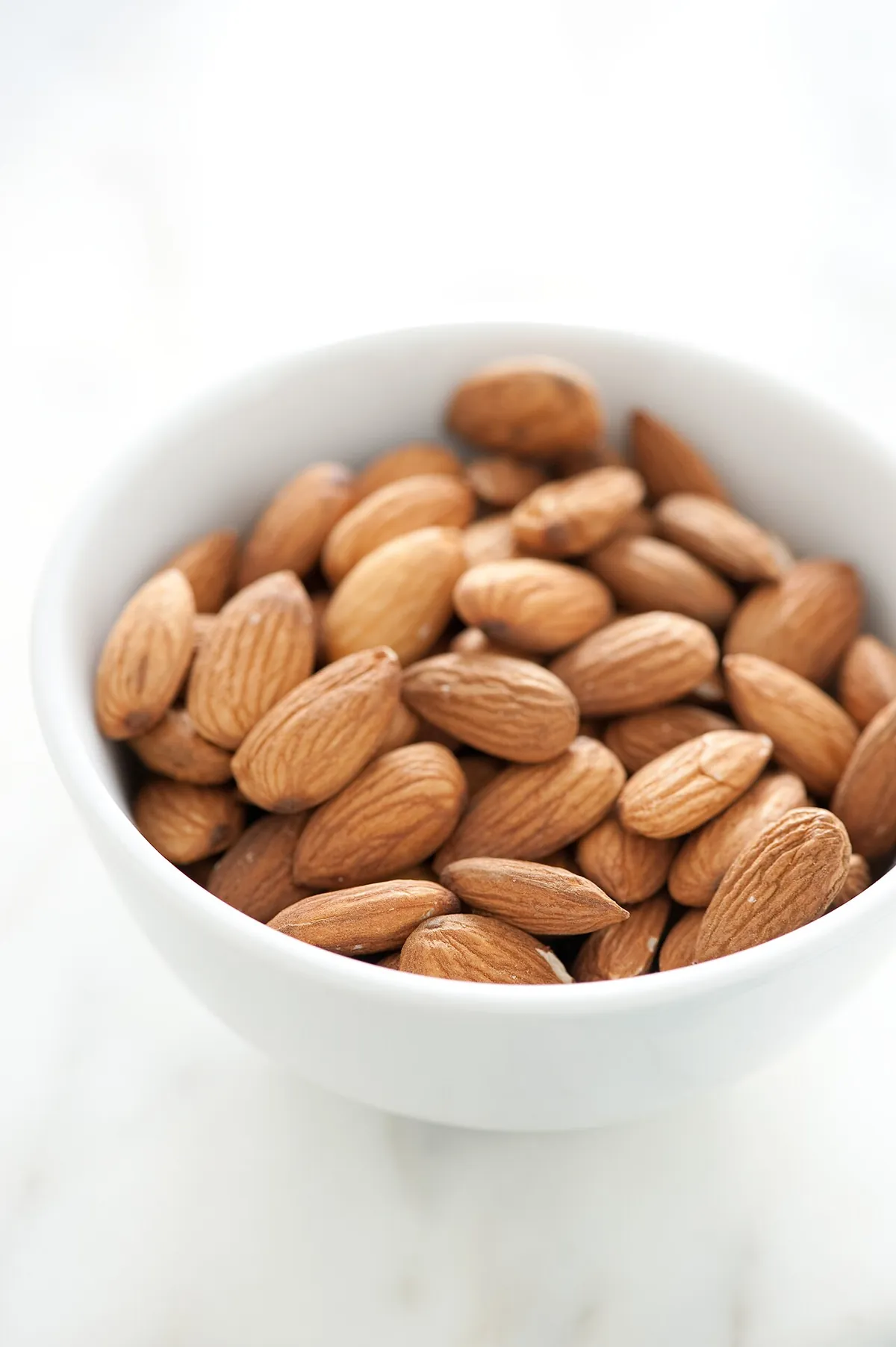
Sweet almonds are not acutely toxic to dogs, but they can choke a dog, block the gut, and trigger pancreatitis. Do not feed almonds to your dog on purpose.
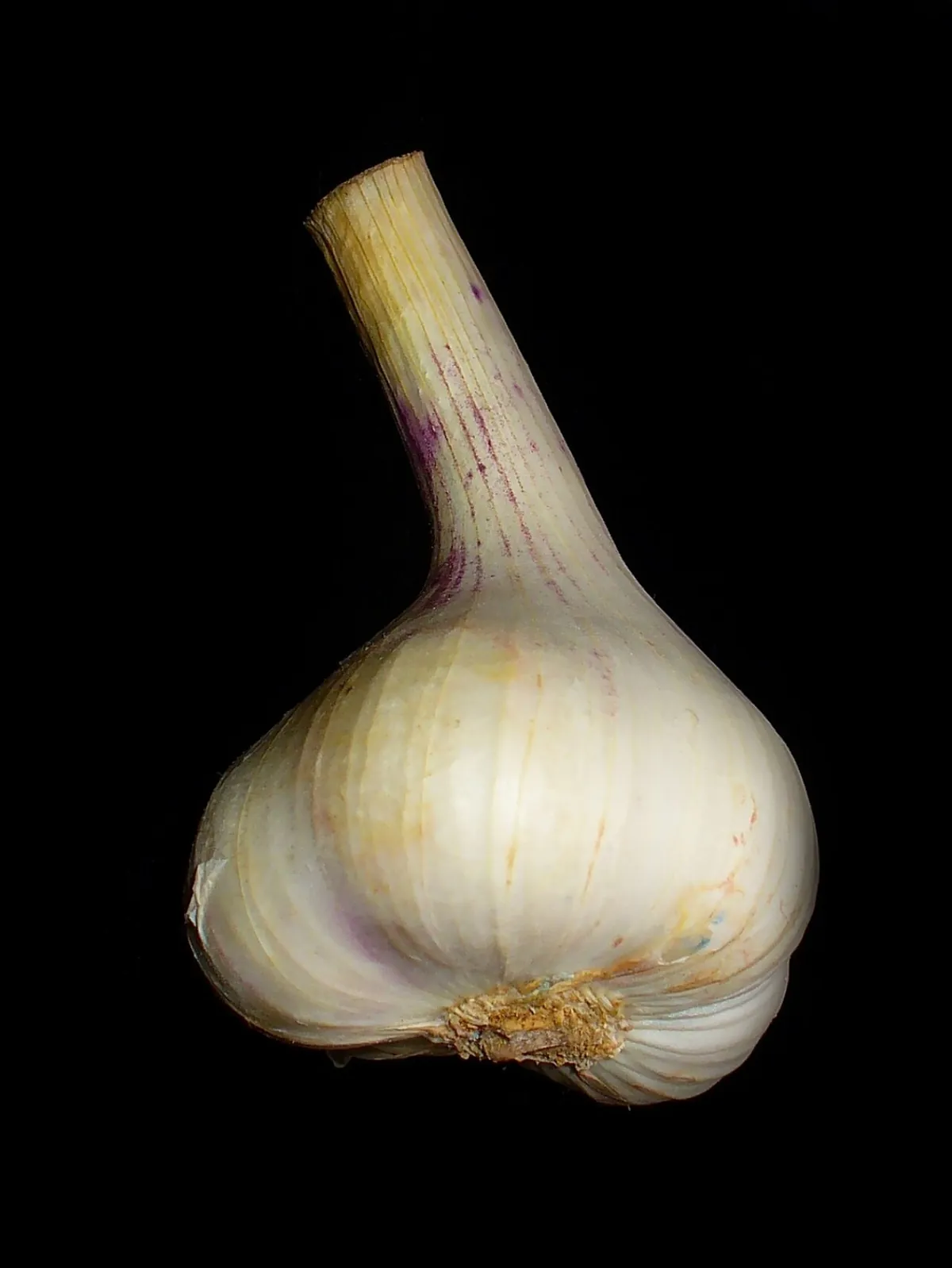
Garlic is toxic to dogs in every form, including raw, cooked, dried, and powdered. Do not feed it to your dog on purpose, and call your veterinarian if your dog eats a large amount.
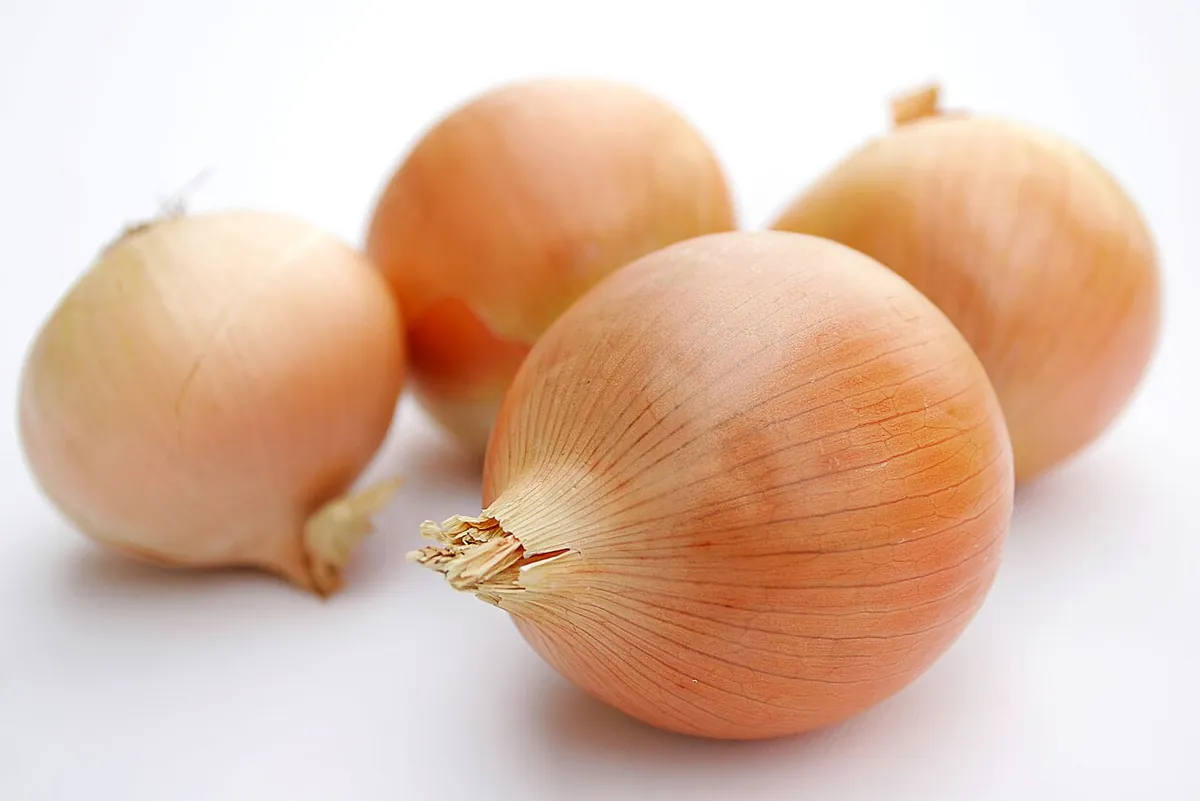
Onion is toxic to dogs in every form, including raw, cooked, dried, and powdered. Clinical signs have been reported at 15 to 30 grams of raw onion per kilogram of body weight, and ingestions above 0.5% of body weight (5 g/kg) warrant decontamination. There is no safe amount to feed on purpose, and anemia is often delayed by 3 to 5 days, so call your veterinarian about any amount.
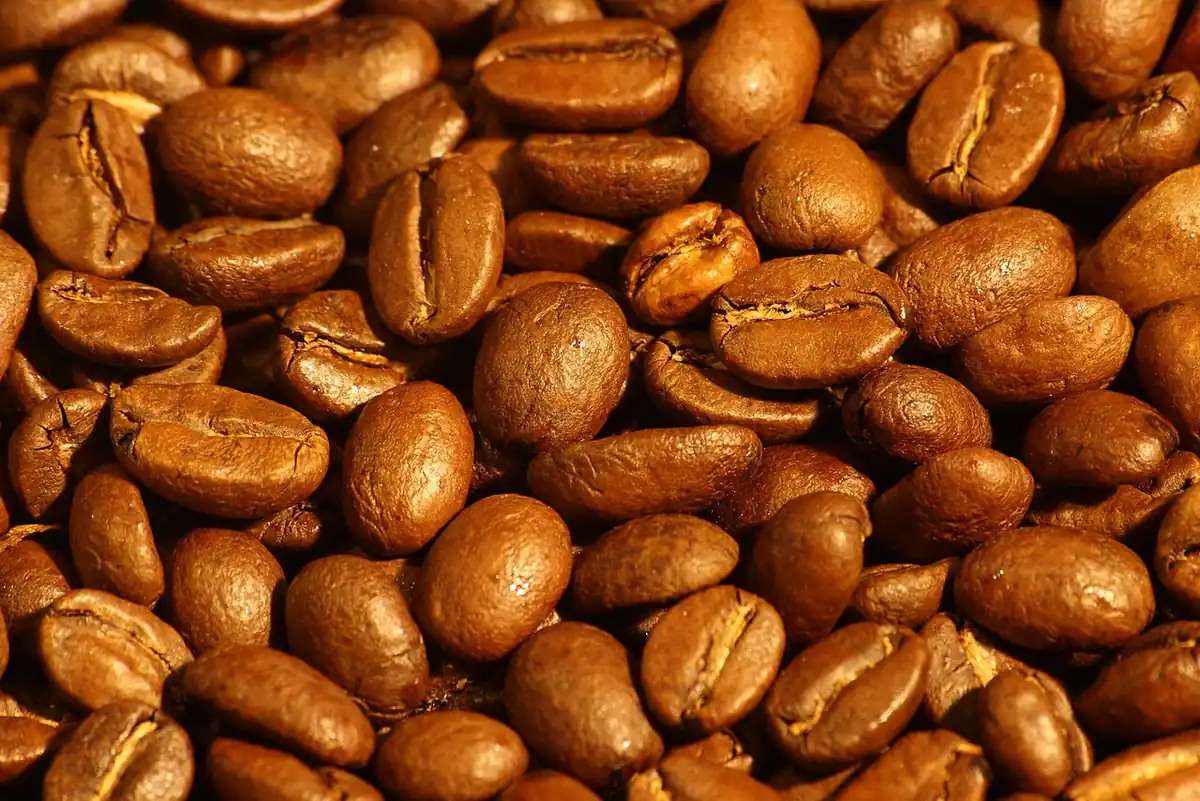
Coffee is toxic to dogs because it contains caffeine, a methylxanthine stimulant. Even one cup can be enough to cause signs in a small dog, and grounds, beans, and caffeine pills are more concentrated still. Call your veterinarian if your dog drinks coffee or eats grounds or beans.