Is Coffee Toxic to Dogs? What Every Owner Should Know
Yes — coffee is toxic to dogs.
Coffee is toxic to dogs because it contains caffeine, a methylxanthine stimulant. Even one cup can be enough to cause signs in a small dog, and grounds, beans, and caffeine pills are more concentrated still. Call your veterinarian if your dog drinks coffee or eats grounds or beans.
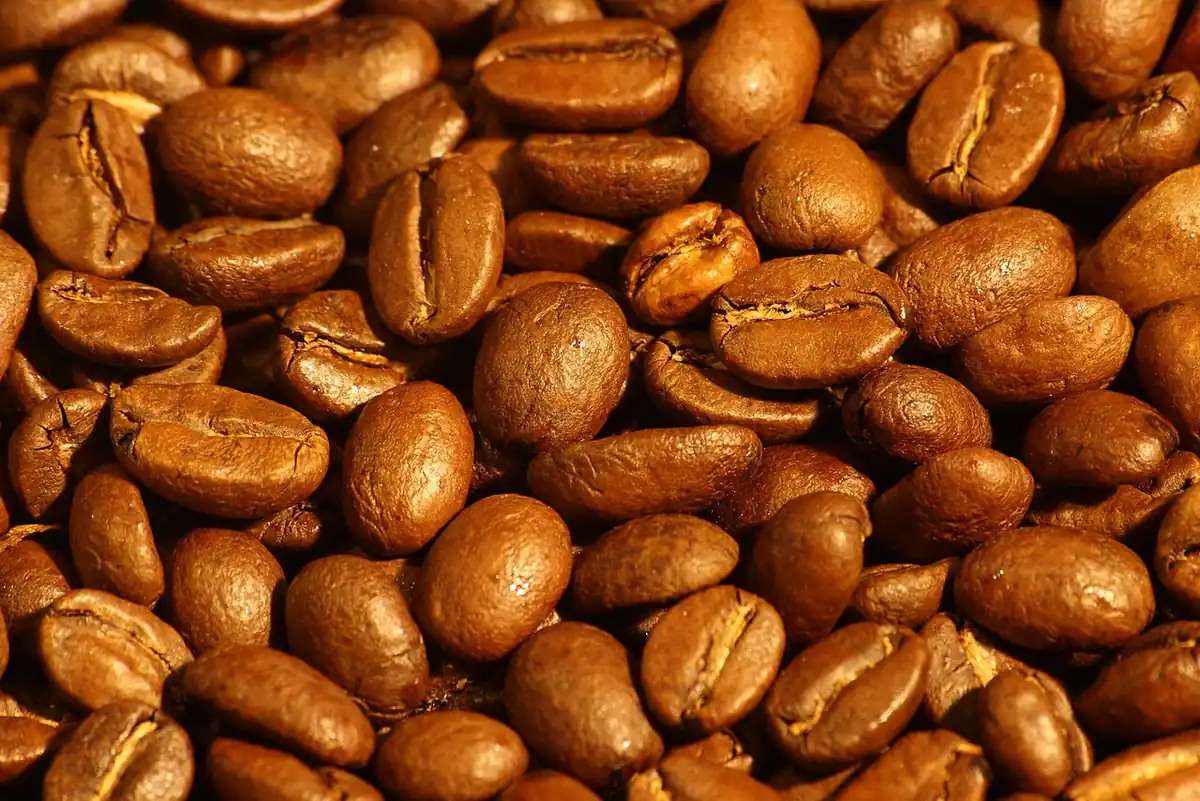

- Item
- Coffee
- Scientific name
- Coffea arabica
- Also called
- Coffee, Caffeine, Espresso, Coffee grounds, Coffee beans
- Category
- Foods
- Verdict
- Toxic
- Symptoms start
- Signs of caffeine poisoning usually begin within 1 to 2 hours of ingestion, according to Pet Poison Helpline, and can last from 12 hours to several days.
Coffee is part of most mornings in the United States, and it is also a common cause of caffeine poisoning in dogs. A knocked-over mug, a spilled bag of beans, or a trash can full of used grounds is all it takes. Dogs are drawn to the smell, and they cannot process caffeine the way people can.
The good news is that prompt action makes a real difference. Caffeine poisoning is serious, but veterinarians understand it well, and dogs that get care quickly usually recover. This page explains the dose, the warning signs, and what to do.
If your dog ate it — what to do now
- Call your veterinarian or ASPCA Animal Poison Control Center at (888) 426-4435 (a consultation fee may apply) right away — do not wait for symptoms.
- Tell them what your dog had (brewed coffee, espresso, grounds, beans, or a caffeine pill), how much, and when it happened, along with your dog's weight.
- If your dog is having tremors, seizures, or trouble breathing, go to an emergency veterinarian immediately.
- Follow your veterinarian's instructions. They may induce vomiting if the coffee was swallowed within the past two hours, give activated charcoal, and monitor the heart with an ECG.
- Watch your dog closely for at least 24 hours for restlessness, vomiting, tremors, or a fast heartbeat, and report any of these signs to your veterinarian promptly.
Do not do this
- Do not induce vomiting unless a veterinarian tells you to.
- Do not wait to see if symptoms appear before calling for advice.
- Do not give your dog water, milk, or food to try to dilute the caffeine.
- Do not exercise your dog or try to make it burn off the caffeine.
What makes coffee toxic to dogs?
The toxin in coffee is caffeine, a stimulant in a family of compounds called methylxanthines. Theobromine, the toxic compound in chocolate, is in the same family, which is why chocolate and coffee poisoning look so similar. Caffeine is found in the beans of the coffee plant, Coffea arabica, and in every product made from them.
Caffeine overstimulates a dog's nervous system, heart, and muscles. The Merck Veterinary Manual explains that methylxanthines block adenosine receptors in the body, which overstimulates the nervous system and speeds up the heart. Dogs clear caffeine much more slowly than people do — its half-life in dogs is about 4.5 hours — so the effects can last for many hours after a single exposure.
How much coffee is dangerous for dogs?
There is no safe dose of caffeine for dogs, and risk depends on the amount swallowed relative to the dog's weight. The Merck Veterinary Manual reports that mild signs can begin at about 20 mg of methylxanthines per kilogram of body weight, heart effects at 40 to 50 mg/kg, and seizures at 60 mg/kg or more. The reported lethal dose is 100 to 200 mg/kg. Merck also warns that severe signs and death can occur at much lower doses, so these numbers are a guide to the scale of the risk, not safe limits.
In everyday terms, a 10-pound dog reaches the mild-signs level at about 90 mg of caffeine. The FDA puts a 12-ounce cup of regular brewed coffee at 113 to 247 mg, so a single cup can be enough to cause signs in a small dog. A single shot of espresso packs about 63 mg of caffeine into just one ounce, according to USDA FoodData Central. Small dogs are at the highest risk.
What are the symptoms of caffeine poisoning in dogs?
Signs usually begin within 1 to 2 hours of eating or drinking caffeine, according to Pet Poison Helpline, and they can last from 12 hours to several days. Early signs are restlessness, hyperactivity, panting, vomiting, diarrhea, and increased thirst and urination. A dog may pace, whine, or seem unable to settle, and its heart may beat noticeably fast.
As poisoning progresses, the signs become more serious: muscle tremors or twitching, a racing or irregular heartbeat, high blood pressure, and a rising body temperature. In severe cases a dog can have seizures, collapse, or an abnormal heart rhythm that can be fatal. A dog that is only restless after drinking coffee can still be heading toward more serious signs, so call for advice as soon as you know your dog has had coffee.
Coffee grounds and beans: why they are more dangerous
A cup of brewed coffee is mostly water, so the caffeine in it is spread out. Grounds and beans are concentrated, which makes them the more dangerous form. A dog that gets into a bag of beans or a container of grounds can swallow a large amount of caffeine very quickly. Pet Poison Helpline states that one or two licks of coffee, tea, or soda is unlikely to poison most pets, but eating unused coffee grounds or beans, tea bags, or caffeine supplements could cause serious toxicity.
Used coffee grounds are a common trap. Dogs are drawn to their smell, and people often assume the caffeine is gone after brewing. It is not: used grounds still contain caffeine, although less than fresh grounds. Grounds fished out of the trash, the compost bin, or the coffee maker's filter are all a risk, and coffee pods are dangerous too, because a dog can puncture them easily and swallow the concentrated grounds inside.
Chocolate-covered espresso beans are a double risk, because they combine caffeine from the coffee with theobromine from the chocolate. Both are methylxanthines, and their effects add up. If your dog eats chocolate-covered beans, tell the vet how many were eaten and whether the chocolate was dark or milk.
Other caffeine sources to keep away from your dog
Coffee is the most obvious source of caffeine in a home, but it is far from the only one. Tea contains caffeine too: the FDA puts black tea at about 71 mg per 12 ounces and green tea at about 37 mg. Tea bags are especially risky, because a dog that chews a bag swallows a concentrated dose. Energy drinks are another serious risk, with 54 to 328 mg of caffeine per 16 ounces according to the FDA.
Caffeine also hides in products people do not think of as caffeinated. Caffeine pills and diet pills typically contain 100 to 200 mg per tablet, and a single pill can poison a small dog. Pre-workout supplements, some over-the-counter pain and cold medicines, chocolate, cocoa powder, and coffee-flavored desserts, ice cream, and candies all contain caffeine or theobromine. Even some sodas contain caffeine, at 23 to 83 mg per 12 ounces according to the FDA.
What to do if your dog drinks coffee
Do not wait for symptoms to appear. Caffeine is absorbed quickly, and by the time a dog looks ill, the caffeine is already in its system. Note what and how much your dog had, and when, then call for advice right away. If your dog is having tremors, seizures, or trouble breathing, go to an emergency veterinarian immediately.
Your veterinarian may induce vomiting if the coffee was swallowed recently, usually within the past two hours, and may give activated charcoal to bind remaining caffeine. Treatment after that is supportive: intravenous fluids, monitoring of the heart rhythm with an ECG, medication to control a racing or irregular heartbeat, and medication for tremors or seizures. Most dogs that receive prompt care recover, but a dog that swallowed a large amount may need hospitalization and monitoring for a day or longer.
How to keep your dog safe from coffee
Store whole beans and ground coffee in sealed containers in closed cabinets, not on the counter where a dog can knock them down. Put used grounds and coffee pods in a trash can with a lid your dog cannot open, and keep the compost bin fenced off or covered. Never leave a mug of coffee unattended on a low table, a couch arm, or the floor, and do not let your dog lick a spilled puddle of coffee.
Tell everyone in the household, including guests and children, that coffee is not a treat for the dog. A well-meaning visitor offering a sip from a mug is one of the most common ways dogs get into coffee. If you have a puppy or a small dog, be extra careful: the same amount of coffee is a much larger dose for them. Save the ASPCA Animal Poison Control Center number, (888) 426-4435, in your phone now, so you are not searching for it in an emergency.
Symptoms to watch for
- Restlessness
- Hyperactivity
- Panting
- Vomiting
- Diarrhea
- Increased thirst
- Frequent urination
- Rapid heart rate
- Muscle tremors or twitching
- High body temperature
- Abnormal heart rhythm
- Seizures
- Collapse
Signs usually begin within 1 to 2 hours of ingestion and can last from 12 hours to several days. Restlessness and vomiting often appear first; tremors, seizures, and collapse point to severe poisoning.
Safe alternatives
- Plain fresh water — Water is the safest drink for a thirsty dog, and it is what your dog actually needs after exercise or a warm day.
- Plain ice cubes or frozen water treats — A few ice cubes make a fun, cooling treat with no caffeine and no calories.
- Plain cooked chicken or turkey — If you want to share something from the kitchen, unseasoned lean meat is a simple dog-safe option.
- Dog-safe chew toys — A chew toy keeps a curious dog busy at the breakfast table without any food risk at all.
What about cats? Caffeine affects cats too, and Pet Poison Helpline notes that dogs and cats appear to be more sensitive to caffeine than people. Keep coffee, tea, energy drinks, and caffeine pills away from cats in the household as well.
Frequently asked questions
Is coffee toxic to dogs?
Yes. Coffee is toxic to dogs in every form — brewed coffee, espresso, whole beans, and grounds — because it contains caffeine. There is no safe amount to give a dog on purpose, and even a small amount can be dangerous for a small dog.
How much coffee is toxic to a dog?
It depends on your dog's weight and how much caffeine was swallowed. Mild signs can begin at about 20 mg of caffeine per kilogram of body weight, which is about 90 mg for a 10-pound dog — less than one 12-ounce cup of brewed coffee, which the FDA puts at 113 to 247 mg. Call your veterinarian or ASPCA Animal Poison Control at (888) 426-4435 for advice about your dog's specific situation.
Is decaf coffee safe for dogs?
No. Decaffeinated coffee still contains some caffeine — the FDA puts it at 2 to 15 mg in an 8-ounce cup — and it can also contain milk, sugar, or flavorings that upset a dog's stomach. Do not give your dog decaf coffee either.
Are coffee grounds and beans dangerous for dogs?
Yes, and they are often more dangerous than a cup of brewed coffee. Grounds and beans are concentrated, so a dog can swallow a large dose of caffeine quickly. Used grounds still contain caffeine. Call your veterinarian or a poison helpline right away if your dog eats grounds or beans.
Sources
- ASPCA Poison Control — People Foods to Avoid Feeding Your Pets
- Merck Veterinary Manual — Chocolate Toxicosis in Animals
- Pet Poison Helpline — My Dog Ate a Coffee Bean, What Should I Do?
- U.S. Food and Drug Administration — Spilling the Beans: How Much Caffeine Is Too Much?
Related guides
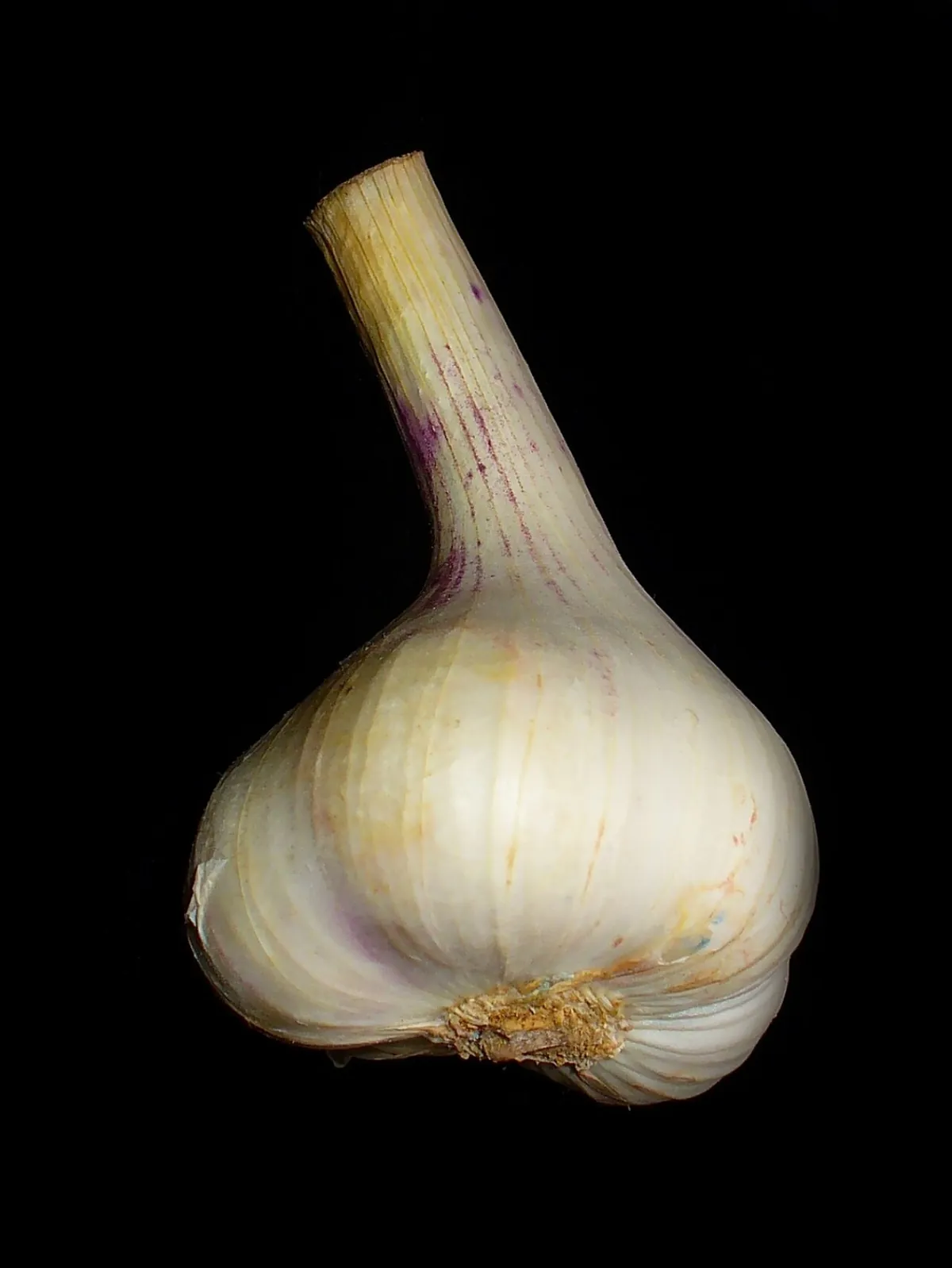
Garlic is toxic to dogs in every form, including raw, cooked, dried, and powdered. Do not feed it to your dog on purpose, and call your veterinarian if your dog eats a large amount.
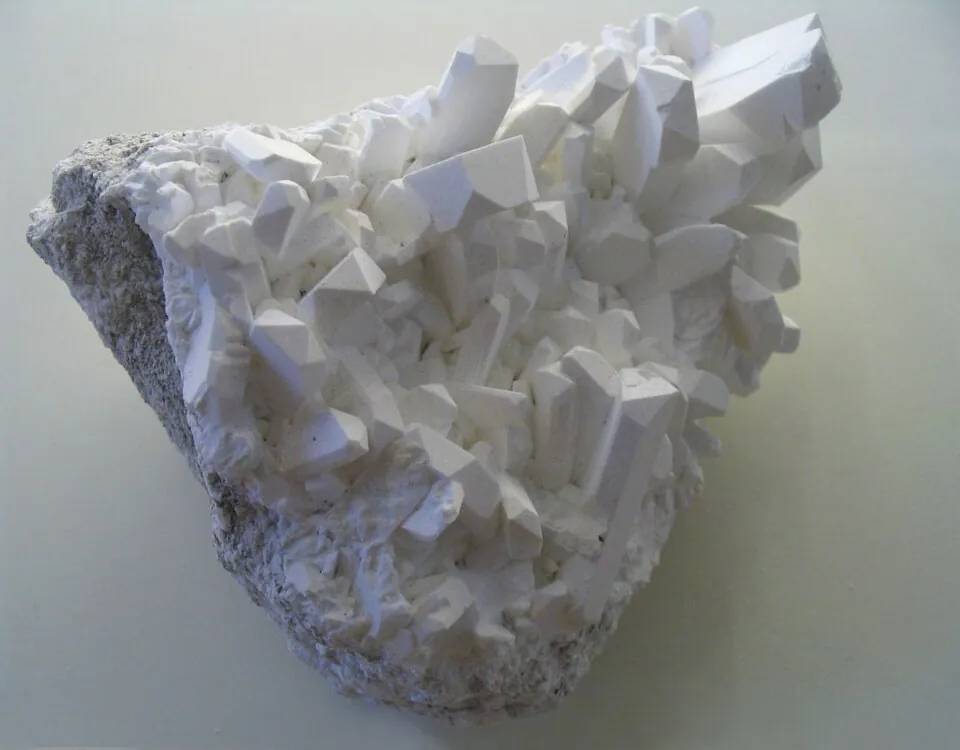
Borax is toxic to dogs. Small amounts usually cause only vomiting and stomach upset, but larger amounts can injure the kidneys and, rarely, cause seizures. Never use borax on or around your dog on purpose.

Sweet almonds are not acutely toxic to dogs, but they can choke a dog, block the gut, and trigger pancreatitis. Do not feed almonds to your dog on purpose.
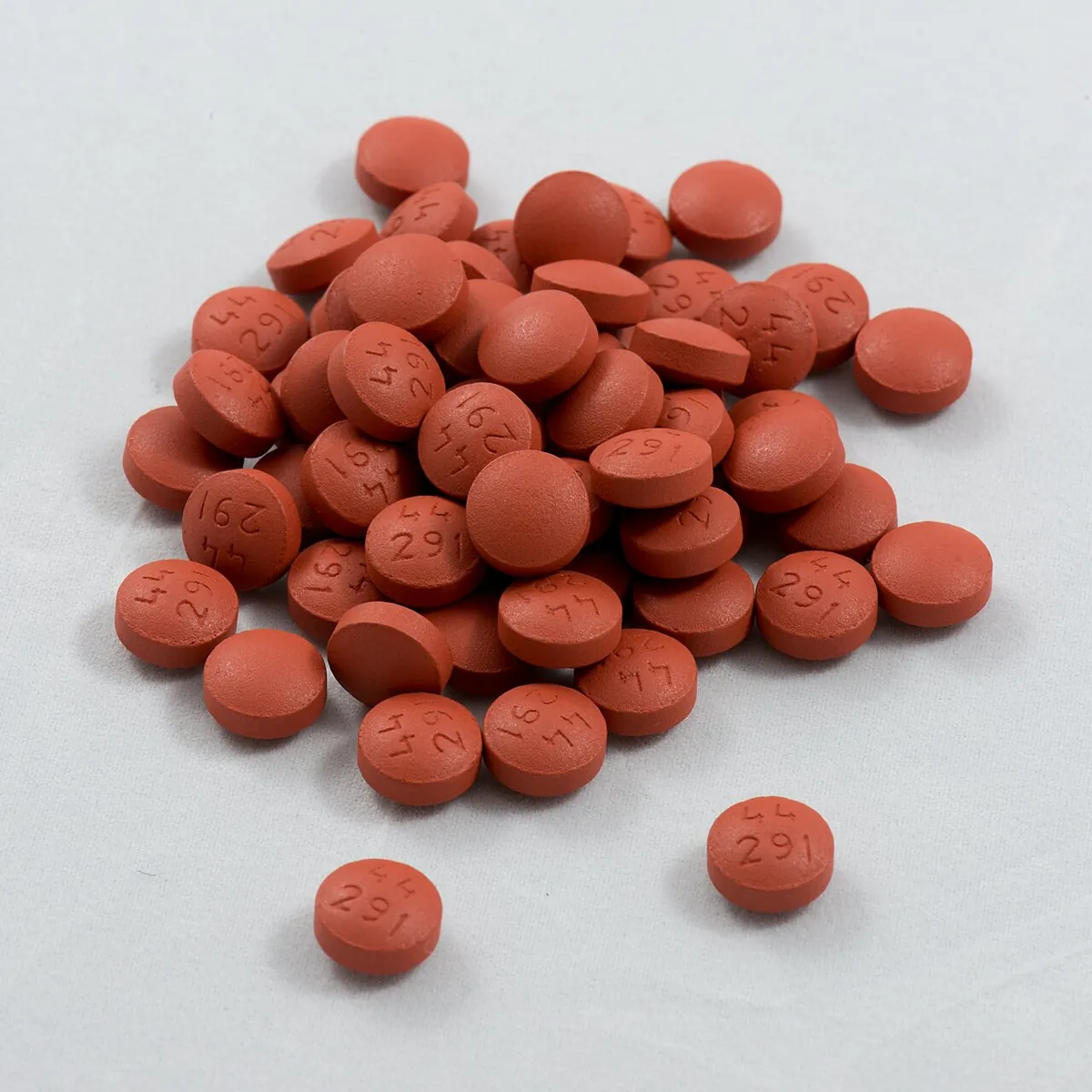
Ibuprofen is toxic to dogs at any dose an owner might give. Even one 200 mg tablet can be dangerous for a small or medium-sized dog, causing stomach ulcers, kidney failure, seizures, or death.