Is Ibuprofen Toxic to Dogs? What Every Owner Should Know
Yes — ibuprofen is toxic to dogs.
Ibuprofen is toxic to dogs at any dose an owner might give. Even one 200 mg tablet can be dangerous for a small or medium-sized dog, causing stomach ulcers, kidney failure, seizures, or death.
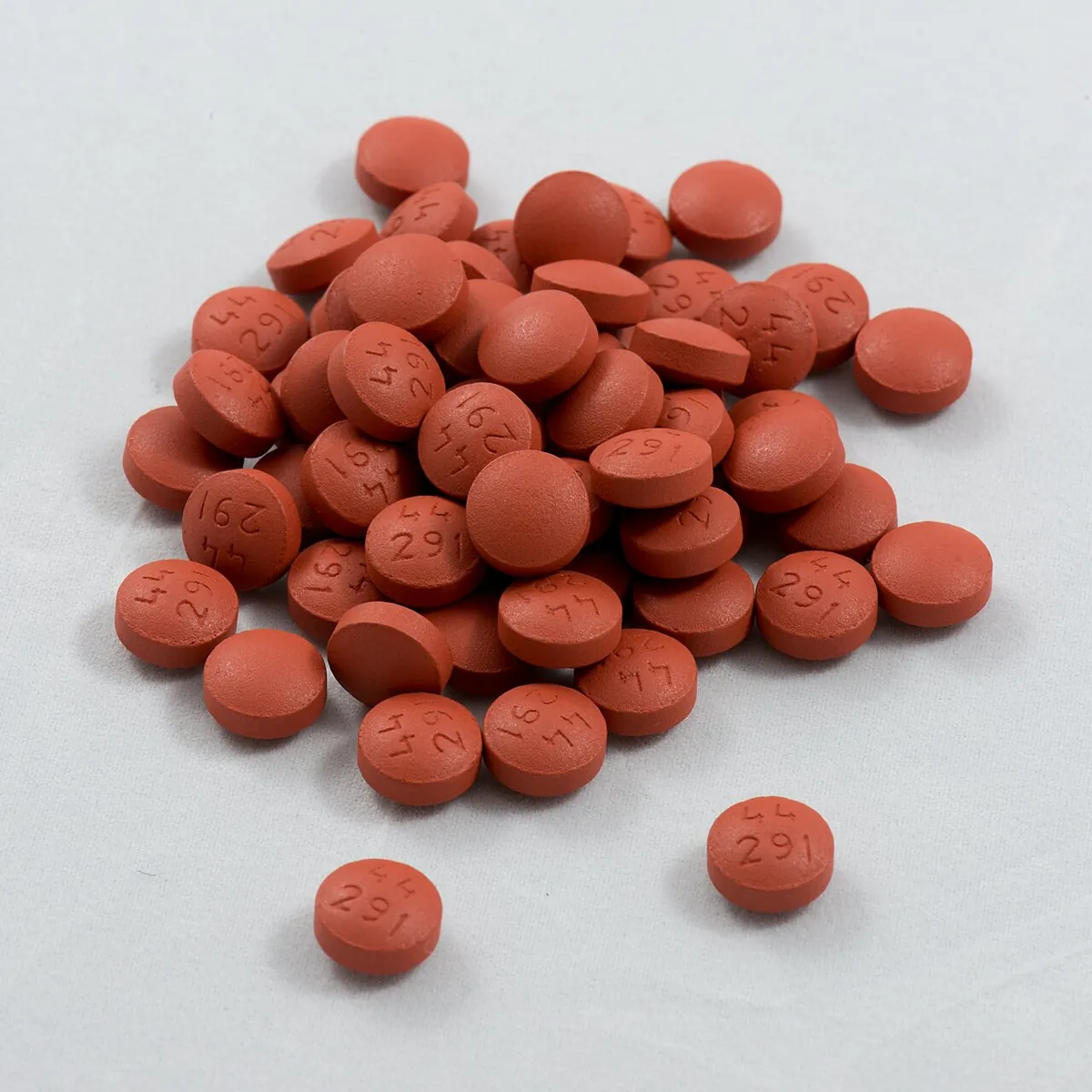

- Item
- Ibuprofen
- Scientific name
- Ibuprofen (NSAID)
- Also called
- Advil, Motrin, Nurofen, Brufen, Ibuprofen tablets, Ibuprofen liquid suspension
- Category
- Household
- Verdict
- Toxic
- Symptoms start
- Stomach signs such as vomiting and loss of appetite can appear within a few hours. Kidney damage may not be obvious for a day or two, so a dog that looks fine at first can still be in danger.
Yes — ibuprofen is toxic to dogs, and it is one of the most common causes of poisoning calls to animal poison centers in the United States. Ibuprofen is a nonsteroidal anti-inflammatory drug, or NSAID, sold under brand names such as Advil, Motrin, and Midol. It is safe for most people at the recommended dose, but dogs process it very differently, and it has a narrow margin of safety in dogs.
Even one standard 200 mg tablet can be dangerous for a small or medium-sized dog, and there is no safe dose an owner can choose at home. Ibuprofen damages the lining of the stomach and intestines, reduces blood flow to the kidneys, and, at higher doses, affects the nervous system. If your dog has eaten ibuprofen, treat it as an emergency and call your veterinarian or poison control right away, even if your dog looks fine.
If your dog ate it — what to do now
- Call your veterinarian or ASPCA Animal Poison Control Center at (888) 426-4435 (a consultation fee may apply) immediately, even if your dog looks fine, or go to an emergency veterinary clinic.
- Tell them your dog's weight, the strength and number of tablets or amount of liquid swallowed, the brand name, and when it happened.
- Bring the bottle or packaging with you, and keep it away from your dog so it cannot eat more.
- Follow the veterinarian's instructions exactly, including any stomach protectants, fluids, bloodwork, and follow-up visits.
- Watch for vomiting, diarrhea, changes in drinking or urination, lethargy, or pale gums, and seek veterinary care promptly if any appear.
Do not do this
- Do not induce vomiting at home unless a veterinarian tells you to — PetMD warns it can cause aspiration pneumonia.
- Do not give milk, food, or home remedies as a substitute for veterinary care.
- Do not give naproxen, aspirin, or acetaminophen instead of ibuprofen — these human pain medicines are also toxic to dogs.
- Do not wait for symptoms to appear — kidney damage may not be obvious for a day or two.
- Do not try to calculate a safe dose from a chart or a fraction of a tablet — there is no safe owner-chosen dose.
What makes ibuprofen toxic to dogs?
Ibuprofen works by blocking enzymes called cyclooxygenase, or COX, enzymes, which make prostaglandins. Prostaglandins cause pain and inflammation, so blocking them relieves pain and fever in people. But the same prostaglandins also protect the stomach lining, keep blood flowing to the kidneys, and help blood clot normally.
In dogs, blocking those protective prostaglandins causes serious harm. PetMD explains that when COX enzymes are inhibited, the lining of the stomach and intestines becomes damaged, gastric ulcers form, blood flow to the kidneys falls, and the blood is less able to clot. VCA Hospitals adds that poisoning can occur from a single dose or from repeated dosing. The Merck Veterinary Manual states that ibuprofen use is no longer recommended in dogs because it may cause gastric ulcers and perforations.
How much ibuprofen is dangerous for dogs?
There is no safe dose of ibuprofen for dogs that an owner can give at home. PetMD and VCA Hospitals both say that any amount can be dangerous and that any ingestion should be treated as an emergency. The Merck Veterinary Manual gives dose ranges that show how the risk rises with the amount swallowed, and those ranges are why veterinarians take even a single tablet seriously.
According to Merck, dogs given ibuprofen at 8 to 16 mg/kg every day for 30 days developed gastric ulceration or erosions. An acute single ingestion of 100 to 125 mg/kg can lead to vomiting, diarrhea, nausea, abdominal pain, and loss of appetite. Kidney failure may occur at 175 to 300 mg/kg, nervous system effects such as seizures and coma can occur above 400 mg/kg, and doses above 600 mg/kg are potentially lethal.
Other veterinary sources report stomach signs at lower doses: an ASPCA Animal Poison Control Center review reports vomiting from 25 mg/kg upward, so the Merck ranges should not be read as a safe line. A single 200 mg tablet can reach a toxic dose in a small or medium-sized dog: about 44 mg/kg for a 10-pound dog and about 18 mg/kg for a 25-pound dog. Never use a dose chart to decide whether to wait; call your veterinarian or poison control immediately.
Symptoms of ibuprofen poisoning in dogs
At lower doses, the signs are mainly related to irritation and ulceration of the stomach and intestines. VCA Hospitals lists decreased appetite, vomiting, sometimes with blood, diarrhea, depression, abdominal pain, dark tarry stools, pale gums, and bloody stools. PetMD adds nausea, weight loss, and stomach ulcers and perforation. Black, tarry stools signal bleeding in the upper digestive tract and need urgent veterinary care.
At higher doses, the liver, kidneys, and nervous system can be damaged. VCA Hospitals lists incoordination, increased or decreased drinking and urination, yellowing of the skin and gums, agitation, tremors, seizures, and coma. PetMD lists increased thirst and urination followed by decreased or absent urine as the kidneys fail. Kidney damage is especially dangerous because it may not be obvious at first: a dog may drink and urinate more than usual, then stop urinating as the kidneys fail. Symptoms can appear within hours, but kidney damage may take a day or two to become obvious, so do not wait before calling for help.
- Vomiting, sometimes with blood
- Diarrhea, sometimes bloody or black and tarry
- Loss of appetite
- Lethargy or depression
- Abdominal pain or a hunched posture
- Increased thirst
- Increased urination, then decreased or no urination
- Pale gums
- Incoordination or wobbliness
- Tremors
- Seizures
- Coma
What to do if your dog eats ibuprofen
Treat this as an emergency and act immediately. Call your veterinarian or ASPCA Animal Poison Control Center at (888) 426-4435 (a consultation fee may apply) right away, even if your dog looks fine. If it is after hours, call an emergency veterinary clinic. Tell them your dog's weight, the strength and number of tablets or the amount of liquid your dog may have swallowed, and when it happened. Bring the bottle or packaging with you, and do not wait for symptoms to appear.
Your veterinarian will decide on treatment based on how much was eaten, how long ago it happened, and how your dog is doing. PetMD notes that a veterinarian may give activated charcoal to absorb ibuprofen still in the stomach, and may use gastric lavage, or pumping the stomach, in some cases. VCA Hospitals explains that early decontamination and treatment are key, and that medication to protect the stomach and fluid therapy to protect the kidneys may be needed. Blood and urine tests check kidney function, and dogs with kidney damage may need intravenous fluids and medicines to control vomiting and protect the stomach. A stomach perforation needs surgery.
After treatment, your veterinarian will usually recommend stomach protectants and a bland diet for several days, and may ask you to return for repeat bloodwork. VCA Hospitals notes that liver or kidney damage can sometimes be permanent, so follow the veterinarian's instructions exactly and keep all follow-up appointments.
How to keep your dog safe from ibuprofen
Most ibuprofen poisonings happen in one of two ways: a well-meaning owner gives the medicine to a dog in pain, or a dog gets into the owner's medication. Never give your dog ibuprofen, or any other human pain medicine, unless a veterinarian has specifically told you to. That includes tablets, capsules, liquid suspensions, and combination cold and flu products that list ibuprofen. If your dog is in pain, call your veterinarian instead of reaching for the medicine cabinet.
Store all medicines in a secure place your dog cannot reach, ideally a high, closed cabinet. Dogs can chew through plastic bottles and blister packs. Read the label on every medicine you bring into the house and check for ibuprofen and other NSAIDs such as naproxen and aspirin, as well as acetaminophen. Keep the ASPCA Animal Poison Control Center number, (888) 426-4435, in your phone so you do not have to search for it in an emergency.
Safe alternatives to ibuprofen for dogs
There are safe pain medicines for dogs, but they are prescription medicines that only a veterinarian can choose. PetMD lists dog-specific NSAIDs including carprofen, deracoxib, meloxicam, firocoxib, and etodolac, and other veterinary sources also list grapiprant. The veterinarian chooses the drug, the dose, and the length of treatment after examining your dog.
Never substitute another human medicine for ibuprofen. Naproxen, aspirin, and acetaminophen are also toxic to dogs, and combining pain medicines can cause serious harm. If your dog is in pain, the safest step is a veterinary visit to find the cause and choose the right treatment.
Symptoms to watch for
- Vomiting, sometimes with blood
- Diarrhea, sometimes bloody or black and tarry
- Loss of appetite
- Lethargy or depression
- Abdominal pain or a hunched posture
- Increased thirst
- Increased urination, then decreased or no urination
- Pale gums
- Incoordination or wobbliness
- Tremors
- Seizures
- Coma
Stomach signs usually appear first, within a few hours; kidney and nervous system signs, including changes in urination, wobbliness, tremors, and seizures, can follow later and are more serious.
Safe alternatives
- Veterinary-prescribed carprofen — A dog-specific NSAID prescribed by a veterinarian, only at the dose and schedule the veterinarian chooses.
- Veterinary-prescribed meloxicam — A dog-specific NSAID prescribed by a veterinarian for pain and inflammation.
- Veterinary-prescribed deracoxib — A dog-specific NSAID prescribed by a veterinarian, only after an exam.
- Veterinary-prescribed grapiprant — A dog pain medicine prescribed by a veterinarian, used when the veterinarian judges it appropriate.
What about cats? Ibuprofen is also toxic to cats, and cats are even more sensitive than dogs. The Merck Veterinary Manual states that cats are susceptible to ibuprofen toxicosis at approximately half the dose required to cause toxicosis in dogs, because they have limited ability to process the drug. Never give ibuprofen to a cat, and keep it away from cats as well as dogs.
Frequently asked questions
Can dogs take ibuprofen?
No. Dogs should never be given ibuprofen. PetMD states this directly: even a small amount can cause life-threatening toxicity, including stomach ulcers, kidney failure, seizures, and death. There is no safe dose that an owner can choose at home.
My dog ate one ibuprofen tablet — what should I do?
Treat it as an emergency and call your veterinarian or ASPCA Animal Poison Control Center at (888) 426-4435 (a consultation fee may apply) right away, even if your dog looks fine. Do not wait for symptoms, because stomach damage can start within hours and kidney damage may not be obvious for a day or two. Do not induce vomiting at home unless a veterinarian tells you to.
What can I give my dog for pain instead of ibuprofen?
Only medicines prescribed by your veterinarian. PetMD lists dog-specific NSAIDs such as carprofen, deracoxib, meloxicam, firocoxib, and etodolac, but these are prescription medicines that require a veterinary exam and the correct dose for your dog. Never substitute another human painkiller such as naproxen or acetaminophen, which are also toxic to dogs.
Is Advil the same as ibuprofen?
Yes. Ibuprofen is sold under brand names including Advil, Motrin, Midol, and Nurofen, and it is also an ingredient in some combination cold, flu, and pain products. Always read the active ingredients on the label, and keep every product that lists ibuprofen out of your dog's reach.
Sources
- Merck Veterinary Manual — Toxicoses From Human Analgesics in Animals
- VCA Hospitals — Ibuprofen Poisoning in Dogs
- PetMD — Ibuprofen Toxicity in Dogs
- PetMD — Can Dogs Take Ibuprofen?
Related guides
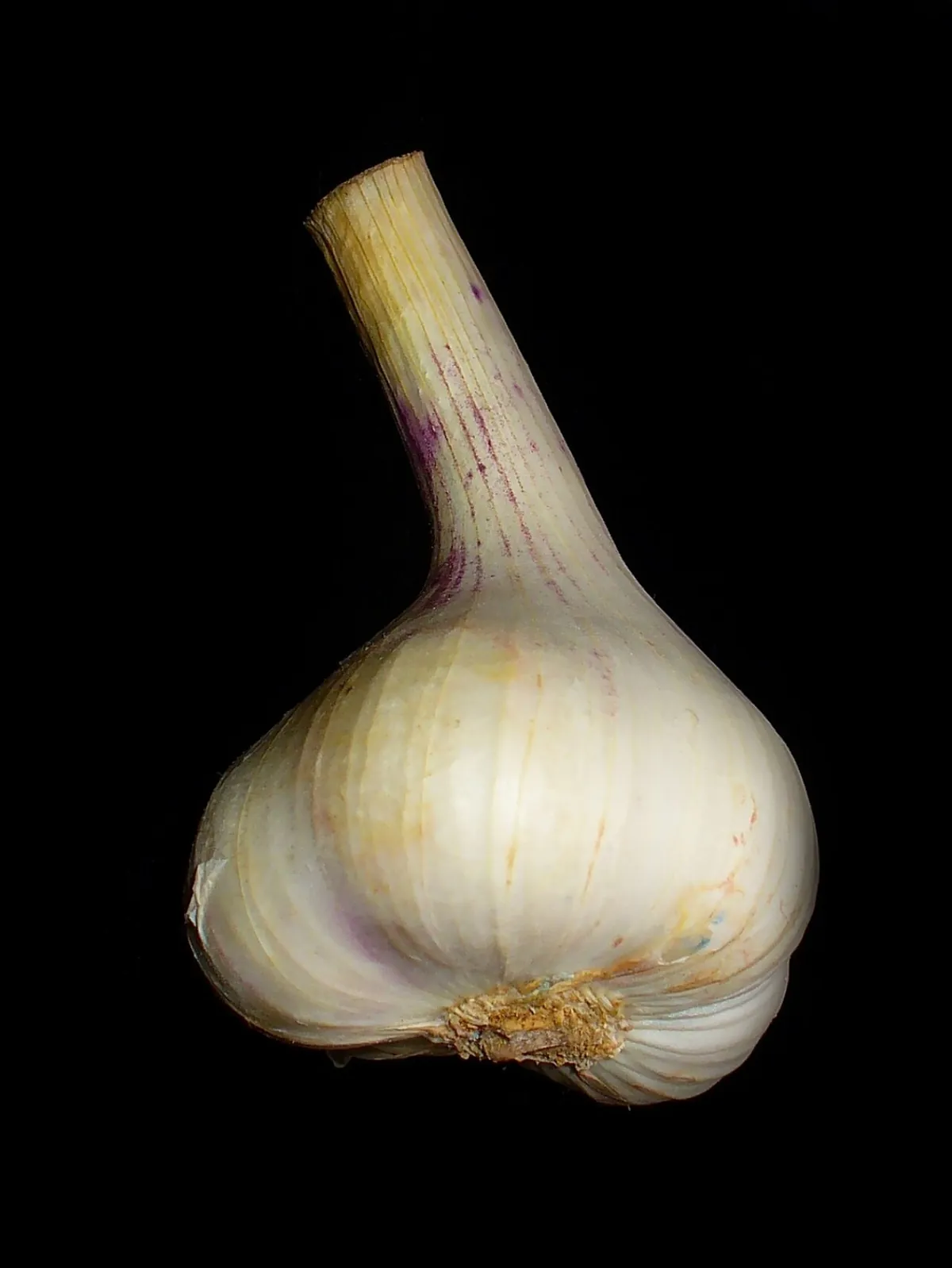
Garlic is toxic to dogs in every form, including raw, cooked, dried, and powdered. Do not feed it to your dog on purpose, and call your veterinarian if your dog eats a large amount.

Baking soda (sodium bicarbonate) is toxic to dogs when eaten in large amounts. It disturbs the body's salt and acid balance and releases gas in the stomach. A lick or a baked treat is unlikely to harm, but a dog that eats from the box needs a veterinarian right away.

Borax is toxic to dogs. Small amounts usually cause only vomiting and stomach upset, but larger amounts can injure the kidneys and, rarely, cause seizures. Never use borax on or around your dog on purpose.
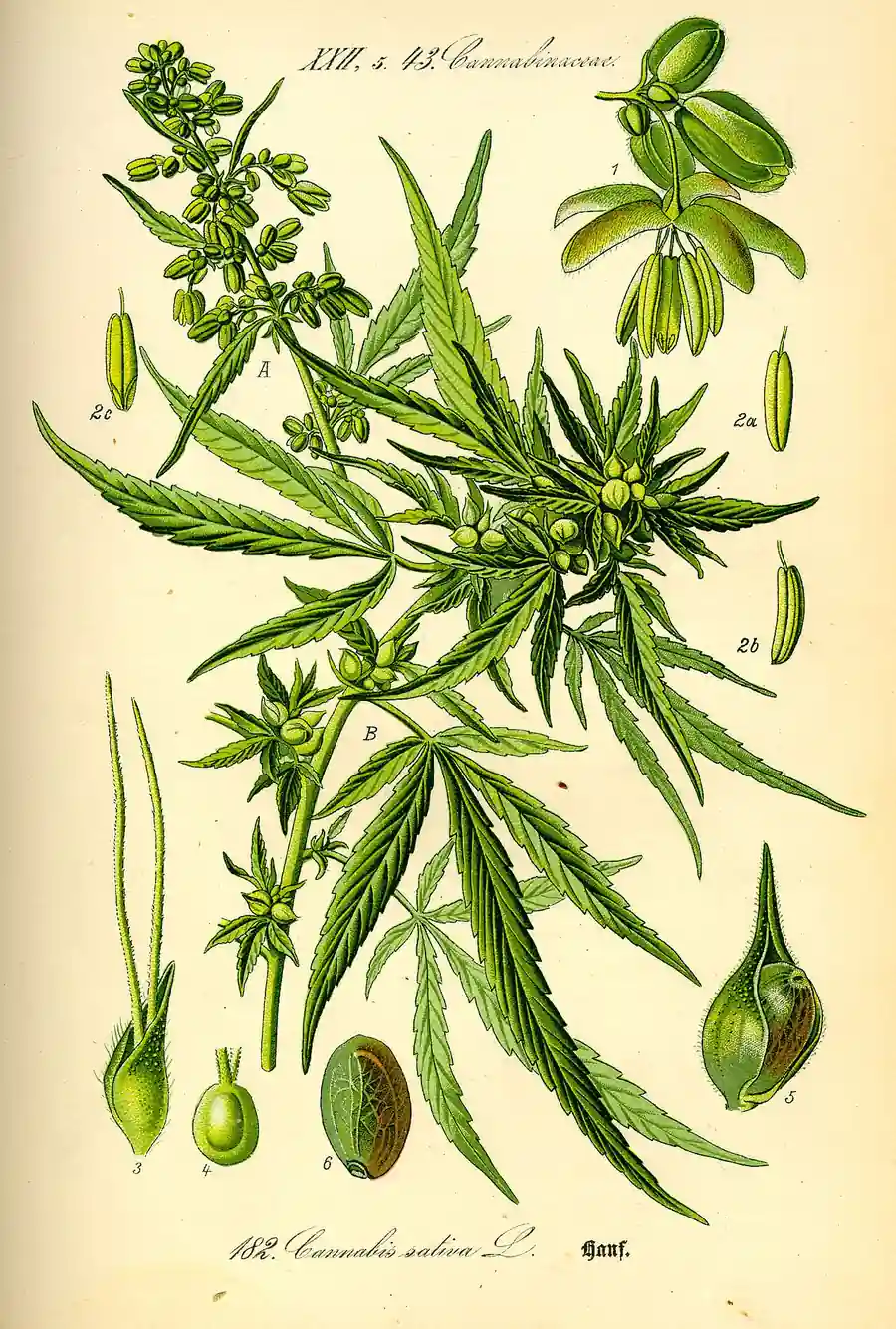
The ASPCA lists marijuana (Cannabis sativa) as toxic to dogs, and THC affects dogs far more strongly than people. Most dogs recover with prompt veterinary care, but edibles and concentrates can cause a serious emergency.