Is THC Toxic to Dogs? What Every Owner Should Know
Yes — THC is toxic to dogs.
The ASPCA lists marijuana (Cannabis sativa) as toxic to dogs, and THC affects dogs far more strongly than people. Most dogs recover with prompt veterinary care, but edibles and concentrates can cause a serious emergency.
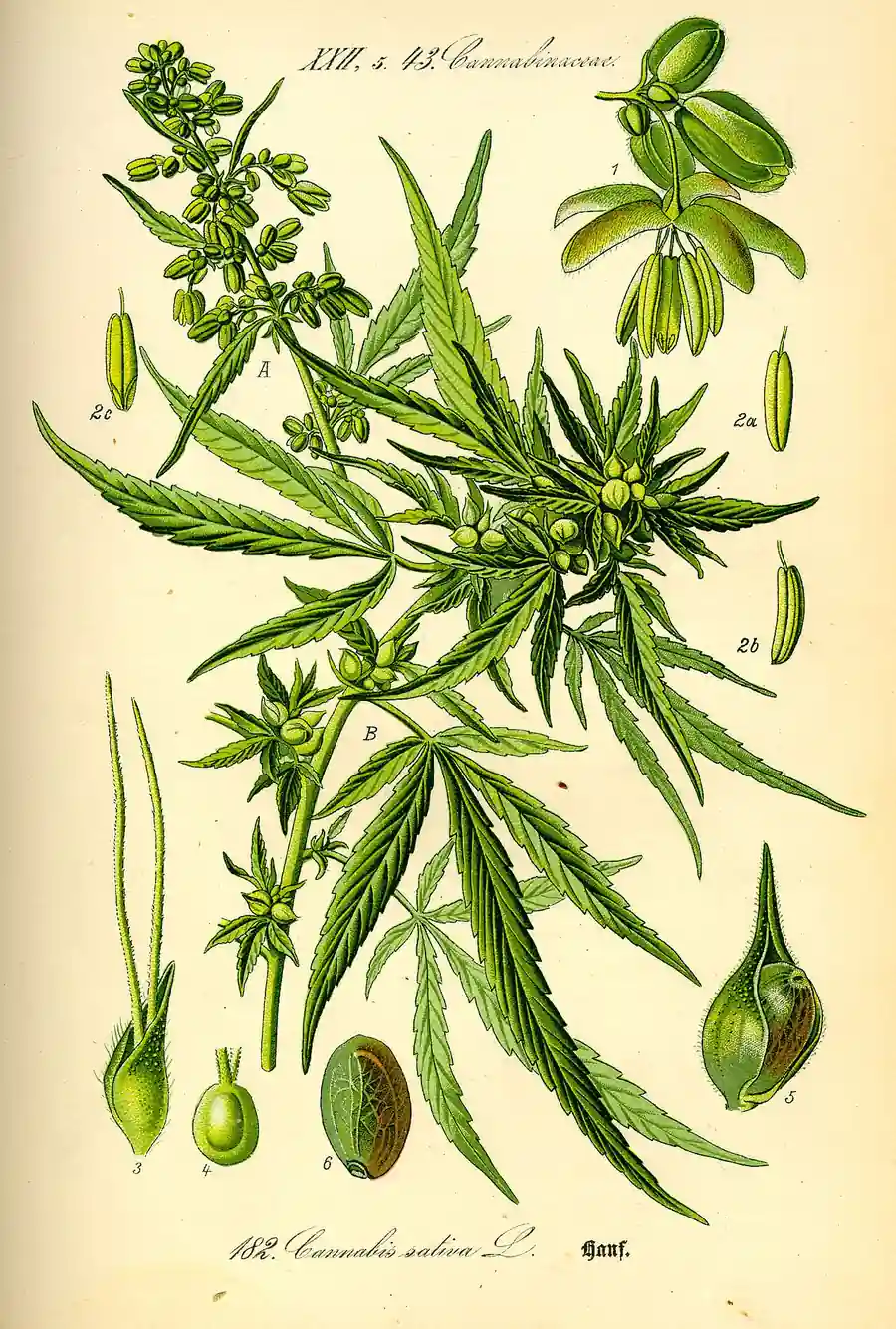

- Item
- THC (marijuana)
- Scientific name
- Cannabis sativa
- Also called
- Marijuana, Cannabis, Weed, Pot
- Category
- Household
- Verdict
- Toxic
- Symptoms start
- Usually within 1 to 2 hours after eating THC, and up to 4 hours if your dog's stomach was empty; within minutes if inhaled.
Yes — THC is toxic to dogs. THC (delta-9-tetrahydrocannabinol) is the compound in cannabis that causes a high in people, and dogs react to it far more strongly than humans do. The ASPCA lists marijuana (Cannabis sativa) as toxic to dogs, cats, and horses.
Most dogs recover fully with prompt veterinary care, and deaths are extremely rare. But THC poisoning is still an emergency: a dog that eats an edible or a concentrate can become severely ill, and products that also contain chocolate or xylitol are dangerous for a second reason. If your dog eats any cannabis product, do not wait for symptoms — call your vet or poison control right away.
If your dog ate it — what to do now
- Remove any remaining cannabis product so your dog cannot eat more, and keep the packaging so you can tell the vet the THC amount and whether it contains chocolate or xylitol.
- Call your veterinarian or ASPCA Animal Poison Control Center at (888) 426-4435 (a consultation fee may apply) right away, even if your dog looks fine — signs can take hours to appear.
- If the product contained chocolate or xylitol, say so immediately and seek emergency veterinary care — those are medical emergencies of their own.
- Keep your dog in a safe, confined space where it cannot fall, and check that you can wake it and get it to stand and walk.
- Follow your vet's advice on monitoring at home or bringing your dog in for supportive care.
Do not do this
- Do not induce vomiting unless a veterinarian tells you to — a drowsy or wobbly dog can inhale vomit into its lungs.
- Do not wait to see if symptoms appear before calling for help.
- Do not give your dog any home remedy to 'sober it up' — there is no antidote for THC, and home remedies are not a substitute for vet care.
- Do not try to work out a safe dose from the label yourself — product strength varies and labels are not always accurate.
- Do not punish or frighten your dog — a disoriented dog may bite if startled.
What makes THC toxic to dogs?
THC works by binding to CB1 receptors in the brain and nervous system, which control coordination, mood, pain, appetite, and body temperature. Dogs have more of these receptors than people do, packed into the parts of the brain that control balance and basic life functions — the cerebellum and the medulla oblongata. That is why a dose that would barely affect a person can leave a dog stumbling, dazed, and unable to stand.
The Merck Veterinary Manual notes that THC is 4 to 20 times more potent than the endocannabinoids the body makes itself, and it acts for much longer. THC is also highly fat-soluble, so it spreads quickly into the brain and leaves the body slowly — its biological half-life in dogs is about 30 hours, which is why symptoms can last a day or more.
How much THC is dangerous for dogs?
There is no established safe dose of THC for dogs, and PetMD states plainly that there is no specific toxic dose. The Merck Veterinary Manual reports that dogs can develop mild signs with as little as 0.3 to 0.5 milligrams of THC per kilogram of body weight, and moderate signs at doses above 2 to 3 mg/kg. A small dog needs only a small amount to become ill.
The probable lethal dose is far higher — Merck puts it above 3 to 9 grams of THC-dominant plant material per kilogram of body weight — and no published median lethal dose exists, because deaths are extremely rare. The two published cases of dogs dying both involved baked goods made with marijuana butter. Do not try to judge whether the amount was safe: product strength varies and labels are not always accurate.
Symptoms of THC poisoning in dogs
Signs usually begin within 1 to 2 hours of eating THC, and up to 4 hours if your dog's stomach was empty, according to Merck. Signs usually last up to a day, but badly affected dogs may show them for 1 to 3 days. The classic picture is a wobbly, sleepy dog that dribbles urine and overreacts to sound and touch.
In Pet Poison Helpline cases from January 2018 through February 2023, the most common signs were lethargy (30 percent), loss of coordination (21 percent), and vomiting (15 percent). Most dogs recover fully, but trouble breathing, seizures, or a dog that cannot be woken need emergency care at once.
What to do if your dog eats THC
Act fast and stay calm. Remove any remaining cannabis so your dog cannot eat more, and keep the packaging — the THC amount and whether it contains chocolate or xylitol will guide your veterinarian. Note how much your dog ate and when.
Call your veterinarian or the ASPCA Animal Poison Control Center at (888) 426-4435 (a consultation fee may apply) right away, even if your dog still looks normal — signs can take hours to appear. If the product contained chocolate or xylitol, say so immediately: those are medical emergencies of their own.
There is no antidote for THC poisoning, so treatment is supportive: IV fluids, anti-nausea medication, keeping your dog warm, and a quiet, dark space while the drug wears off. Keep your dog confined where it cannot fall, and check you can wake it and get it to stand — if you cannot, get emergency care at once.
How to keep your dog safe around THC
Treat every cannabis product like a prescription medicine: in a closed, locked container, on a high shelf or in a locked drawer — never on a coffee table, counter, or in a bag on the floor. The ASPCA warns that edibles are as tempting to dogs as any other food, and dogs do not stop at one bite — they will eat several human doses at once.
Never smoke or vape in the same room as your dog, and ideally not in the same home. PetMD advises keeping your dog in a separate, well-ventilated area until smoke or vapor has cleared. Tell guests and house-sitters the same rule, and on walks teach a solid 'leave it' — dogs also find discarded cannabis and edibles outdoors. Cannabis laws vary by state, but the veterinary advice does not change: never give THC to your dog on purpose, and the FDA has not approved any THC product for animals.
Edibles, flower, oils, and concentrates: why the form matters
Not all cannabis products carry the same risk. Dried flower usually contains 4 to 20 percent THC, according to Merck. Hash and hash oil contain 20 to 50 percent, and concentrates such as wax, shatter, and dabs can reach 80 to 90 percent THC — so a tiny piece of concentrate can deliver a large dose.
Edibles are the most common cause of THC poisoning in dogs, and the most deceptive. Gummies, brownies, and chocolates taste and smell like treats, so dogs eat them eagerly and often finish the whole package. They also act slowly, so an owner may think nothing happened — then signs appear an hour or two later. Many edibles also contain chocolate or xylitol, both toxic to dogs on their own.
Oils, tinctures, and cannabis butter are also high risk because they are concentrated and easy for a dog to lap up. Topical balms are the lowest risk, but a dog that licks one off skin can still ingest THC.
Safe alternatives to giving your dog THC
Some owners consider cannabis for a dog with pain, anxiety, or poor appetite. Do not give your dog THC, CBD oil, edibles, or any cannabis product without veterinary guidance — the dose, THC content, and other ingredients are too unpredictable. Instead, ask your vet about tested options: prescription pain relief, anxiety medication and behavior plans, pheromone diffusers, and appetite support once the cause is found.
Symptoms to watch for
- Lethargy or extreme sleepiness
- Loss of coordination, stumbling, or swaying (ataxia)
- Dribbling urine or urinary incontinence
- Dilated pupils and glassy eyes
- Increased sensitivity to sound, touch, or movement
- Drooling or excessive salivation
- Vomiting
- Slow heart rate
- Low body temperature
- Agitation or restlessness
- Tremors or muscle twitching
- Seizures (rare)
- Coma (rare)
Signs usually start within 1 to 2 hours of eating THC and most often last up to a day, but badly affected dogs may show signs for 1 to 3 days.
Safe alternatives
- Veterinarian-prescribed pain relief — Tested, legal pain control your vet can dose correctly for your dog.
- Prescription anxiety medication — For anxious dogs, your vet can prescribe medication and a behavior plan instead of cannabis.
- Calming pheromone diffuser — A drug-free option that can help some anxious dogs settle, with no THC involved.
- Puzzle toys and enrichment — Mental stimulation and chew toys can ease boredom and mild anxiety without any drug.
- Veterinary appetite support — If your dog will not eat, your vet can find the cause and offer safe appetite support.
What about cats? THC is also toxic to cats — the ASPCA lists marijuana as toxic to cats as well as dogs, and cats show similar signs, including lethargy, incoordination, and dilated pupils. Keep all cannabis products away from cats too, and call your veterinarian or poison control if a cat eats any.
Frequently asked questions
Is THC toxic to dogs?
Yes. The ASPCA lists marijuana (Cannabis sativa) as toxic to dogs, and THC is the toxic principle. Dogs are more sensitive to THC than people because they have more CB1 receptors in their brains. Most dogs recover fully with veterinary care, but a large dose — especially from edibles or concentrates — can be an emergency.
How long does THC poisoning last in dogs?
Signs usually appear within 1 to 2 hours of eating THC and often last up to a day. Merck notes that signs in badly affected dogs can persist for 1 to 3 days. Call your vet even if signs seem mild, because low body temperature and low blood pressure cannot be spotted at home.
Can a dog die from eating THC?
Death from THC is extremely rare, according to the Merck Veterinary Manual, and usually results from a secondary problem such as choking on vomit while heavily sedated. The two published cases of dogs dying involved baked goods made with marijuana butter. Even so, a large dose of an edible or concentrate can cause seizures, breathing problems, or coma, so treat every ingestion as urgent.
What should I do if my dog ate an edible?
Call your veterinarian or the ASPCA Animal Poison Control Center at (888) 426-4435 right away. Keep the packaging so you can report the THC amount and whether it contains chocolate or xylitol, which are emergencies of their own. Do not induce vomiting unless a vet tells you to.
Sources
- ASPCA Poison Control — Marijuana
- Merck Veterinary Manual — Toxicosis in Dogs and Cats From Tetrahydrocannabinol (THC)
- PetMD — My Dog Ate Weed. Now What? Marijuana Poisoning in Dogs
- ASPCA — Marijuana Safety in Pets
Related guides
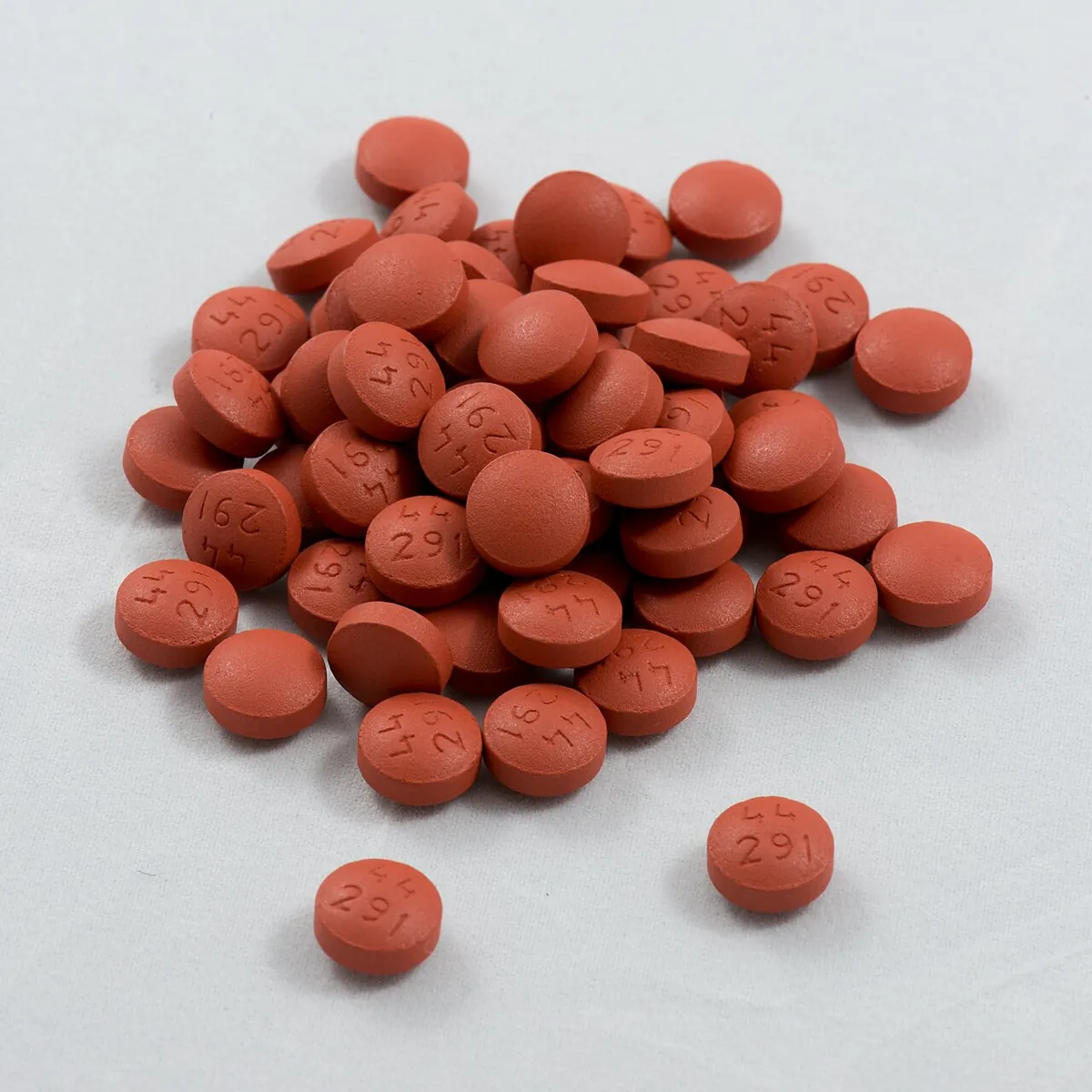
Ibuprofen is toxic to dogs at any dose an owner might give. Even one 200 mg tablet can be dangerous for a small or medium-sized dog, causing stomach ulcers, kidney failure, seizures, or death.

Borax is toxic to dogs. Small amounts usually cause only vomiting and stomach upset, but larger amounts can injure the kidneys and, rarely, cause seizures. Never use borax on or around your dog on purpose.

VCA Animal Hospitals lists peppermint among the essential oils poisonous to dogs. Undiluted oil can harm your dog whether it is swallowed, put on the skin, or breathed in from a diffuser.