Is Peppermint Oil Toxic to Dogs? What Every Owner Should Know
Yes — peppermint oil is toxic to dogs.
VCA Animal Hospitals lists peppermint among the essential oils poisonous to dogs. Undiluted oil can harm your dog whether it is swallowed, put on the skin, or breathed in from a diffuser.

- Item
- Peppermint oil
- Scientific name
- Mentha piperita oil
- Also called
- Peppermint essential oil, Oil of peppermint, Mentha piperita oil
- Category
- Household
- Verdict
- Toxic
- Symptoms start
- Signs of essential oil poisoning in dogs usually appear within 6-8 hours of exposure, according to Rover's veterinary toxicology sources, though mouth irritation and drooling can start sooner after swallowing or skin contact.
Peppermint oil is a common home remedy for headaches, stuffy noses, and sore muscles, and it turns up in candles, cleaners, shampoos, and diffusers. If you share your home with a dog, that popularity is a problem. The short answer is yes, peppermint oil is toxic to dogs. VCA Animal Hospitals lists peppermint among the essential oils that are poisonous to dogs when swallowed or put on the skin.
The risk depends on the concentration, the amount, and how your dog was exposed. Swallowing undiluted oil is the most dangerous route, skin contact comes next, and breathing diffused oil is the least dangerous, but no route is proven safe.
If your dog ate it — what to do now
- Move your dog away from the oil, the diffuser, or the spill, and get it into fresh air if it breathed in diffused oil.
- If oil is on your dog's skin or coat, wash it off right away with warm water and mild dishwashing soap, and keep your dog from licking the area.
- Call your veterinarian or ASPCA Animal Poison Control Center at (888) 426-4435 (a consultation fee may apply) right away, and tell them the product name, whether it was undiluted, and how much your dog may have taken.
- Bring the bottle and its label with you if you go to the veterinary clinic.
- Watch your dog closely for at least 8 hours for drooling, vomiting, coughing, wheezing, wobbliness, tremors, or unusual tiredness, and seek emergency care if any of these appear.
Do not do this
- Do not induce vomiting unless a veterinarian tells you to.
- Do not give milk, oil, or any home remedy to dilute the oil.
- Do not apply peppermint oil, or any essential oil, to your dog's skin or coat.
- Do not use peppermint oil as a flea or tick treatment, and do not add it to food or water.
- Do not wait for symptoms to appear before calling for help.
- Do not use home remedies as a substitute for veterinary care.
What makes peppermint oil toxic to dogs?
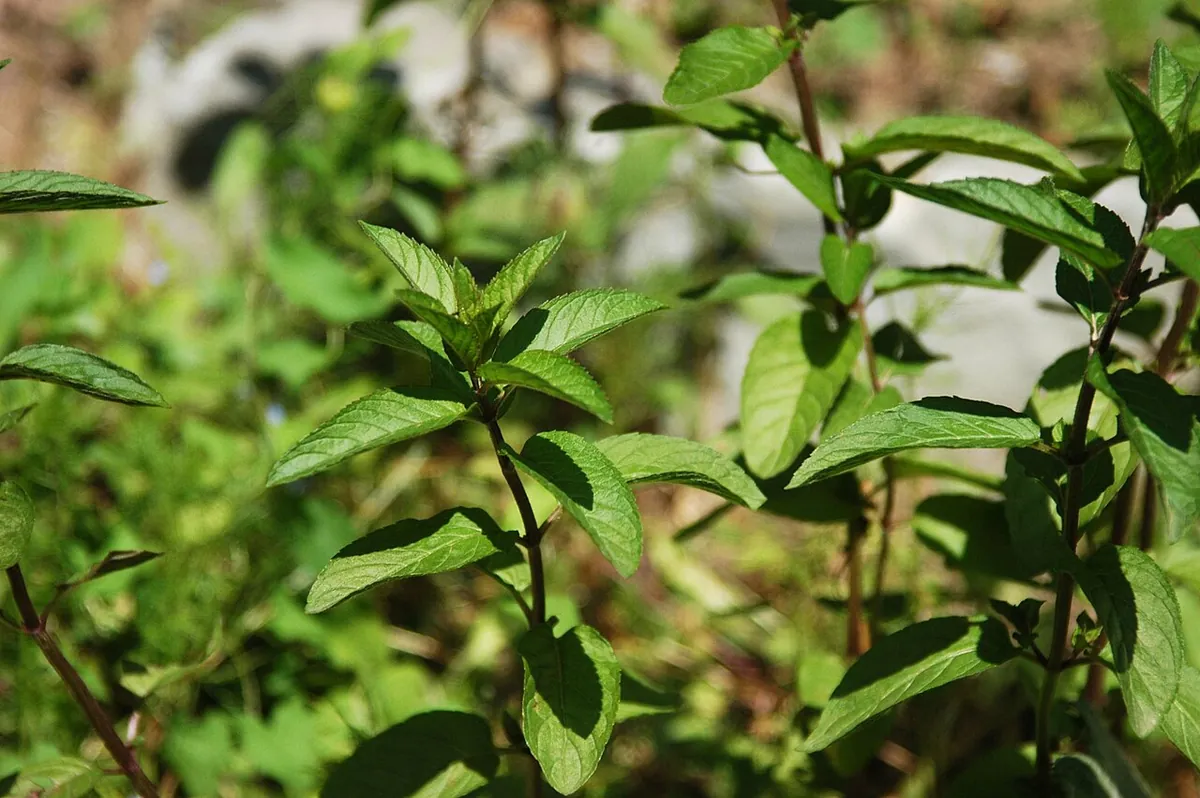
Peppermint oil is a concentrated essential oil steam-distilled from the leaves of the peppermint plant, Mentha × piperita. Its main active compound is menthol, which makes up roughly 19 to 54 percent of the oil, along with smaller amounts of pulegone, at about 0.3 to 4.7 percent, according to Pet Poison Helpline toxicology slides. That concentration is the whole problem: a small bottle packs the aromatic compounds of a large pile of leaves into a few milliliters.
Dogs absorb these compounds fast. The Merck Veterinary Manual says essential oils are absorbed quickly through the gut, skin, lungs, and mucous membranes, so whole-body effects should be expected after an exposure. Once absorbed, the compounds are processed by the liver, which is why dogs with liver disease, very young puppies, and senior dogs are at higher risk.
How much peppermint oil is dangerous for dogs?
There is no established safe dose of peppermint oil for dogs, and no published toxic dose either. Veterinary references do not give a number of drops that is safe, because the risk depends on the oil's concentration, the amount, the route of exposure, and the individual dog. Treat any exposure to undiluted peppermint oil as a concern, and call your veterinarian or poison control rather than trying to judge the amount yourself.
A dog that swallows oil, or licks it off its coat after a spill, is at greater risk than a dog that only smells it from across a room. Diluted peppermint in a commercial dog shampoo or dental product is a different situation from a bottle of pure oil, but even then, follow the product's instructions and ask your vet if you are unsure.
Symptoms of peppermint oil poisoning in dogs
The first signs are usually irritation where the oil touched your dog. After swallowing or licking peppermint oil, dogs may drool, paw at their face and mouth, and vomit. The mouth, tongue, and gums can look red or burned, and ulcers can form. Breathing in diffused oil can cause coughing, sneezing, wheezing, and difficulty breathing, especially in dogs that already have airway problems.
If more oil was absorbed, the signs become whole-body. Pet Poison Helpline lists vomiting, diarrhea, depression, seizures, incoordination, weakness, and collapse as common signs of essential oil exposure. Rover's veterinary toxicology sources list the same pattern for peppermint oil specifically, including central nervous system damage and seizures in severe cases, and large doses may damage the liver.
What to do if your dog is exposed to peppermint oil
Act quickly, and do not wait for symptoms to appear. If your dog swallowed peppermint oil or you are not sure how much it got, call your veterinarian or ASPCA Animal Poison Control Center at (888) 426-4435 (a consultation fee may apply) right away. Tell them the product name, whether it was undiluted, how much your dog may have taken, and your dog's weight.
If oil is on your dog's skin or coat, wash it off right away with warm water and mild dishwashing soap, and keep your dog from licking the area while you do it. If your dog breathed in diffused oil, move it to fresh air immediately and watch its breathing. Do not induce vomiting unless a veterinarian tells you to, and do not give milk, oil, or any home remedy. At the clinic, treatment may include bathing, activated charcoal, IV fluids, stomach and liver protectants, and medication to control vomiting or seizures.
How to keep your dog safe around peppermint oil
The simplest rule is to keep undiluted peppermint oil out of your dog's world. Store bottles in a closed cabinet your dog cannot reach, and never leave a bottle, a diffuser, or a spill unattended. Clean up any spill immediately and wash the surface so your dog cannot lick up residue.
Never put peppermint oil, or any essential oil, directly on your dog's skin or coat, and never add it to your dog's food or water. Do not use peppermint oil as a flea or tick treatment, and do not make homemade sprays or dips with it. Check labels on candles, cleaners, and shampoos for peppermint oil. If you diffuse oils, follow the limits the Merck Veterinary Manual sets out: keep sessions under 30 minutes, keep your dog out of the room or free to leave, ventilate afterward, and stop if your dog drools, coughs, or wheezes.
Peppermint oil vs. the peppermint plant
The oil and the plant are not the same risk. The fresh peppermint plant is far less concentrated than the oil, because the oil is made by distilling the aromatic compounds out of a large amount of leaf. The ASPCA lists mint plants as toxic to dogs, cats, and horses, and eating a large amount of the plant can cause vomiting and diarrhea. A single nibbled leaf is unlikely to cause serious harm, but keep your dog from eating mint plants.
Do not confuse peppermint with pennyroyal, another mint that is far more dangerous. Pennyroyal (Mentha pulegium) contains pulegone, a compound that can cause liver failure, seizures, and death in dogs. Pet Poison Helpline lists pennyroyal oil among the most concerning essential oils, and it should never be used around pets.
Safe alternatives to peppermint oil
You do not need peppermint oil to get the results people usually want from it. For fleas and ticks, use a flea treatment your veterinarian recommends for your dog's size, age, and health, and follow the label exactly. For a calmer dog, ask your vet about a dog pheromone diffuser or collar, which uses a synthetic version of a nursing pheromone and contains no essential oil. For a fresh-smelling home, open windows, use unscented cleaning products, and wash bedding regularly.
Symptoms to watch for
- Drooling
- Pawing at the face and mouth
- Vomiting
- Diarrhea
- Redness or burns on the gums, tongue, or skin
- Mouth and nose irritation
- Coughing or wheezing
- Difficulty breathing
- Lethargy and weakness
- Loss of coordination
- Muscle tremors
- Seizures
- Collapse
Mouth irritation and drooling can start soon after contact, while whole-body signs such as weakness, tremors, or seizures usually appear within 6 to 8 hours.
Safe alternatives
- Vet-approved flea and tick prevention — A product your veterinarian recommends for your dog's size and age, instead of homemade essential oil remedies.
- Dog pheromone diffuser or collar — Uses a synthetic version of a nursing pheromone to help calm dogs, with no essential oil involved — ask your vet first.
- Unscented cleaning products — Clean without leaving essential oil residue on floors and surfaces your dog walks on and licks.
- Fresh air and plain water — Ventilating a room is the simplest way to freshen it without putting any scented product near your dog.
What about cats? Peppermint oil is even more dangerous for cats than for dogs. Cats lack some of the liver enzymes that help dogs process essential oil compounds, so the same exposure can hit a cat harder. Never use peppermint oil on a cat, diffuse it in a room a cat cannot leave, or use peppermint products marketed for dogs on a cat.
Frequently asked questions
Is peppermint oil safe for dogs?
No. VCA Animal Hospitals lists peppermint among the essential oils that are poisonous to dogs, and Pet Poison Helpline warns that essential oils can be absorbed through the skin, inhaled, or swallowed. Keep undiluted peppermint oil away from your dog entirely.
Is diffusing peppermint oil safe for dogs?
No. Diffusers release tiny droplets of oil into the air that your dog breathes in, and the droplets can settle on your dog's coat and be licked off during grooming. The Merck Veterinary Manual advises keeping diffuser sessions under 30 minutes, keeping pets out of the room, and ventilating afterward. If your dog has breathing problems, do not diffuse peppermint oil at all.
Can I use peppermint oil on my dog for fleas?
No. Peppermint oil is not an effective or safe flea treatment for dogs. The ASPCA and veterinary toxicologists warn against homemade essential oil flea remedies. Ask your veterinarian for a flea treatment that is proven safe for your dog's size, age, and health.
Is the peppermint plant toxic to dogs, or just the oil?
The fresh plant is less concentrated than the oil, but the ASPCA lists mint plants as toxic, and eating a large amount of the plant can cause vomiting and diarrhea. The oil is the far bigger danger because it is concentrated. Keep your dog away from both, and never confuse peppermint with pennyroyal, which is highly toxic.
Sources
- Pet Poison Helpline — Essential Oils 2
- Rover — Are Essential Oils Bad For Dogs?
- Hepper — Is Peppermint Oil Safe for Dogs? Effectiveness & Safety Explored
- Webvet — Are Essential Oils Safe for Dogs? Toxic Oils and Safe Use
Related guides
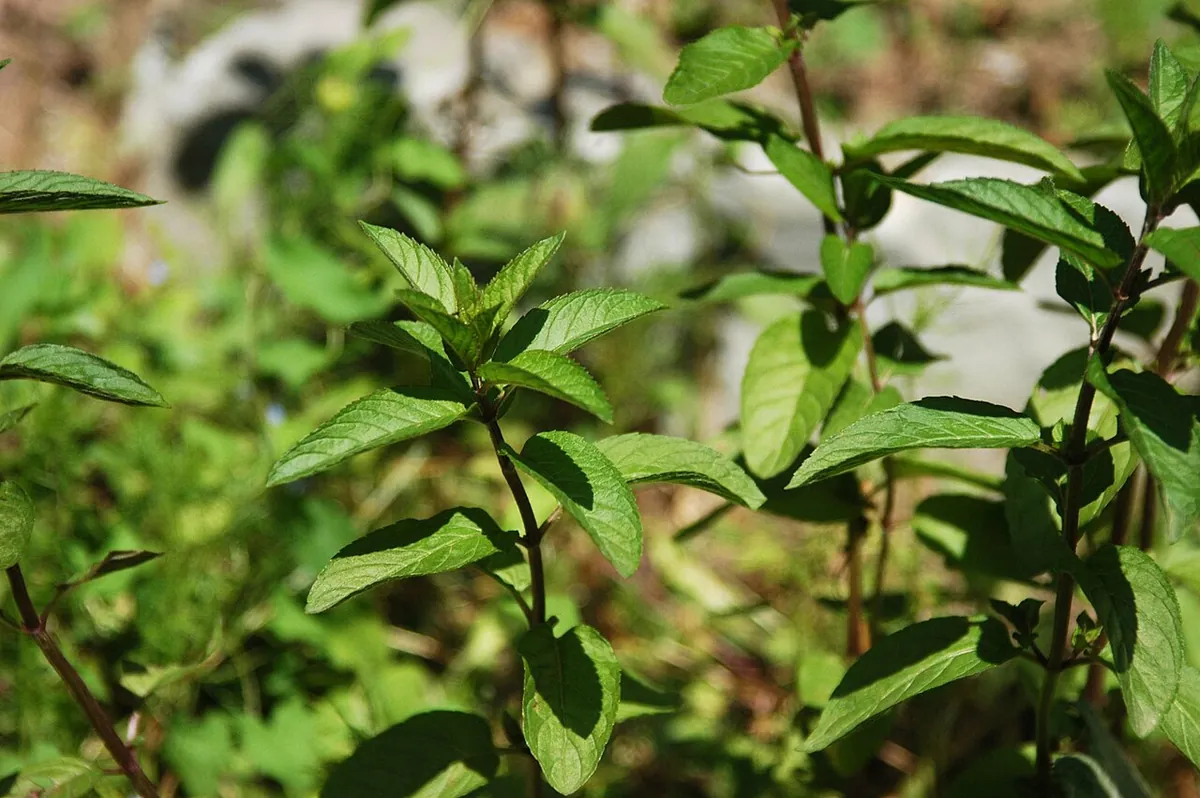
A few plain peppermint or spearmint leaves are unlikely to harm most healthy dogs, but the ASPCA lists mint as toxic because of its essential oils, and large amounts cause vomiting and diarrhea. Pennyroyal, concentrated mint oil, and xylitol-sweetened mint products are genuinely dangerous. When in doubt, call your vet.

The ASPCA lists lavender as toxic to dogs. Eating the plant usually causes only mild stomach upset, but concentrated lavender essential oil is a much bigger risk and should never be swallowed or put on your dog.

Cinnamon is listed as non-toxic to dogs by the ASPCA, and a small amount of ground cinnamon is unlikely to harm a healthy dog. But more than a teaspoon of powder, cinnamon sticks, or any amount of cinnamon essential oil can cause serious illness.
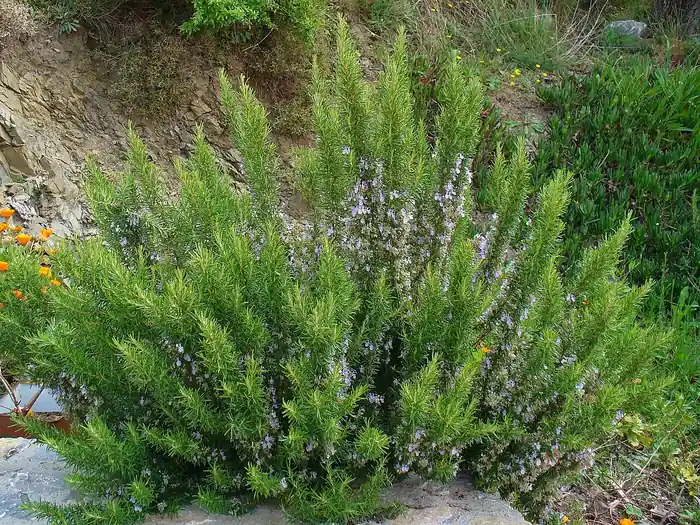
Rosemary, the fresh or dried herb, is listed as non-toxic to dogs by the ASPCA. Large amounts can still upset the stomach, and concentrated rosemary essential oil is a different matter — never apply it to your dog or let them swallow it.