How Much Onion Is Toxic to Dogs? Dose, Symptoms & What to Do
Yes — onion is toxic to dogs, and the dose matters.
Onion is toxic to dogs in every form, including raw, cooked, dried, and powdered. Clinical signs have been reported at 15 to 30 grams of raw onion per kilogram of body weight, and ingestions above 0.5% of body weight (5 g/kg) warrant decontamination. There is no safe amount to feed on purpose, and anemia is often delayed by 3 to 5 days, so call your veterinarian about any amount.
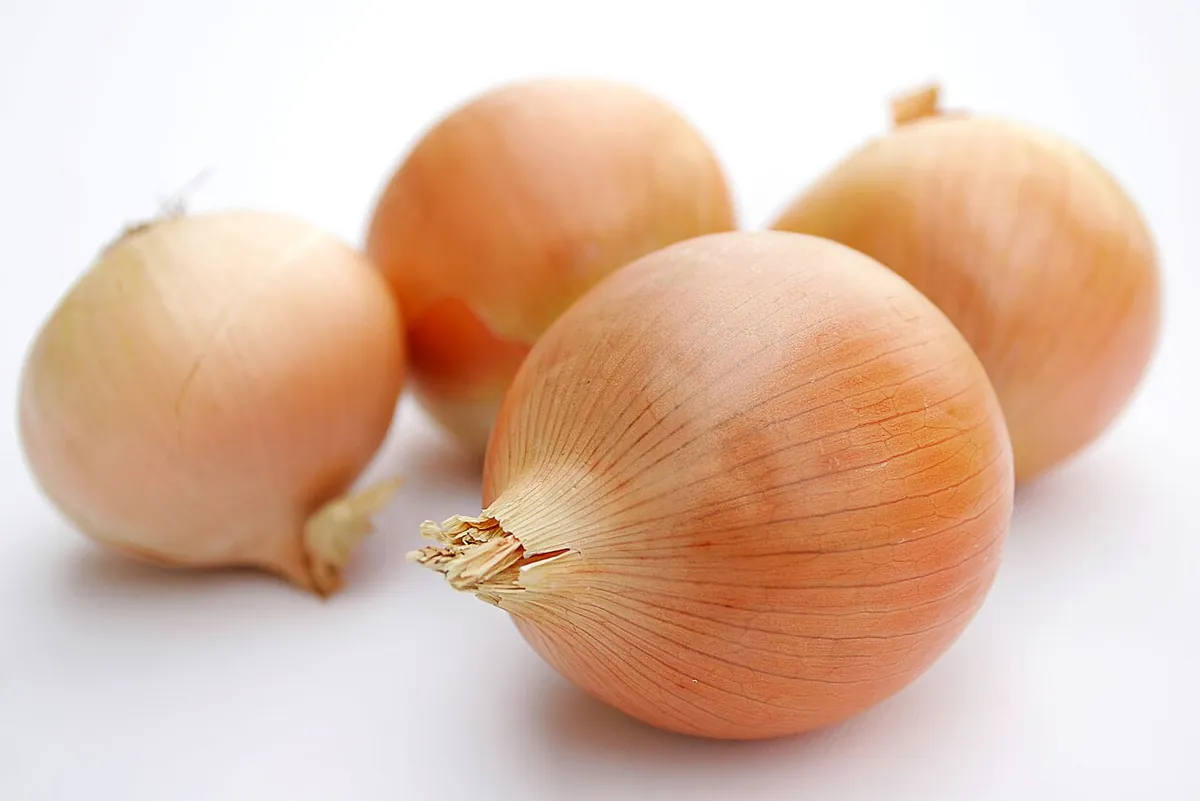

- Item
- Onion
- Scientific name
- Allium cepa
- Also called
- Onion, Common onion
- Category
- Foods
- Verdict
- Toxic
- Symptoms start
- Stomach upset can appear within hours; anemia signs typically develop 3 to 5 days after eating, and can take up to a week to appear.
Onions are in almost every American kitchen, and they are one of the most common foods that poison dogs. Onion belongs to the Allium genus, along with garlic, chives, leeks, and shallots, and every part of the plant is toxic to dogs — the bulb, the leaves, and the juice. Raw, cooked, dried, and powdered onion are all dangerous.
The danger is easy to miss because the worst damage shows up days after the meal. A dog can eat onion on Sunday, look perfectly fine on Monday, and develop anemia by Thursday. That delay is why veterinarians treat every onion exposure seriously, even when the dog seems well at first.
If your dog ate it — what to do now
- Call your veterinarian or ASPCA Animal Poison Control Center at (888) 426-4435 (a consultation fee may apply) right away — do not wait for symptoms.
- Tell them how much onion your dog ate, what form it was in (fresh, cooked, powdered, or soup mix), and when it happened, along with your dog's weight.
- If your dog ate a large quantity, seek veterinary care immediately, even if your dog looks fine, because anemia can be delayed for days.
- Follow your veterinarian's instructions. They may induce vomiting if the onion was eaten within the past two hours, give activated charcoal, and run blood and urine tests.
- Watch your dog closely for several days for vomiting, diarrhea, weakness, pale gums, rapid breathing, or dark urine, and report any of these signs to your veterinarian promptly.
Do not do this
- Do not induce vomiting unless a veterinarian tells you to.
- Do not wait to see if symptoms appear before calling for advice — anemia can take 3 to 5 days to develop.
- Do not feed onion in any form, including cooked onion, onion powder, or onion soup mix.
- Do not use home remedies as a substitute for veterinary care.
What makes onion toxic to dogs?
Onions contain sulfur-containing compounds, including N-propyl disulfide, the toxic compound named by the ASPCA Animal Poison Control Center. These compounds are released when an onion is chopped, chewed, cooked, or digested, and they pass into the dog's bloodstream. Dogs cannot process them the way people can, so the compounds keep circulating and attack the red blood cells.
Once in the blood, these oxidants damage red blood cells. They oxidize the hemoglobin inside the cells, and the damaged hemoglobin forms clumps called Heinz bodies. The damaged cells also form methemoglobin, which cannot carry oxygen normally. The body then removes the damaged red blood cells early, a process called hemolysis. If enough cells are destroyed faster than the body can replace them, the dog develops hemolytic anemia and its organs do not get enough oxygen.
Onion is also a gastrointestinal irritant. Even before any blood damage appears, it can irritate the mouth and stomach and cause vomiting and diarrhea. Cooking does not destroy the toxic compounds: raw, cooked, dried, dehydrated, and powdered onion are all poisonous, and onion powder is more concentrated than fresh onion, so a small amount of powder can carry the same risk as a much larger amount of fresh onion.
How much onion is dangerous for dogs?
There is no established safe dose of onion for dogs, and no amount should be fed on purpose. Risk rises with the amount eaten and with repeated exposure, because onion toxicity can be cumulative — small amounts eaten over several days can add up to the same damage as one large meal. Small dogs face higher risk from the same amount, because the dose is larger relative to their body weight.
The Merck Veterinary Manual reports clinical signs in dogs after 15 to 30 grams of raw onion per kilogram of body weight. PetMD notes that onion poisoning is consistently seen when dogs eat more than 0.5% of their body weight in onion — about 5 grams per kilogram — and that ingestions above that level warrant decontamination. A medium onion weighs about 110 grams. Garlic is 3 to 5 times more toxic than onion by weight, so garlic counts for even more.
Here is what those numbers mean in everyday terms. For a 10-pound dog (about 4.5 kg), the 0.5% level is about 23 grams — roughly a fifth of a medium onion — and the 15 to 30 g/kg range is about 68 to 136 grams, or roughly half to just over one medium onion. For a 25-pound dog (about 11 kg), the 0.5% level is about 57 grams, or half a medium onion, and the reported range is about 170 to 340 grams, or about one and a half to three medium onions. For a 50-pound dog (about 23 kg), the 0.5% level is about 113 grams, or one medium onion, and the reported range is about 340 to 680 grams, or about three to six medium onions. These are levels where harm has been reported, not safe limits — call your veterinarian about any amount.
What are the symptoms of onion poisoning in dogs?
Symptoms come in two waves. Stomach upset can appear within hours, while signs of anemia usually take longer. The Merck Veterinary Manual explains that Heinz body formation begins within 24 hours and peaks in about 72 hours, while hemolysis typically occurs 3 to 5 days after exposure. A dog can look fine for days and still be developing anemia.
Early signs are usually digestive: mouth irritation, drooling, nausea, vomiting, abdominal pain, and diarrhea. Later signs point to red blood cell damage and low oxygen: weakness, lethargy, pale gums, rapid heart rate, rapid or labored breathing, and red or dark-colored urine. In severe cases a dog may develop jaundice, kidney damage, collapse, or death.
What to do if your dog eats onion
Do not wait for symptoms to appear. Anemia can take days to develop, and early treatment is simpler and safer than treating advanced poisoning. Note how much onion your dog ate, what form it was in, and when it happened, then call for advice right away.
Your veterinarian may induce vomiting if the onion was eaten within the past two hours, give activated charcoal to bind remaining toxins, and run blood and urine tests to check red blood cell counts, electrolytes, and kidney function. Dogs with advanced toxicity may need hospitalization, oxygen therapy, intravenous fluids, or a blood transfusion. With prompt care, a dog with mild toxicity is likely to make a full recovery; severe cases carry a more guarded prognosis.
How to keep your dog safe from onion
The simplest rule is to keep onion out of your dog's food entirely. Do not give your dog food seasoned with onion, and do not share table scraps unless you know exactly what is in them. Store fresh onions, onion powder, and onion soup mix where your dog cannot reach them, and fence off garden beds where onions grow.
Clean up dropped onion right away, and keep leftovers, takeout containers, and trash in places your dog cannot open. Remember that dogs can knock items off counters and open low cabinets. Tell everyone in the household, including children and visitors, that onion is toxic to dogs, so nobody offers a bite as a treat.
Foods and products that often contain onion
Onion hides in many prepared foods, so check labels and recipes before sharing table food with your dog. Soups, stews, gravy, sauces, marinades, stuffing, and seasoning blends often contain onion or onion powder, even when onion is not the main flavor. Onion rings, blooming onions, and French onion soup are obvious examples, but onion is also in many foods where you would not expect it.
Baby food, meatballs, sausages, pizza toppings, burgers, and restaurant leftovers are other common sources. Onion powder is more concentrated than fresh onion, so even a small amount in a seasoning blend matters. When in doubt about a dish, do not share it.
Safe alternatives to onion
If you want to add flavor to your dog's food, use plain, dog-safe foods instead of seasoning. Plain cooked chicken, turkey, or lean beef with no salt, garlic, or onion is a simple option. Plain cooked carrots, green beans, and pumpkin are also commonly used as low-fat treats, but introduce any new food in small amounts and check with your veterinarian first, especially if your dog has a health condition or is on a prescription diet.
For seasoning your own meals, keep the onion in your food and give your dog a separate, plain portion. A dog that never tastes onion will never miss it, and keeping seasoned food out of reach is the easiest way to prevent an emergency.
Symptoms to watch for
- Vomiting
- Diarrhea
- Drooling
- Mouth irritation
- Abdominal pain
- Loss of appetite
- Weakness
- Lethargy
- Pale gums
- Rapid heart rate
- Rapid or labored breathing
- Red or dark-colored urine
- Jaundice
- Collapse
Stomach upset can appear within hours, while anemia signs usually develop 3 to 5 days later and can take up to a week to appear.
Safe alternatives
- Plain cooked chicken or turkey — Unseasoned lean meat is a simple, dog-safe flavor addition with no onion or garlic.
- Plain cooked carrots or green beans — Plain vegetables make a low-fat treat without the compounds that damage red blood cells.
- Plain canned pumpkin — Plain pumpkin (not pie filling) is a gentle, commonly used addition to a dog's food.
- Plain cooked sweet potato — Plain sweet potato is a mild, dog-safe side that adds flavor without any Allium.
What about cats? Cats are even more sensitive to onion than dogs, according to the Merck Veterinary Manual: poisoning has been reported in cats after 5 grams of raw onion per kilogram of body weight, or after less than a teaspoon of cooked onion. Keep onion away from cats in the household too.
Frequently asked questions
How much onion is toxic to a dog?
The Merck Veterinary Manual reports clinical signs in dogs after 15 to 30 grams of raw onion per kilogram of body weight. PetMD notes that onion poisoning is consistently seen when dogs eat more than 0.5% of their body weight in onion — about 5 grams per kilogram — and ingestions above that level warrant decontamination. For a 25-pound dog, the 0.5% level is about 57 grams, or half a medium onion. There is no safe amount to feed on purpose, so call your veterinarian about any amount your dog eats.
Is cooked onion safe for dogs?
No. Cooking does not remove the toxic compounds in onion. Raw, cooked, dried, dehydrated, and powdered onion are all poisonous to dogs, and onion powder is more concentrated than fresh onion. The bulb, leaves, and juice are all toxic.
My dog ate a small piece of onion — what should I do?
Call your veterinarian or ASPCA Animal Poison Control at (888) 426-4435 right away for advice — do not wait to see if symptoms appear. Tell them how much onion your dog ate, what form it was in, and when it happened. Watch your dog closely for the next 3 to 5 days for vomiting, weakness, pale gums, rapid breathing, or dark urine, because anemia from onion is often delayed.
Are onion powder and onion soup mix dangerous for dogs?
Yes — and they can be more dangerous than fresh onion. Onion powder, dehydrated onion flakes, and dry onion soup mix are concentrated forms, so a small amount can carry the same risk as a much larger amount of fresh onion. The Merck Veterinary Manual notes that poisoning in dogs and cats is most commonly associated with concentrated forms such as dehydrated flakes, powders, and dry soup mixes. Keep all of them out of your dog's reach.
Sources
- PetMD — Can Dogs Eat Onions?
- Merck Veterinary Manual — Garlic and Onion (Allium spp) Toxicosis in Animals
- VCA Animal Hospitals — Onion, Garlic, Chive, and Leek Toxicity in Dogs
- ASPCA Poison Control — People Foods to Avoid Feeding Your Pets
Related guides
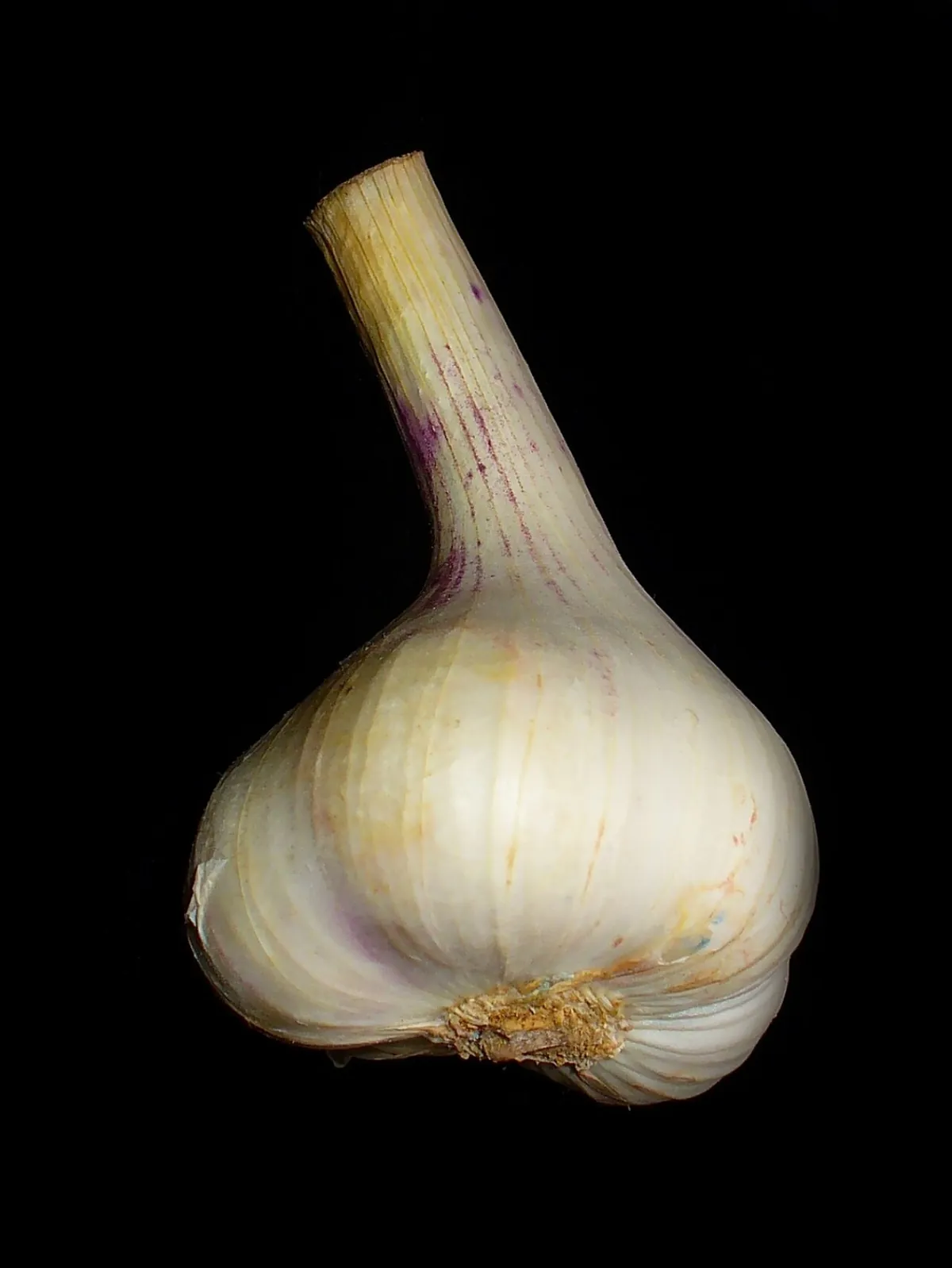
Garlic is toxic to dogs in every form, including raw, cooked, dried, and powdered. Do not feed it to your dog on purpose, and call your veterinarian if your dog eats a large amount.

Lilies can poison dogs, usually causing vomiting, diarrhea, and drooling. True lilies are far more dangerous to cats, where they can cause fatal kidney failure. If your dog eats any lily, call your vet.

Tulips are toxic to dogs. Every part of the plant contains tulipalin A and B, but the bulb holds the highest concentration, so a dog that digs up and eats bulbs faces the greatest risk.
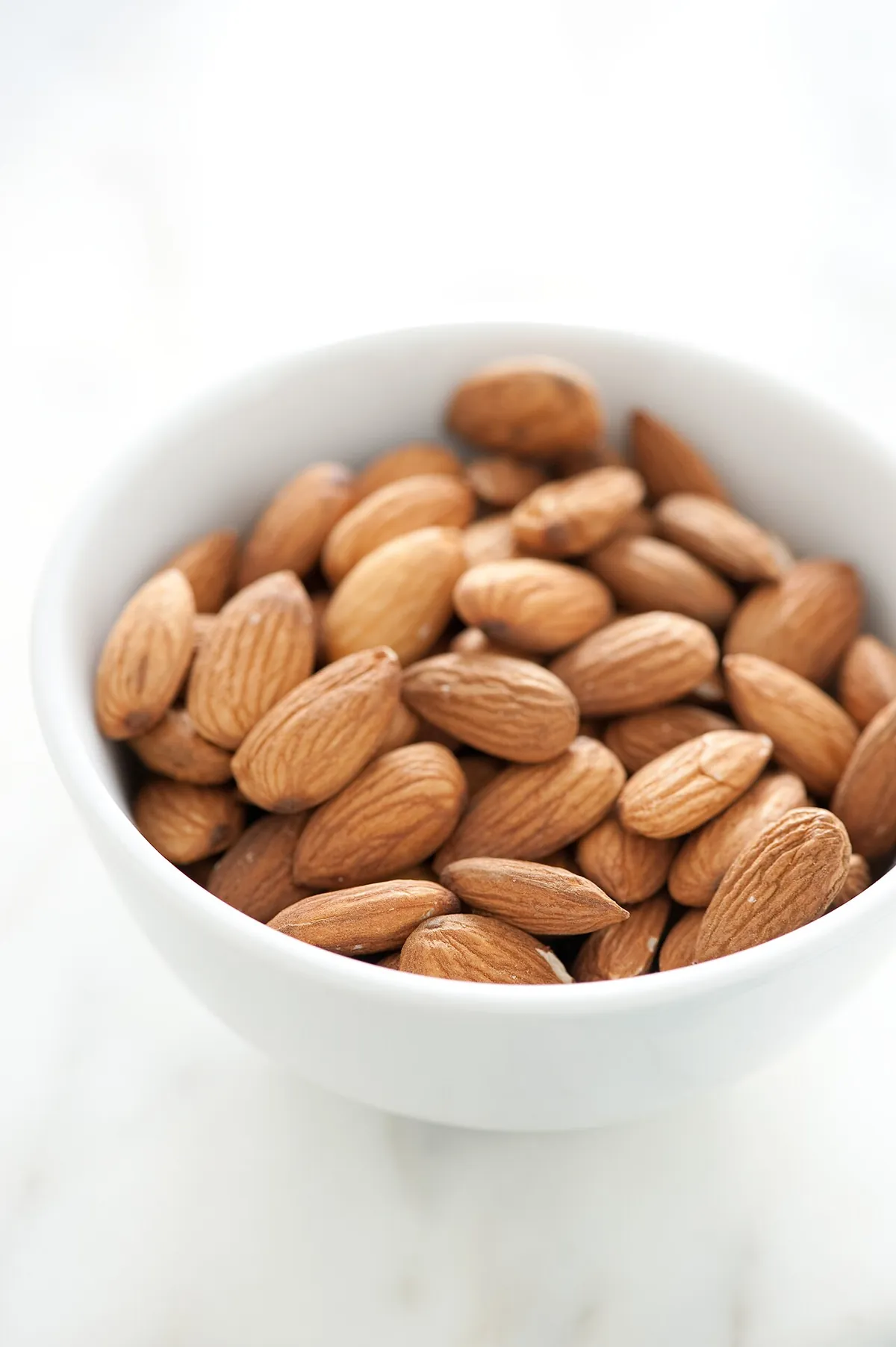
Sweet almonds are not acutely toxic to dogs, but they can choke a dog, block the gut, and trigger pancreatitis. Do not feed almonds to your dog on purpose.