Is Honey Toxic to Dogs? What Every Owner Should Know
No — honey is not toxic to dogs.
PetMD and the AKC agree that plain honey is not toxic and is safe for healthy adult dogs in small amounts as an occasional treat. Skip it for puppies, diabetic dogs, and dogs with weak immune systems, and never share a honey-flavored product that contains xylitol.


- Item
- Honey
- Scientific name
- Apis mellifera
- Also called
- Raw honey, Pasteurized honey, Manuka honey
- Category
- Foods
- Verdict
- Safe
- Symptoms start
- Signs of eating too much plain honey, such as vomiting or diarrhea, usually appear within hours, although no exact time frame is given by the sources we checked. Signs of xylitol poisoning can appear within minutes to an hour, while liver failure signs may not appear for 24 to 48 hours, according to the Pet Poison Helpline.
No, honey is not toxic to dogs. PetMD states plainly that honey is not toxic to dogs, and the American Kennel Club (AKC) says honey is safe for dogs to eat in small quantities. For a healthy adult dog, a small taste of plain honey is an occasional treat, not a poisoning emergency.
That short answer comes with limits. Honey is mostly sugar, so too much can upset your dog's stomach and, over time, add weight and strain blood sugar. Raw honey should never be given to puppies under one year old or to dogs with weak immune systems, because it can contain spores of Clostridium botulinum, the bacteria that causes botulism. And some honey-flavored products contain xylitol, a sweetener that is extremely toxic to dogs.
If your dog ate it — what to do now
- Check the label and find out whether your dog ate plain honey or a honey-flavored product that may contain xylitol, and keep the packaging.
- If it was a small amount of plain honey and your dog is a healthy adult, watch for vomiting or diarrhea and offer fresh water.
- Call your veterinarian or ASPCA Animal Poison Control Center at (888) 426-4435 (a consultation fee may apply) right away if your dog is a puppy under one year old, is diabetic, has a weak immune system, or ate a product that may contain xylitol.
- If your dog is vomiting repeatedly, weak, uncoordinated, trembling, or has collapsed, go to a veterinarian or emergency clinic immediately.
- Tell the veterinarian how much was eaten, what product it was, and your dog's weight, age, and health conditions.
Do not do this
- Do not induce vomiting unless a veterinarian tells you to.
- Do not give honey to a puppy under one year old or to a dog with a weak immune system.
- Do not give honey to a diabetic dog unless your veterinarian specifically tells you to.
- Do not assume a sugar-free or honey-flavored product is safe — check the label for xylitol first.
- Do not use honey as a medicine, for coughs, allergies, or wounds, instead of veterinary care.
Why honey is considered safe for dogs
Honey contains no toxin that affects dogs. PetMD calls honey nontoxic and completely safe for healthy, fully developed dogs in small quantities, and the AKC agrees that small amounts are safe. Honey is made of natural sugars with small amounts of vitamins and minerals, including vitamin C, calcium, iron, magnesium, and potassium, according to PetMD.
Honey also contains antioxidant compounds, which PetMD notes help protect body cells from damage. But the health claims often made for honey go further than the evidence: the AKC notes few conclusive studies validate claims that honey cures allergies or works as a medicine, and PetMD says it is not clear whether honey helps a dog's cough. Treat honey as a sweet treat, not a health supplement or home remedy.
- No toxic principle: PetMD lists honey as nontoxic to dogs
- Safe group: healthy, fully developed adult dogs, in small amounts
- Not a medicine: allergy and cough claims are not proven
How much honey is safe for dogs?
There is no established toxic dose for honey, because honey itself is not toxic. The question is not how much will poison your dog, but how much sugar your dog can handle as a treat. PetMD advises that treats of any kind should make up no more than 10 percent of your dog's daily calories, with the other 90 percent coming from a balanced dog food, and that honey should only be given once or twice a week.
PetMD gives maximum portions by size: extra-small dogs of 2 to 10 pounds, 1/8 teaspoon; small dogs of 11 to 20 pounds, 1/4 teaspoon; medium dogs of 21 to 50 pounds, 1/2 to 1 teaspoon; large dogs of 51 to 90 pounds, 2 teaspoons; and extra-large dogs of 91 pounds and up, 1 tablespoon. The AKC adds that less is usually more, especially for smaller breeds, and that you should talk to your veterinarian about how much is right for your own dog before making honey a regular treat.
- No toxic dose: honey is nontoxic, so there is no poisoning threshold
- PetMD maximums: 1/8 teaspoon to 1 tablespoon by size, once or twice a week
- Treats overall: no more than 10% of daily calories
Symptoms to watch for after a dog eats honey
A healthy adult dog that licks a little plain honey usually shows no symptoms at all. Problems start when a dog eats too much at once or gets honey often. PetMD lists the signs of too much sugar as decreased appetite, fatigue, diarrhea, constipation, and vomiting. Over weeks and months, too much sugar can contribute to obesity, which increases the risk of diabetes.
The emergency signs belong to a different problem: xylitol in a honey-flavored product. The Pet Poison Helpline lists vomiting followed by a drop in blood sugar, which leads to lethargy, weakness, incoordination, tremors, or seizures that can progress to a coma. Larger doses are associated with acute liver failure, with signs such as persistent vomiting, yellowing of the skin or gums, or clotting problems appearing 24 to 48 hours later. If your dog ate a sugar-free honey syrup or spread, treat it as an emergency, not as a honey problem.
- Too much plain honey: vomiting, diarrhea, constipation, decreased appetite, fatigue
- Long term: weight gain and higher diabetes risk
- Xylitol product: vomiting, weakness, tremors, seizures, collapse — call a vet immediately
What to do if your dog eats honey
First, check what your dog actually ate. If it was a small amount of plain honey and your dog is a healthy adult, there is usually nothing to do except watch your dog for vomiting or diarrhea over the next day. If your dog ate a large amount, skip the next treat, offer fresh water, and watch for repeated vomiting or diarrhea.
Call your veterinarian right away in three situations: your dog is a puppy under one year old or has a weak immune system and ate raw honey; your dog is diabetic and ate honey; or the product may contain xylitol. For a possible xylitol product, call your veterinarian or the ASPCA Animal Poison Control Center at (888) 426-4435 (a consultation fee may apply) immediately, even if your dog looks fine, because signs can develop quickly. Keep the jar or packaging so you can read the ingredient list to the vet.
How to keep your dog safe around honey
Store honey jars and squeeze bottles where your dog cannot reach them, and never leave an open jar on a low table while you cook. Dogs that counter-surf can swallow a large amount quickly, and a sticky spill is an invitation to lick up far more than a treat-sized portion.
Ask your veterinarian before giving honey to any dog with diabetes, obesity, dental disease, or a weak immune system, and never give honey to a puppy under one year old. The AKC also notes that sugars can cause tooth decay, so brushing your dog's teeth after a honey treat is a good idea. If your dog is on a prescription diet, do not add honey or any other food outside the diet unless your veterinarian says it is fine.
Honey products to watch for
Plain honey and honey-flavored products are not the same thing. Sugar-free honey syrups, honey-flavored spreads, baked goods, and some peanut butters may contain xylitol, which is extremely toxic to dogs even in small amounts. Always read the ingredient list before sharing anything sweetened with your dog, and keep sugar-free products stored out of reach.
Manuka honey deserves a special note. PetMD says it has antimicrobial compounds that can help with wound care, but honey should never replace prescription antibiotics if your dog has an infection. Do not put honey on a wound or feed it as medicine without talking to your veterinarian first. Check flavored honeys too — an added ingredient such as chocolate may be the real risk.
Safe alternatives to honey
If you want to give your dog a sweet treat without the sugar load of honey, several everyday foods work better. Blueberries and apple slices are sweet, low in calories, and widely fed to dogs as treats; remove apple seeds and the core first. Carrot pieces and cucumber slices give a satisfying crunch with very little sugar, and the AKC specifically suggests cucumbers as a lower-sugar treat for dogs that should skip honey.
Plain pumpkin puree (not pie filling) is another gentle option, and a spoonful of plain, xylitol-free peanut butter makes a longer-lasting treat in a chew toy. As with honey, keep treats within 10 percent of daily calories and check with your veterinarian first if your dog has a health condition.
Symptoms to watch for
- Vomiting
- Diarrhea
- Constipation
- Decreased appetite
- Fatigue
- Weight gain (with frequent overfeeding)
- High blood sugar (in diabetic dogs)
- Weakness
- Lack of coordination
- Tremors
- Seizures
- Collapse
- Yellowing of the skin or gums (possible liver failure after xylitol)
A little plain honey usually causes no symptoms; the serious signs listed here are from xylitol in a honey-flavored product, not from honey itself.
Safe alternatives
- Blueberries — Sweet and low in calories; a safer everyday treat than honey.
- Apple slices — Remove seeds and core; a sweet crunch with far less sugar than honey.
- Carrots — A crunchy, low-sugar chew most dogs enjoy.
- Cucumber slices — Suggested by the AKC as a lower-sugar treat for dogs that should skip honey.
- Plain pumpkin puree — Not pie filling; a gentle, low-sugar spoonful many dogs like.
What about cats? We could not find an ASPCA listing for honey and cats in the sources we checked, so we do not state that honey is safe for cats. Cats do not need sweet foods, and honey is almost all sugar, so there is no reason to offer it to a cat. Ask your veterinarian before giving honey to any cat.
Frequently asked questions
Can dogs eat honey?
Yes, healthy adult dogs can eat plain honey in small amounts as an occasional treat. PetMD calls honey nontoxic, and the AKC says it is safe in small quantities. Keep portions to the PetMD maximums for your dog's size, no more than once or twice a week, and skip honey entirely for puppies, diabetic dogs, and dogs with weak immune systems.
Is raw honey safe for dogs?
Raw honey is safe only for healthy adult dogs, and even then only in small amounts. PetMD advises avoiding raw honey for puppies under one year old and for dogs with compromised immune systems, because raw honey can contain spores of Clostridium botulinum, which causes botulism. Pasteurized honey is the safer choice if you decide to offer honey at all.
Can puppies have honey?
No. Puppies under one year old should not have honey, especially raw honey. Their immune systems are not fully developed until about one year old, so they are less able to fight off the botulism spores that raw honey can contain. Wait until your puppy is an adult and ask your veterinarian first.
Does honey help a dog's cough?
It is not clear. PetMD says it is not clear whether honey helps a dog's cough the way it does for humans, and the AKC notes that claims about honey soothing sore throats or curing allergies lack conclusive scientific studies. If your dog is coughing, contact your veterinarian first to find the cause before trying any home remedy.
Sources
- PetMD — Can Dogs Eat Honey?
- American Kennel Club — Can Dogs Eat Honey?
- Pet Poison Helpline — Xylitol
Related guides
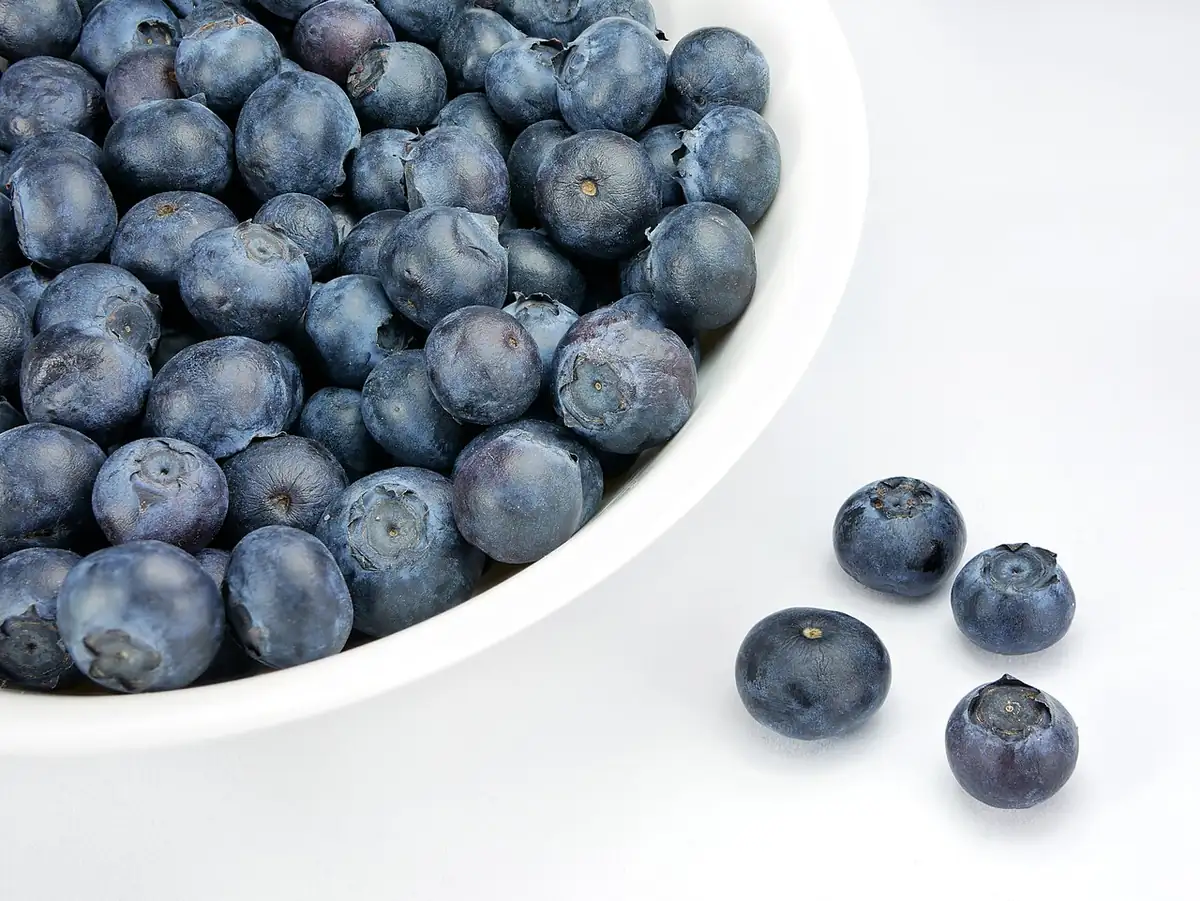
Blueberries are safe for most dogs when served plain and in moderation. They are rich in antioxidants, fiber, vitamins, and minerals. Avoid canned, sweetened, or syrup-packed blueberries, and keep portions small.
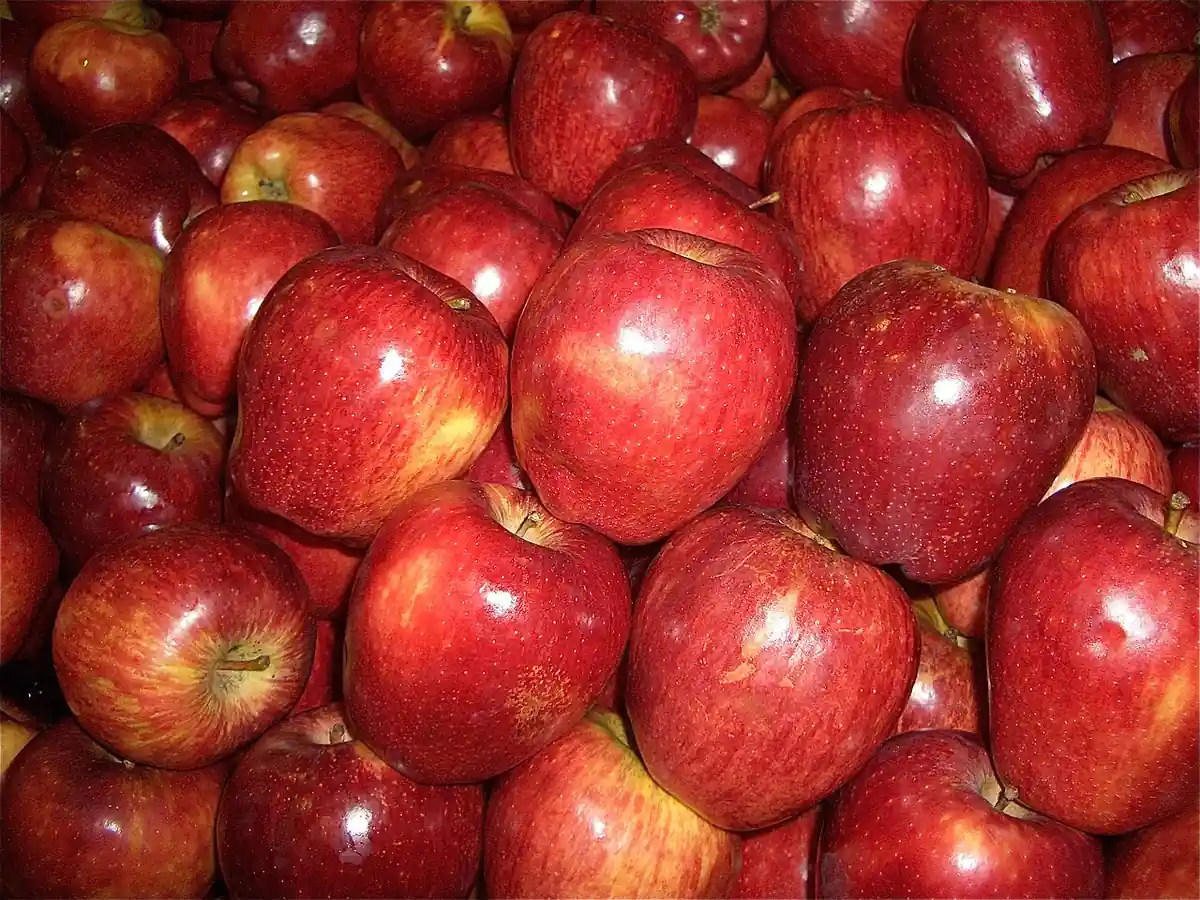
Apple flesh and skin are safe for dogs in moderation. The seeds contain amygdalin, which can release cyanide when chewed, and the core is a choking and blockage hazard — always remove both.
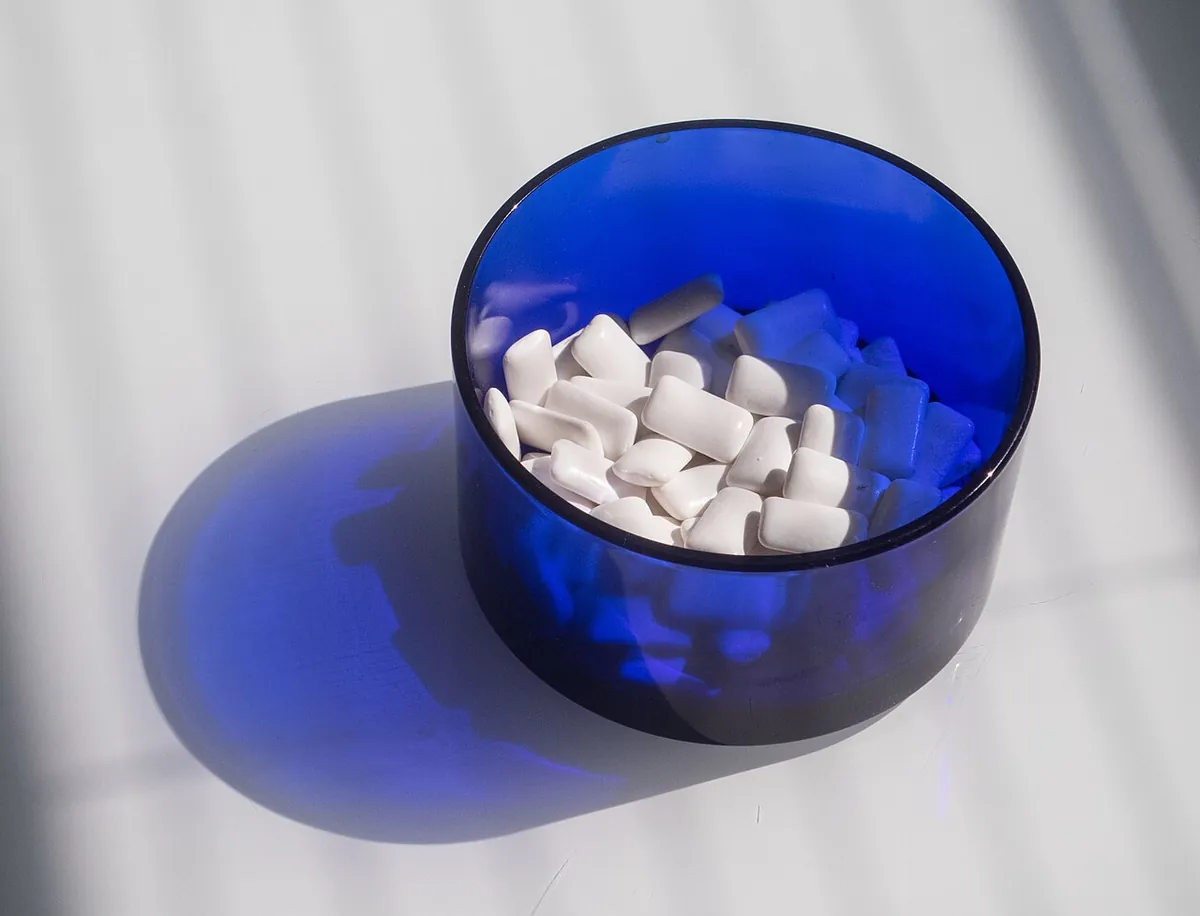
Xylitol is extremely toxic to dogs. Doses above about 0.1 grams per kilogram of body weight can crash blood sugar within minutes, and doses above about 0.5 grams per kilogram can cause liver failure. There is no safe dose — if your dog may have eaten xylitol, call your veterinarian right away.
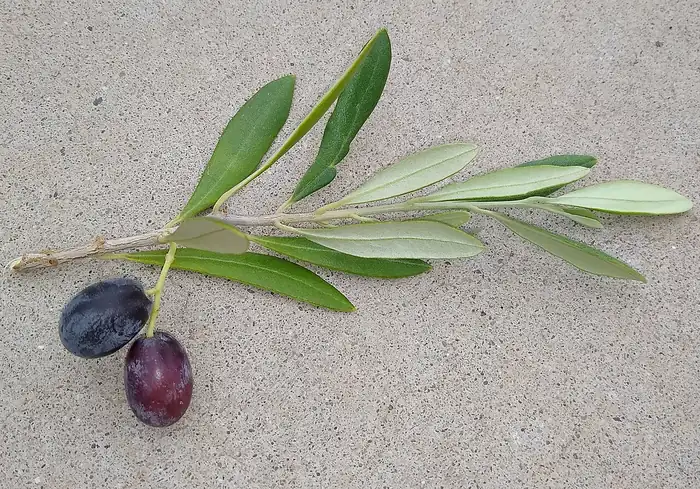
Olives are not toxic to dogs, but plain, pitted olives should only be given rarely and in tiny amounts. The real risks are the pits, which can choke or block the gut, the salt in brine, and garlic or blue cheese stuffings.