How Much Xylitol Is Toxic to Dogs? Doses, Symptoms & What to Do
Very little — doses above about 0.1 g/kg can be dangerous.
Xylitol is extremely toxic to dogs. Doses above about 0.1 grams per kilogram of body weight can crash blood sugar within minutes, and doses above about 0.5 grams per kilogram can cause liver failure. There is no safe dose — if your dog may have eaten xylitol, call your veterinarian right away.
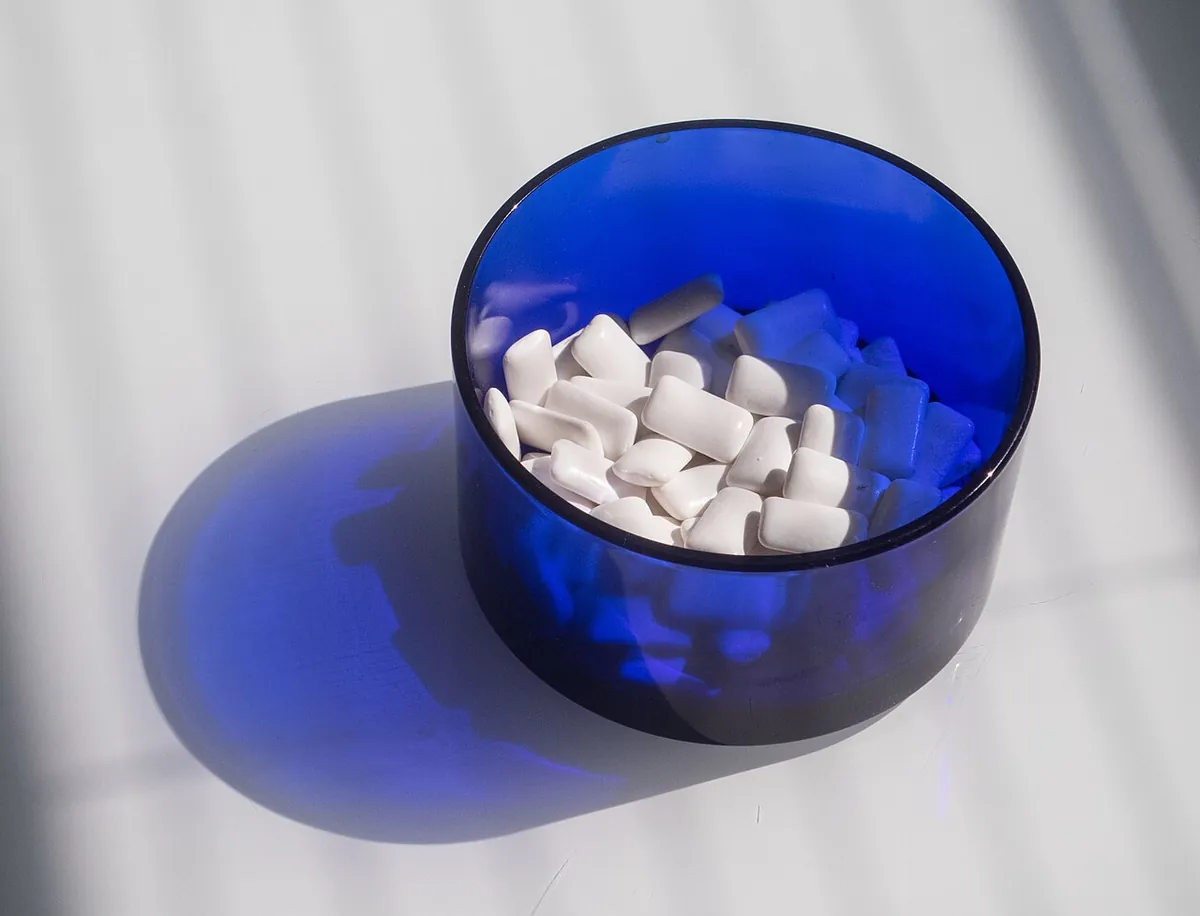

- Item
- Xylitol
- Scientific name
- C5H12O5 (a sugar alcohol)
- Also called
- Birch sugar, Wood sugar, Birch bark extract, E967
- Category
- Foods
- Verdict
- Toxic
- Symptoms start
- Hypoglycemia signs often begin within 30 minutes (FDA: 10 to 60 minutes), and can be delayed up to 12 to 18 hours with slow-absorbing products such as some gums; liver injury signs usually appear 24 to 48 hours after ingestion.
Xylitol is toxic to dogs, and it takes very little to cause a crisis. This sugar substitute is in sugar-free gum, some peanut butter, baked goods, toothpaste, and medicines — ordinary things in almost every home. In dogs, xylitol triggers a surge of insulin that can crash blood sugar within minutes, and larger amounts can cause liver failure a day or two later.
The danger is measured in grams per kilogram of body weight, and the amounts are small: Merck links doses above about 0.1 grams per kilogram to low blood sugar, and doses above about 0.5 grams per kilogram to possible liver failure. Because a product's xylitol content is rarely printed on the label, the safest rule is simple: if your dog may have eaten anything containing xylitol, call your veterinarian right away.
If your dog ate it — what to do now
- Call your veterinarian or ASPCA Animal Poison Control Center at (888) 426-4435 (a consultation fee may apply) right away — do not wait for symptoms.
- Tell them what product your dog ate, how much, and when, along with your dog's weight. Keep the packaging.
- If your dog is weak, wobbly, seizing, or unconscious, go to an emergency veterinary hospital immediately.
- Follow your veterinarian's instructions. They may induce vomiting if the exposure was recent, give intravenous dextrose for low blood sugar, and monitor blood glucose and liver values for 24 to 72 hours.
- Watch your dog closely for at least 72 hours for delayed liver injury, even if your dog seems to recover.
Do not do this
- Do not induce vomiting or give anything by mouth unless a veterinarian tells you to — inducing vomiting can worsen signs if your dog is already hypoglycemic.
- Do not wait to see if symptoms appear — blood sugar can crash within 30 minutes and liver damage can develop silently.
- Do not assume a small amount is safe, and never feed your dog anything containing xylitol on purpose.
- Do not use home remedies as a substitute for veterinary care.
What makes xylitol toxic to dogs?
Xylitol is a sugar alcohol used to sweeten sugar-free and low-sugar products. In people it does not stimulate the release of insulin, so people handle it without trouble. Dogs are different: when a dog eats xylitol, it is quickly absorbed, and the pancreas releases a large surge of insulin. That insulin drives blood sugar down fast — a condition called hypoglycemia — and untreated, it can quickly become life-threatening.
At higher doses, xylitol can also damage the liver. Merck states that the mechanism is unknown, although it is hypothesized to involve ATP depletion or reactive oxygen species produced as xylitol is metabolized. Liver injury is less common than low blood sugar, but far more dangerous: in one study cited by Merck, 62.5% of dogs that developed clinical signs of liver injury died or were euthanized despite aggressive treatment.
Dogs are the only domestic species in which xylitol poisoning has been reported, according to Merck, and cats are not at risk from it. Ferrets are the exception: the FDA warns they can develop low blood sugar and seizures like dogs.
How much xylitol is toxic to a dog?
The Merck Veterinary Manual measures the risk in milligrams per kilogram of body weight and gives two reference points. Doses greater than approximately 100 milligrams per kilogram (about 0.1 grams per kilogram, or 45 milligrams per pound) have been associated with hypoglycemia. Some dogs ingesting doses above 500 milligrams per kilogram (about 0.5 grams per kilogram, or 227 milligrams per pound) may develop severe liver failure. These are not safe limits — they are the levels at which serious harm has been seen — so any amount should be treated as an emergency.
The list below converts the two Merck thresholds into grams of pure xylitol for common dog weights. A 10-pound dog reaches the hypoglycemia threshold at roughly half a gram. PetMD notes that one or two pieces of sugar-free gum can be enough to cause problems, and the xylitol content of products varies widely and is rarely printed on the label.
These figures are arithmetic from the Merck thresholds, not a promise about any individual dog. A dog that eats a large dose may still need liver monitoring even if its blood sugar never drops. There is no established safe dose, and no amount should ever be given on purpose.
- 5 lb (2.3 kg): about 0.23 g (low blood sugar) / 1.1 g (liver risk)
- 10 lb (4.5 kg): about 0.45 g (low blood sugar) / 2.3 g (liver risk)
- 20 lb (9.1 kg): about 0.9 g (low blood sugar) / 4.5 g (liver risk)
- 40 lb (18 kg): about 1.8 g (low blood sugar) / 9.1 g (liver risk)
What are the symptoms of xylitol poisoning in dogs?
Symptoms come in two waves. The first is low blood sugar, which the FDA says can begin within 10 to 60 minutes, and Merck says can start within 30 minutes — or be delayed up to 12 to 18 hours if the xylitol is in a product that slows absorption. The first sign is often vomiting, followed by weakness, wobbliness, and confusion. Left untreated, low blood sugar can progress to seizures, collapse, and coma.
The second wave is liver injury, and it is why a dog that seems to recover still needs monitoring. Liver enzymes often rise within 4 to 12 hours, according to Merck, but signs of liver injury may not appear until 24 to 48 hours after ingestion. Watch for ongoing vomiting, loss of appetite, yellowing of the gums or eyes, unusual bruising or bleeding, and extreme lethargy.
What to do if your dog eats xylitol
Do not wait for symptoms. Blood sugar can crash within half an hour, and liver damage can already be developing while a dog still looks fine. Note what product your dog ate, how much, and when, and keep the packaging for poison control. If your dog is already weak, wobbly, seizing, or unconscious, go to an emergency veterinary hospital immediately.
At the clinic, the veterinarian may induce vomiting if the exposure was recent and your dog is still clinically normal, and will check blood sugar and liver values. Merck recommends hospitalizing dogs that ingested more than 100 mg/kg and monitoring liver enzymes for at least 72 hours after doses above 500 mg/kg. Do not give your dog anything by mouth, including food, syrup, or home remedies, unless a veterinarian tells you to.
Where xylitol hides: products to check
Xylitol is not only in chewing gum. The FDA lists sugar-free candy and mints, baked goods, cough syrup, chewable vitamins, mouthwash, toothpaste, some peanut and nut butters, medicines, supplements, and sugar-free desserts. Merck adds sunscreens, cosmetics, and liquid medicines such as some liquid gabapentin formulations.
It may also be listed under another name. The FDA says xylitol may also be known as birch sugar or wood sugar, and PetMD adds birch bark extract, birch sap, and sugar alcohol. In the European Union it appears as E967. Check the ingredient list of anything labeled sugar-free or low sugar.
Gum is the most common source of xylitol poisoning reported to Pet Poison Helpline, according to VCA, but baked goods and supplements are also frequently reported. Xylitol is also sold in bulk for home baking, so a bag of it in the pantry can look exactly like sugar.
How to keep your dog safe from xylitol
Check labels before you buy, especially on anything sugar-free, and before you give your dog peanut butter or a flavored medicine. Store every product that contains xylitol in a closed cabinet your dog cannot reach — dogs can counter-surf and chew through a purse or a gum pack. Keep handbags, coats, and backpacks off the floor.
Use only toothpaste made for dogs, never human toothpaste, and never share sugar-free candy, mints, gum, or baked goods with your dog. Tell everyone in the household, including children and visitors, that sugar-free products can be dangerous for dogs. If your dog is prescribed a human medicine, confirm with your veterinarian or pharmacist that it does not contain xylitol.
Safe alternatives to xylitol
You do not need xylitol to give your dog a treat. Plain peanut butter without xylitol is a popular option — but check the ingredient list every time, because brands change recipes. Dog treats made for dogs are the simplest safe choice, and blueberries, apple slices without seeds or core, and carrot sticks are commonly given in small amounts.
For dental care, use toothpaste and chews made for dogs. Keep treats to less than 10% of your dog's daily calories, and check with your veterinarian first if your dog has a health condition.
Symptoms to watch for
- Vomiting
- Weakness
- Lethargy
- Loss of coordination (ataxia)
- Tremors
- Seizures
- Collapse
- Coma
- Loss of appetite
- Yellowing of the gums or eyes (jaundice)
- Unusual bruising or bleeding
- Abdominal pain
Low blood sugar signs often begin within 30 minutes, sometimes as early as 10 to 20 minutes, and can be delayed up to 12 to 18 hours with slow-absorbing products; liver injury signs usually appear 24 to 48 hours later.
Safe alternatives
- Xylitol-free peanut butter (check the label every time) — A plain peanut butter with no xylitol is a popular dog treat, but recipes change, so check the ingredients on every jar.
- Blueberries — Small, soft, and commonly given as a dog treat in small amounts.
- Apple slices (no seeds or core) — Crisp apple slices are a popular dog-safe fruit, as long as seeds and core are removed.
- Carrot sticks — Crunchy, low-calorie, and commonly given as a dog treat.
What about cats? Xylitol does not appear to be dangerous for cats. The Merck Veterinary Manual states that dogs are the only domestic species in which xylitol toxicosis has been reported, and that cats are not at risk for hypoglycemia or liver injury from xylitol. The FDA agrees that xylitol does not seem as dangerous for cats. Ferrets are the exception: the FDA warns that ferrets can develop low blood sugar and seizures after eating xylitol, like dogs. Keep xylitol products away from ferrets too.
Frequently asked questions
How much xylitol is toxic to a dog?
Very little. The Merck Veterinary Manual links doses above about 0.1 grams per kilogram of body weight (100 mg/kg) to low blood sugar, and doses above about 0.5 grams per kilogram (500 mg/kg) to possible liver failure. For a 10-pound dog, that is roughly 0.45 grams and 2.3 grams. There is no established safe dose, so treat any amount as an emergency and call your veterinarian.
Is birch sugar the same as xylitol?
Yes. Birch sugar is another name for xylitol, along with wood sugar, birch bark extract, and birch sap. It may also appear as E967. If any of these names is on an ingredient list, treat the product as containing xylitol and keep it away from your dog.
How fast does xylitol poisoning happen in dogs?
Low blood sugar can begin within 10 to 60 minutes, according to the FDA, and signs can start as early as 20 minutes. With some gum products, signs can be delayed up to 12 to 18 hours. Liver injury is slower: signs usually appear 24 to 48 hours after ingestion, which is why dogs need monitoring for at least 72 hours.
Can a dog recover from xylitol poisoning?
Yes, if treatment starts early. Merck states that the prognosis for uncomplicated low blood sugar is good with prompt treatment. Liver injury is more serious: in one study cited by Merck, 62.5% of dogs that developed clinical signs of liver injury died or were euthanized despite aggressive treatment. Early veterinary care makes the biggest difference.
Sources
- Merck Veterinary Manual — Xylitol Toxicosis in Dogs
- U.S. Food and Drug Administration — Paws Off Xylitol; It's Dangerous for Dogs
- VCA Animal Hospitals — Xylitol Poisoning in Dogs
- PetMD — Xylitol Poisoning in Dogs: Signs, Treatment, and Prevention
Related guides
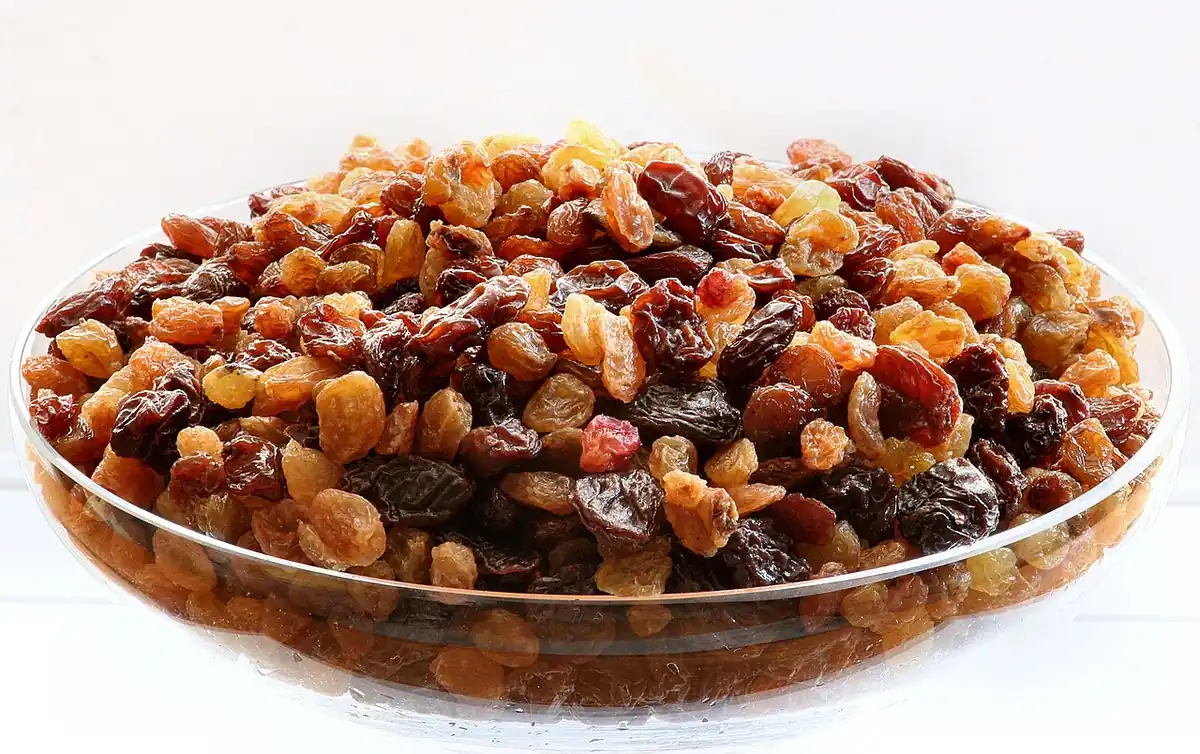
Raisins are dried grapes, so they carry the same risk as grapes — only more concentrated. They can cause sudden kidney failure, and there is no established safe dose. Treat any ingestion as an emergency and call your veterinarian right away.
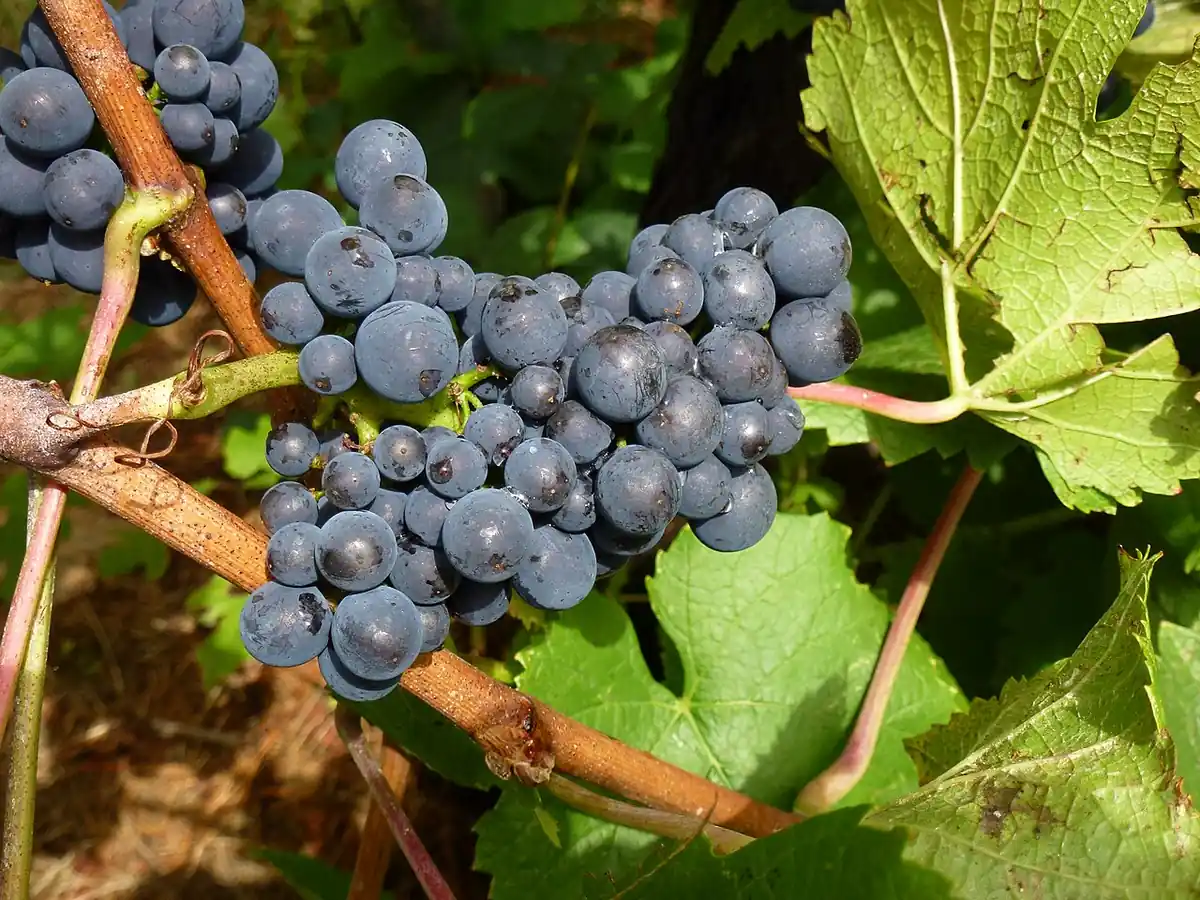
Grapes, raisins, currants, and sultanas are toxic to dogs and can cause sudden kidney failure. There is no established safe dose — even small amounts have caused illness in some dogs — and the exact toxin is still not firmly identified, though tartaric acid is the leading proposed cause. Treat any ingestion as an emergency and call your veterinarian right away.
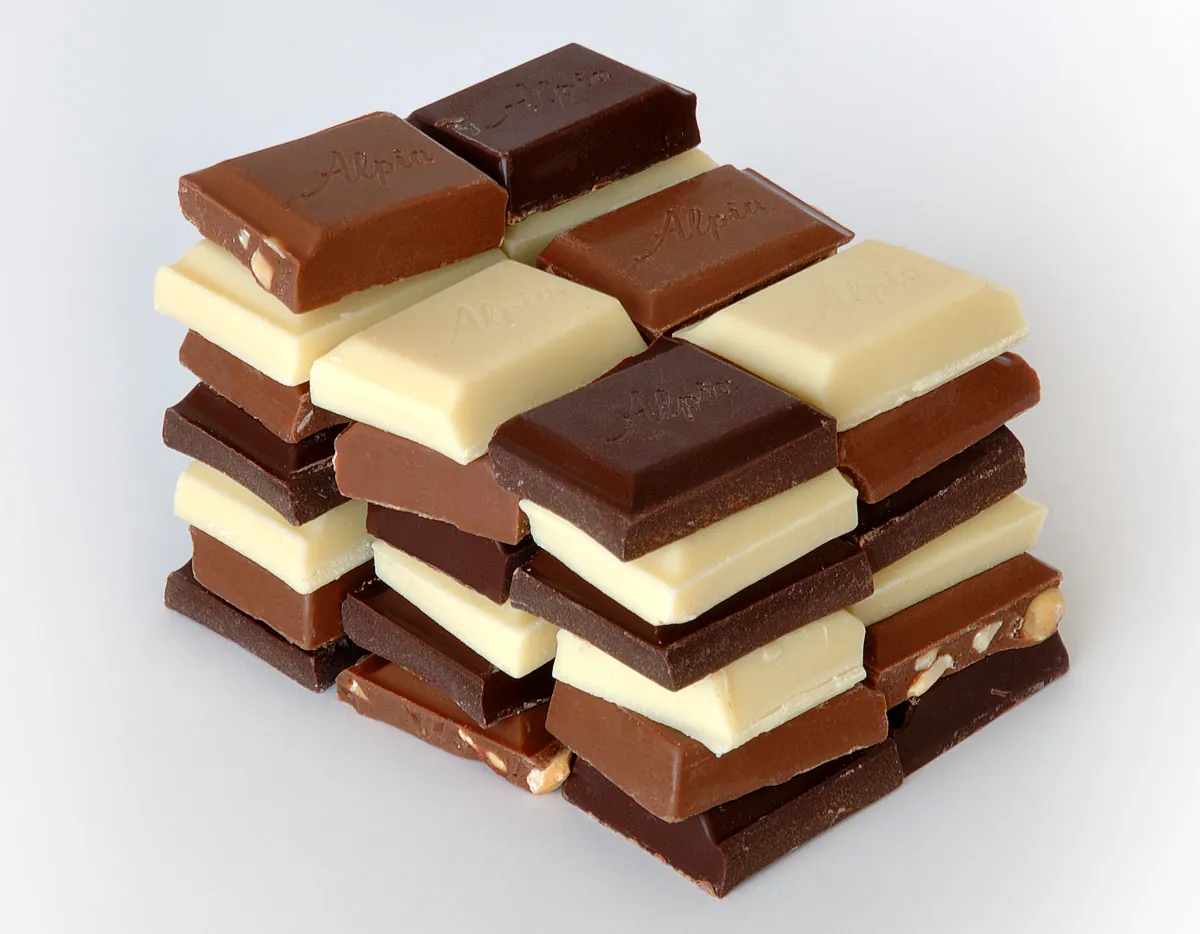
Chocolate is toxic to dogs because of theobromine and caffeine. How dangerous it is depends on the type of chocolate, the amount eaten, and the dog's weight — dark chocolate, baking chocolate, and cocoa powder are dangerous in much smaller amounts than milk chocolate. Call your vet right away if your dog eats chocolate.
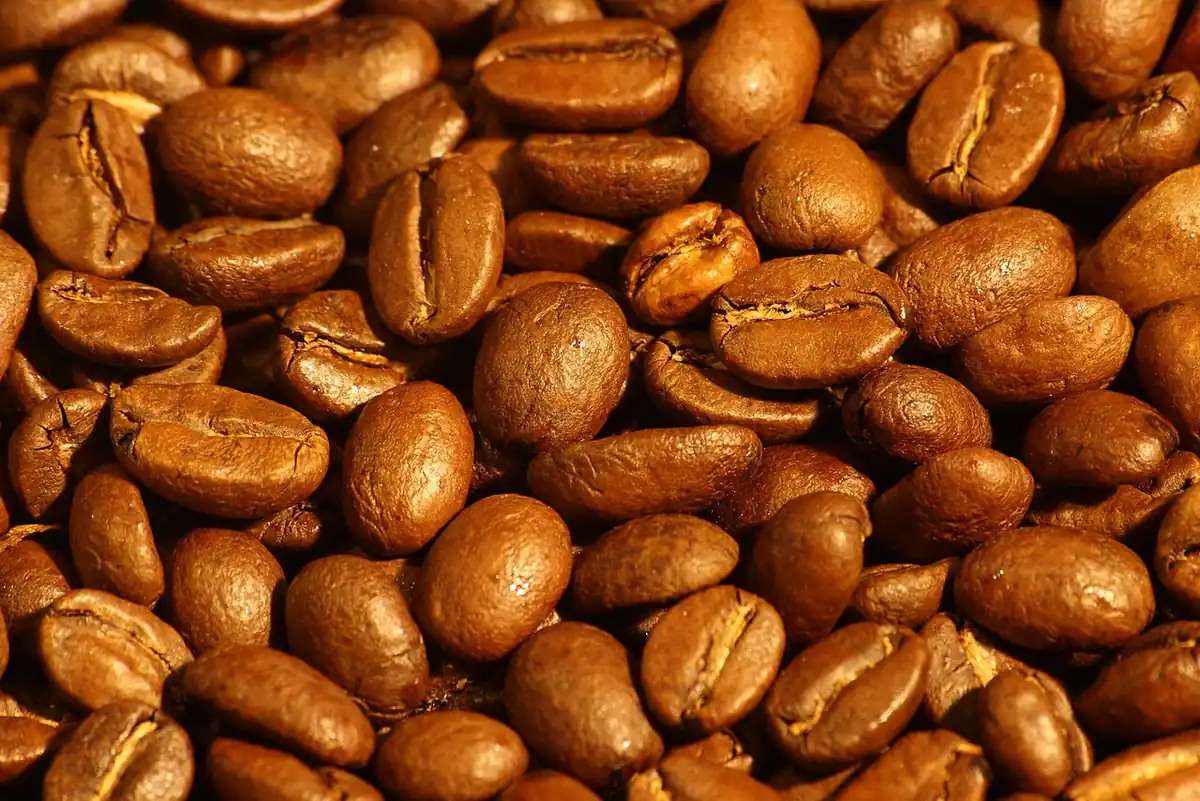
Coffee is toxic to dogs because it contains caffeine, a methylxanthine stimulant. Even one cup can be enough to cause signs in a small dog, and grounds, beans, and caffeine pills are more concentrated still. Call your veterinarian if your dog drinks coffee or eats grounds or beans.