Are Olives Toxic to Dogs? What Every Owner Should Know
Olives are not toxic to dogs — but they are not a safe treat either.
Olives are not toxic to dogs, but plain, pitted olives should only be given rarely and in tiny amounts. The real risks are the pits, which can choke or block the gut, the salt in brine, and garlic or blue cheese stuffings.
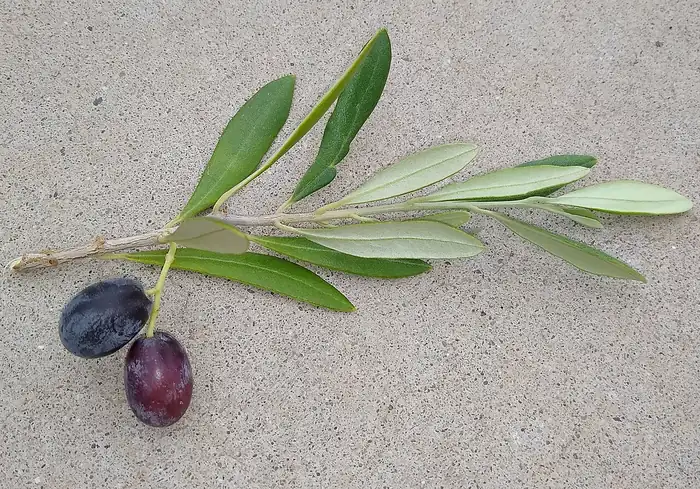

- Item
- Olives
- Scientific name
- Olea europaea
- Also called
- Black olives, Green olives, Kalamata olives
- Category
- Foods
- Verdict
- Caution
- Symptoms start
- Signs of stomach upset from too many olives usually appear within a few hours of eating. For salt, the Merck Veterinary Manual says excess salt intake in dogs results in vomiting within several hours, which can progress to weakness, diarrhea, muscle tremors, and seizures. Onset of a blockage from a swallowed pit is not on a fixed schedule and depends on where the pit lodges.
Olives are not toxic to dogs, but they are not a good treat either. PetMD puts it plainly: olives are not a great match for dogs, but they are not toxic for them. The olive flesh itself contains no poison, and one or two plain, pitted olives should not cause harm.
The risks come from everything around the olive: the pit, the salt in the brine, and the stuffings and seasonings that jarred olives often carry. The American Kennel Club (AKC) agrees that olives can be safe in small quantities, but warns that the pits can choke a dog or block its gut.
If your dog ate it — what to do now
- Work out what your dog ate — plain or stuffed, pitted or not, and how many — and keep the jar or label if you have it.
- Watch your dog for vomiting, diarrhea, gagging, belly pain, or straining over the next few hours.
- Call your veterinarian or ASPCA Animal Poison Control Center at (888) 426-4435 (a consultation fee may apply) if your dog swallowed a pit, ate a stuffed olive, ate a large amount, or is showing any symptoms.
- Keep fresh drinking water available, but do not force your dog to drink.
- Go to the nearest veterinary clinic at once if your dog is gagging, struggling to breathe, in pain, trembling, or having a seizure.
Do not do this
- Do not induce vomiting unless a veterinarian tells you to.
- Do not give olives with pits, and do not assume a pit will pass on its own.
- Do not offer marinated, stuffed, or alcohol-soaked olives.
- Do not give your dog the brine or let your dog drink from an olive jar.
- Do not force your dog to drink water, and do not use home remedies as a substitute for veterinary care.
Why olives are not toxic but still need care
Olives contain no ingredient that poisons dogs. Both PetMD and the AKC state this directly: the fruit is not toxic, and plain, pitted olives rarely cause problems. Unlike grapes or raisins, the olive (Olea europaea) has no known toxic compound for dogs.
That is only half the story. PetMD warns that olives are packed with salt and fat and offer little in the way of vitamins and minerals that a dog needs, since a complete dog food already covers them. Too many olives can lead to gas, diarrhea, or vomiting, and the AKC adds that too many add unnecessary calories. How olives are prepared matters as much as the olive itself: marinated olives, stuffed olives, or olives soaked in alcohol should never be shared, because the added ingredients can cause serious harm. Garlic, onions, blue cheese, and alcohol are all toxic to dogs, according to PetMD.
- Olive flesh: no toxic principle — not poisonous to dogs
- Main risks: the pit, the salt in brine, the fat, and stuffings or seasonings
- Black and green olives: both not toxic, both very high in sodium
How many olives are dangerous for dogs?
There is no established toxic dose for olives, because there is no toxin in the flesh to measure a dose against. The question is how much salt, fat, and pit your dog swallowed. PetMD's practical line is that one or two plain olives with the pit removed should not cause harm, while too many can lead to gas, diarrhea, and vomiting.
The salt is where a number does exist — for salt, not olives. The Merck Veterinary Manual says that in dogs, signs of salt toxicosis can appear after eating 2-3 grams of salt per kilogram of body weight, and the acute lethal dose is around 4 grams per kilogram. A jar of brine-packed olives can hold a lot of salt, which is why a dog that raids a whole jar is in a different situation from a dog that eats a single olive. The AKC's advice matches: if your dog eats a large amount of olives, contact your veterinarian, especially if the olives still contain pits.
- No toxic dose for olive flesh — there is no poison to measure a dose against
- PetMD: one or two plain, pitted olives should not cause harm
- Too many olives: gas, diarrhea, or vomiting
Symptoms to watch for after a dog eats olives
Most dogs that eat one or two plain, pitted olives show no symptoms at all. When symptoms do appear, they usually come from eating too many: PetMD lists gas, diarrhea, and vomiting. Lethargy can follow, and a dog that ate a large amount may look uncomfortable and refuse food. Repeated vomiting or diarrhea needs a veterinarian.
A swallowed pit looks different and is more urgent. The AKC warns that a pit can choke a dog or block its airways, lodge in the intestinal tract, or crack a tooth. Watch for gagging, drooling, pawing at the mouth, difficulty breathing, repeated vomiting, belly pain, or straining without passing stool. A large salt load has its own signs: the Merck Veterinary Manual says excess salt in dogs causes vomiting within several hours, which can progress to weakness, diarrhea, muscle tremors, and seizures. Tremors, seizures, or trouble breathing after any olive eating are an emergency.
- Too many olives: gas, diarrhea, vomiting, lethargy
- Swallowed pit: gagging, drooling, pawing at the mouth, difficulty breathing, vomiting, belly pain, straining
- Too much salt: extreme thirst, vomiting, weakness, muscle tremors, seizures
What to do if your dog eats olives
Stay calm and work out what your dog actually ate: one plain, pitted olive from your plate, or a handful of stuffed olives from a jar? Did any pits go down, and were the olives in brine, marinade, or alcohol? If the olives were stuffed with garlic or blue cheese, that changes the urgency, so keep the jar or label if you have it.
One or two plain, pitted olives usually need nothing more than watching your dog for a few hours for vomiting or diarrhea. Call your veterinarian or the ASPCA Animal Poison Control Center at (888) 426-4435 (a consultation fee may apply) if your dog swallowed a pit, ate a stuffed olive, ate a large amount, or is showing any symptoms. Keep fresh drinking water available, but do not force your dog to drink, and do not try to make your dog vomit unless a veterinarian tells you to. If your dog is gagging, struggling to breathe, or in obvious pain, go to the nearest veterinary clinic at once.
- Work out what your dog ate: plain or stuffed, pitted or not, and how many
- Call your vet or ASPCA Animal Poison Control at (888) 426-4435 (a consultation fee may apply) if your dog ate a pit, a stuffed olive, or a large amount
- Keep fresh water available; do not force your dog to drink or vomit
How to keep your dog safe around olives
Olives usually reach a dog the same way most human food does: from a plate, a salad bowl, or an open jar left on a counter. The simplest rule is not to share olives from your plate at all, and to keep jars and cans in a closed cupboard. A spilled jar is the classic accident, because a dog can eat olives, pits, brine, and glass in one go.
If you do decide to offer an olive, use only a plain, pitted, unsalted one, rinse it first, and give one at most as an occasional treat, not a regular snack. Never offer olives straight from the jar, and never offer marinated, stuffed, or alcohol-soaked olives. Keep olive oil bottles closed and out of reach while you cook, since a knocked-over bottle can lead to a large, fatty meal that risks pancreatitis. Dogs on prescription diets should not get any food outside the diet, as PetMD notes.
- Store jars and cans in a closed cupboard, off low shelves and counters
- Do not share olives from your plate, salad, or martini
- Rinse pitted olives before offering one, and never offer olives straight from the brine
Safe alternatives to olives
Olives offer a dog almost nothing it needs. Blueberries, apple slices, carrot sticks, green beans, and cucumber slices are all plain, low-salt foods that most dogs enjoy, and none of them carries a pit, brine, or stuffing risk. Apple slices need the seeds and core removed first. If you like the idea of healthy fats for your dog's coat, ask your veterinarian about fish oil or a food that already contains the right fats, rather than adding olive oil yourself.
- Blueberries, apple slices, carrots, green beans, cucumber: plain and low in salt
- Apple slices: remove seeds and core first
- Treats of any kind: keep within about 10 percent of daily calories
Symptoms to watch for
- Gas
- Diarrhea
- Vomiting
- Lethargy
- Loss of appetite
- Excessive thirst
- Gagging
- Drooling
- Pawing at the mouth
- Difficulty breathing
- Abdominal pain
- Straining or constipation (possible blockage)
- Weakness
- Muscle tremors
- Seizures
Most dogs show no symptoms after one or two plain, pitted olives. The more serious signs here come from a swallowed pit (choking or blockage) or a large salt load (salt toxicosis, per the Merck Veterinary Manual).
Safe alternatives
- Blueberries — A small, low-salt fruit treat most dogs enjoy.
- Apple slices (no seeds or core) — Crunchy and sweet, without pits or brine.
- Carrot sticks — A crunchy, low-calorie chew with no salt or fat.
- Green beans — A plain, low-calorie vegetable many dogs like.
- Cucumber slices — Cool, crunchy, and low in calories and salt.
What about cats? We could not find a veterinary source that covers olives for cats specifically, so this page is about dogs only. The same pit and salt risks would apply to a cat, so keep olives away from cats as well, and ask your veterinarian if you are unsure.
Frequently asked questions
Can dogs eat black olives or green olives?
Yes, black olives are not toxic to dogs. PetMD says one or two plain black olives with the pit removed should not cause harm, but they are very high in sodium. Green olives are the same: not toxic, but very salty, so share them only in tiny amounts if at all.
Can dogs eat olive pits?
No. Olive pits are not poisonous, but they are a serious physical hazard. The AKC warns that a pit can choke a dog, block its airways, lodge in its intestinal tract, or crack a tooth. Always remove the pit before offering an olive, and call your veterinarian at once if your dog swallows one and starts gagging, vomiting, or straining.
Is olive oil safe for dogs?
Yes, in very small amounts. PetMD says olive oil is not toxic to dogs and can be a healthy addition in very small amounts, but eating too much oil at once can cause pancreatitis, a serious inflammation of the pancreas. Talk to your veterinarian before adding olive oil to your dog's food, and skip flavored or garlic-infused oils.
Can dogs eat stuffed olives?
No. Stuffed olives often contain garlic, blue cheese, or other fillings, and PetMD warns that garlic is toxic to dogs while blue cheese may contain a chemical that is toxic to dogs. If your dog eats a stuffed olive, especially one with garlic or blue cheese, contact your veterinarian right away.
Sources
- PetMD — Can Dogs Eat Olives?
- American Kennel Club — Can Dogs Eat Olives?
- Merck Veterinary Manual — Salt Toxicosis in Animals
Related guides
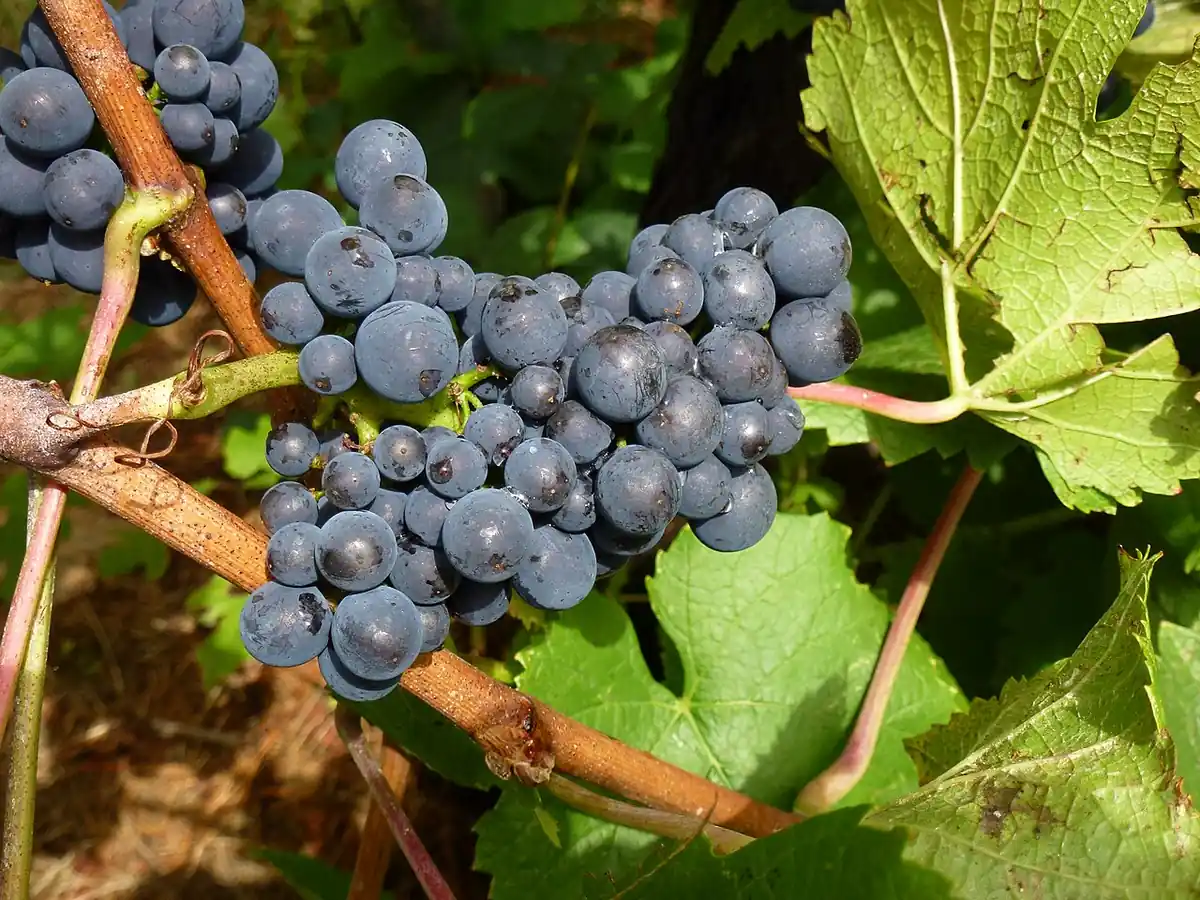
Grapes, raisins, currants, and sultanas are toxic to dogs and can cause sudden kidney failure. There is no established safe dose — even small amounts have caused illness in some dogs — and the exact toxin is still not firmly identified, though tartaric acid is the leading proposed cause. Treat any ingestion as an emergency and call your veterinarian right away.

Sweet almonds are not acutely toxic to dogs, but they can choke a dog, block the gut, and trigger pancreatitis. Do not feed almonds to your dog on purpose.

The flesh of a fresh, pitted cherry is generally considered safe for dogs in small amounts. The pits, stems, and leaves contain amygdalin, which can release cyanide, and whole pits are also a choking and intestinal-blockage risk, especially for small dogs.
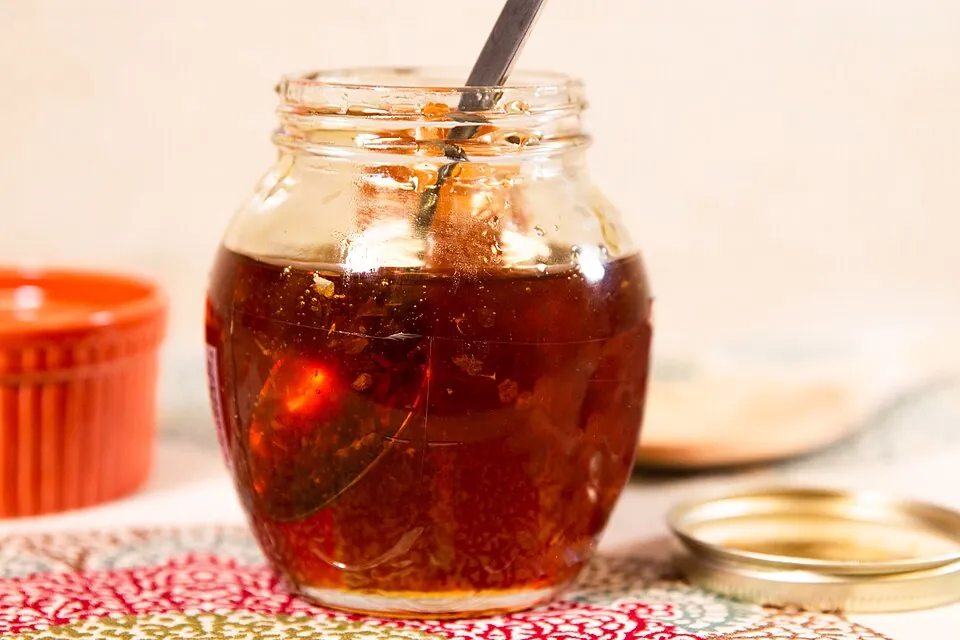
PetMD and the AKC agree that plain honey is not toxic and is safe for healthy adult dogs in small amounts as an occasional treat. Skip it for puppies, diabetic dogs, and dogs with weak immune systems, and never share a honey-flavored product that contains xylitol.