Are Lemons Toxic to Dogs? What Every Owner Should Know
Lemons are listed as toxic to dogs, but the risk is usually mild stomach upset.
The ASPCA lists the lemon plant as toxic to dogs, because of the essential oils (limonene and linalool) and psoralens in the peel, seeds, and leaves. The flesh is less of a concern, and the usual result of eating lemon is vomiting, diarrhea, and drooling — but large amounts, whole lemons with peel, and concentrated lemon products are more serious.
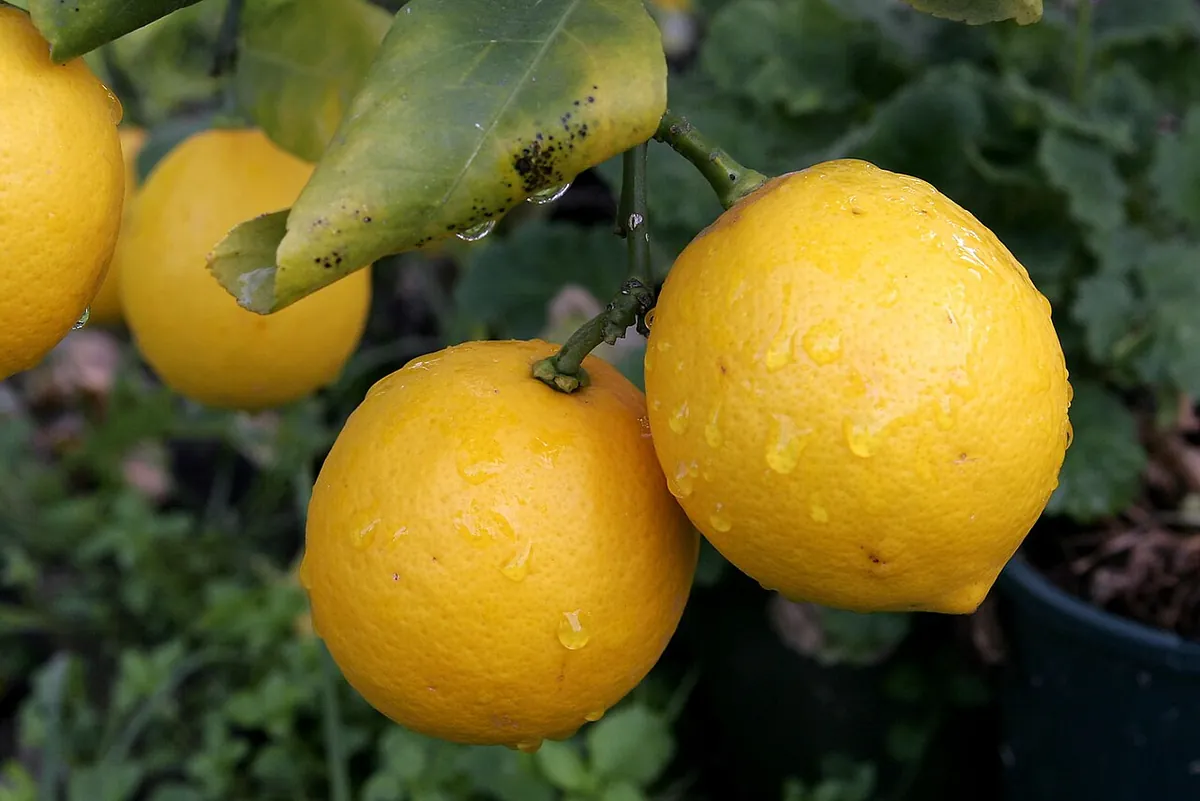

- Item
- Lemons
- Scientific name
- Citrus limon
- Also called
- Lemons, Lemon fruit, Lemon peel
- Category
- Foods
- Verdict
- Caution
- Symptoms start
- Stomach upset often appears within 30 minutes to a few hours after a dog eats lemon. No exact onset time is given in the authoritative sources read; skin irritation from contact with peel or oils can also develop over hours.
Most dogs will turn away from a lemon slice on their own — the sour taste does the work for you. But dogs steal food, chew fallen fruit, and lap up spilled drinks, so it is worth knowing what lemons actually do to a dog.
The ASPCA lists the lemon plant as toxic to dogs, yet the risk is not the same as with grapes or chocolate. A lick of juice is unlikely to cause serious harm, while a whole lemon with the peel on, or a concentrated lemon product, is a different matter. Here is what to know.
If your dog ate it — what to do now
- Call your veterinarian or ASPCA Animal Poison Control Center at (888) 426-4435 (a consultation fee may apply) if your dog eats a whole lemon, a lot of peel, a large amount of juice, or any lemon product containing xylitol.
- Tell them what your dog ate, how much, and when it happened, along with your dog's weight.
- Watch your dog closely for 12 to 24 hours for vomiting, diarrhea, drooling, loss of appetite, trembling, or weakness, and report any of these signs to your veterinarian promptly.
- If your dog shows persistent vomiting, bloody diarrhea, trembling, weakness, or signs of a blockage, seek veterinary care immediately.
- Rinse your dog's mouth and skin with plain water if it has been in contact with lemon peel, juice, or essential oil, and keep it out of direct sunlight if the skin looks irritated.
Do not do this
- Do not give your dog lemons, lemon juice, or lemonade on purpose.
- Do not induce vomiting unless a veterinarian tells you to.
- Do not apply lemon essential oil to your dog's skin or fur, or add it to food or water.
- Do not use lemon-scented cleaning products around your dog without rinsing surfaces and keeping the dog out of the room while you clean.
What makes lemons toxic to dogs?
Lemons carry three groups of compounds that cause trouble for dogs. The first is citric acid, which irritates the lining of the stomach. The second is a pair of essential oils, limonene and linalool, which give lemons their sharp smell and sit mostly in the peel and leaves. The third is a group of plant compounds called psoralens, which can upset the stomach and make skin more sensitive to sunlight.
The ASPCA lists the lemon plant as toxic to dogs, cats, and horses, naming essential oils and psoralens as the toxic principles, with vomiting, diarrhea, depression, and possible skin irritation as the signs. PetMD adds an important detail: while the pulpy flesh is not toxic to dogs, the peel is a different story, because it contains the psoralens, limonene, and linalool. The fruit itself is edible, the ASPCA entry says, but the skins and plant material can cause problems. In short, the risk sits mostly in the peel, the seeds, and the leaves — not in a small taste of the flesh.
How much lemon is dangerous for a dog?
There is no established toxic dose for lemons in dogs, and the answer depends on which part your dog ate and how much of it. A single lick of juice, or a small taste of the flesh, is unlikely to cause serious harm in a healthy adult dog, though it may still cause drooling. A dog that chews a whole lemon, eats a slice with the peel on, or laps up a glass of lemonade has taken in far more citric acid and essential oils at once.
PetMD notes that very small, elderly, or unwell dogs may be more at risk than healthy adult dogs. Eating lemon peel can also cause an intestinal obstruction, which PetMD calls a life-threatening emergency, because the tough rind does not break down easily. Large amounts of lemon — especially lemon juice, which is more concentrated than the fruit — can make a dog very ill. Lemons have no place in a dog's diet, and any meaningful amount is a reason to watch your dog closely and call your veterinarian.
What are the symptoms of lemon poisoning in dogs?
Most dogs that eat lemon show stomach upset first. Vomiting, diarrhea, drooling, loss of appetite, and belly pain are the most common signs, often appearing within 30 minutes to a few hours. The acidity irritates the digestive system directly, and the essential oils add to it. A dog that has eaten peel may also show skin irritation where the oils touched its mouth or skin.
Larger amounts can cause more than stomach upset. PetMD lists trembling, sensitivity to light, lethargy, weakness, and skin irritation among the signs, and the ASPCA lists depression as a possible sign. Psoralens can make skin more sensitive to sunlight, so a dog that has rolled in lemon leaves or peel and then spent time in the sun may develop a rash or redness. In rare cases with large amounts of essential oils, dogs can show nervous-system signs such as tremors or loss of coordination. If your dog shows any of these signs, call your veterinarian.
What to do if your dog eats lemon
First, work out what your dog ate. A single lick of juice is not an emergency — just watch your dog for a few hours. A whole lemon, a slice with the peel on, a large amount of juice, or any lemon product sweetened with xylitol is a reason to call your veterinarian or ASPCA Animal Poison Control right away. Do not wait for symptoms if your dog ate a large amount or is small, elderly, or unwell.
Note what your dog ate, when it happened, and your dog's weight. Your vet may advise you to monitor your dog at home, or may want to see the dog if there is persistent vomiting, bloody diarrhea, trembling, weakness, or signs of a blockage. Treatment depends on the symptoms, but may include fluids, medication to settle the stomach, and monitoring. Watch your dog for 12 to 24 hours after the incident, and report any worsening signs promptly.
Lemon juice, lemonade, and lemon-flavored foods
Lemon juice is more concentrated than the fruit, and PetMD advises never giving it to your dog. The acidity can irritate the stomach and cause vomiting or diarrhea, and there is no benefit to offset the risk. A dog that laps up spilled lemon juice should be watched for stomach upset, but a small taste is not usually an emergency.
Lemonade is worse than plain juice, because it combines concentrated citric acid with a lot of added sugar. Many sugar-free lemonades contain xylitol, which is highly toxic to dogs — even a small amount can cause a dangerous drop in blood sugar and liver damage. Lemon zest in baked goods, lemon-flavored treats, and lemon candy carry the same concern: the zest is the oily outer peel, and these products are often high in sugar. If your dog gets into any lemon product, check the ingredients for xylitol, and call your veterinarian if it is listed.
Lemon essential oil and lemon cleaning products
Lemon essential oil is far more concentrated than the fruit, and citrus essential oils are toxic to dogs. Never apply lemon oil to your dog's skin or fur, or add it to food or water. Diffusers that fill a room with lemon oil can also irritate a dog's airways and skin, so use them with care and make sure your dog can leave the room.
Lemon-scented cleaning products deserve the same caution. Many contain citrus oils or other chemicals that can irritate a dog's mouth, stomach, and skin, and a dog that licks a freshly cleaned floor or chews a cleaning wipe can become ill. Store cleaning products out of reach, rinse surfaces your dog may lick, and keep your dog out of the room while you clean. If your dog is exposed to a concentrated lemon product, call your veterinarian or ASPCA Animal Poison Control.
Safe alternatives to lemons
If you want to share fruit with your dog, there are much better choices than lemon. Blueberries are small, soft, and easy to serve whole, and they are one of the most commonly recommended dog-safe fruits. Pitted apple slices are another good option — just remove the core and seeds first. Plain canned pumpkin, without added spices or sugar, is a gentle addition to a dog's food that many owners use for sensitive stomachs.
Plain vegetables work well too. Cooked carrots or green beans are crunchy, low in sugar, and carry none of the acidity or oils in a lemon. Introduce any new food in small amounts, keep treats under 10 percent of daily food, and check with your veterinarian first if your dog has a health condition or is on a prescription diet.
Symptoms to watch for
- Vomiting
- Diarrhea
- Drooling
- Loss of appetite
- Abdominal pain
- Lethargy
- Weakness
- Trembling
- Sensitivity to light
- Skin irritation or rash
- Depression
- Loss of coordination
Stomach upset often appears within 30 minutes to a few hours; skin irritation from peel or oils can develop over hours. Severe nervous-system signs are rare and linked to large amounts.
Safe alternatives
- Blueberries — Small, soft, and easy to serve whole, blueberries are a commonly recommended dog-safe fruit.
- Pitted apple slices — Apple flesh is dog-safe once the core and seeds are removed; serve in small pieces.
- Plain canned pumpkin — Plain pumpkin (not pie filling) is a gentle, commonly used addition to a dog's food.
- Plain cooked carrots or green beans — Plain vegetables make a crunchy, low-sugar treat with none of the acidity or oils in a lemon.
What about cats? The ASPCA lists the lemon plant as toxic to cats as well as dogs, and cats are often more sensitive to essential oils than dogs are. Keep lemons, lemon peel, and lemon-scented products away from cats too.
Frequently asked questions
Are lemons toxic to dogs?
Lemons are listed as toxic to dogs by the ASPCA, but the risk is usually mild stomach upset rather than life-threatening poisoning. The peel, rind, seeds, and leaves carry the most of the toxic compounds, while the flesh is less of a concern. Dogs should not be fed lemons, and a dog that eats a whole lemon or a lot of peel should be watched closely.
How much lemon is toxic to a dog?
There is no established toxic dose for lemons in dogs. A single lick of juice is unlikely to cause serious harm, but eating a whole lemon, a slice with the peel on, or a large amount of juice can cause vomiting, diarrhea, and drooling. Small, elderly, or unwell dogs are more at risk. If your dog eats a whole lemon or a lot of peel, call your veterinarian.
Can dogs drink lemon juice or lemonade?
No. Lemon juice is more concentrated than the fruit, and PetMD advises never giving it to your dog. The high acidity irritates the stomach and can cause vomiting and diarrhea. Lemonade is worse still, because it adds a lot of sugar, and sugar-free lemonade may contain xylitol, which is highly toxic to dogs.
Is lemon essential oil dangerous for dogs?
Yes. Lemon essential oil is much more concentrated than the fruit, and citrus essential oils are toxic to dogs. Keep lemon oil, diffusers, and lemon-scented cleaning products away from your dog, and never apply lemon oil to your dog's skin or fur. If your dog is exposed to a concentrated product, call your veterinarian.
Sources
- PetMD — What Fruits Can Dogs Eat?
- PetMD — What Can Dogs NOT Eat?
- ASPCA Poison Control — People Foods to Avoid Feeding Your Pets
- ASPCA Poison Control — Toxic and Non-Toxic Plant List — Cats
Related guides

The ASPCA lists the orange plant as toxic to dogs because of essential oils and psoralens in its peel and plant material, while PetMD and the AKC say the peeled, seedless flesh is safe in small amounts. Serve flesh only, peeled and seedless, and never the peel, seeds, or plant.
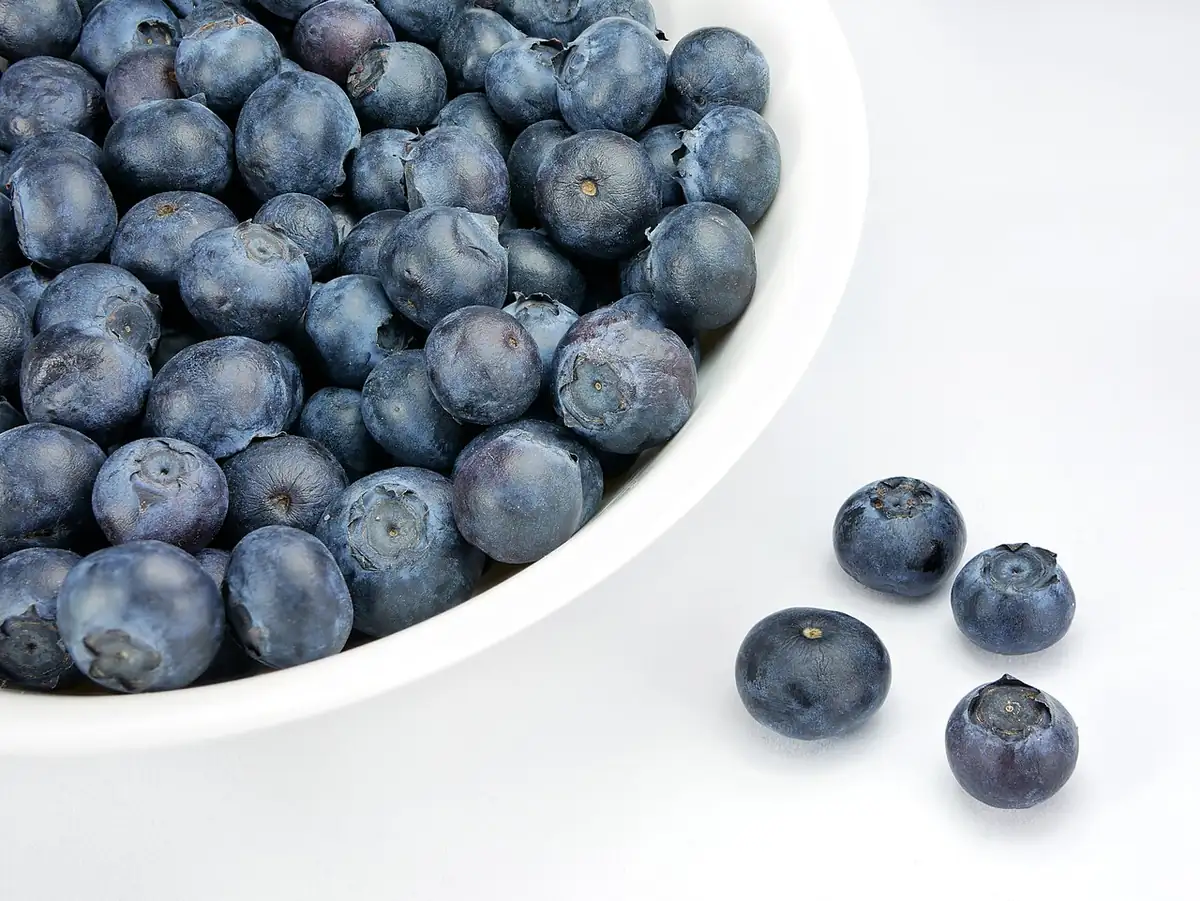
Blueberries are safe for most dogs when served plain and in moderation. They are rich in antioxidants, fiber, vitamins, and minerals. Avoid canned, sweetened, or syrup-packed blueberries, and keep portions small.

Sweet almonds are not acutely toxic to dogs, but they can choke a dog, block the gut, and trigger pancreatitis. Do not feed almonds to your dog on purpose.
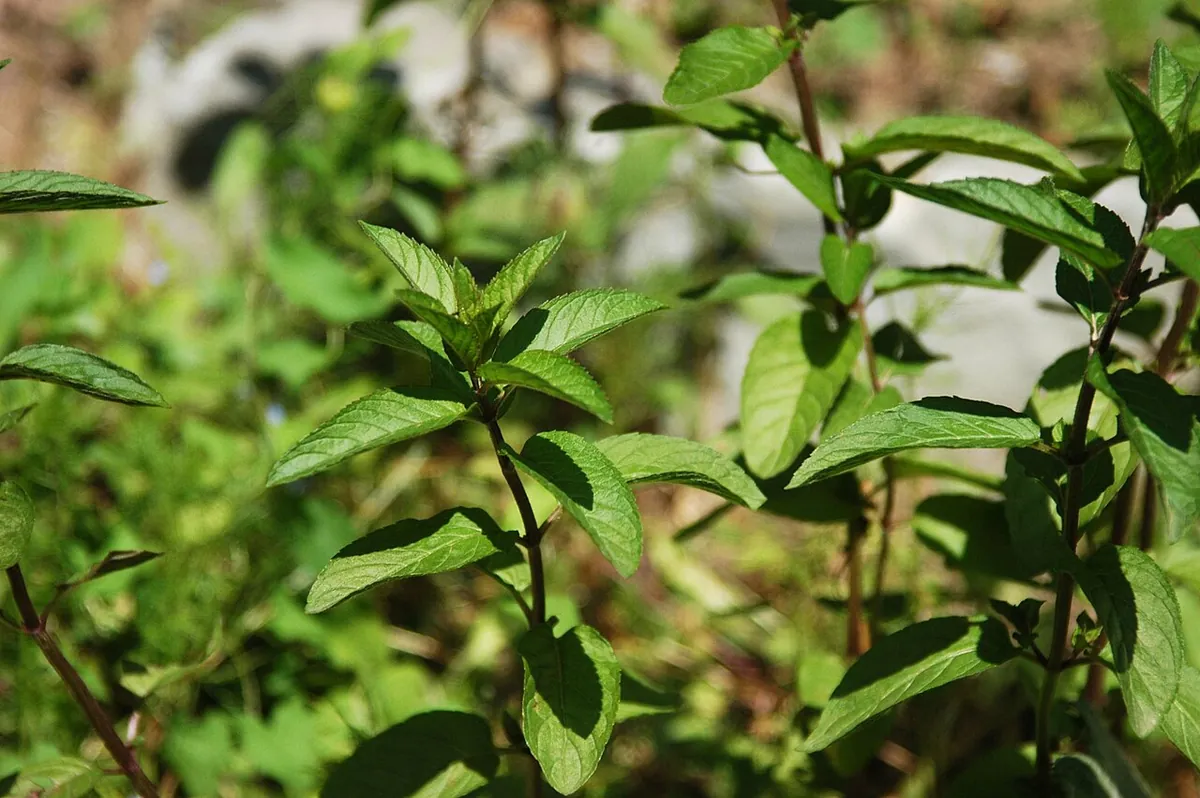
VCA Animal Hospitals lists peppermint among the essential oils poisonous to dogs. Undiluted oil can harm your dog whether it is swallowed, put on the skin, or breathed in from a diffuser.