Are Pistachios Toxic to Dogs? What Every Owner Should Know
Pistachios are not toxic to dogs, but they are not safe to share either.
PetMD and the American Kennel Club agree pistachios are not acutely toxic to dogs. But their high fat can trigger pancreatitis, salted nuts and shells add further risk, and mold on pistachios can produce liver-damaging aflatoxin, so dogs are best kept away from them.
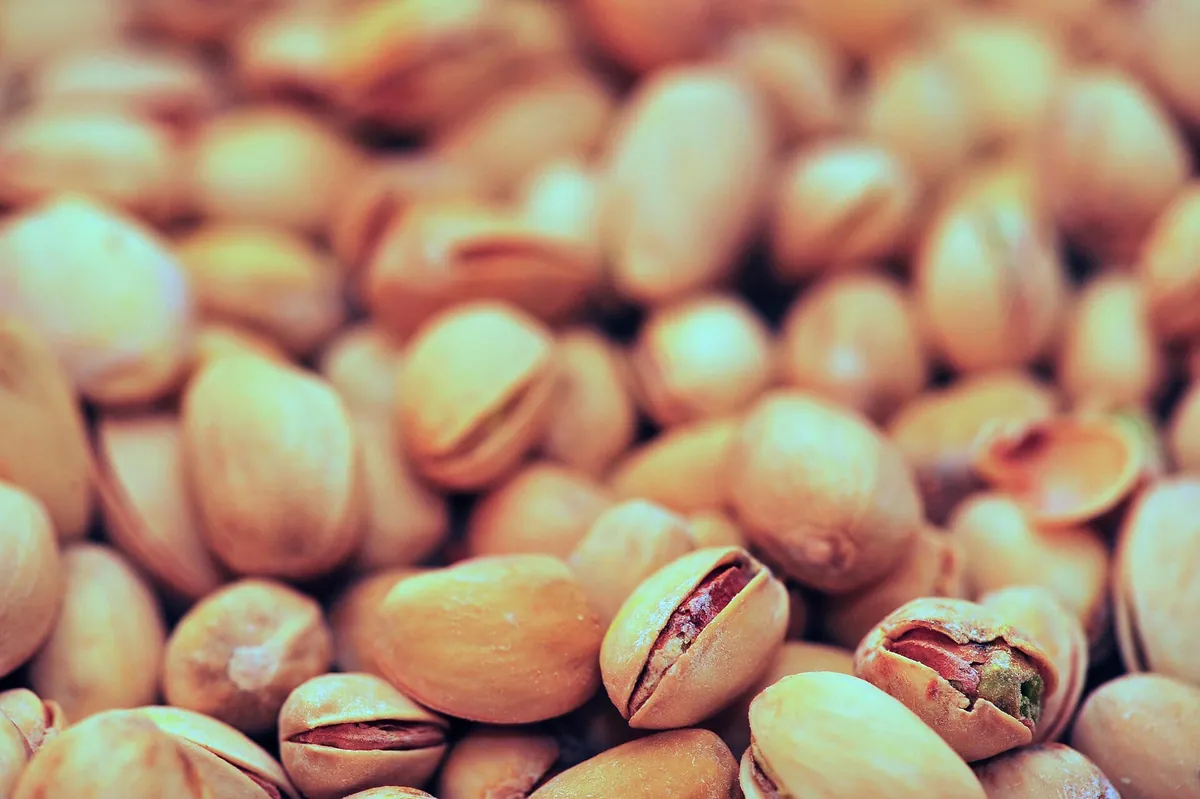

- Item
- Pistachios
- Scientific name
- Pistacia vera
- Also called
- Pistachio nuts, Pistacia vera nuts
- Category
- Foods
- Verdict
- Caution
- Symptoms start
- Stomach upset and pancreatitis signs can appear within hours of eating a large amount of pistachios. Aflatoxin effects on the liver take longer, typically developing over 24 to 72 hours, and a blockage from shells can take hours to days to show. Watch your dog for at least 72 hours after a large or moldy ingestion.
Pistachios are a popular snack: salty, crunchy, and usually eaten by the handful straight from the shell. It is natural to wonder whether your dog can share them, especially when those hopeful eyes watch every nut you crack. The answer is more complicated than a simple yes or no.
Pistachios are not toxic to dogs in the way grapes or macadamia nuts are. PetMD states plainly that pistachios are not toxic to dogs, and the American Kennel Club's chief veterinary officer agrees. But not toxic does not mean safe: pistachios are high in fat and calories, usually sold salted, their shells are a choking hazard, and mold on them can produce aflatoxin, a liver-damaging toxin. That combination is why this page gives pistachios a caution verdict.
If your dog ate it — what to do now
- Work out what your dog ate: how many nuts, shelled or in the shell, salted or plain, and whether they looked or smelled moldy.
- Call your veterinarian the same day if the amount was large, the nuts were moldy, your dog has had pancreatitis before, or any symptoms appear.
- If your dog is choking, check the mouth and throat for visible objects and contact your veterinarian right away.
- Watch your dog for at least 72 hours for vomiting, diarrhea, abdominal pain, lethargy, jaundice, or signs of a blockage.
- Seek emergency care if your dog collapses, cannot breathe, vomits repeatedly, or shows severe lethargy.
- Bring the pistachio packaging with you if you go to the veterinary clinic, so the vet can see whether the nuts were salted or flavored.
Do not do this
- Do not feed your dog pistachios regularly or in large amounts, and skip them entirely if your dog has had pancreatitis or is on a prescription diet.
- Do not give your dog pistachios in their shells — the shells are a choking hazard and can block or injure the gut.
- Do not offer salted, flavored, or moldy pistachios, or nuts that smell musty or have been sitting open.
- Do not give your dog pistachio ice cream or pistachio desserts, which can contain xylitol or chocolate.
- Do not induce vomiting unless a veterinarian tells you to.
- Do not leave bowls of pistachios or mixed nuts where your dog can reach them — mixed nuts may contain toxic macadamia nuts.
- Do not use home remedies as a substitute for veterinary care if symptoms appear.
Why pistachios are risky for dogs
Pistachios contain no poison that targets dogs the way macadamia nuts do, and a dog that steals one or two plain, shelled nuts is unlikely to suffer more than a mild stomach upset. PetMD and the American Kennel Club's chief veterinary officer, Dr. Jerry Klein, both say the same, which is why this page does not call them toxic. The risks come from four directions at once. First, pistachios are high in fat and calories, like all nuts, and a dog's digestive system is not built for rich, fatty food; eating a lot can cause vomiting and diarrhea, and can trigger pancreatitis, a painful inflammation of the pancreas. Second, most pistachios sold for snacking are salted, and salt is unhealthy for dogs. Third, the shells are a choking hazard and can block or injure the gut. Fourth, pistachios are prone to mold: the shell splits open on the tree, letting mold reach the kernel, and that mold can produce aflatoxin, a liver-damaging toxin that can be present even with no visible mold.
How many pistachios can a dog eat?
There is no established safe amount of pistachios for dogs. PetMD's guide for an occasional treat is one nut for an extra-small dog (2-20 pounds), two for a small dog (21-30 pounds), three to four for a medium dog (31-50 pounds), five to six for a large dog (51-90 pounds), and a small handful for an extra-large dog (over 91 pounds) — maximums for an occasional treat, not a daily allowance, with all treats together making up no more than 10 percent of a dog's daily diet. In practice, the safest answer is not to feed pistachios at all: a dog that has had pancreatitis, a dog on a prescription diet, a dog with liver disease, or an overweight dog should get none, and even a healthy dog gains nothing from them. If you do offer one, it should be plain, unsalted, shelled, and crushed first, and never moldy or musty.
Symptoms to watch for after a dog eats pistachios
There are three different problems to watch for. The most common is simple stomach upset from the fat: vomiting, diarrhea, abdominal pain, and loss of appetite, usually within hours of eating a large amount. The more serious version is pancreatitis. PetMD lists severe lethargy, abdominal pain, persistent vomiting, severe dehydration, collapse, and shock as the signs of acute pancreatitis, and says to contact a veterinarian immediately if they appear. Even a small amount of fat can trigger it in a sensitive dog.
The second problem is aflatoxin poisoning from moldy nuts. PetMD lists loss of appetite, sluggishness, vomiting, jaundice, unexplained bruising or bleeding, and diarrhea as the signs, and notes aflatoxin can be present even with no visible mold. The third problem is the shells. A dog that swallows shells or whole nuts may choke, showing panic, pawing at the mouth, coughing, or unresponsiveness, or may develop an intestinal blockage, whose signs include vomiting, loss of appetite, abdominal pain, weakness, lethargy, diarrhea, constipation, and weight loss.
- Vomiting
- Diarrhea
- Abdominal pain
- Loss of appetite
- Lethargy or sluggishness
- Persistent vomiting
- Severe lethargy
- Collapse
- Jaundice (yellow gums or eyes)
- Bruising or bleeding
- Panic, pawing at the mouth, coughing (choking)
- Constipation or straining (blockage)
What to do if your dog eats pistachios
Start by working out what your dog ate: how many nuts, shelled or in the shell, salted or flavored, and did they look or smell moldy? A few plain, shelled nuts in a healthy adult dog is low-concern, but a large amount, a bowl of shells, or old moldy nuts is a reason to call your veterinarian the same day. Describe the amount, the preparation, and your dog's weight, and do not induce vomiting unless a veterinarian tells you to. If your dog is choking, check the mouth and throat and contact your veterinarian right away. Watch your dog for at least 72 hours after a large or moldy ingestion, since aflatoxin effects and a gut blockage can take a day or more to show.
How to keep your dog safe from pistachios
Treat pistachios as your snack, not your dog's. Keep bags and bowls on a high shelf or in a closed cupboard, never leave a bowl of in-shell pistachios on a coffee table, and throw shells in a lidded bin, because dogs scavenge them from the trash. Be careful with mixed nuts too: a mixed bowl may contain macadamia nuts, which are genuinely toxic to dogs. Store pistachios sealed and dry, throw away old or musty nuts, and skip pistachio desserts and ice cream, which add sugar and fat and can contain xylitol or chocolate.
Pistachios vs. other nuts
Not all nuts carry the same risk. Macadamia nuts are the most dangerous common nut for dogs: genuinely toxic, they can cause weakness, vomiting, tremors, and overheating. Walnuts and pecans sit closest to pistachios, with the same high fat and susceptibility to aflatoxin-producing mold, which is why they also carry a caution verdict here. Almonds are similar, with high fat and a choking risk, though less prone to mold, while peanuts and cashews are generally considered among the safer nuts in small amounts, according to PetMD — still fatty and usually salted, so a treat at most.
Safe alternatives to pistachios
Your dog does not need pistachios to get a satisfying crunchy treat. Carrot sticks are the closest match: crunchy, low in calories, and safe for most dogs. Blueberries are another good small treat, sweet and rich in antioxidants, and far safer than any nut, while apple slices (seeds and core removed) and green beans, raw or lightly steamed, are low-calorie crunchy options. If you want something nutty, a small amount of plain peanut butter made for dogs, with no xylitol and no added salt or sugar, is safer than whole pistachios — but keep all treats to no more than 10 percent of your dog's daily diet.
Symptoms to watch for
- Vomiting
- Diarrhea
- Abdominal pain
- Loss of appetite
- Lethargy or sluggishness
- Severe lethargy
- Persistent vomiting
- Severe dehydration
- Collapse
- Jaundice (yellow gums or eyes)
- Unexplained bruising or bleeding
- Panic, pawing at the mouth, or coughing (choking)
- Constipation or straining (blockage)
Stomach upset and pancreatitis signs can appear within hours of eating a large amount. Aflatoxin effects on the liver usually take 24 to 72 hours to show, and a blockage from shells can take hours to days. Watch your dog for at least 72 hours after a large or moldy ingestion.
Safe alternatives
- Carrot sticks — Crunchy, low in calories, and safe for most dogs, giving the same satisfying crunch as a nut without the fat.
- Blueberries — Small, sweet, and rich in antioxidants, and a much safer small treat than pistachios.
- Apple slices (no seeds or core) — Crisp and sweet, but remove the seeds and core first, since apple seeds contain amygdalin.
- Green beans — Low in calories and easy to offer raw or lightly steamed as a crunchy snack.
Frequently asked questions
Are pistachios toxic to dogs?
Pistachios are not toxic to dogs, but they are not a safe treat either. PetMD states plainly that pistachios are not toxic to dogs, and the American Kennel Club's chief veterinary officer says the same. The risks are the high fat content, the salt on most shop-bought pistachios, the shells, and mold that can grow on the nuts. Because of those risks, most veterinarians advise against feeding pistachios to dogs at all.
My dog ate a few pistachios. Will it be OK?
A few plain, shelled pistachios are unlikely to poison a healthy dog, but they can still cause stomach upset, and in a dog sensitive to fat, even a few can trigger pancreatitis. PetMD suggests at most one nut for an extra-small dog and a small handful for an extra-large dog as an occasional treat, but the safest choice is to skip pistachios and offer a dog-safe treat instead.
Can dogs eat pistachio shells?
No. The shells are a choking hazard and can cause an intestinal blockage, and their sharp edges can injure the gut. Always remove shells before offering any nut, and keep bowls of in-shell pistachios out of your dog's reach.
Can dogs eat pistachio ice cream?
No. Pistachio ice cream is high in sugar and fat, and some ice creams contain ingredients that are toxic to dogs, such as xylitol or chocolate. Many dogs are also lactose intolerant. A small dropped lick is unlikely to cause serious harm, but do not offer pistachio ice cream as a treat.
Sources
- PetMD — Can Dogs Eat Pistachios?
- Green Matters — Can Dogs Have Pistachios? What Experts Say About This Snack
- Petco — Can Dogs Eat Pistachios? What Pet Parents Must Know
- Wild Earth — Why Dogs Should Avoid Pistachios
Related guides
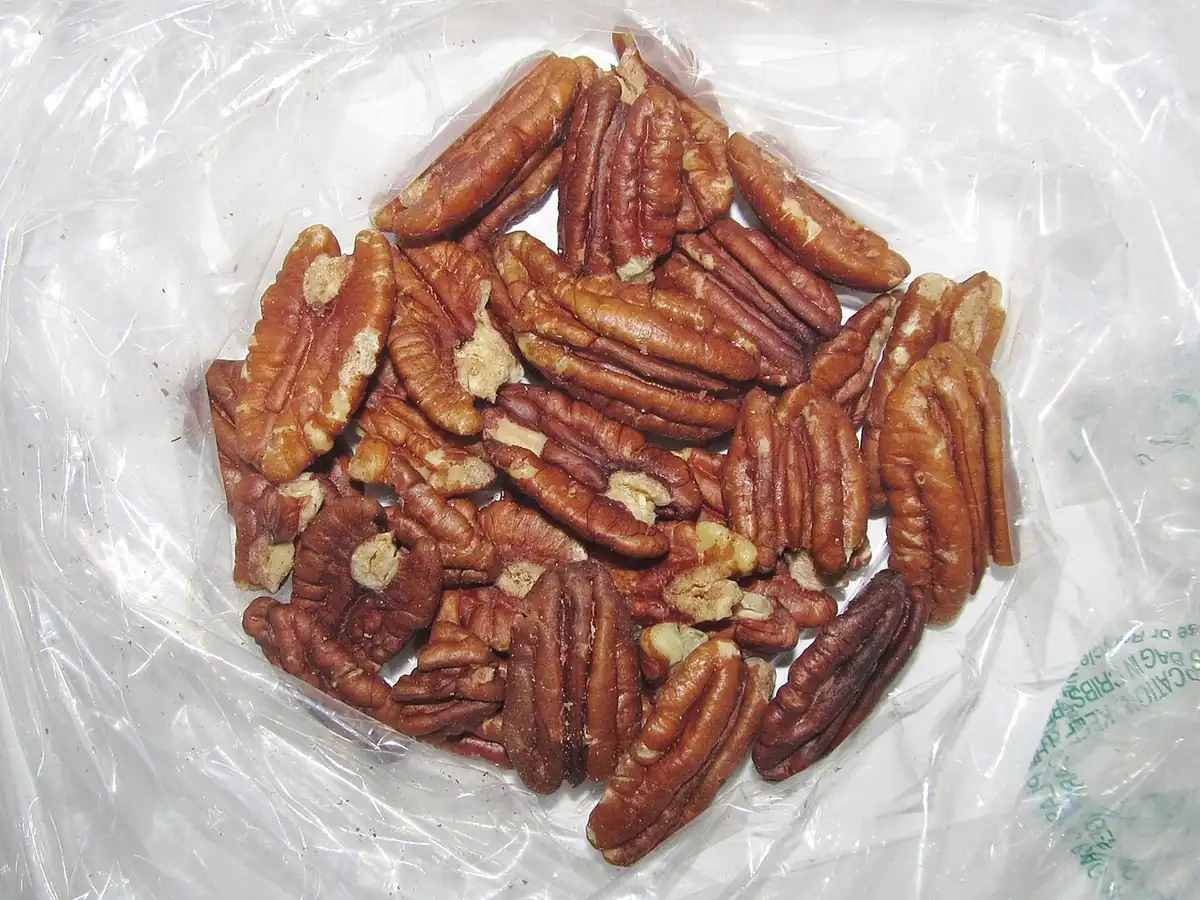
Pecans are not classed as toxic to dogs, but they are very high in fat, a choking hazard, and moldy pecans can cause tremors, seizures, and liver damage — so do not feed them to your dog.
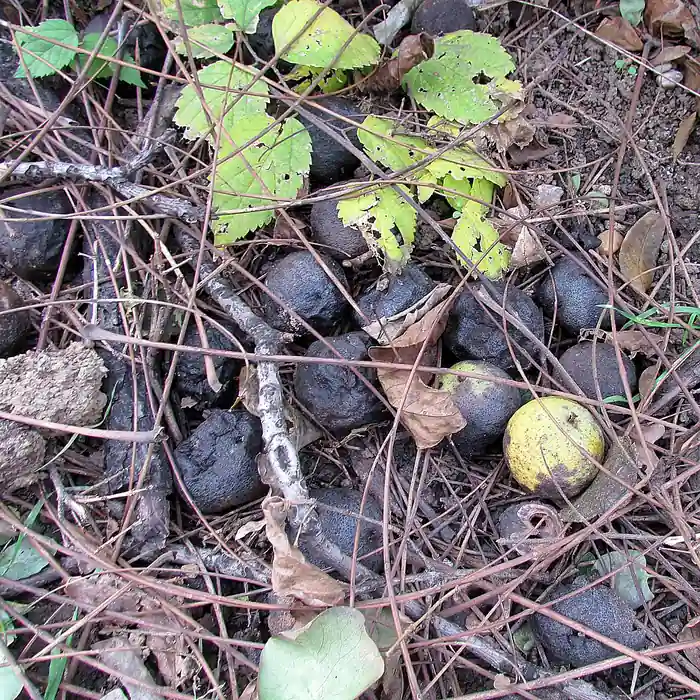
Black walnuts are toxic to dogs, and moldy walnuts of any kind can cause tremors and seizures. Fresh English walnuts are not acutely toxic, but they are fatty, a choking hazard, and prone to mold — so do not feed walnuts to your dog.
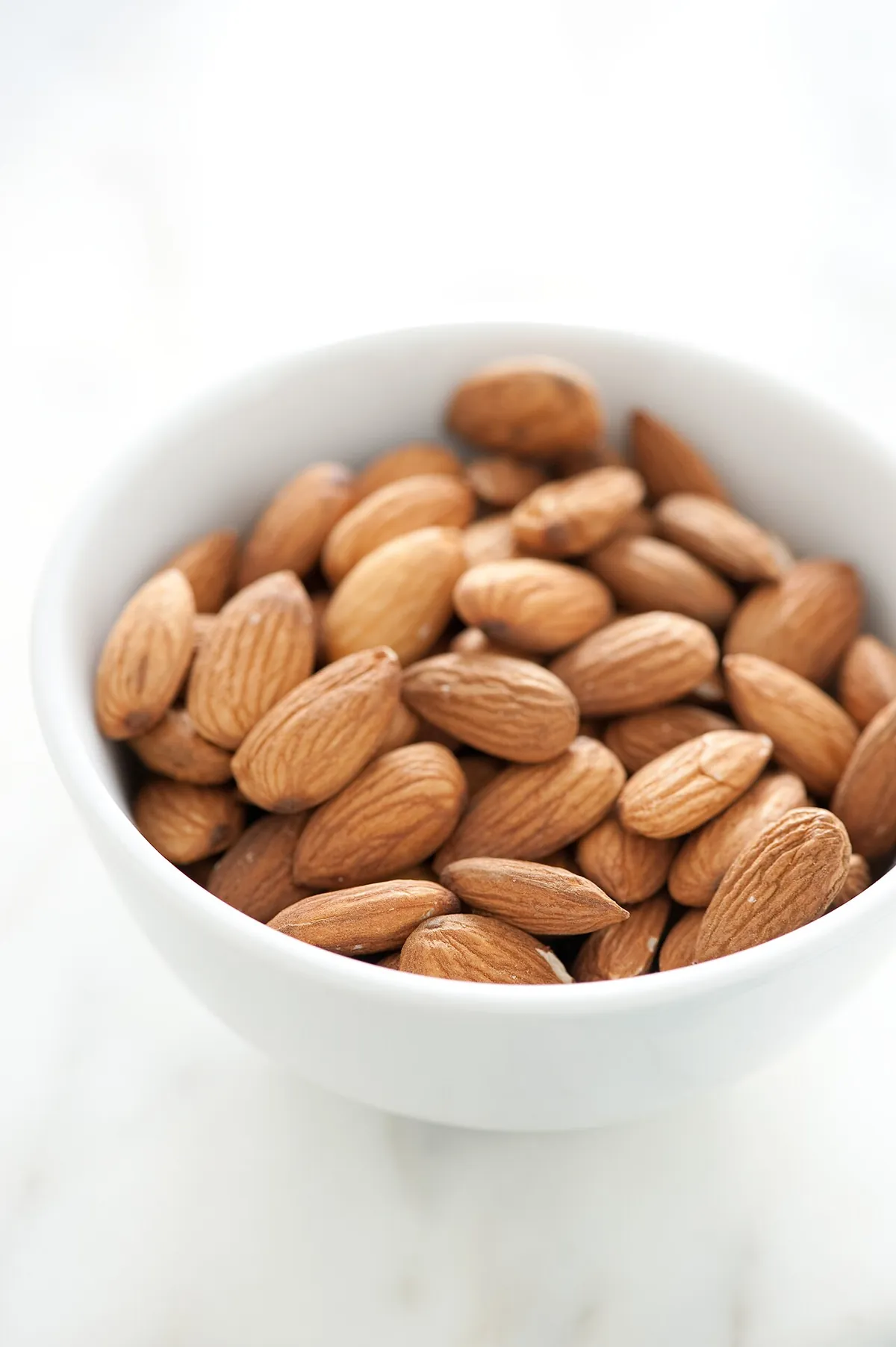
Sweet almonds are not acutely toxic to dogs, but they can choke a dog, block the gut, and trigger pancreatitis. Do not feed almonds to your dog on purpose.
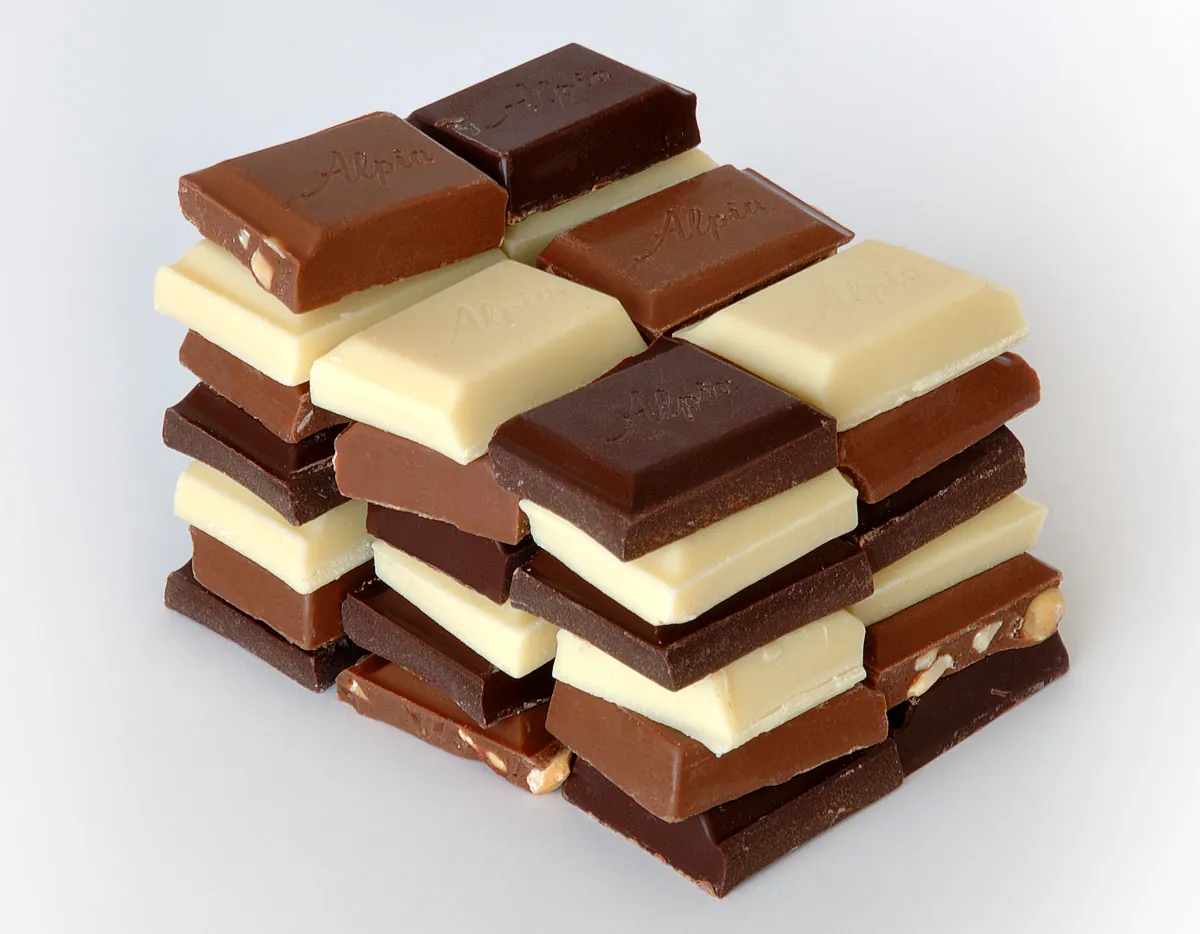
Chocolate is toxic to dogs because of theobromine and caffeine. How dangerous it is depends on the type of chocolate, the amount eaten, and the dog's weight — dark chocolate, baking chocolate, and cocoa powder are dangerous in much smaller amounts than milk chocolate. Call your vet right away if your dog eats chocolate.