Are Pecans Toxic to Dogs? What Every Owner Should Know
Not classed as toxic — but do not feed pecans to your dog.
Pecans are not classed as toxic to dogs, but they are very high in fat, a choking hazard, and moldy pecans can cause tremors, seizures, and liver damage — so do not feed them to your dog.

- Item
- Pecans
- Scientific name
- Carya illinoinensis
- Also called
- Pecan, Sweet pecan
- Category
- Foods
- Verdict
- Caution
- Symptoms start
- Stomach upset usually appears within hours. Tremors from moldy pecans can start within 1-2 hours or up to several hours after eating, according to the Merck Veterinary Manual.
Pecans are not classed as toxic to dogs, but they are not safe to feed either. PetMD says pecans are not toxic, yet warns they can cause vomiting, diarrhea, and pancreatitis, and that moldy ones can cause tremors and seizures. The AKC goes further and calls pecans toxic, pointing to a compound called juglone.
The safest way to read all of that is simple: do not feed pecans to your dog on purpose. This page explains the fat risk, the mold risk, the juglone disagreement, and what to do if your dog eats one.
If your dog ate it — what to do now
- Check whether your dog is choking, gagging, or struggling to breathe — if so, seek emergency veterinary care immediately.
- If your dog ate a moldy pecan, or is showing tremors, seizures, wobbliness, or repeated vomiting, call your veterinarian or the ASPCA Animal Poison Control Center at (888) 426-4435 right away (a consultation fee may apply).
- Tell them how many pecans your dog ate, whether they were shelled or moldy, and when it happened, along with your dog's weight.
- Watch for vomiting, diarrhea, loss of appetite, lethargy, tremors, seizures, or signs of a gut blockage, and call your veterinarian promptly if any of these appear.
- If your dog ate only one or two fresh pecans and seems fine, your veterinarian may advise watching at home — follow their instructions.
Do not do this
- Do not induce vomiting unless a veterinarian tells you to.
- Do not give home remedies, milk, or activated charcoal on your own.
- Do not wait to see if tremors or seizures pass — they are an emergency.
- Do not assume a pecan is safe because it looks fresh — mold is not always visible.
- Do not feed pecans as a treat, even fresh ones, and do not let your dog scavenge fallen nuts.
What makes pecans risky for dogs?
The first risk is fat. Pecans are roughly 70 percent fat, and PetMD lists them among the highest-calorie nuts, at about 691 calories per 100 grams raw. Eating too many can cause vomiting and diarrhea, and the fat can trigger pancreatitis, a painful inflammation of the pancreas that PetMD calls potentially fatal. Dogs with a history of pancreatitis, and breeds prone to it, face a higher risk.
The second risk is mold, and it applies most to pecans found on the ground. Fallen pecans lying on damp ground can grow molds that produce tremorgenic mycotoxins, the same toxins the Merck Veterinary Manual links to moldy walnuts. The Merck manual names penitrems A and E, roquefortine C, verruculogen, and thomitrems. Pecans can also develop aflatoxin, produced by Aspergillus mold growing on the shells, and the AKC notes that aflatoxin poisoning can cause illness or death.
The third risk is the juglone question, and the sources disagree. The AKC, quoting its chief veterinarian Dr. Jerry Klein, says pecans contain juglone, the same compound found in walnuts, and that it can cause severe digestive issues. Other sources note that juglone is mostly found in the green parts of the tree and the unripe hulls, while levels in the kernels are very low or absent, and the ASPCA does not list pecans as toxic. This page does not treat juglone in pecans as settled. The fourth risk is the nut itself: a whole pecan in its hard shell can choke a small dog or block the gut.
- High fat: pecans are about 70 percent fat, and that fat can trigger vomiting, diarrhea, and pancreatitis.
- Mold: fallen or damp pecans can grow molds that produce tremorgenic mycotoxins and aflatoxin, which can cause tremors, seizures, and liver damage.
- Shells and whole nuts: hard shells can choke a dog or block the gut, and a pecan can be moldy without looking it.
How many pecans are dangerous for a dog?
There is no established safe dose of pecans for a dog, and the Merck Veterinary Manual states that there are no dose-effect relations for single tremorgenic toxins. The risk depends on whether the pecans were fresh or moldy, your dog's size, and how much it ate.
PetMD gives a useful comparison: one fresh pecan is unlikely to harm a healthy dog, but eating too many can cause stomach upset or pancreatitis. That is not permission to feed them — it is a guide for judging one accident. For moldy pecans, no small amount is fine: if your dog ate one, call your veterinarian right away. Small dogs face a higher risk from the same amount, and dogs with a history of pancreatitis are at higher risk from fat alone.
Symptoms of pecan poisoning in dogs
For fresh pecans, the signs are usually digestive: vomiting, diarrhea, loss of appetite, lethargy, and abdominal pain. These are the same signs as pancreatitis, which needs veterinary diagnosis. A dog that swallowed a whole pecan may also show signs of choking or a gut blockage, including gagging, repeated vomiting, and trouble passing stool.
Moldy pecans can add neurological signs, and these are the emergency. PetMD lists severe tremors and seizures as the result of mycotoxins in moldy pecans. The Merck Veterinary Manual lists vomiting, tremors, hyperesthesia, ataxia, and seizures for tremorgenic mycotoxin poisoning. Aflatoxin from mold on the shells can damage the liver, and signs of liver trouble, such as jaundice, may appear later. A dog that is shaking, wobbly, or having a seizure after eating pecans needs emergency veterinary care at once.
What to do if your dog eats pecans
First, work out what your dog ate: a fresh pecan from the kitchen, a fallen pecan from under a tree, or one that may be moldy. Note how many, whether they were shelled, and when. Check whether your dog is choking or struggling to breathe — if so, seek emergency veterinary care immediately.
If your dog ate a moldy pecan, or is showing tremors, seizures, wobbliness, or repeated vomiting, call your veterinarian or the ASPCA Animal Poison Control Center at (888) 426-4435 right away (a consultation fee may apply). Tell them how many pecans your dog ate, whether they were moldy, when it happened, and its weight.
Your vet may advise watching at home if your dog ate one or two fresh pecans and seems fine, or may ask you to bring it in. Treatment for moldy pecan poisoning can include controlling seizures and tremors, decontaminating the gut, and IV fluids — hospital care, not something to manage at home.
How to keep your dog safe from pecans
Autumn is the dangerous season. Pecan trees, common across the southern and central United States, drop their nuts in fall. The nuts sit on damp ground, where mold grows, and a foraging dog can eat a moldy nut without you noticing. If you have a pecan tree in your yard, pick up fallen nuts promptly and keep your dog away from it during nut season.
- Pick up fallen pecans promptly in autumn, and keep your dog away from pecan trees in nut season.
- Store pecans in sealed containers your dog cannot reach, and clean up dropped nuts right away.
- Do not let your dog scavenge under pecan trees on walks.
- Keep trail mix, baking ingredients, and nut bowls out of reach — trail mix can also contain raisins or chocolate.
Safe alternatives to pecans
For a crunchy treat, offer plain cooked carrots or green beans cut to a size your dog can chew. Blueberries and small pieces of plain cooked chicken are also popular, low-risk options for most dogs. Check with your veterinarian first if your dog has a health condition or prescription diet.
For training, use treats made for dogs rather than nuts from the pantry. They are sized for dogs, their fat content is controlled, and they carry none of the choking, pancreatitis, or mold risk of a pecan. If your dog loves nut butter, ask your veterinarian whether a small amount of plain, xylitol-free peanut butter is a better option — and read the label first, because xylitol is extremely toxic to dogs.
Pecans, walnuts, and macadamia nuts
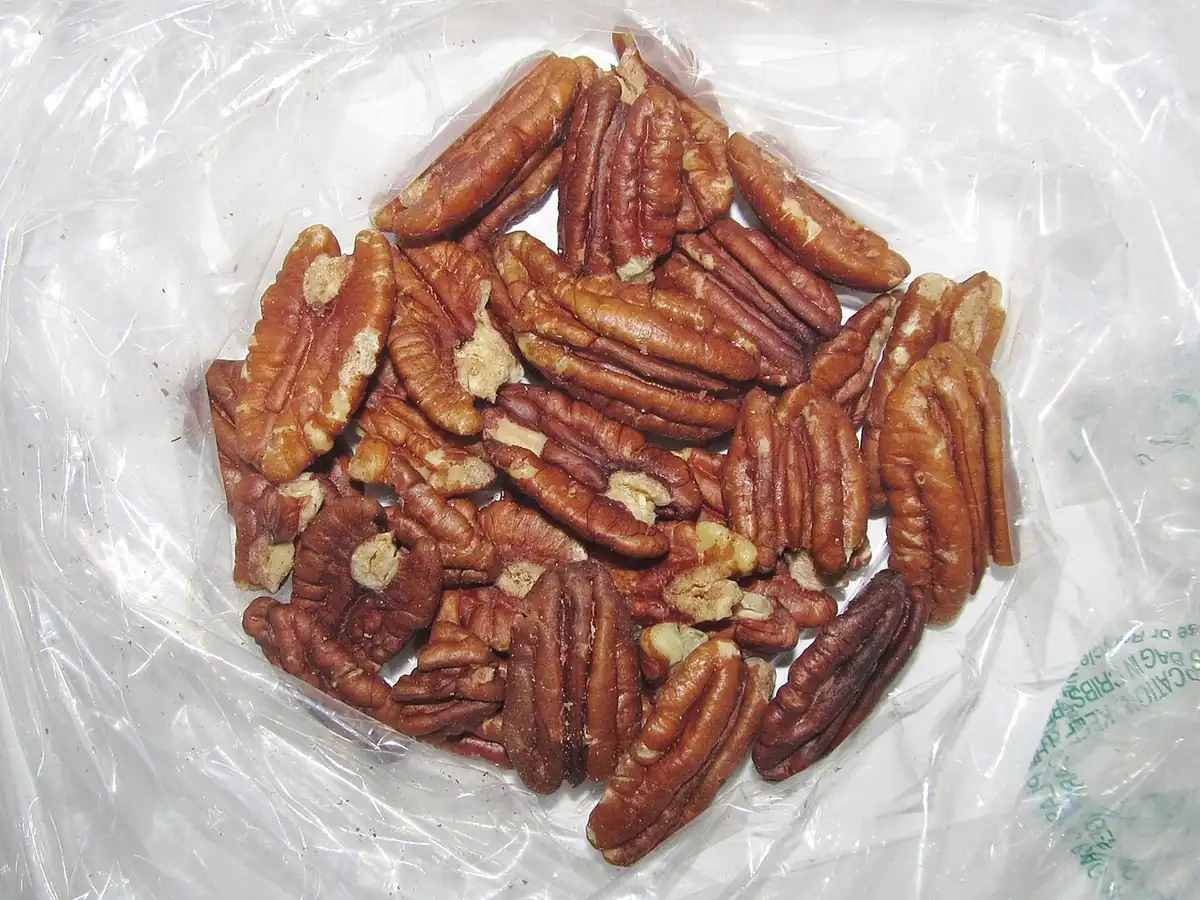
Pecans (Carya illinoinensis) are smooth, oval, light brown nuts sold in grocery stores, with a thin shell and a pale, ridged kernel inside. They belong to the same family as walnuts, Juglandaceae. Black walnuts (Juglans nigra), which the ASPCA lists as toxic to dogs, fall inside a round green husk that turns black as it rots, with a thick, deeply ridged shell underneath. Macadamia nuts are a different nut with their own toxicity — the ASPCA says they can cause weakness, vomiting, tremors, and a high temperature within 12 hours. A pecan is neither, but keep all three away from dogs.
Symptoms to watch for
- Vomiting
- Diarrhea
- Loss of appetite
- Lethargy
- Abdominal pain
- Muscle tremors
- Seizures
- Muscle weakness
- Incoordination or wobbliness
- Gagging or choking
- Jaundice (yellowing of gums or eyes, from aflatoxin liver damage)
Stomach upset usually appears within hours; tremors and seizures from moldy pecans can start within 1-2 hours or up to several hours after eating, while liver signs from aflatoxin may appear later.
Safe alternatives
- Plain cooked carrots — Crunchy, low-fat, and easy to cut into pieces sized for your dog.
- Blueberries — Small, soft fruit that many dogs enjoy as a treat in moderation.
- Plain cooked chicken — Unseasoned lean meat is a simple, high-value treat for training.
- Plain cooked green beans — A low-calorie vegetable treat without the fat or choking shape of a whole nut.
What about cats? Pecans are not listed as toxic to cats by the ASPCA, but that does not make them safe for cats: they are still high in fat, a choking hazard, and moldy pecans can carry the same tremor-causing toxins. Do not feed pecans to a cat either.
Frequently asked questions
Are pecans toxic to dogs?
PetMD says pecans are not toxic to dogs, but they are hard to digest and can cause health problems. The AKC, by contrast, calls pecans toxic because they contain juglone. The honest answer is that pecans are not safe to feed: they are very high in fat, a choking hazard, and moldy pecans can cause tremors and seizures.
My dog ate one pecan — should I worry?
One fresh pecan is unlikely to harm a healthy, large dog, according to PetMD. Watch for vomiting, diarrhea, or signs of choking, and call your vet if your dog is small, ate a large amount, or shows any symptoms. If the pecan was moldy or found outdoors, call your vet right away.
Do pecans contain juglone?
The AKC says pecans contain juglone, the same compound found in walnuts, and that it can cause severe digestive issues. Other sources note that juglone levels in pecan kernels are very low or absent, and that it is mostly found in the green parts of the tree. The ASPCA does not list pecans as toxic, and does not name juglone as a toxin in pecans. This page reports the disagreement rather than treating juglone in pecans as settled.
Can dogs eat pecan pie?
No. Pecan pie is not safe for dogs. The filling is made with pecans, sugar, corn syrup, and butter, and some recipes add bourbon or chocolate. A slice combines the fat and mold risks of the pecans with a large amount of sugar and fat, which can trigger vomiting, diarrhea, or pancreatitis.
Sources
- PetMD — Can Dogs Eat Pecans?
- American Kennel Club — Can Dogs Eat Pecans?
- Merck Veterinary Manual — Tremorgenic Neuromycotoxicosis in Dogs
- ASPCA Poison Control — People Foods to Avoid Feeding Your Pets
Related guides
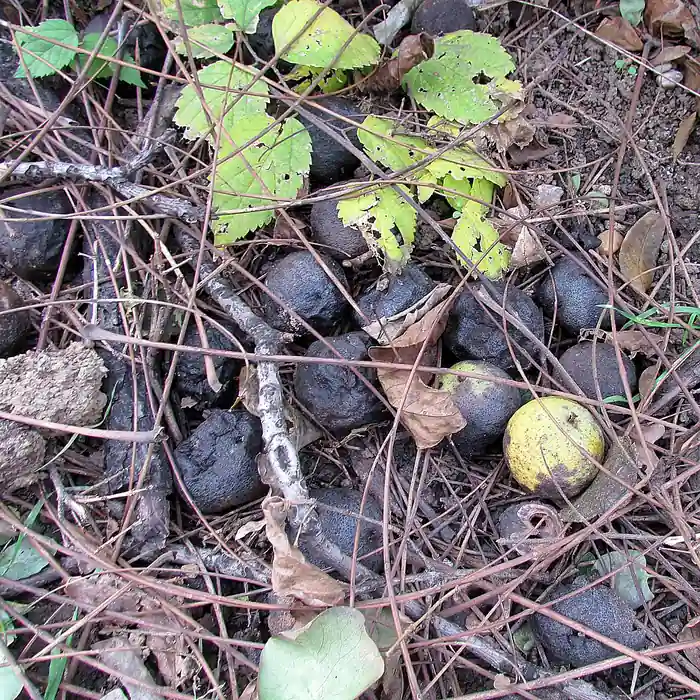
Black walnuts are toxic to dogs, and moldy walnuts of any kind can cause tremors and seizures. Fresh English walnuts are not acutely toxic, but they are fatty, a choking hazard, and prone to mold — so do not feed walnuts to your dog.
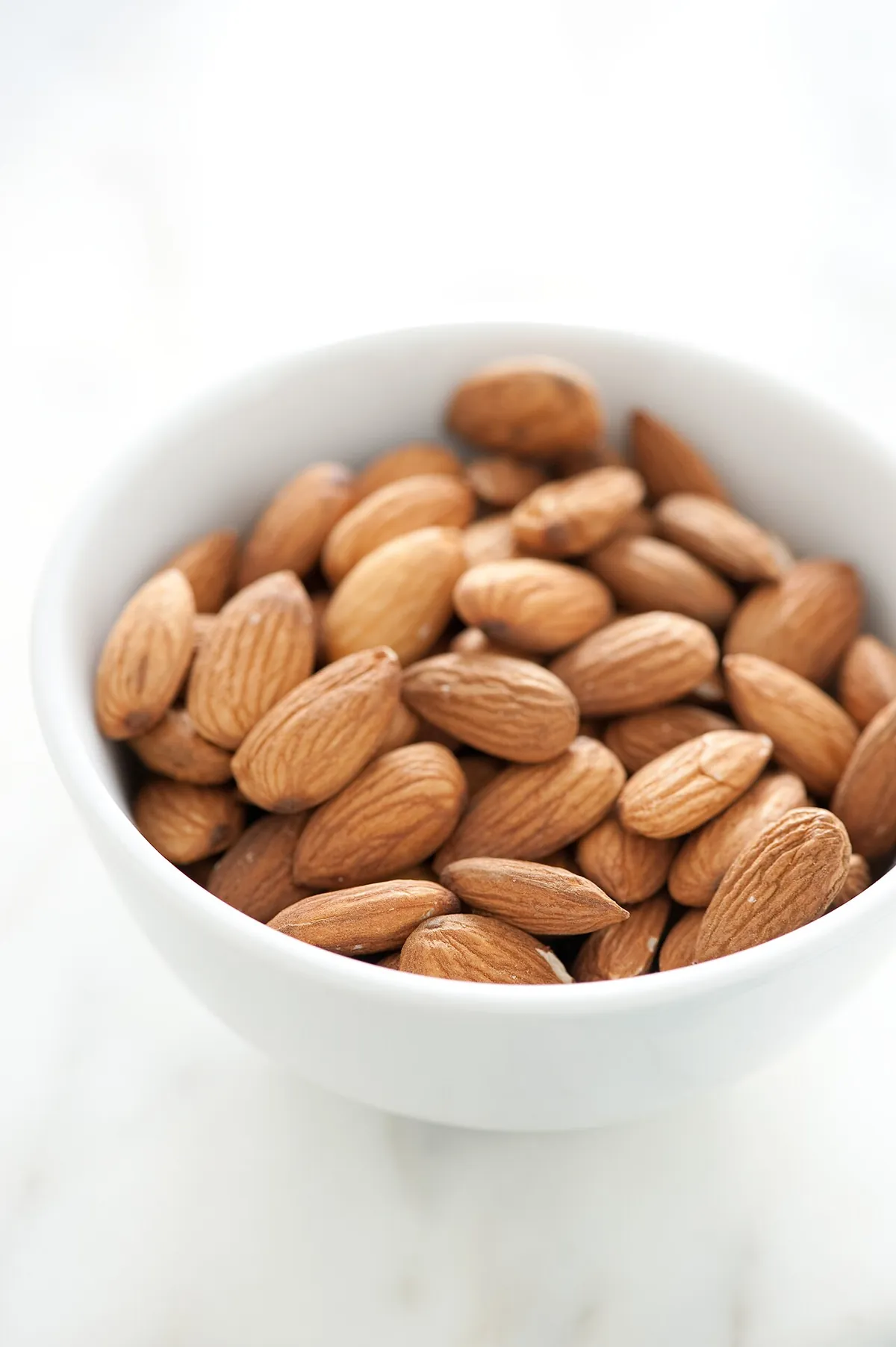
Sweet almonds are not acutely toxic to dogs, but they can choke a dog, block the gut, and trigger pancreatitis. Do not feed almonds to your dog on purpose.
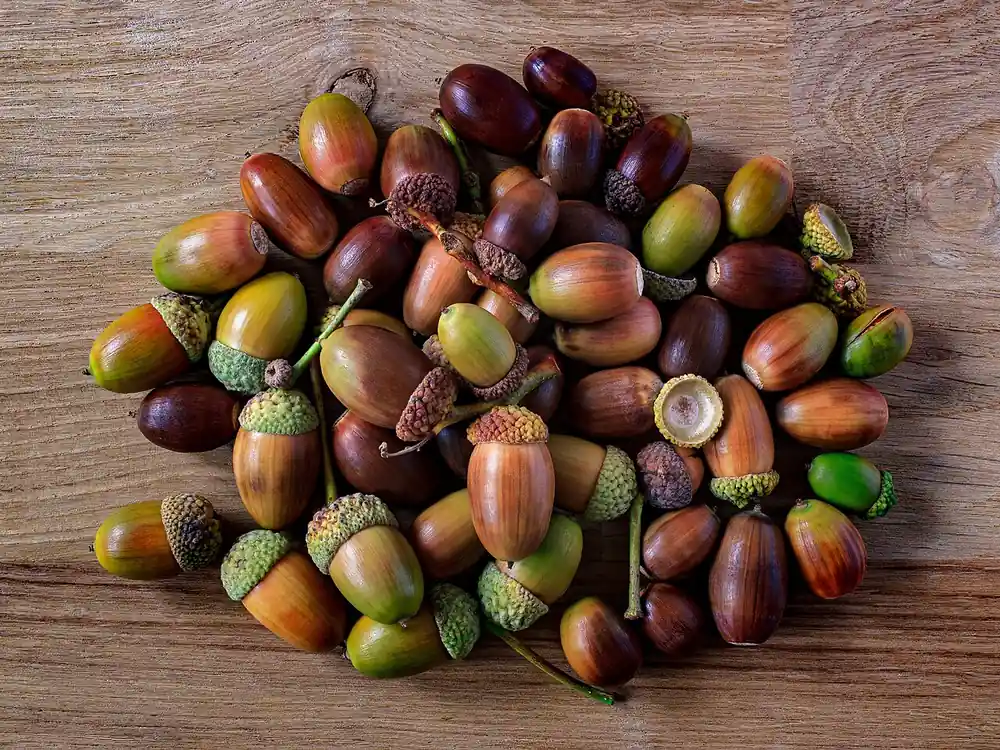
Acorns are toxic to dogs. They contain tannins, including gallotannin, that irritate the stomach and intestines and can damage the kidneys and liver. They can also choke a dog or block its intestines. Call your veterinarian if your dog eats acorns.
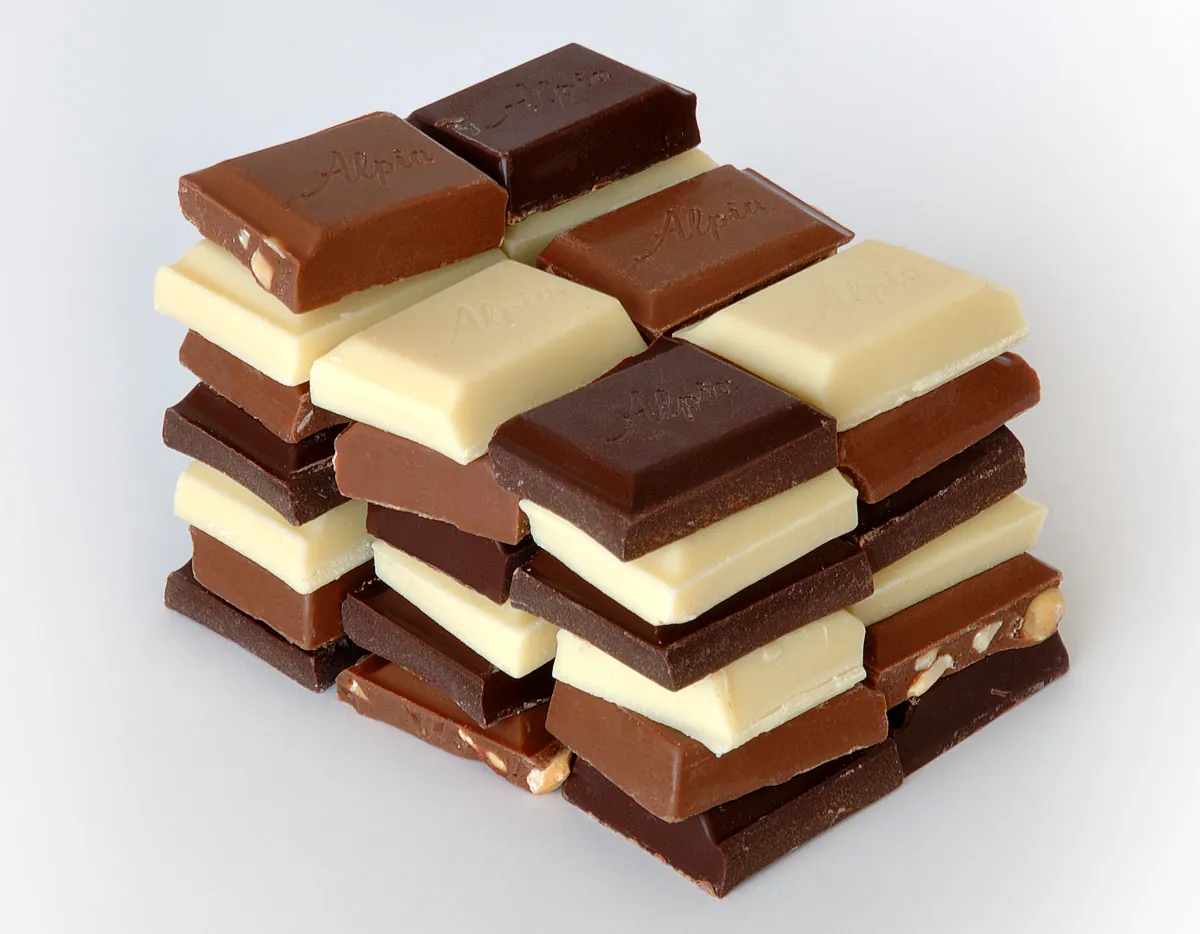
Chocolate is toxic to dogs because of theobromine and caffeine. How dangerous it is depends on the type of chocolate, the amount eaten, and the dog's weight — dark chocolate, baking chocolate, and cocoa powder are dangerous in much smaller amounts than milk chocolate. Call your vet right away if your dog eats chocolate.