Is Basil Toxic to Dogs? What Every Owner Should Know
No — basil is not toxic to dogs.
The ASPCA lists sweet basil (Ocimum basilicum) as non-toxic to dogs, and PetMD includes it among safe herbs. A few fresh leaves are fine; a large amount may cause mild stomach upset. Basil essential oil is a different product and should never be given to a dog.
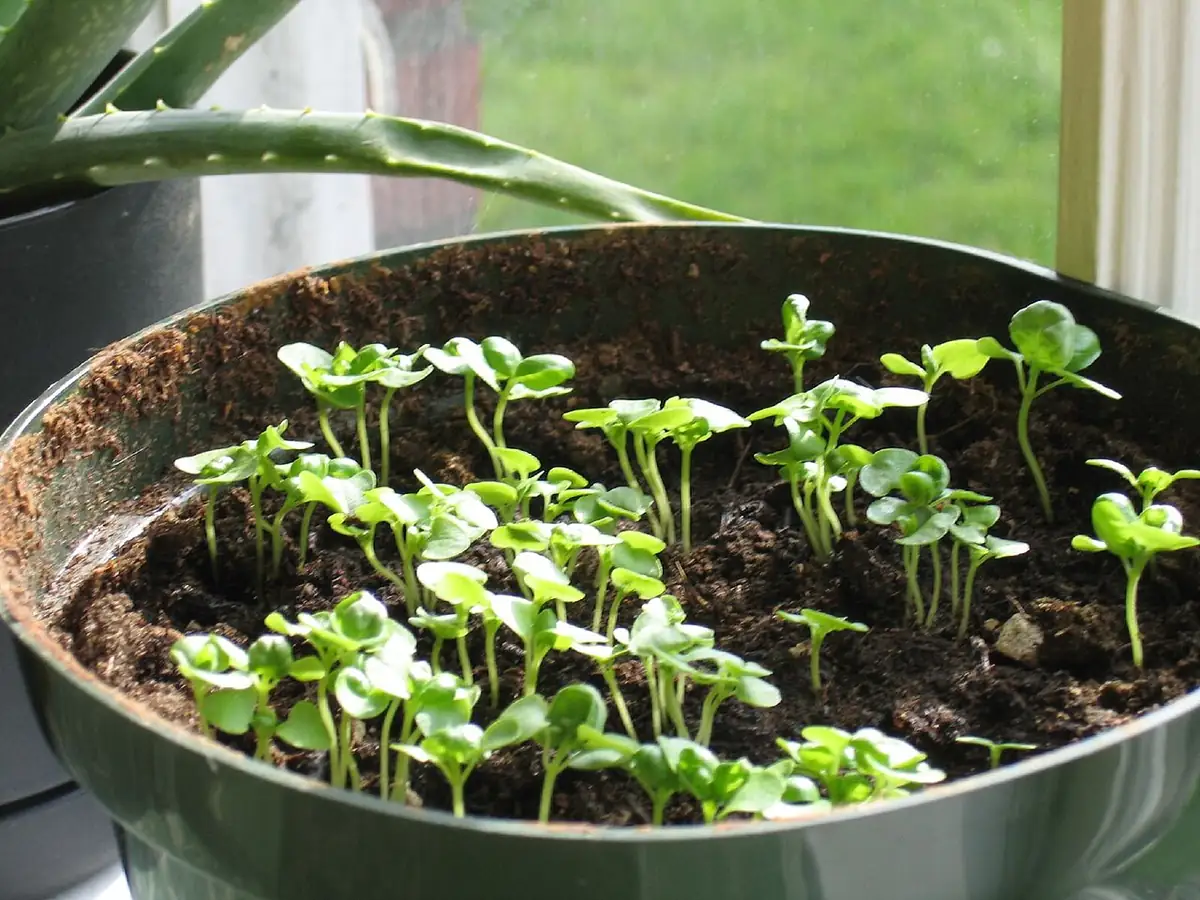

- Item
- Basil
- Scientific name
- Ocimum basilicum
- Also called
- Sweet basil, Thai basil, Saint Joseph's wort, Great basil
- Category
- Foods
- Verdict
- Safe
- Symptoms start
- Usually no symptoms at all; mild stomach upset, if it happens, usually shows up within a few hours of eating a large amount.
No — basil is not toxic to dogs. The ASPCA lists sweet basil (Ocimum basilicum) as non-toxic to dogs, and PetMD includes basil among the herbs that are safe for dogs. A few fresh leaves snatched from a pot on the windowsill are nothing to worry about.
That does not mean your dog should eat bowls of it. Like any plant, a large amount of basil can upset a dog's stomach, and basil essential oil is a completely different product from the fresh herb — concentrated oils should never be given to a dog. This page explains where the line sits.
If your dog ate it — what to do now
- Offer only a few plain, washed fresh basil leaves at a time, as an occasional treat.
- Watch your dog for a few hours after they eat a large amount, and offer fresh water.
- Take the plant away if your dog keeps eating it, and keep meals light and plain until their stomach settles.
- Call your vet if vomiting keeps coming back, your dog refuses food and water, seems lethargic, or shows signs of an allergic reaction.
- Call your vet or the ASPCA Animal Poison Control Center at (888) 426-4435 right away if your dog swallowed basil essential oil (a consultation fee may apply).
Do not do this
- Do not give your dog basil essential oil, or rub it on their skin or coat.
- Do not share pesto or pasta sauce with your dog — they often contain garlic and onion, which are toxic to dogs.
- Do not feed your dog basil that has been sprayed with pesticides or fertilizer.
- Do not assume every plant called basil is the same — holy basil (Ocimum tenuiflorum) is a different species from the sweet basil in the ASPCA listing.
Why basil is safe for dogs
Basil is a culinary herb in the mint family, Lamiaceae, and the ASPCA lists Ocimum basilicum as non-toxic to dogs and cats. PetMD names basil among the safe herbs, alongside rosemary. Unlike garlic, onions, and chives, basil contains no compound known to poison dogs at the amounts found in food.
The ASPCA adds an important footnote that applies to every plant on its non-toxic list: eating any plant material can still cause vomiting and stomach upset in dogs and cats. Non-toxic means the plant is not expected to cause poisoning or be life-threatening — it does not mean a dog can eat unlimited amounts of it without feeling sick.
Basil also has a practical advantage: it is easy to grow in a pot on a sunny windowsill, so you know exactly what your dog is getting into — as long as you have not sprayed it with anything.
How much basil can a dog eat?
There is no official serving size for basil for dogs, and no veterinary source we reviewed gives a safe amount in grams or teaspoons. The sensible approach is the one every vet source agrees on: a few fresh leaves, occasionally, as a treat or sprinkled over food — not a daily pile of it and not a whole plant.
Size matters: be more careful with toy breeds and puppies, and check with your vet before offering any new food to a dog with liver or kidney disease or one taking medication.
Basil contains estragole, a naturally occurring compound that, in high doses over a long time, has been linked to an increased cancer risk in animal studies. That finding comes from concentrated, long-term exposures, not from a dog eating a few leaves — one more reason to treat basil as an occasional extra, not a reason to panic if your dog steals a leaf.
Symptoms to watch for after eating basil
Most dogs that eat basil show no symptoms at all. If a dog eats a large amount, the most likely signs are mild digestive upset — vomiting, loose stools, or a briefly off appetite — which usually pass on their own within a day.
A small number of dogs may be sensitive or allergic to a new food, basil included. Watch for itching, swelling around the face, or trouble breathing — not normal reactions to basil — and call your vet right away. Any dog that keeps vomiting, refuses water, or becomes lethargic after eating a lot of any plant should also be checked.
Mild stomach upset after basil is not poisoning. It means your dog ate too much of a plant, which can happen with any non-toxic plant, from grass to spider plants.
Basil essential oil is a different story
Fresh basil and basil essential oil are not the same thing, and confusing them is the one real risk on this page. The oil is a concentrated extract of the plant's aromatic compounds, including eugenol and methyl chavicol, and a few drops carry far more of those compounds than a dog would ever meet by eating leaves.
The Merck Veterinary Manual warns that essential oils are absorbed through the gut, skin, lungs, and mucous membranes, that the higher the concentration of the oil the greater the risk to the animal, and that concentrated essential oils should never be applied directly to pets. Never put basil oil in your dog's food or water, rub it on their skin or coat, or let them lick a spill.
Diffusers deserve the same caution. A diffuser puts tiny droplets of oil into the air, and those droplets can settle on your dog's coat and be swallowed during grooming. If you use a diffuser, run it only briefly in a well-ventilated room your dog can leave, never in a small closed room. Cats in the same home are at higher risk still, because they lack enough of the liver enzyme that clears oil compounds.
What to do if your dog eats a lot of basil
Stay calm. Fresh basil is not poisonous, so this is not an emergency in the way eating a toxic plant would be. Take the plant away so your dog cannot keep eating it, and make a note of roughly how much they ate and when.
Offer fresh water and watch your dog for the next few hours. A little vomiting or loose stool after a big helping of basil is common and usually settles on its own, so keep meals light and plain and do not give any home remedies or medicines unless your vet tells you to.
Call your veterinarian if the vomiting keeps coming back, your dog refuses food and water, seems lethargic or in pain, or shows any sign of an allergic reaction. Call right away — do not wait — if what your dog ate was not plain basil: pesto, for example, often contains garlic and onion, which are toxic to dogs.
How to keep basil safe around your dog
Grow basil yourself or buy it fresh and wash it before it goes near your dog's bowl. Never feed your dog basil sprayed with pesticides, herbicides, or fertilizer, and keep your dog away from recently treated plants until the product label says it is safe.
Watch out for basil in prepared foods. Plain fresh or dried basil is fine, but pesto, pasta sauces, and spice mixes can hide garlic, onion, salt, and cheese. If you want to share your cooking, add a few plain basil leaves to your dog's own bowl instead of sharing the finished dish.
Keep essential oils, diffusers, and scented products on a high shelf or in a closed cupboard. A knocked-over bottle of basil oil is a much bigger problem than a knocked-over basil plant, and a dog that licks oil off the floor or its own paws has had a concentrated exposure.
How to tell sweet basil from other basils
Sweet basil (Ocimum basilicum) is the familiar kitchen herb: soft, bright green, oval leaves with a sweet, slightly peppery smell, growing on square stems. The ASPCA's non-toxic listing is for this species, and most basil sold for cooking — including Thai basil, which the ASPCA lists as another common name for it — is the same plant.
Holy basil, also called tulsi, is a different species (Ocimum tenuiflorum, sometimes listed as Ocimum sanctum) that the ASPCA's basil entry does not cover, so do not assume the same verdict applies — and do not feed it to your dog on the strength of this page.
If you are not sure which basil you have, check the plant tag or seed packet for the scientific name, and ask your vet before offering a new herb.
Symptoms to watch for
- Usually no symptoms at all
- Vomiting (only after eating a large amount)
- Diarrhea or loose stools (only after eating a large amount)
- Mild stomach upset
- Brief loss of appetite
Basil has no known toxin for dogs, so symptoms are limited to mild stomach upset from eating too much of it, and most dogs show no signs at all.
Safe alternatives
- Rosemary — Listed as non-toxic to dogs by the ASPCA; use fresh sprigs in small amounts, as with basil.
- Thyme — Listed as non-toxic to dogs by the ASPCA and another kitchen herb that is fine in small amounts.
- Garden sage — Listed as non-toxic to dogs by the ASPCA; keep portions small, as with any herb.
What about cats? Basil is also listed as non-toxic to cats by the ASPCA, so a cat that nibbles a leaf is not in danger from the plant itself. The exception is the same as for dogs: concentrated basil essential oil. Cats are more sensitive to essential oils than dogs because they lack enough of a liver enzyme, glucuronyl transferase, that helps clear the compounds oils contain, according to the Merck Veterinary Manual. Never use basil essential oil on or around a cat.
Frequently asked questions
Can dogs eat basil?
Yes. Fresh basil leaves are safe for dogs in small amounts. The ASPCA lists basil as non-toxic to dogs, and PetMD includes it among the herbs that are safe for dogs. A few leaves as an occasional treat are fine for most healthy dogs.
Is basil essential oil safe for dogs?
Fresh basil is safe, but basil essential oil is not. The oil is a highly concentrated extract, and the Merck Veterinary Manual warns that the higher the concentration of an essential oil, the greater the risk to an animal, and that concentrated oils should never be applied directly to pets. Keep essential oils, diffusers, and oil bottles out of your dog's reach.
What happens if my dog eats a lot of basil?
A dog that eats a lot of basil will most likely just get a mild stomach upset — vomiting or loose stools — which usually passes on its own. Offer water, keep the rest of the plant out of reach, and call your vet if the vomiting keeps coming back, your dog refuses food and water, or seems lethargic.
Is basil poisonous to dogs in any amount?
No. Fresh basil has no known toxin for dogs, which is why the ASPCA lists it as non-toxic. Basil does contain estragole, a compound that has been linked to an increased cancer risk in animal studies at high doses, but that finding comes from concentrated, long-term exposures — not from the small amounts of fresh herb a dog might eat. There is no established safe daily amount for dogs, so keep it to a few leaves.
Sources
- ASPCA Poison Control — Toxic and Non-toxic Plants: Basil
- PetMD — 29 Flowers and Plants That Are Safe for Dogs
- Merck Veterinary Manual — Toxicoses From Essential Oils in Animals
- Gardenia.net — Ocimum basilicum – Basil: An In-Depth Look
Related guides
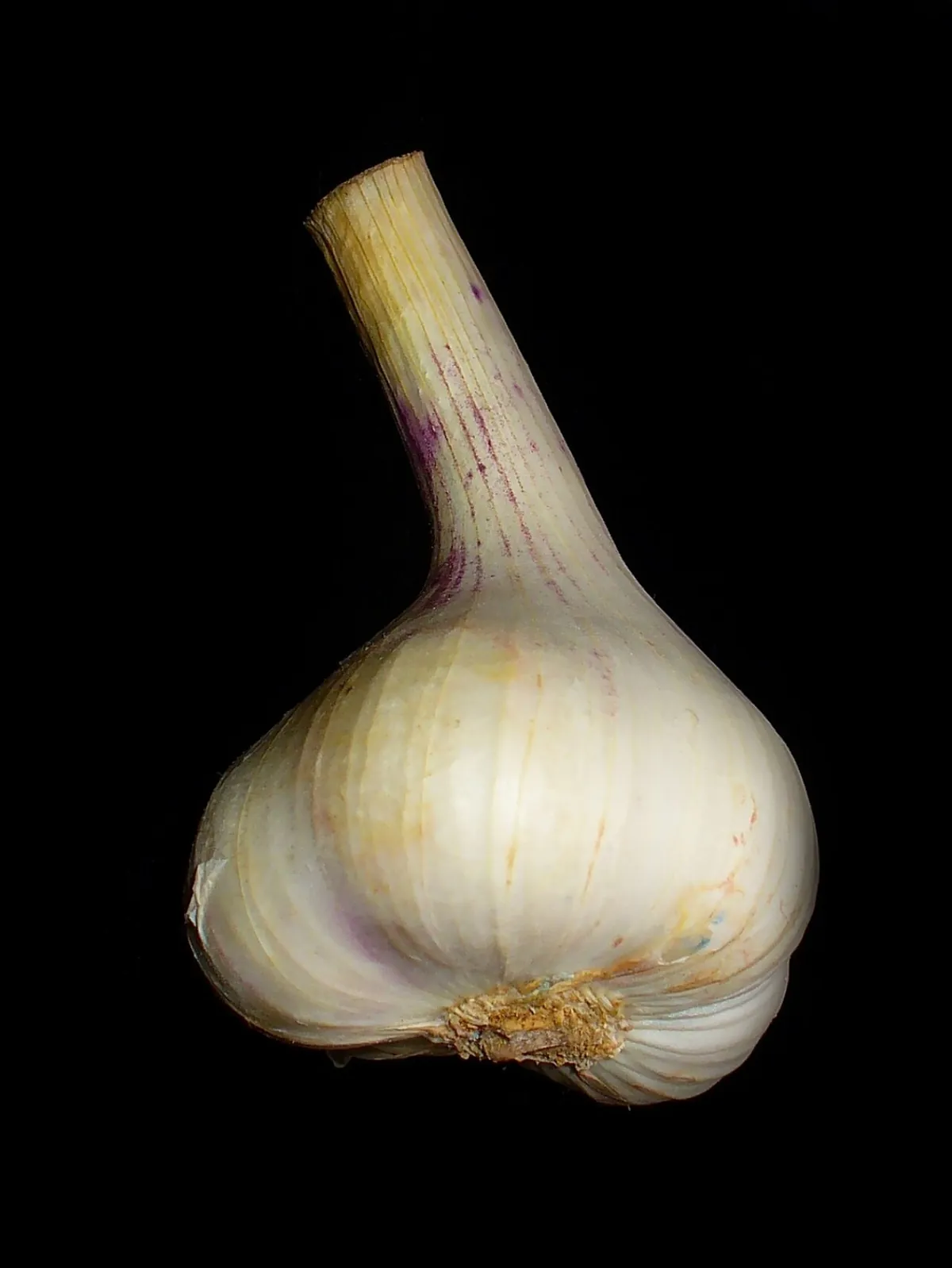
Garlic is toxic to dogs in every form, including raw, cooked, dried, and powdered. Do not feed it to your dog on purpose, and call your veterinarian if your dog eats a large amount.
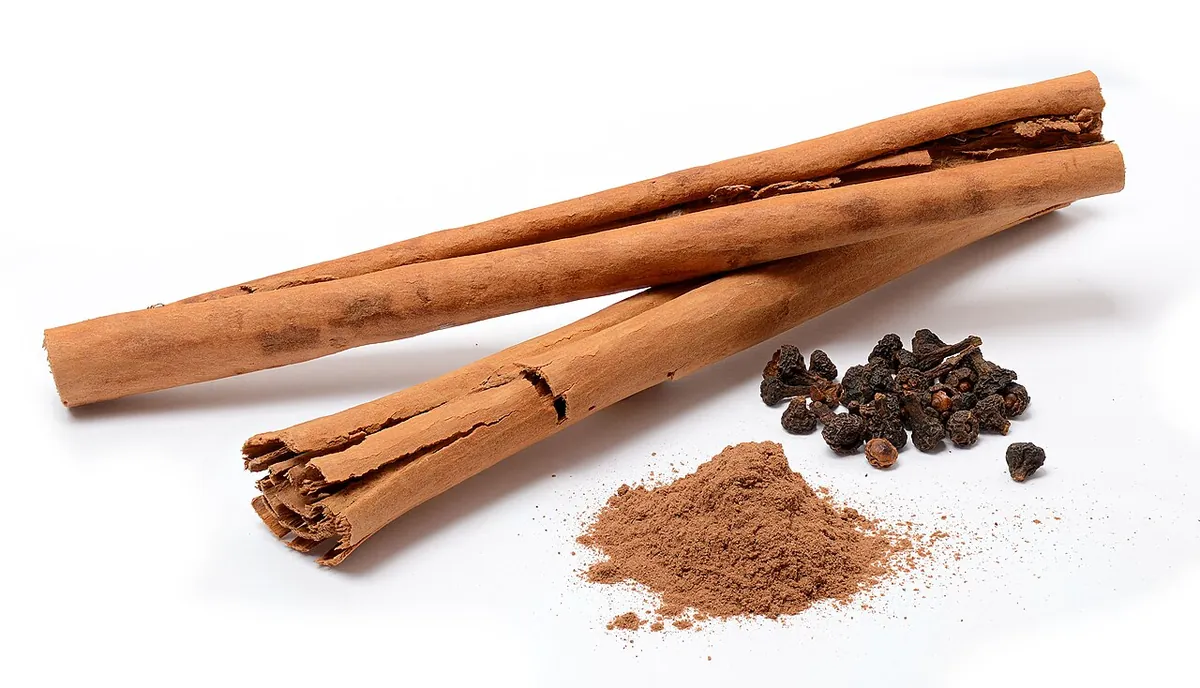
Cinnamon is listed as non-toxic to dogs by the ASPCA, and a small amount of ground cinnamon is unlikely to harm a healthy dog. But more than a teaspoon of powder, cinnamon sticks, or any amount of cinnamon essential oil can cause serious illness.
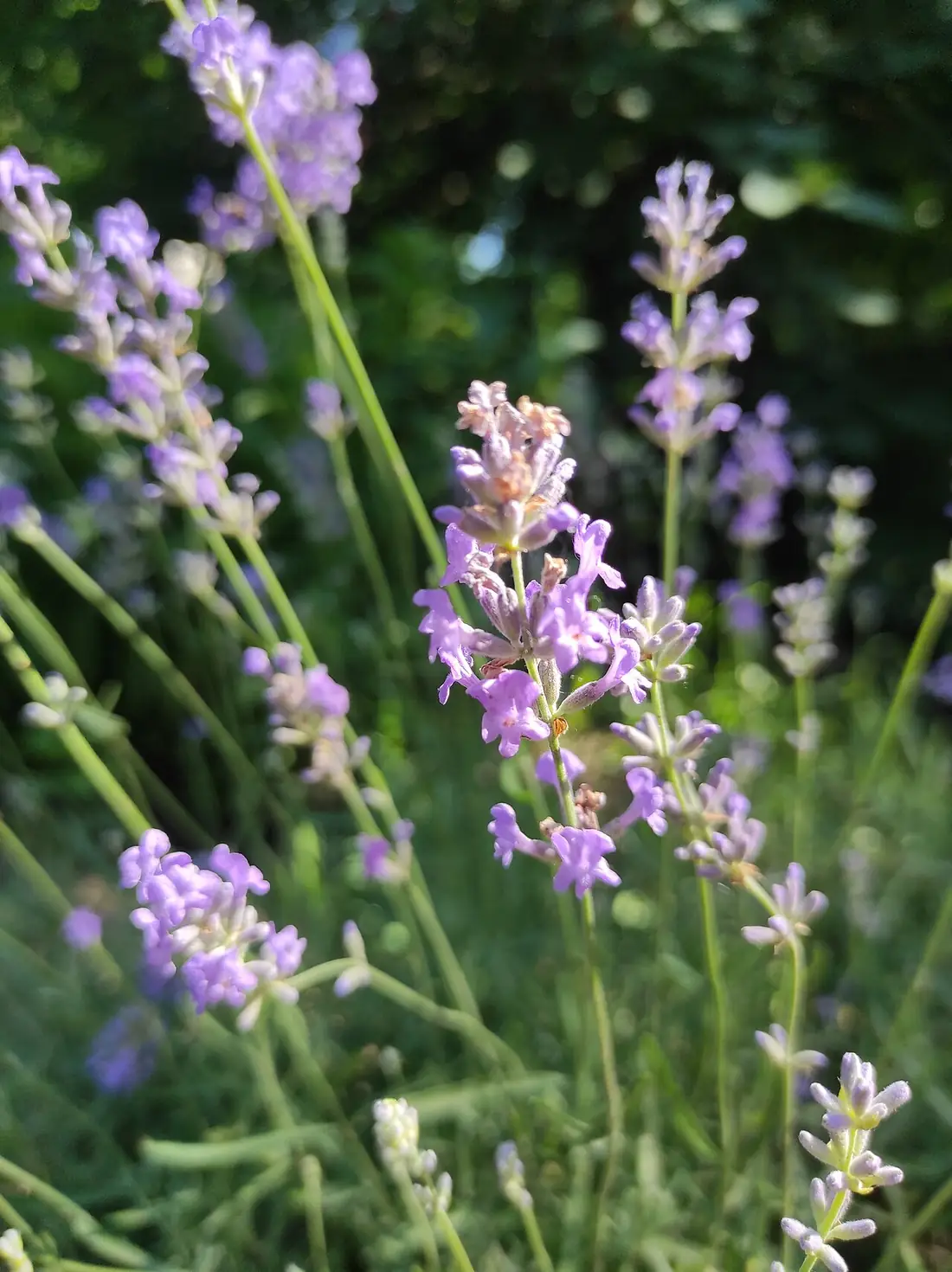
The ASPCA lists lavender as toxic to dogs. Eating the plant usually causes only mild stomach upset, but concentrated lavender essential oil is a much bigger risk and should never be swallowed or put on your dog.

The ASPCA lists roses (Rosa species) as non-toxic to dogs, cats, and horses. The real risks are the thorns and any pesticides, fertilizers, or flower food on the plant.