Are Mushrooms Toxic to Dogs? Store-Bought vs. Wild
It depends — store-bought mushrooms are usually safe, but wild mushrooms can be deadly.
Plain, store-bought mushrooms such as white button, cremini, and portobello are not considered toxic to dogs. Wild mushrooms are a different story: some can cause liver failure and death, and no one can reliably tell a safe wild mushroom from a deadly one by looking. Treat any wild mushroom your dog eats as an emergency and call your vet right away.
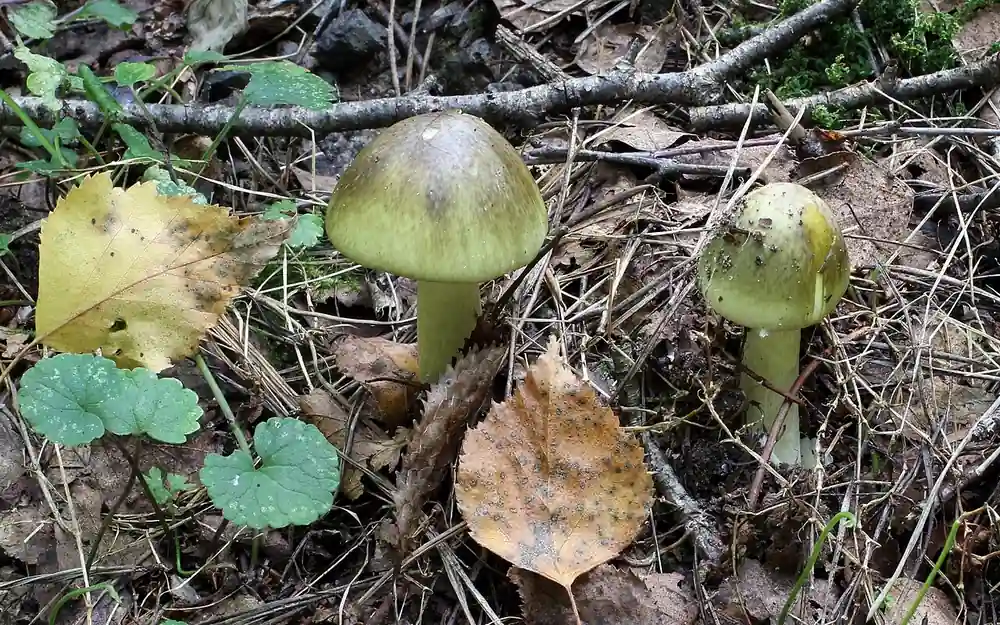

- Item
- Mushrooms
- Scientific name
- Agaricus bisporus (store-bought); Amanita spp. and other wild species
- Also called
- Wild mushrooms, Death cap, Destroying angel, Fly agaric, Store-bought mushrooms
- Category
- Foods
- Verdict
- Caution
- Symptoms start
- Within 15 to 20 minutes for fast-acting types; 6 to 12 hours of no symptoms, then vomiting and diarrhea, with liver and kidney failure 24 to 48 hours later for amatoxin (death cap) types.
Not all mushrooms are toxic to dogs, and that is exactly what makes this question tricky. The plain white button, cremini, and portobello mushrooms sold in grocery stores are not considered toxic to dogs. The mushrooms growing in your yard, on a trail, or in the woods are a completely different risk.
Some wild mushrooms can destroy a dog's liver and kidneys, and the deadliest ones often look ordinary. Even experienced mushroom hunters can mistake a toxic species for a safe one. The only safe rule is simple: store-bought yes, in small plain amounts; wild never.
If your dog ate it — what to do now
- Call your veterinarian or the ASPCA Animal Poison Control Center at (888) 426-4435 right away (a consultation fee may apply) — do not wait for symptoms to appear.
- Tell them where the mushroom was growing, when your dog ate it, roughly how much, and your dog's weight.
- If you can do so safely, collect a sample of the mushroom or take clear photos of the cap, gills, and stem for identification, and save any pieces from your dog's mouth or vomit.
- Follow your vet's instructions exactly, and take your dog to the vet or an emergency clinic if they tell you to.
- Watch your dog closely for at least 24 to 48 hours, even if they seem fine, because the most dangerous mushrooms can cause delayed liver and kidney failure.
Do not do this
- Do not induce vomiting unless a veterinarian tells you to.
- Do not wait to see if symptoms appear before calling for advice — the deadliest mushrooms can look harmless for hours.
- Do not try to identify the mushroom yourself or assume it is safe because it looks like a store-bought one.
- Do not give home remedies, milk, or activated charcoal on your own.
- Do not put mushroom samples in a sealed plastic bag, which can make identification harder.
What makes mushrooms toxic to dogs?
There are thousands of mushroom species in the United States. Most are not toxic, but about 100 species in North America are. The danger is not one single toxin: different wild mushrooms carry different poisons, and each one attacks the body in a different way.
The most dangerous group contains cyclopeptides, including amatoxins. PetMD names Amanita, Galerina, and Lepiota as the main cyclopeptide groups, and the Merck Veterinary Manual says the species most often linked to fatal mushroom poisoning worldwide is Amanita phalloides, the death cap. These toxins shut down protein production in liver cells, which can lead to liver and kidney failure.
Other wild mushrooms carry other toxins. Inocybe and Clitocybe species contain muscarine, which overstimulates the nervous system, causing heavy drooling, tearing, vomiting, diarrhea, and a slow heart rate. Amanita muscaria (fly agaric) and Amanita pantherina (panther cap) contain isoxazole compounds that affect the brain and can cause wobbliness, tremors, seizures, and a deep, coma-like sleep. Gyromitra species, the false morels, contain hydrazine toxins that can cause vomiting, diarrhea, tremors, seizures, and liver damage. Many common lawn mushrooms, such as Chlorophyllum molybdites (the green-spored parasol), simply irritate the stomach and gut.
Store-bought mushrooms are positively identified, cultivated species. White button, cremini, and portobello mushrooms are all the same species, Agaricus bisporus, at different stages of growth. PetMD states that mushrooms found at grocery stores and prepared for human consumption are not considered toxic to dogs. That does not mean every dish containing mushrooms is safe: garlic, onion, butter, and heavy seasoning can harm your dog on their own.
How much mushroom is dangerous for a dog?
There is no established safe dose for wild mushrooms, because the risk depends entirely on the species, which is usually unknown. For the deadliest types, a single mushroom cap can be enough to kill a dog, and the Merck Veterinary Manual notes that a long delay of 6 to 12 hours before symptoms appear often occurs with amatoxin exposure, with an often fatal outcome.
For store-bought mushrooms, there is also no published safe amount in grams or pieces, but PetMD does not classify plain grocery-store mushrooms as toxic. A few small pieces of plain, cooked mushroom as an occasional treat is the usual guidance. Never feed your dog mushrooms cooked with garlic or onion, which are toxic to dogs on their own.
Do not judge a wild mushroom by its size or by how much your dog ate. Even a small nibble of a death cap can be lethal, and a dog that eats several mushrooms in one spot may have eaten more than one species. Any amount of an unidentified wild mushroom is a reason to call your veterinarian.
Symptoms of mushroom poisoning in dogs
Symptoms depend on which mushroom your dog ate, and the timing is an important clue. PetMD reports that signs of poisoning can appear within 15 to 20 minutes or may be delayed up to a day. The Merck Veterinary Manual gives a general rule: symptoms within about 3 hours are usually self-limiting, while symptoms more than 6 hours after eating tend to be life-threatening.
Fast-acting mushrooms usually cause vomiting, diarrhea (sometimes bloody), drooling, loss of appetite, and abdominal pain. Muscarine-containing mushrooms add heavy tearing and a slow heart rate. Brain-affecting mushrooms add wobbliness, disorientation, tremors, seizures, and pinpoint pupils.
The deadliest mushrooms are the most deceptive. With amatoxin mushrooms such as the death cap, a dog may have no symptoms for 6 to 12 hours, then severe vomiting and diarrhea, then seem to recover, and then crash into liver and kidney failure 24 to 48 hours after eating, according to PetMD. Pet Poison Helpline warns that liver failure can show up as black, tarry stools and yellowed gums. A dog that seems better after eating a wild mushroom is not necessarily safe, so never wait for symptoms before calling the vet.
What to do if your dog eats a mushroom
Act immediately, even if your dog looks fine. With the deadliest mushrooms, the first hours can look completely normal while liver damage is already underway.
If you can do so safely, collect a sample of the mushroom or take clear photos of it, including the cap, the gills underneath, and the stem, so your vet or a poison specialist can try to identify it. PetMD recommends saving any pieces found in your dog's mouth or vomit, wrapped in wax paper inside a paper bag labeled "Do not eat." Do not put samples in a sealed plastic bag, which can make identification harder.
Call your veterinarian or the ASPCA Animal Poison Control Center at (888) 426-4435 right away (a consultation fee may apply). Tell them where the mushroom was growing, when your dog ate it, roughly how much, and your dog's weight. Follow their instructions exactly. Your vet may induce vomiting at the clinic, give activated charcoal to bind the toxin, run blood tests to check liver and kidney values, and give IV fluids and liver-protecting medicines. There is no proven antidote, so treatment is decontamination and intensive supportive care, according to the Merck Veterinary Manual.
How to keep your dog safe from wild mushrooms
Mushrooms can appear almost overnight, especially after rain, and they grow in lawns, parks, trails, mulch beds, and around dead wood and compost. PetMD advises watching your dog closely outdoors, especially after rainy days and near dead trees or rotting wood. Check your yard regularly and remove any mushrooms you find, since dogs often grab and swallow them before you can intervene.
Teach a reliable "leave it" and "drop it" so you can stop your dog from eating something on a walk. Keep your dog on a leash in wooded areas during mushroom season, from late summer through fall. If your yard grows mushrooms often, fence off damp, shady spots where they sprout, and rake up fallen leaves and dead wood where fungi thrive.
Never let your dog eat mushrooms you have foraged yourself, even if you believe you identified them correctly. Pet Poison Helpline states that only a mycologist can properly identify a mushroom, and that all ingestions of unidentified mushrooms should be considered toxic until proven otherwise.
Safe alternatives to mushrooms
If you want to share a healthy snack with your dog, there are safer options than mushrooms. Blueberries are small, soft, and commonly given as a dog treat. Carrot sticks and green beans are crunchy, low-calorie snacks most dogs enjoy, and small pieces of apple without seeds or core are another popular choice. Introduce any new food in small amounts.
If you do offer store-bought mushrooms, keep it simple: plain, cooked, and in small amounts, with no garlic, onion, butter, salt, or seasoning. Remember that the safe version is only the one from the grocery store. A mushroom from the yard is never a treat.
Symptoms to watch for
- Vomiting
- Diarrhea (sometimes bloody)
- Excessive drooling
- Loss of appetite
- Abdominal pain
- Lethargy and weakness
- Excessive tearing
- Slow heart rate (muscarine mushrooms)
- Wobbliness and disorientation
- Tremors
- Seizures
- Pinpoint pupils
- Black, tarry stools (liver failure)
- Yellowed gums or eyes (liver failure)
Signs can appear within 15 to 20 minutes or be delayed up to a day; with the deadliest mushrooms, liver and kidney failure may not appear until 24 to 48 hours after eating.
Safe alternatives
- Blueberries — Small, soft, and commonly given as a dog treat in small amounts.
- Carrot sticks — Crunchy, low-calorie snack that most dogs enjoy.
- Green beans — Plain green beans are a low-calorie, dog-safe vegetable.
- Apple slices (no seeds or core) — Crisp apple slices are a popular dog-safe fruit, as long as seeds and core are removed.
What about cats? Cats are also at risk from the same toxic wild mushrooms, but dogs are the usual victims because they eat indiscriminately and roam, according to the Merck Veterinary Manual. The same rule applies to cats: never let a cat eat a wild mushroom, and call your veterinarian or poison control if one does.
Frequently asked questions
Can dogs eat mushrooms?
Plain, store-bought mushrooms such as white button, cremini, and portobello are not considered toxic to dogs, and a few small pieces, cooked and unseasoned, are generally fine as an occasional treat. Wild mushrooms are a different matter: never let your dog eat them, because some species can cause liver failure and death.
Are wild mushrooms toxic to dogs?
Some wild mushrooms are highly toxic and even deadly to dogs, including the death cap (Amanita phalloides), destroying angels, and deadly galerina. Others cause stomach upset or neurological symptoms. Because no one can reliably tell a safe wild mushroom from a deadly one by looking, every wild mushroom ingestion should be treated as toxic until a vet or poison specialist says otherwise.
How long does mushroom poisoning take in dogs?
It depends on the type. Fast-acting mushrooms can cause vomiting and diarrhea within 15 to 30 minutes. The deadliest mushrooms, such as the death cap, often cause no symptoms for 6 to 12 hours, then vomiting and diarrhea, a period where the dog seems to recover, and then liver and kidney failure 24 to 48 hours later. A dog that looks fine hours after eating a wild mushroom is not necessarily safe.
What should I do if my dog ate a wild mushroom?
Call your veterinarian or the ASPCA Animal Poison Control Center at (888) 426-4435 right away (a consultation fee may apply), even if your dog seems fine. If you can do so safely, collect a sample or take clear photos of the mushroom, including the cap, gills, and stem. Do not induce vomiting or give home remedies unless a vet tells you to.
Sources
- PetMD — My Dog Ate a Mushroom. Now What?
- Merck Veterinary Manual — Overview of Mushrooms Toxic to Animals
- Pet Poison Helpline — Mushrooms Poisonous to Dogs
Related guides
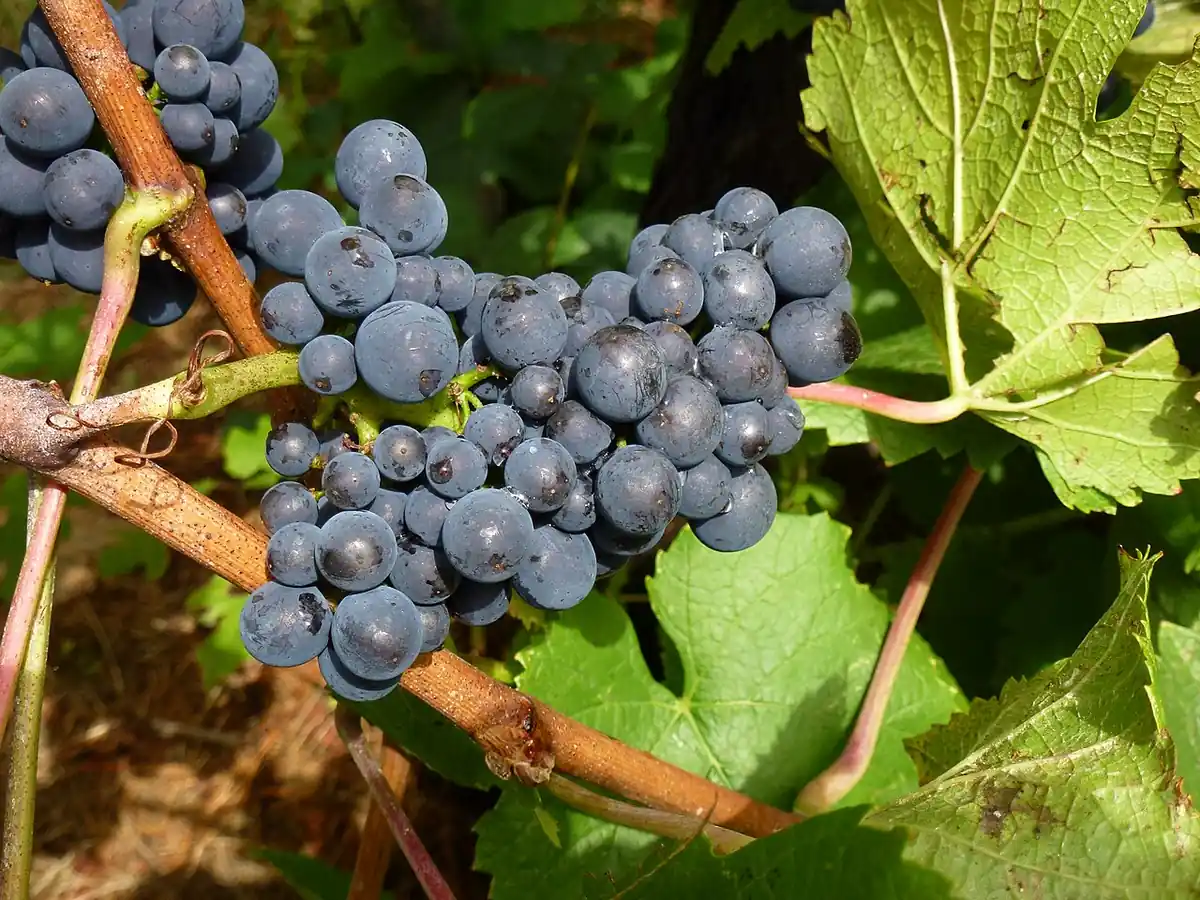
Grapes, raisins, currants, and sultanas are toxic to dogs and can cause sudden kidney failure. There is no established safe dose — even small amounts have caused illness in some dogs — and the exact toxin is still not firmly identified, though tartaric acid is the leading proposed cause. Treat any ingestion as an emergency and call your veterinarian right away.
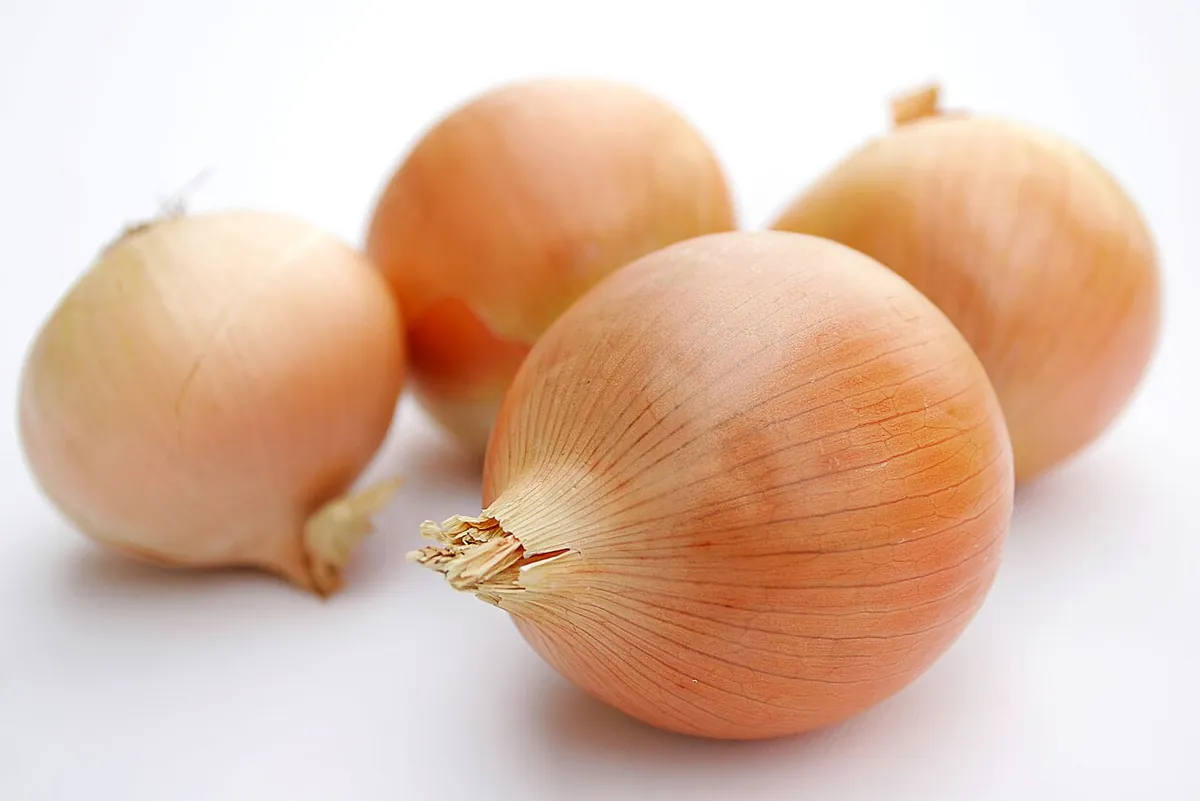
Onion is toxic to dogs in every form, including raw, cooked, dried, and powdered. Clinical signs have been reported at 15 to 30 grams of raw onion per kilogram of body weight, and ingestions above 0.5% of body weight (5 g/kg) warrant decontamination. There is no safe amount to feed on purpose, and anemia is often delayed by 3 to 5 days, so call your veterinarian about any amount.
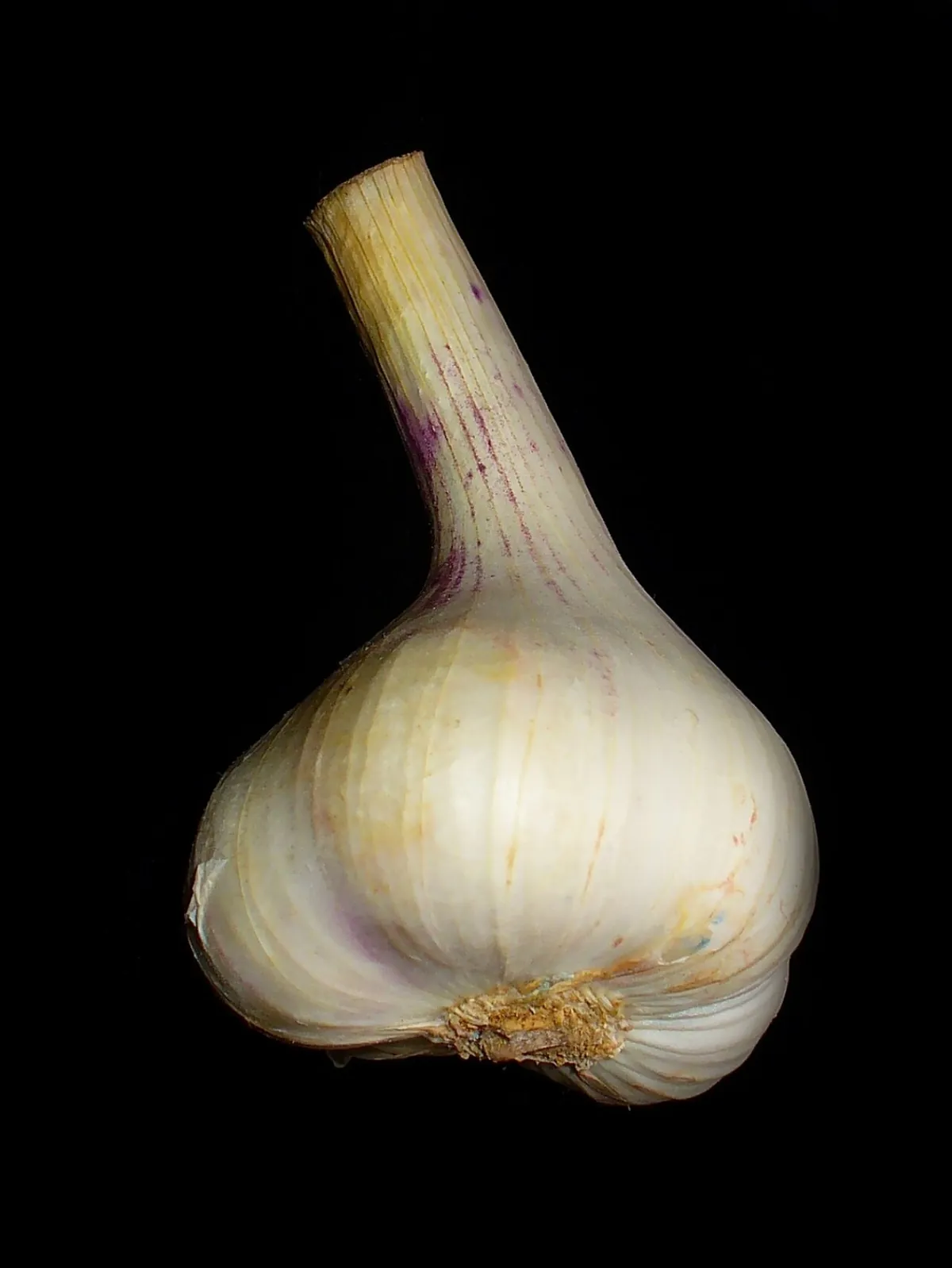
Garlic is toxic to dogs in every form, including raw, cooked, dried, and powdered. Do not feed it to your dog on purpose, and call your veterinarian if your dog eats a large amount.
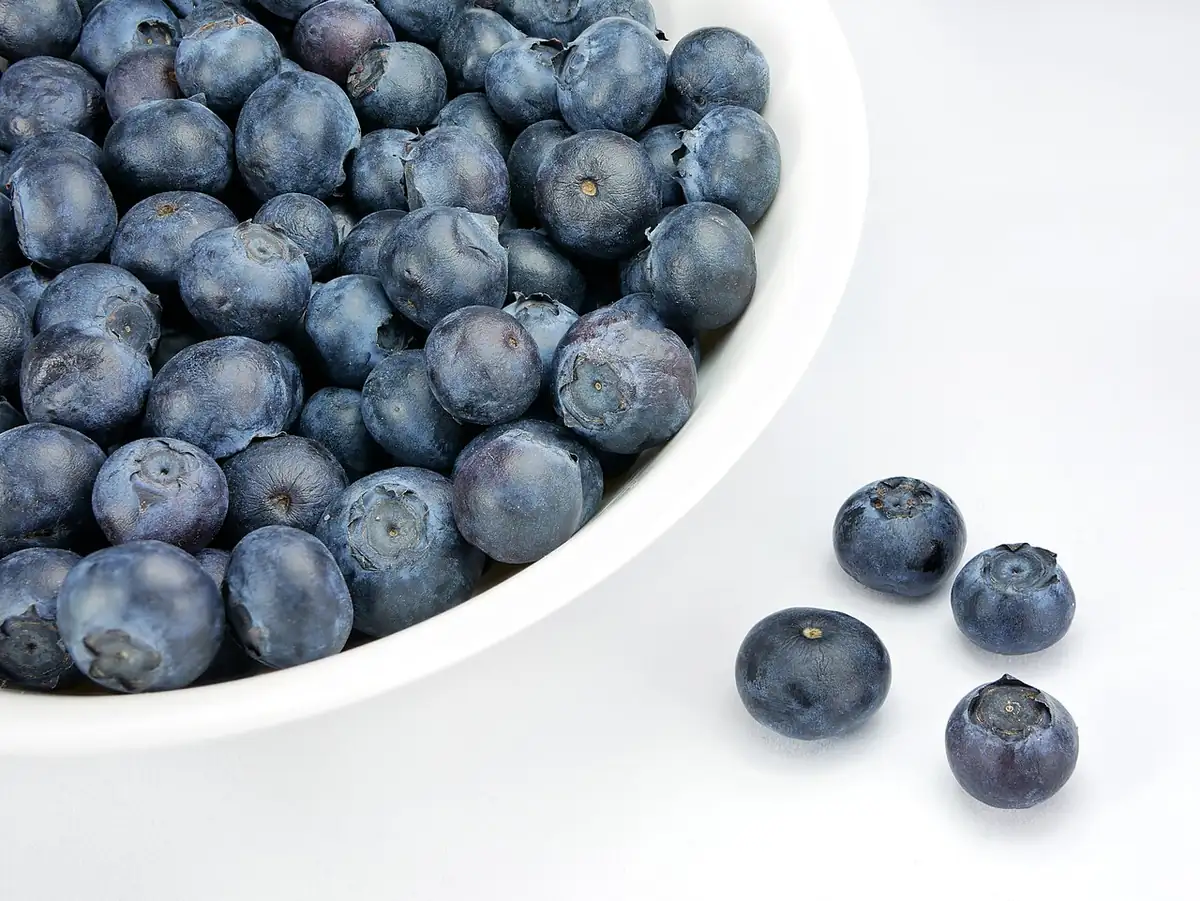
Blueberries are safe for most dogs when served plain and in moderation. They are rich in antioxidants, fiber, vitamins, and minerals. Avoid canned, sweetened, or syrup-packed blueberries, and keep portions small.