Is Vinegar Toxic to Dogs? What Every Owner Should Know
Not exactly toxic — but use vinegar with care around dogs.
Food-grade vinegar in small, diluted amounts is not generally considered toxic to dogs, but vinegar is an acid. Undiluted vinegar, cleaning vinegar, or a large amount can cause vomiting, diarrhea, and mouth irritation, and there is no established safe dose.


- Item
- Vinegar
- Scientific name
- Acetic acid (dilute aqueous solution)
- Also called
- White distilled vinegar, Apple cider vinegar, Cleaning vinegar
- Category
- Household
- Verdict
- Caution
- Symptoms start
- Onset time is not well established — the ASPCA, PetMD, and Cornell sources we checked do not give a time frame for vinegar-related stomach upset in dogs, so we do not state one here. Signs of irritation usually appear soon after a dog drinks undiluted vinegar or a large amount.
Vinegar is one of the most common liquids in American homes: white distilled vinegar and apple cider vinegar in the pantry, and cleaning vinegar under the sink. Dog owners run into it in food, in homemade cleaning sprays, and in home remedies passed around online.
Food-grade vinegar is not generally considered toxic to dogs in small, diluted amounts, but it is still an acid. Drinking undiluted vinegar or a large amount can cause vomiting, diarrhea, and irritation of the mouth and stomach, and cleaning vinegar is stronger than the vinegar in your pantry.
If your dog ate it — what to do now
- Find the bottle and check whether it was food-grade vinegar, cleaning vinegar, or industrial-strength vinegar, and how much your dog drank.
- Offer plain water to drink if your dog can swallow normally, and keep the vinegar away so your dog cannot drink more.
- Rinse vinegar off skin or fur with plain water, and flush the eyes with clean water for several minutes if vinegar got into them.
- Call your veterinarian or ASPCA Animal Poison Control Center at (888) 426-4435 (a consultation fee may apply) and describe the type and strength of vinegar, how much was drunk, and your dog's weight and age.
- Watch your dog for vomiting, diarrhea, drooling, belly pain, or trouble breathing, and seek veterinary care promptly if any of these appear or get worse.
Do not do this
- Do not induce vomiting unless a veterinarian tells you to — Cornell's toxins guide says vomiting should not be induced after acid ingestion.
- Do not give baking soda or another home remedy to neutralize the acid.
- Do not force your dog to drink vinegar — PetMD warns this can cause the liquid to be breathed into the lungs.
- Do not put vinegar in your dog's ears, eyes, or on broken or irritated skin.
- Do not give vinegar to a dog with kidney disease, stomach ulcers, or acid reflux unless your veterinarian tells you to.
What makes vinegar risky for dogs?
Vinegar is a dilute solution of acetic acid in water, and that acid is the whole story. The ASPCA's guide to poisonous household products says vinegar is acidic and can cause stomach upset and irritation. PetMD says apple cider vinegar is not toxic, but swallowing it can cause vomiting, diarrhea, drooling, and loss of appetite.
Food-grade vinegar is usually about 5 percent acetic acid, while cleaning vinegar is about 6 percent, roughly 20 percent stronger. Cornell University's small animal toxins guide lists vinegar among acids that can cause severe tissue damage related to concentration, and says vomiting should not be induced after acid ingestion.
- The risk comes from acetic acid
- Food-grade vinegar is usually about 5 percent acetic acid
- Cleaning vinegar is about 6 percent and is not food
How much vinegar is dangerous for dogs?
There is no established toxic dose for vinegar in dogs. The ASPCA, PetMD, and Cornell do not publish an amount in milliliters per kilogram or a number of spoonfuls, and we could not find one in any authoritative source we checked. So there is also no established safe dose.
A small lick of diluted food-grade vinegar is not generally expected to cause more than mild stomach upset in a healthy dog, while a larger amount, undiluted vinegar, or cleaning vinegar is much more likely to cause vomiting, diarrhea, and mouth irritation. Small dogs and dogs with kidney disease are at higher risk. Never force a dog to drink vinegar: PetMD warns it can be breathed into the lungs, which can cause pneumonia.
- No toxic dose in ml/kg has been established
- No safe dose has been established either
- Small dogs and dogs with kidney disease are at higher risk
Symptoms to watch for after a dog drinks vinegar
Most dogs that lick a little diluted vinegar show no symptoms at all. When symptoms do appear, they are usually signs of stomach and mouth irritation. PetMD lists vomiting, diarrhea, drooling, and lack of appetite as the common results of a pet being given apple cider vinegar by mouth.
More serious signs can follow a large amount or a strong vinegar: repeated vomiting, bloody vomit, severe belly pain, difficulty swallowing, coughing or trouble breathing after choking, and extreme lethargy. Vinegar in the eyes causes pain and tearing. Any of these signs needs a veterinarian promptly, and trouble breathing or repeated vomiting is an emergency.
- Common signs: vomiting, diarrhea, drooling, loss of appetite
- Mouth irritation: pawing at the mouth, lip licking, refusing food
- Serious signs: repeated vomiting, bloody vomit, trouble swallowing
What to do if your dog drinks vinegar
Stay calm and work out what your dog drank and how much. Check the bottle or label: food-grade white vinegar or apple cider vinegar is a very different situation from cleaning vinegar or industrial-strength vinegar. If the bottle says it is industrial-strength or for weed killing, treat it as a poisoning emergency.
Offer your dog plain water if it is able to swallow normally, and keep it away from the vinegar so it cannot drink more. Rinse vinegar off skin or fur with plain water, and flush the eyes with clean water for several minutes if vinegar got into them. Call your veterinarian or the ASPCA Animal Poison Control Center at (888) 426-4435; a consultation fee may apply. Tell them which type of vinegar it was, how much your dog drank, and your dog's weight and age.
- Find the bottle and check the type and strength of the vinegar
- Offer plain water if your dog can swallow normally
- Rinse skin or fur with plain water; flush eyes with clean water
How to keep your dog safe around vinegar
Store all vinegar bottles with their caps on, in a cupboard or on a high shelf your dog cannot reach. Keep cleaning vinegar and industrial-strength vinegar in a separate place from food-grade vinegar, and label them clearly so nobody grabs the wrong bottle by mistake.
When you clean with a vinegar and water solution, keep your dog out of the room until the surface is rinsed and dry. The ASPCA says a vinegar and water solution is not generally an issue if it is diluted, rinsed, and allowed to dry before a pet is let back onto the area. Do not add vinegar to your dog's food or water, and do not put vinegar in your dog's ears, on open wounds, or on raw skin.
- Store vinegar capped, up high, and out of reach
- Keep cleaning and industrial vinegar separate from food-grade vinegar
- Let cleaned floors dry fully before your dog walks on them
White vinegar, apple cider vinegar, and cleaning vinegar: what is the difference?
White distilled vinegar is made from grain alcohol and is usually about 5 percent acetic acid. It is the vinegar most often used for cooking, pickling, and cleaning. Apple cider vinegar is made from fermented apple juice and is also usually about 5 percent acetic acid, and the same cautions apply to both.
Cleaning vinegar looks almost the same but is about 6 percent acetic acid, roughly 20 percent stronger than food-grade vinegar, and is sold as a cleaning product, not a food. Industrial-strength vinegar for killing weeds is corrosive and never safe for a dog to drink. Balsamic vinegar is made from grapes, and grapes are toxic to dogs, so do not give balsamic vinegar to dogs either.
- White distilled vinegar: about 5 percent acetic acid, food grade
- Apple cider vinegar: about 5 percent acetic acid, food grade
- Cleaning vinegar: about 6 percent acetic acid, not food
- Balsamic vinegar: made from grapes, which are toxic to dogs
Safe alternatives to vinegar
Vinegar is not something a dog needs, so the simplest alternative is to skip it. If you want a cleaning product, use a pet-safe floor or surface cleaner, or a vinegar and water solution that is rinsed and dried before your dog returns to the room. For fleas, PetMD recommends proven flea and tick preventives rather than apple cider vinegar, which does not kill fleas and can irritate the skin.
For ear problems, skin irritation, or digestive trouble, ask your veterinarian for a product made for dogs. Home remedies sound gentle, but vinegar is an acid, and on irritated ears or broken skin it can make the problem worse. Plain water is the safest rinse for skin, fur, and eyes.
- Plain water: the safest rinse and the safest drink for your dog
- Vet-approved ear cleaner instead of vinegar in the ears
- Proven flea and tick preventives instead of apple cider vinegar
Symptoms to watch for
- Vomiting
- Diarrhea
- Drooling
- Loss of appetite
- Pawing at the mouth
- Lip licking
- Refusal to eat or drink
- Mouth or throat irritation
- Belly pain
- Repeated vomiting
- Bloody vomit
- Difficulty swallowing
- Coughing or trouble breathing
- Extreme lethargy
- Redness or irritation of the skin
- Eye pain and tearing
Most dogs show no symptoms after a small lick of diluted food-grade vinegar; signs usually come from drinking undiluted vinegar, cleaning vinegar, or a large amount.
Safe alternatives
- Plain water — The safest thing to offer a thirsty dog, and the best rinse if vinegar gets on skin or fur.
- Vet-approved ear cleaner — Use a product made for dogs instead of vinegar in the ears, where vinegar can burn and worsen infection.
- Vet-approved flea prevention — PetMD recommends proven flea and tick preventives instead of apple cider vinegar, which does not kill fleas.
- Dog-safe floor cleaner — A pet-safe cleaner from the store avoids the acid risk of vinegar sprays and the chemical risk of stronger cleaners.
- Roses — A dog-safe plant for the home, listed as non-toxic by the ASPCA.
What about cats? Vinegar is also acidic for cats, and the same caution applies: a small lick of diluted food-grade vinegar is not generally expected to poison a cat, but undiluted vinegar or cleaning vinegar can cause stomach upset and mouth irritation. Keep vinegar bottles and cleaning solutions out of reach of cats as well, and never put vinegar in a cat's ears or on broken skin.
Frequently asked questions
Can dogs drink vinegar?
A small lick of diluted food-grade vinegar is not generally expected to poison a dog, according to the ASPCA and PetMD. But vinegar is acidic, and drinking undiluted vinegar or a large amount can cause vomiting, diarrhea, drooling, and mouth irritation. Dogs with kidney disease, stomach ulcers, or acid reflux should not be given vinegar at all.
Is apple cider vinegar safe for dogs?
Apple cider vinegar is not toxic to dogs in small, diluted amounts, PetMD says, but it is not proven to help with fleas, digestion, or skin problems either. Its health benefits in dogs are unproven, and undiluted apple cider vinegar can irritate the stomach, mouth, and skin. Ask your veterinarian before giving it to your dog for any reason.
Is cleaning vinegar safe for dogs?
No. Cleaning vinegar is stronger than food-grade vinegar, at about 6 percent acetic acid compared with about 5 percent for white distilled vinegar, and some industrial-strength vinegars are much stronger still. Cleaning vinegar is not meant to be eaten or drunk by people or dogs, so keep it stored separately from food-grade vinegar and out of your dog's reach.
Can I clean my floors with vinegar if I have a dog?
A vinegar and water solution is generally considered safe to use for cleaning around dogs, the ASPCA says, as long as it is diluted, rinsed, and allowed to dry before your dog walks on the surface or licks it. Keep your dog out of the room while you clean, and never let your dog drink from a bucket of cleaning solution.
Sources
- ASPCA Poison Control — Poisonous Household Products
- PetMD — Does Apple Cider Vinegar Kill Fleas?
- Cornell University College of Veterinary Medicine — Small Animal Toxins
Related guides
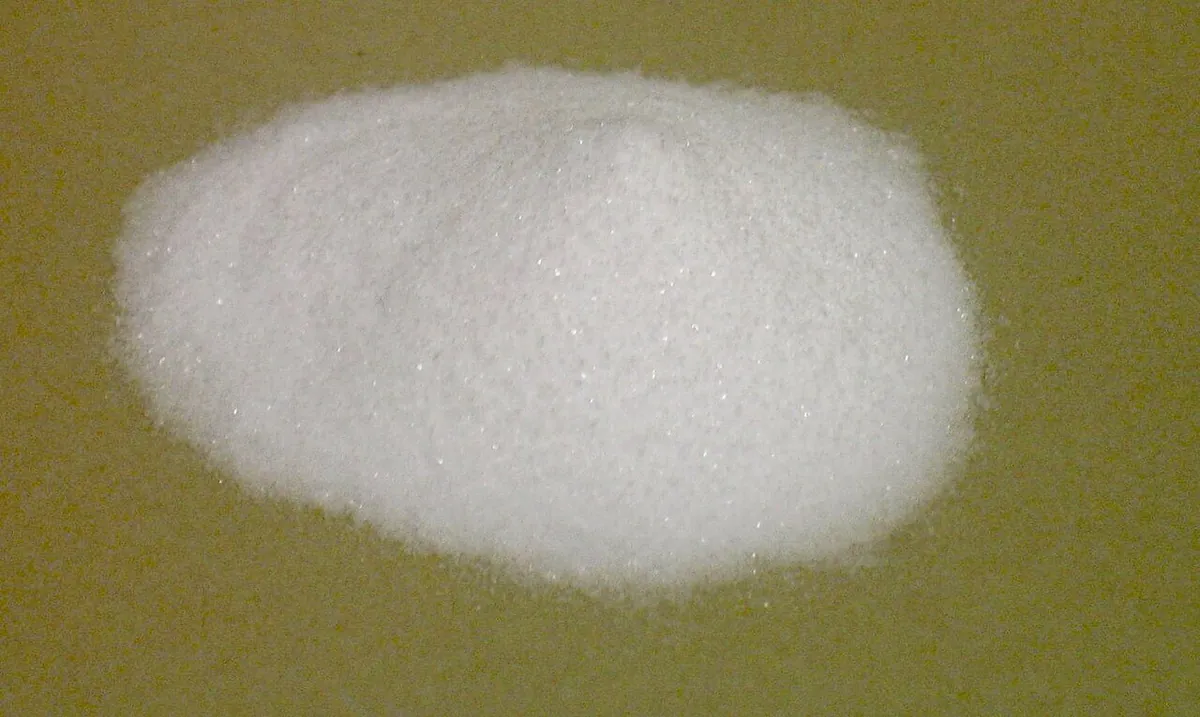
Baking soda (sodium bicarbonate) is toxic to dogs when eaten in large amounts. It disturbs the body's salt and acid balance and releases gas in the stomach. A lick or a baked treat is unlikely to harm, but a dog that eats from the box needs a veterinarian right away.

Grapes, raisins, currants, and sultanas are toxic to dogs and can cause sudden kidney failure. There is no established safe dose — even small amounts have caused illness in some dogs — and the exact toxin is still not firmly identified, though tartaric acid is the leading proposed cause. Treat any ingestion as an emergency and call your veterinarian right away.
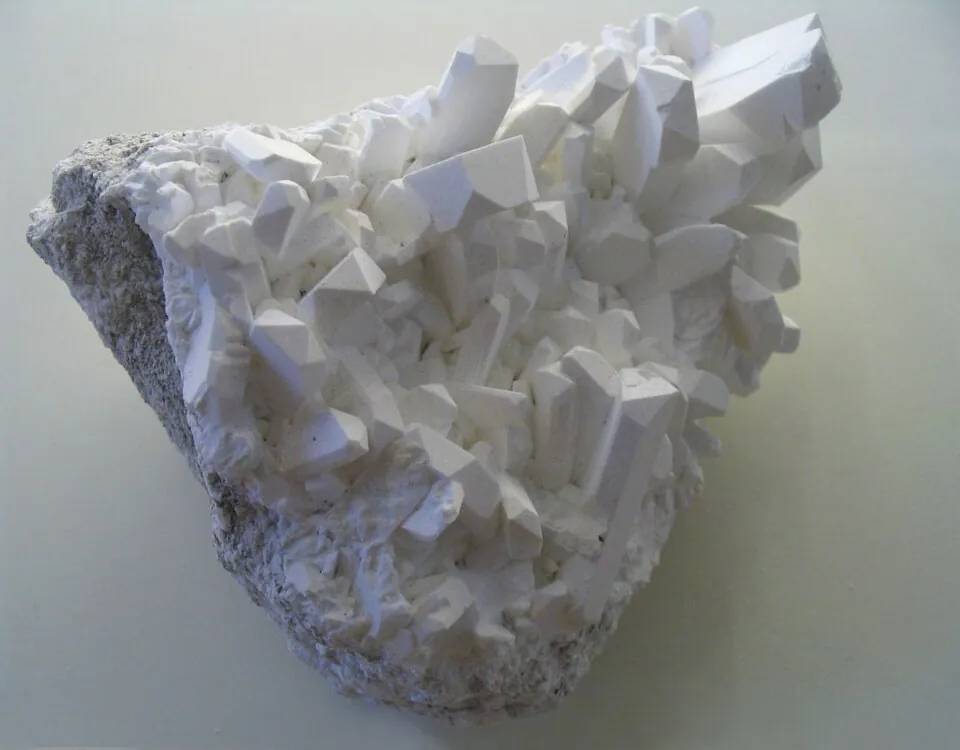
Borax is toxic to dogs. Small amounts usually cause only vomiting and stomach upset, but larger amounts can injure the kidneys and, rarely, cause seizures. Never use borax on or around your dog on purpose.
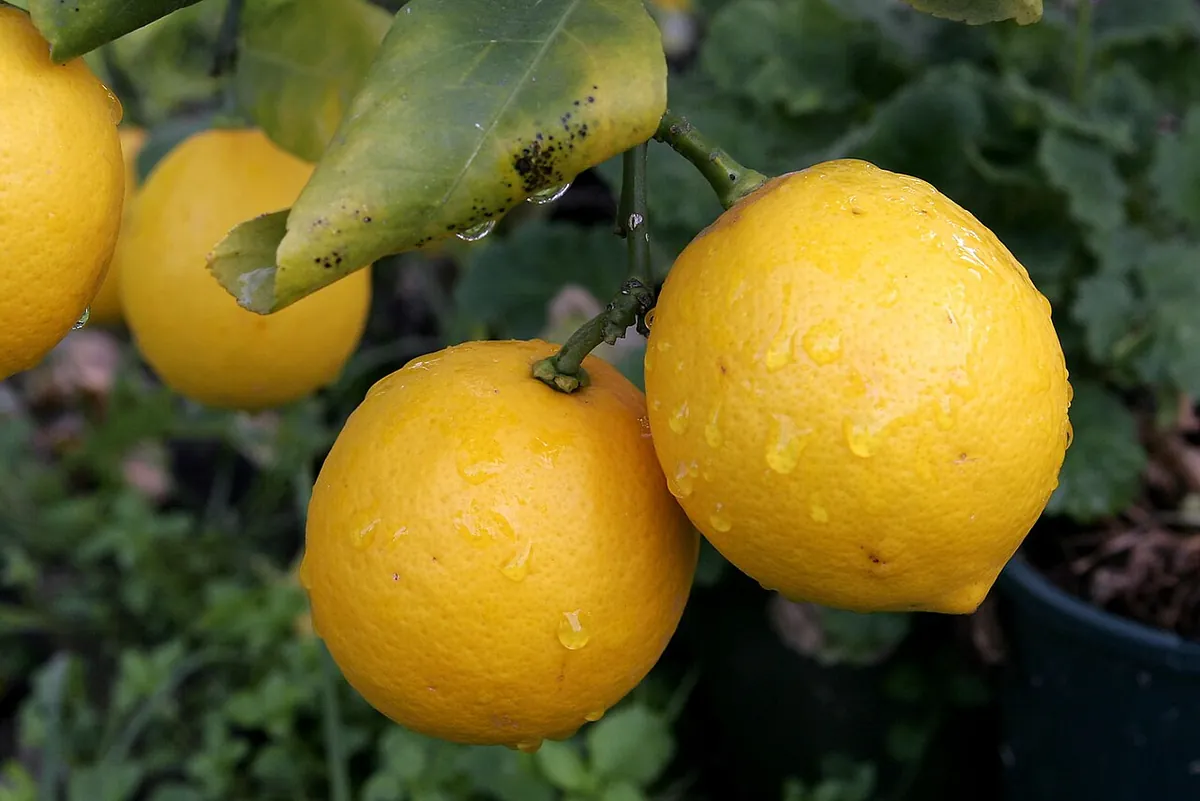
The ASPCA lists the lemon plant as toxic to dogs, because of the essential oils (limonene and linalool) and psoralens in the peel, seeds, and leaves. The flesh is less of a concern, and the usual result of eating lemon is vomiting, diarrhea, and drooling — but large amounts, whole lemons with peel, and concentrated lemon products are more serious.