Is Minoxidil Toxic to Dogs? What Every Owner Should Know
Yes — minoxidil is toxic to dogs.
Minoxidil is toxic to dogs and can cause dangerously low blood pressure, a racing heart, and fluid build-up in the lungs. Even small exposures — a few drops or licks — have made dogs ill, and cats are far more sensitive. Call your vet immediately if your dog may have been exposed.
- Item
- Minoxidil
- Scientific name
- Minoxidil
- Also called
- Minoxidil, Rogaine, Hair regrowth treatment
- Category
- Household
- Verdict
- Toxic
- Symptoms start
- Signs can begin as early as 30 minutes after exposure and may be delayed up to 12 hours, according to the ASPCA.
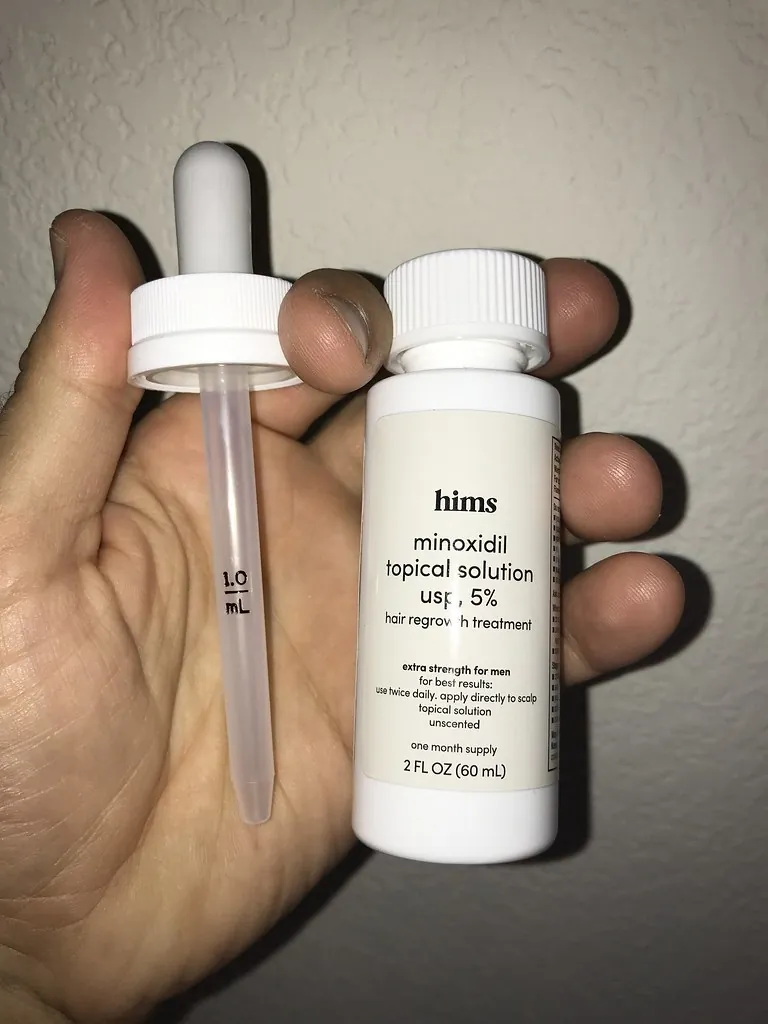
Minoxidil is a drug most people know as a hair-loss treatment — the active ingredient in Rogaine and many generic foams and solutions. It is safe for people when used as directed, but it is toxic to dogs, and it is far more dangerous to cats. The danger is easy to miss, because a dog does not have to eat the product: licking a treated scalp, a pillow, or your hands can be enough.
This page explains what minoxidil does to a dog's body, how dogs usually get exposed, what signs to watch for, and what to do if you think your dog has come into contact with it. If that has already happened, skip to the what-to-do section and call your vet now — do not wait for symptoms.
If your dog ate it — what to do now
- Call your veterinarian or ASPCA Animal Poison Control Center at (888) 426-4435 (a consultation fee may apply) immediately — do not wait for symptoms.
- Tell them what product it was (foam, solution, or tablets), how the exposure happened, roughly how much your dog may have taken in, and your dog's weight. Keep the packaging if you can.
- If minoxidil is on your dog's skin or fur, tell the vet — they may advise washing it off. Do not delay the call to bathe your dog first.
- Follow your veterinarian's instructions. They may induce vomiting or give activated charcoal if the exposure was recent, and provide fluids, oxygen, and heart monitoring in hospital.
- Watch your dog closely for at least 12 hours, and longer if your vet advises, for lethargy, vomiting, rapid or laboured breathing, or collapse. Cardiac or respiratory signs can require treatment for three to four days.
Do not do this
- Do not induce vomiting unless a veterinarian tells you to.
- Do not wait to see if symptoms appear before calling for advice.
- Do not apply minoxidil, or any hair-loss product, to your dog's skin or fur.
- Do not assume a small lick, or a trace on bedding or skin, is harmless — even low exposures have made dogs ill.
What is minoxidil?
Minoxidil was first developed as a tablet for high blood pressure, sold under the brand name Loniten. It works by widening blood vessels, which lowers blood pressure. Doctors later noticed that patients taking it grew extra hair, and the drug was reformulated as a topical solution and foam for hair loss, sold over the counter as Rogaine and as many store brands.
Today it is sold as a 2% or 5% solution or foam applied to the scalp, and as prescription tablets. The foam and solution are in millions of homes, which is why pet poison centres hear about it so often. Other hair and beard products can contain minoxidil-like ingredients, such as aminexil, nanoxidil, and neoxyl, which the ASPCA says carry risks as well.
Why is minoxidil toxic to dogs?
Minoxidil is a vasodilator: it relaxes the walls of small arteries so they widen. In a person using it on the scalp, only a small amount reaches the bloodstream. In a dog that swallows it, the drug is rapidly absorbed and the same effect happens all over the body: blood pressure falls, the heart races to compensate, and fluid can leak into the lungs or the space around them.
The ASPCA warns that minoxidil can cause life-threatening complications in pets, including low blood pressure, abnormal heart rhythm, fluid build-up in the lungs, and possibly cardiac or respiratory arrest. Dogs are less sensitive than cats, but they are not safe: in the ASPCA's review of 211 topical minoxidil cases from 2001 to 2019, 25 dogs developed signs of poisoning, and more than half of them were moderately or seriously ill.
How do dogs get exposed to minoxidil?
Most dog exposures are accidents of curiosity. Dogs chew bottles, lick spilled solution, or nose through the trash for used applicators, cotton swabs, and empty packaging. The ASPCA's later data found that most exposures involved oral ingestion through exploratory behaviour, such as licking recently treated skin or chewing discarded applicators.
Dogs can also pick it up second-hand: licking a treated scalp or beard, licking hands after application, or lying on a pillow, bedding, or clothing with residue on it. Cats are most often exposed this way, but dogs that sleep on the bed or lick their owner's skin face the same route. A dog does not need to eat a whole bottle to become ill.
How much minoxidil is dangerous for a dog?
There is no established safe dose of minoxidil for dogs, and no toxic dose threshold has been set. That is the most important thing to understand: you cannot work out a safe amount. The ASPCA's review found that signs occurred in dogs and cats even with low exposure amounts, such as drops or licks, and a 2025 review of published cases reported that nearly all exposed pets needed hospital care.
The amounts involved are small because the products are concentrated: topical solutions and foams are usually 2% or 5% minoxidil, and a single millilitre of 5% solution contains 50 mg of the drug. Tablets are usually 2.5 mg or 10 mg each. If your dog has swallowed tablets or any amount of the topical product, treat it as an emergency and call your vet — do not try to judge the dose yourself.
What are the symptoms of minoxidil poisoning in dogs?
Signs can begin as early as 30 minutes after exposure, according to a 2025 review of published cases, and the ASPCA says they can develop rapidly or be delayed up to 12 hours. That delay is dangerous: a dog can look fine for hours and then deteriorate. The most common signs are lethargy, weakness, vomiting, and loss of appetite.
As blood pressure falls and fluid builds up, breathing becomes rapid or laboured, the heart races, and the dog may become uncoordinated, tremble, or collapse. In a published case, a dog that swallowed 5% minoxidil foam was found with a heart rate of 200 to 220 beats per minute and very low blood pressure about five hours later, and needed intensive hospital care. If cardiac or respiratory signs develop, the ASPCA says treatment may be needed for three to four days.
What to do if your dog is exposed to minoxidil
Call your veterinarian or ASPCA Animal Poison Control at (888) 426-4435 immediately, even if your dog seems well. Tell them what product it was, how the exposure happened, and roughly how much your dog may have taken in, along with your dog's weight. Do not wait to see if symptoms appear: by the time breathing or heart signs show, the poisoning is advanced.
There is no specific antidote for minoxidil poisoning. Treatment is supportive and hospital-based: your vet may induce vomiting or give activated charcoal if the exposure was recent, and will support blood pressure and breathing with intravenous fluids, oxygen, and medicines to steady the heart. With prompt care, dogs can recover — the dog in the published case above went home after 36 hours — but severe cases need intensive monitoring.
How to keep your dog safe from minoxidil
Store every minoxidil product — bottles, foam cans, tablets, and applicators — in a locked cabinet or a high cupboard your dog cannot reach, and put used tissues, cotton swabs, and empty packaging straight into a secured trash can. Clean up spills immediately, even small ones, and wash your hands well right after applying the product.
Apply minoxidil in a closed room away from pets, and let it dry completely before letting your dog near you or your bedding. Do not let your dog lick your scalp, face, or hands after application, and do not let pets sleep on pillows or bedding that may carry residue. If anyone in the household uses minoxidil and you have pets, talk to your doctor about alternatives — for example, oral tablets prescribed for hair loss leave no residue on skin or bedding, though they must be stored just as securely.
Symptoms to watch for
- Lethargy
- Weakness
- Vomiting
- Loss of appetite
- Rapid breathing
- Difficulty breathing
- Rapid heartbeat
- Low body temperature (cold to the touch)
- Incoordination
- Tremors
- Collapse
- Swollen belly (fluid build-up)
Signs can begin as early as 30 minutes after exposure or be delayed up to 12 hours. Low blood pressure and fluid in the lungs are found on veterinary examination and may not be visible at home.
Safe alternatives
- Oral minoxidil tablets, prescribed by a doctor — Tablets leave no residue on skin, pillows, or bedding. They are a prescription medicine for people only — never give them to a dog, and store them locked away.
- Finasteride tablets, prescribed by a doctor — A prescription hair-loss tablet with no skin residue, so there is nothing for a pet to lick. It is for people only and must be stored securely.
- Drug-free hair-loss options, such as low-level laser therapy devices — Non-drug treatments leave no chemical residue in the home. Ask your doctor whether one suits you.
- Cosmetic cover, such as hair fibres or a hat — A cosmetic option involves no drug at all, so there is nothing in the house that can poison a pet.
What about cats? Cats are FAR more sensitive to minoxidil than dogs. The ASPCA warns that even very small exposures can cause life-threatening complications in cats, and most recorded deaths have been in cats — keep minoxidil away from cats entirely, including residue on pillows, bedding, and skin.
Frequently asked questions
Is minoxidil toxic to dogs?
Yes. Minoxidil is toxic to dogs. It is a vasodilator that can cause dangerously low blood pressure, a racing heart, and fluid build-up in the lungs. Dogs have become ill after chewing a bottle, swallowing tablets, or licking a treated scalp, pillow, or hands. Cats are far more sensitive than dogs.
My dog licked my hair after I applied minoxidil — what should I do?
Call your veterinarian or ASPCA Animal Poison Control at (888) 426-4435 immediately, even if your dog seems fine. Signs can be delayed up to 12 hours, and by the time breathing or heart problems show, the poisoning is advanced. Tell them what product it was and how the exposure happened.
How much minoxidil is dangerous for a dog?
There is no established safe dose of minoxidil for dogs, and no toxic dose threshold has been set. The ASPCA's review of 211 cases found that signs occurred even with low exposure amounts, such as drops or licks. Never try to judge a safe amount yourself — treat any exposure as an emergency and call your vet.
Is minoxidil more dangerous for cats than for dogs?
Yes, far more dangerous. Cats are more sensitive to minoxidil than dogs, and even very small exposures can cause life-threatening complications. In the ASPCA's review of 211 cases, 8 of the 62 cats that developed signs died, and in a later review of cases from 2013 to 2024, all five recorded deaths were cats. Toxicity has been seen in cats that simply lay on a pillow with minoxidil residue and then groomed themselves.
Sources
- ASPCA — Minoxidil and Pets: What You Need to Know
- Journal of the American Animal Hospital Association (via PubMed) — Topical Minoxidil Exposures and Toxicoses in Dogs and Cats: 211 Cases (2001-2019)
- Journal of the American Academy of Dermatology (via ResearchGate) — Minoxidil toxicosis in cats and dogs: a scoping review and call to action
- Taylor & Francis Online — Risks of minoxidil toxicity for household pets
- Journal of the American Veterinary Medical Association (via ResearchGate) — Successful management of minoxidil toxicosis in a dog
Related guides
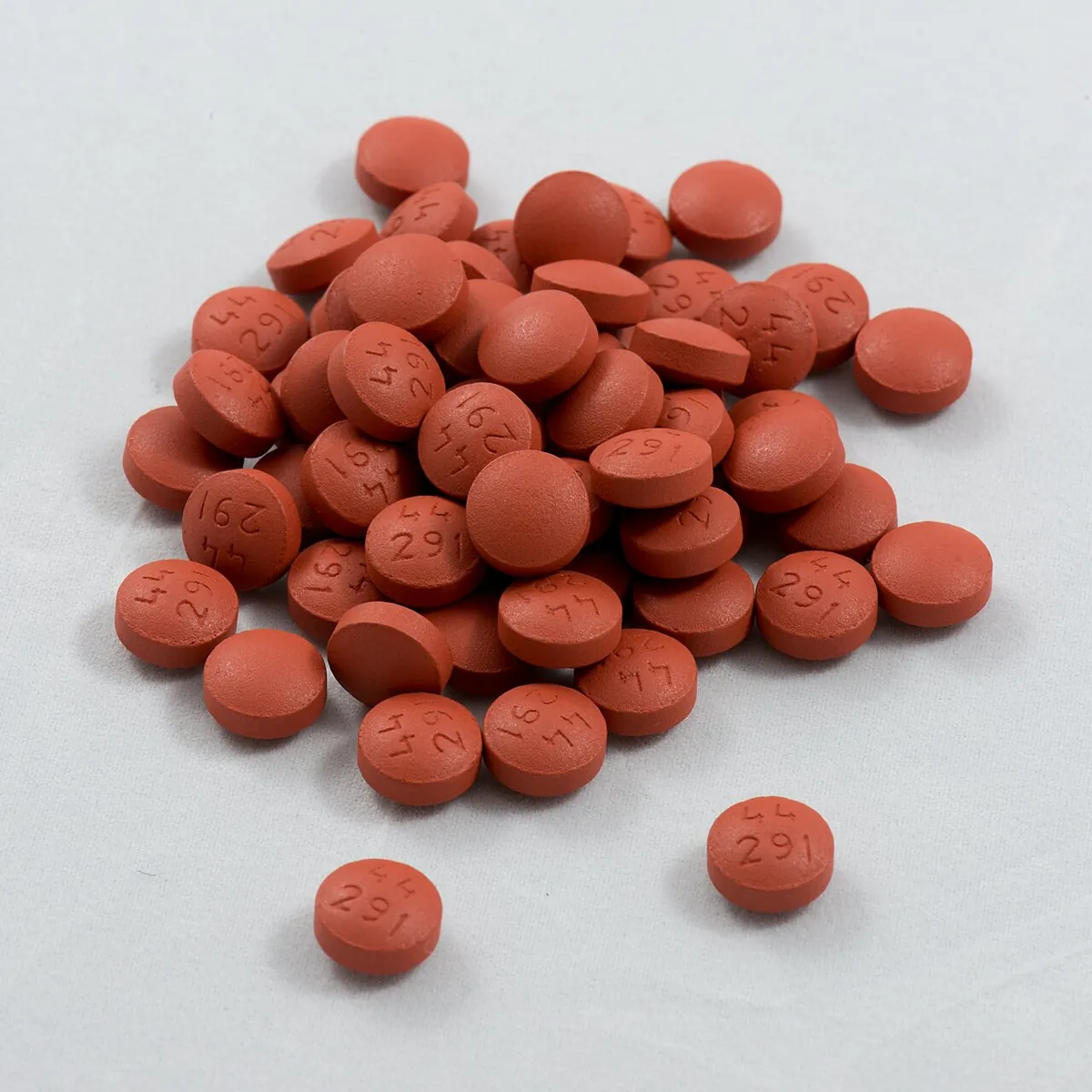
Ibuprofen is toxic to dogs at any dose an owner might give. Even one 200 mg tablet can be dangerous for a small or medium-sized dog, causing stomach ulcers, kidney failure, seizures, or death.

Borax is toxic to dogs. Small amounts usually cause only vomiting and stomach upset, but larger amounts can injure the kidneys and, rarely, cause seizures. Never use borax on or around your dog on purpose.
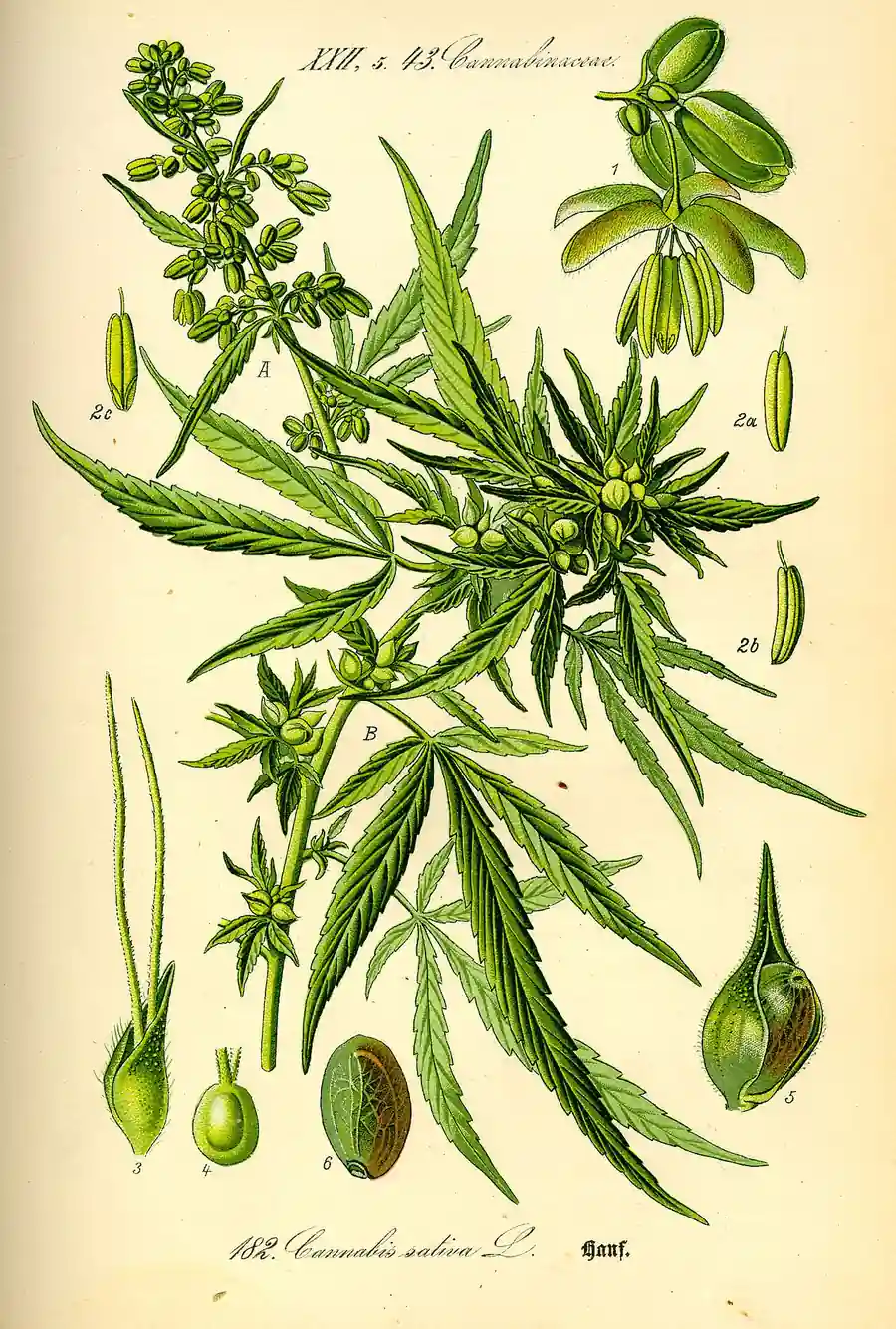
The ASPCA lists marijuana (Cannabis sativa) as toxic to dogs, and THC affects dogs far more strongly than people. Most dogs recover with prompt veterinary care, but edibles and concentrates can cause a serious emergency.

Lilies can poison dogs, usually causing vomiting, diarrhea, and drooling. True lilies are far more dangerous to cats, where they can cause fatal kidney failure. If your dog eats any lily, call your vet.