Are Gardenias Toxic to Dogs? What Every Owner Should Know
Yes — gardenias are toxic to dogs.
The ASPCA lists gardenia as toxic to dogs, cats, and horses. Its compounds, geniposide and gardenoside, usually cause only mild vomiting, diarrhea, and hives, but any dog that eats gardenia should be watched and your veterinarian called.
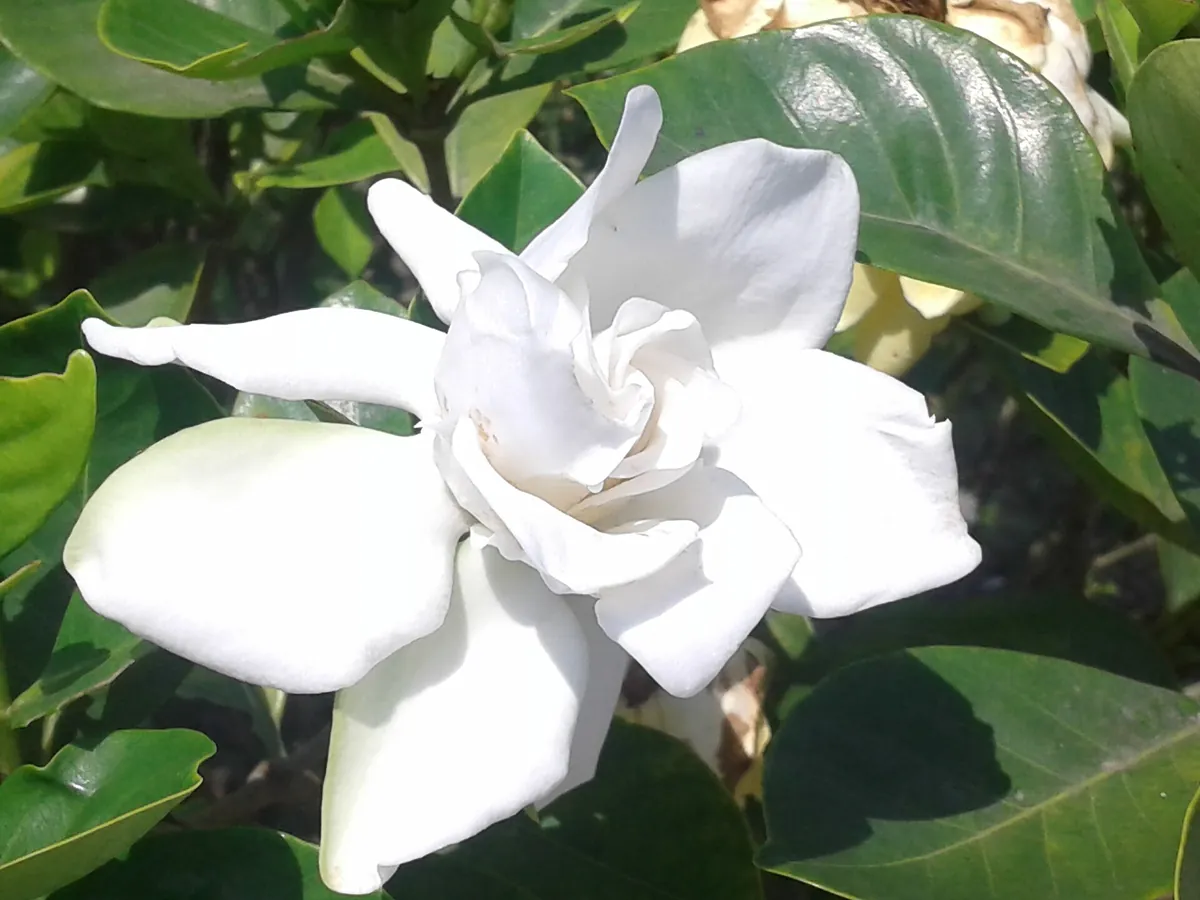

- Item
- Gardenias
- Scientific name
- Gardenia jasminoides
- Also called
- Cape jasmine, Cape jessamine, Common gardenia
- Category
- Plants
- Verdict
- Toxic
- Symptoms start
- Signs usually appear within a few hours of eating gardenia, and most cases settle within a day. The ASPCA does not give a precise onset window, so watch your dog for at least 24 hours after any ingestion.
Gardenias are loved for their creamy white flowers and rich, sweet scent, and they are common in gardens, patios, and living rooms. They are also one of the plants dog owners ask about most, because the flowers sit at nose height for a curious dog and the glossy leaves invite chewing.
The short answer is yes, gardenias are toxic to dogs. The ASPCA lists Gardenia jasminoides as toxic to dogs, cats, and horses. The good news is that gardenia is a mild toxin: the ASPCA's expected signs are mild vomiting, diarrhea, and hives, and most dogs recover without lasting harm. Even so, any dog that eats gardenia should be watched closely, and your veterinarian called.
If your dog ate it — what to do now
- Remove any leaves, stems, or petals from your dog's mouth and keep your dog away from the plant.
- Call your veterinarian or ASPCA Animal Poison Control Center at (888) 426-4435 (a consultation fee may apply) right away, and tell them your dog's weight, what part was eaten, and how much.
- Note the time your dog ate the plant and take a photo of it if you can.
- Keep fresh water available and watch your dog for at least 24 hours for vomiting, diarrhea, hives, or lethargy.
- Seek emergency care if there is blood in vomit or stools, if hives spread, if your dog's face swells, or if your dog has trouble breathing.
- Bring a sample or photo of the plant with you if you go to the veterinary clinic.
Do not do this
- Do not induce vomiting unless a veterinarian or poison control specifically tells you to.
- Do not wait for symptoms to appear before calling your veterinarian — call the same day.
- Do not give milk, oil, or any home remedy to settle your dog's stomach.
- Do not let your dog keep chewing the plant while you decide what to do — remove it from reach first.
- Do not assume a small nibble is harmless for a puppy or a small dog — call your veterinarian and describe the amount.
- Do not use home remedies as a substitute for veterinary care if vomiting or diarrhea lasts more than a day.
What makes gardenias toxic to dogs?
Gardenias contain toxic compounds called geniposide and gardenoside, which the ASPCA names as the toxic principles of Gardenia jasminoides. These are iridoid glycosides, bitter plant chemicals that irritate the digestive tract when eaten. They are found throughout the plant, in the leaves, stems, and flowers, so there is no safe part for a dog to chew.
Gardenia is unusual among toxic garden plants in how mild its effects usually are. It does not contain the compounds that make lilies dangerous to cats, and the ASPCA does not list kidney failure, liver failure, seizures, or heart problems among its effects. Its danger is limited to stomach and gut irritation and hives — still a plant to keep away from dogs, but in a very different category from the truly dangerous plants in a garden.
How much gardenia is dangerous for dogs?
There is no established toxic dose of gardenia for dogs, and no reference gives a number of leaves or flowers that is safe. The ASPCA describes the expected signs as mild, so a small nibble usually causes only brief vomiting or diarrhea, if anything. A larger amount, such as stripping leaves from a bush, is more likely to cause repeated vomiting, diarrhea, and abdominal discomfort.
Size and health matter. A small dog or puppy takes a bigger dose for its body weight than a large dog eating the same amount, and a dog with an existing stomach problem may react more strongly. Compound levels also vary between plants and through the season, so there is no way to know how much a particular leaf contains. Treat any amount eaten as worth a call to your veterinarian.
Symptoms of gardenia poisoning in dogs
The ASPCA lists only three clinical signs for gardenia: mild vomiting, diarrhea, and hives, usually starting within a few hours of eating the plant. Vomiting is typically mild and short-lived, diarrhea is usually loose rather than watery or bloody, and hives appear as raised, itchy red welts, even if your dog only chewed the plant briefly.
Veterinary sources also report drooling, abdominal pain, loss of appetite, and lethargy, especially after a larger amount — all signs of an irritated gut rather than organ damage. Seek care promptly if vomiting or diarrhea is repeated or lasts more than a day, if there is blood in vomit or stools, if hives spread, or if your dog becomes very lethargic or refuses water. Difficulty breathing or swelling of the face is an emergency, even though it is uncommon with gardenia.
- Vomiting (usually mild, once or a few times)
- Diarrhea or loose stools
- Hives or raised red welts on the skin
- Drooling
- Abdominal pain
- Loss of appetite
- Lethargy (after a larger amount)
What to do if your dog eats a gardenia
Act the same day, even though gardenia is only mildly toxic. First, remove any leaves, stems, or petals from your dog's mouth, and keep your dog away from the plant. Do not induce vomiting unless a veterinarian or poison control specifically tells you to. Note what your dog ate, how much, and when, and take a photo of the plant if you can.
Then call your veterinarian or the ASPCA Animal Poison Control Center at (888) 426-4435 (a consultation fee may apply). Tell them your dog's weight, what part of the plant was eaten, how much, and what symptoms you have seen. They will usually advise watching your dog at home, but may ask you to bring your dog in if a large amount was eaten or symptoms are already strong. At the clinic, treatment is usually supportive: fluids for dehydration, medication to settle vomiting, and monitoring until the gut calms down. Keep fresh water available, and watch your dog for at least 24 hours.
How to keep your dog safe around gardenias
The simplest protection is distance. Gardenias grow well in large pots, raised planters, and hanging baskets, which keep the leaves and flowers above a dog's reach, and they can also go in a fenced bed your dog does not enter. Indoors, put a potted gardenia on a high shelf or plant stand rather than on the floor, and check the floor for fallen blooms and leaves, which a dog will find before you do.
Training helps too. Teach your dog a reliable leave-it command and reward it for ignoring garden plants, and supervise puppies and new dogs in the garden. If you use gardenia in cut flower arrangements, keep the vase out of reach, and do not leave clippings on the ground after pruning. If your dog has already shown an interest in chewing the gardenia, move the plant or fence it off rather than hoping the habit stops on its own.
How serious is gardenia poisoning?
For most dogs, gardenia poisoning is a short, uncomfortable episode rather than a dangerous one. The ASPCA's listing describes mild vomiting, diarrhea, and hives, and veterinary sources describe the effects as usually self-limiting, with most dogs recovering within a day. There are no documented cases of gardenia causing organ failure in dogs, and it is not in the same league as plants that can kill, such as lilies for cats or sago palm for dogs.
That does not mean gardenia can be ignored. A dog that vomits repeatedly can become dehydrated, a small puppy faster than an adult dog, and hives can occasionally spread or be joined by swelling. Think of gardenia as a low but real risk: not a reason to panic, and not a plant to let your dog chew freely. Calling your veterinarian is the fastest way to confirm your dog is in the mild group rather than one of the rarer cases that needs treatment.
Safe alternatives to gardenias
You do not have to give up a fragrant, flowering garden to keep your dog safe. Roses are the closest match: dog-safe, strongly scented, and available in white varieties that echo the gardenia's look, though you should choose thornless types near paths your dog uses. Rosemary is another fragrant option, listed as safe for dogs, that grows well in pots and sunny borders and gives you a useful kitchen herb.
For color rather than scent, snapdragons and zinnias are both dog-safe and thrive in the same sunny beds gardenias like. Snapdragons add height and a cottage-garden feel, while zinnias give bold summer color with almost no care. If you love glossy evergreen leaves, consider a dog-safe shrub such as rosemary or a rose bush, and enjoy gardenias only where your dog cannot reach.
Symptoms to watch for
- Mild vomiting
- Diarrhea or loose stools
- Hives or raised red welts
- Drooling
- Abdominal pain
- Loss of appetite
- Lethargy
The ASPCA lists only mild vomiting, diarrhea, and hives. Other signs listed here, such as drooling and abdominal pain, come from veterinary sources and are most likely after a larger amount. Signs usually start within a few hours and settle within a day.
Safe alternatives
- Roses — Dog-safe, fragrant, and widely available; choose thornless varieties near paths your dog uses.
- Rosemary — A fragrant, dog-safe herb that works in pots and borders where a gardenia might have gone.
- Snapdragons — Colorful, dog-safe cottage-garden flowers that grow well in the same sunny beds as gardenias.
- Zinnias — Bright, heat-loving, and non-toxic to dogs, with a long summer bloom season.
What about cats? Gardenias are toxic to cats too. The ASPCA lists gardenia as toxic to cats as well as dogs and horses, with the same expected signs of mild vomiting, diarrhea, and hives. Cats are often more sensitive to plant toxins than dogs, so keep gardenias out of a cat's reach as well, and call your veterinarian if a cat chews any part of the plant.
Frequently asked questions
Are gardenias toxic to dogs?
Yes. The ASPCA lists gardenia (Gardenia jasminoides) as toxic to dogs, cats, and horses. Its toxic compounds are geniposide and gardenoside, and the expected signs are mild vomiting, diarrhea, and hives.
Can gardenias kill a dog?
Gardenia is a mild toxin, not a deadly one. Most dogs that eat a small amount develop only mild vomiting or diarrhea that settles on its own, and the ASPCA does not list organ failure among its effects. Even so, call your veterinarian, because a small dog, a puppy, or a dog that ate a large amount may need care, and only a vet can judge the risk for your dog.
How long after eating a gardenia will my dog show symptoms?
Mild vomiting or diarrhea usually starts within a few hours of eating gardenia, and most cases settle within a day. If vomiting or diarrhea lasts more than 24 hours, or your dog becomes lethargic, stops drinking, or develops hives that spread, call your veterinarian.
Should I make my dog vomit after eating a gardenia?
No. Do not induce vomiting unless a veterinarian or poison control specifically tells you to. Remove any plant material from your dog's mouth, keep your dog calm, and call your veterinarian or the ASPCA Animal Poison Control Center at (888) 426-4435 for advice.
Sources
- ASPCA — Toxic and Non-toxic Plants: Gardenia
- Hunker — Are Gardenias Poisonous to Pets?
- PlantAddicts — Are Gardenias Poisonous?
- Petco — My Dog Ate Gardenia, Vomiting/Shaking: Emergency Vet Needed?
Related guides
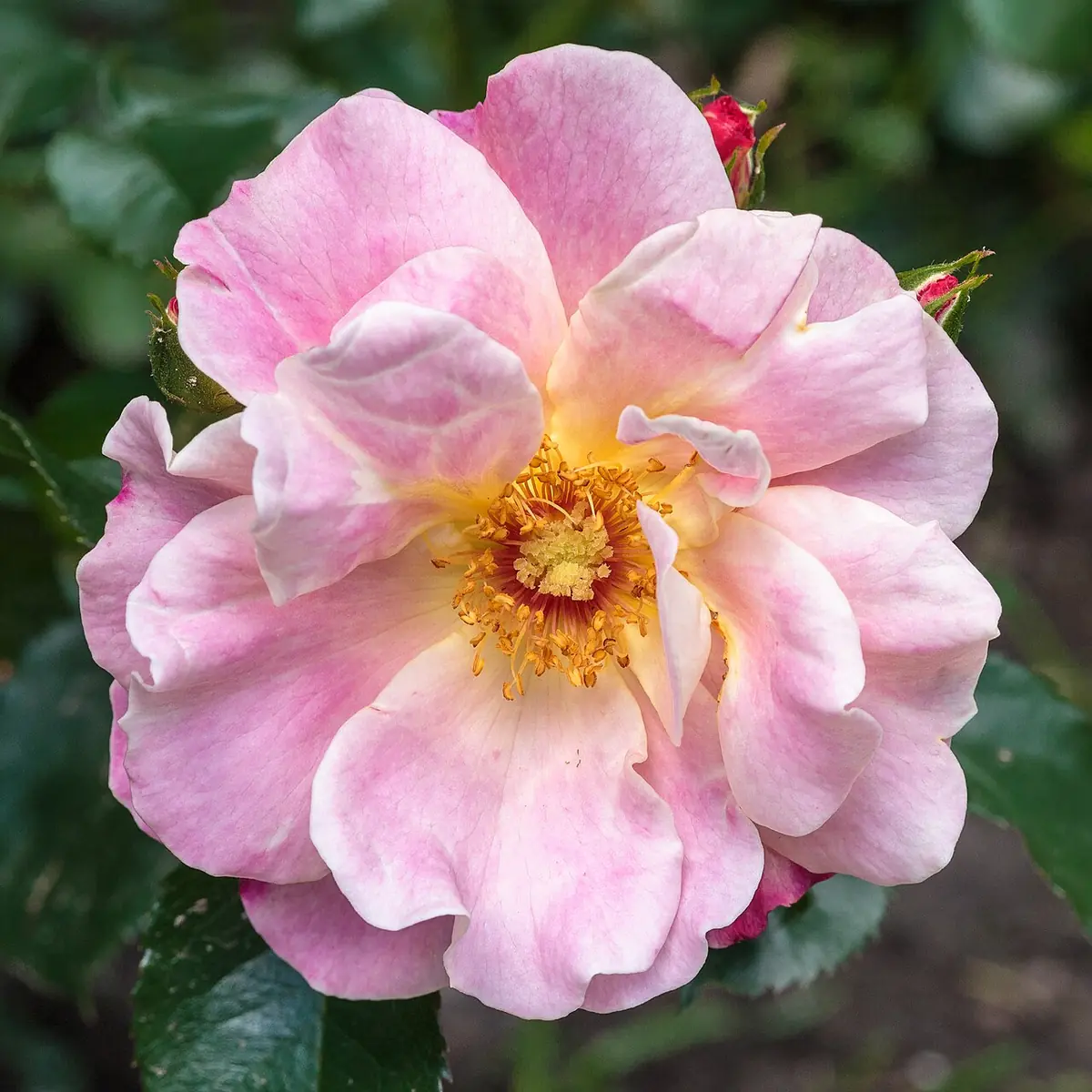
The ASPCA lists roses (Rosa species) as non-toxic to dogs, cats, and horses. The real risks are the thorns and any pesticides, fertilizers, or flower food on the plant.
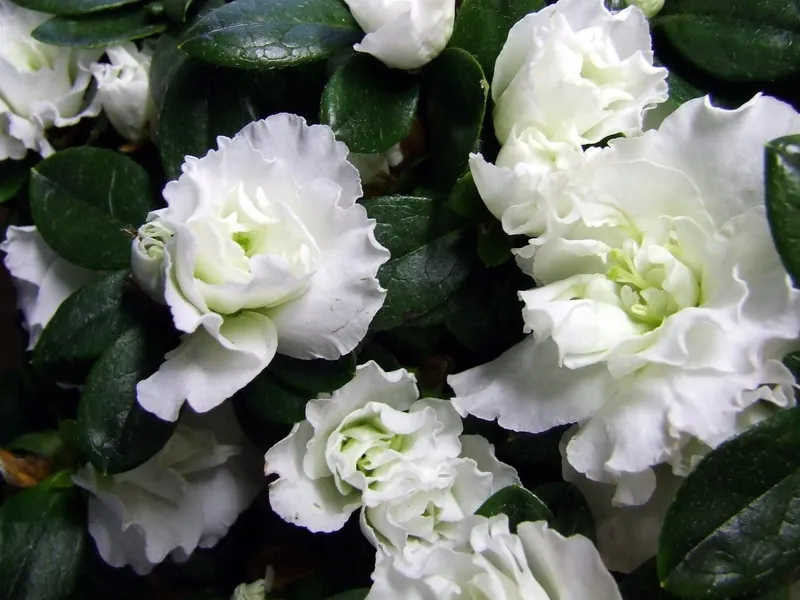
The ASPCA lists azaleas (Rhododendron spp.) as toxic to dogs, cats, and horses. Every part of the plant contains grayanotoxins, and even a few leaves can cause vomiting, weakness, and dangerous heart effects.
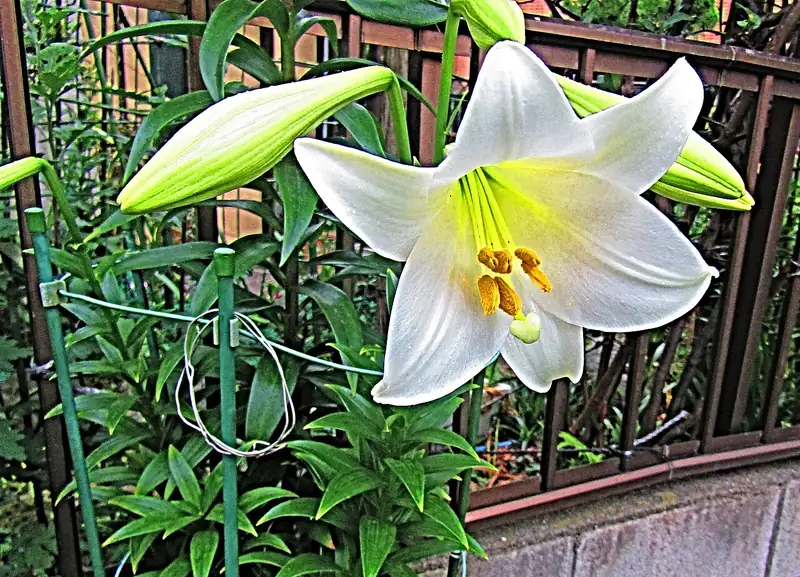
Lilies can poison dogs, usually causing vomiting, diarrhea, and drooling. True lilies are far more dangerous to cats, where they can cause fatal kidney failure. If your dog eats any lily, call your vet.
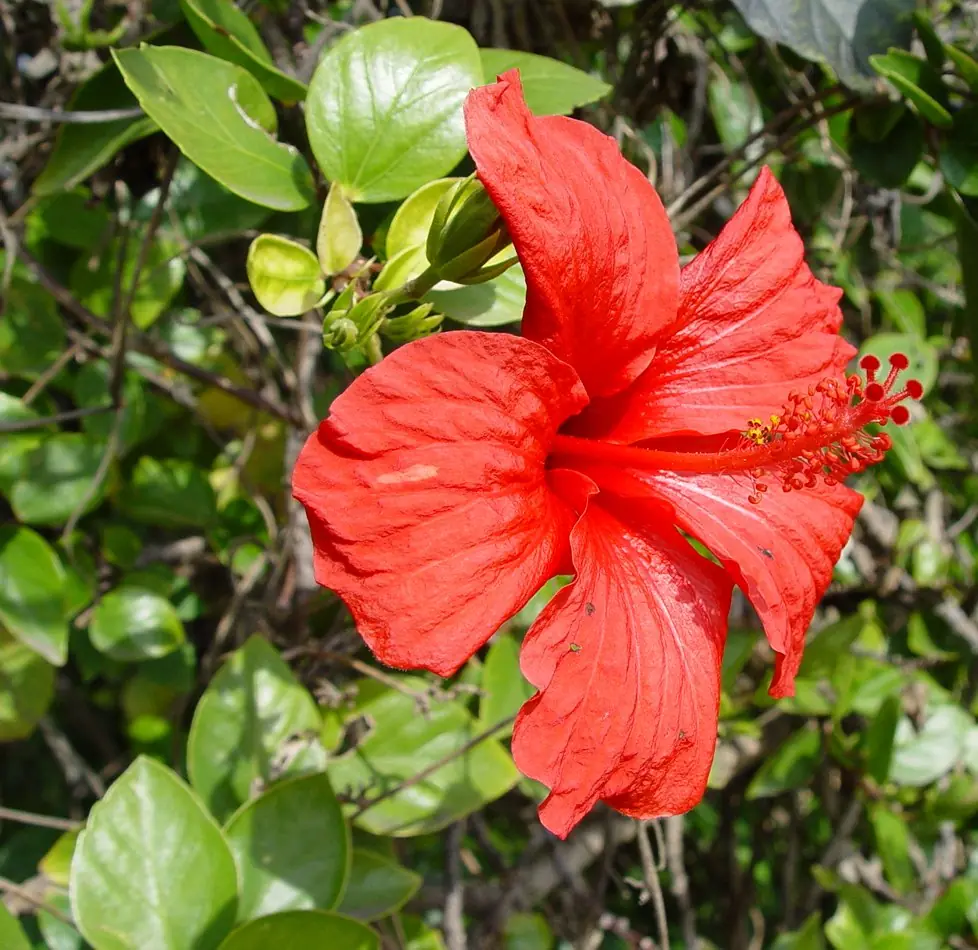
The ASPCA lists hibiscus (Hibiscus syriacus) as non-toxic to dogs, cats, and horses, and veterinary toxicology databases list tropical hibiscus (Hibiscus rosa-sinensis) the same way. A dog that nibbles a flower is not expected to be poisoned, though eating plant material can still cause mild stomach upset.