Are Hibiscus Toxic to Dogs? What Every Owner Should Know
No — hibiscus is not toxic to dogs.
The ASPCA lists hibiscus (Hibiscus syriacus) as non-toxic to dogs, cats, and horses, and veterinary toxicology databases list tropical hibiscus (Hibiscus rosa-sinensis) the same way. A dog that nibbles a flower is not expected to be poisoned, though eating plant material can still cause mild stomach upset.

- Item
- Hibiscus
- Scientific name
- Hibiscus rosa-sinensis
- Also called
- Tropical hibiscus, Chinese hibiscus, China rose, Shoe flower
- Category
- Plants
- Verdict
- Safe
- Symptoms start
- There is no poisoning onset time for hibiscus because it contains no known toxin. Mild stomach upset, if it happens, usually appears within a few hours of eating the plant and should pass within about a day.
No, hibiscus is not toxic to dogs. The ASPCA lists hibiscus (Hibiscus syriacus) as non-toxic to dogs, cats, and horses, and the University of Zurich's CliniTox veterinary toxicology database lists tropical hibiscus (Hibiscus rosa-sinensis) as a non-toxic plant. A dog that nibbles a hibiscus flower or leaf is not expected to be poisoned.
Non-toxic does not mean risk-free, though. Eating a large amount of any plant material can cause vomiting or diarrhea, and garden sprays, fertilizers, and vase water can be harmful even when the plant itself is safe. A few pink-flowered look-alikes, such as oleander, are genuinely dangerous. This page explains what the evidence actually says and what to watch for.
If your dog ate it — what to do now
- Take the hibiscus away so your dog cannot eat more, and check its mouth for plant material.
- Find out whether the plant was sprayed with pesticide or fertilizer, or whether the vase water contains flower food, and keep the product label if you have it.
- Call your veterinarian or the ASPCA Animal Poison Control Center at (888) 426-4435 (a consultation fee may apply) if your dog keeps vomiting, has bloody diarrhea, refuses food and water, or seems lethargic.
- If the plant may be oleander rather than hibiscus, call your veterinarian or the ASPCA Animal Poison Control Center at (888) 426-4435 (a consultation fee may apply) right away, even if your dog looks fine.
- Watch your dog for the next day for vomiting, diarrhea, or loss of appetite, and offer small amounts of water once its stomach has settled.
Do not do this
- Do not induce vomiting unless a veterinarian tells you to.
- Do not give milk, food, oil, or home remedies to "dilute" anything — hibiscus contains no toxin to dilute.
- Do not assume a plant is hibiscus just because it has pink or red trumpet flowers — check the scientific name first, because oleander looks similar and is toxic.
- Do not let your dog drink vase water from a bouquet, which may contain flower food or bacteria.
Why hibiscus is considered safe for dogs
Hibiscus contains no known toxin that affects dogs. The ASPCA entry for hibiscus (Hibiscus syriacus) lists the toxic principle as non-toxic, so no poisoning symptoms are listed for the plant at all. The University of Zurich's CliniTox database, which veterinarians use as a toxicology reference, lists tropical hibiscus (Hibiscus rosa-sinensis) as a non-toxic plant as well. A search of the published medical literature found no reports of dog poisoning from these plants.
That does not mean a dog should eat hibiscus as a snack. The ASPCA notes that eating any plant material can cause vomiting and stomach upset in dogs, and that applies to hibiscus too. The plant is safe in the sense that it will not poison your dog, not in the sense that it is food.
How much hibiscus is dangerous for a dog?
There is no established toxic dose for hibiscus, because there is no toxin to measure a dose against. A few nibbled petals or leaves are not expected to cause more than mild stomach upset, if anything at all.
Amount still matters for a different reason. Eating a large amount of leaves, stems, or flowers can irritate the stomach lining and cause repeated vomiting or diarrhea, and a large mass of swallowed plant material can be hard for a small dog to pass. Puppies and small dogs are more likely to be affected. If your dog ate a large amount of hibiscus, watch it closely and call your veterinarian if vomiting or diarrhea keeps going.
Symptoms to watch for after a dog eats hibiscus
Most dogs show no symptoms at all after nibbling hibiscus. When symptoms do appear, they are the ordinary signs of eating too much plant material: mild vomiting, loose stool, a loss of appetite, or drooling. These usually pass on their own within about a day.
Call your veterinarian instead of waiting if vomiting keeps going for hours, diarrhea has blood in it, your dog refuses water or vomits every time it drinks, or it becomes lethargic or weak. A swollen, tight, or painful belly also needs veterinary attention right away, because it can signal a blockage from swallowed plant material rather than poisoning.
What to do if your dog eats hibiscus
Stay calm and check what your dog actually ate. Take the hibiscus away so your dog cannot eat more, and look inside its mouth for plant material. Find out whether the plant was sprayed with pesticide or fertilizer, or whether the vase water contains flower food, and keep the product label if you have it.
Most of the time, no treatment is needed beyond watching your dog for the next day. Offer small amounts of water and a normal meal once the stomach has settled. Call your veterinarian or the ASPCA Animal Poison Control Center at (888) 426-4435 if your dog keeps vomiting, has bloody diarrhea, refuses food and water, or seems lethargic. If the plant might be oleander rather than hibiscus, call right away, even if your dog looks fine.
How to keep your dog safe around hibiscus
Hibiscus shows up in three places: the garden as a shrub or potted plant, the house as a houseplant or cut flower, and the kitchen as tea or dried flowers. In the garden, a bored dog may chew leaves or knock over a pot, and indoors a bouquet puts flowers at nose height.
Plant hibiscus in beds your dog does not roam through, or fence off the bed while the plant is young and tempting. Keep potted plants on stands or high shelves, and keep bouquets out of reach. Offer a chew toy instead of a stem, and supervise your dog in the yard until the "leave it" habit is solid.
- Keep potted hibiscus on high surfaces or behind closed doors where a chewing dog cannot reach it.
- Do not let your dog graze on hibiscus bushes in the garden, and teach a reliable "leave it" cue.
- Keep cut hibiscus stems and bouquets out of reach, and do not let your dog drink vase water.
- Store fertilizers, pesticides, and flower food where your dog cannot reach them.
Hibiscus care products to watch for
The chemicals used on hibiscus deserve more caution than the hibiscus itself. Garden hibiscus is often treated with insecticides, fungicides, and fertilizers, and cut flowers may be sprayed before shipping. Flower food packets added to vase water can also upset a dog's stomach.
One fertilizer deserves a special warning: castor bean meal, made from castor oil seed residue, can contain ricin, a very strong poison, and has killed dogs. Ask your garden center or florist whether the hibiscus was treated, read the label on any spray or fertilizer you use, and keep your dog away from freshly sprayed plants until they are dry. If your dog eats a treated hibiscus, tell your veterinarian which product was used.
Plants that look like hibiscus but are not safe
The biggest risk around hibiscus is mistaken identity. Oleander (Nerium oleander) has pink or red trumpet-shaped flowers that can look like hibiscus at a glance, and the ASPCA lists it as toxic to dogs, cats, and horses, with signs including drooling, abdominal pain, diarrhea, and death. Never assume a pink-flowered shrub is hibiscus.
Roselle (Hibiscus sabdariffa), the species used to make hibiscus tea, is a different plant again, and dried flowers sold for tea are often mixed with other herbs. Always check the scientific name on the plant tag before deciding a plant is safe. If your dog has eaten oleander or another look-alike, treat it as a poisoning emergency and call your veterinarian or poison control immediately.
How to identify hibiscus in your home and garden
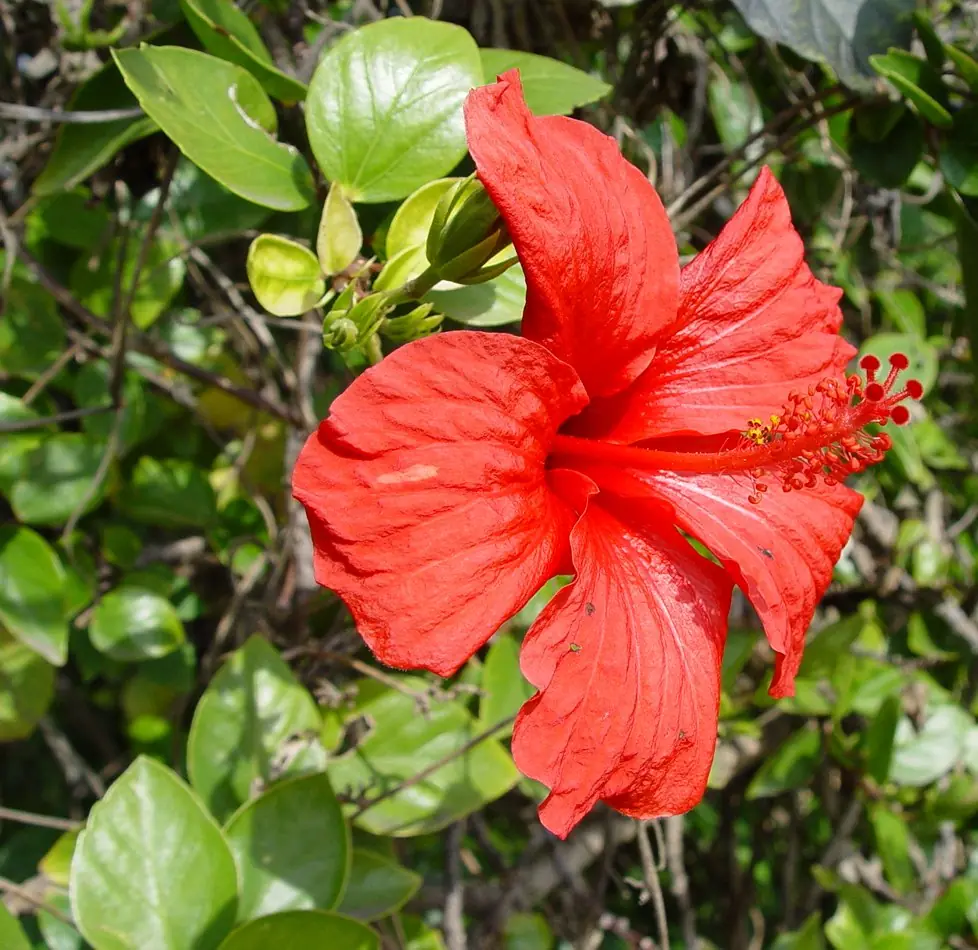
Tropical hibiscus (Hibiscus rosa-sinensis) is easy to recognize in bloom: large trumpet-shaped flowers, usually red, pink, orange, or yellow, with five broad petals and a long central stalk tipped with yellow pollen. The leaves are glossy, dark green, and toothed at the edges, and the plant is evergreen in warm climates and widely grown in pots indoors.
Rose of Sharon (Hibiscus syriacus), the hardy outdoor shrub the ASPCA lists, is deciduous, with smaller, flatter flowers in white, pink, purple, or blue, and it grows as a woody shrub up to 8 to 12 feet tall. If you are unsure which hibiscus you have, check the plant tag. Do not guess from flower color alone, because oleander and other shrubs share the same colors.
Safe alternatives to hibiscus
Hibiscus is already a safe choice, but if you want more color without any doubt, several other flowers are equally safe. Roses, sunflowers, and spider plants are all listed as non-toxic to dogs by the ASPCA, and they cover the same ground as hibiscus: roses for bouquets and beds, sunflowers for tall summer color, and spider plants for easy indoor greenery.
Symptoms to watch for
- Mild vomiting
- Diarrhea or loose stool
- Loss of appetite
- Excessive drooling
- Abdominal discomfort
- Lethargy (if a large amount was eaten)
- Dehydration (if vomiting or diarrhea continues)
Most dogs show no symptoms after nibbling hibiscus; any signs are usually mild stomach upset that passes within about a day. Persistent vomiting, bloody diarrhea, or lethargy need a veterinarian.
Safe alternatives
- Roses — Listed as non-toxic to dogs by the ASPCA, and a classic choice for bouquets and garden beds.
- Sunflowers — Listed as non-toxic to dogs by the ASPCA, and a tall, showy summer flower like hibiscus.
- Spider plants — Listed as non-toxic to dogs by the ASPCA, and an easy, hardy plant for indoors.
What about cats? Hibiscus is also listed as non-toxic to cats by the ASPCA, and the same stomach-upset warning applies: a cat that eats a lot of hibiscus leaves or flowers may vomit or have loose stool. Keep hibiscus tea and dried hibiscus flowers away from cats too, and call your veterinarian if a cat keeps vomiting or stops eating.
Frequently asked questions
Is hibiscus safe for dogs?
Yes. The ASPCA lists hibiscus as non-toxic to dogs, cats, and horses, and veterinary toxicology databases list tropical hibiscus (Hibiscus rosa-sinensis) the same way. A dog that nibbles a hibiscus flower is not expected to be poisoned, though eating a lot of plant material can still cause mild vomiting or diarrhea.
Can dogs eat hibiscus flowers?
Hibiscus flowers are not toxic, but they are not food either. A few nibbled petals are not expected to cause harm, but eating a large amount of flowers or leaves can cause mild vomiting or diarrhea. Make sure the flowers have not been sprayed with pesticides before your dog eats them.
Can dogs drink hibiscus tea?
Hibiscus tea is usually made from roselle (Hibiscus sabdariffa), a different species from the garden hibiscus, and it is often mixed with other herbs. There is no established safety guidance for giving hibiscus tea to dogs, and the ASPCA listing does not cover tea or dried flowers. Do not give your dog hibiscus tea on purpose, and call your veterinarian if your dog drinks a large amount.
Why do some websites say hibiscus is toxic to dogs?
Because the word hibiscus covers many species, and because some sources confuse hibiscus with look-alike plants such as oleander, which is genuinely toxic. The ASPCA is the clearest authority here: its hibiscus entry, for Hibiscus syriacus, is non-toxic to dogs, cats, and horses, and the University of Zurich's CliniTox database lists tropical hibiscus (Hibiscus rosa-sinensis) as a non-toxic plant. This page follows those listings, while still warning about stomach upset, sprays, and look-alikes.
Sources
- ASPCA Poison Control — Hibiscus
- ASPCA Poison Control — Toxic and Non-Toxic Plant List — Dogs
- Adopt-a-Pet.com — Are Hibiscus Toxic to Dogs?
- Bloom — Is Hibiscus Toxic to Cats and Dogs? See Sources
Related guides
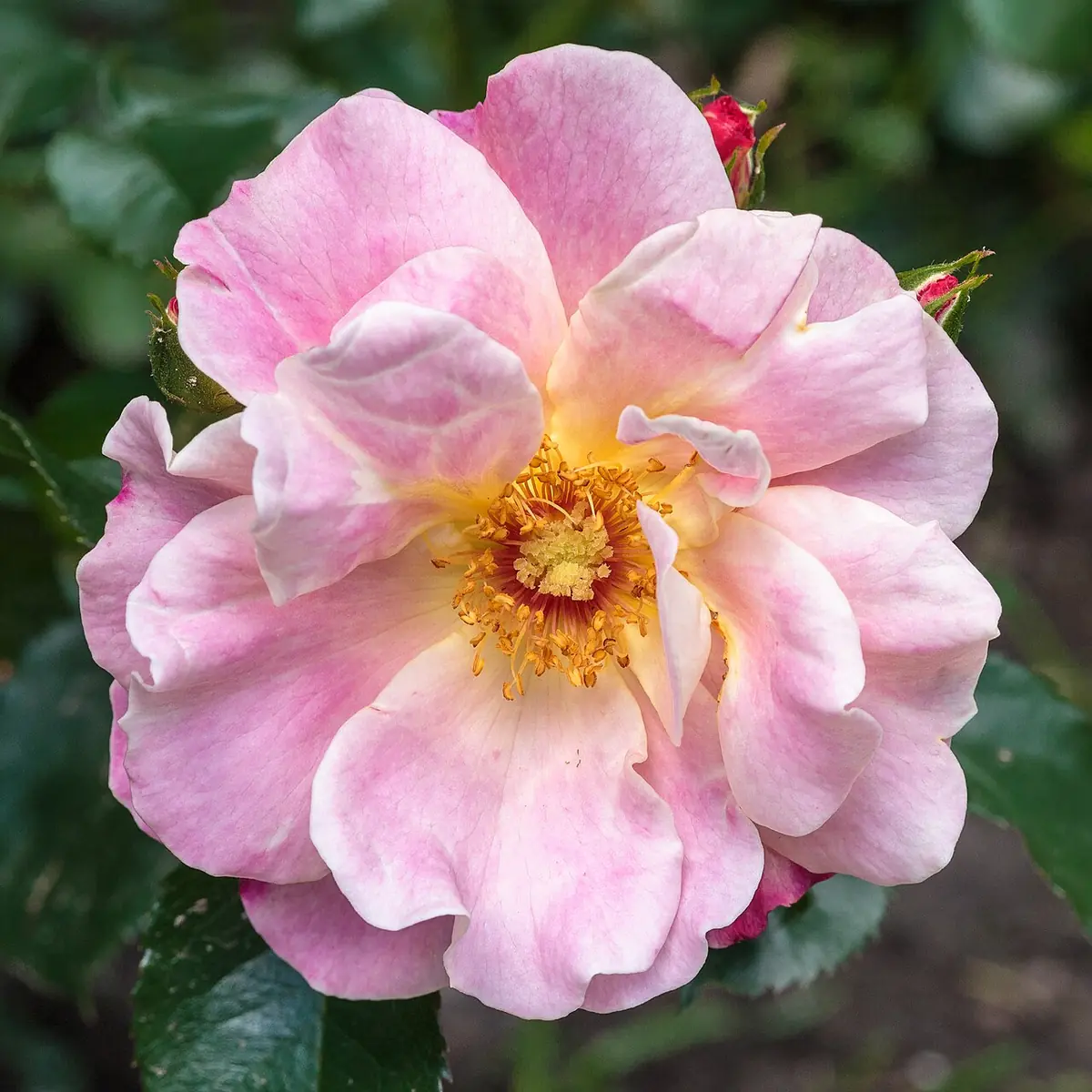
The ASPCA lists roses (Rosa species) as non-toxic to dogs, cats, and horses. The real risks are the thorns and any pesticides, fertilizers, or flower food on the plant.

Sunflowers are not toxic to dogs. The ASPCA lists them as non-toxic, and the seeds are safe too — but only plain, shelled, and unsalted, in small amounts.
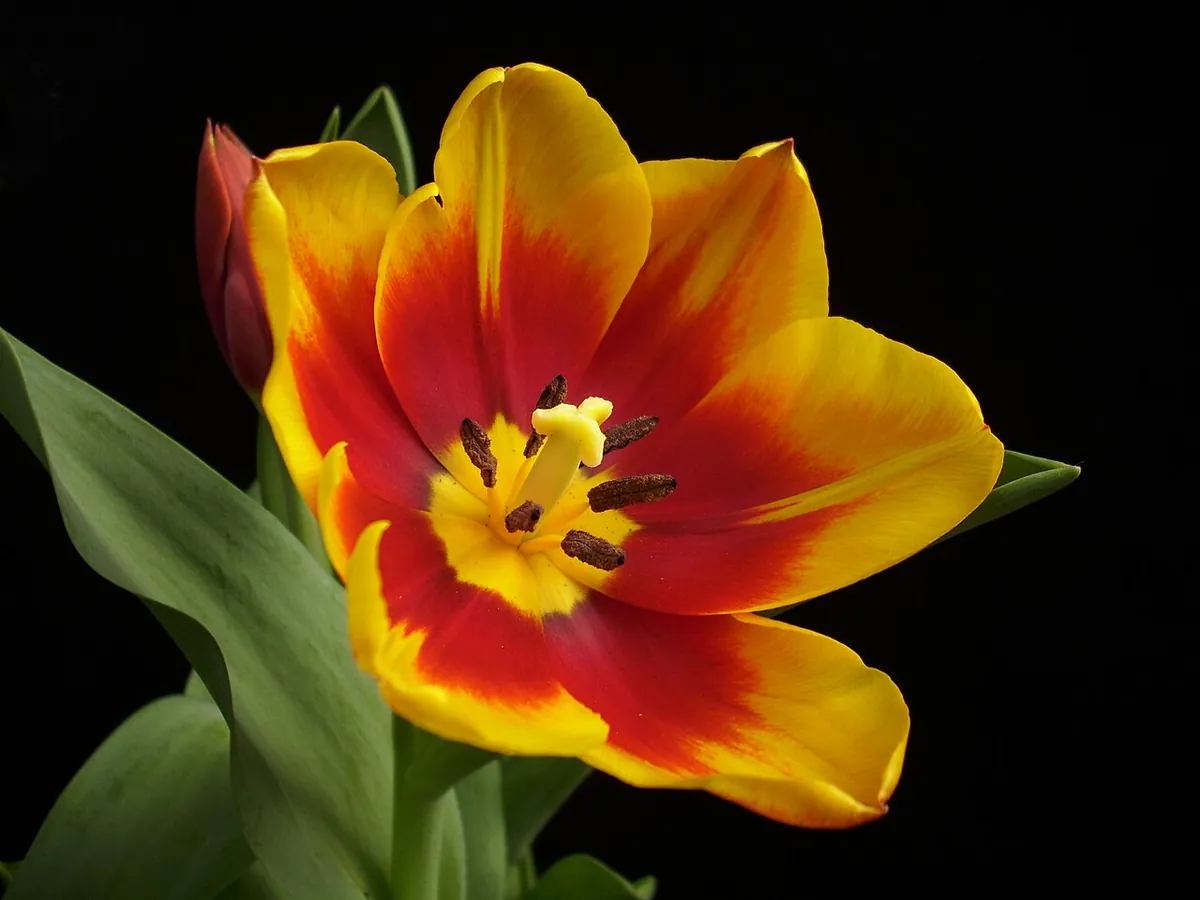
Tulips are toxic to dogs. Every part of the plant contains tulipalin A and B, but the bulb holds the highest concentration, so a dog that digs up and eats bulbs faces the greatest risk.
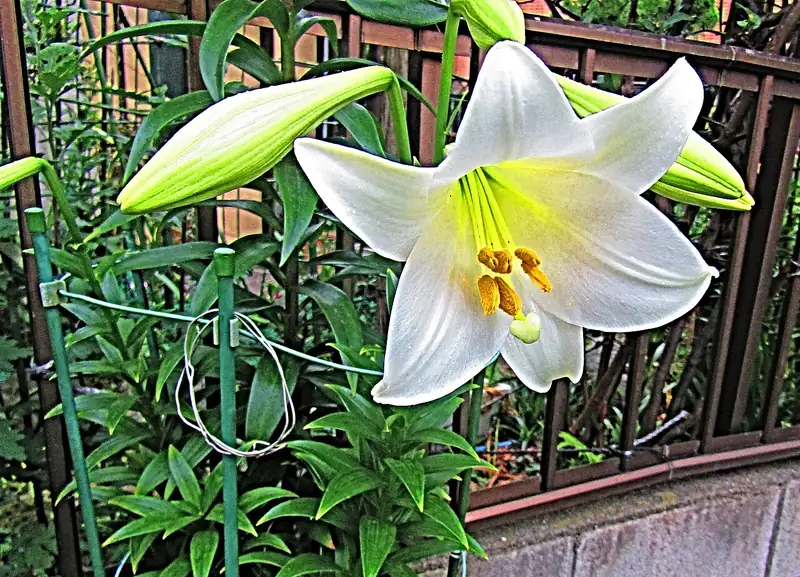
Lilies can poison dogs, usually causing vomiting, diarrhea, and drooling. True lilies are far more dangerous to cats, where they can cause fatal kidney failure. If your dog eats any lily, call your vet.