Are Sunflowers Toxic to Dogs? The Plant, the Seeds, and What Is Safe
No — sunflowers are not toxic to dogs.
Sunflowers are not toxic to dogs. The ASPCA lists them as non-toxic, and the seeds are safe too — but only plain, shelled, and unsalted, in small amounts.


- Item
- Sunflowers
- Scientific name
- Helianthus annuus
- Also called
- Sunflower, Common sunflower
- Category
- Plants
- Verdict
- Safe
- Symptoms start
- Onset time is not well established for sunflowers, because the plant itself is not toxic. If a dog eats a large amount of plant material, salted seeds, or seeds in their shells, stomach upset can follow within hours — but no time frame is published in the authoritative sources checked, so watch your dog and call your veterinarian if symptoms appear.
No, sunflowers are not toxic to dogs. The ASPCA lists sunflowers as non-toxic to dogs, cats, and horses, and PetMD includes them on its list of flowers safe for dogs. A dog that nibbles a petal or a leaf is not facing poisoning.
That is the good news, but it comes with a condition. The plant itself is safe, while the seeds need care: only plain, shelled, unsalted seeds, in small amounts, are safe for dogs. Salted seeds and seeds still in their shells can cause problems. This page covers both the plant and the seeds, so you know exactly what is safe and what is not.
If your dog ate it — what to do now
- Work out what your dog ate — a few petals or leaves, plain kernels, or salted or in-shell seeds — and take the rest away.
- If your dog ate only a few petals, leaves, or plain shelled unsalted kernels, watch it for stomach upset; no emergency action is usually needed.
- If your dog ate seeds in their shells, a large quantity of seeds, or salted or flavored seeds, call your veterinarian or the ASPCA Animal Poison Control Center at (888) 426-4435 right away (a consultation fee may apply).
- Follow the veterinarian's advice, which may include bringing your dog in for examination if it is small or showing symptoms.
- Watch for vomiting, diarrhea, lethargy, loss of appetite, or abdominal pain over the next day, and report them to the veterinarian.
Do not do this
- Do not give your dog salted, flavored, or oil-roasted sunflower seeds.
- Do not give your dog sunflower seeds with the shells on.
- Do not induce vomiting unless a veterinarian tells you to.
- Do not give sunflower seeds to a dog with a history of pancreatitis.
- Do not assume a large amount of any plant material is harmless just because the plant is non-toxic.
Why sunflowers are considered safe for dogs
Sunflowers (Helianthus annuus) contain no compound that is toxic to dogs. The ASPCA lists sunflowers as non-toxic to dogs, cats, and horses, and PetMD names them among the common flowers safe for dogs. Every part of the plant — petals, leaves, and stalk — is non-toxic, and the seeds are not poisonous.
That does not mean a dog can eat unlimited sunflower. PetMD warns that even non-toxic plants can cause mild stomach upset if a dog eats enough of them, because plant material is fibrous and hard to digest. The real risks come not from the plant but from how the seeds are served: salted, flavored, oil-roasted, or still in their hard shells.
- Petals: non-toxic, and safe if a dog nibbles one.
- Leaves: non-toxic, though a large amount can upset the stomach.
- Stalk: non-toxic, but fibrous and hard to digest.
- Seeds (kernels): non-toxic, and safe when plain, shelled, and unsalted.
How much sunflower is dangerous for a dog?
There is no toxic dose for sunflowers, because the plant contains no toxin: no amount of petals or leaves will poison a dog. But "not toxic" is not the same as "safe to eat without limit." A dog that treats a sunflower bed like a salad bar and eats a large amount of leaves and stalks can end up with vomiting or diarrhea, simply from the volume of indigestible fiber.
The seeds are where amounts matter most. Sunflower seeds are high in fat, so too many can cause digestive upset and weight gain over time, and PetMD warns that the extra fat can trigger pancreatitis, an inflammation of the pancreas, in dogs prone to it. Dogs with a history of pancreatitis should not eat them at all.
Salt is the other danger: salted seeds carry far more sodium than a dog should eat, and a large amount of salt can cause salt poisoning. The hard shells are a third risk — difficult to digest, and able to cause an intestinal blockage, especially in smaller dogs. Keep salted and in-shell seeds away from your dog.
Symptoms to watch for after eating sunflower or seeds
A dog that nibbles a petal or leaf will usually show no symptoms at all. Problems start when a dog eats a large amount of plant material, a pile of in-shell seeds, or many salted seeds. The most common signs are vomiting, diarrhea, and loss of appetite.
PetMD lists vomiting, lethargy or weakness, loss of appetite, and abdominal pain as signs of an intestinal blockage after a dog eats seed shells — seek veterinary care right away for these. A dog that ate a large amount of salted seeds and shows excessive thirst, muscle tremors, or weakness needs urgent veterinary care. If your dog is straining to pass stool, has a swollen or painful belly, or keeps vomiting, do not wait.
What to do if your dog eats sunflower or sunflower seeds
First, work out what your dog actually ate. A few nibbled petals or leaves need no action beyond watching your dog, and a few plain, shelled, unsalted kernels are also fine — that is a normal treat. Take away the rest so your dog cannot eat more.
If your dog ate seeds still in their shells, a large quantity of seeds, or salted or flavored seeds, call your veterinarian or the ASPCA Animal Poison Control Center at (888) 426-4435 for advice. A consultation fee may apply. Tell them what kind of seeds they were, roughly how many, and your dog's size. Your veterinarian may advise monitoring at home, or ask you to bring your dog in, especially if it is small or showing symptoms.
Watch your dog for vomiting, diarrhea, lethargy, loss of appetite, or abdominal pain over the next day. If any of these appear, or your dog cannot pass stool, call your veterinarian.
How to keep your dog safe around sunflowers
Sunflowers are one of the easiest garden flowers to keep around a dog, because the plant is non-toxic. You do not need to fence them off or keep them out of the house: a vase of sunflowers on the table is safe, and a sunflower bed is a safe place for a dog to wander.
The part that needs managing is the seeds. Bowls of salted seeds left on a coffee table are within easy reach of a dog, and bird feeders and birdseed bags are another source: a dog that gets into a bag of birdseed can eat far more seeds, shells and all, than it ever should. Keep people snacks and birdseed stored away, and clean up spilled seed.
- Grow sunflowers in beds your dog can reach — they are one of the safest garden flowers around a dog.
- Keep bowls of salted or in-shell sunflower seeds for people out of your dog's reach.
- Store birdseed in sealed containers, since a dog that raids the bag can eat a large amount at once.
- Teach a reliable "leave it" cue, so you can stop your dog stripping a sunflower head.
Safe alternatives to sunflowers
If you want more dog-safe color, roses and spider plants are both listed as non-toxic to dogs by the ASPCA, and PetMD lists them alongside sunflowers. Zinnias, snapdragons, and orchids are also on PetMD's safe list, so you have plenty of choices for bouquets and beds.
Do not confuse sunflowers with dahlias, the other tall summer flower in many gardens. Dahlias look similar in a bed but are mildly toxic to dogs, causing stomach upset and skin irritation. If you are unsure which flower you have, check first.
How to feed sunflower seeds to your dog safely
Sunflower seeds can be a healthy occasional treat when served the right way. PetMD says plain, shelled, and unsalted seeds are safe for healthy adult dogs, and notes that they are rich in vitamin E, magnesium, protein, and fatty acids that support skin and coat health. Raw or toasted seeds are both fine if unsalted, unseasoned, and not cooked in oil.
Portion control is essential: all treats combined should make up no more than 10 percent of your dog's diet. PetMD gives these serving sizes for healthy adult dogs, two to three times per week: extra-small dogs (2 to 10 pounds), half a teaspoon; small dogs (11 to 20 pounds), one teaspoon; medium dogs (21 to 50 pounds), two teaspoons; large dogs (51 to 90 pounds), one tablespoon; extra-large dogs (91 pounds and over), two tablespoons.
Start with one or two kernels and watch your dog for a few hours before offering more. If your dog has a history of pancreatitis, a sensitive stomach, or is on a prescription diet, skip sunflower seeds or ask your veterinarian first. Plain sunflower seed butter is also fine in small spoonfuls if it is free of added sugar, salt, and xylitol, which is toxic to dogs.
Symptoms to watch for
- Vomiting
- Diarrhea
- Loss of appetite
- Lethargy or weakness
- Abdominal pain
- Excessive thirst (after salted seeds)
- Muscle tremors (after a large amount of salted seeds)
- Difficulty passing stool (after eating shells)
A dog that nibbles petals or leaves usually shows no symptoms; vomiting, diarrhea, lethargy, or abdominal pain after eating shells, salted seeds, or a large amount of plant material needs a veterinarian.
Safe alternatives
- Roses — Listed as non-toxic to dogs by the ASPCA, and a classic choice for bouquets and garden beds.
- Spider plants — Listed as non-toxic to dogs by the ASPCA, and an easy, hardy houseplant.
- Dahlias (with caution) — Not a safe swap — dahlias are mildly toxic to dogs. Included here only so you do not confuse the two tall summer flowers.
What about cats? Sunflowers are non-toxic to cats as well as dogs. The ASPCA lists sunflowers as non-toxic to dogs, cats, and horses. The same cautions apply to cats: keep salted or in-shell seeds away from them, since the salt and the hard shells are the problem, not the seed itself.
Frequently asked questions
Can dogs eat sunflower seeds?
Yes, in small amounts. Plain, shelled, and unsalted sunflower seeds are safe for healthy adult dogs, according to PetMD. Avoid salted, flavored, or oil-roasted seeds, and always remove the shells first.
Can dogs eat sunflower seeds with shells?
No. Dogs should not eat sunflower seeds with the shells on. PetMD warns that the hard shells are difficult to digest, can be a choking hazard, and may cause an intestinal blockage, especially in smaller dogs.
Are sunflower petals safe for dogs?
No. Sunflowers are not toxic to dogs. PetMD confirms that if a dog nibbles on sunflower petals or leaves, it should not cause harm, though eating large amounts of the plant could lead to mild digestive upset.
Are sunflowers safe for puppies?
Yes, sunflowers are a good choice for a home with a puppy, since the plant itself is non-toxic. Still, keep the plant out of reach where you can, because puppies chew everything, and a puppy that eats a large amount of any plant can get an upset stomach. Do not give sunflower seeds to a very young puppy without asking your veterinarian first.
Sources
- ASPCA Poison Control — Sunflower
- PetMD — 29 Flowers and Plants That Are Safe for Dogs
- PetMD — Can Dogs Eat Sunflower Seeds?
Related guides
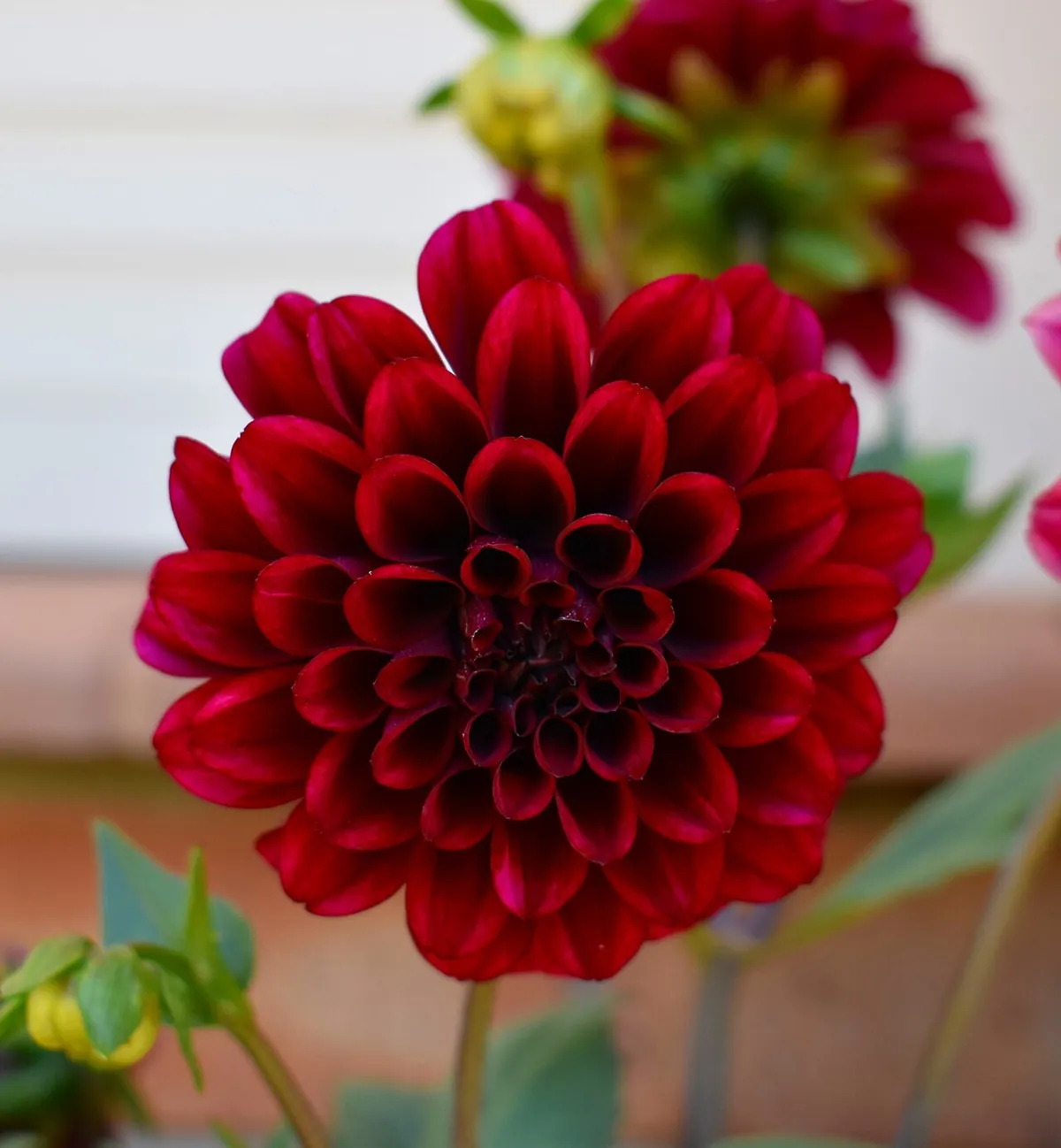
Dahlias are mildly toxic to dogs. The ASPCA lists Dahlia species as toxic, with mild stomach upset and mild skin irritation as the expected effects — not organ damage.
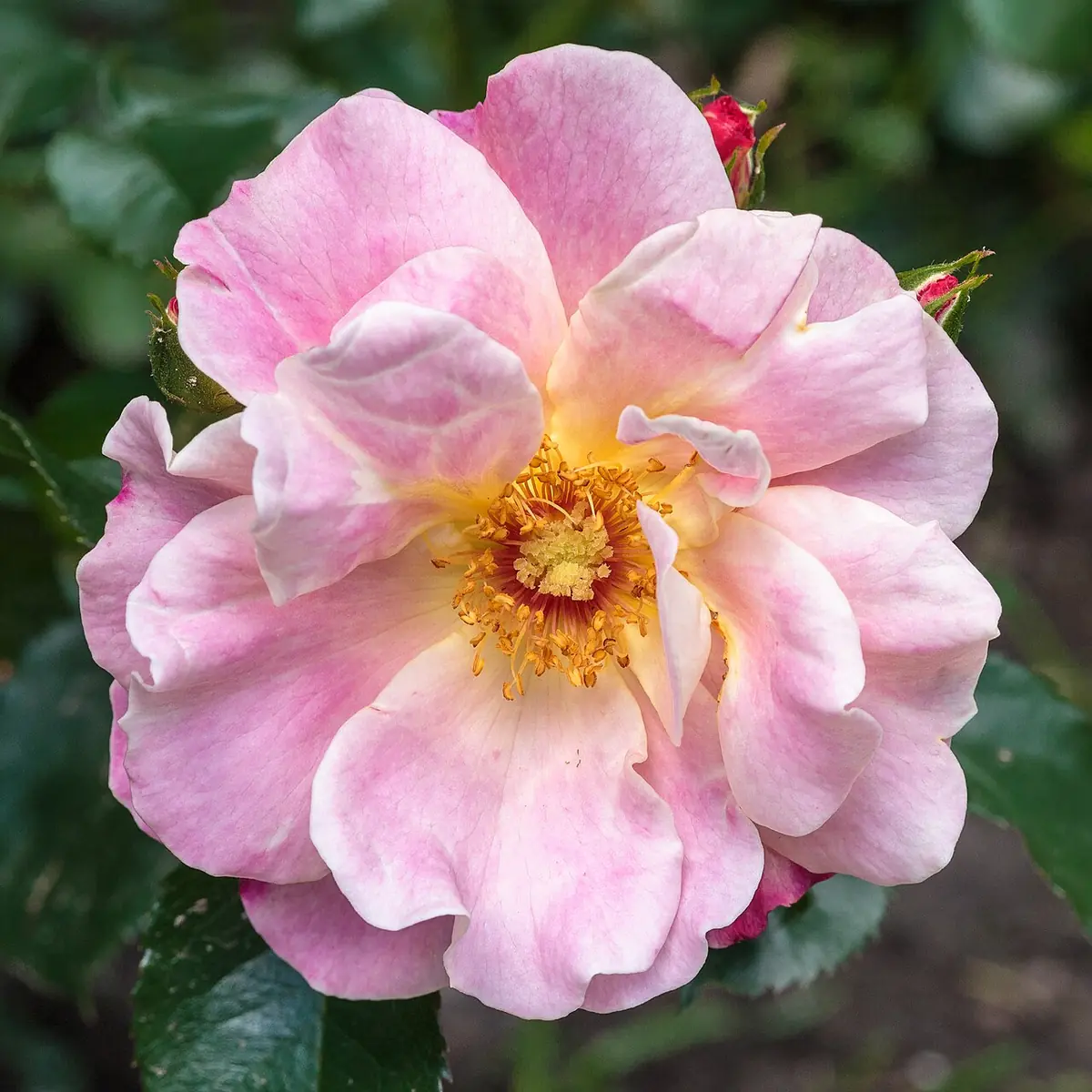
The ASPCA lists roses (Rosa species) as non-toxic to dogs, cats, and horses. The real risks are the thorns and any pesticides, fertilizers, or flower food on the plant.
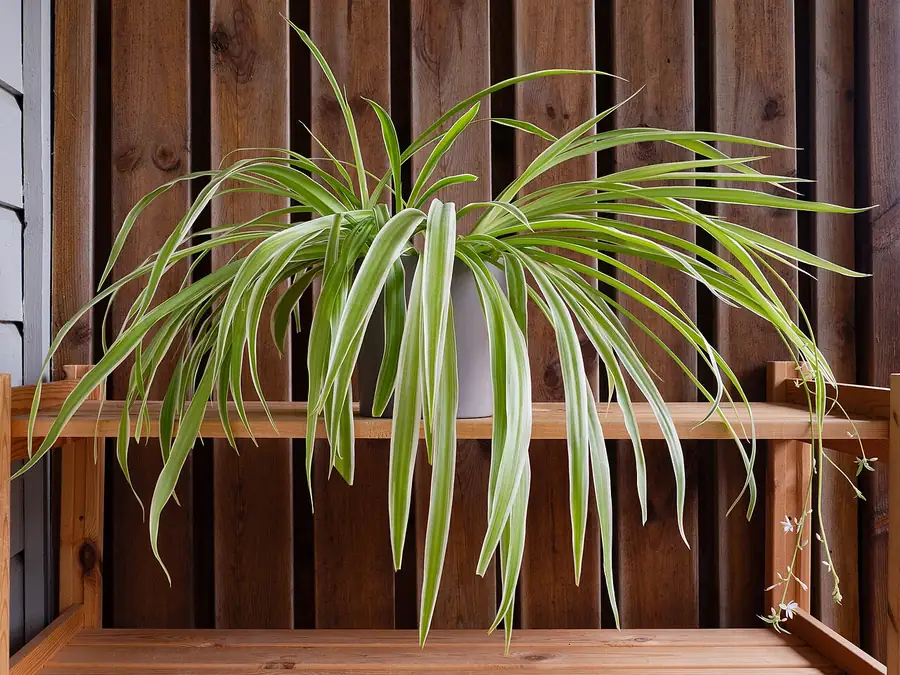
The ASPCA lists spider plants as non-toxic to dogs, cats, and horses, and PetMD includes them among the houseplants safe for dogs. A dog that eats a large amount may still get a mild stomach upset.
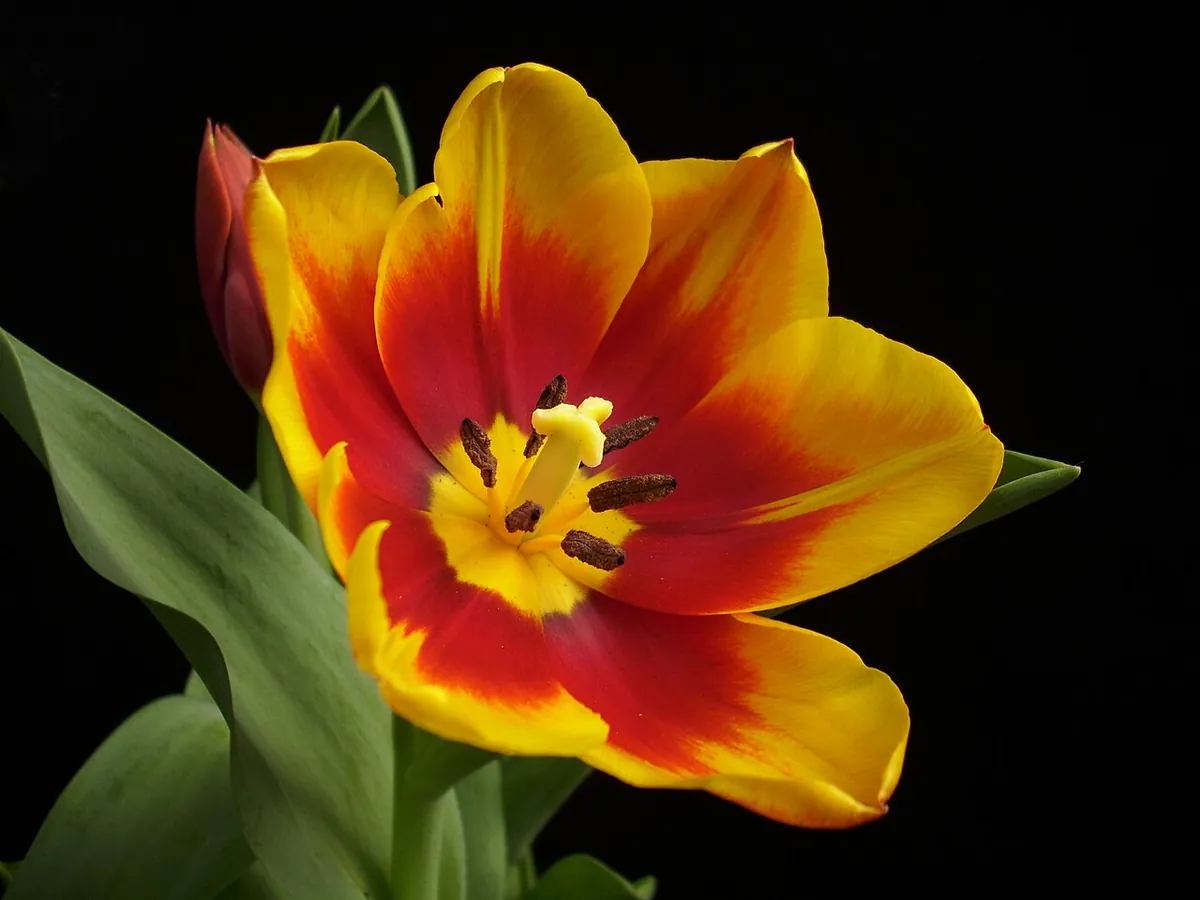
Tulips are toxic to dogs. Every part of the plant contains tulipalin A and B, but the bulb holds the highest concentration, so a dog that digs up and eats bulbs faces the greatest risk.