Are Orchids Toxic to Dogs? The Safe Answer for Owners
No — orchids are not toxic to dogs.
Orchids are not toxic to dogs. The ASPCA lists Phalaenopsis orchids as non-toxic to dogs, cats, and horses, and PetMD includes orchids among the flowers that are safe for dogs.

- Item
- Orchids
- Scientific name
- Phalaenopsis sp.
- Also called
- Orchid, Moth orchid, Moon orchid, Phalaenopsis orchid
- Category
- Plants
- Verdict
- Safe
- Symptoms start
- Onset time is not well established for orchids, because they contain no known toxin. Mild stomach upset from eating plant material, if it happens at all, would usually appear within a few hours.
No, orchids are not toxic to dogs. The ASPCA lists Phalaenopsis orchids, the moth orchids sold in almost every supermarket and gift shop, as non-toxic to dogs, cats, and horses. PetMD also includes orchids among the flowers that are safe for dogs. A dog that nibbles a petal or a leaf is not facing poisoning.
That good news comes with two small cautions. First, "non-toxic" does not mean "food": a dog that eats a large amount of any plant can still get vomiting or diarrhea. Second, the things that come with an orchid, the bark mix in the pot and the liquid fertilizer, can upset a dog's stomach.
If your dog ate it — what to do now
- Take the orchid away so your dog cannot eat more.
- Check how much was eaten, and whether your dog swallowed bark mix or drank fertilizer.
- Offer water, and watch your dog for a few hours for vomiting or diarrhea.
- Call your veterinarian or the ASPCA Animal Poison Control Center at (888) 426-4435 (a consultation fee may apply) if your dog ate a large amount, swallowed bark mix, drank fertilizer, or keeps vomiting.
- Follow the veterinarian's advice, which may include monitoring at home or bringing your dog in if a blockage is possible.
Do not do this
- Do not induce vomiting — it is not needed for orchid leaves or flowers, and should only be done if a veterinarian tells you to.
- Do not assume every plant sold as an orchid is safe — check the botanical name, especially for rare or wild orchids.
- Do not let your dog drink orchid fertilizer water or eat bark mix.
- Do not ignore vomiting or diarrhea that lasts more than a day, even if the plant was an orchid.
Why orchids are considered safe for dogs
Orchids belong to the Orchidaceae family, one of the largest plant families in the world, with more than 25,000 species. The family does not produce known toxins that affect mammals, and the ASPCA lists Phalaenopsis orchids as non-toxic to dogs, cats, and horses. PetMD also includes orchids on its list of flowers that are safe for dogs. No toxic principle is recorded for Phalaenopsis, which is what "non-toxic" means in the ASPCA database.
This page focuses on Phalaenopsis, the moth orchid, because it is the orchid almost every dog owner will meet: the potted plant from the grocery store, the florist, or the gift table. Other common orchids, including Dendrobium, Cattleya, Cymbidium, and Oncidium, are also widely listed as non-toxic. That said, the ASPCA's listing covers Phalaenopsis specifically, and the orchid family is enormous, so if you have a rare or wild orchid, check it by its botanical name before assuming it is safe.
- Phalaenopsis (moth orchid): the common houseplant orchid, listed as non-toxic by the ASPCA.
- Dendrobium: a common orchid in bouquets, widely listed as non-toxic.
- Cattleya: a fragrant orchid, widely listed as non-toxic.
- Cymbidium and Oncidium: popular orchids, widely listed as non-toxic.
How much orchid is dangerous for a dog?
There is no toxic dose for orchids, because there is no toxin to measure. A dog can chew a leaf or a flower without being poisoned, and the ASPCA and PetMD both describe orchids as safe for homes with dogs. That does not mean a dog should eat orchids: the ASPCA notes that eating any plant material can cause vomiting and stomach upset in dogs and cats, so a dog that eats a large amount of orchid may still vomit or develop diarrhea from the plant fiber alone.
The real risks in an orchid pot are not the plant itself. Puppies may swallow chunks of bark mix, which can irritate the gut or, in a small dog, cause a blockage. Liquid orchid fertilizer can upset the stomach if a pet drinks it. A nibble of a flower is not a concern, but a mouthful of bark mix or a drink of fertilizer water is a reason to call your veterinarian.
Symptoms if a dog eats an orchid
Because orchids contain no known toxin, there is no poisoning syndrome to describe. The only symptoms a dog is likely to show are the mild stomach upset that any plant material can cause: a single bout of vomiting, loose stools, or a brief loss of appetite. PetMD notes the same for non-toxic plants in general: they will not cause poisoning, but they may lead to mild digestive upset if eaten in large amounts.
Those symptoms should be mild and short-lived. If your dog vomits more than once or twice, has diarrhea that lasts more than a day, becomes lethargic, or refuses food and water, call your veterinarian. The cause may be the bark mix or fertilizer in the pot, or another plant your dog ate at the same time.
What to do if your dog eats an orchid
Stay calm: an orchid is not a poisoning emergency. Take the plant away so your dog cannot eat more, and check how much was eaten. A few nibbles on a leaf or flower usually need no treatment beyond watching your dog for a few hours. Offer water, and hold off on food for a short while if your dog vomited.
Call your veterinarian or the ASPCA Animal Poison Control Center at (888) 426-4435 (a consultation fee may apply) if your dog ate a large amount of the plant, swallowed bark mix, drank fertilizer or fertilizer water, or keeps vomiting. Tell them what your dog ate and when, and take a photo of the plant and the pot so the veterinarian can confirm the orchid type. Your veterinarian may advise monitoring at home, or may ask you to bring your dog in if bark mix could cause a blockage.
How to keep your dog safe around orchids
Orchids are one of the easiest flowering plants to keep in a home with a dog, because the plant itself is safe. The practical risks are the pot and the care routine. Orchids grow in loose bark mix rather than soil, and a knocked-over pot scatters bark chips across the floor, where a puppy can swallow them. Liquid fertilizer is usually mixed in a watering can or a bowl, and a dog that drinks from it can get an upset stomach.
Keep orchid pots on a stable, heavy surface, or hang them where a dog cannot reach. Cover the bark mix with a layer of decorative moss or a pot cover if your dog digs in pots. Store fertilizer bottles in a closed cabinet, and water your orchids in a sink or tub rather than leaving a bowl of fertilizer water on the floor.
- Keep orchid pots on a stable surface where a dog cannot knock them over.
- Cover the bark mix or keep pots out of reach of puppies that eat everything.
- Store orchid fertilizer in a closed cabinet, and never leave fertilizer water where a dog can drink it.
- Teach a reliable "leave it" cue, and give your dog a safe chew toy as an alternative.
Safe alternatives and other pet-safe flowers
Orchids are already a safe choice, so "alternatives" here means other non-toxic flowers you can mix into the same bouquet or room. Roses are listed as non-toxic to dogs by the ASPCA, and they pair well with orchids in arrangements. Spider plants are another ASPCA-listed non-toxic plant, and they add greenery to a room without any poisoning risk.
The flower to avoid confusing with orchids is the lily. True lilies are toxic to dogs, and far more dangerous to cats, and some orchid-like flowers in bouquets are actually lilies. If a florist gives you a mixed bouquet, ask what is in it, and check each flower by name against the ASPCA list before putting it where your dog can reach it.
How to identify a true orchid
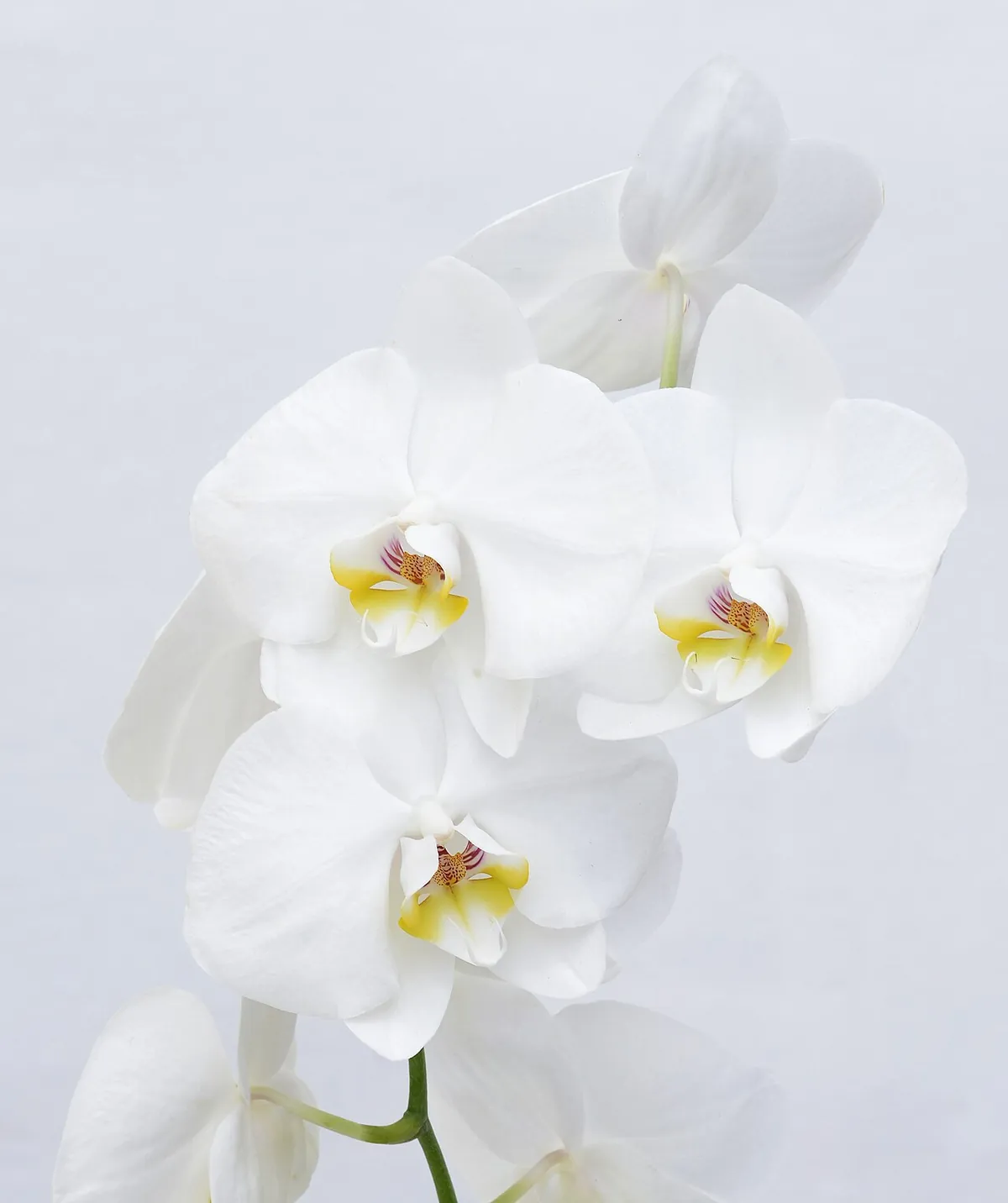
A Phalaenopsis orchid is easy to recognize. It has broad, flat, dark-green leaves in a rosette at the base, and one or more arching flower stems carrying large, moth-shaped blooms, usually white, pink, or purple, with a small lip in the center. It grows in bark chips, not soil, and the thick, silvery roots are often visible through the pot.
Other common houseplant orchids look different but are also widely listed as non-toxic. Dendrobiums have thinner stems with clusters of smaller flowers. Cattleyas have large, fragrant, ruffled blooms. Cymbidiums have long, grass-like leaves and tall flower spikes. If a plant is sold as an orchid but has none of these features, or if it came from the wild rather than a nursery, check its botanical name before letting your dog near it.
Symptoms to watch for
- Mild vomiting (only if a large amount is eaten)
- Loose stools or diarrhea (only if a large amount is eaten)
- Brief loss of appetite
- Mild stomach upset from bark mix or fertilizer, if swallowed
Orchids contain no known toxin, so there is no poisoning syndrome; any symptoms are mild stomach upset from eating plant material, bark mix, or fertilizer, and should settle quickly.
Safe alternatives
- Roses — Listed as non-toxic to dogs by the ASPCA, and a classic choice for bouquets alongside orchids.
- Spider plants — Listed as non-toxic to dogs by the ASPCA, and an easy, hardy houseplant for homes with dogs.
What about cats? Orchids are non-toxic to cats as well as dogs. The ASPCA lists Phalaenopsis orchids as non-toxic to cats, dogs, and horses. As with dogs, a cat that eats a large amount of orchid may still get mild stomach upset, and orchid fertilizer and bark mix should be kept away from cats too.
Frequently asked questions
Are moth orchids toxic to dogs?
No. Moth orchids (Phalaenopsis), the potted orchids sold in supermarkets and gift shops, are listed as non-toxic to dogs by the ASPCA. A chewed leaf or flower may cause mild stomach upset, but it will not poison your dog.
Are orchids safe for dogs?
The ASPCA lists Phalaenopsis orchids as non-toxic to dogs, and PetMD includes orchids among the flowers that are safe for dogs. That said, "non-toxic" does not mean "food": eating a large amount of any plant can cause vomiting or diarrhea.
Are orchids toxic to cats?
No. The ASPCA lists Phalaenopsis orchids as non-toxic to cats, dogs, and horses. Keep the pot's bark mix and any orchid fertilizer away from pets, since those can still upset a stomach.
My dog ate an orchid — what should I do?
Take the plant away, check how much was eaten, and watch your dog for a few hours. A small nibble usually needs no treatment beyond watching for vomiting or diarrhea. Call your veterinarian or the ASPCA Animal Poison Control Center at (888) 426-4435 if your dog ate a large amount, swallowed bark mix, drank fertilizer, or keeps vomiting.
Sources
- ASPCA Poison Control — Phalaenopsis Orchid
- PetMD — 29 Flowers and Plants That Are Safe for Dogs
- PetMD — Plants Toxic to Dogs: 19 Dangerous Plants To Avoid
Related guides
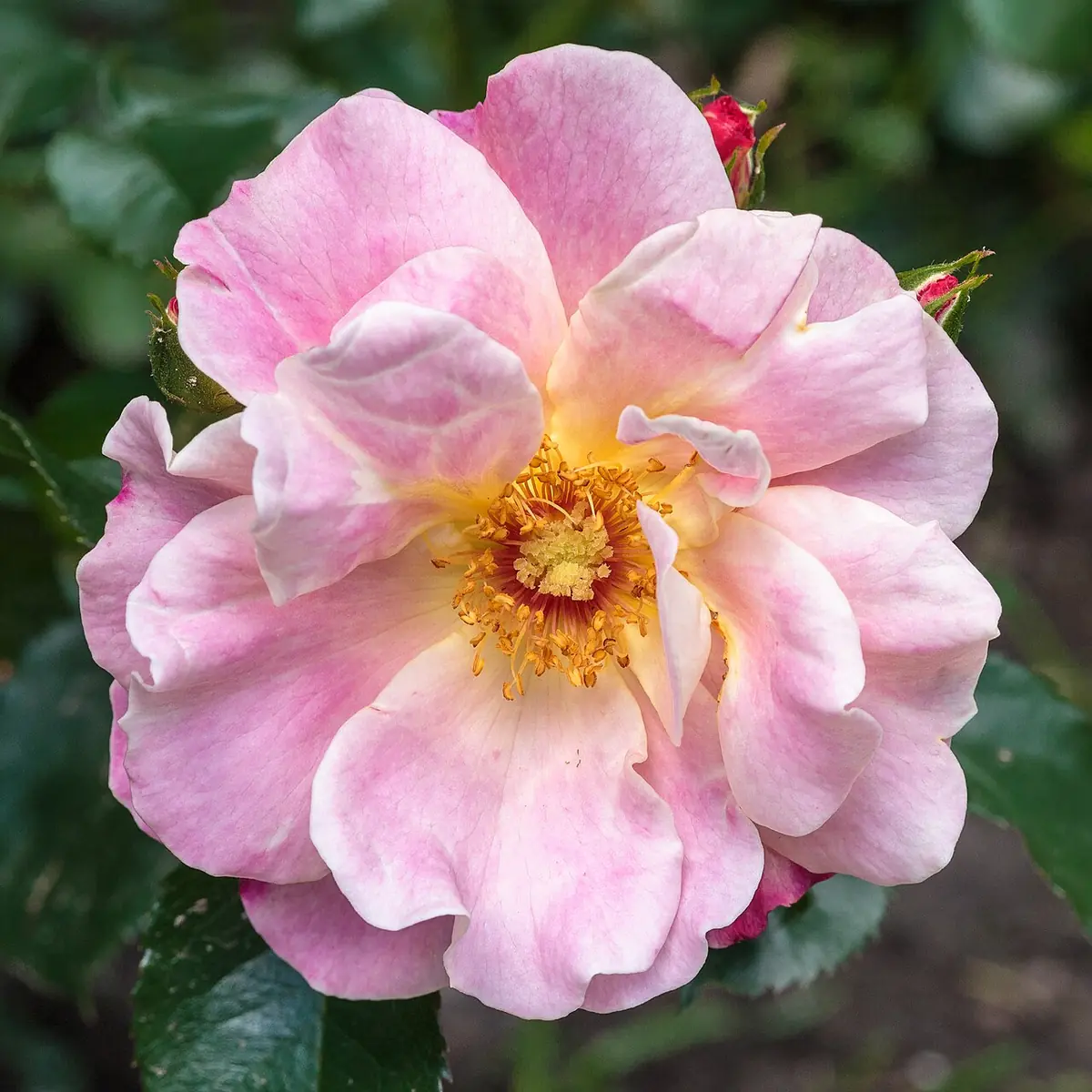
The ASPCA lists roses (Rosa species) as non-toxic to dogs, cats, and horses. The real risks are the thorns and any pesticides, fertilizers, or flower food on the plant.
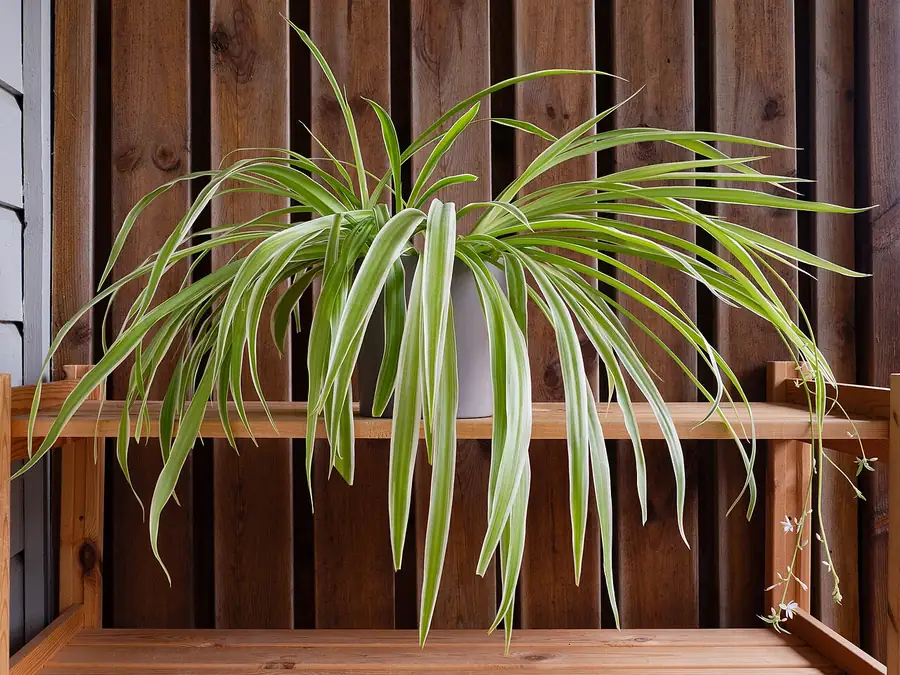
The ASPCA lists spider plants as non-toxic to dogs, cats, and horses, and PetMD includes them among the houseplants safe for dogs. A dog that eats a large amount may still get a mild stomach upset.
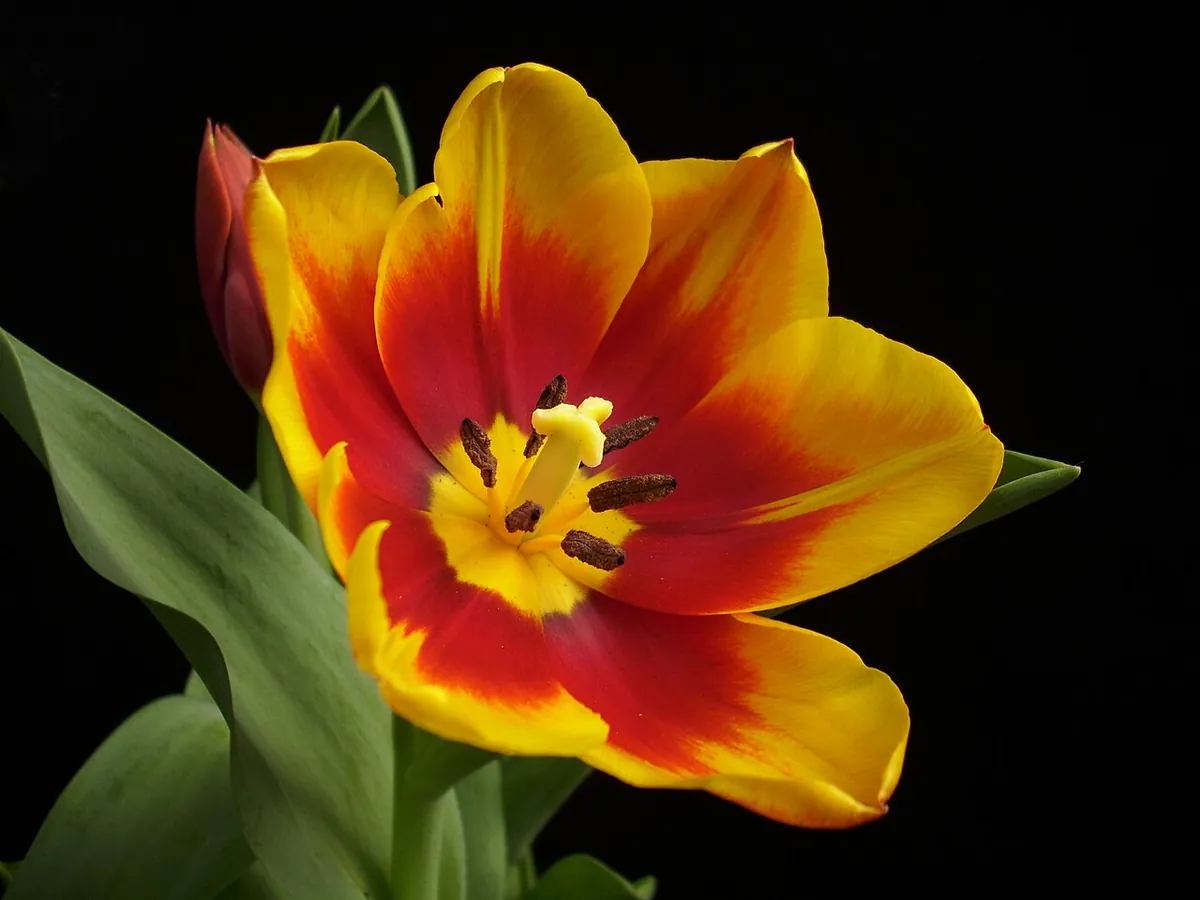
Tulips are toxic to dogs. Every part of the plant contains tulipalin A and B, but the bulb holds the highest concentration, so a dog that digs up and eats bulbs faces the greatest risk.
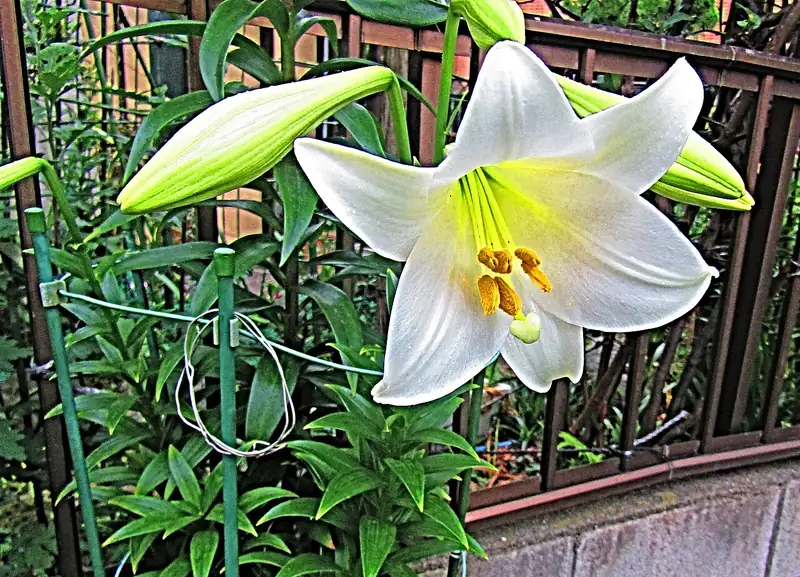
Lilies can poison dogs, usually causing vomiting, diarrhea, and drooling. True lilies are far more dangerous to cats, where they can cause fatal kidney failure. If your dog eats any lily, call your vet.