Are Zinnias Toxic to Dogs? What Every Owner Should Know
No — zinnias are not toxic to dogs.
The ASPCA lists zinnias (Zinnia species) as non-toxic to dogs, cats, and horses. A dog that nibbles a zinnia is not expected to be poisoned, though eating a large amount of any plant material can still cause mild stomach upset.


- Item
- Zinnias
- Scientific name
- Zinnia spp.
- Also called
- Zinnia, Common zinnia, Garden zinnia
- Category
- Plants
- Verdict
- Safe
- Symptoms start
- There is no poisoning onset time for zinnias because they contain no toxin. Mild stomach upset, if it occurs, usually appears within a few hours of eating a large amount of plant material.
Zinnias are one of the safest flowers you can grow in a yard shared with a dog. The ASPCA Animal Poison Control Center lists zinnias, Zinnia species, as non-toxic to dogs, cats, and horses, and its guide to pet-safe flowers names Zinnia elegans, the common zinnia, among the non-toxic flowers. A dog that nibbles a petal or a leaf is not expected to be poisoned.
Non-toxic does not mean the plant is food, though. Eating a large amount of any plant material can upset a dog's stomach, and zinnias in bloom attract bees, while garden sprays can be a bigger risk than the flower itself. This page covers what is safe, what to watch for, and when to call your vet.
If your dog ate it — what to do now
- Remove any loose zinnia from your dog's mouth and check whether the plant was recently sprayed with pesticide or fertilizer.
- Watch your dog for the next few hours for vomiting, diarrhea, or discomfort, and offer water.
- Call your veterinarian or the ASPCA Animal Poison Control Center at (888) 426-4435 (a consultation fee may apply) if your dog vomits more than once, has ongoing diarrhea, seems in pain, or ate a treated plant.
- If your dog was stung by a bee in the flower bed, check for swelling of the face or mouth and trouble breathing, and seek veterinary care right away if either appears.
- Keep the plant tag or a photo of the plant in case your veterinarian needs to confirm what your dog ate.
Do not do this
- Do not induce vomiting unless a veterinarian tells you to.
- Do not give home remedies, milk, or activated charcoal on your own.
- Do not assume a sprayed or fertilized zinnia is safe just because the flower itself is non-toxic — check the product label.
- Do not let your dog eat large amounts of any plant material, even a non-toxic one.
- Do not ignore repeated vomiting, ongoing diarrhea, or swelling after a bee sting.
Why zinnias are considered safe for dogs
Zinnias contain no known toxin that affects dogs. The ASPCA entry for Zinnia species lists the plant as non-toxic to dogs, cats, and horses, with no toxic principle and no poisoning symptoms listed. PetMD also includes zinnias among the flowers it considers safe for dogs, and notes the same rule that applies to every non-toxic plant: eating plant material can still cause mild stomach upset.
Zinnias belong to the daisy family, Asteraceae, and are grown as summer annuals in most of the United States. The common garden zinnia is Zinnia elegans, the species the ASPCA names in its pet-safe flower guide. Other garden zinnias belong to the same genus, which the ASPCA lists as non-toxic as a whole.
That safety rating covers the flowers, leaves, and stems. No part of the zinnia plant is listed as poisonous, and the plant produces no toxic sap. The main reason zinnias are recommended for dog-friendly gardens is exactly this combination: bright, long-lasting color with no poisoning risk if a curious dog takes a bite.
How much zinnia is dangerous for a dog?
There is no established toxic dose for zinnias, because there is no toxin to measure a dose against. A few nibbled petals or leaves are not expected to cause more than, at most, a brief stomach upset, and most dogs show no symptoms at all.
Amount still matters for a different reason. A dog that eats a large quantity of zinnia stems and leaves is eating a lot of fibrous plant material its stomach is not built to digest. That can cause vomiting or diarrhea, and in a small dog, a large mouthful of stems could be uncomfortable or hard to pass. The ASPCA's general warning applies here: any plant material may cause vomiting and stomach upset in dogs and cats, even when the plant is listed as non-toxic.
The other dose that matters is not the flower at all, but what was sprayed on it. Insecticides, fungicides, and fertilizers used on garden zinnias can be harmful, and a dog that eats a freshly sprayed plant may be exposed to those chemicals. If your dog eats a treated zinnia, tell your veterinarian which product was used.
Symptoms to watch for after a dog eats zinnias
Most dogs show no symptoms after nibbling a zinnia. When symptoms do appear, they are usually mild and short-lived: a single episode of vomiting, loose stool, or a brief loss of appetite after eating a large amount of plant material. These signs come from stomach irritation, not from poisoning, and they usually settle on their own.
Watch more closely if your dog ate a large amount, ate a plant that had just been sprayed, or was stung by a bee while nosing through the flowers. Repeated vomiting, ongoing diarrhea, drooling, swelling of the face, or trouble breathing are not expected from a plain zinnia and need a veterinarian promptly. A dog that keeps vomiting or refuses food and water should be seen the same day.
What to do if your dog eats zinnias
Stay calm and check what your dog actually ate. Remove any loose plant material from its mouth, and look at the plant to see whether it was sprayed recently or whether the label mentions a pesticide or fertilizer. Most of the time, no treatment is needed beyond watching your dog for the next few hours.
Offer water and keep your dog's normal routine, but do not offer food right away if it has vomited. A small, bland meal later is fine if your dog seems settled. Call your veterinarian or the ASPCA Animal Poison Control Center at (888) 426-4435 (a consultation fee may apply) if your dog vomits more than once, has ongoing diarrhea, seems painful, or ate a zinnia that had been treated with chemicals.
If your dog was stung by a bee in the flower bed, check for swelling around the face or mouth and watch its breathing. A single sting usually causes only local swelling, but swelling of the face, trouble breathing, or collapse is an emergency, and your dog needs a veterinarian right away.
How to keep your dog safe around zinnias
Zinnias and dogs can share a garden with very little planning. Plant zinnias in sunny beds and borders, and teach your dog to leave the flower beds alone, offering a chew toy instead. Because zinnias are annuals, they are usually pulled out at the end of the season, so clear away dead plants before they rot or attract pests.
Zinnias in full bloom attract bees and butterflies, which is part of their charm and the one real hazard in the bed. If your dog snaps at bees or has been stung before, supervise it around flowering zinnias. Deadhead spent flowers regularly, which keeps the plants blooming and reduces the number of insects visiting at once.
Check the label on any spray, fertilizer, or slug bait you use near the zinnias, and store those products where your dog cannot reach them. Keep your dog away from freshly sprayed plants until they are dry, and ask your garden center whether potted zinnias were treated with a long-lasting systemic pesticide before you bring them home.
How to tell a zinnia from a lookalike
A zinnia in bloom is easy to recognize: stiff, upright stems with pairs of rough, sandpapery leaves and a single daisy-like flower head on each stem, in red, orange, pink, yellow, white, or purple, usually 1 to 4 inches across with a raised yellow or orange center.
Zinnias are sometimes confused with dahlias and marigolds, which share the same bright colors and daisy shape. That confusion is not a safety problem for dogs, since dahlias and marigolds are also widely listed as non-toxic, but it is still worth checking the plant tag. If you are not sure what your dog ate, photograph the flowers, leaves, and tag for your veterinarian.
Safe alternatives to zinnias
Zinnias are already a safe choice, but if you want more variety in a dog-friendly garden, several other flowers are equally safe. Sunflowers, roses, snapdragons, petunias, and marigolds are all listed as non-toxic to dogs by the ASPCA, and spider plants are a good non-toxic option indoors.
Whatever you choose, keep the same habits: keep bouquets out of reach, check for sprays or flower food, and do not let your dog eat large amounts of plant material. A garden full of safe flowers still needs supervision, because a dog that eats any plant in quantity can end up with an upset stomach.
Symptoms to watch for
- No symptoms (most dogs)
- Mild vomiting
- Diarrhea
- Brief loss of appetite
- Drooling (uncommon, usually from eating a large amount)
- Swelling around the face (bee sting, not the plant)
Most dogs show no symptoms after nibbling a zinnia; any signs are usually mild stomach upset from eating too much plant material and settle quickly.
Safe alternatives
- Sunflowers — Listed as non-toxic to dogs by the ASPCA and easy to grow in the same sunny bed.
- Roses — Listed as non-toxic to dogs by the ASPCA; thorns can injure a mouth or paw.
- Snapdragons — A thorn-free flower the ASPCA lists as non-toxic to dogs.
- Petunias — A colorful bedding flower, non-toxic to dogs.
- Marigolds — A bright garden flower, non-toxic to dogs.
What about cats? Zinnias are also listed as non-toxic to cats by the ASPCA. The same cautions apply: a cat that eats a large amount of plant material can still get mild stomach upset, and sprays or fertilizers on the plant are a separate risk. Keep bouquets and treated plants out of reach of cats as well.
Frequently asked questions
Are zinnias toxic to dogs?
No. The ASPCA lists zinnias (Zinnia species) as non-toxic to dogs, cats, and horses. A dog that nibbles a zinnia is not expected to be poisoned, though eating a large amount of any plant can cause mild vomiting or diarrhea.
Can dogs eat zinnia flowers?
A few nibbled petals are not expected to harm a dog, but zinnias are not food and should not be fed on purpose. Eating a large amount of flowers, leaves, or stems can cause stomach upset, and flowers from a sprayed garden may carry pesticide residue.
What happens if my dog eats a lot of zinnias?
Most likely mild, short-lived vomiting or diarrhea from the bulk of plant material, which usually settles on its own. If your dog vomits more than once, has ongoing diarrhea, or seems in pain, call your veterinarian or the ASPCA Animal Poison Control Center at (888) 426-4435.
Are zinnias safe for dogs and cats?
Yes. The ASPCA lists zinnias as non-toxic to both dogs and cats, as well as horses. The same cautions apply to cats: keep treated plants away, and do not let a cat eat large amounts of plant material.
Sources
- ASPCA Poison Control — Zinnia
- ASPCA — Do You Know Which Flowers and Plants Are Toxic to Pets? Our Experts Explain!
- PetMD — 29 Flowers and Plants That Are Safe for Dogs
Related guides

Sunflowers are not toxic to dogs. The ASPCA lists them as non-toxic, and the seeds are safe too — but only plain, shelled, and unsalted, in small amounts.

Yes — Tagetes marigolds (French and African marigolds) are mildly toxic to dogs, causing stomach upset and possible skin irritation. Pot marigold is a different plant and is listed as non-toxic.

The ASPCA lists roses (Rosa species) as non-toxic to dogs, cats, and horses. The real risks are the thorns and any pesticides, fertilizers, or flower food on the plant.
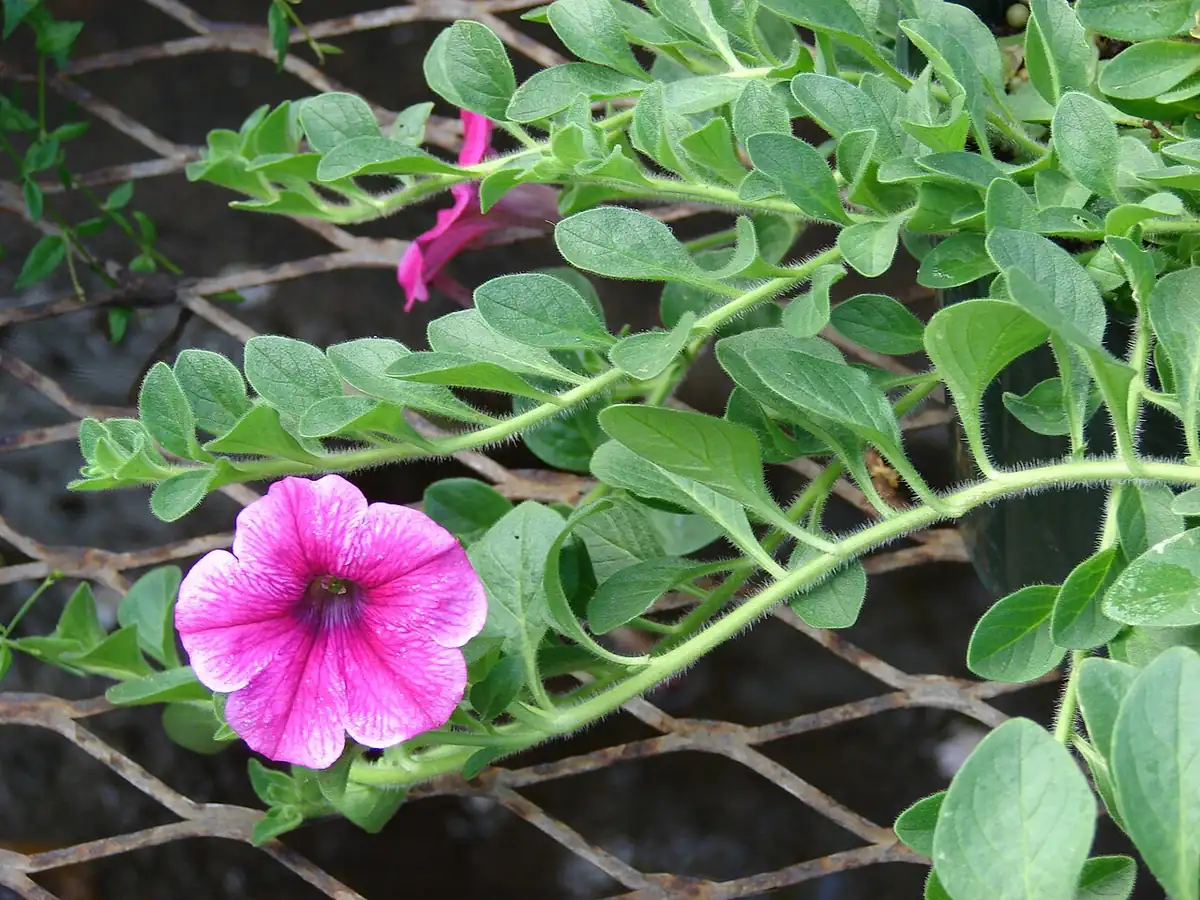
Petunias are not toxic to dogs. The ASPCA lists Petunia species as non-toxic to dogs, cats, and horses, with no toxic principle identified. A nibble needs no emergency action, though eating a lot of any plant can upset the stomach.