Are Marigolds Toxic to Dogs? Tagetes vs. Pot Marigold Explained
Yes — Tagetes marigolds are mildly toxic to dogs.
Yes — Tagetes marigolds (French and African marigolds) are mildly toxic to dogs, causing stomach upset and possible skin irritation. Pot marigold is a different plant and is listed as non-toxic.


- Item
- Marigolds
- Scientific name
- Tagetes spp.
- Also called
- French marigold, African marigold, Garden marigold, Pot marigold
- Category
- Plants
- Verdict
- Toxic (Mild)
- Symptoms start
- Onset time is not well established for marigolds specifically. PetMD notes that symptoms of plant poisoning in general can appear within minutes to hours, depending on the plant and the amount eaten.
Yes, the marigolds most gardeners plant — French and African marigolds — are mildly toxic to dogs. Pet Poison Helpline rates Tagetes marigolds as mildly toxic: eating them can irritate the stomach and gut, and their sap can irritate the skin. This is not a life-threatening poisoning in most cases, but it is still a reason to keep your dog from eating them.
The confusion comes from the name. "Marigold" covers two very different plants. Pot marigold is Calendula officinalis, a different genus entirely, and the ASPCA lists it as non-toxic to dogs. This page explains how to tell the two apart, what Tagetes marigolds do to dogs, and what to do if your dog eats them.
If your dog ate it — what to do now
- Take the marigold away so your dog cannot eat more.
- Note how much your dog ate and which part, and save a piece or a photo.
- Call your veterinarian or the ASPCA Animal Poison Control Center at (888) 426-4435 right away (a consultation fee may apply).
- Follow the veterinarian's advice, which may include bringing your dog in for examination and supportive care.
- Watch for vomiting, diarrhea, drooling, or skin irritation, and report them.
Do not do this
- Do not induce vomiting unless a veterinarian tells you to.
- Do not give milk, food, oil, or home remedies to "dilute" the toxin.
- Do not wait for advice if your dog ate a large amount.
- Do not assume a plant is safe just because it is called a marigold.
What makes marigolds toxic to dogs?
Marigolds in the genus Tagetes — the French marigolds (Tagetes patula) and African marigolds (Tagetes erecta) sold at every garden center — can irritate a dog's digestive tract when eaten. Pet Poison Helpline states that Tagetes marigolds "may cause mild irritation to the gastrointestinal tract when ingested" and that "the sap from the plant may also cause irritation to the skin if dermal exposure occurs." It rates their toxicity to dogs as mild.
Pot marigold is the exception that causes most of the confusion. It is Calendula officinalis, a member of a different genus, and the ASPCA lists it as non-toxic to dogs and cats. The two plants share a common name and a similar orange-yellow flower, but they are not the same plant, and their safety is not the same.
- French marigold (Tagetes patula) and African marigold (Tagetes erecta): mildly toxic to dogs, according to Pet Poison Helpline.
- Pot marigold (Calendula officinalis): a different plant, listed as non-toxic to dogs by the ASPCA.
- Marsh marigold (Caltha palustris): a different plant again, not a Tagetes or a Calendula, and known to be harmful if eaten in quantity.
How much marigold is dangerous for a dog?
There is no established safe dose for Tagetes marigolds, and no published toxic dose in milligrams per kilogram of body weight. No amount is known to be safe, and the risk depends on how much was eaten, which part, and your dog's size. A small dog that eats a lot faces more stomach upset than a large dog that mouths one petal.
Most cases involve a dog nibbling a few flowers or leaves, and the result is drooling, vomiting, or loose stools that pass without lasting harm. But "usually mild" is not the same as "safe." A dog that eats a large amount can develop ongoing vomiting and diarrhea or become dehydrated. If your dog ate more than a nibble, or if vomiting or diarrhea does not settle quickly, call your veterinarian.
Symptoms of marigold poisoning in dogs
The symptoms of Tagetes marigold ingestion are almost always digestive. Pet Poison Helpline describes mild irritation of the gastrointestinal tract, and the signs owners most often see are drooling, vomiting, diarrhea, and stomach pain.
Skin contact with the sap can cause redness and irritation, especially around the muzzle, nose, and paws, and on thinner skin such as the inner legs. Severe symptoms are uncommon with Tagetes marigolds. If your dog shows ongoing vomiting, diarrhea that will not stop, marked lethargy, or any sign of breathing difficulty after eating marigolds, treat it as urgent and contact your veterinarian at once.
What to do if your dog eats marigolds
Stay calm and act quickly. Take the marigold away so your dog cannot eat more, and note how much was eaten and which part — flowers, leaves, or roots. Take a photo of the plant, or save a piece of it, to help the veterinarian identify it.
Call your veterinarian or the ASPCA Animal Poison Control Center at (888) 426-4435 right away (a consultation fee may apply). Describe the plant, the amount eaten, and any symptoms you have seen. Do not wait for symptoms to appear before calling, especially if your dog ate a large amount.
How to keep your dog safe from marigolds
Tagetes marigolds are among the most common garden flowers in America, filling beds, borders, and pots from spring through fall, and they are planted as pest repellents around vegetables. That ubiquity is the risk: a dog does not have to seek marigolds out, because they are everywhere.
Plant Tagetes marigolds in beds your dog cannot reach, or fence off flower beds during the growing season. Keep potted marigolds on raised stands rather than on the ground, and supervise dogs that dig, since digging exposes them to the sap as well as the leaves and roots. If you want marigolds in a dog-friendly garden, choose pot marigold (Calendula officinalis) instead: the same orange and yellow color, listed as non-toxic to dogs by the ASPCA.
- Plant Tagetes marigolds in beds your dog cannot reach.
- Fence off vegetable and flower beds during the growing season.
- Keep pots and planters above nose height.
- Supervise digging dogs in the garden.
Safe alternatives to Tagetes marigolds
Pot marigold (Calendula officinalis) is the closest safe swap. It looks like a marigold, because it is one of the plants the name covers, but it is listed as non-toxic to dogs by the ASPCA and by Pet Poison Helpline. Roses are another safe choice for garden beds and bouquets: the ASPCA lists roses as non-toxic to dogs. Spider plants are a good option for pots and hanging baskets, and they are also listed as non-toxic to dogs by the ASPCA.
How to tell Tagetes marigolds from pot marigold
French marigolds (Tagetes patula) are compact, bushy annuals, usually 6 to 12 inches tall, with small, dense flowers in yellow, orange, and red, and finely divided, fern-like leaves with a strong, pungent smell. African marigolds (Tagetes erecta) are taller, growing 1 to 3 feet tall with large, pom-pom-like flower heads.
Pot marigold (Calendula officinalis) is a looser, softer plant. Its flowers are daisy-like, with a single ring of flat petals around a darker center, usually in orange or yellow, and its leaves are plain, oval, and slightly sticky rather than finely divided. The reliable check is the tag: a Tagetes tag reads Tagetes patula or Tagetes erecta, while a pot marigold tag reads Calendula officinalis. If the tag only says "marigold" with no botanical name, treat it as a Tagetes marigold and keep it away from your dog until you can confirm which one it is.
Symptoms to watch for
- Vomiting
- Diarrhea
- Excessive drooling
- Stomach pain
- Skin redness or irritation (from sap contact)
- Itchy rash (from sap contact)
Symptoms are usually mild and limited to the stomach and gut, with possible skin irritation from the sap, and they generally settle once the plant passes through.
Safe alternatives
- Pot marigold (Calendula officinalis) — A different plant from Tagetes marigolds, listed as non-toxic to dogs by the ASPCA.
- Roses — Listed as non-toxic to dogs by the ASPCA.
- Spider plants — Listed as non-toxic to dogs by the ASPCA, and an easy plant for pots and baskets.
What about cats? Marigolds are rated mildly toxic to cats as well as dogs by Pet Poison Helpline, with the same mild stomach upset and possible skin irritation from the sap. Pot marigold (Calendula officinalis) is listed as non-toxic to cats by the ASPCA. Keep cats away from Tagetes marigolds, and call your veterinarian if a cat has eaten a large amount or shows ongoing vomiting or diarrhea.
Frequently asked questions
Is pot marigold the same as regular marigold?
No. Pot marigold is a different plant, Calendula officinalis, and the ASPCA lists it as non-toxic to dogs. The marigolds that are mildly toxic are the French and African marigolds in the genus Tagetes. Check the botanical name on the tag to know which one you have.
Can dogs eat marigold flowers?
Tagetes marigolds are mildly toxic, so a few petals will usually cause only drooling, vomiting, or loose stools. But there is no established safe amount, and a large quantity can cause worse stomach upset, so do not let your dog eat them and call your veterinarian if your dog ate a lot.
Why are marigolds toxic to dogs?
Tagetes marigolds can cause mild irritation to the stomach and gut when eaten, and their sap can irritate the skin. Pet Poison Helpline rates their toxicity to dogs as mild. The exact compounds responsible are not named in the poison-control sources, and pot marigold (Calendula officinalis) is a different plant that is considered non-toxic.
My dog ate marigolds — what should I do?
Remove any remaining marigold, note how much your dog ate, and call your veterinarian or the ASPCA Animal Poison Control Center at (888) 426-4435. Do not wait for symptoms, and do not try to make your dog vomit unless a veterinarian tells you to.
Sources
- Pet Poison Helpline — Marigold Is Toxic To Dogs
- ASPCA Poison Control — Garden Marigold (Pot Marigold)
- PetMD — Plants Toxic to Dogs: 19 Dangerous Plants To Avoid
Related guides

Tulips are toxic to dogs. Every part of the plant contains tulipalin A and B, but the bulb holds the highest concentration, so a dog that digs up and eats bulbs faces the greatest risk.

The ASPCA lists roses (Rosa species) as non-toxic to dogs, cats, and horses. The real risks are the thorns and any pesticides, fertilizers, or flower food on the plant.

It depends on the type of fern. The Boston fern is listed as non-toxic to dogs by the ASPCA, but asparagus fern is listed as toxic, and bracken fern is toxic too. Identify the fern before you decide it is safe.
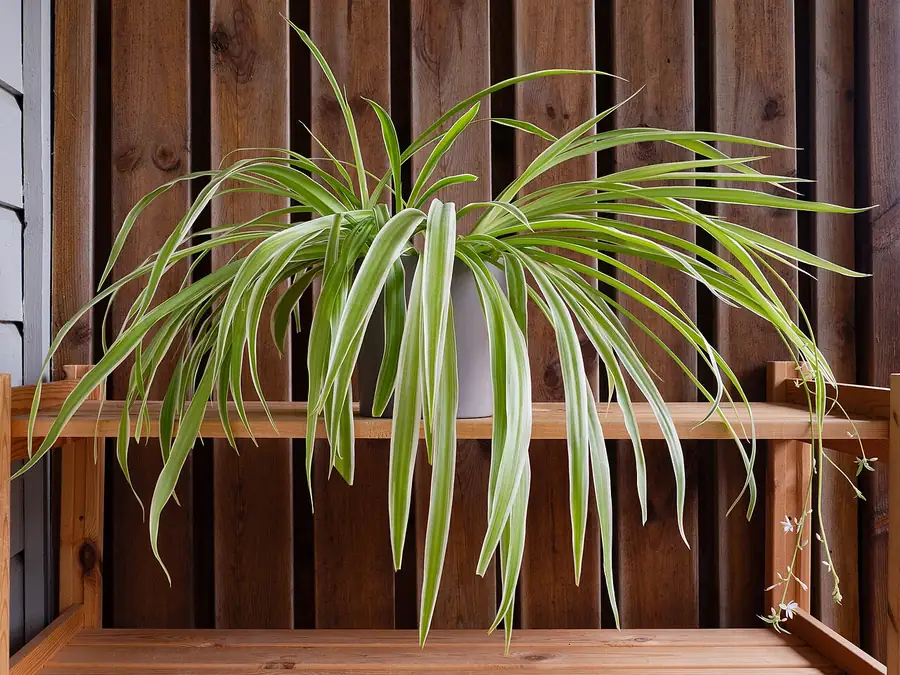
The ASPCA lists spider plants as non-toxic to dogs, cats, and horses, and PetMD includes them among the houseplants safe for dogs. A dog that eats a large amount may still get a mild stomach upset.