Are Ferns Toxic to Dogs? Boston, Asparagus, and Bracken Ferns Explained
It depends on the type of fern.
It depends on the type of fern. The Boston fern is listed as non-toxic to dogs by the ASPCA, but asparagus fern is listed as toxic, and bracken fern is toxic too. Identify the fern before you decide it is safe.

- Item
- Ferns
- Scientific name
- Nephrolepis exaltata (Boston fern) and other ferns
- Also called
- Boston fern, Asparagus fern, Bracken fern, Sword fern, Staghorn fern
- Category
- Plants
- Verdict
- Caution — It Depends on the Type
- Symptoms start
- Onset time is not well established for ferns. The ASPCA gives no onset time for asparagus fern, and PetMD notes that symptoms of plant poisoning in general can appear within minutes to hours. Bracken fern effects from repeated eating can take weeks to months to appear.
The word "fern" covers dozens of different plants, so there is no single answer to whether ferns are toxic to dogs. The Boston fern, the feathery houseplant hanging in baskets across America, is listed as non-toxic to dogs by the ASPCA. But the plant sold as asparagus fern is not a true fern at all, and the ASPCA lists it as toxic — and the wild bracken fern is toxic too.
That split is why identification matters more than the word on the label. A dog that chews a Boston fern frond is not facing poisoning, while a dog that eats asparagus fern berries can develop vomiting, abdominal pain, and diarrhea. This page explains which ferns are safe, which are not, how to tell them apart, and what to do if your dog eats one.
If your dog ate it — what to do now
- Take the fern away so your dog cannot eat more.
- Work out which fern it was — check the plant tag, or photograph the fronds, stems, and any berries.
- Call your veterinarian or the ASPCA Animal Poison Control Center at (888) 426-4435 right away (a consultation fee may apply) if it was asparagus fern or bracken fern, or if you cannot identify it.
- Follow the veterinarian's advice, which may include bringing your dog in for examination and supportive care.
- Watch for vomiting, diarrhea, abdominal pain, or skin irritation, and report them.
Do not do this
- Do not induce vomiting unless a veterinarian tells you to.
- Do not give milk, food, oil, or home remedies to "dilute" the toxin.
- Do not assume a plant is safe just because it is called a fern.
- Do not wait for advice if the fern was asparagus fern or bracken fern, or you are not sure which fern it was.
What makes some ferns toxic to dogs?
Most common houseplant ferns are not poisonous. The ASPCA lists the Boston fern (Nephrolepis exaltata) as non-toxic to dogs and cats, and the same is true of several other true ferns it lists.
The trouble starts with plants that carry the word "fern" but are not true ferns. Asparagus fern is a flowering plant related to garden asparagus. The ASPCA lists it as toxic to dogs and cats, and names sapogenin, a steroidal compound, as the toxic principle. Bracken fern is a true fern, but it is still toxic: a veterinary toxicology reference lists thiaminase, an enzyme that destroys vitamin B1 (thiamine), a bone-marrow-damaging factor, and ptaquiloside, a suspected carcinogen, among its toxic principles.
- Boston fern (Nephrolepis exaltata): listed as non-toxic to dogs by the ASPCA.
- Asparagus fern (Asparagus densiflorus, also sold as Asparagus setaceus): listed as toxic to dogs by the ASPCA; the toxic principle is sapogenin.
- Bracken fern (Pteridium aquilinum): toxic; its toxic principles include thiaminase, a bone-marrow-damaging factor, and ptaquiloside.
How much fern is dangerous for a dog?
There is no established safe dose for asparagus fern or bracken fern, and no published toxic dose in milligrams per kilogram of body weight. The risk depends on the type of fern, the part eaten, the amount, and your dog's size.
For asparagus fern, the berries carry the greatest concern, because the ASPCA links berry ingestion to vomiting, abdominal pain, and diarrhea. For bracken fern, the young shoots and rhizomes are especially toxic, and the risk grows with repeated grazing rather than one mouthful.
Symptoms of fern poisoning in dogs
The ASPCA lists allergic dermatitis with repeated skin exposure, and vomiting, abdominal pain, or diarrhea from eating the berries, as the clinical signs of asparagus fern poisoning in dogs. Chewing asparagus fern may also cause redness or itching where sap touched the skin.
Bracken fern looks different. A single mouthful may cause only vomiting or diarrhea, but repeated eating over weeks or months can lead to weight loss, weakness, loss of appetite, tremors, and incoordination as thiamine deficiency develops. The timing in dogs is less certain, since these chronic effects are described mainly for horses and cattle.
What to do if your dog eats a fern
Stay calm and act quickly. Take the fern away so your dog cannot eat more, and work out which type of fern it was. Check the plant tag for the botanical name, or take a clear photo of the fronds, stems, and any berries.
If it was a Boston fern or another true fern the ASPCA lists as non-toxic, watch your dog for vomiting or stomach upset and offer water. If it was asparagus fern or bracken fern, or you cannot identify the fern, call your veterinarian or the ASPCA Animal Poison Control Center at (888) 426-4435 right away (a consultation fee may apply).
How to keep your dog safe from ferns
Indoors, the risk is almost always asparagus fern, sold in small pots and hanging baskets and often placed at dog height. Outdoors, the risk is bracken fern growing wild in woods, fields, and along trails, where a grazing dog can return to the same patch day after day.
Check the botanical name on the tag before a plant comes home: Nephrolepis exaltata is a Boston fern, listed as non-toxic, while Asparagus densiflorus, Asparagus setaceus, or "Sprengeri" is asparagus fern, which should not be in a home with a dog that chews plants. Outdoors, keep your dog on a leash in areas thick with bracken fern and do not let your dog graze on wild ferns.
- Keep asparagus fern out of homes with dogs that chew plants.
- Fence off or clear bracken fern where your dog walks and grazes.
- Hang Boston ferns high, out of easy chewing reach.
- Check the botanical name on every plant tag before you buy.
Safe alternatives to toxic ferns
If you want the feathery fern look without the risk, the Boston fern itself is the best swap. It is listed as non-toxic to dogs by the ASPCA, and it gives you the same arching fronds as the plants people worry about. Other true ferns the ASPCA lists as non-toxic include staghorn fern, rabbit's foot fern, and button fern. Spider plants are another good choice for hanging baskets: listed as non-toxic to dogs by the ASPCA and hardy.
How to tell common ferns apart
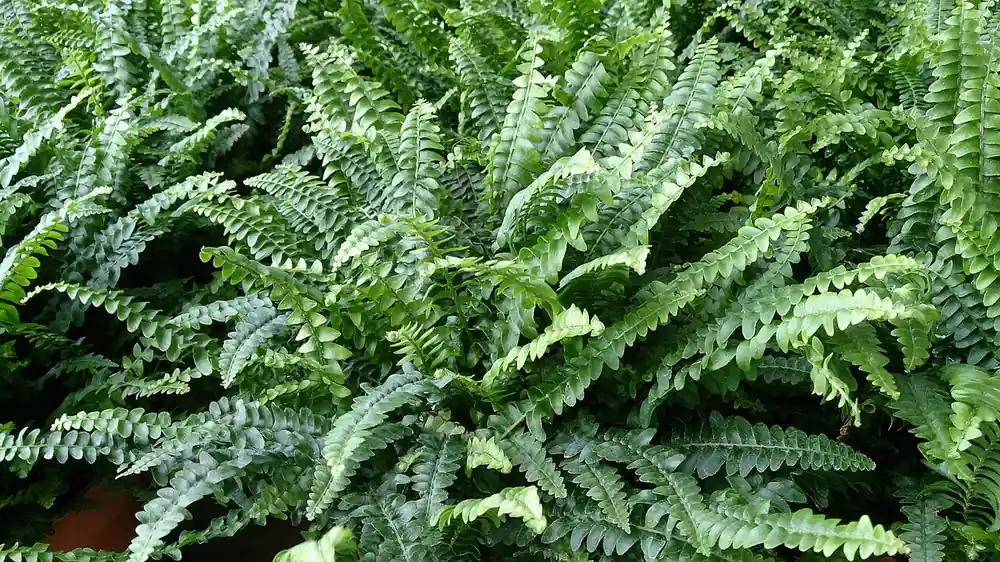
Boston fern has flat, arching fronds made of many small leaflets arranged like a comb along a central stem. The fronds are usually 2 to 3 feet long, and the plant has no flowers, berries, or thorns.
Asparagus fern has fine, needle-like leaves on thin, wiry, branching stems that often carry small thorns, and it produces tiny white flowers followed by bright red berries. The tag may read Asparagus densiflorus, Asparagus setaceus, or "Sprengeri," and it may also be sold as emerald fern, lace fern, plumosa fern, or foxtail fern. Red berries on a "fern" are a warning sign: true ferns never make berries. Bracken fern is the tall, coarse fern of woods and open fields, growing up to 6 feet tall with large, triangular fronds that stand upright. If your dog is eating a large wild fern, treat it as possible bracken fern and call your veterinarian.
Symptoms to watch for
- Vomiting
- Diarrhea
- Abdominal pain
- Allergic dermatitis or skin irritation (asparagus fern, repeated contact)
- Loss of appetite
- Weakness or lethargy (chronic bracken fern eating)
- Tremors or incoordination (chronic bracken fern eating)
- Weight loss (chronic bracken fern eating)
Asparagus fern usually causes vomiting, abdominal pain, or diarrhea, sometimes with skin irritation, while bracken fern's more serious effects build up over weeks or months of repeated eating.
Safe alternatives
- Boston fern — Listed as non-toxic to dogs by the ASPCA, and the safest fern choice.
- Spider plants — Listed as non-toxic to dogs by the ASPCA, and a hardy hanging plant.
- Roses — Listed as non-toxic to dogs by the ASPCA, and safe for beds and bouquets.
What about cats? The same split applies to cats. The ASPCA lists the Boston fern as non-toxic to cats, but lists asparagus fern as toxic to cats, with the same signs: allergic dermatitis from repeated skin contact and vomiting, abdominal pain, or diarrhea from eating the berries. Bracken fern is also a concern for cats, since the thiamine deficiency it can cause with repeated eating affects cats as well as dogs. Keep cats away from asparagus fern and bracken fern, and call your veterinarian if a cat has eaten either one.
Frequently asked questions
Is the Boston fern safe for dogs?
The Boston fern is listed as non-toxic to dogs by the ASPCA, so a chewed frond is not a poisoning emergency. But "non-toxic" does not mean "food": eating a lot of any plant material can still cause vomiting or stomach upset, so discourage chewing and watch your dog afterward.
Is asparagus fern poisonous to dogs?
Yes. Asparagus fern is listed as toxic to dogs by the ASPCA. Its berries can cause vomiting, abdominal pain, and diarrhea, and repeated contact with the plant can cause allergic dermatitis. Keep it out of reach and call your veterinarian if your dog eats the berries.
Is bracken fern dangerous for dogs?
Bracken fern is toxic, and its danger comes mainly from repeated eating over weeks or months, which can lead to thiamine deficiency and bone marrow damage. A single nibble is less likely to cause severe illness, but do not let your dog graze on it, and call your veterinarian if your dog has been eating it regularly.
My dog ate a fern — what should I do?
Remove the plant, note which type of fern it was and how much was eaten, and call your veterinarian or the ASPCA Animal Poison Control Center at (888) 426-4435. If it was a Boston fern, the risk is low, but if it was asparagus fern or bracken fern, or you are not sure which fern it was, get advice promptly.
Sources
- ASPCA Poison Control — Boston Fern
- ASPCA Poison Control — Asparagus Fern
- PetMD — Plants Toxic to Dogs: 19 Dangerous Plants To Avoid
- International Veterinary Information Service (IVIS) — Thiaminase-Containing Plants and Other Substances (Bracken Fern)
Related guides

Tulips are toxic to dogs. Every part of the plant contains tulipalin A and B, but the bulb holds the highest concentration, so a dog that digs up and eats bulbs faces the greatest risk.
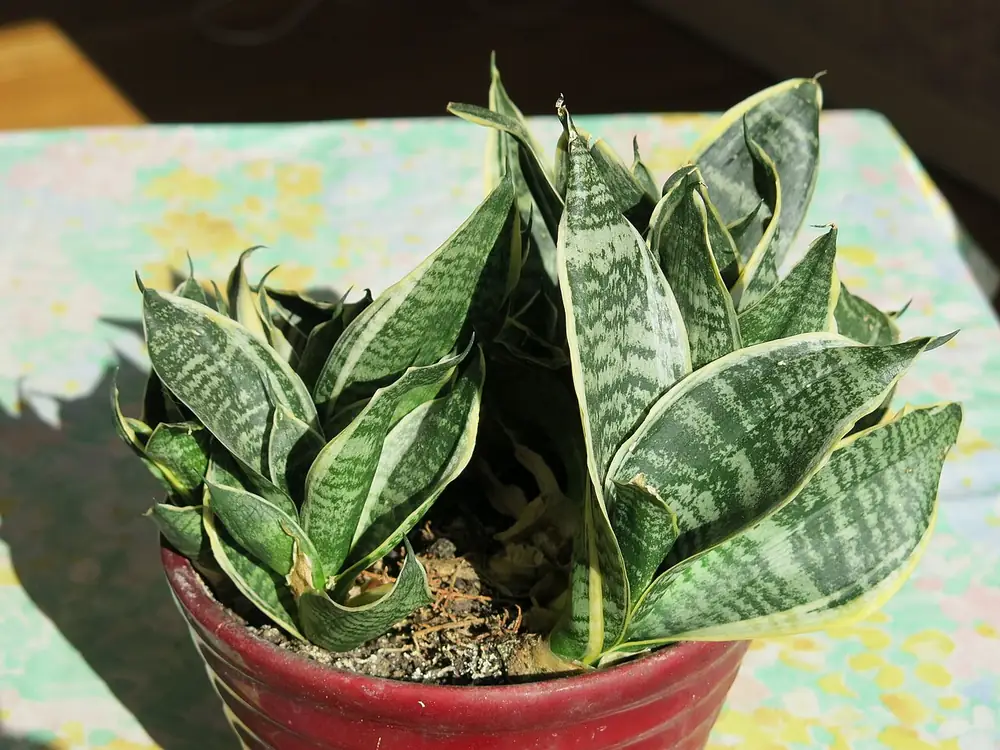
Snake plants are toxic to dogs. They contain saponins, which irritate the mouth and stomach and usually cause nausea, vomiting, and diarrhea.
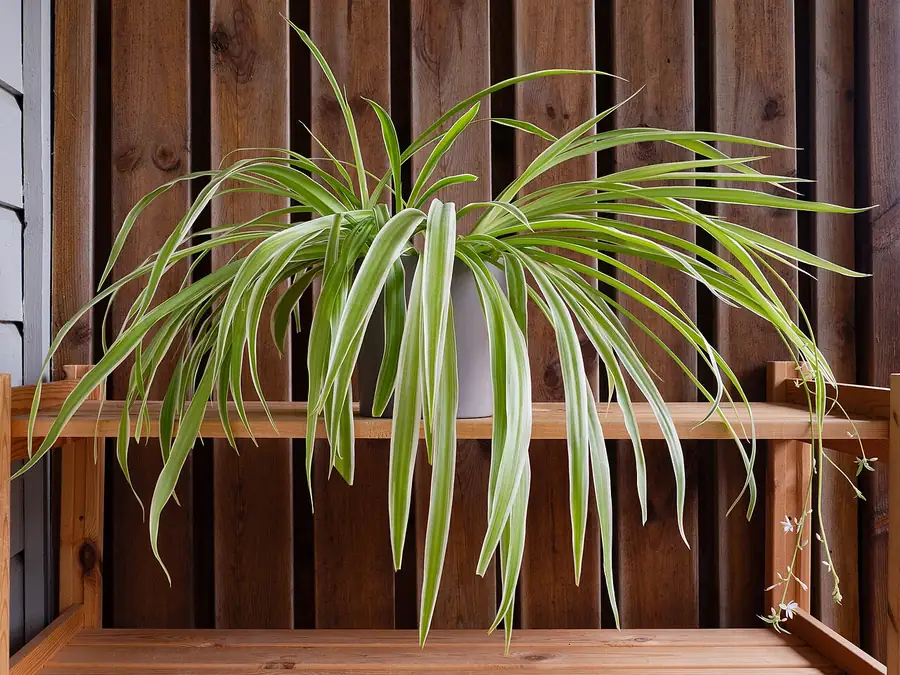
The ASPCA lists spider plants as non-toxic to dogs, cats, and horses, and PetMD includes them among the houseplants safe for dogs. A dog that eats a large amount may still get a mild stomach upset.

Yes — Tagetes marigolds (French and African marigolds) are mildly toxic to dogs, causing stomach upset and possible skin irritation. Pot marigold is a different plant and is listed as non-toxic.